- June 30, 2026
- Olivia
- 0
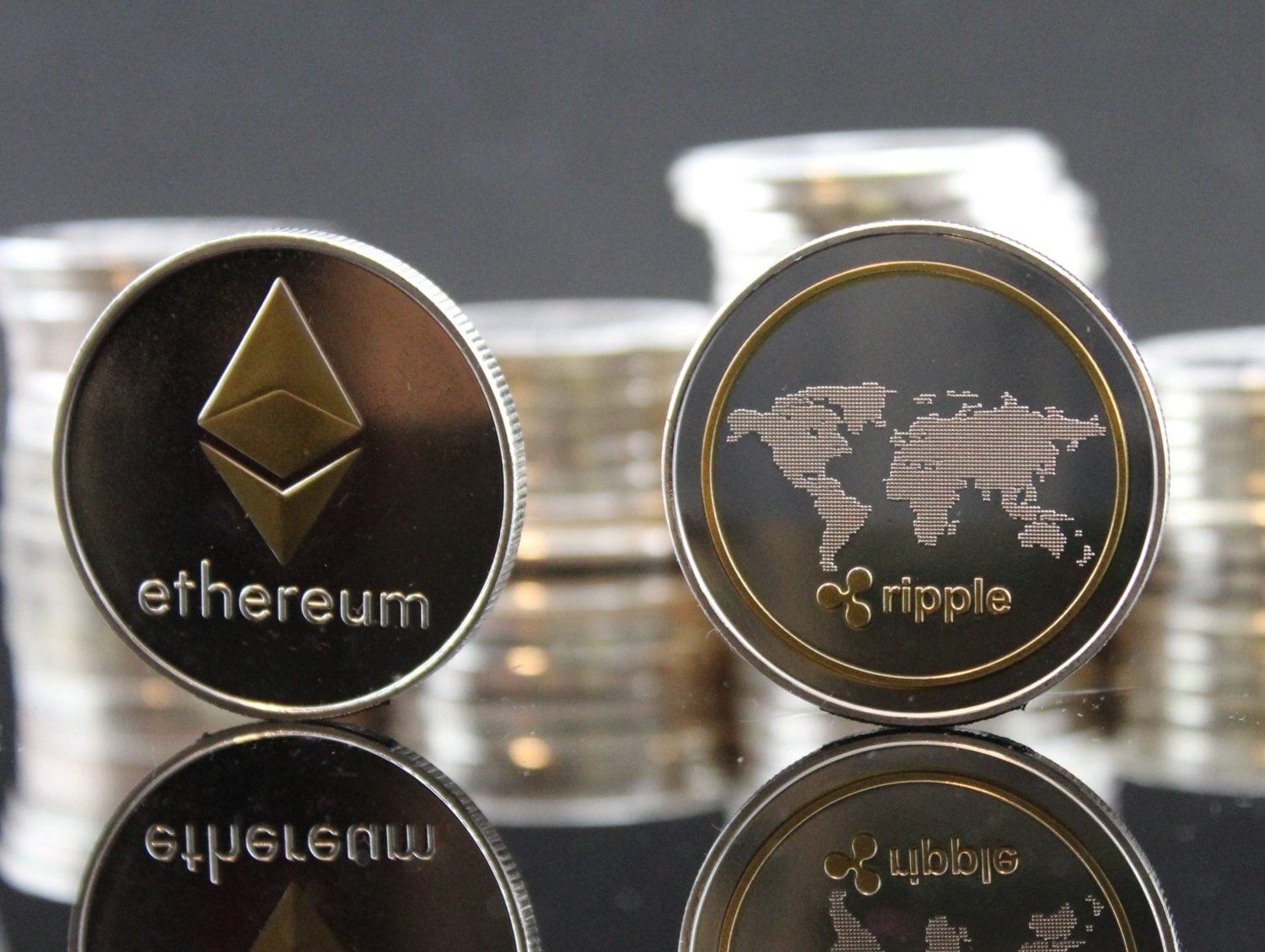
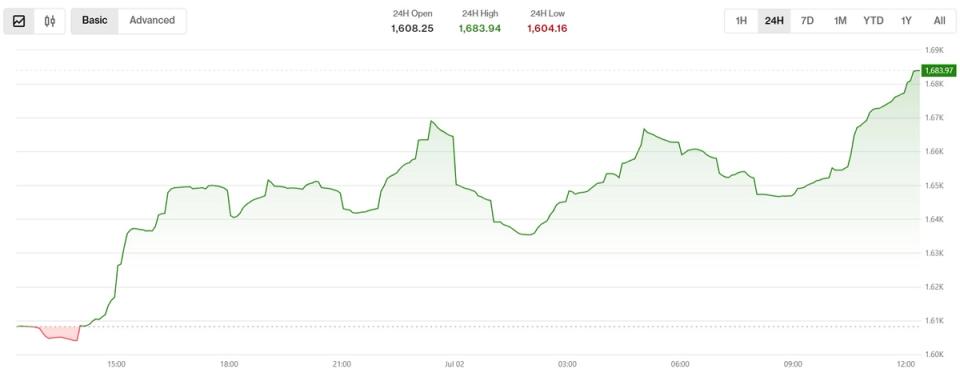
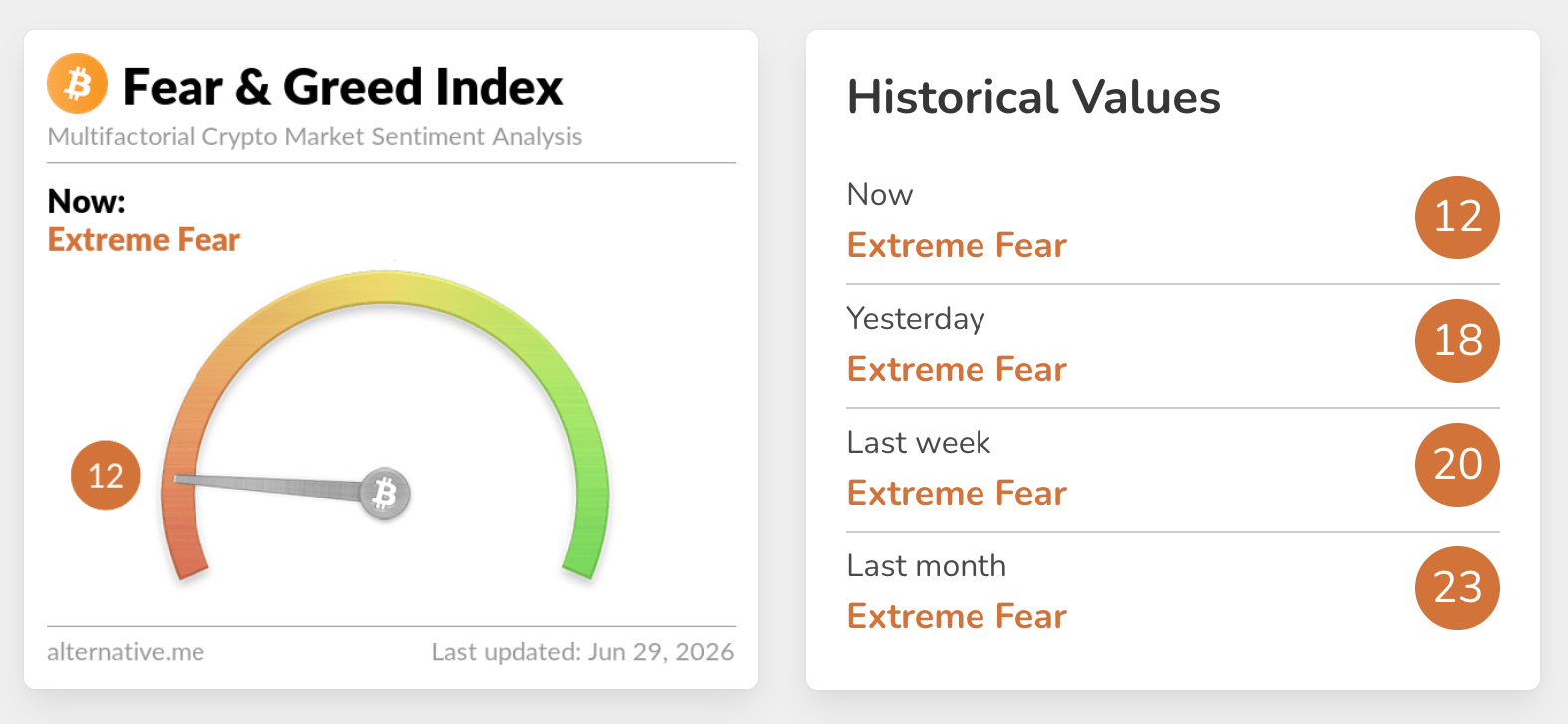
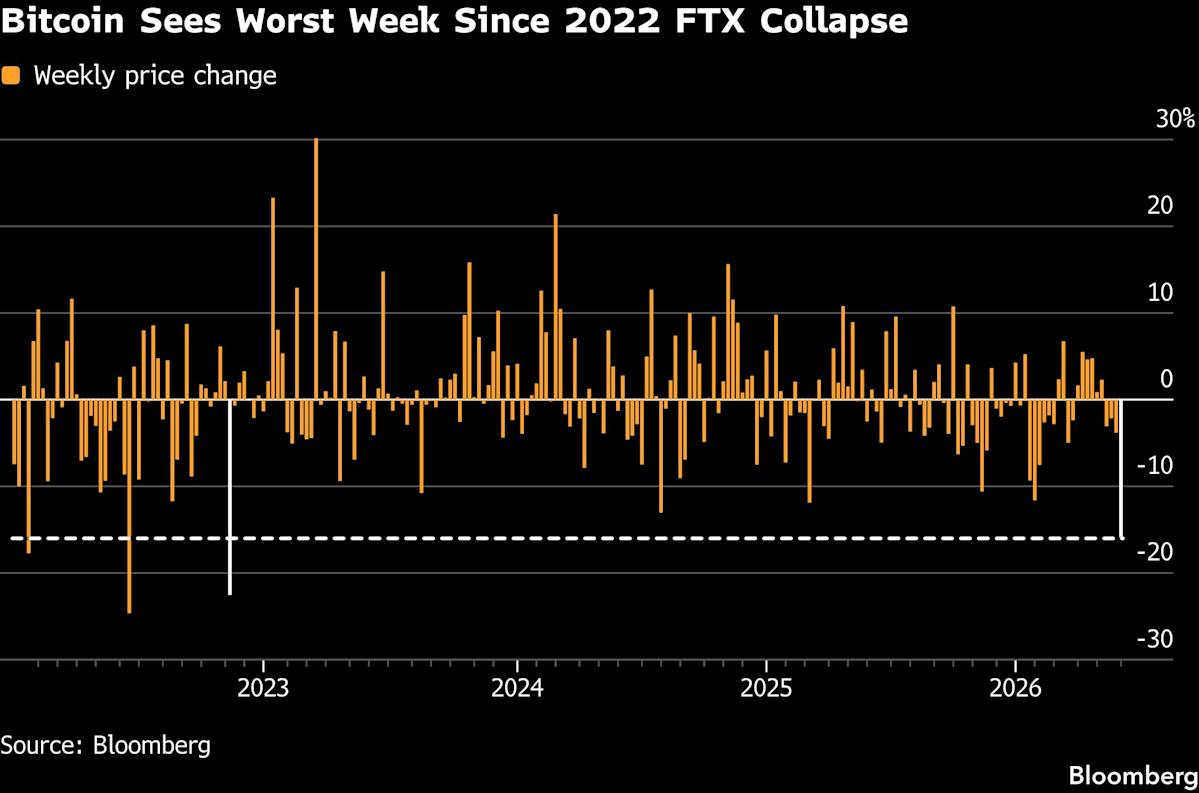
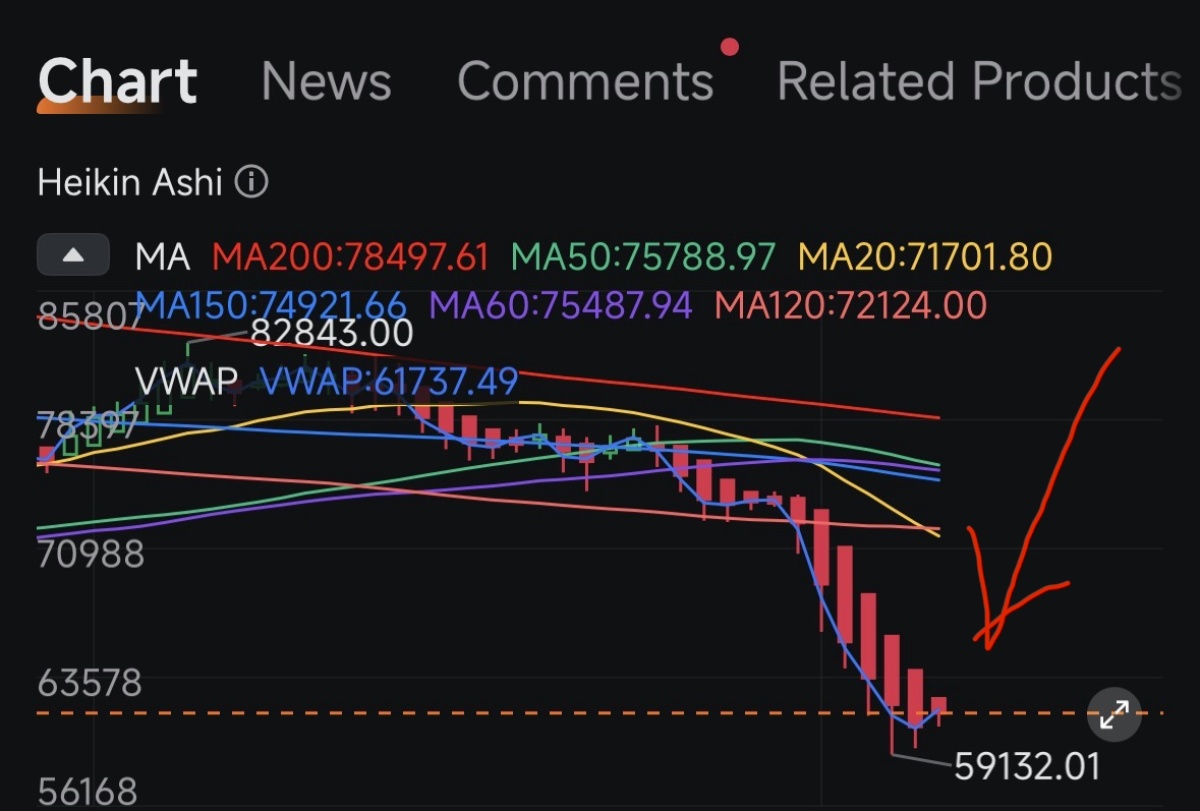
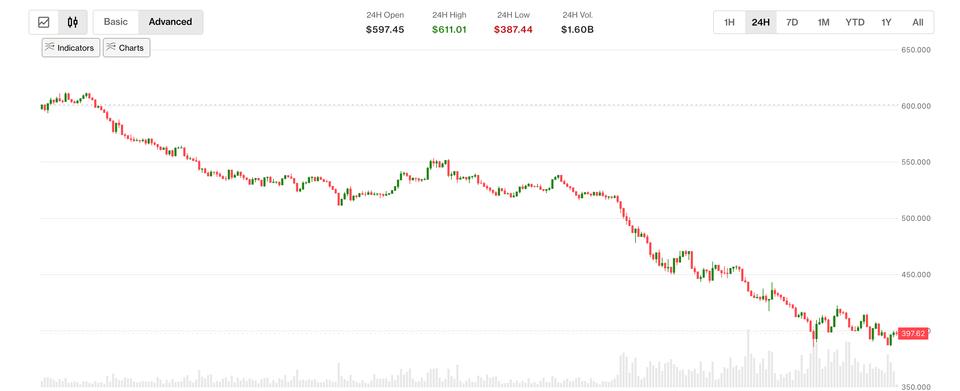
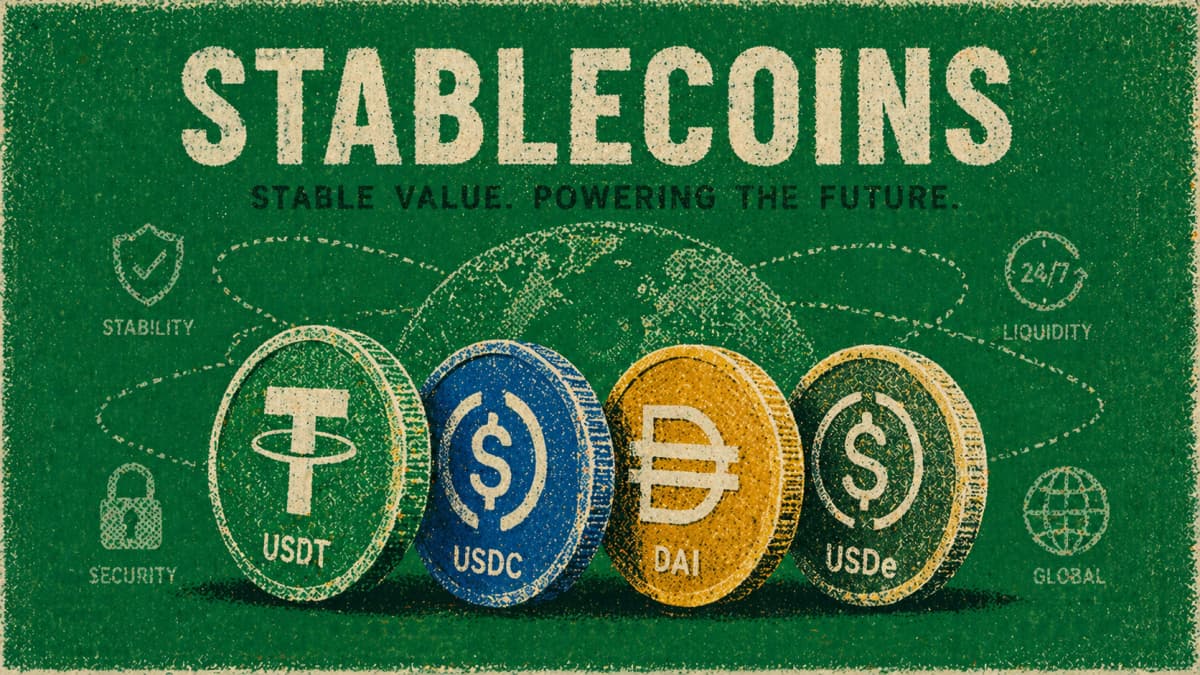
Ethereum, the second-largest blockchain by market capitalization, fell roughly 25% in June amid a corporate restructuring. The correction stands out less for its size than for the institutional stablecoin economy now built on top of the network.
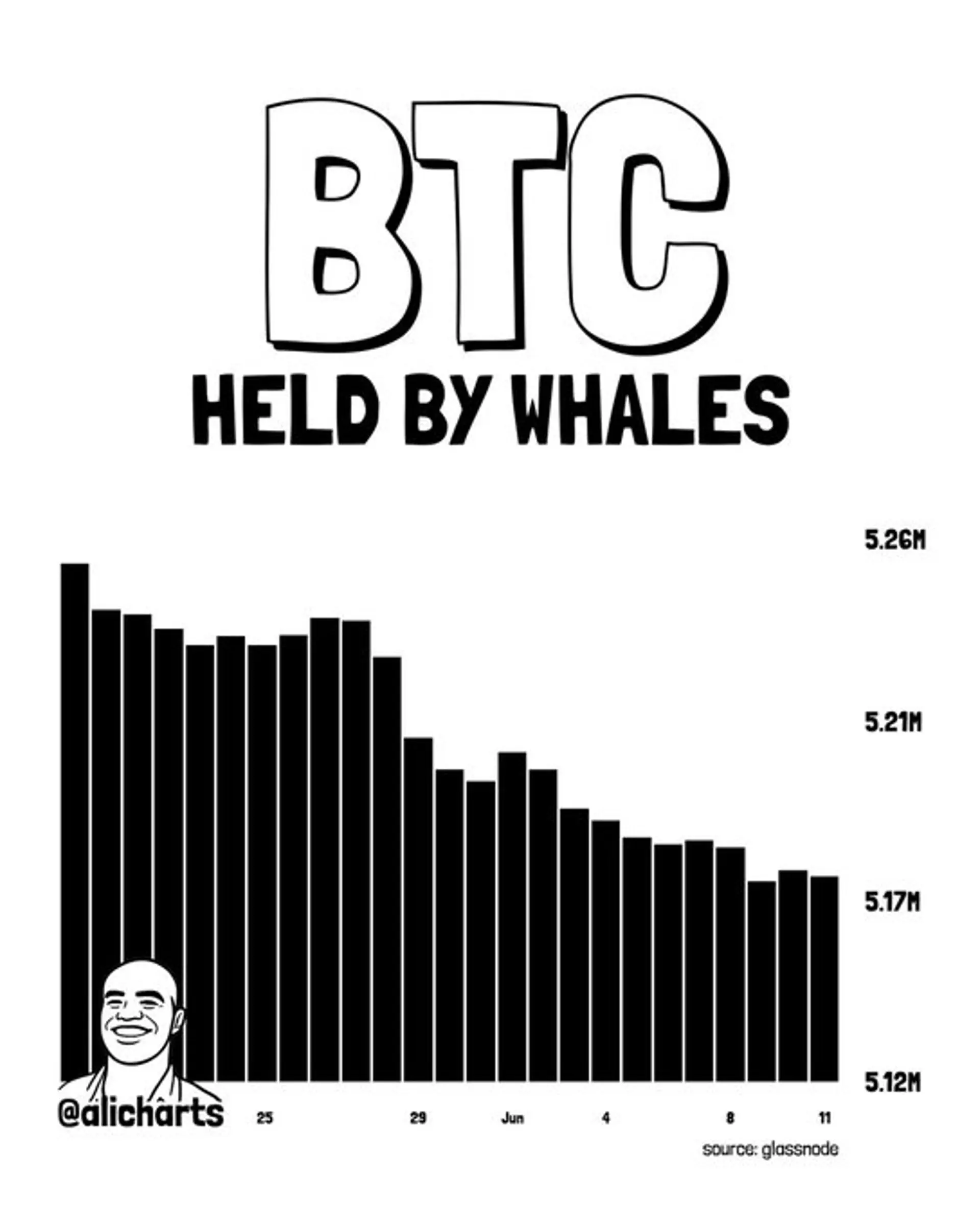
Ethereum announced a organizational restructuring, including a 20% workforce reduction and plans to cut spending by 40% over the coming years. As a recent Parameter report noted, every ethereum “whale,” or digital wallet controlling more than 100,000 ETH, is now holding unrealized losses for the first time in nearly seven years.
Ethereum’s June selloff has revived debate over ETH’s valuation, competition from rival chains such as solana and tron, and whether stablecoin growth still depends on the network.
Ethereum is the blockchain where decentralized finance emerged, where most dollar-backed stablecoins first achieved meaningful scale, and where developers built the infrastructure that transformed digital dollars from crypto trading tools into programmable financial assets. When ethereum prospered, stablecoins generally prospered alongside it.
The assumption has since become almost axiomatic across crypto: The success of one reinforced the success of the other. And under an older framework, weakness in ethereum should have raised broader questions about stablecoin adoption, given how closely the two ecosystems have historically been intertwined.
Instead, almost the opposite is occurring.
Read also: Ethereum Doesn’t Know What It’s Supposed to Be Anymore
Stablecoins Have Outgrown Their Original Blockchain Home
Ethereum’s importance to digital assets has never rested solely on its native ETH token. The network introduced programmable smart contracts at its 2015 launch that transformed blockchains from simple payment rails into software platforms capable of supporting decentralized finance, tokenized assets, automated trading and stablecoins.
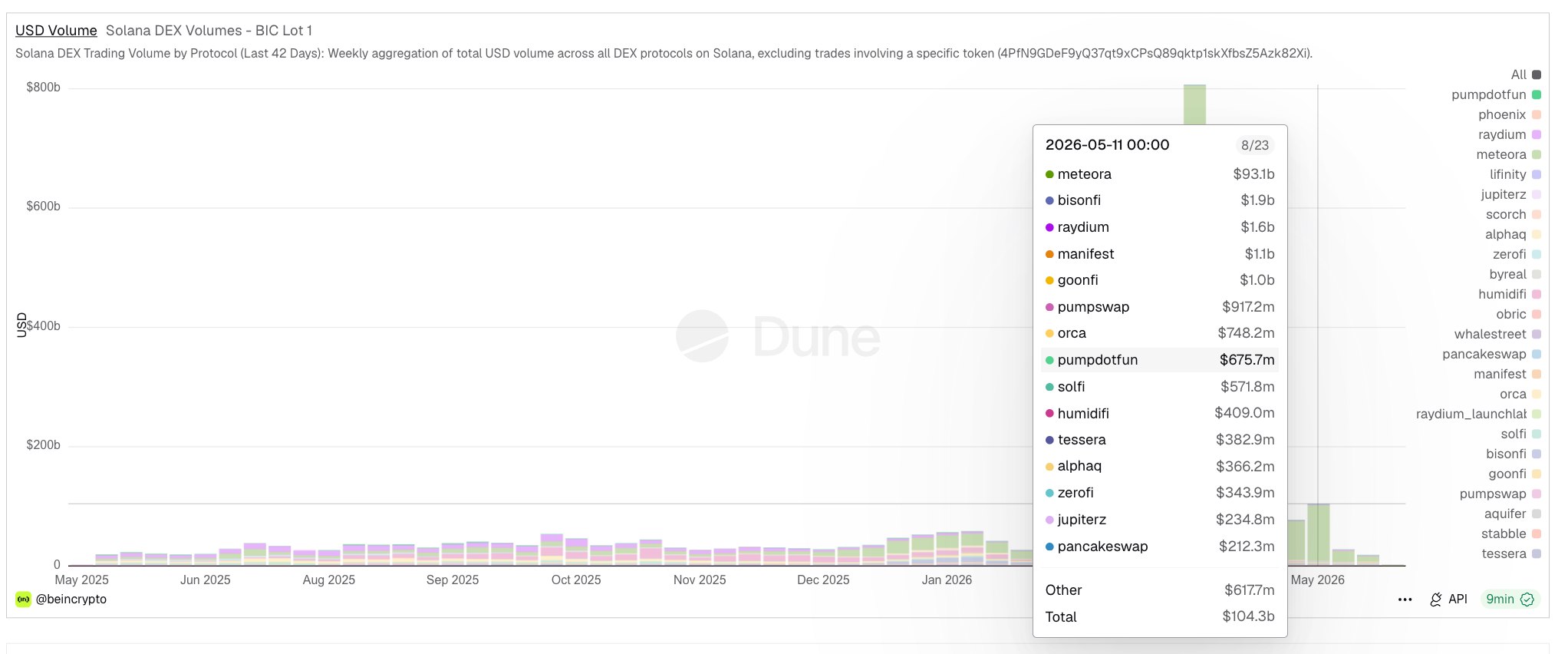
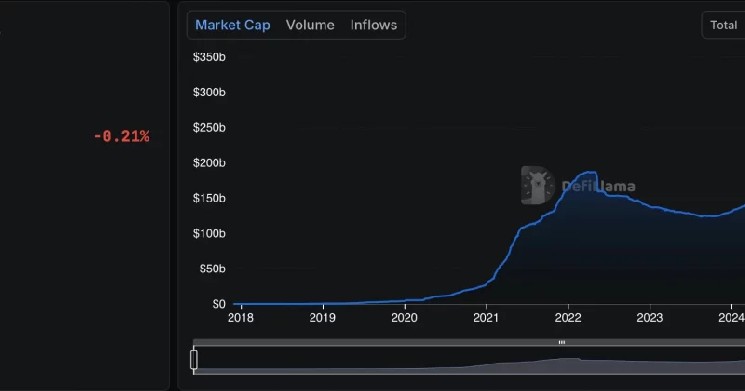
Unlike previous crypto market downturns, ethereum today sits beneath an institutional digital asset ecosystem that barely existed a few years ago. Hundreds of billions of dollars in stablecoins circulate globally. Financial institutions are experimenting with tokenized deposits and real-world assets while payment companies are integrating blockchain settlement into commercial infrastructure and governments are advancing regulatory frameworks that increasingly distinguish stablecoins from the broader cryptocurrency market.
As stablecoins have moved beyond crypto trading into payments, treasury operations and cross-border settlement, the priorities of enterprise users have begun to diverge from those of cryptocurrency investors.
Which blockchain settles a transaction, whether ethereum, a Layer 2 network or another chain, is becoming a technical implementation detail rather than a strategic differentiator. As infrastructure matures it becomes invisible, much as consumers rarely consider which network authorizes a card transaction and businesses rarely know which protocols route their cloud applications.
Much of the digital asset industry has shifted to a multi-chain approach, spreading finance and settlement across several blockchains rather than concentrating activity on ethereum alone.
See also: The Crypto CFO Playbook for Navigating Blockchain’s 3 Layers
Multi-Chain Finance Is Becoming Institutional Crypto’s Default Strategy
During crypto’s previous growth cycle, competitive conversations largely revolved around decentralized applications, NFTs, decentralized finance protocols and consumer-facing innovation. Stablecoins often functioned primarily as liquidity inside those ecosystems.
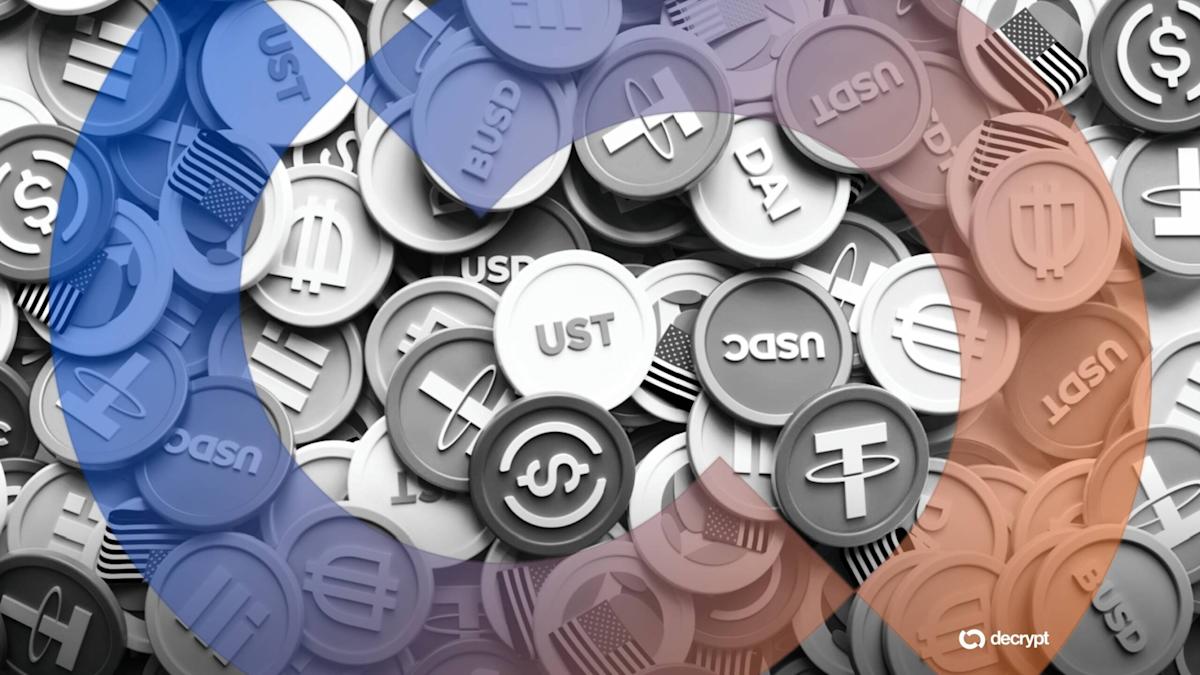
Today’s stablecoin market spans solana, tron, base, arbitrum, avalanche and newer purpose-built settlement chains, not just ethereum, which created the original stablecoin economy. Issuers now routinely launch across multiple blockchains at once, and financial institutions entering the space prioritize interoperability over exclusive commitment to a single protocol.
For payment providers moving money internationally, transaction cost matters more than blockchain loyalty. Treasury departments prioritize settlement certainty, liquidity and regulatory compliance over developer ecosystems, while banks evaluating tokenized deposits are asking which network best supports operational resilience rather than which one pioneered decentralized finance.
Ethereum remains exceptionally valuable as a programmable settlement environment capable of supporting sophisticated financial applications. But if institutional adoption revolves around moving dollars efficiently rather than building decentralized applications, competitive advantages begin shifting toward throughput (where chains such as solana process far more transactions per second than ethereum’s base layer), interoperability, operational simplicity and regulatory integration.
As PYMNTS CEO Karen Webster wrote in January, the long-term winner may be tokenized deposits that preserve the regulatory structure and economics of commercial banking while delivering the programmability and around-the-clock settlement capabilities associated with blockchain-based money.
Ethereum’s recent market weakness is also exposing another institutional priority: avoiding concentration risk. If stablecoin growth can continue despite ethereum experiencing one of its more challenging periods, it suggests that the industry’s architecture has become more diversified than observers may have assumed.
Still, PYMNTS Intelligence research in collaboration with Velera suggests the greatest barrier to adoption may be the simple fact that consumers do not distinguish stablecoins from cryptocurrencies, do not know whether their financial institutions offer them and have yet to develop a clear understanding of why they would use them in everyday payments.
On the enterprise side of things, “Waiting for Certainty: Why Most CFOs Are Holding Back on Crypto and Stablecoins,” a recent installment of PYMNTS Intelligence’s 2026 Certainty Project, shows that most middle market companies remain cautious about digital assets. Usage is limited, with 13% of firms using stablecoins and 5% employing other cryptocurrencies.