By Milan Rojan
Today
- API
- Blockchain
- Cross Border Payments
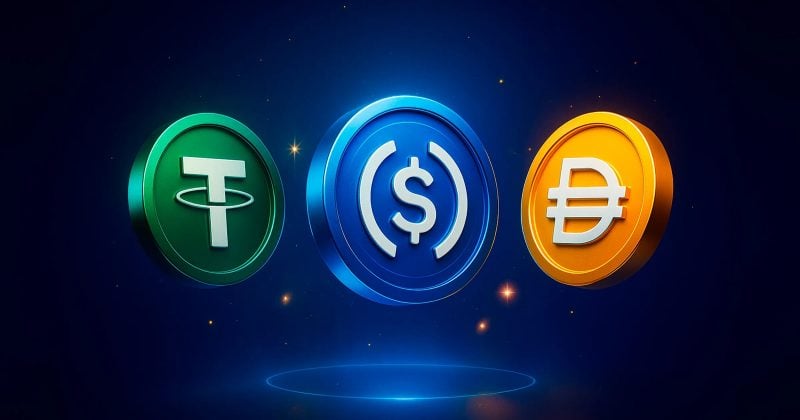
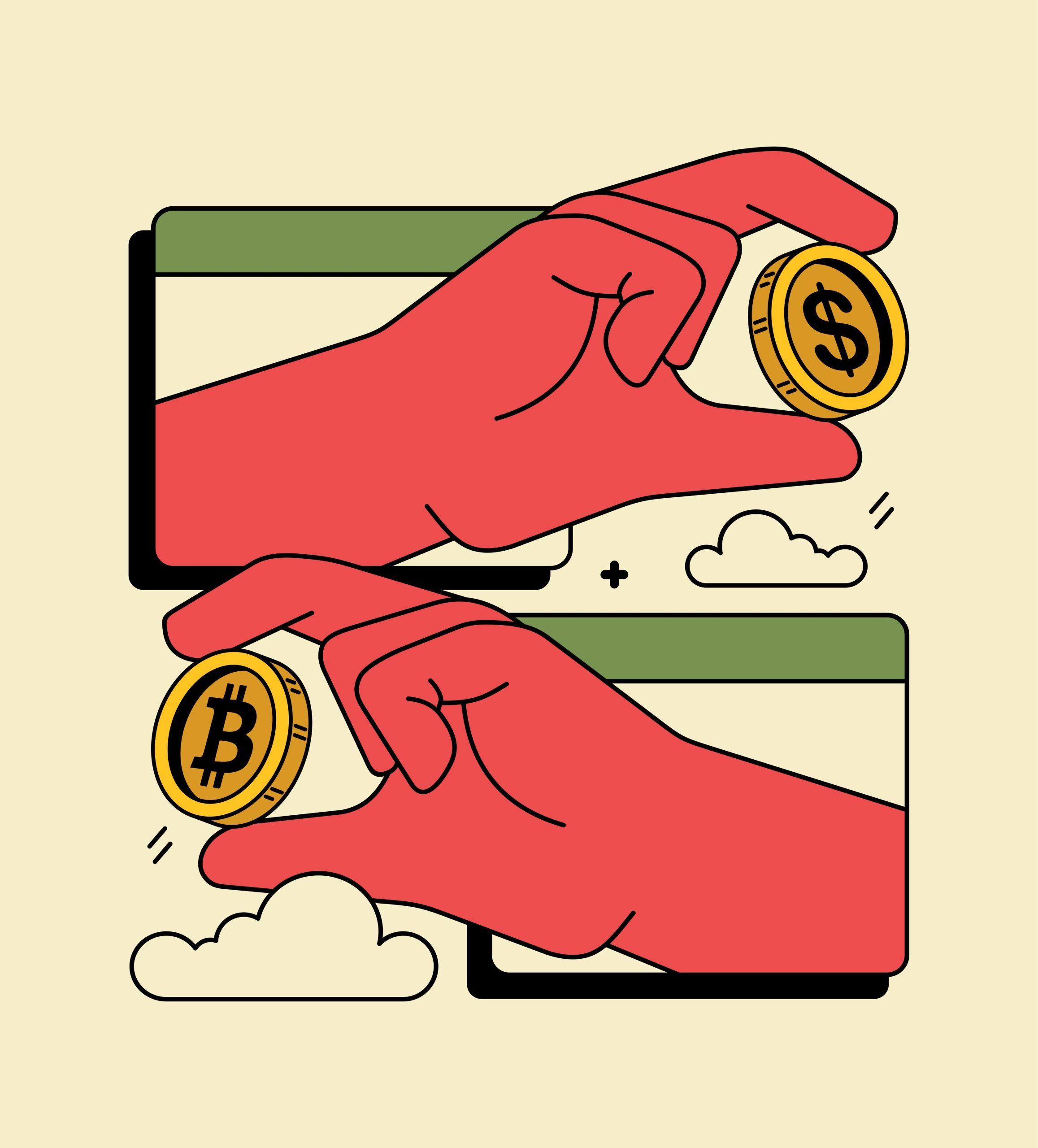
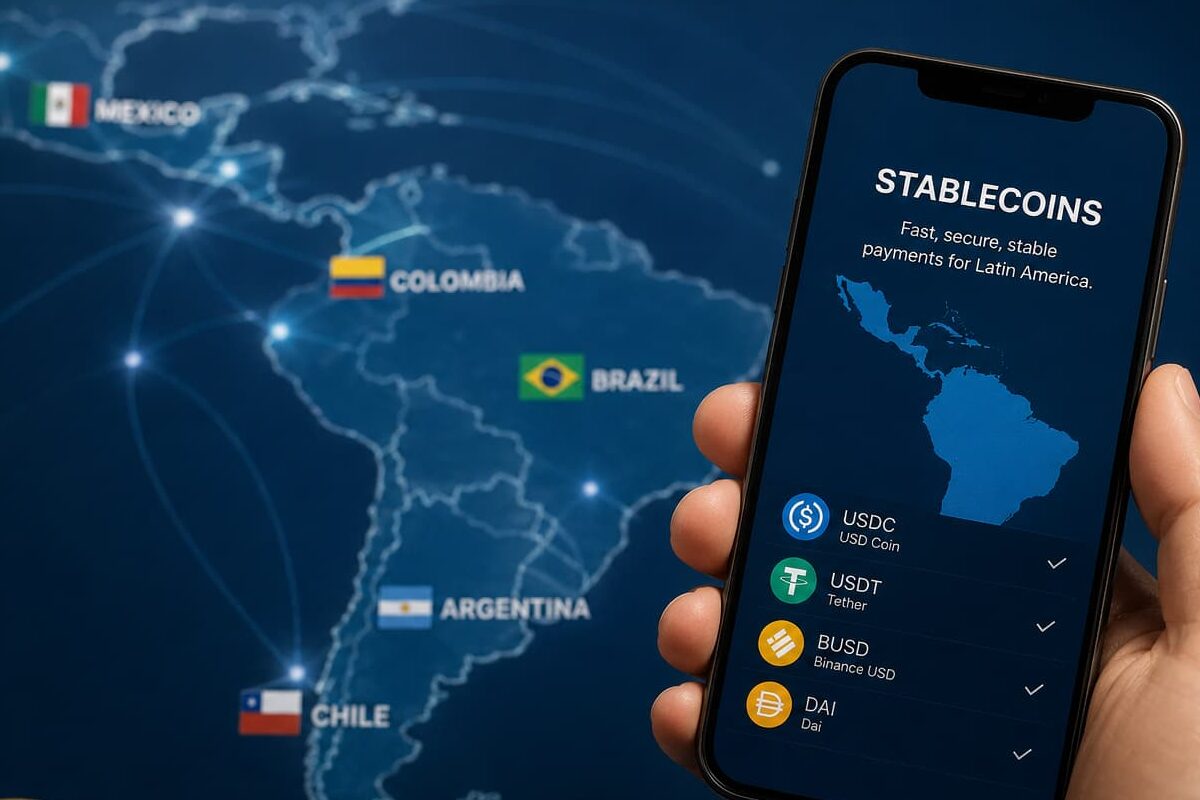
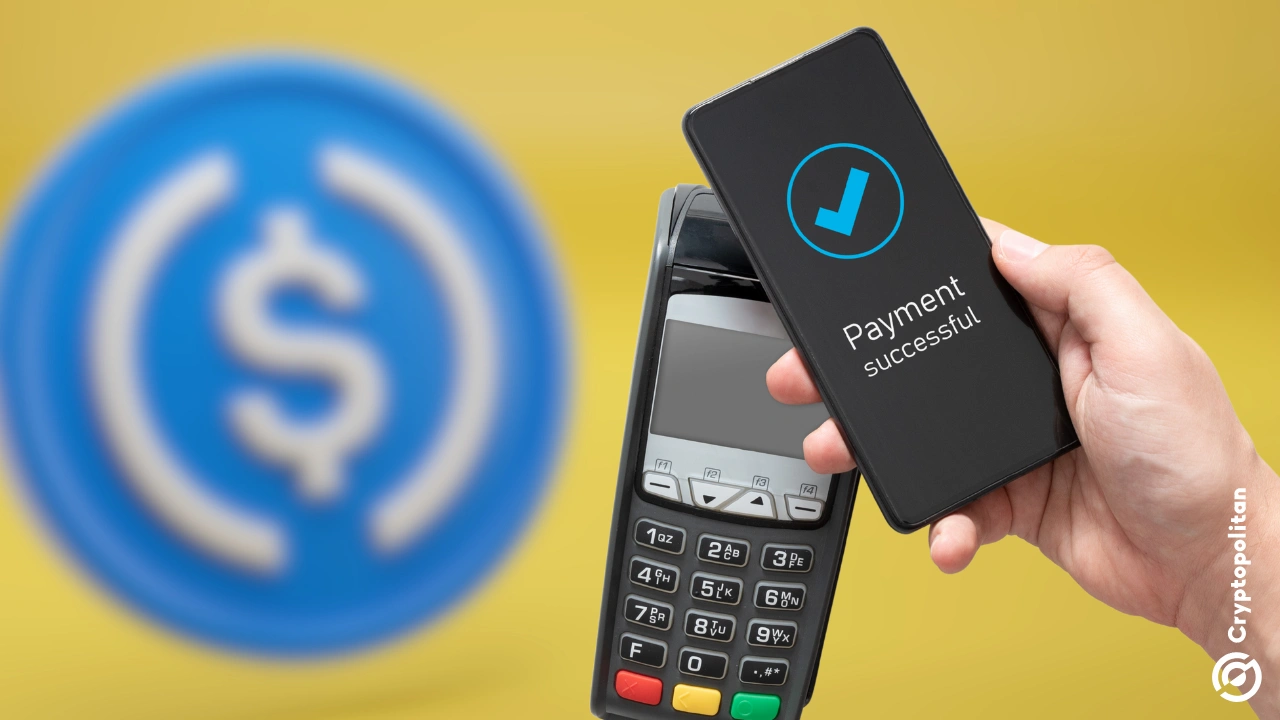
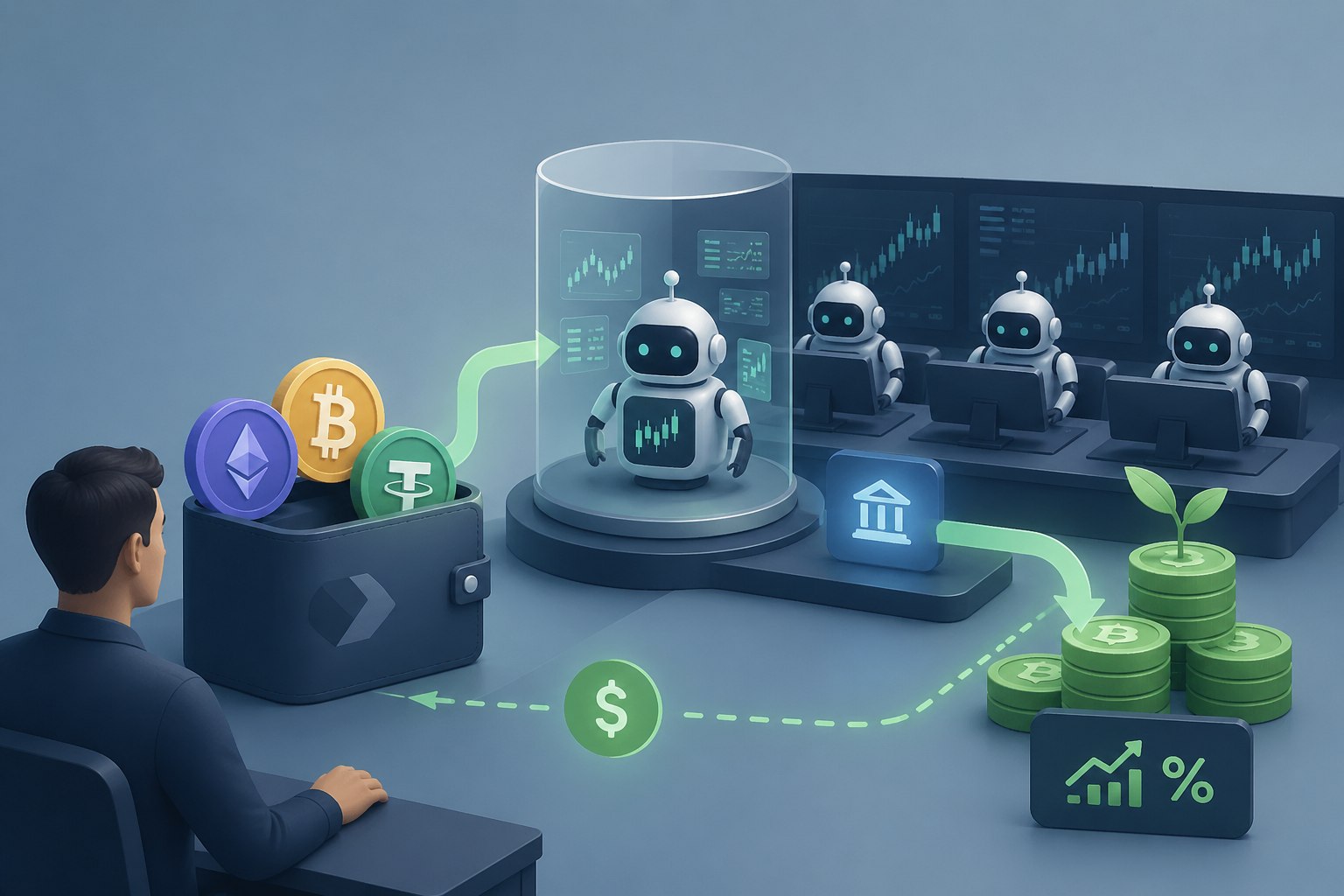
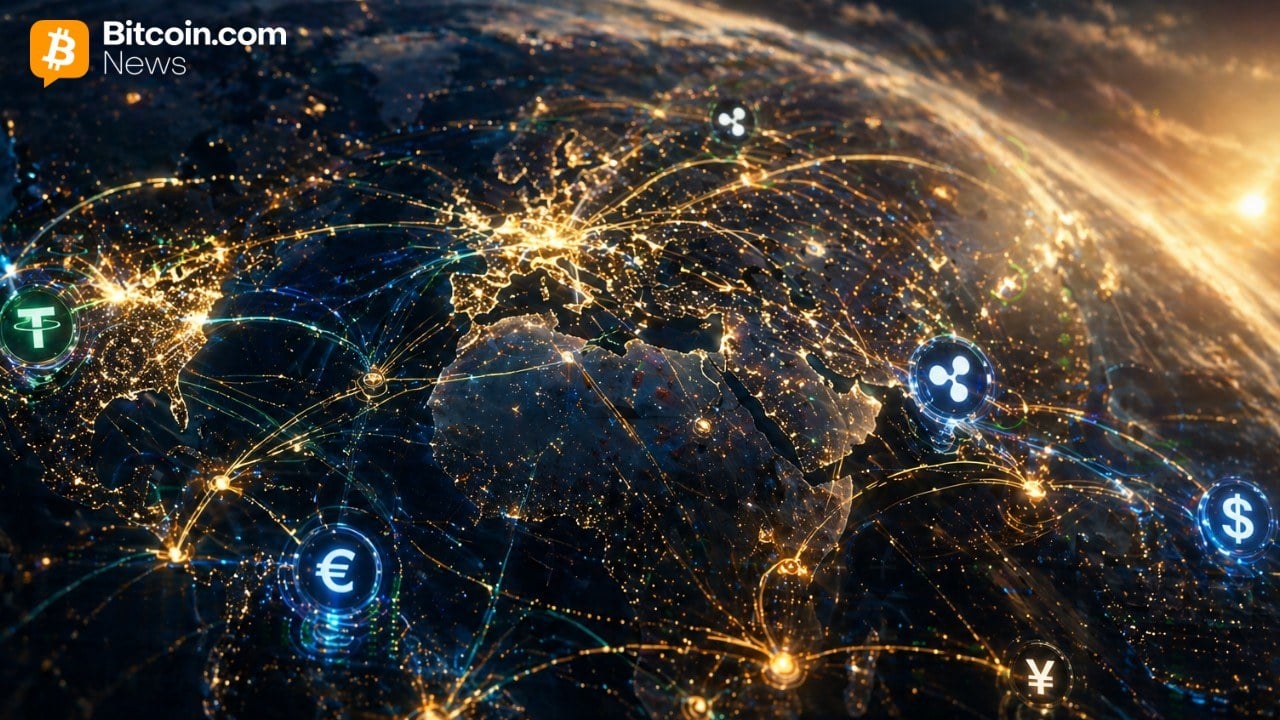
 Bron has partnered with Noah to expand access to global stablecoin on- and off-ramp services, enabling users to move funds between traditional financial systems and self-custody wallets through Noah’s payments infrastructure.
The partnership has been introduced to simplify how users fund and withdraw digital assets while retaining full control of their holdings. The integration has connected Bron’s MPC-based self-custody wallet with Noah’s global stablecoin payment rails, allowing users to access virtual accounts for global dollar origination and payouts across multiple markets and jurisdictions.
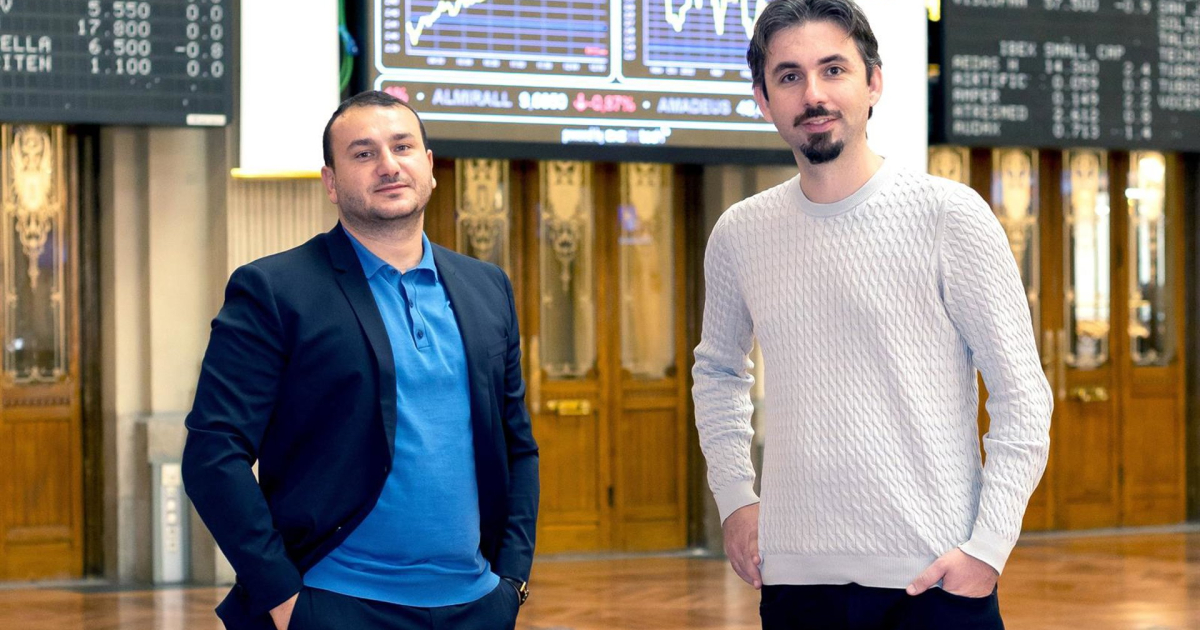
Dmitry Tokarev, Founder of Bron, said: “Self-custody should not be reserved for technical experts. The next wave of adoption depends on making digital assets as easy to access as they are secure to hold. By partnering with Noah, we’re removing friction between traditional finance and self-custody while preserving the security and ownership principles that make crypto valuable in the first place.”
The collaboration has sought to address one of the key barriers to wider digital asset adoption by reducing friction between conventional financial infrastructure and self-custody solutions. Noah’s payment network has supported stablecoin transactions for FinTechs, exchanges, marketplaces and businesses operating in more than 70 countries, facilitating faster and more transparent cross-border payments.
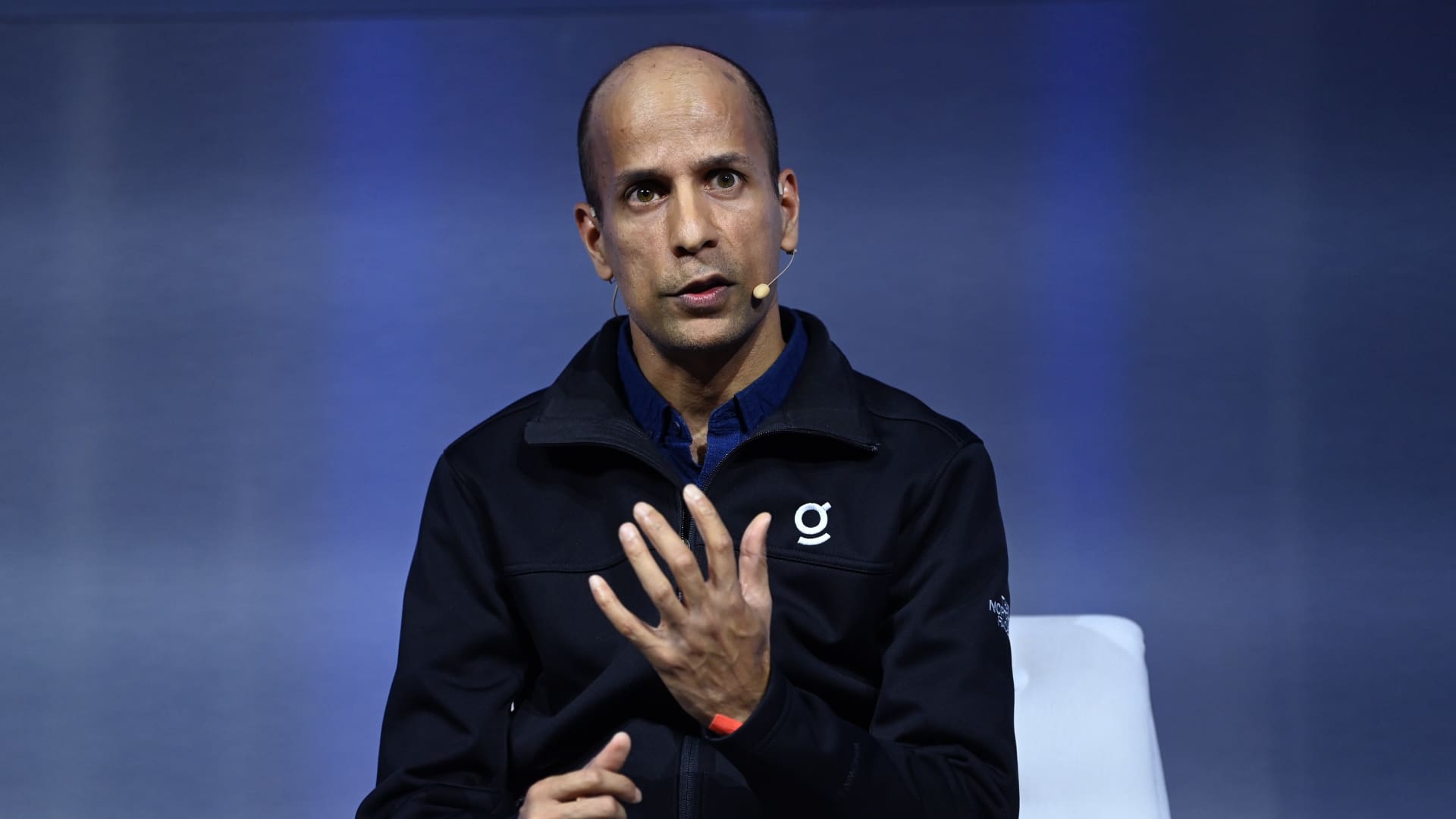
Shah Ramezani, Co-Founder and CEO of Noah, said: “Stablecoins are becoming one of the most important bridges between traditional financial systems and digital assets. By combining Noah’s payments infrastructure with Bron’s innovative self-custody platform, we’re helping users participate in the digital economy with greater confidence and accessibility.”
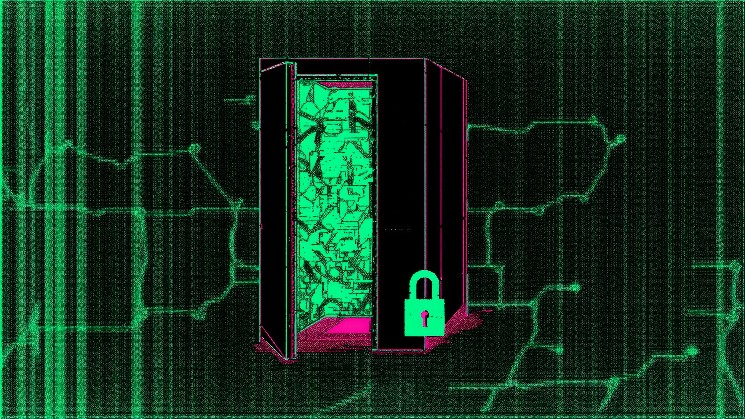
The partnership has been announced as stablecoins continue to gain traction across payments, remittances, savings and cross-border commerce. Bron’s MPC-based architecture has eliminated traditional seed phrases while incorporating features including biometric authentication, policy controls, delayed transfers, hidden vaults and guardian-based recovery. Both companies have said the collaboration has reflected a shared focus on improving accessibility, security and usability for digital asset users while supporting broader participation in the global digital economy.