Ghana Cannot Progress on a Half-Day Economy
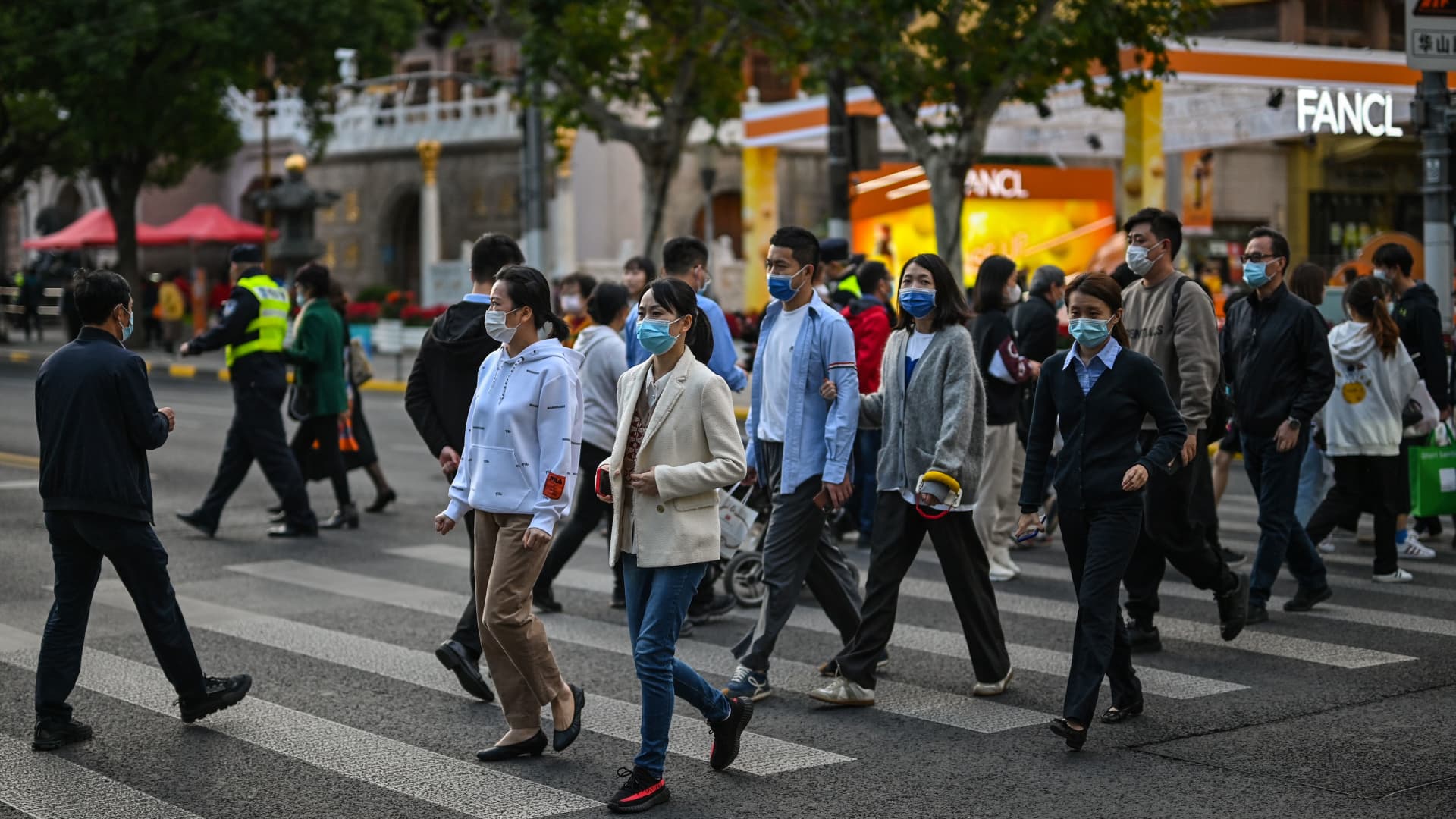
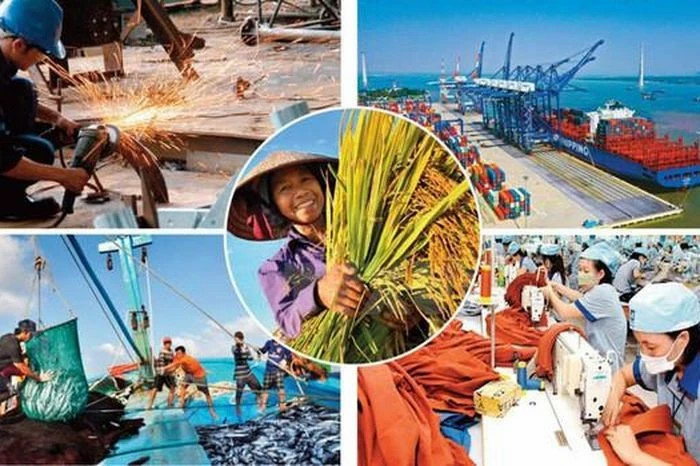
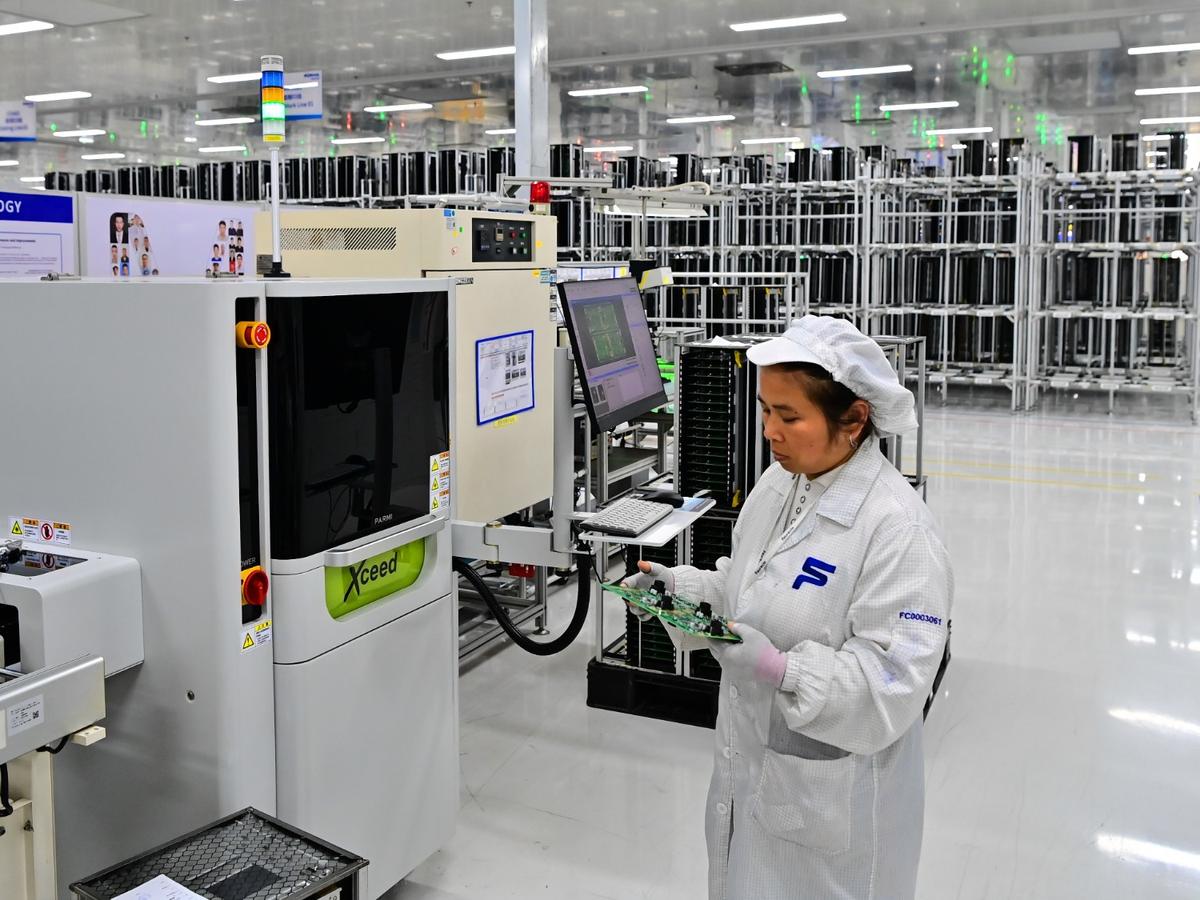
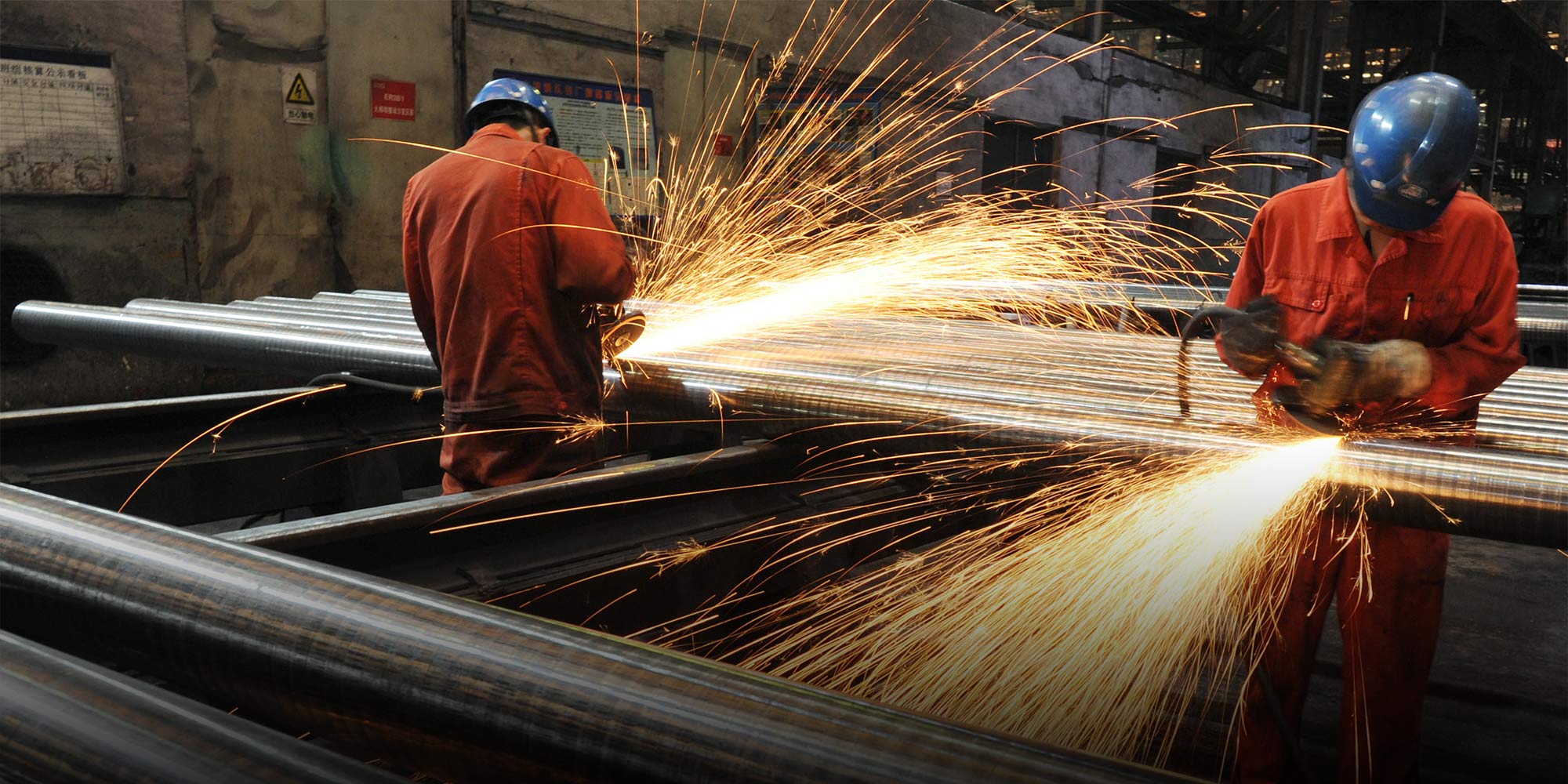
For decades, Ghana has operated on a restrictive, post-colonial “9-to-5” economic clock. By 6:00 PM, major commercial hubs across Accra, Kumasi, and Tamale fall silent, production lines grind to a halt, and vital national assets sit idle for half the day. In a country where youth unemployment demands urgent action, we can no longer afford to let our economy sleep while the rest of the world moves forward.
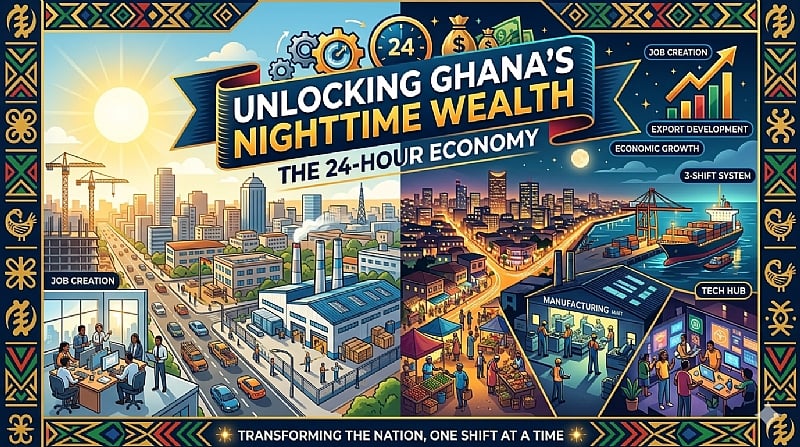
The introduction of the 24-Hour Economy and Accelerated Export Development Programme (24H+) represents a major shift in our national development strategy [24hplus.gov.gh]. Following the recent passage of the 24-Hour Economy Authority Bill, this framework is no longer just a campaign concept; it is an active legal blueprint for structural transformation. By utilizing a structured three-shift system, Ghana is preparing to maximize its productivity, convert from an import-reliant market to an export-driven leader, and target the creation of 1.7 million sustainable jobs within four years.
The Historical Precedent: Reviving Osagyefo’s Blueprint
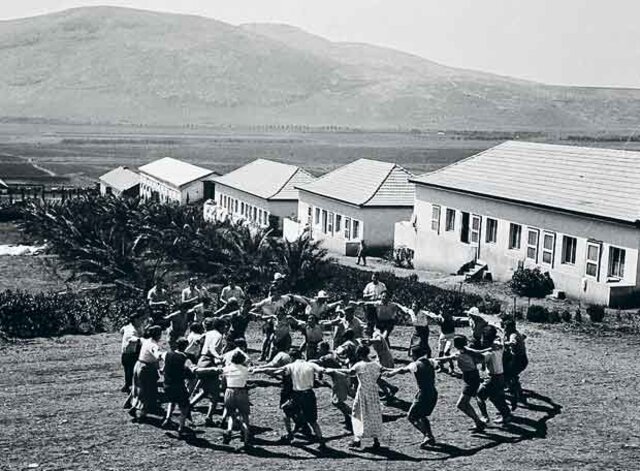
Operating around the clock is not entirely foreign to Ghana’s history. This policy represents a deliberate return to the foundational industrial vision pioneered by our first president, Osagyefo Dr. Kwame Nkrumah. During his transformative leadership, Ghana ran a bustling, production-led economy driven by localized state manufacturing hubs that operated day and night to fuel domestic self-reliance and global trade.
Key pillars of Nkrumah’s continuous industrial engine included:
- The Industrial City of Tema: Conceived as a state-of-the-art manufacturing city, Tema was the beating heart of national processing. Plants ran consecutive shifts to process raw materials into finished commodities.
- VALCO (Volta Aluminium Company): As part of the grand Akosombo Hydroelectric project, the VALCO smelting plants functioned non-stop, turning aluminum into a prime export asset.
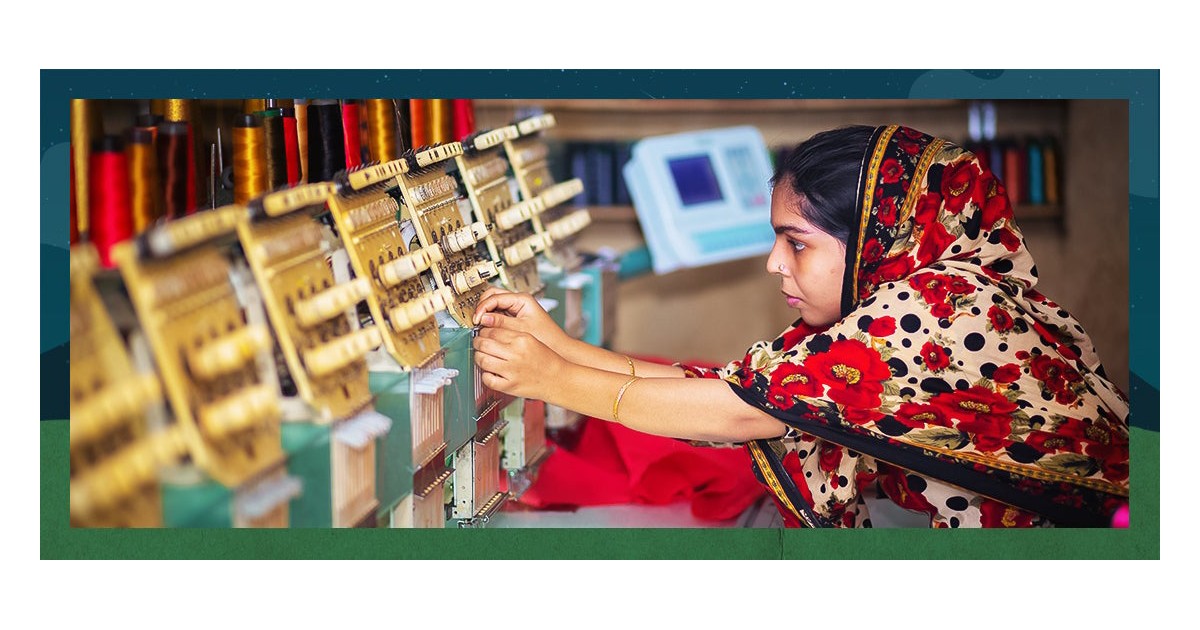
- Textile Giants at Juapong and Akosombo: Factories like Juapong Textiles Limited (JTL) and Akosombo Textiles ran active nighttime shifts, clothing the West African sub-region and making the “Made-in-Ghana” label globally competitive.
- Komenda and Asutsuare Sugar Factories: These agro-processing strongholds turned local sugarcane into refined products on continuous operational schedules, minimizing agricultural waste and maximizing seasonal harvests.
By launching the 24H+ program, Ghana is reviving this historic industrial model, seeking to reawaken collapsed production lines and re-industrialize towns like Juapong, Akosombo, and Komenda.
Real-World Case Studies: Global Models of Success
A 24-hour economy is a proven catalyst for global financial development. Ghana’s framework draws direct inspiration from established international models:
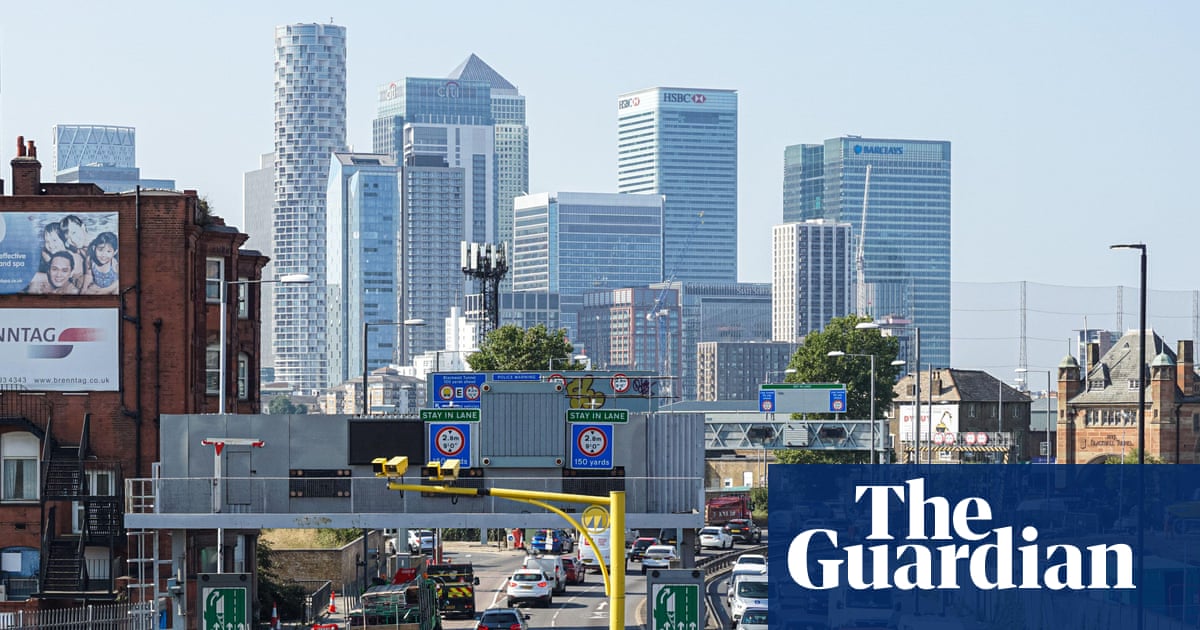
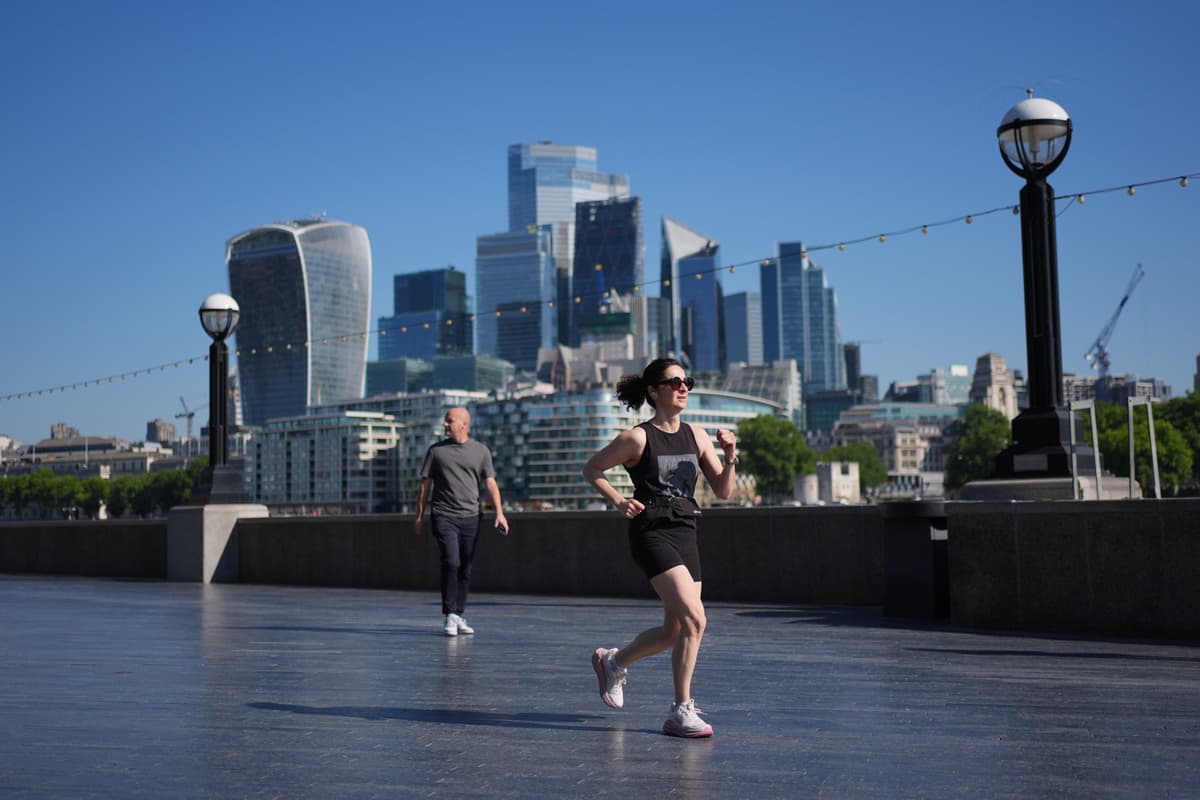
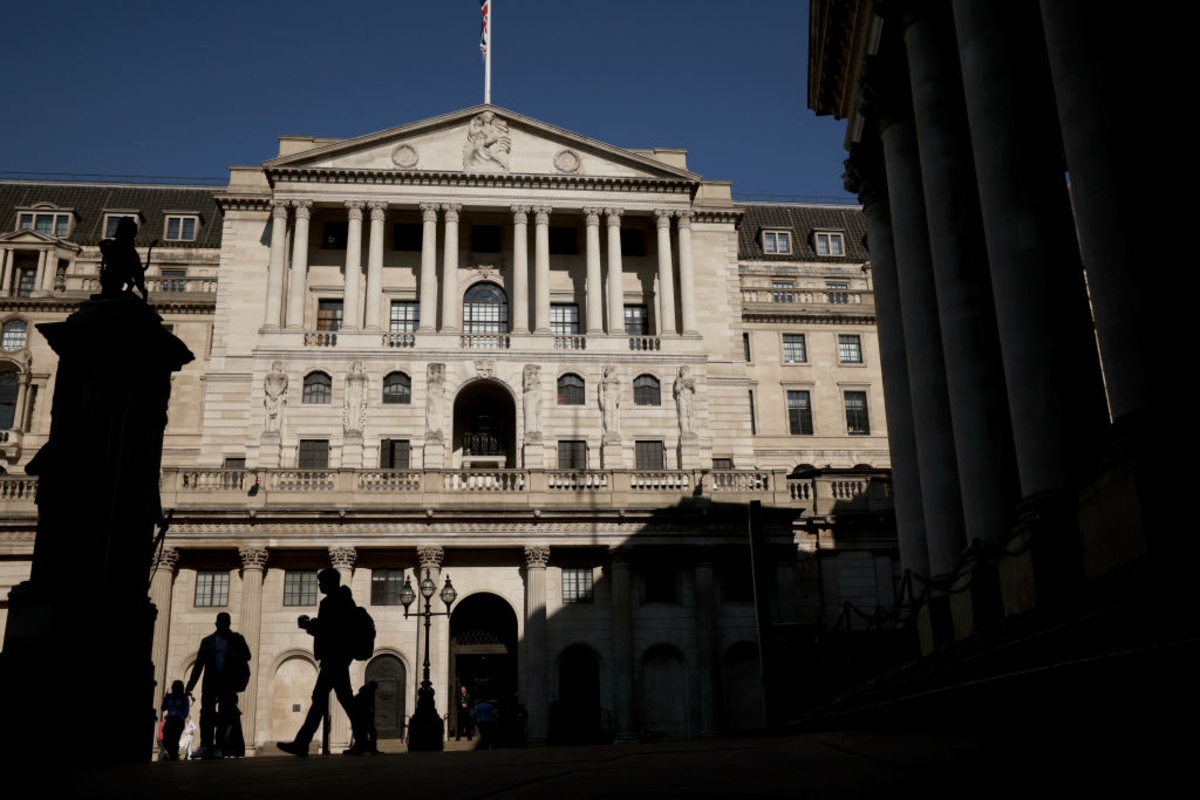
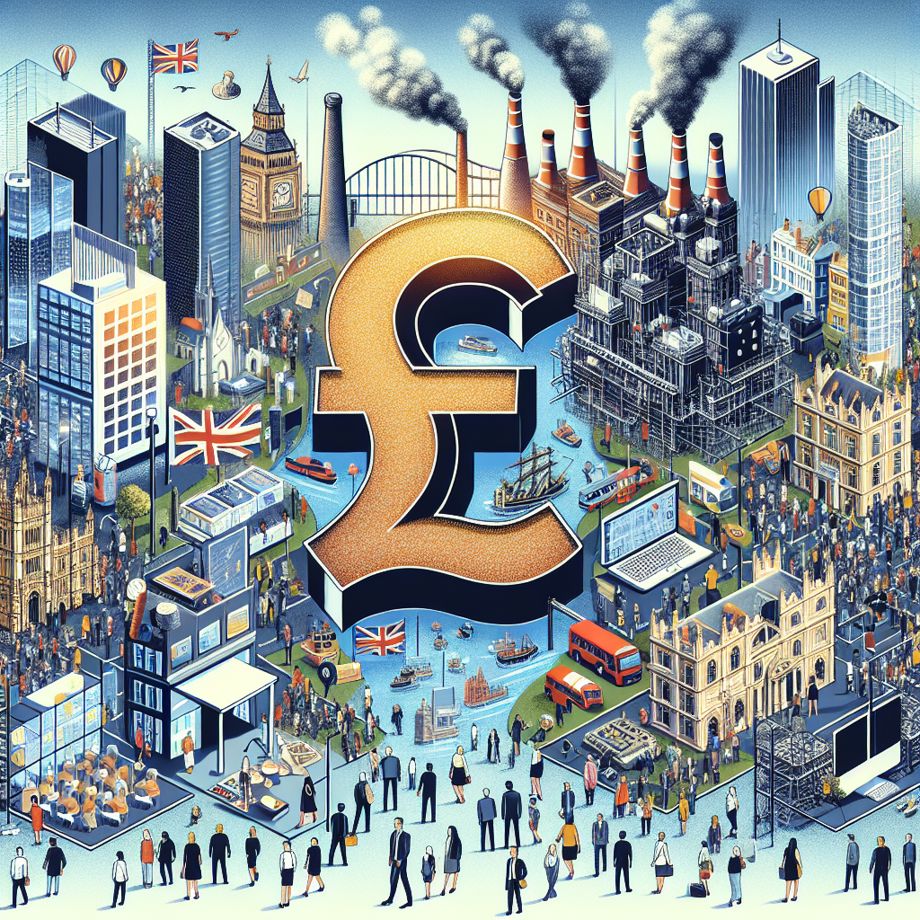
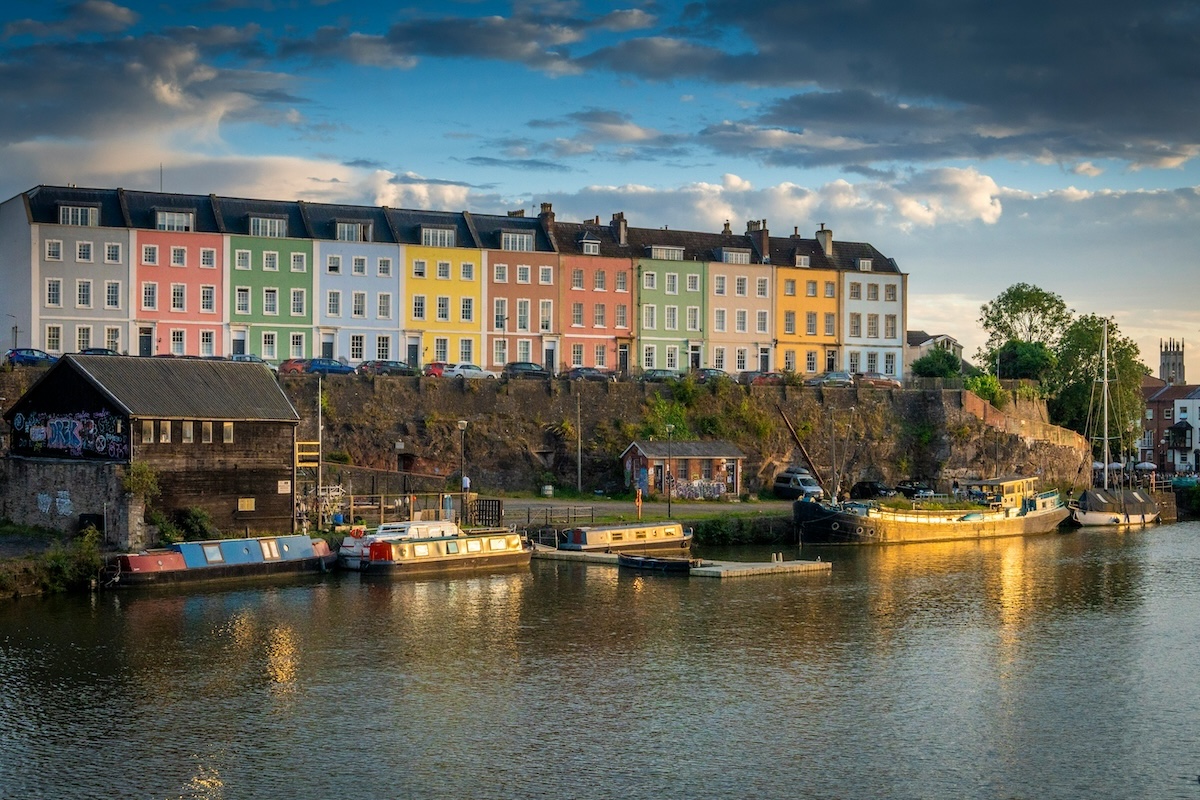
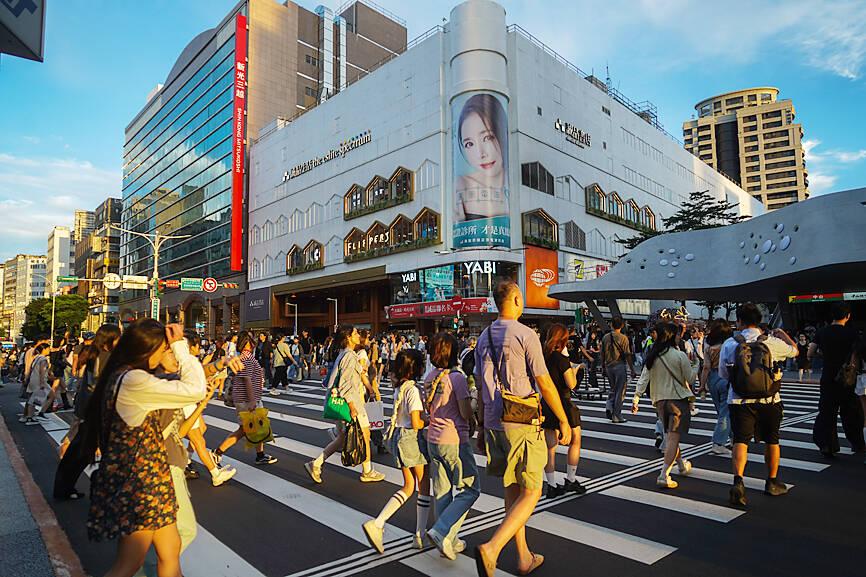
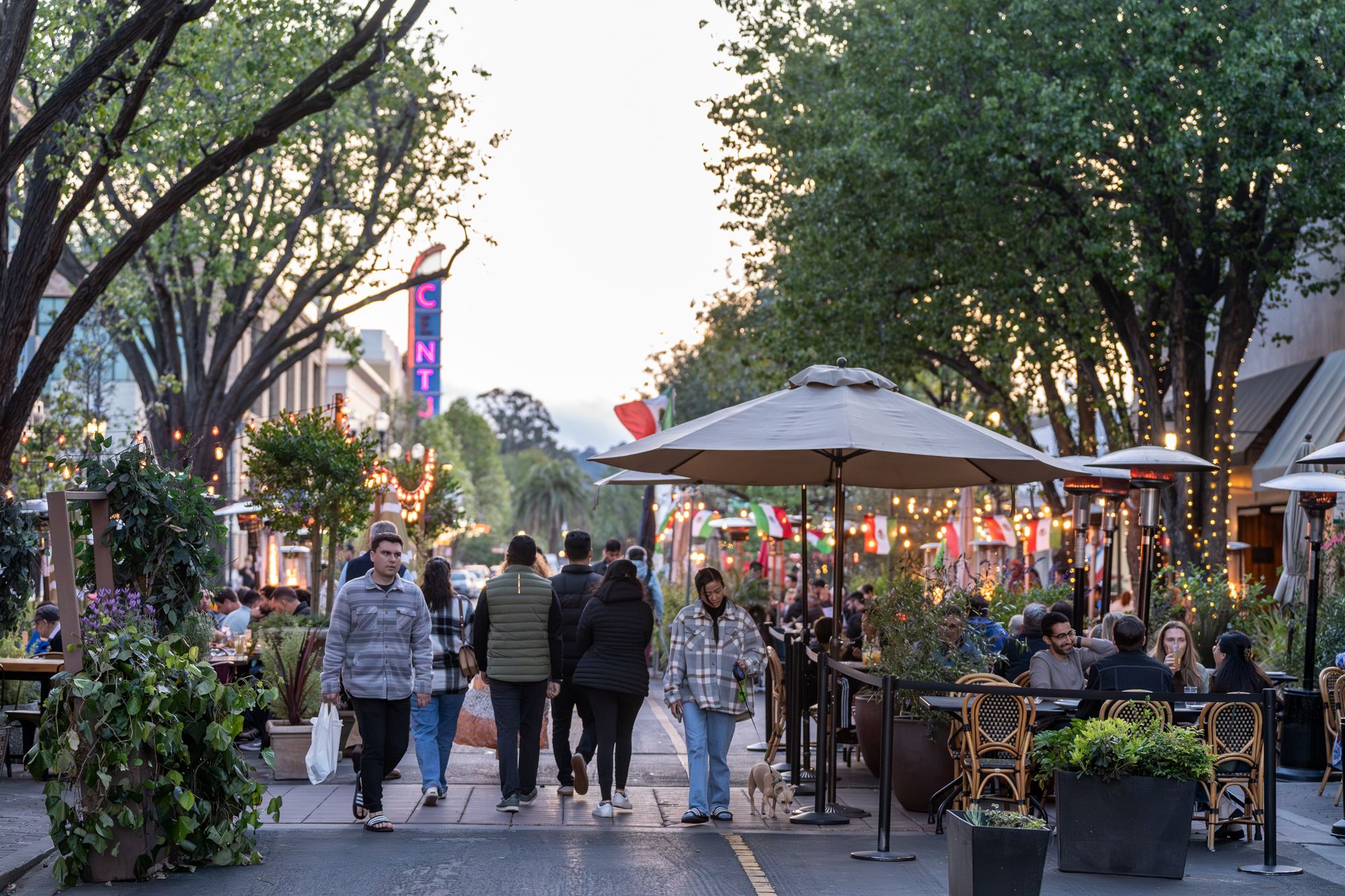
- The United Kingdom (London): London’s night economy contributes billions to its GDP and employs over 700,000 workers. The city utilizes a dedicated “Night Czar” to coordinate transport, night worker safety, and late-night commercial planning.
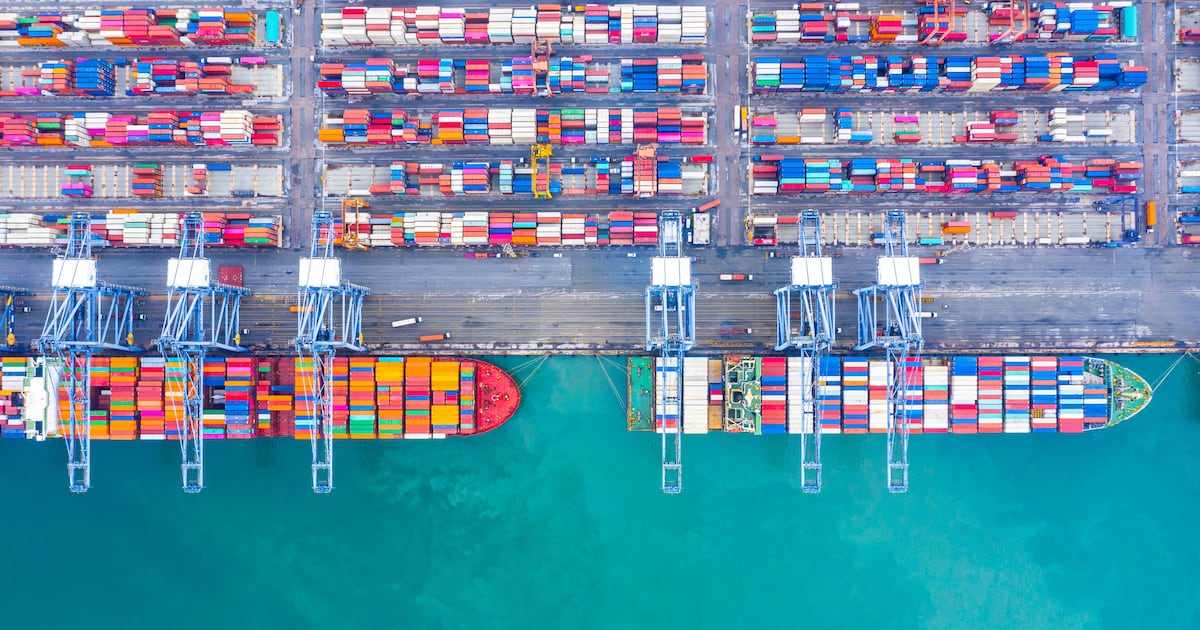
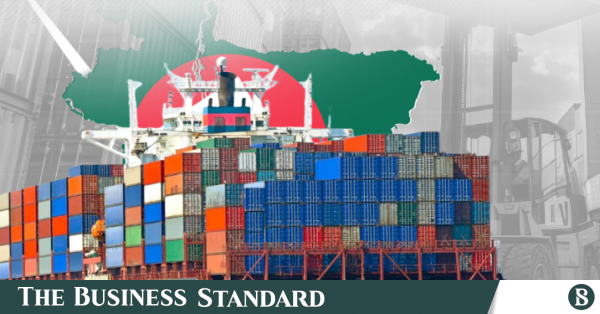
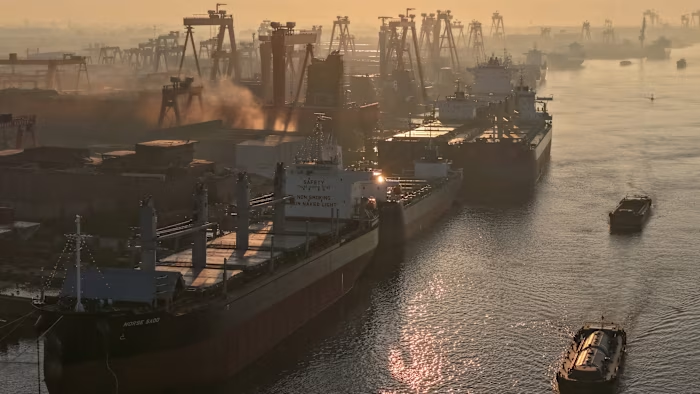
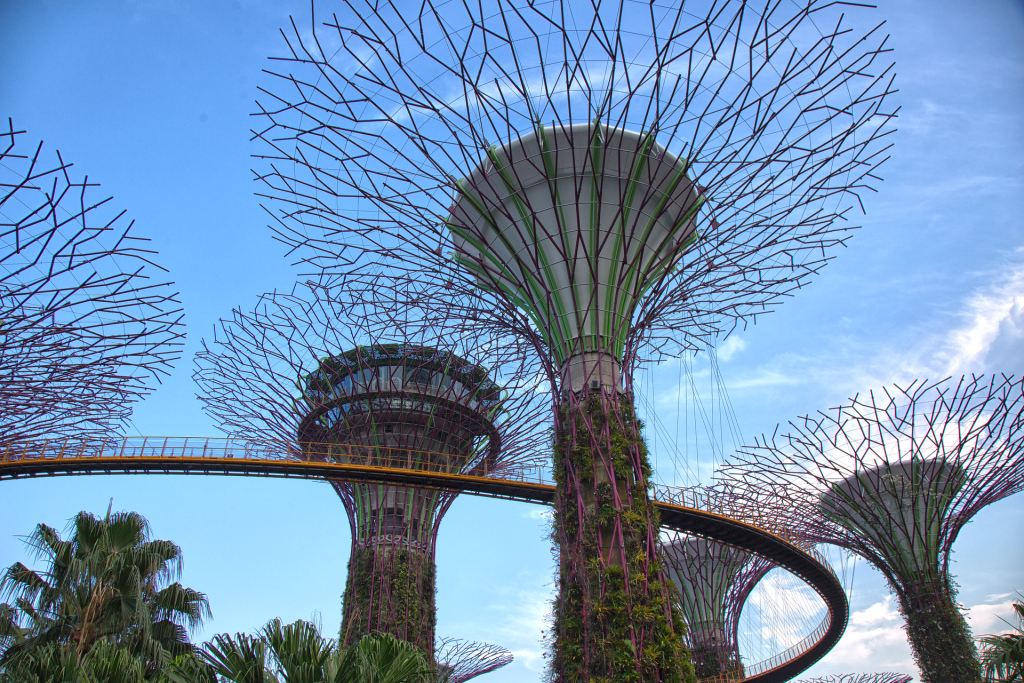
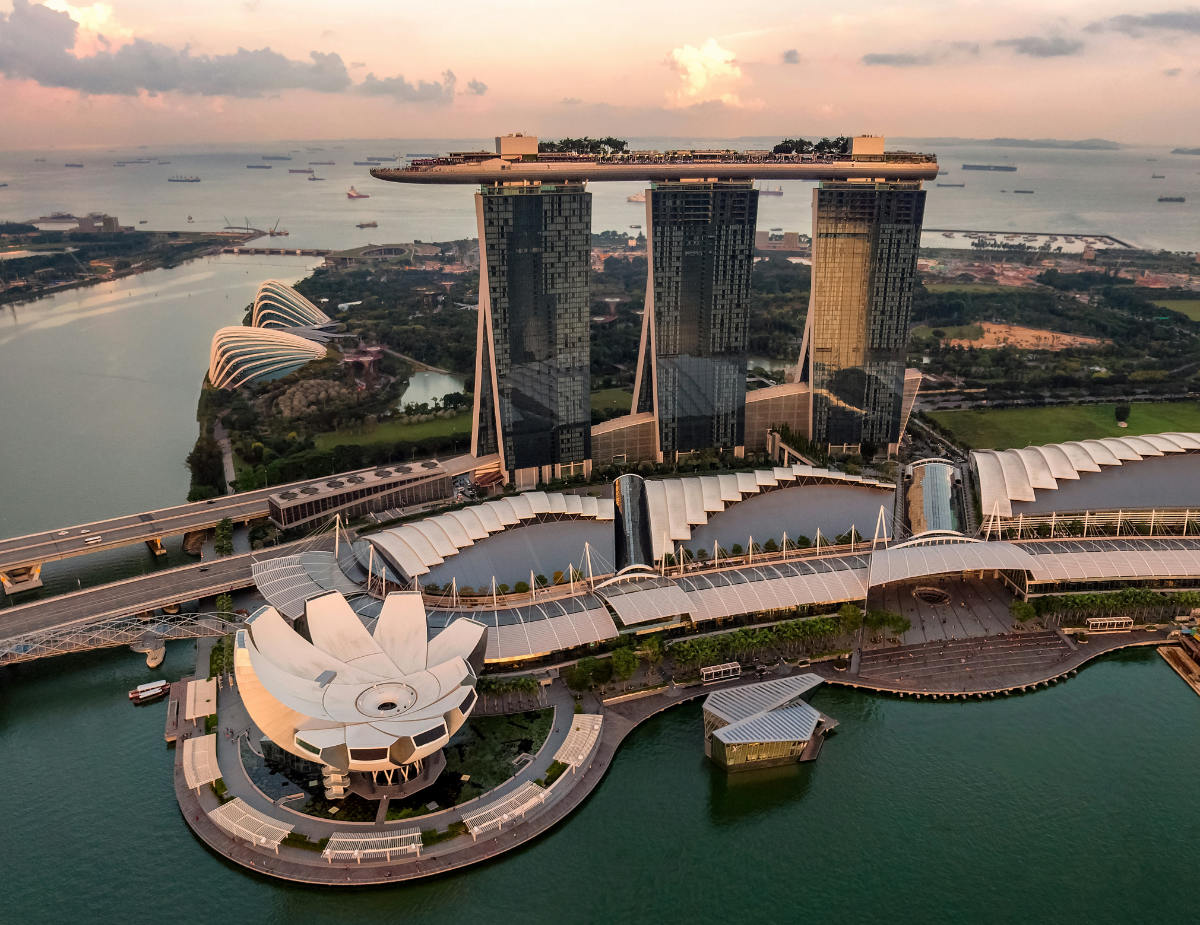
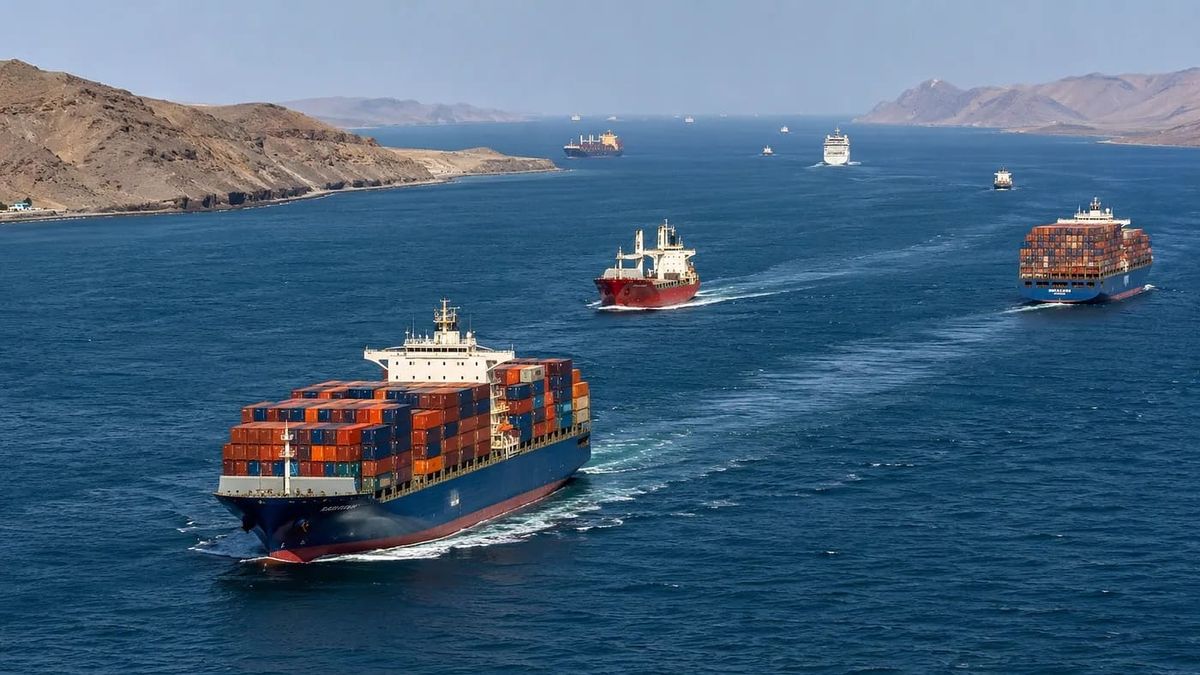
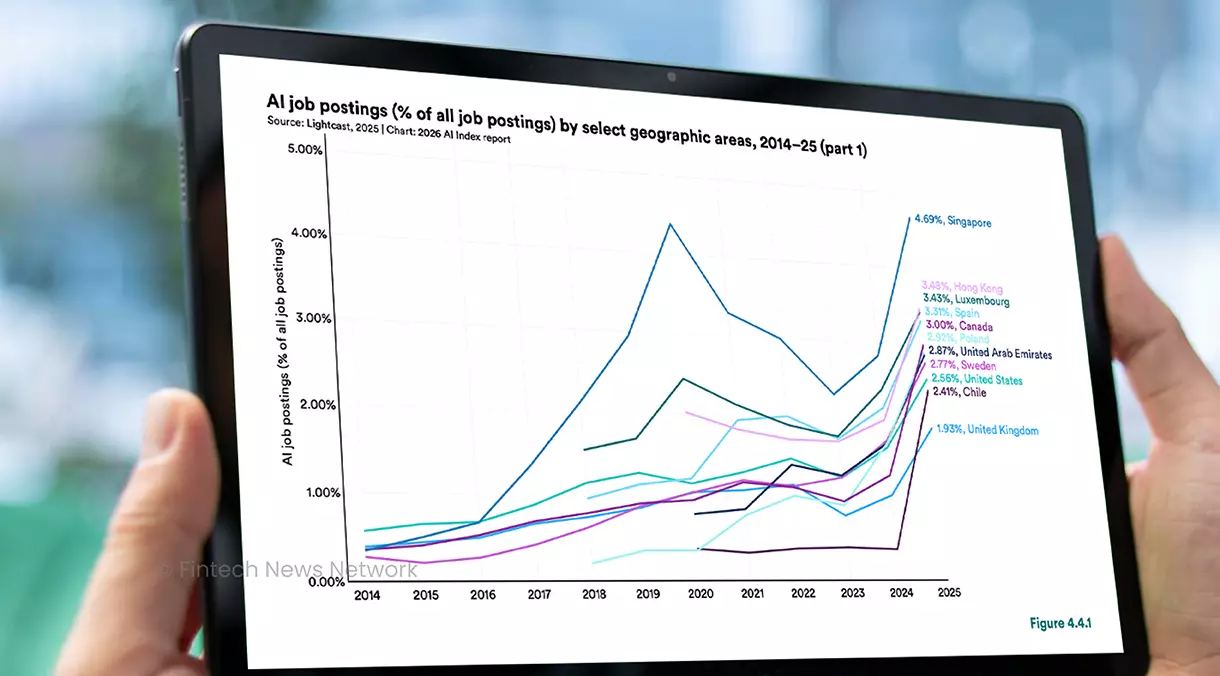
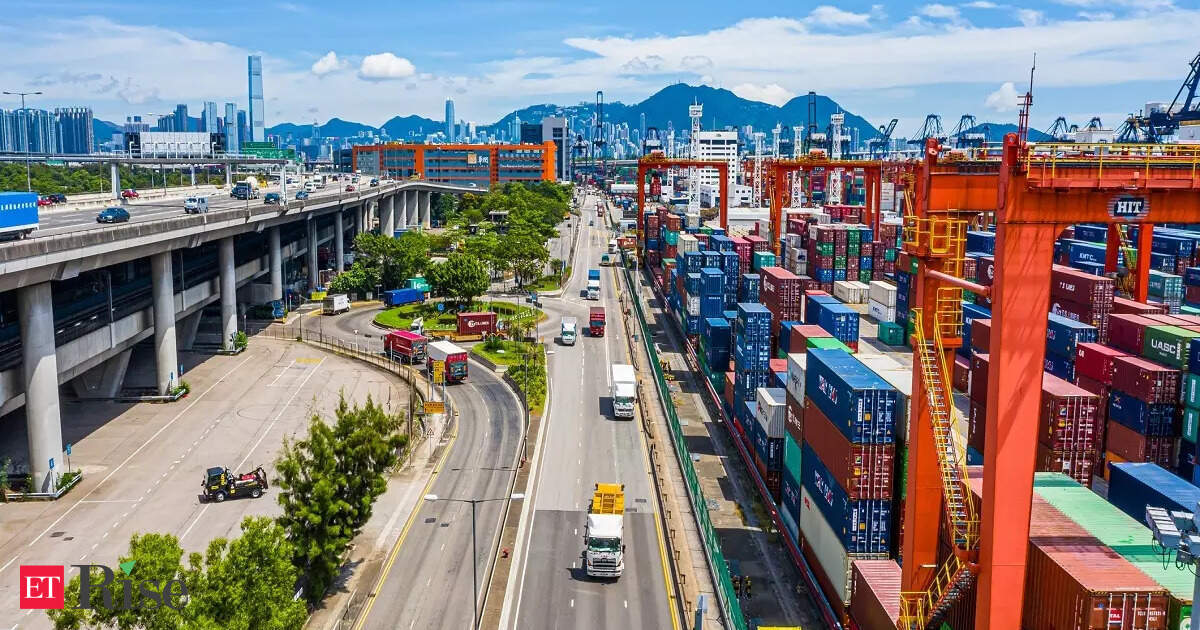
- Singapore: Operating as a round-the-clock global financial and maritime hub, Singapore runs its ports, cargo clearing systems, and automated industries continuously. This model ensures zero delays in its global supply chain.
- Kenya (Nairobi): Closer to home, Nairobi’s digital innovation, customer support centers, and 24/7 retail markets have successfully integrated into international time zones, creating a thriving nocturnal service industry.
The Economic Pros: What Ghana Stands to Gain
Shifting to a 24-hour cycle offers distinct structural advantages for local industries, workers, and public services:
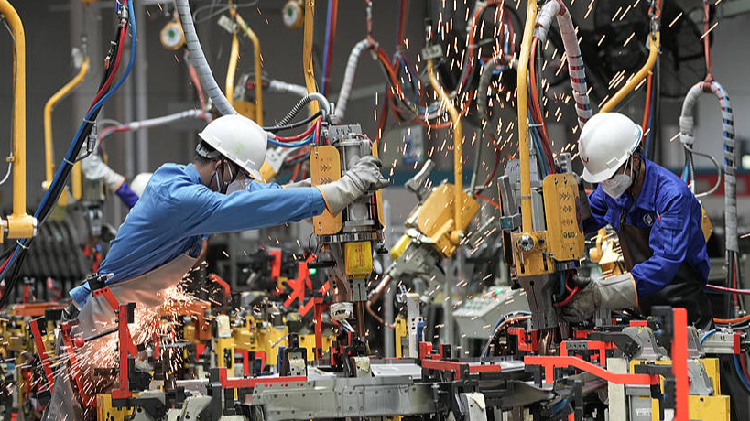
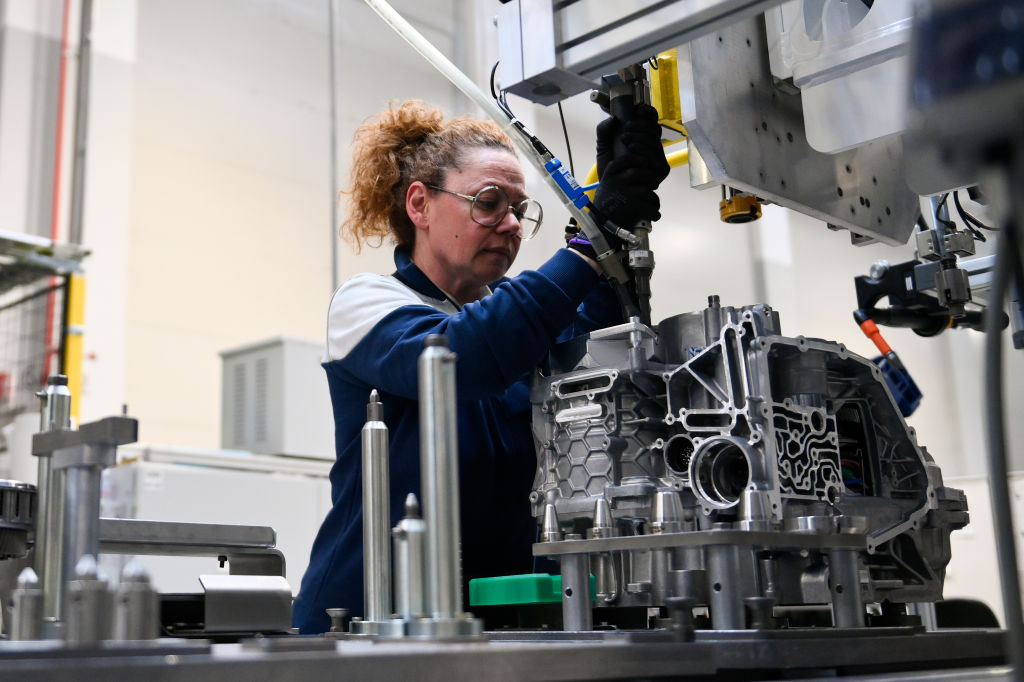
- Rapid Job Creation: Splitting a standard workday into three distinct 8-hour shifts allows businesses to triple their workforce without needing to construct new physical facilities.
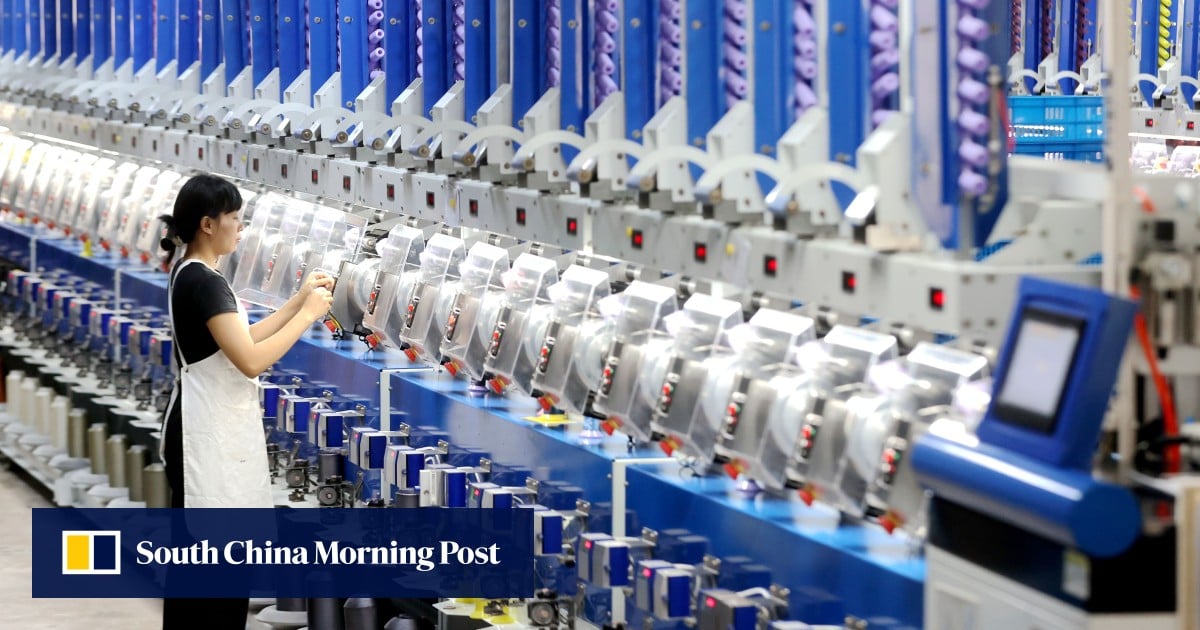
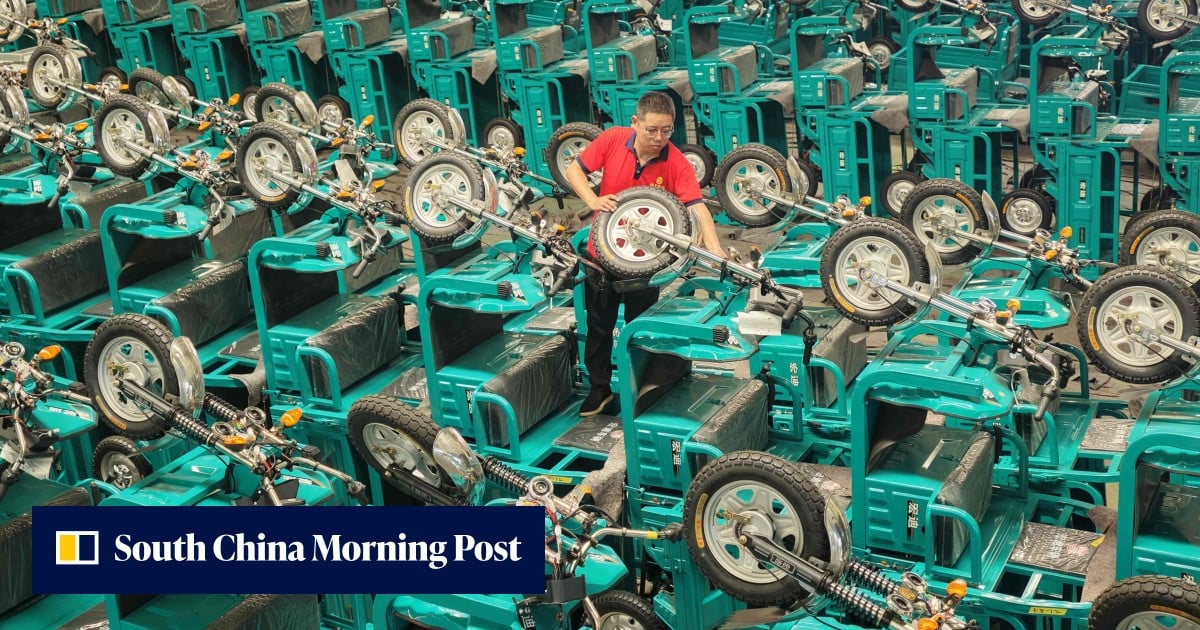
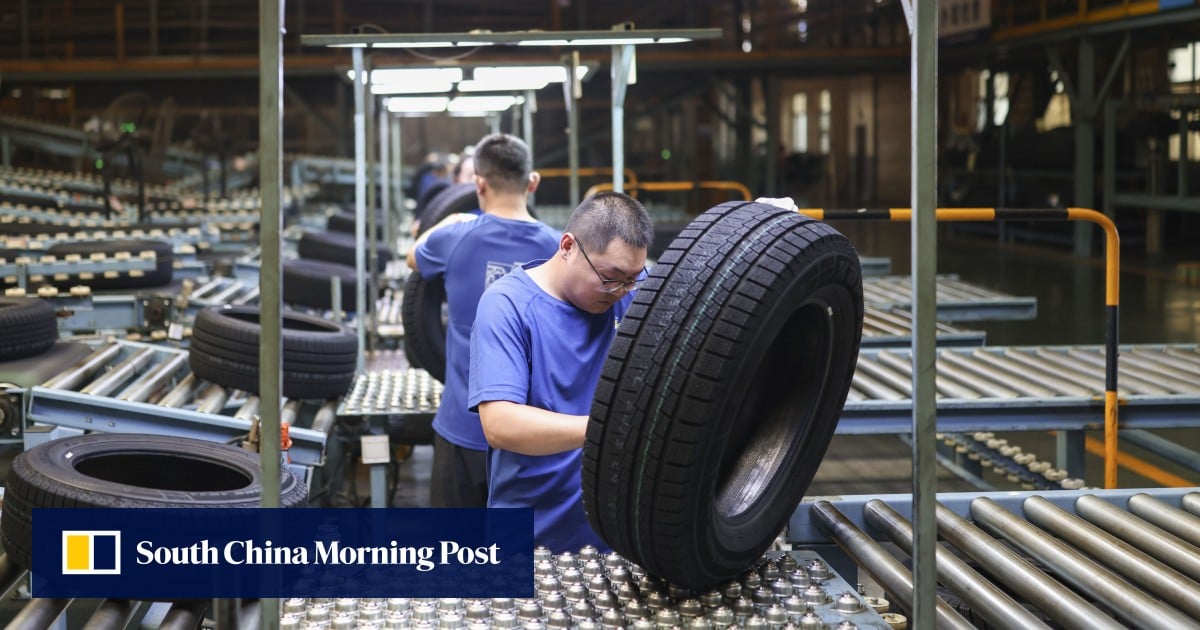
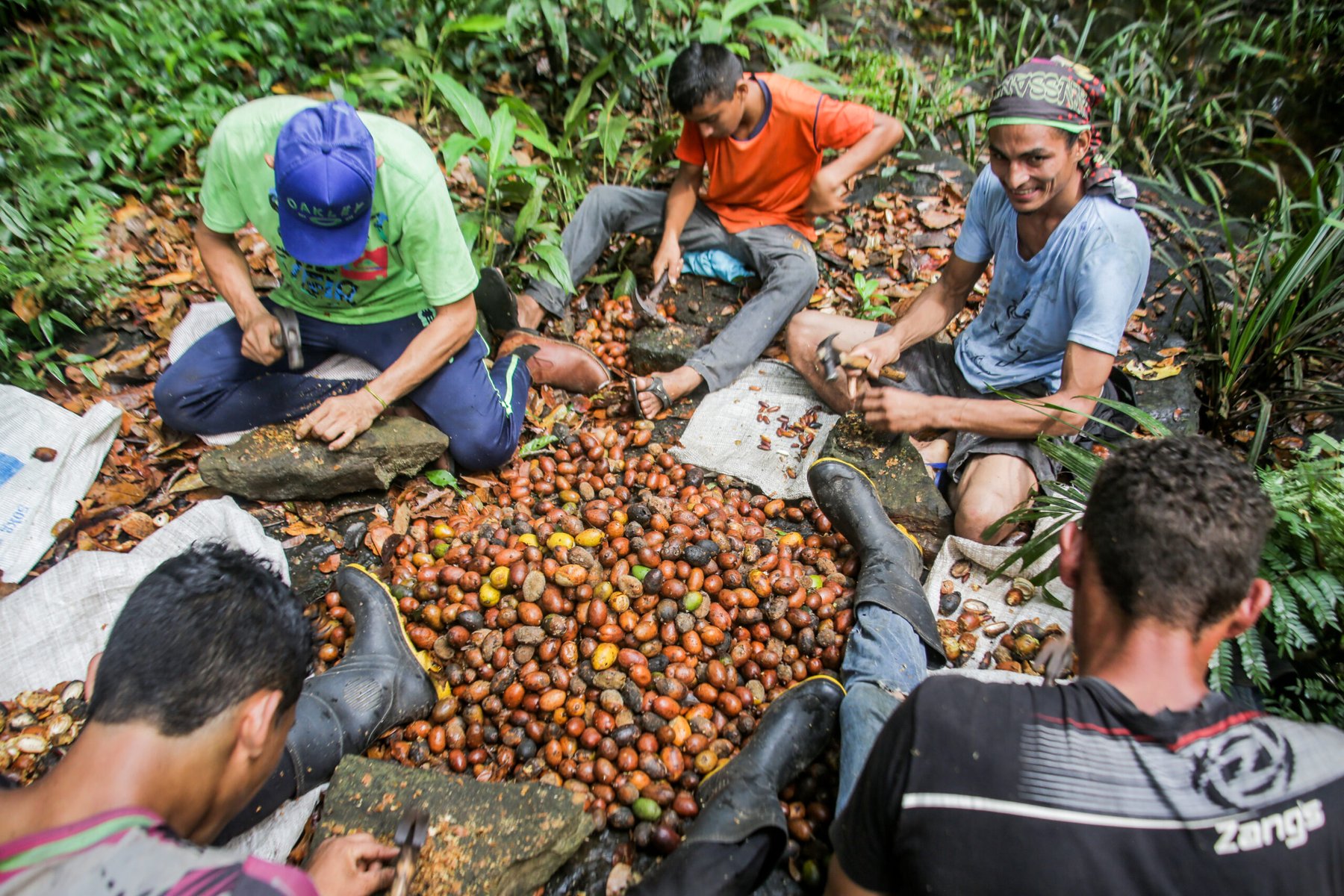
- Increased Export Revenue: Continuous manufacturing, textile processing, and agro-value addition allow factories to maximize output and meet international export timelines effectively.
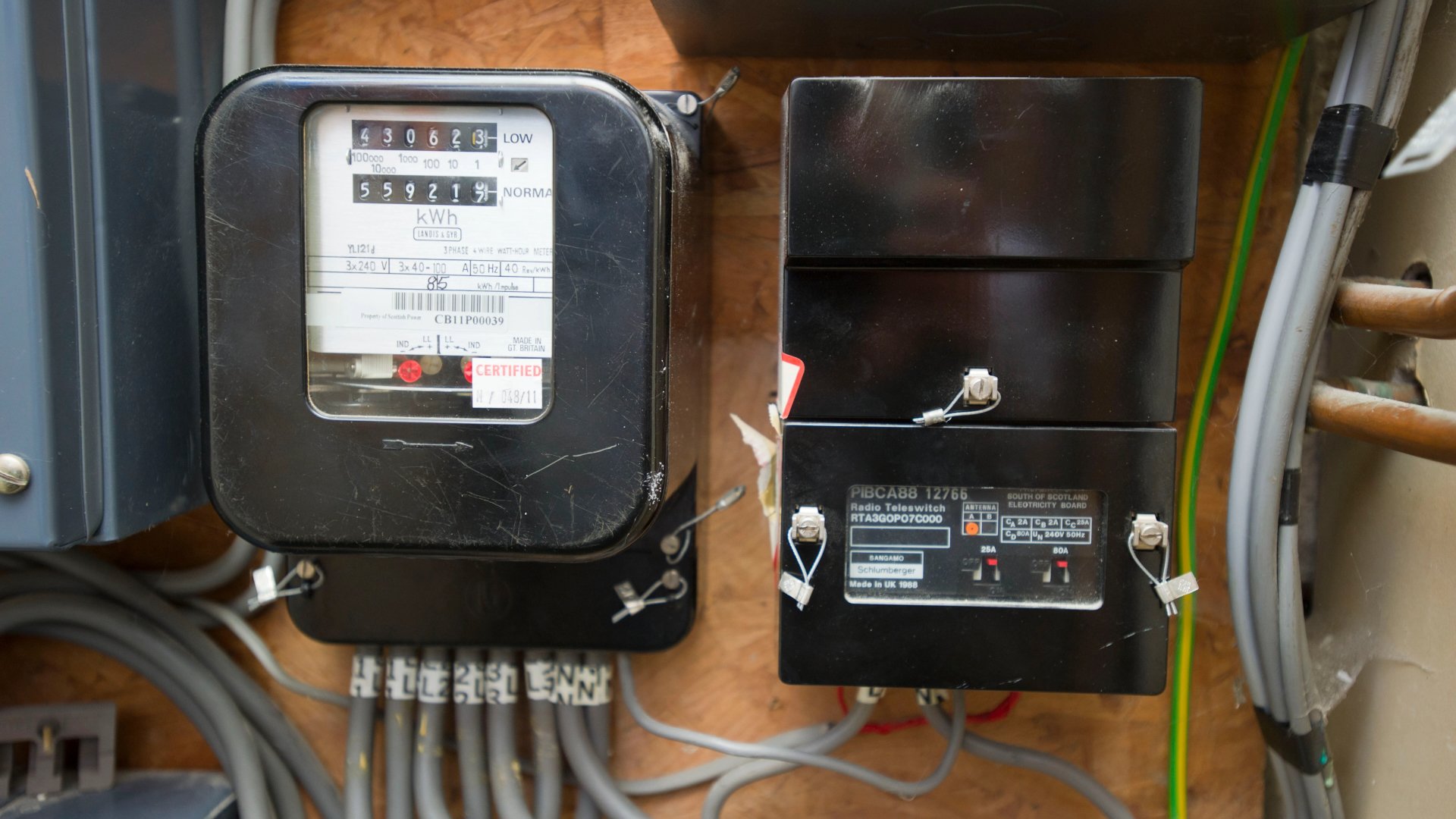
- Reduced Utility Pressures: Utilizing “Time-of-Use” (ToU) smart meters grants factories cheaper electricity tariffs during off-peak night hours, optimizing the national power grid.
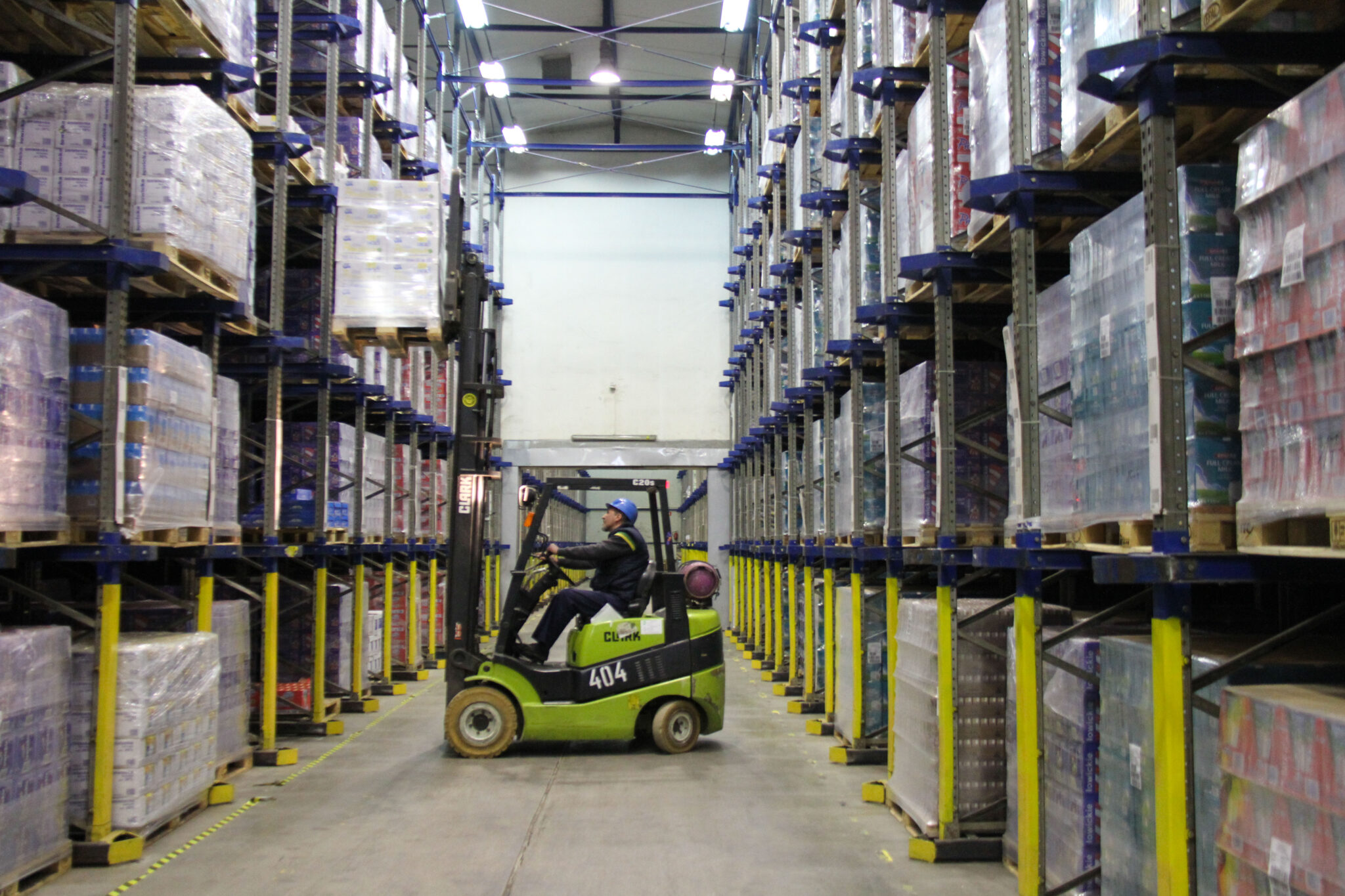
- Efficient Infrastructure Use: Running ports, border clearances, and distribution networks at night reduces daytime traffic congestion and speeds up supply chains.
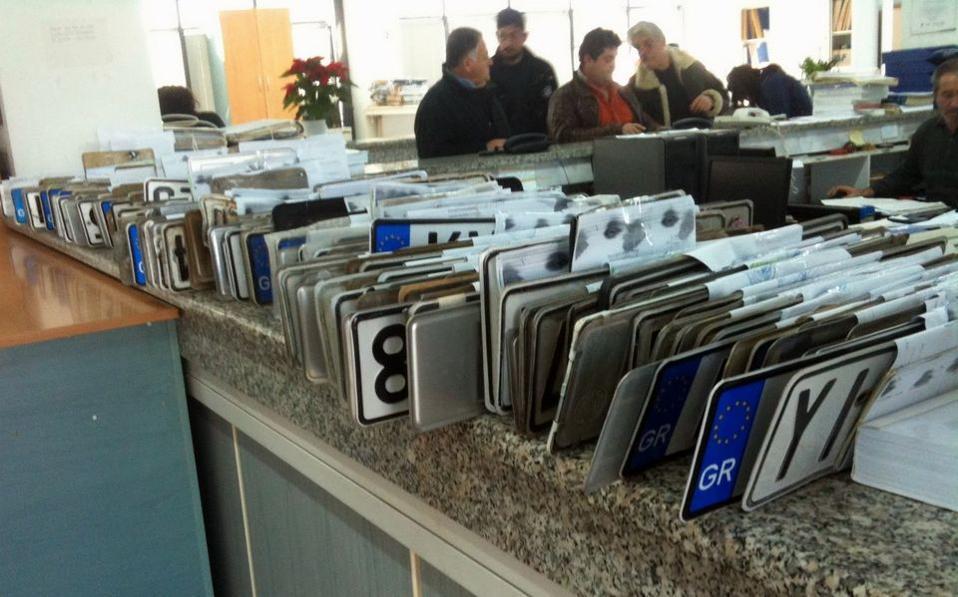
- Enhanced Public Services: Keeping key government registries, passport offices, and municipal services active into the night reduces daytime wait times and improves ease of doing business.
The Economic Cons: Challenges Ghana Must Navigate
Transitioning to a round-the-clock economy requires addressing critical financial and infrastructural realities:
- Higher Upfront Public Cost: Keeping streetlights, public transport, and security active 24/7 requires significant state investment at a time when national resources are stretched.
- Increased Security Risks: Expanding nighttime economic activity requires an enhanced security footprint to protect night shift workers from crime.
- Increased Wear on Infrastructure: Continuous operations accelerate the deterioration of roads, machinery, and utility grids, requiring higher maintenance budgets.
- Worker Health Risks: Poorly regulated continuous shift work can disrupt sleep cycles, potentially impacting long-term physical health and productivity if labor laws are not strictly enforced.
Empowering Businesses: The Private Sector Incentive Package
Following the legislative passage and presidential assent to the 24-Hour Economy Authority Act, the 24-Hour Economy Authority has established an official, performance-based incentive framework [24hplus.gov.gh]. These provisions are designed to lower capital expenses and risk for participating companies:
- Tiered Corporate Income Tax (CIT) Rebates: Businesses maintaining a single shift receive no additional tax breaks. However, companies that scale up to a certified two-shift model receive a 25% corporate tax rebate, while those executing the full three-shift “1-3-3” rotation receive a 50% corporate tax rebate.
- Targeted Industrial Tariff Cuts: Participating manufacturers and processors receive heavily subsidized electricity and water rates via “Time-of-Use” (ToU) smart meters between the off-peak hours of 10:00 PM and 6:00 AM.
- Capital and Equipment Exemptions: Registered companies are granted a zero-rated import duty on raw materials, production machinery, and specialized technologies required to build nighttime capacity.
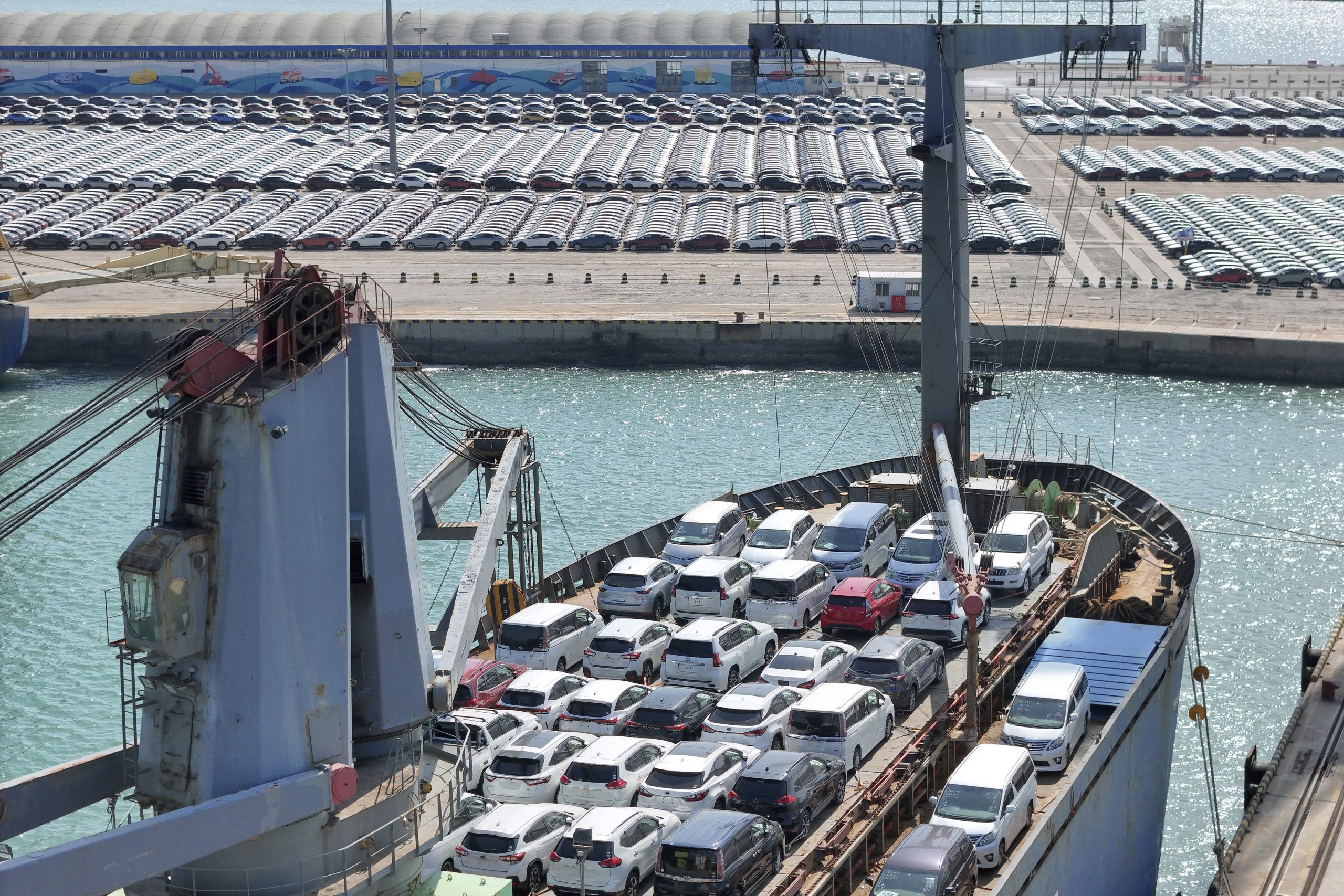
- Accelerated Port Facilitation: Enrolled importers and exporters gain access to an expedited cargo clearing system, guaranteeing that goods are fully processed and released from national ports within 24 hours to eliminate costly delays.
- Priority Public Procurement: The state guarantees that a fixed percentage of government supply contracts, purchasing orders, and infrastructure projects will be strictly sourced from certified 24-hour business operators.
Safeguarding the Workforce: Upgraded Labor Laws and Protections
Transitioning to a round-the-clock model requires updating Ghana’s Labor Act to safeguard employee welfare, optimize productivity, and prevent workplace exploitation:
- Mandatory Premium Night Pay: To ensure competitive motivation, the regulatory framework introduces a mandatory night shift premium. Workers rostered between 10:00 PM and 6:00 AM receive enhanced hourly wages exceeding the standard daily minimum wage baseline.
- Enforced Rotational Caps: Standard working hours remain legally capped at 8 hours per day and 40 hours per week. The law strictly prohibits back-to-back double shifts, mandating that an employee cannot work successive night rotations without a minimum rest window.
- Compulsory Rest Intervals: Employers are legally obligated to provide scheduled rest breaks during nocturnal shifts, alongside a mandatory weekly rest period of no less than 36 consecutive hours.
- Nocturnal Health and Safety Standards: Businesses operating under the program must conduct routine, employer-funded health assessments to monitor fatigue-related risks and sleep cycle disruptions among shift workers.
- Occupational Liability Insurance: In line with the National Insurance Commission (NIC) guidelines, companies operating continuous setups must carry comprehensive employers’ liability insurance to cover shift-based risks, late-night transit liabilities, and nocturnal industrial accidents.
Concrete Implementation Steps: Moving from Strategy to Reality
The state has initiated several targeted programs across key sectors to transition this policy from a legal framework into active operations:
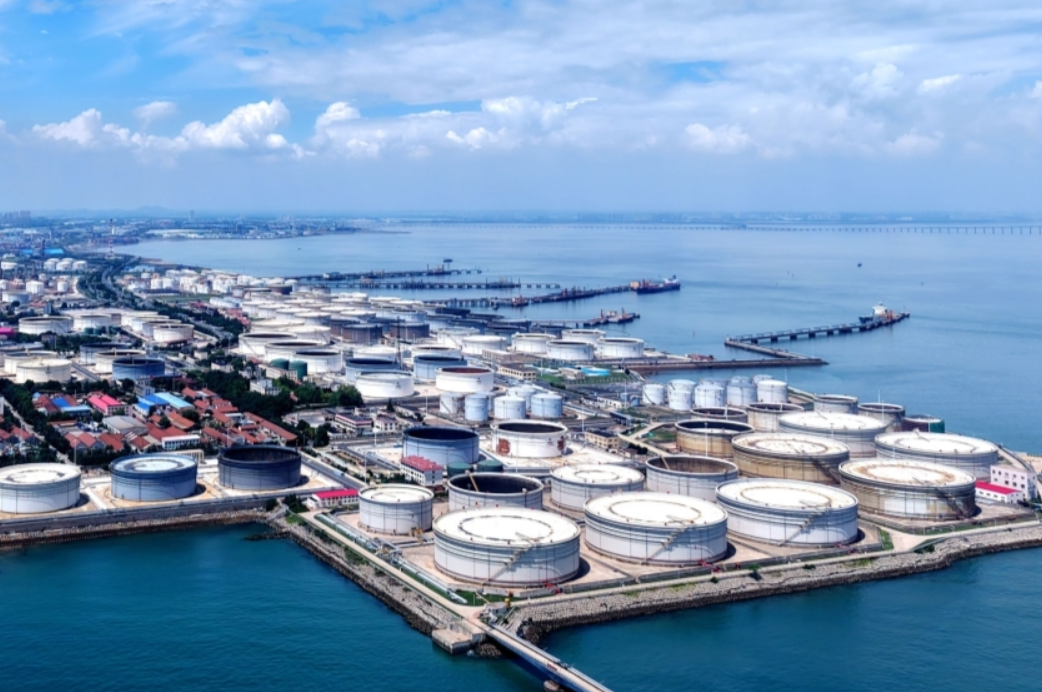
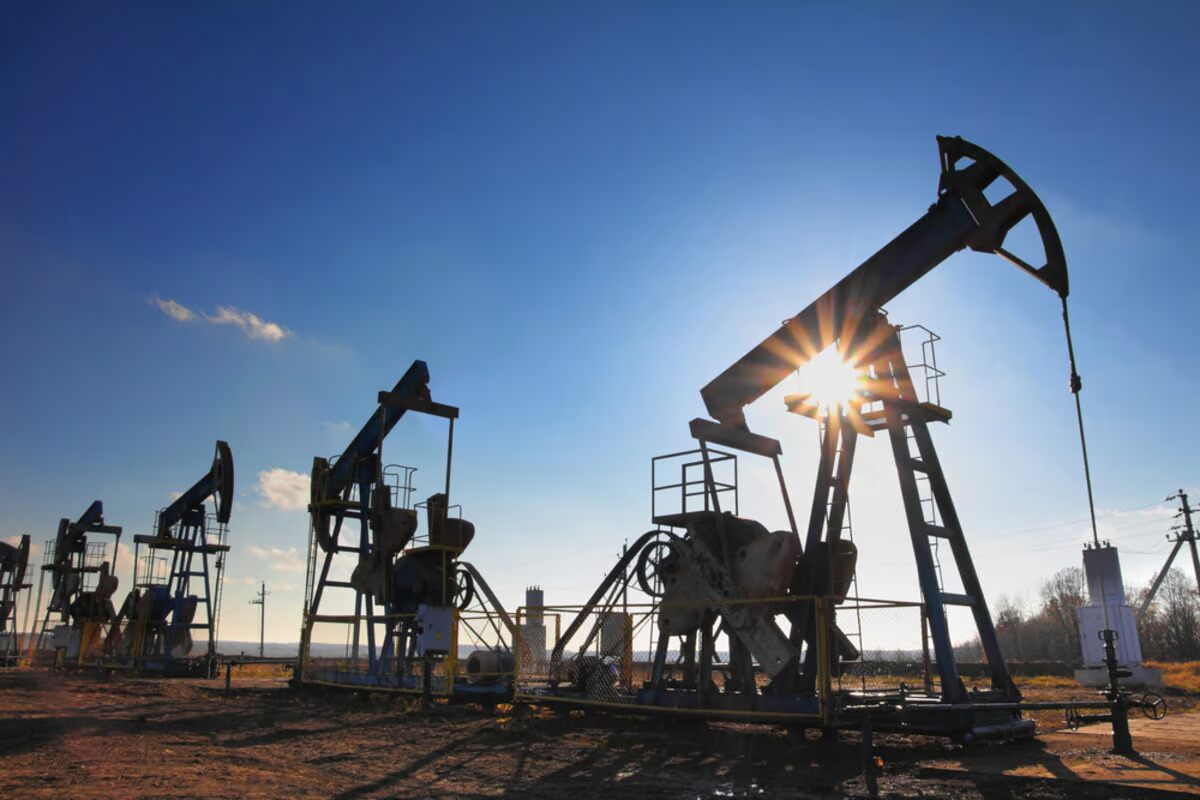
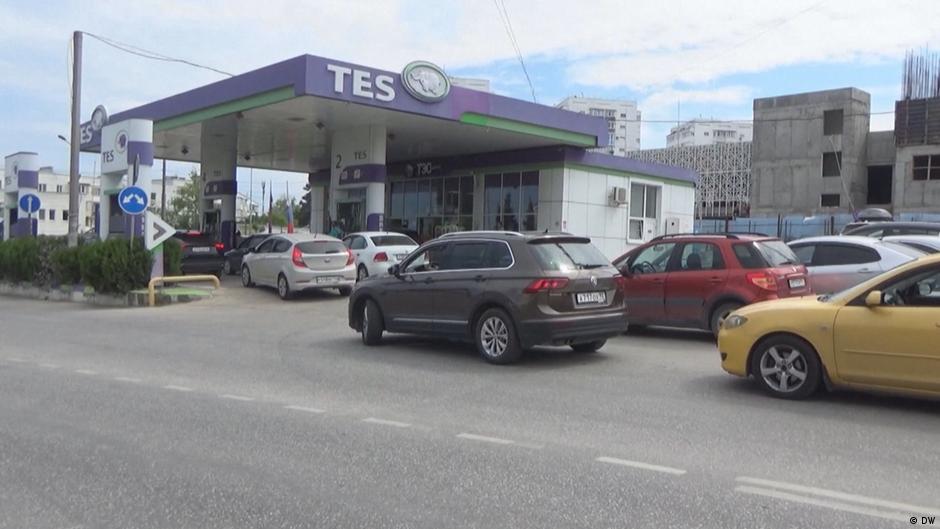
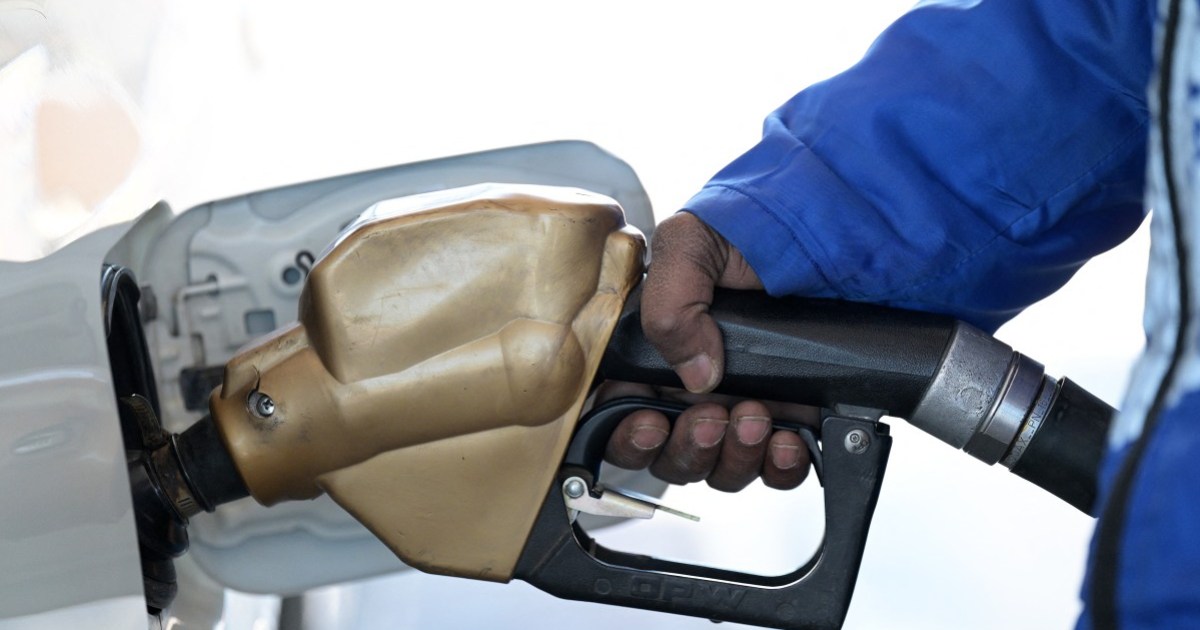
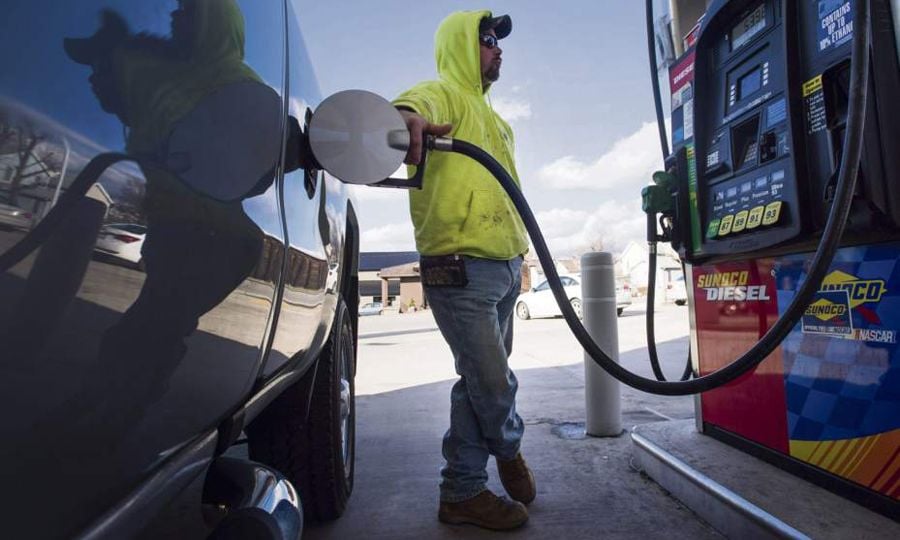
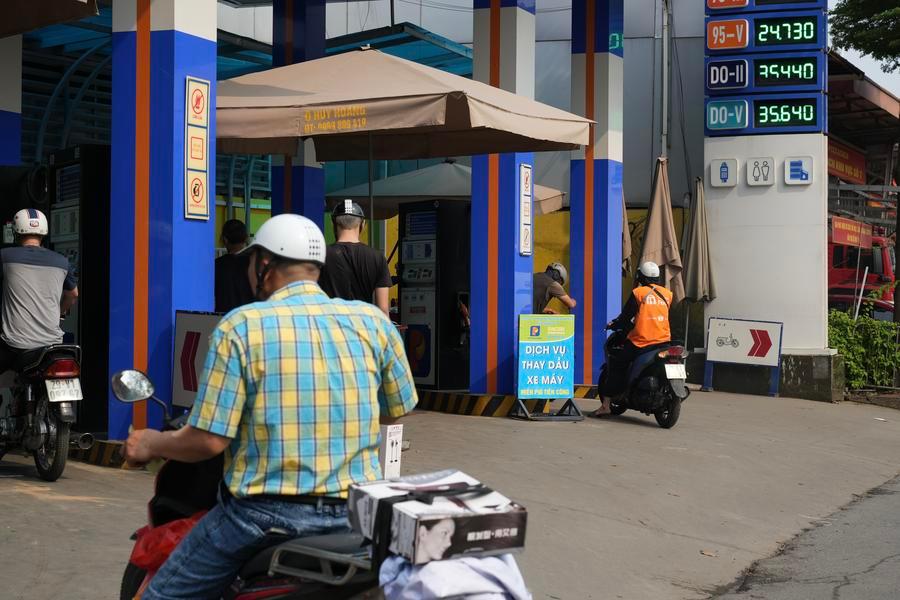
- Downstream Petroleum Pilot: The National Petroleum Authority (NPA) has launched a dedicated pilot integrating over 260 fuel stations, 8 depots, and 2 refineries across Greater Accra, Ashanti, Western, and Northern regions to run 24/7, keeping transportation channels open continuously.
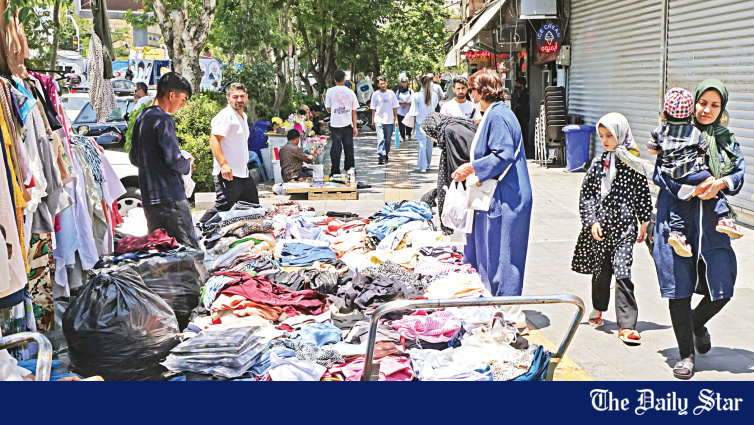
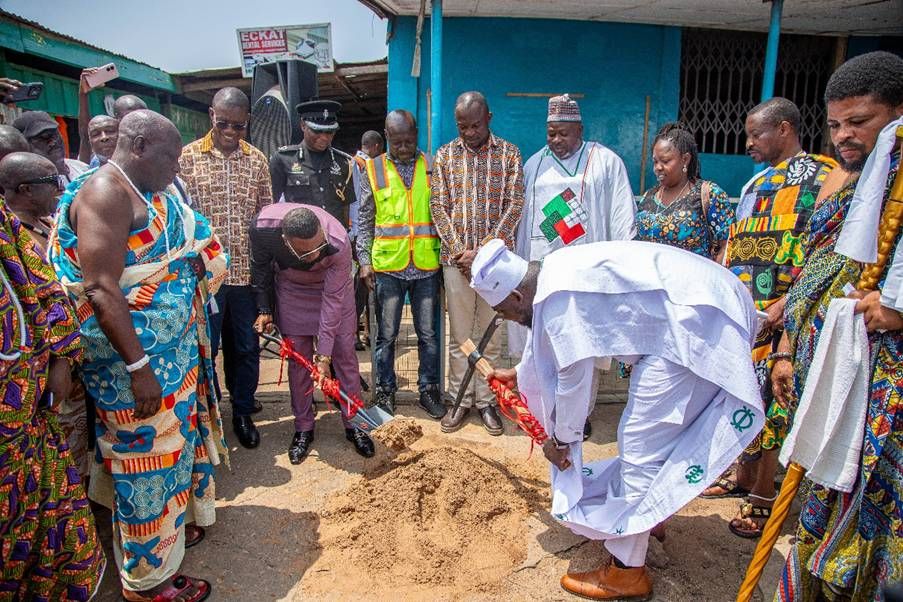
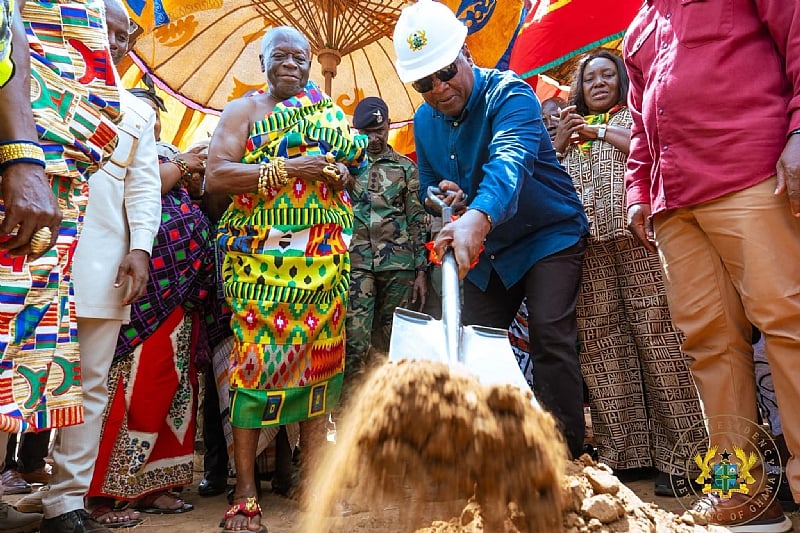
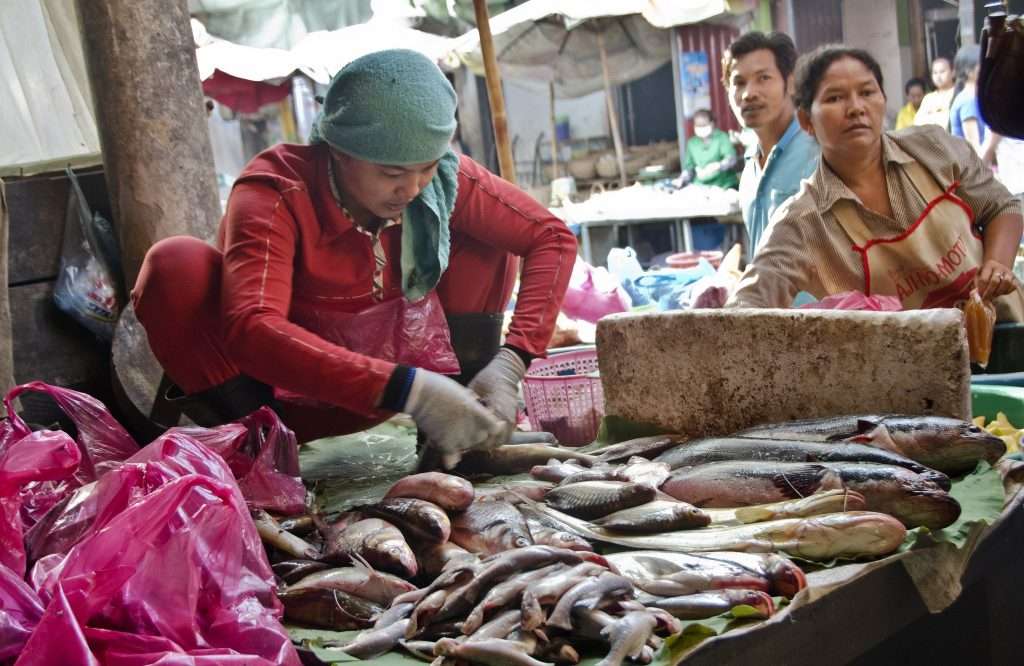
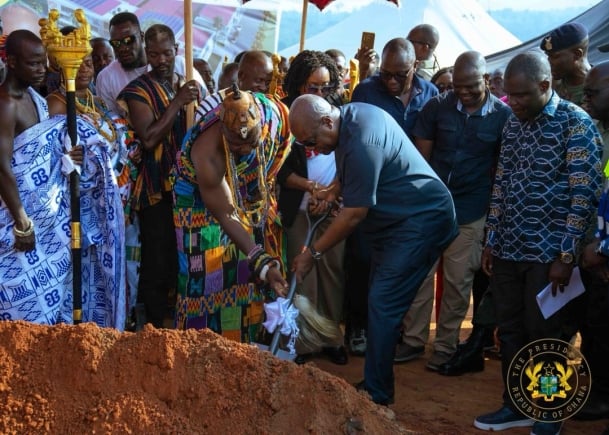
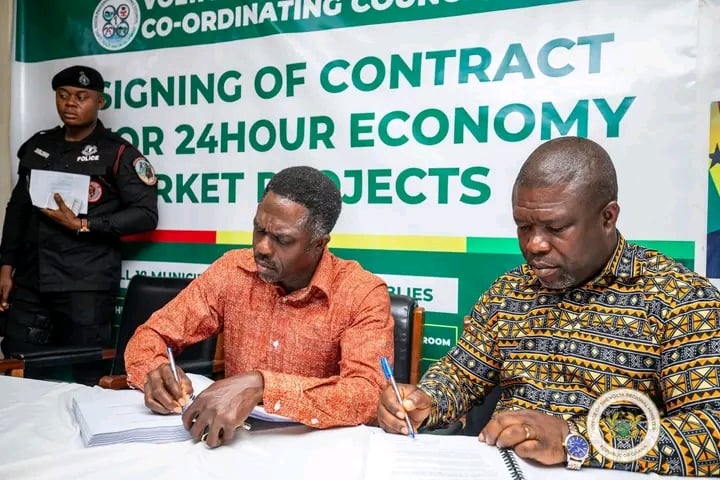
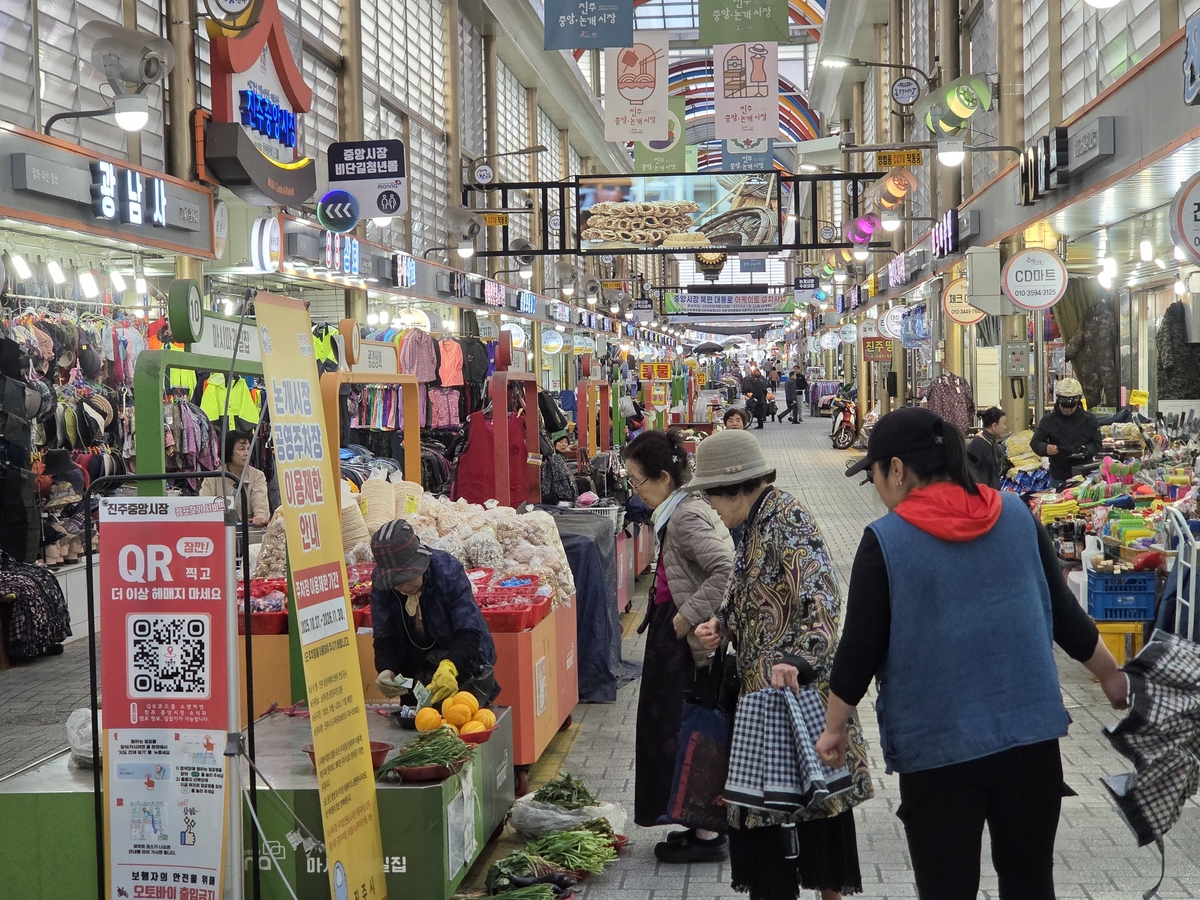
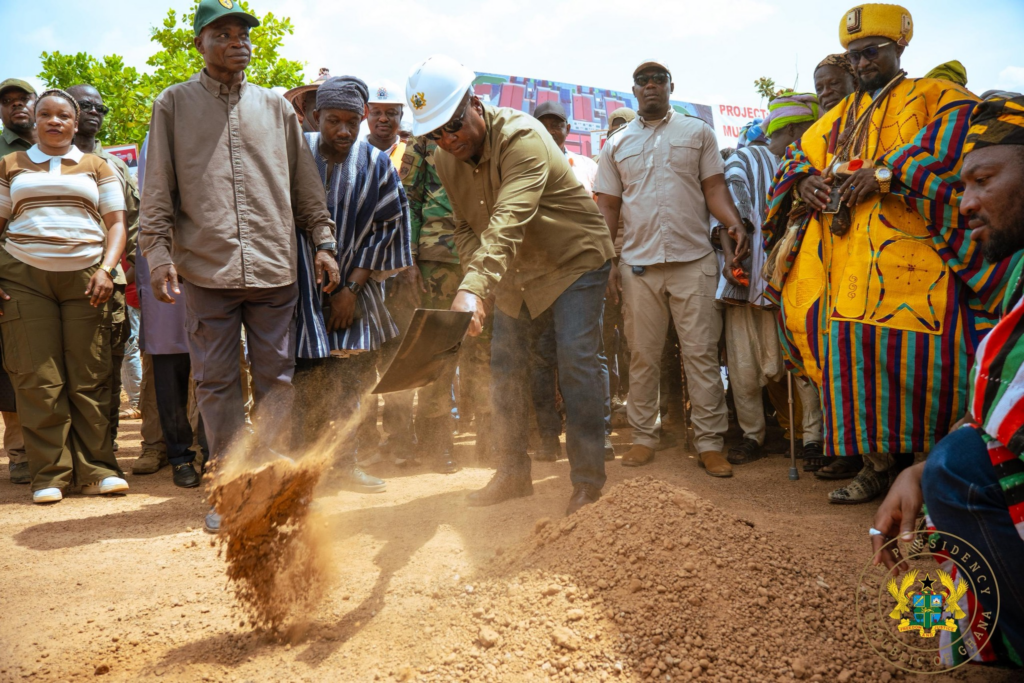
- Modern 24-Hour Markets: The construction of decentralized, multi-functional markets has begun across various districts. For instance, the North Tongu District Assembly recently handed over the construction site for an ultra-modern 24-hour economy market project right in Juapong. These modern facilities include built-in banking halls, fire stations, 24/7 security posts, and daycares to support nighttime traders.
- Comprehensive Business Incentives: Under the direction of the new 24-Hour Economy Authority, participating private enterprises receive targeted tax rebates, lower off-peak utility pricing, and priority government procurement.
A National Reset for Prosperity
The transition to a 24-hour economy is not just an adjustment to our working hours; it is a fundamental reset of our economic system. By keeping our factories, agricultural processing plants, and digital spaces active through the night, Ghana can move away from raw material reliance and establish a competitive presence in the global market.
Success relies on a sustained partnership between state regulators providing infrastructure and private businesses driving production. It is time to leave the limitations of the 9-to-5 model behind, build on the industrial foundations left by Dr. Kwame Nkrumah, maximize our national potential, and build a resilient economy that works for every citizen, every single hour of the day.
✍️ Retired Senior Citizen
For and on behalf of all Senior Citizens of the Republic of Ghana 🇬🇭
Teshie-Nungua