The Kabul Tribune (KT) — World Bank says that despite
moderate economic growth in Afghanistan, living standards for the population
have not improved, according to its latest “Afghanistan Development Update”
report released on May 26, 2026.
The report states that Afghanistan’s economy is experiencing
average growth, driven in part by strong domestic demand and the return of
millions of Afghans to the country. However, rapid population growth —
estimated at around 11 percent through 2025 — along with weak investment and
deep structural constraints, has offset these gains.
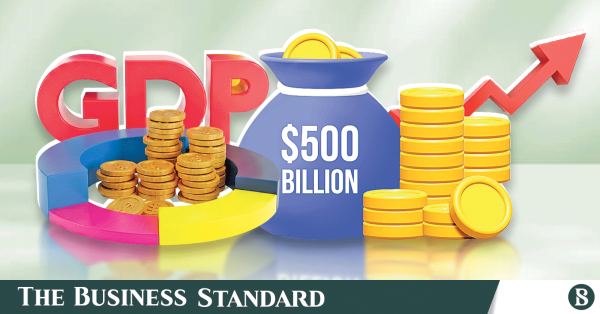
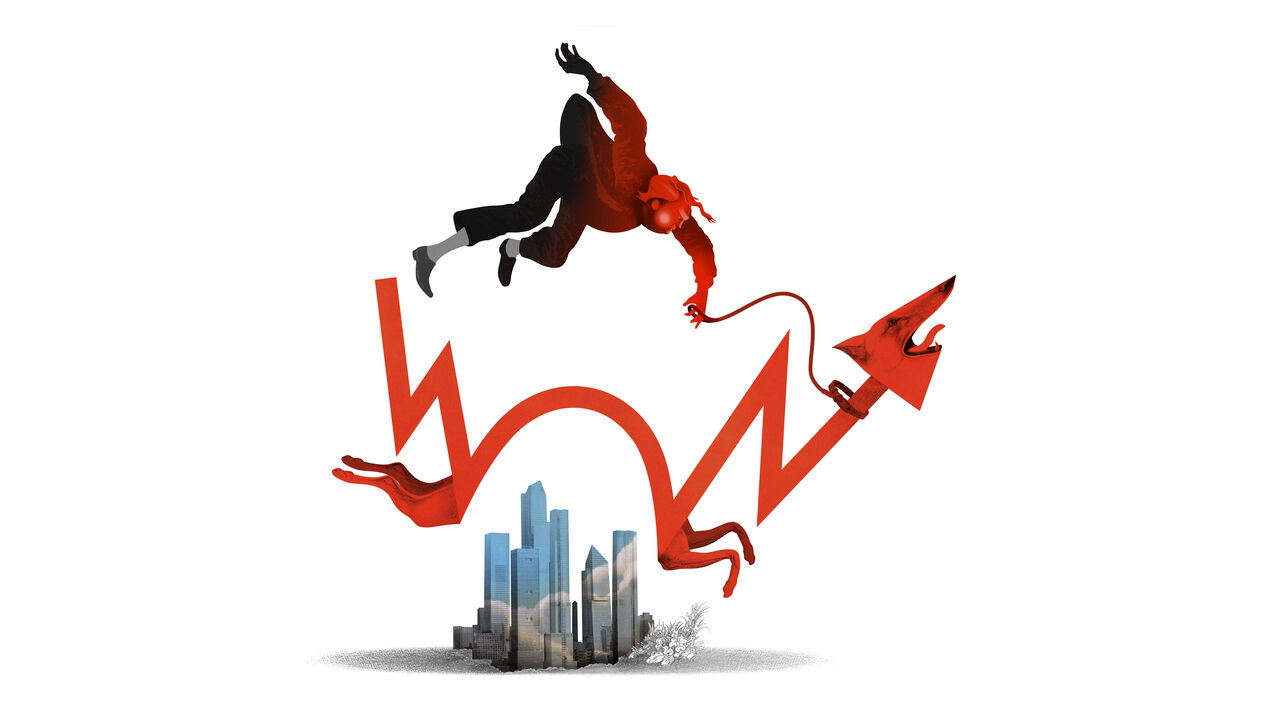
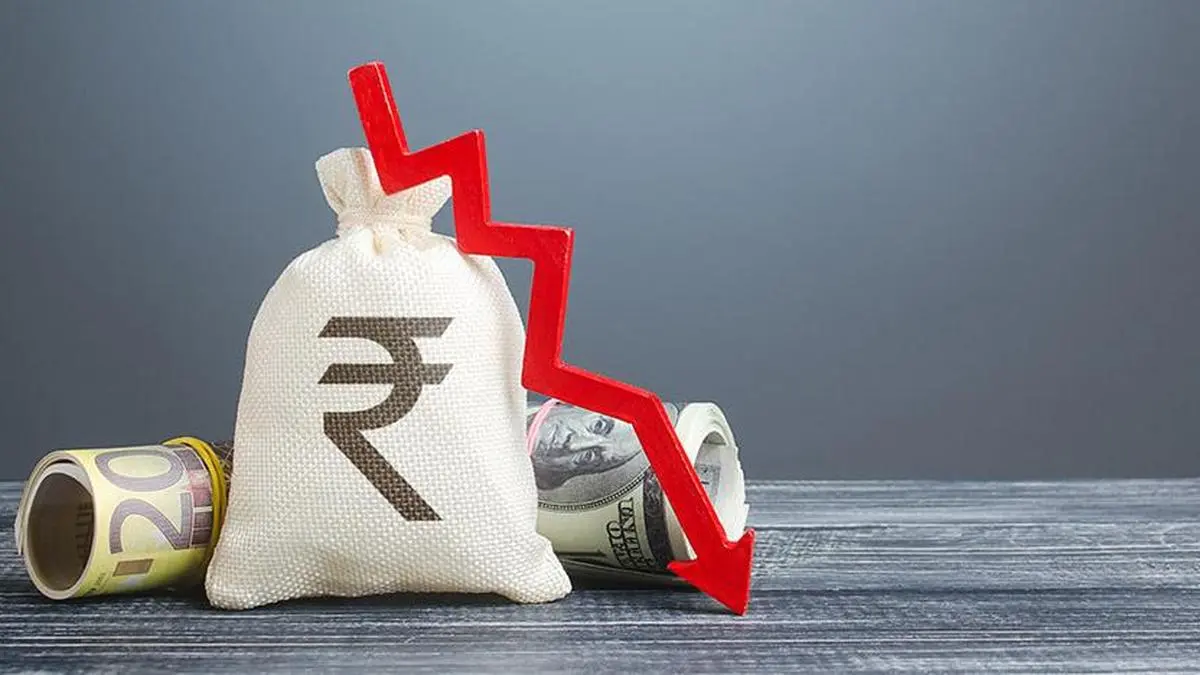
According to the findings, while the country’s gross
domestic product (GDP) grew by 4.8 percent, the return of approximately 3.7
million Afghans has outpaced economic expansion, leading to a 5.6 percent
decline in GDP per capita.
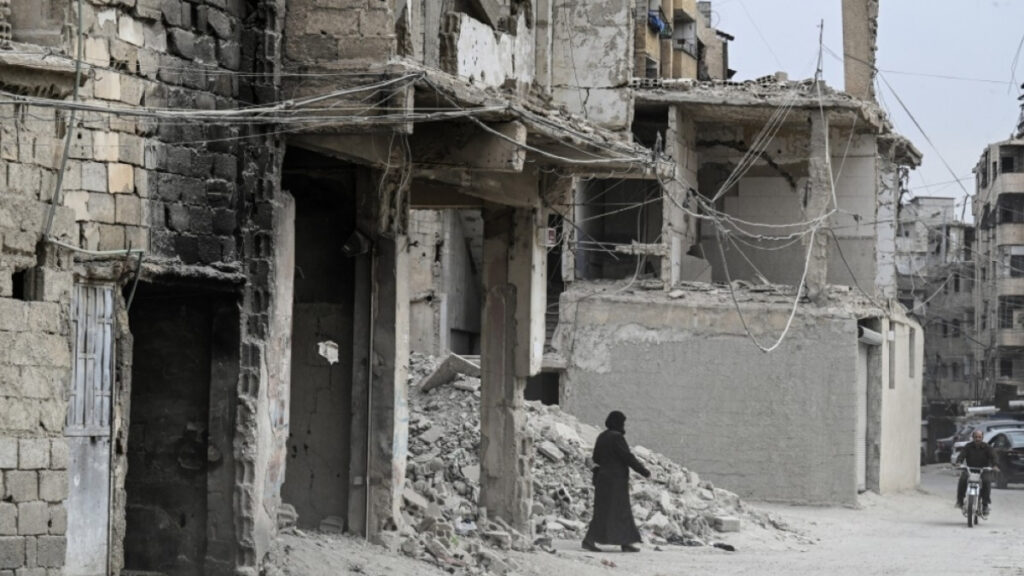
The World Bank noted that although macroeconomic stability
has been relatively maintained, increasing external pressures, regional
tensions, and declining international aid have heightened Afghanistan’s
vulnerability and left its economic outlook fragile.
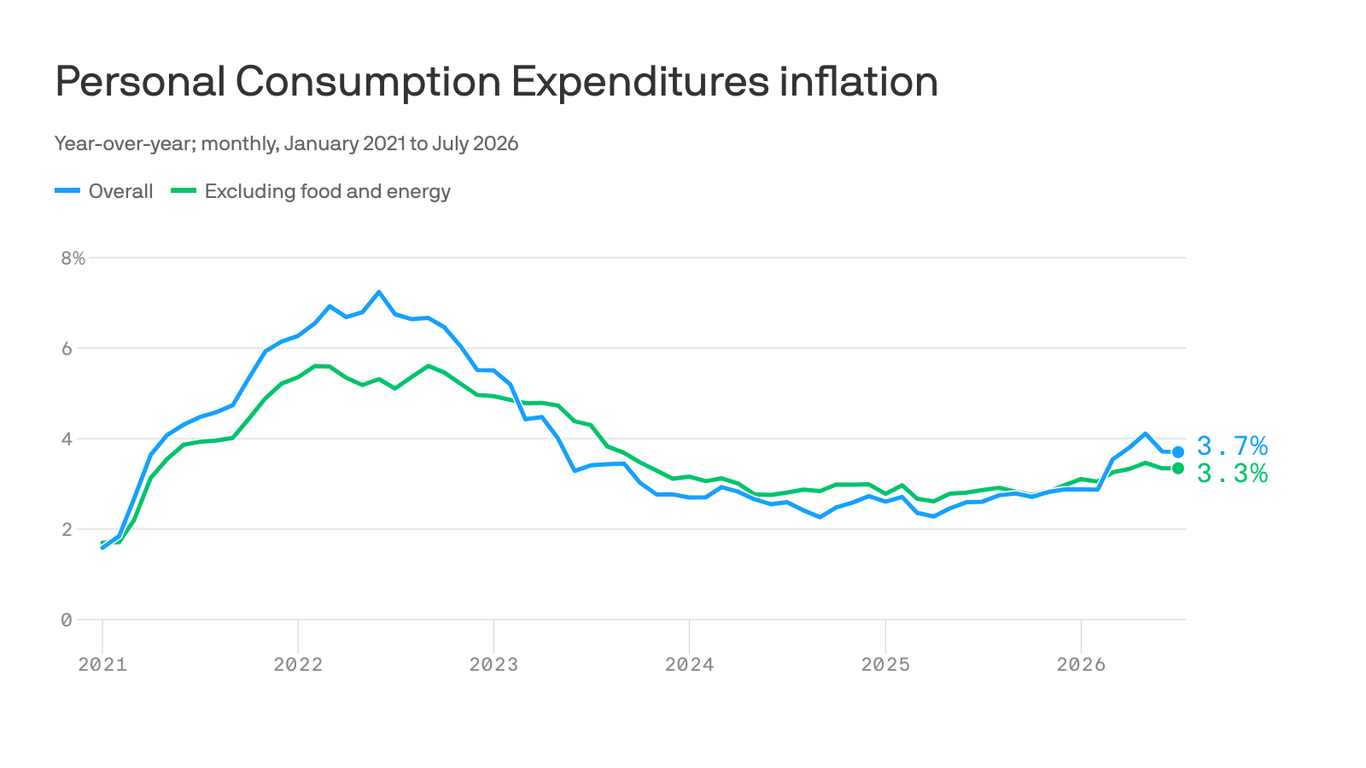
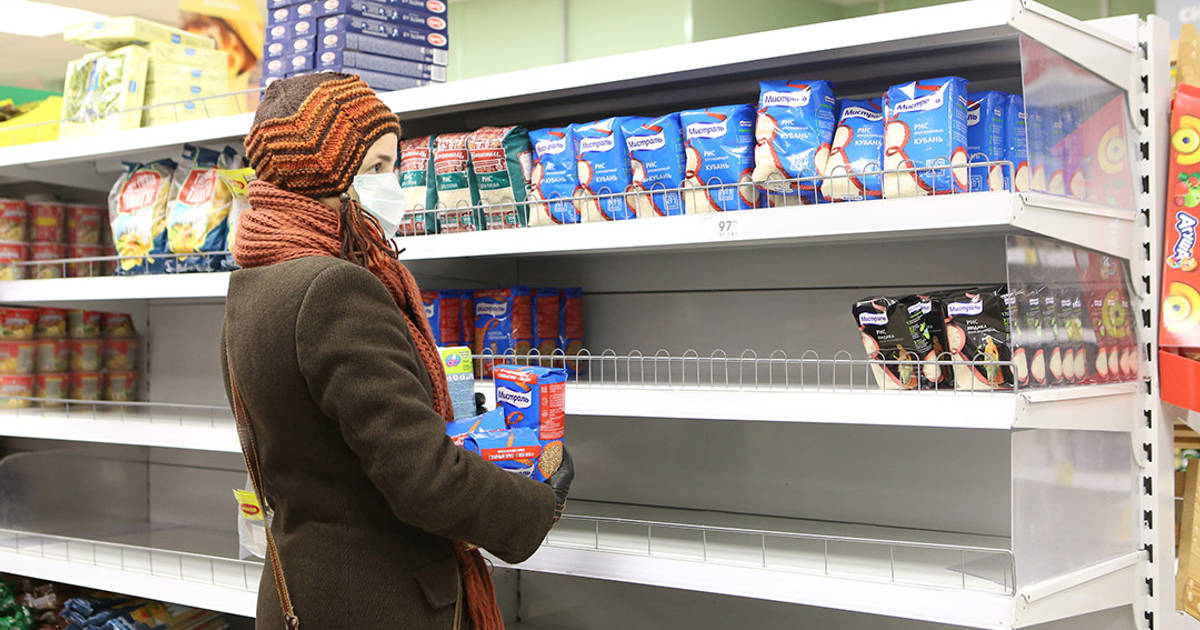
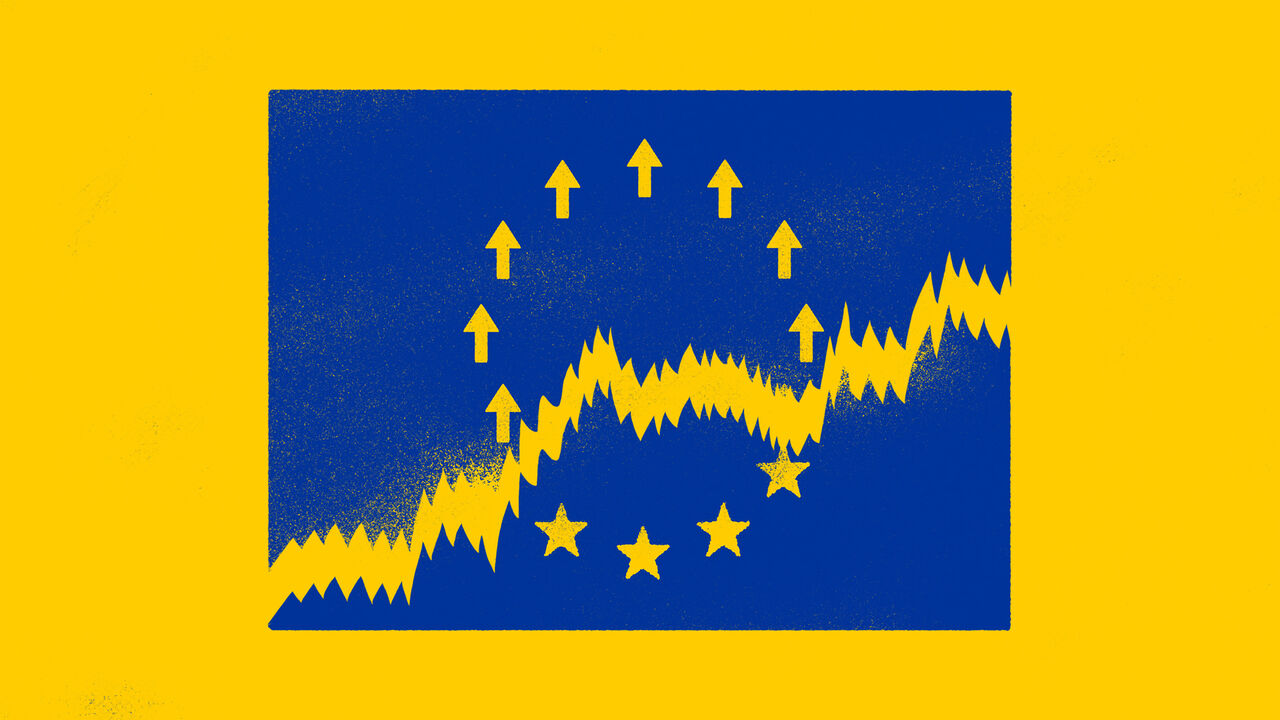
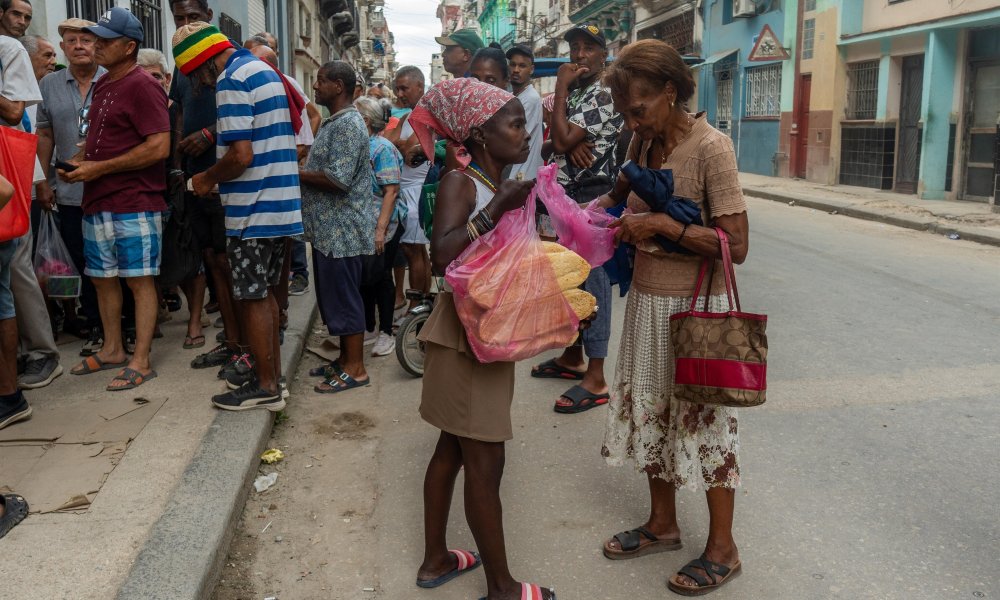
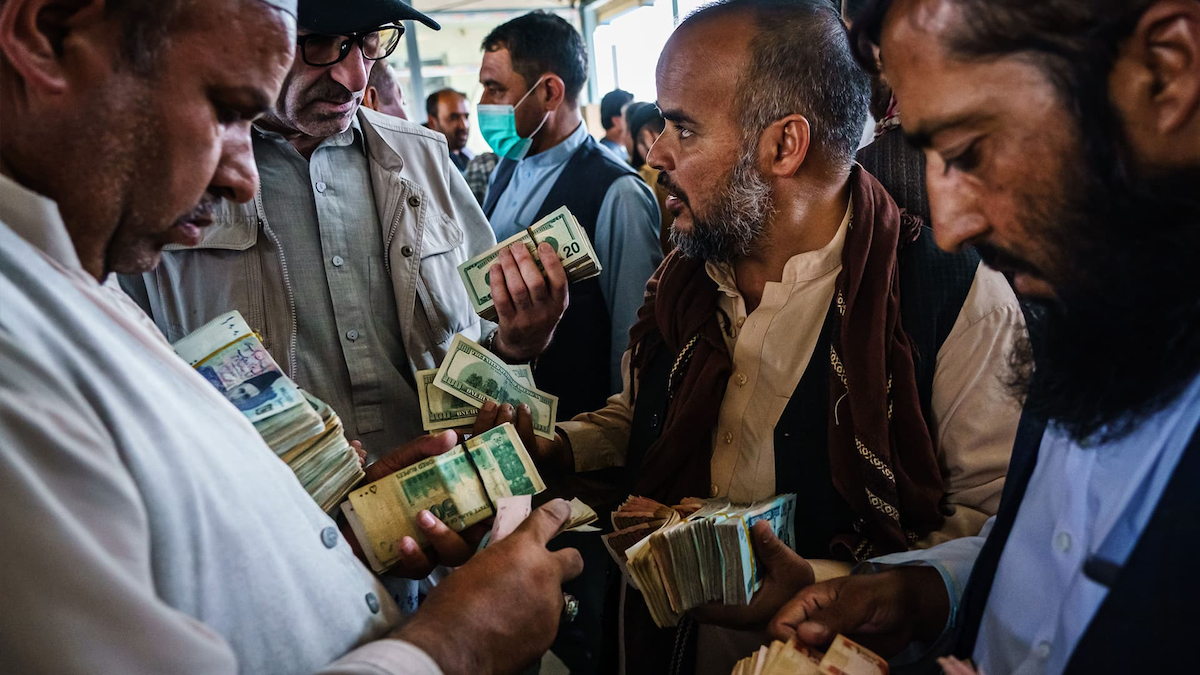
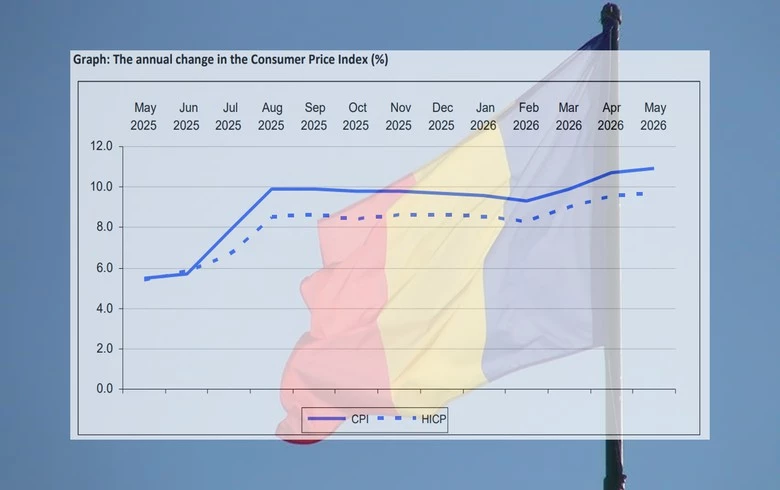
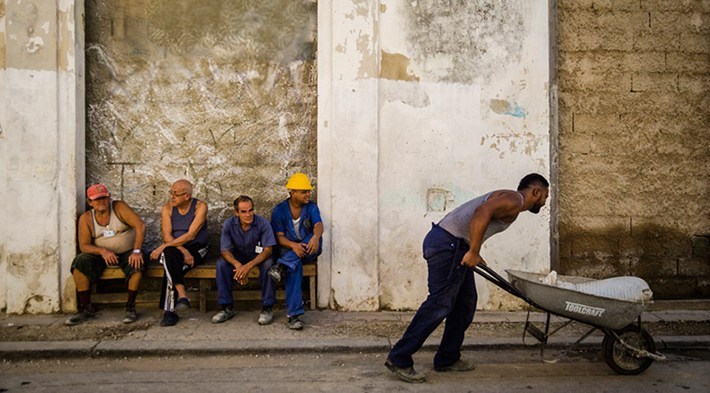
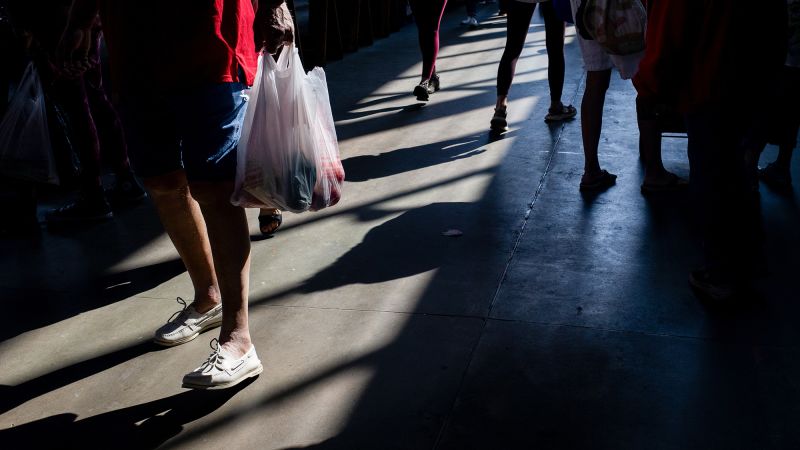
Rising inflation has further eroded household purchasing
power. The report indicates that inflation increased from an average of 3.6
percent in 2025 to 7.6 percent by March 2026, driven by higher food prices,
supply constraints, and strong demand. These trends are expected to worsen food
insecurity and deepen poverty across the country.
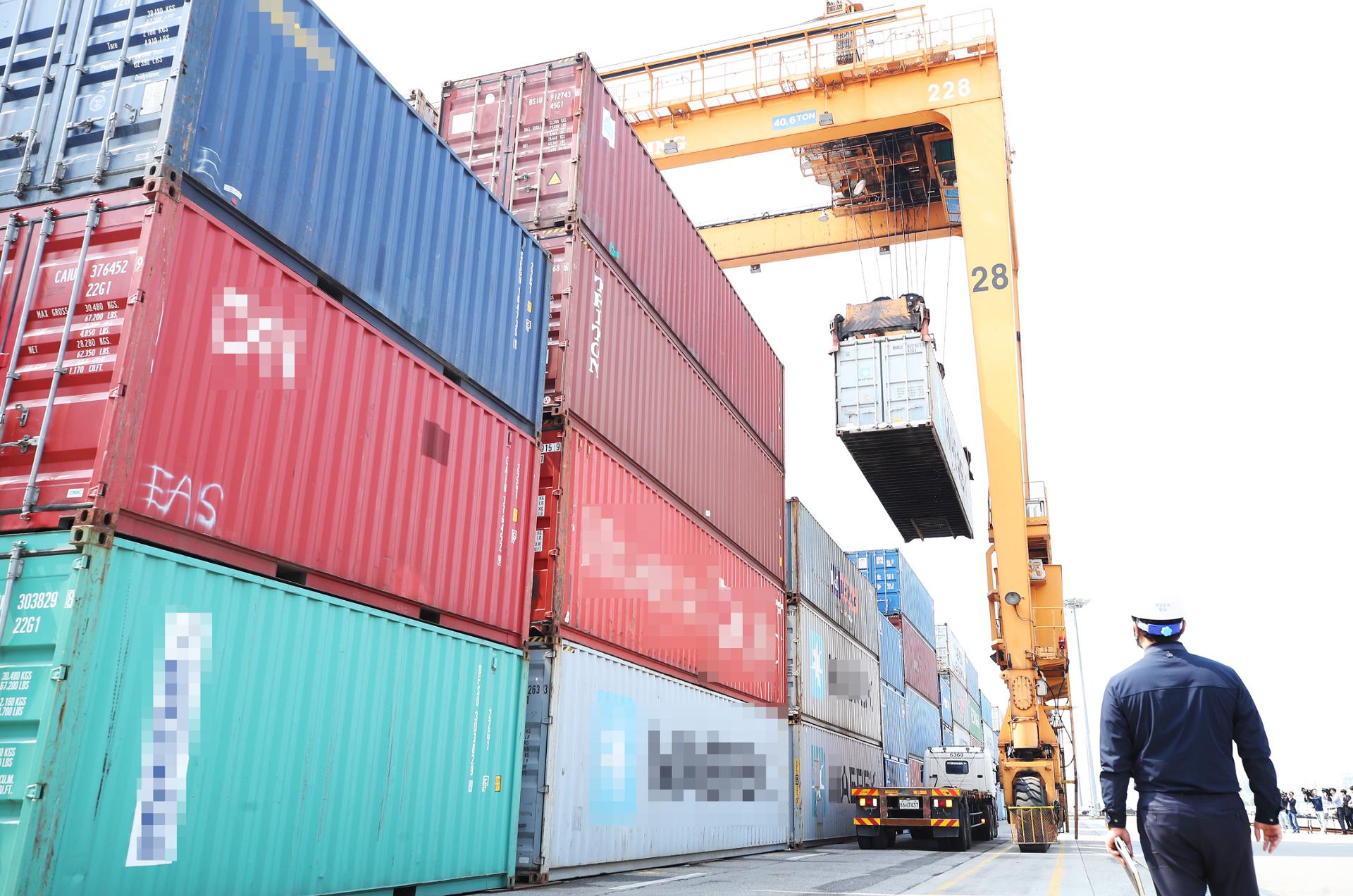
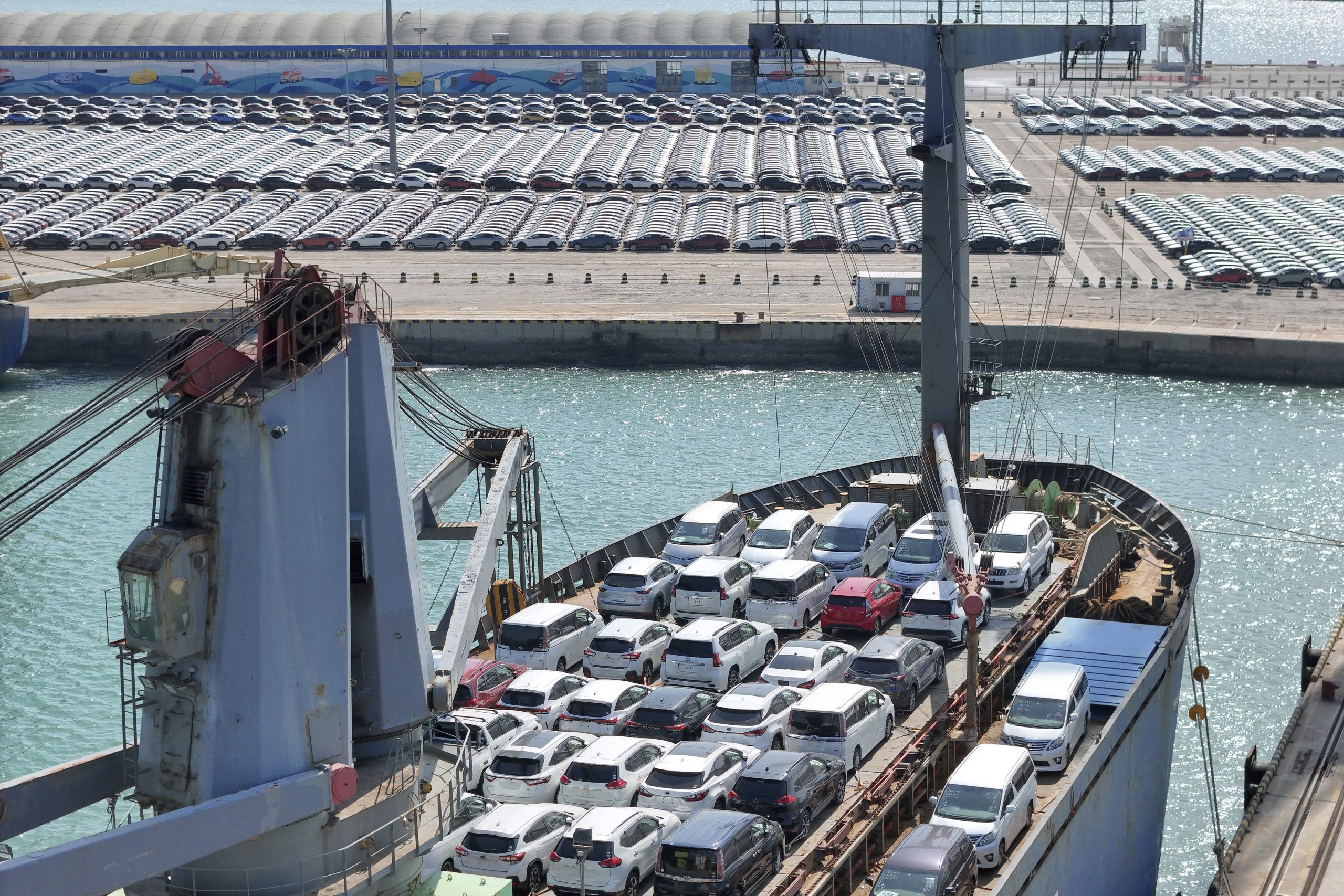
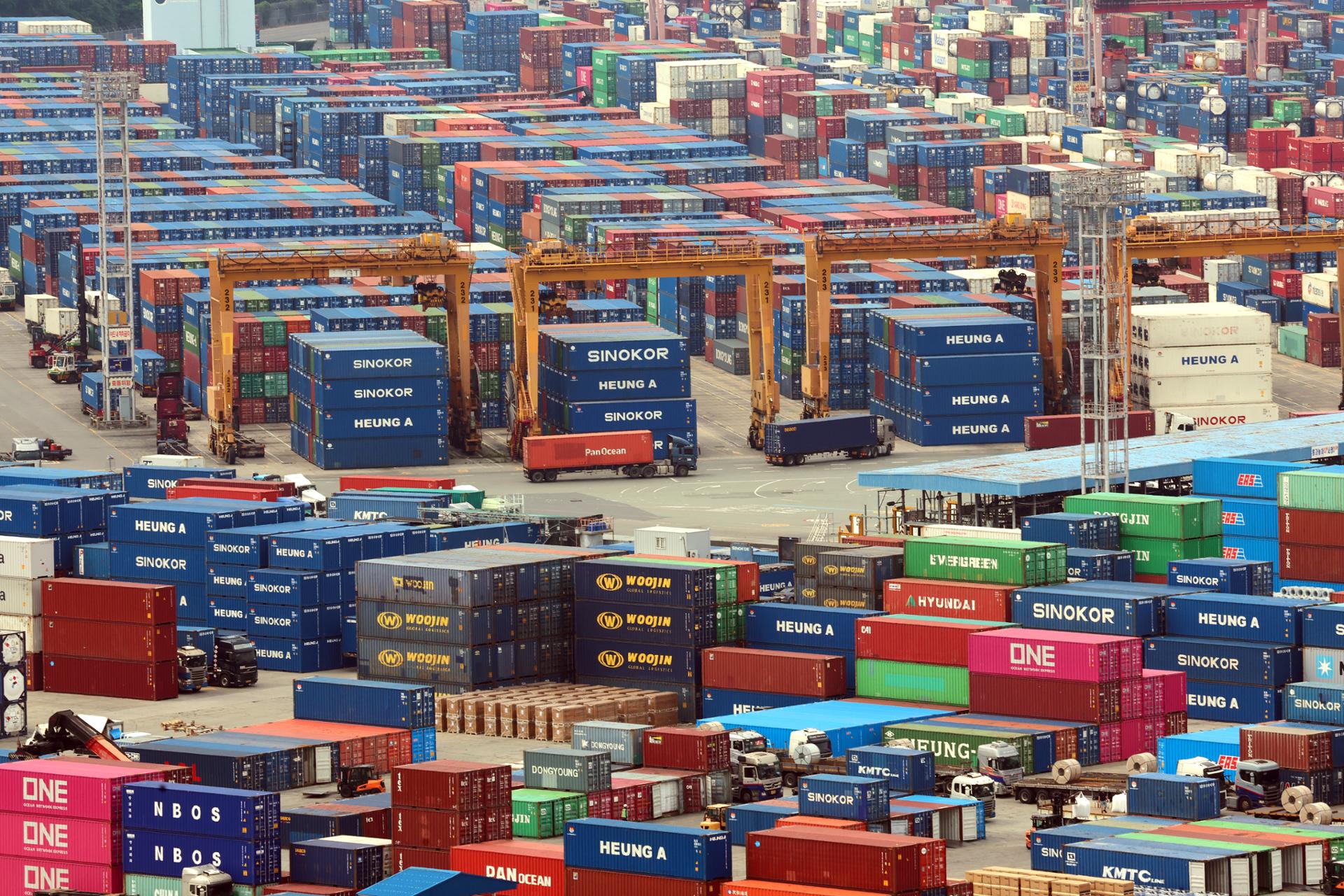
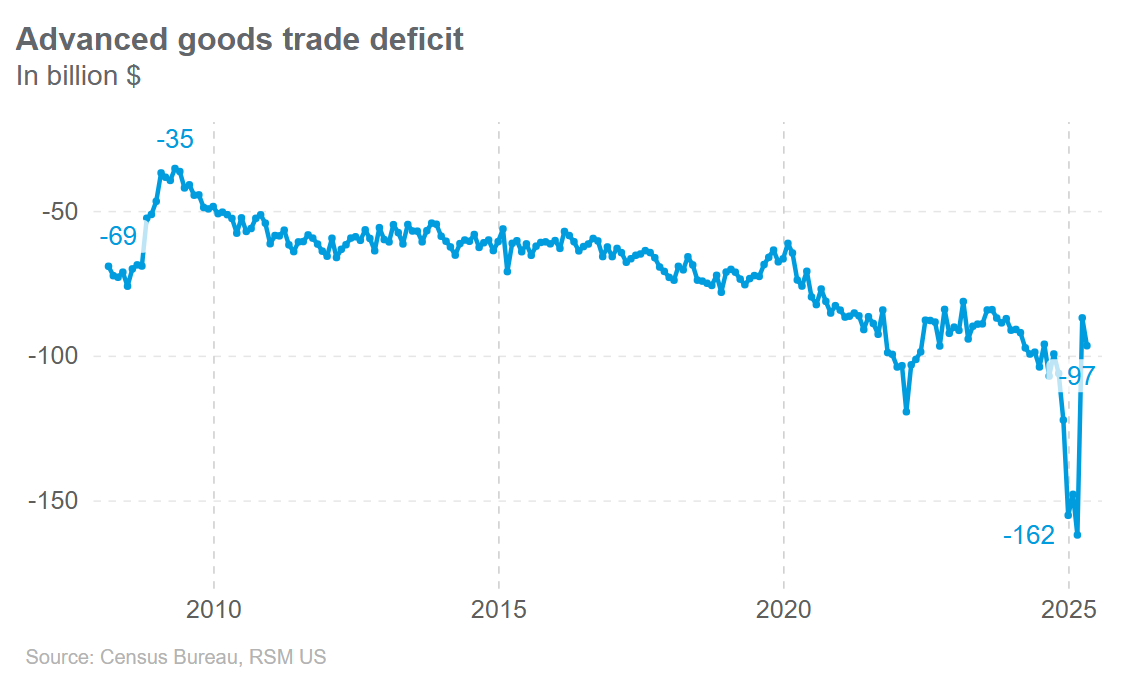
The report also describes Afghanistan’s external sector as
fragile, citing rising imports and weak exports that have widened the trade
deficit.
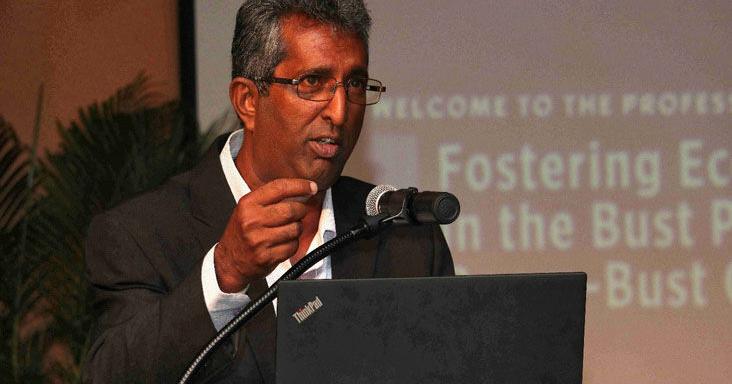
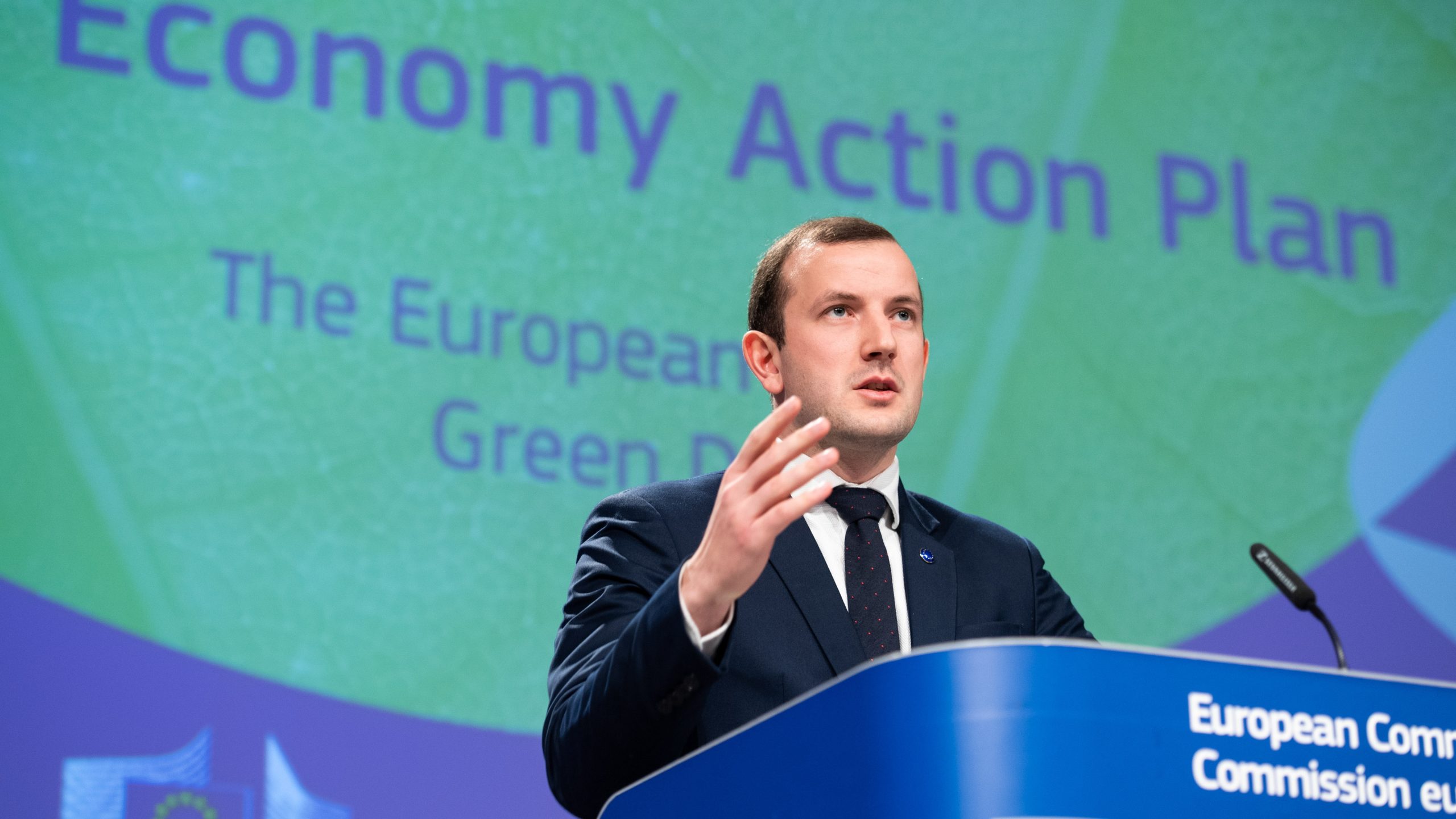
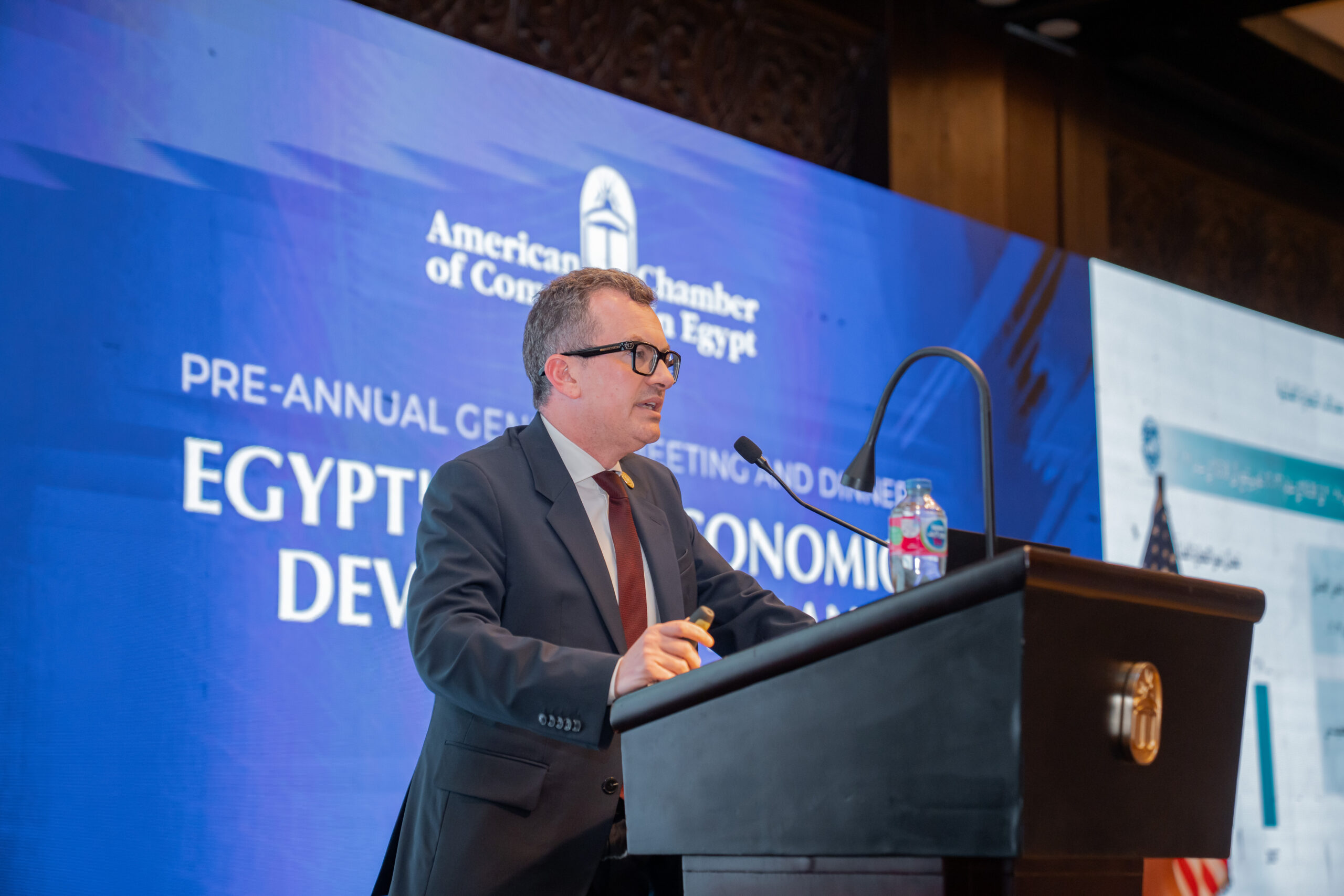
Faris Hadad-Zervos said the Afghan economy has shown
resilience in the face of significant challenges, but emphasized that growth
alone is not sufficient.
“With the return of millions of Afghans, rapid population
growth is outpacing economic gains — reducing incomes and deepening poverty and
fragility,” he said.
According to the report, domestic revenues of the Taliban
increased to 19.8 percent of GDP in 2025, largely due to improved tax
collection.
The World Bank forecasts that Afghanistan’s economic growth
will slow to around 4 percent in 2026.