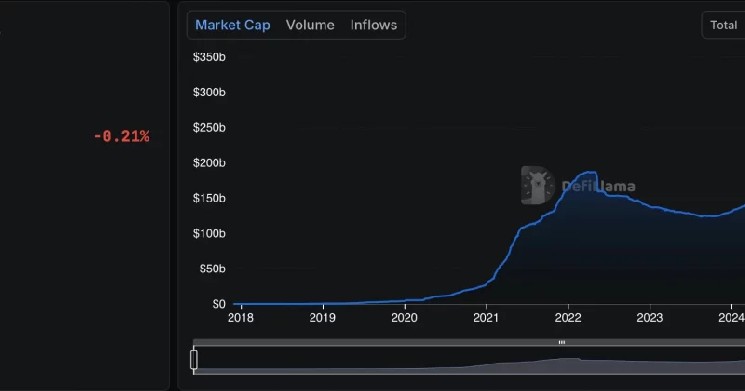
Six federal agencies have 15 days to finalize the rules that will determine which companies can legally issue stablecoins in the United States — and when those rules land on July 18, they will expose a compliance cost structure that a $200 million issuer mathematically cannot survive.
That is not incidental to the GENIUS Act. It is the architecture. The same rules that give institutional capital a safe, regulated stablecoin market will effectively price mid-market operators out of it, concentrating the $311 billion stablecoin industry around a handful of scale players the way bank regulation concentrated the U.S. banking sector from 14,000 institutions in 1985 to fewer than 4,500 today.
GENIUS Act Created a New Category — Rulemaking Decides Who Can Afford It
The Guiding and Establishing National Innovation for U.S. Stablecoins Act was signed into law on July 18, 2025, passed with overwhelming bipartisan support — 68 to 30 in the Senate and 308 to 122 in the House — and its rulemaking mandate is explicit: six agencies must issue final rules by July 18, 2026, exactly one year later. The agencies are the OCC, FDIC, NCUA, Treasury, FinCEN, and OFAC. All six have published proposed rules. All major comment periods closed as of June 9, 2026. The agencies are now in simultaneous final-rule drafting with 15 days remaining.
One notable gap: the Federal Reserve Board, which is also a primary federal payment stablecoin regulator under the statute — covering PPSI subsidiaries of state member banks and certain holding companies — has not yet issued its proposed rule, putting additional pressure on the July 18 deadline.
What the law actually created was a third regulatory category. Compliant payment stablecoins are neither securities nor commodities under the GENIUS Act — they enter a standalone federal framework. For an industry that spent years fighting SEC jurisdiction, that carve-out was consequential. The law’s effective date is the earlier of 120 days after the primary federal regulators issue final rules, or January 18, 2027 — whichever comes first.
What Compliance Actually Costs
The compliance architecture under the GENIUS Act has several layers, each carrying real operational cost that does not scale down with issuer size.
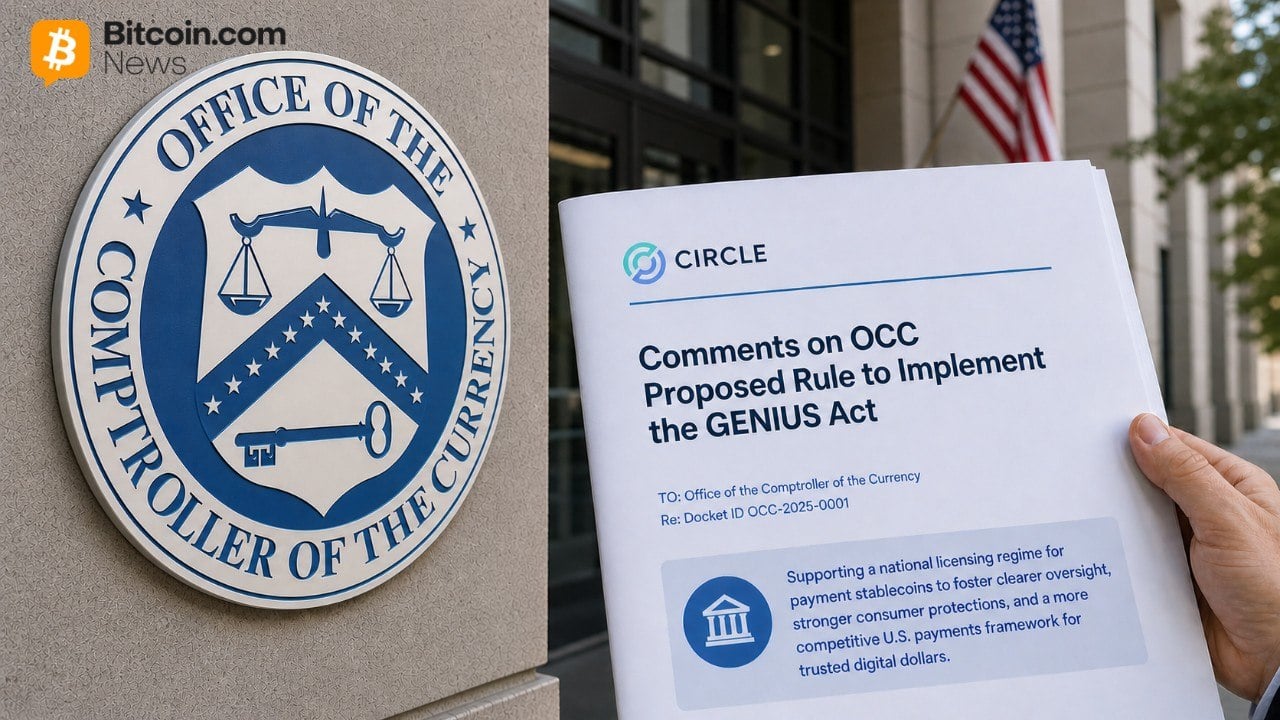
Reserve requirements mandate 1:1 backing in cash, insured bank deposits, and short-term U.S. Treasuries maturing within 93 days — a ceiling tighter than the 397-day limit standard money market funds operate under. The OCC’s proposed rule adds a three-tier liquidity framework requiring 10% same-day redemption capability.
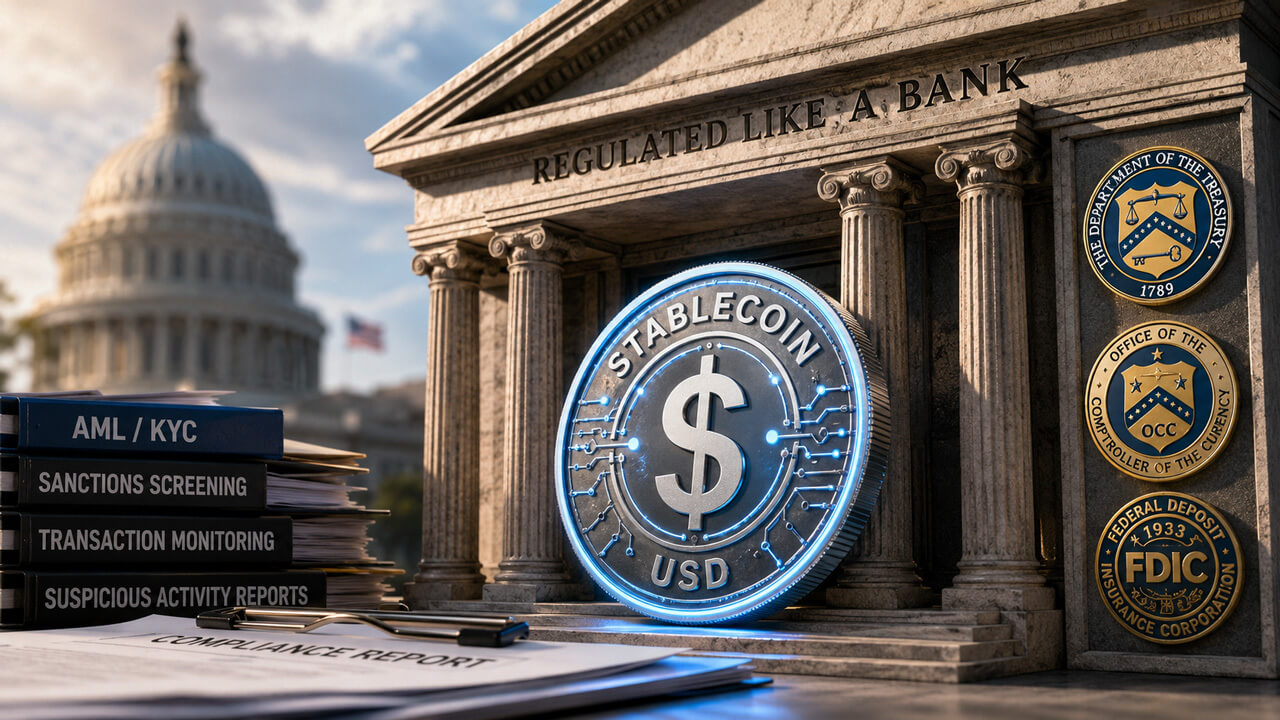
Anti-money laundering obligations are the largest single cost driver. The April 9, 2026 FinCEN/OFAC joint rule treats permitted payment stablecoin issuers as financial institutions under the Bank Secrecy Act. Every issuer must build and maintain a risk-based AML program with trained compliance officers, transaction monitoring systems calibrated to crypto-native payment flows, suspicious activity report procedures, enhanced due diligence for high-risk customers, and ongoing regulatory examination. Community banks subject to BSA spend between 11% and 15.5% of their total payroll on compliance tasks, according to data from the Conference of State Bank Supervisors.
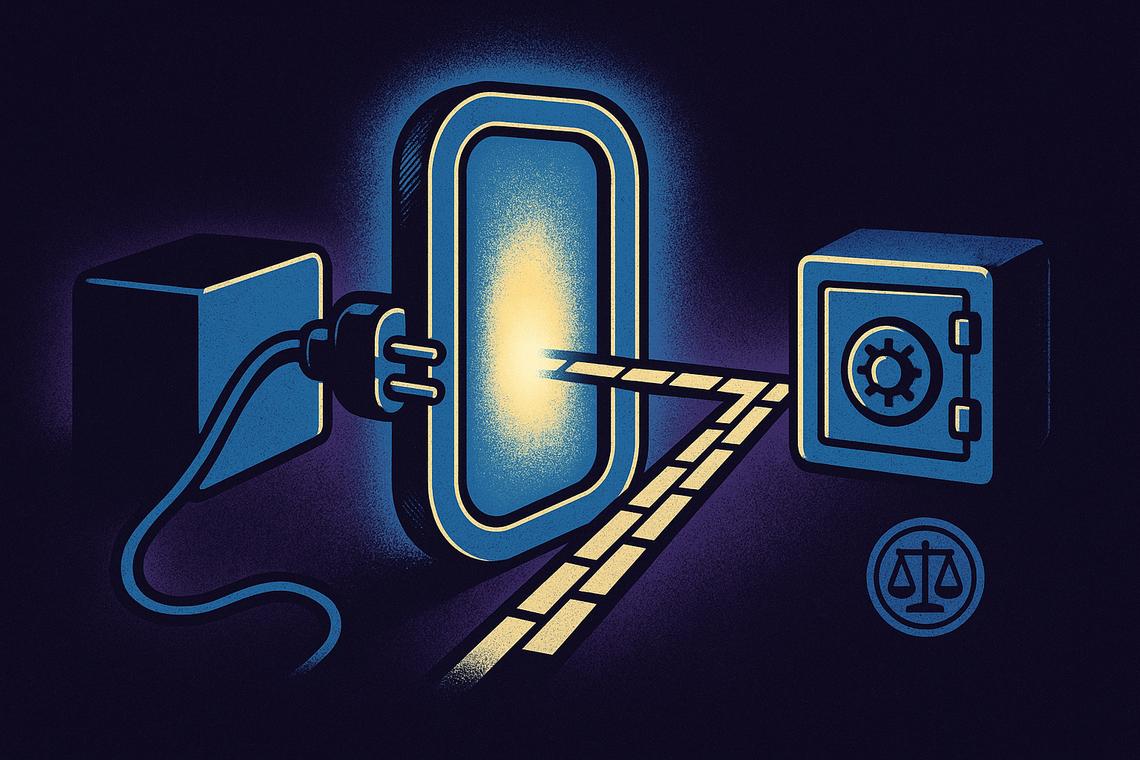
The most technically novel requirement has no banking precedent: issuers must maintain on-chain infrastructure capable of blocking, freezing, and rejecting specific transactions on the blockchain — including for wallets they have no direct commercial relationship with. If the Treasury’s OFAC designates a wallet address, the issuer must be able to prevent that address from transacting with its stablecoin. In practice, that means compliance infrastructure built into the smart contract layer itself. On July 1, 2026, Tether demonstrated what this looks like at scale when it froze funds across 131 ISIS-K-linked wallet addresses within hours of a Treasury designation.
Audit requirements mandate monthly examination by a registered public accounting firm, with senior executives personally certifying reserve reports — creating direct personal liability for misrepresentations. And the yield prohibition embedded in the statute bans issuers from paying any interest or yield to stablecoin holders, even indirectly through affiliates or third-party arrangements under the OCC’s proposed interpretation.
What the Math Looks Like for Mid-Market Issuers
The critical insight from market analysts is not that these requirements are onerous in the abstract — it is that they are fixed costs, making them regressive at mid-market scale in a way that is not accidental.
Mike McCluskey, CEO of stablecoin infrastructure firm tx, described the burden as “not a one-time licensing fee” but “a recurring operational infrastructure involving segregated reserve accounts, monthly independent audits, transaction monitoring, and dedicated compliance personnel.”
The arithmetic is stark. At the current yield on 3-month Treasury bills of approximately 3.74%, a $200 million stablecoin generates around $7.5 million in gross reserve income annually. A mid-market compliance stack — covering audits, legal, AML systems, and licensing — runs approximately $15 million per year. A $200 million issuer spends roughly twice its entire gross reserve income on compliance before generating a single dollar of operating margin.
Scale the same compliance cost against a $10 billion issuer’s approximately $374 million in gross reserve income, and the burden drops to about 4% of revenue. At $50 billion, it falls below 1%. McCluskey described the result as a market structure projecting “the equilibrium of an oligopoly where only the most capitalized issuers remain.” Zaheer Ebtikar, chief strategy officer at Plasma, described it as “not an explicit prohibition, but a compliance cost floor that is inherently regressive.”
Stripe, Block, and other payment platforms considering stablecoin issuance must now choose between raising $5 million in dedicated capital to charter a stablecoin bank, or exiting the market. Circle and Coinbase can absorb the compliance cost. Smaller players cannot.
What the $10 Billion Threshold Actually Is
The GENIUS Act includes a provision often described as a concession to smaller operators: issuers with less than $10 billion in outstanding stablecoins may use state-level oversight, provided the state’s regulatory regime is certified as “substantially similar” to the federal framework by the Stablecoin Certification Review Committee.
The SCRC is composed of the Treasury Secretary, the Federal Reserve Chair, and the FDIC Chair. The committee must unanimously approve or deny each state’s certification within a 30-day window. Critics have noted that the unanimity requirement could make state certification politically difficult in practice, potentially creating a de facto federal-only regime by default.
But the more fundamental problem, per Ebtikar, is not the certification difficulty — it is the growth ceiling built into the threshold itself. State-qualified issuers that exceed $10 billion in consolidated outstanding issuance must transition to federal OCC oversight within 360 days, or obtain a waiver. “The $10 billion threshold outlined by GENIUS is framed as a concession to smaller issuers,” Ebtikar said, “but it may function more like a growth ceiling.” Cross that line and an issuer has 360 days to transition to the more expensive federal compliance regime — the compliance bill jumps exactly when an issuer is proving its product works.
Tether’s Path Is Not Settled
No aspect of GENIUS Act implementation has attracted more scrutiny than the status of Tether’s USDT, which held approximately $184 billion in circulation as of July 3, 2026, making it roughly 59% of the total stablecoin market.
Tether, operating from El Salvador, requires a Treasury reciprocity determination to continue serving U.S. businesses as a foreign issuer under the statute. As of July 3, 2026, that determination had not been issued. Starting on July 18, 2028 — three years after enactment — digital asset service providers will generally be prohibited from offering non-compliant stablecoins to U.S. users. Any token outside the permitted perimeter loses exchange access, loses liquidity, and loses users.
Tether’s response was to launch USAT in January 2026, a new stablecoin issued through federally chartered Anchorage Digital Bank and designed for GENIUS Act compliance from day one. As of April 30, 2026, USAT had a circulating supply of $140.8 million — well below Circle’s USDC at approximately $73 billion. The market is bifurcating: global stablecoins for international liquidity, regulated stablecoins for institutional U.S. adoption, and a long tail of specialized tokens for niche use cases.
DeFi Platforms Are Positioned as the Unregulated Yield Substitute
The yield ban has generated a secondary concern that closely parallels a documented historical failure mode. When the Federal Reserve enforced Regulation Q — which capped interest rates on bank deposits from the 1930s until its repeal in 1986 — money market funds grew precisely to capture the demand that zero-yield regulated deposits could not meet. The GENIUS Act appears to be replicating that structure in digital assets.
DeFi protocols built on Ethereum and Solana already offer 5% to 8% yields on stablecoin deposits, outside the regulated banking system. Accredited investors with large stablecoin portfolios face a choice: hold zero-yield U.S. coins under federal oversight or seek yield offshore in uninsured, unregulated platforms.
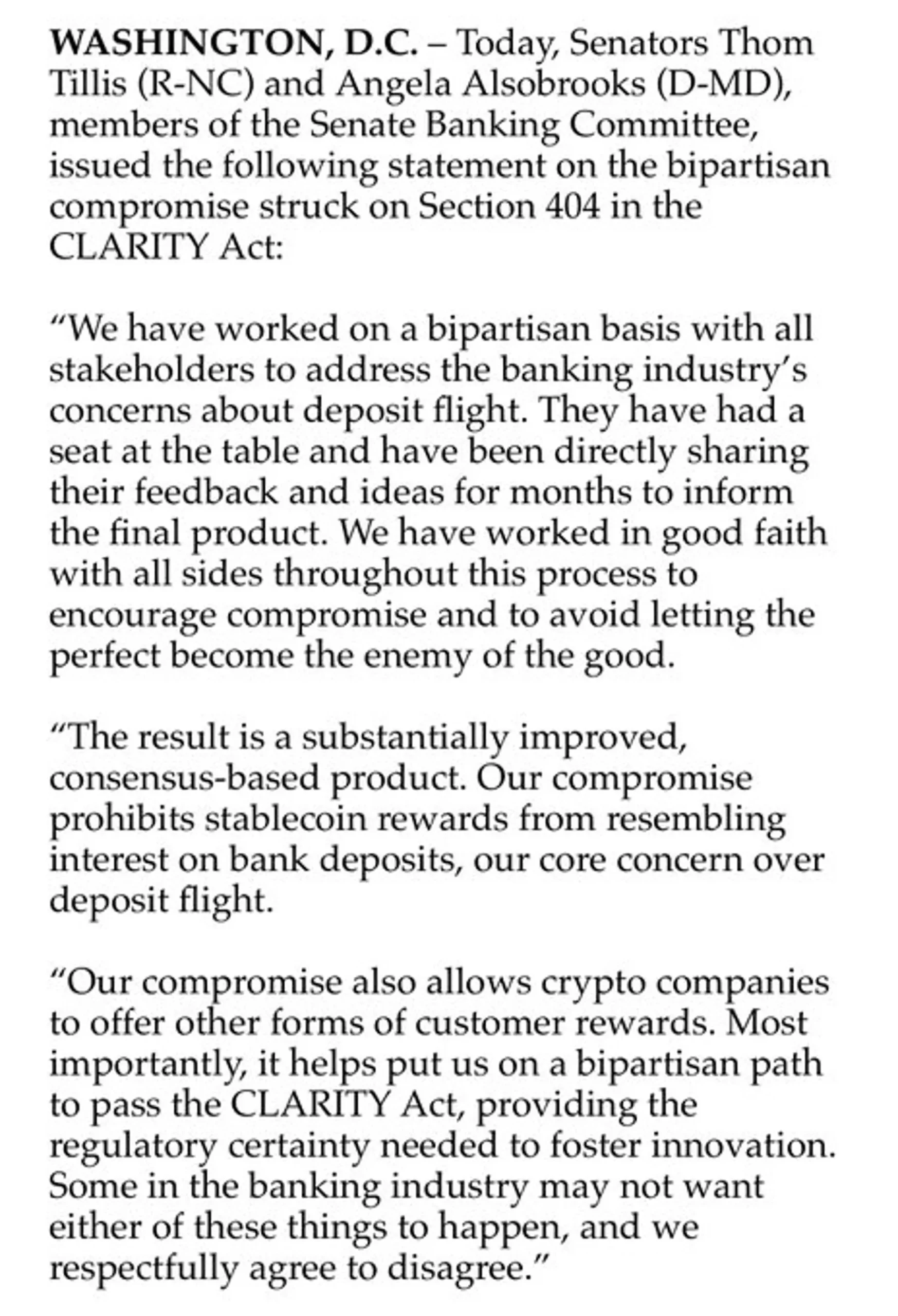
Circle’s chief strategy officer Dante Disparte has argued that yield is a secondary-market innovation better delivered by DeFi protocols once the base layer is properly secured. But critics note that the ban gives offshore issuers — who face no such restriction — a structural advantage that could draw institutional demand away from U.S.-regulated products over time. The Digital Asset Market Clarity Act, which the Senate Banking Committee advanced in May 2026, contains language that could restrict DeFi yield arrangements that structurally replicate bank deposits — potentially closing the workaround. Whether that bill becomes law in 2026 is uncertain.
What the Banks Are Actually Doing
The GENIUS Act’s passage triggered a wave of positioning by major financial institutions that had previously watched stablecoin markets from the sidelines.
Bank of America CEO Brian Moynihan stated after the law passed that “if they make that legal, we will go into that business.” By January 2026, Moynihan was warning that up to $6 trillion in deposits — roughly a third of all U.S. commercial bank deposits — could eventually shift to stablecoins if regulators permit yield payments.
JPMorgan has been running deposit tokens through its Kinexys platform since June 2025, recently expanding to live payments for institutional clients including on Coinbase’s Base network — making it the first major bank to operate on a public blockchain. Bank of America, Citigroup, and Wells Fargo explored a joint stablecoin project, with a broader coalition including Visa, Mastercard, and Coinbase building Open USD, a dollar stablecoin designed to distribute reserve earnings across the partner network.
For incumbents with hundreds of billions in existing capital and established compliance infrastructure, the GENIUS Act’s requirements represent less a burden than a competitive moat against crypto-native challengers who must build those capabilities from scratch. The compliance cost floor that squeezes out mid-market fintech issuers is exactly the cost that banks have already absorbed and amortized across decades of BSA obligations.
What Happens If an Agency Misses the Deadline
One scenario the market has not fully priced is the possibility that one or more agencies miss the July 18 deadline. It would not be without precedent. The 2010 Dodd-Frank Act imposed similar agency deadlines; the SEC and CFTC missed roughly 40% of them.
The GENIUS Act contains no fallback, no automatic implementation, and no interim guidance framework if an agency fails to meet the deadline. If agencies do not fully coordinate by July 18, the effective date for the full GENIUS Act compliance regime could slide to January 18, 2027 — the statute’s fallback date. That would give issuers additional runway, but it would also extend the legal gray zone for non-compliant tokens operating in the U.S. market and delay the clarity that institutional capital is waiting for.
How Stablecoin Issuance Technically Works Under the New Rules
The compliance architecture the GENIUS Act creates is not simply a set of rules — it is a set of systems. Issuers must hold reserves in qualifying short-duration instruments (cash, Treasury bills maturing within 93 days, qualifying repos), publish monthly reserve disclosures certified by independent accountants, support par redemption within two business days of a valid request (extendable to seven calendar days only if redemptions exceed 10% of outstanding issuance in a rolling 24-hour window), and maintain on-chain smart contract infrastructure capable of executing freeze and block orders on designated addresses.
That last requirement is a categorically new engineering obligation. Unlike traditional bank accounts — where the bank can simply block outgoing transfers from a flagged account — a stablecoin issuer’s tokens exist on a public blockchain where the issuer does not control the ledger itself. Compliance requires the issuer to build freeze capability into the token’s smart contract layer, so that a specific wallet address can be blocked from transacting regardless of what other participants on the blockchain are doing. This is technically feasible — Tether has executed it at scale — but building and maintaining it requires specialized engineering talent that most mid-market issuers have not yet hired.
The reserve funds that hold the qualifying Treasury assets are themselves becoming a new business. Invesco filed with the SEC in June 2026 to launch a tokenized money market fund issuing shares as ERC-20 tokens on Ethereum, specifically for stablecoin issuers needing blockchain-native reserve management. State Street launched a similar GENIUS Act-aligned fund in June 2026. These products — controlled by incumbent Wall Street asset managers — are the infrastructure layer that large issuers will use to meet reserve requirements. Mid-market issuers accessing the same infrastructure get no cost advantage.
Research firm 21Shares forecasts the total stablecoin market will exceed $1 trillion by the end of 2026, more than tripling its current size, driven in part by bank entry. Whether that growth accrues to a diverse ecosystem of issuers or a small number of scale operators is precisely what July 18 — and the rules it delivers — will determine.
Frequently Asked Questions
What is the July 18 stablecoin deadline, and what changes when it passes?
July 18, 2026, is the statutory deadline by which six federal agencies (OCC, FDIC, NCUA, Treasury, FinCEN, and OFAC) must issue final rules implementing the GENIUS Act. If they meet it, the GENIUS Act framework becomes effective 120 days later — around mid-November 2026 — setting in force the reserve, AML, licensing, and redemption requirements that all permitted payment stablecoin issuers must meet. If agencies miss the deadline, the framework still takes effect no later than January 18, 2027. What changes is which issuers are legally permitted to offer stablecoins to U.S. users and on what terms.
How does the GENIUS Act’s yield prohibition mirror past regulatory failures?
The yield ban closely parallels the history of Regulation Q, which capped interest rates on U.S. bank deposits from the 1930s until its repeal in 1986. Regulation Q did not eliminate demand for yield-bearing deposits — it redirected that demand to money market mutual funds, which operated outside the rate ceiling. The GENIUS Act’s yield prohibition appears to be producing the same dynamic: DeFi lending protocols on Ethereum and Solana already offer 5% to 8% annual yields on stablecoin deposits, outside the regulated banking system. If that yield gap persists, the GENIUS Act may succeed in regulating the stablecoin market while inadvertently expanding the unregulated DeFi market that pays what regulated issuers cannot.
Will Tether’s USDT still be available in the United States after July 18?
Yes, in the near term. The exchange deadline for non-compliant stablecoins does not take effect until July 18, 2028 — three years after the GENIUS Act’s enactment. Until then, digital asset service providers can continue offering USDT. But Tether’s long-term U.S. access depends on a Treasury determination that El Salvador’s regulatory framework meets U.S. standards — a “reciprocity determination” that had not been issued as of July 3, 2026. Tether launched a separate U.S.-focused stablecoin, USAT, through Anchorage Digital Bank in January 2026 to address this exposure, though USAT’s circulating supply remains a small fraction of USDC’s $73 billion.
Can a smaller stablecoin issuer realistically survive the GENIUS Act compliance requirements?
A stablecoin issuer with under $200 million in circulation faces a structural problem: the annual compliance cost stack (audits, legal, AML systems, compliance personnel, on-chain enforcement infrastructure) runs approximately $15 million per year, while gross reserve income at current Treasury yields generates only about $7.5 million. The compliance bill exceeds gross revenue before a dollar of operating margin is earned. The GENIUS Act’s state pathway for issuers under $10 billion in circulation provides some relief, but state certification requires unanimous approval by a three-member federal committee, and crossing the $10 billion threshold triggers mandatory federal transition within 360 days. The architecture does not explicitly prohibit smaller issuers — it simply makes the economics unworkable below a certain scale.