Sterling Gains as UK Economic Data Beats Forecasts amid Iran War Concerns
UK Economic Growth and Sterling Performance
LONDON, April 16 (Reuters) – Sterling rose slightly on Thursday after data showed the British economy grew rapidly in February and markets waited for more news about a possible peace deal in the U.S.-Iran war.
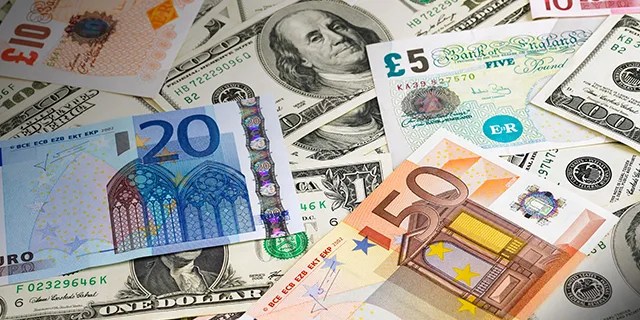
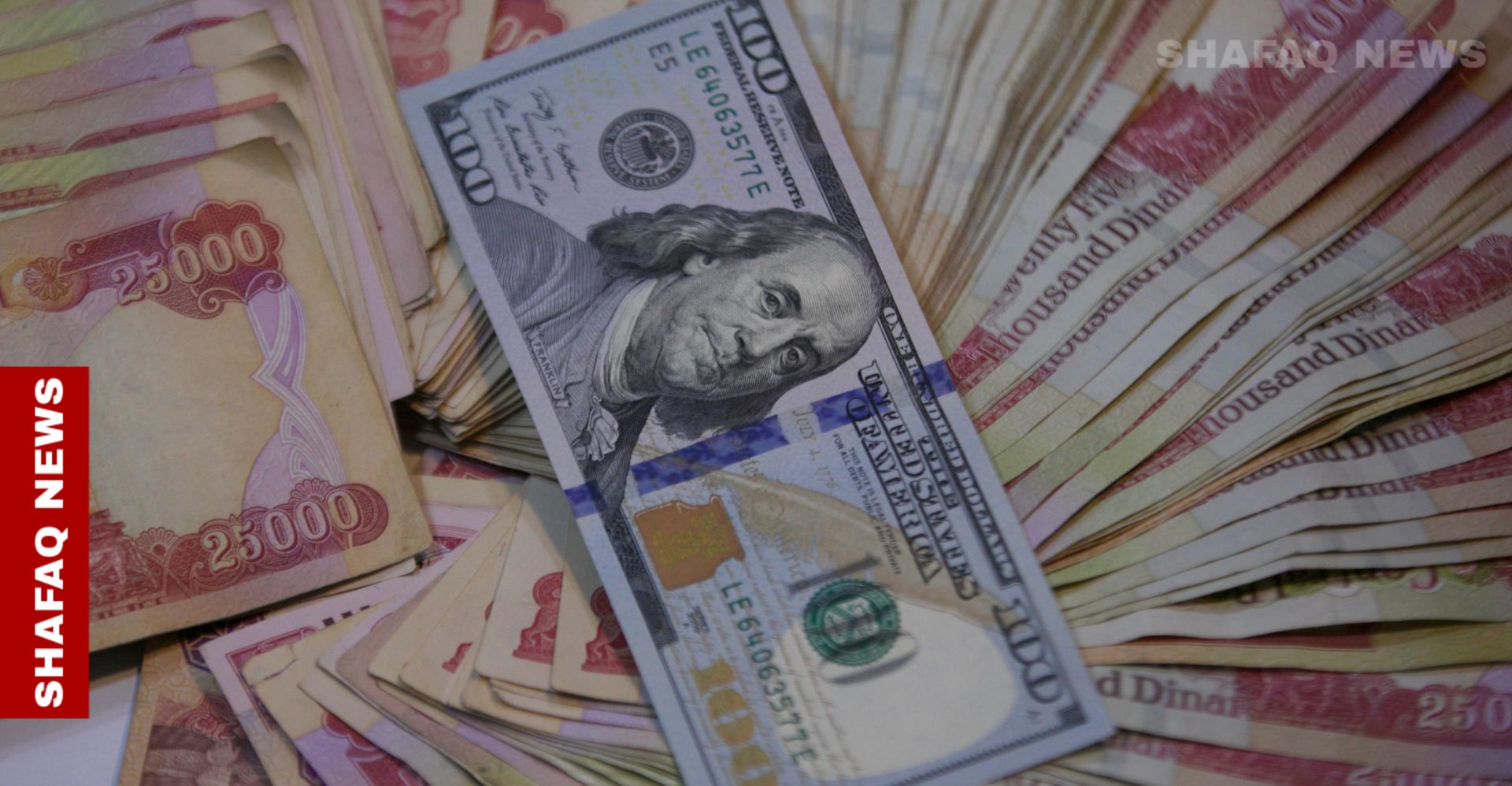
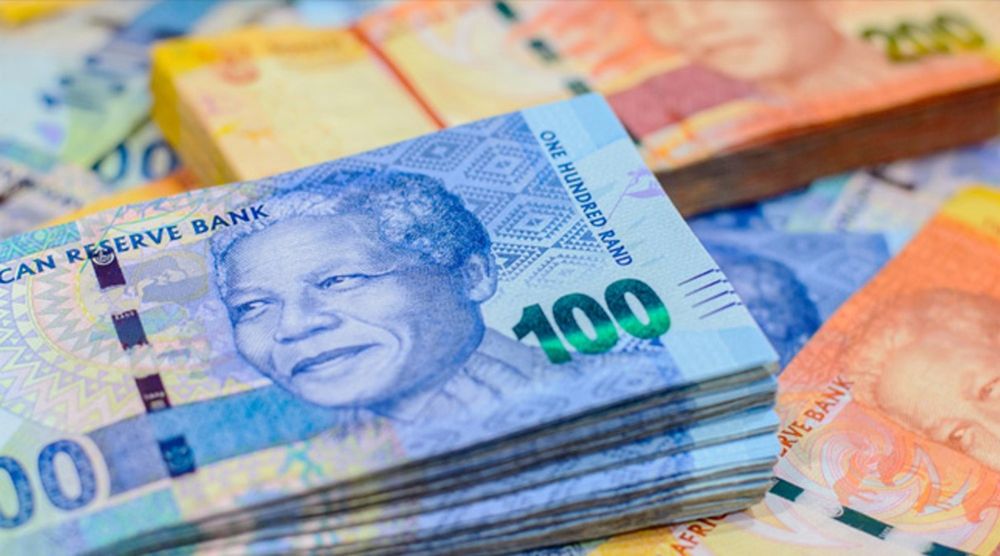
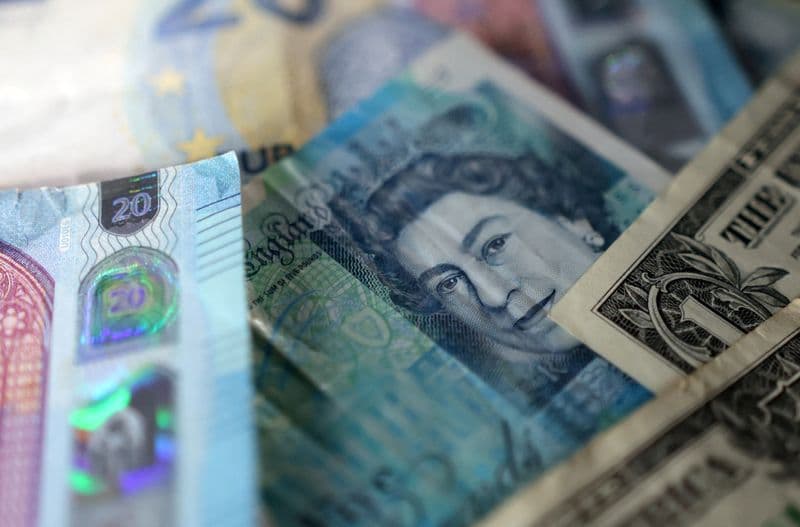
The pound was last up 0.1% at $1.3575. The euro slipped against the British currency and was down 0.1% at 86.94 pence.
Economic Data Exceeds Expectations
Britain’s economy grew 0.5% month-on-month in February, the UK Office for National Statistics said, the biggest increase since January 2024 and well above economists’ expectations for 0.2% growth.
The statistics office said there was broad-based growth across the services sector and car production also rose.
Impact of Iran War on Economic Outlook
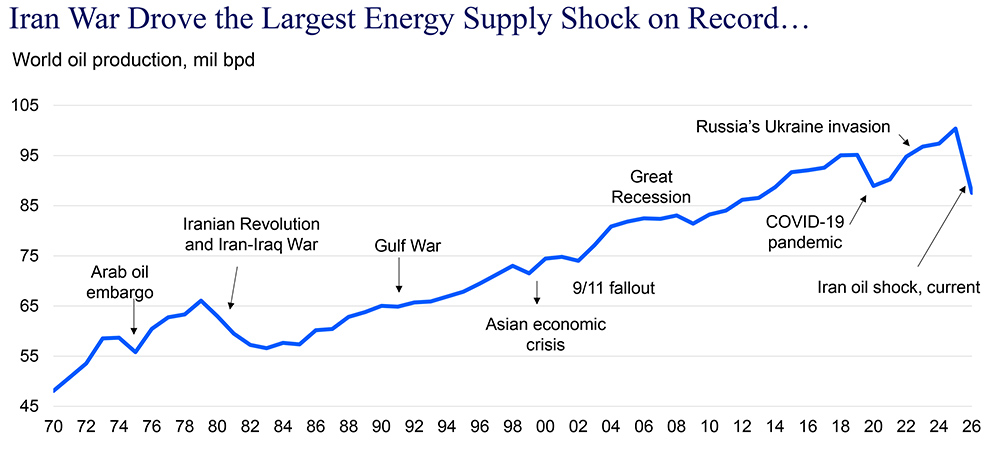
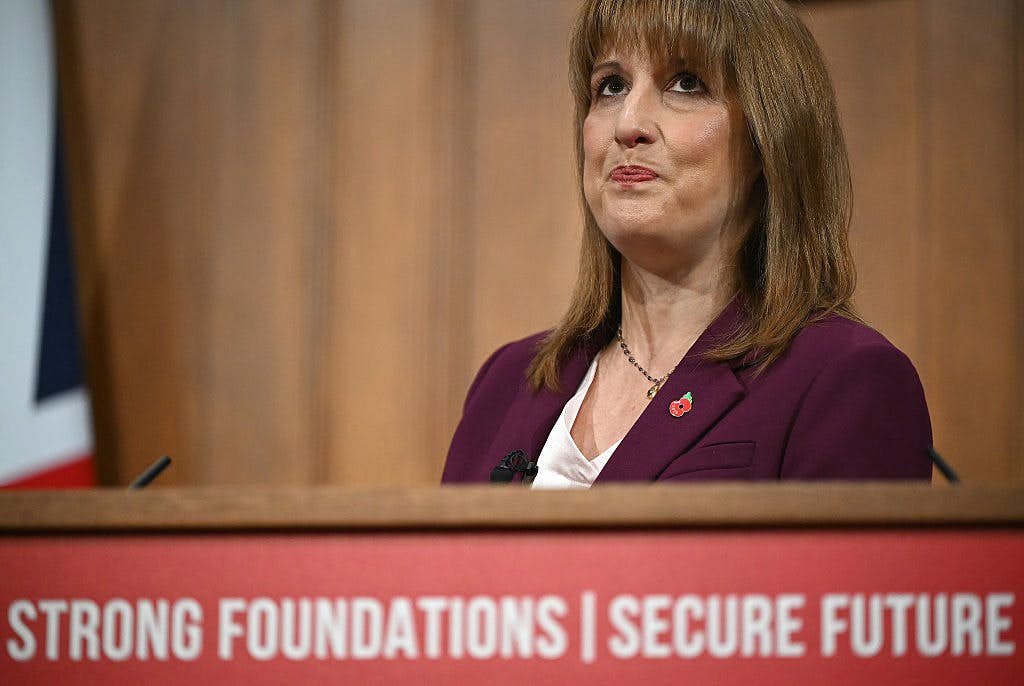
However, the jump in energy prices from the Iran war means bumper growth has probably already been extinguished, said Ruth Gregory, deputy chief UK economist at Capital Economics.
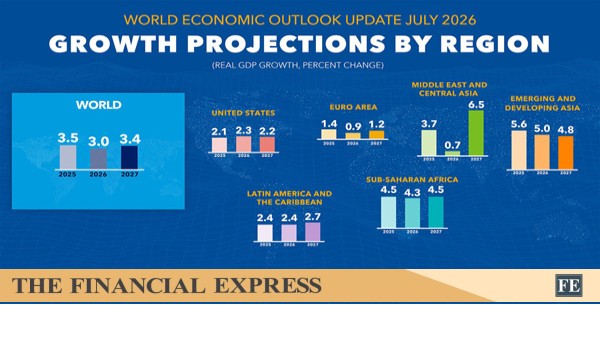
“We still think growth will slow to a crawl in the coming quarters and that the 1.4% rise in real GDP in 2025 will be followed by a gain of about 0.7% this year,” she said.
Economists’ Perspectives on Data Reliability
James Smith, UK economist at ING, said he was treating the data sceptically. He and other economists have said the ONS’ seasonal adjustment process may be overstating growth in the first quarters of recent years.
Geopolitical Factors Influencing Sterling
The pound was also lifted somewhat by investors’ hopes that the U.S. and Iran may be close to reaching a peace deal.
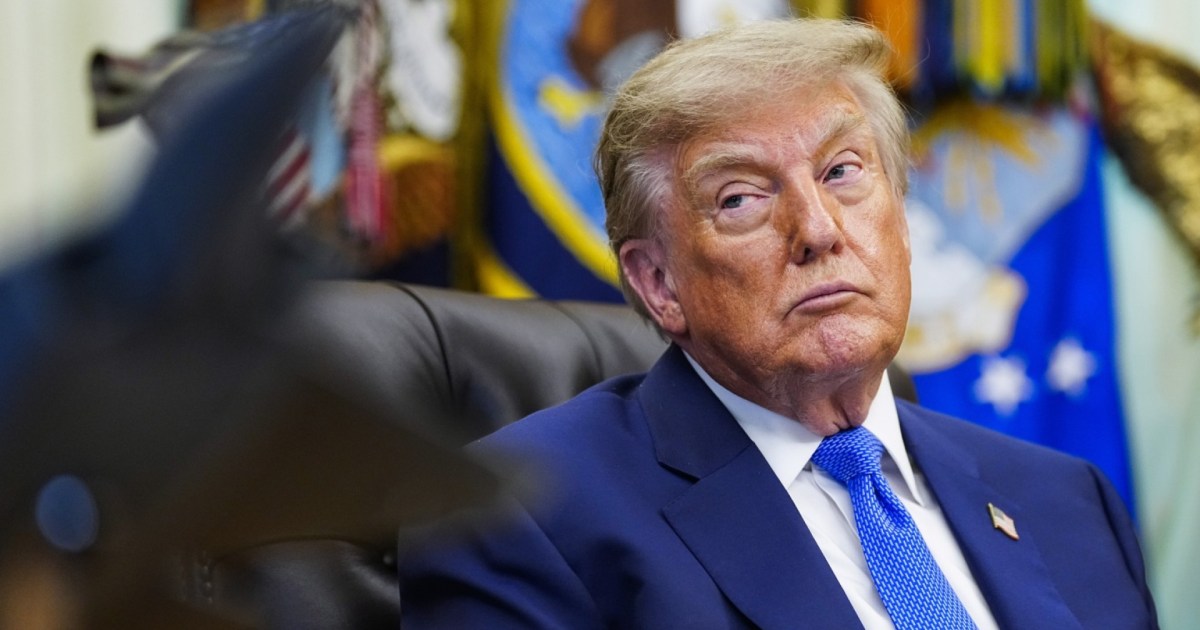
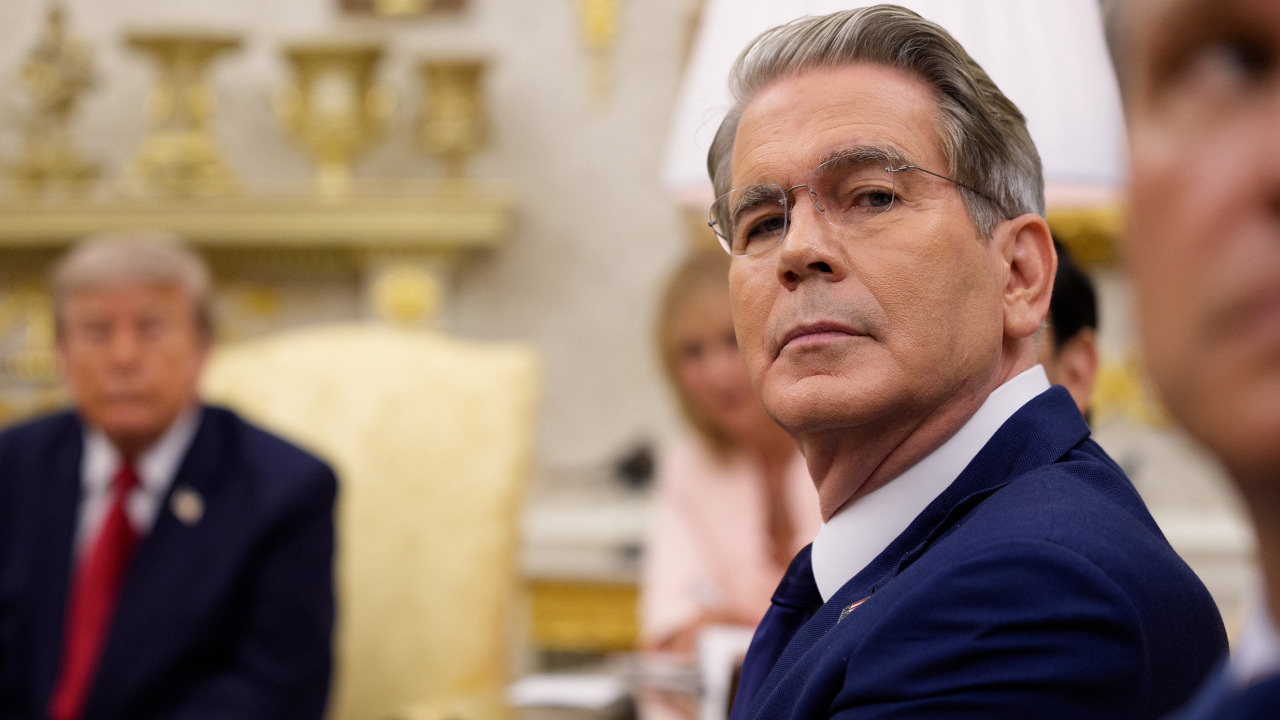
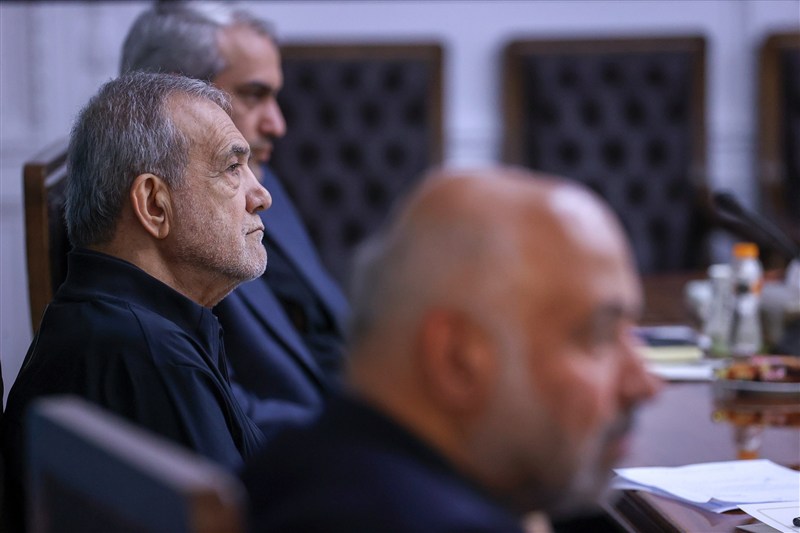
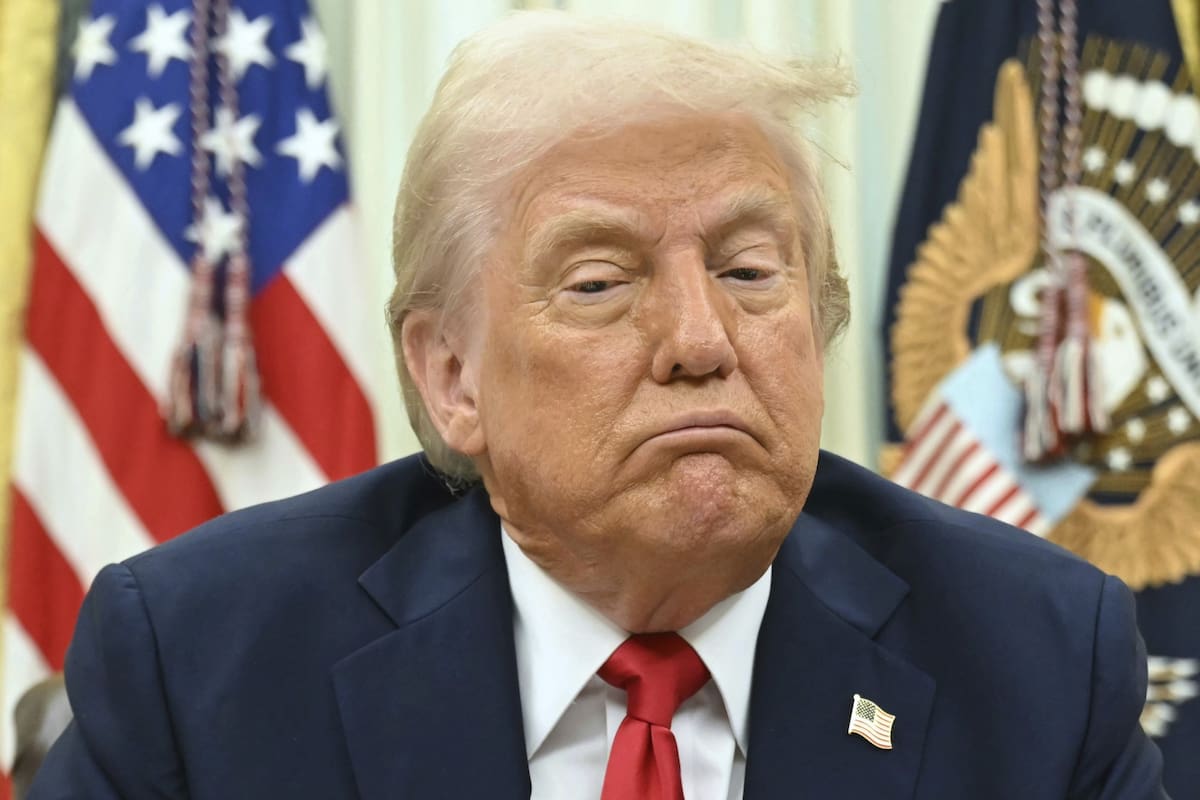
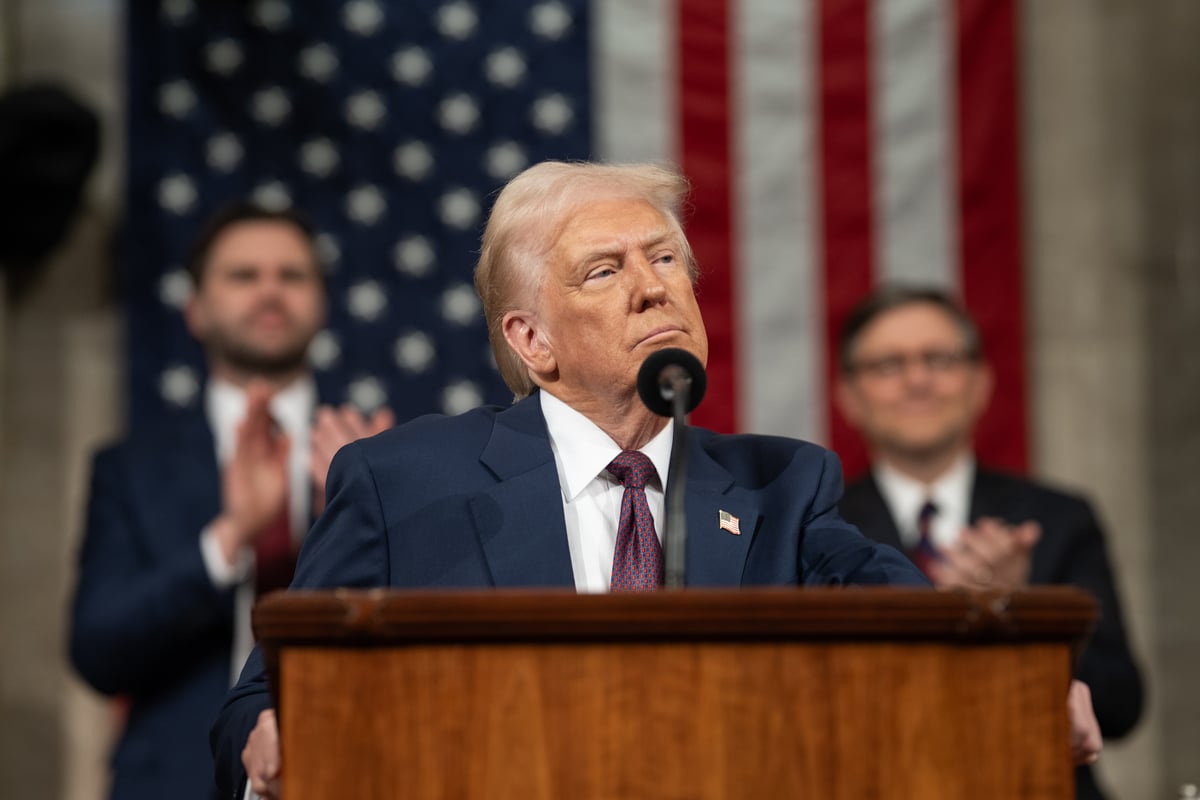
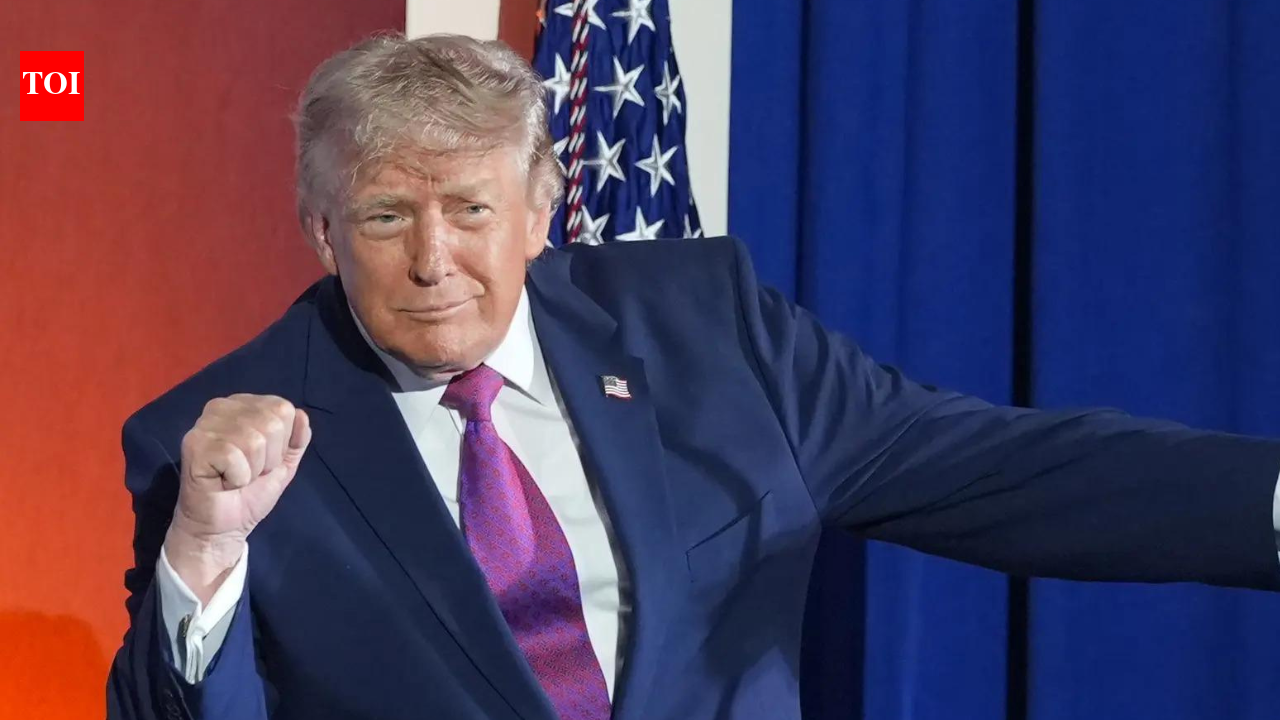
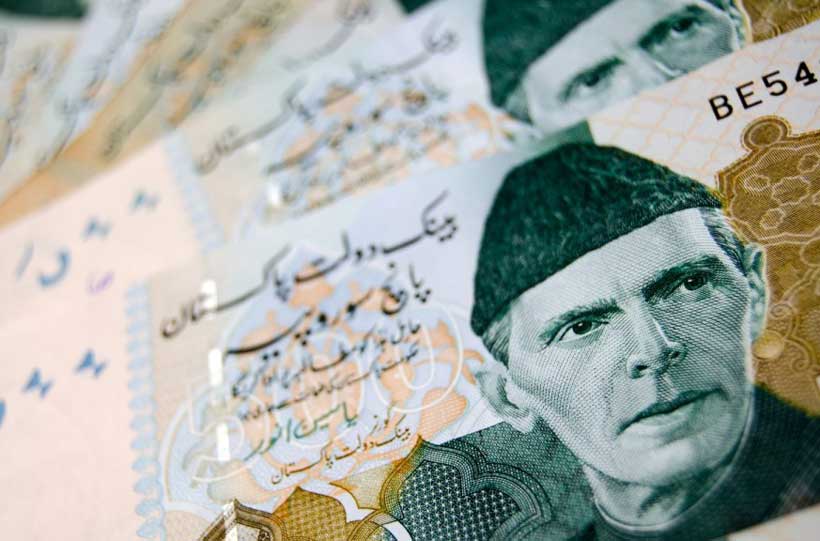
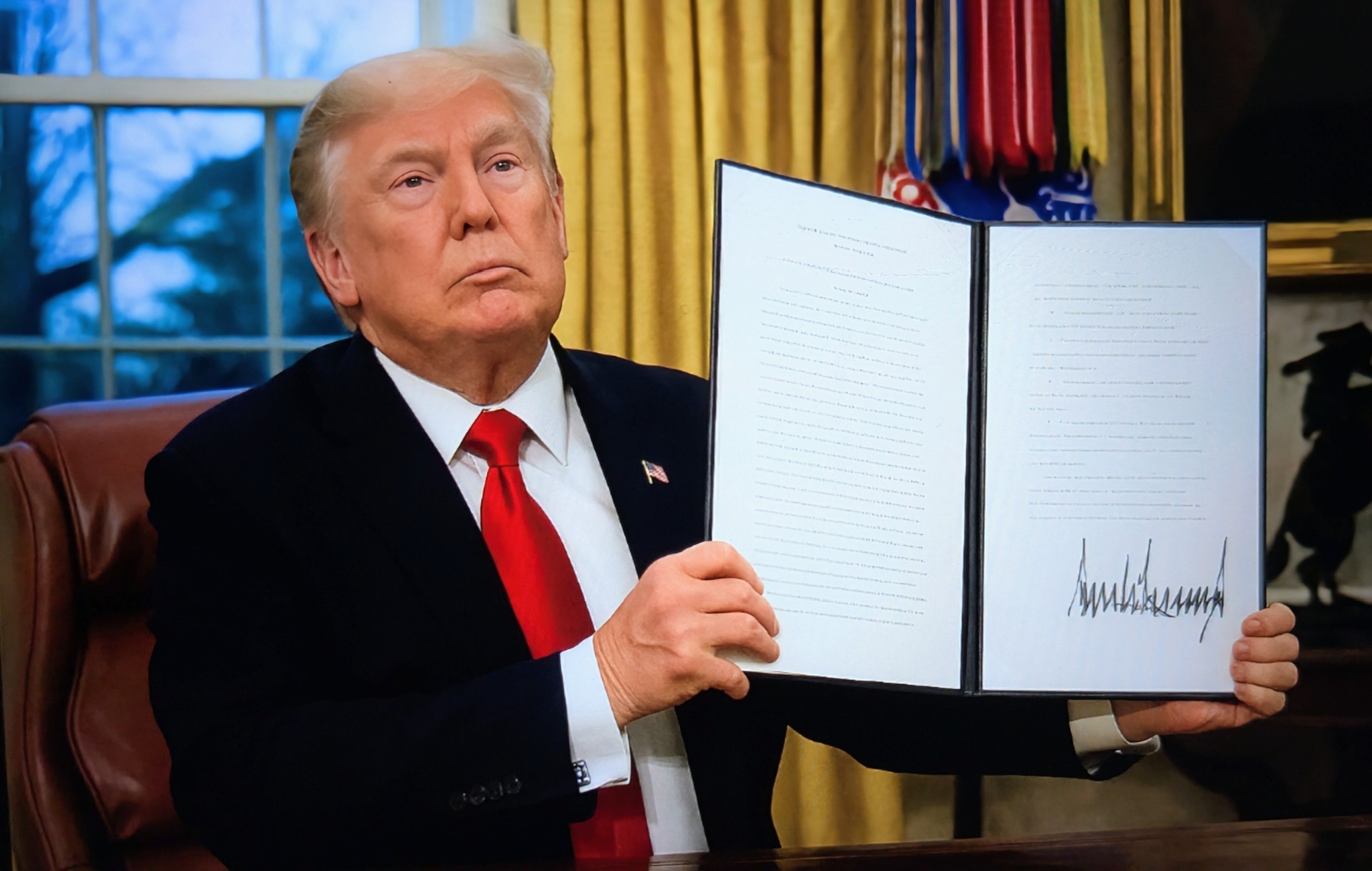
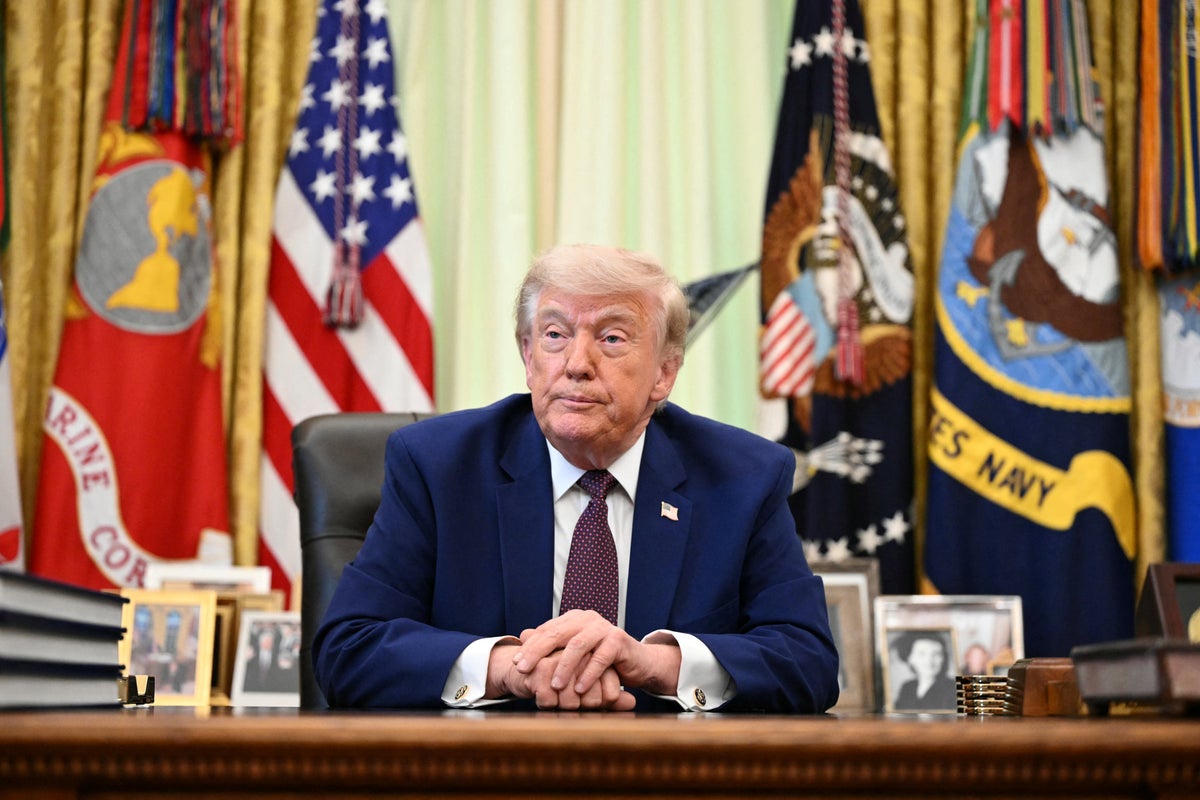
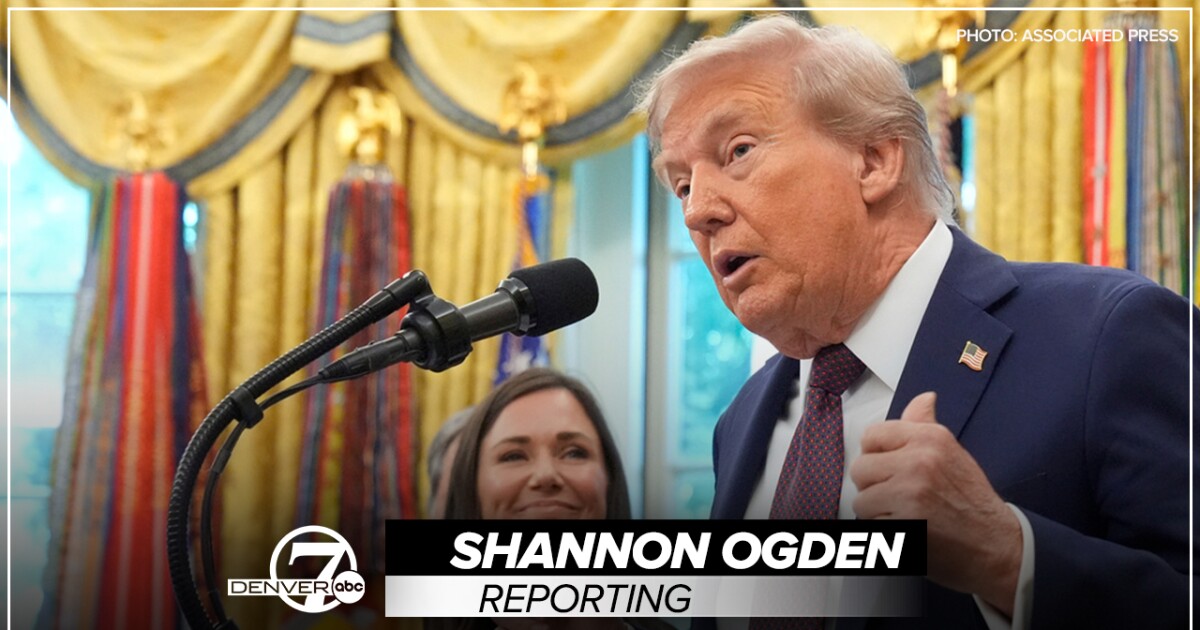
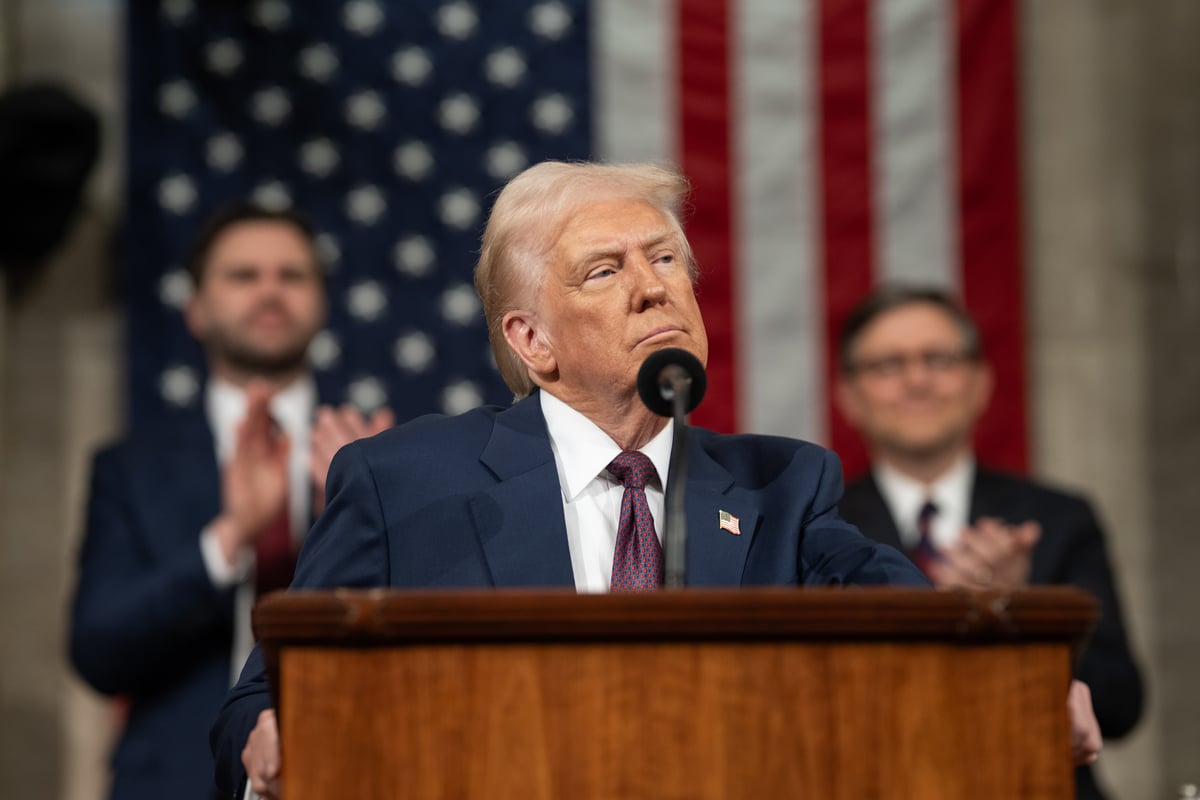
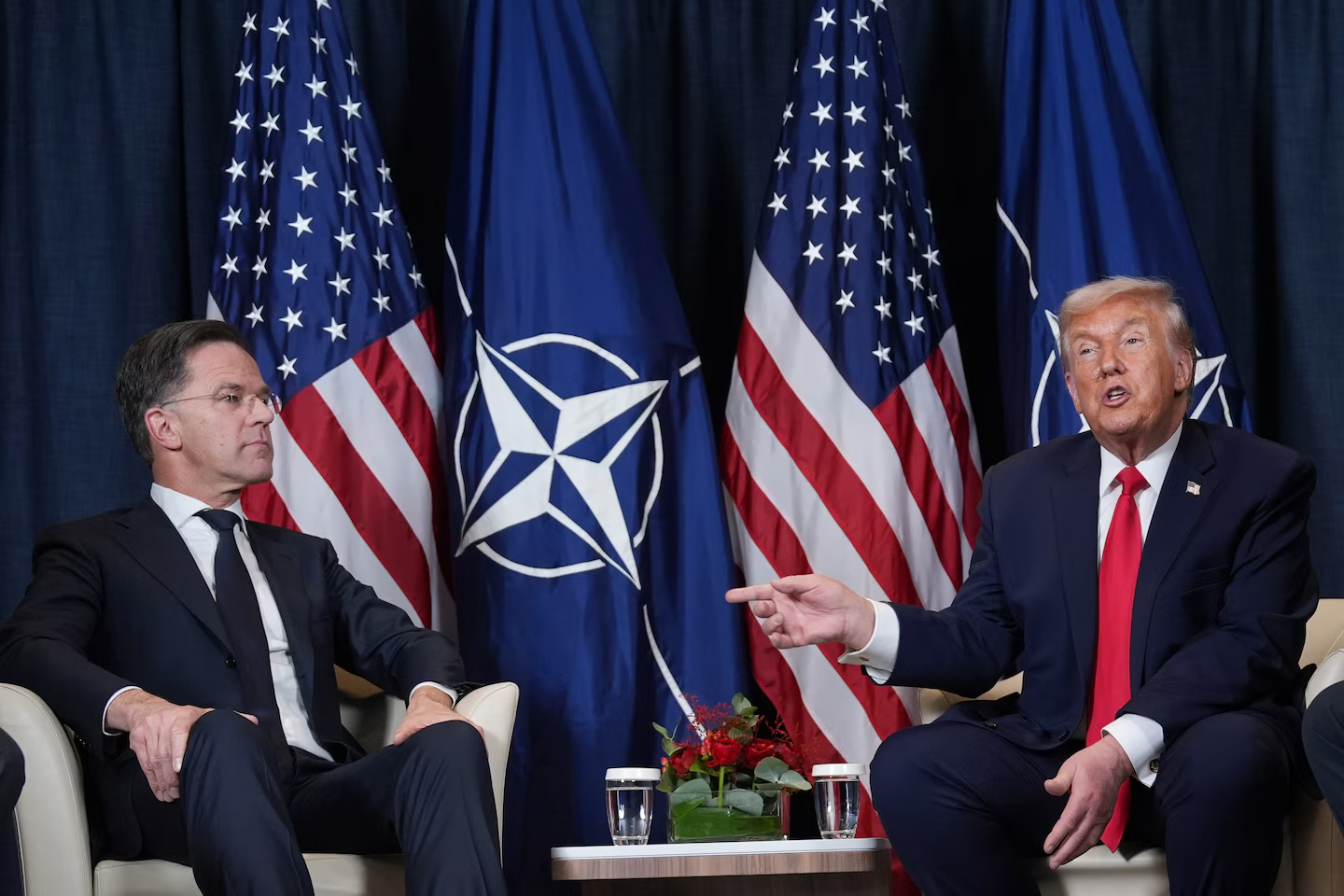
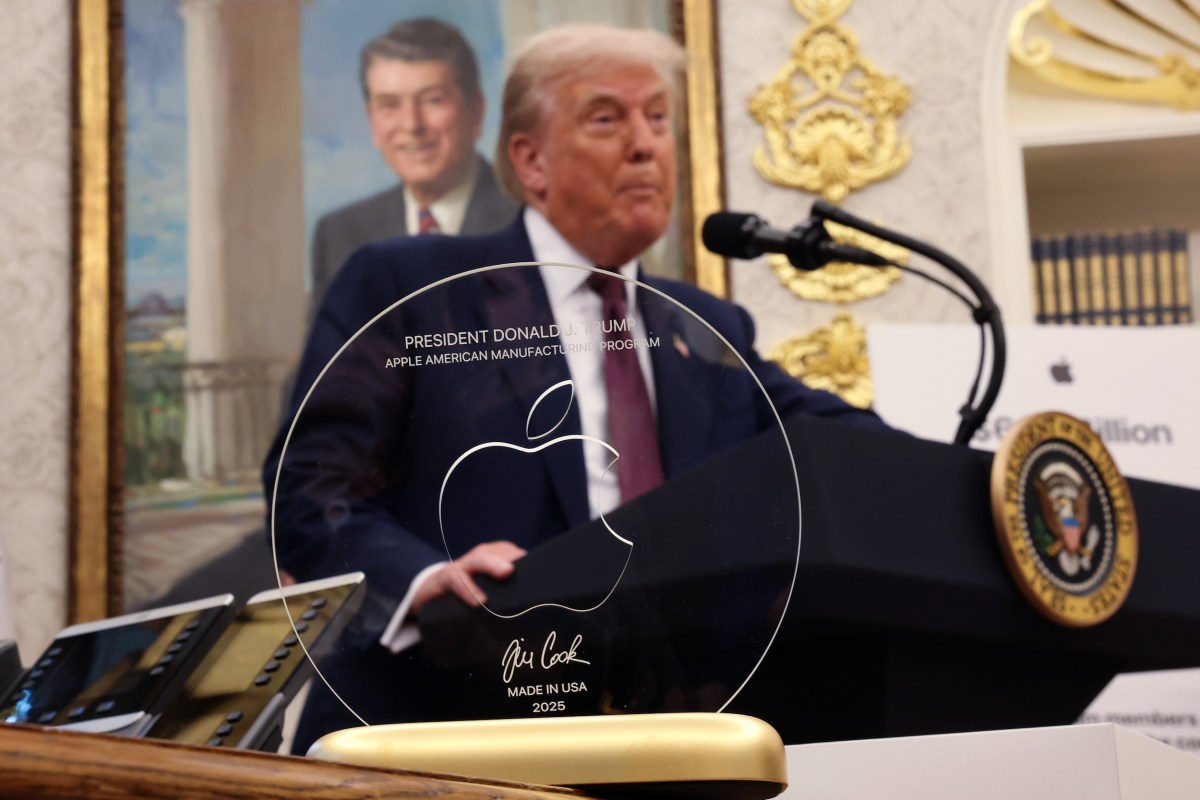
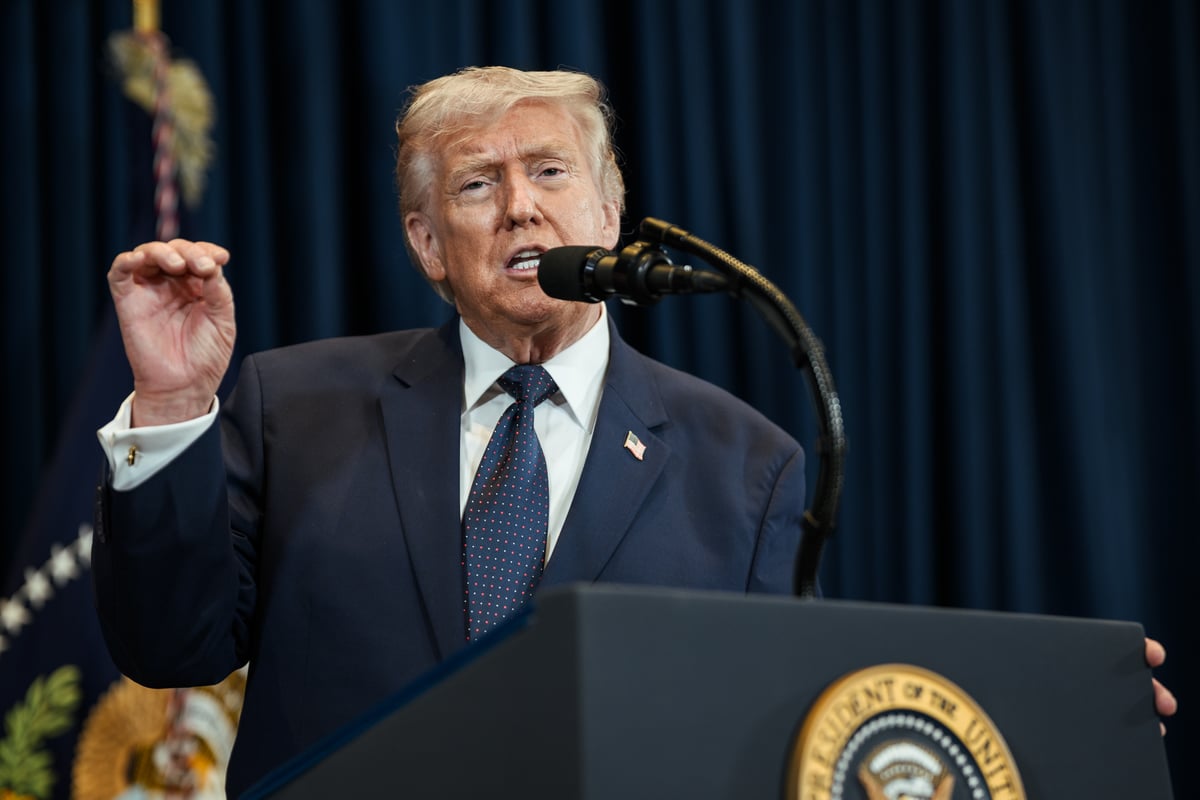
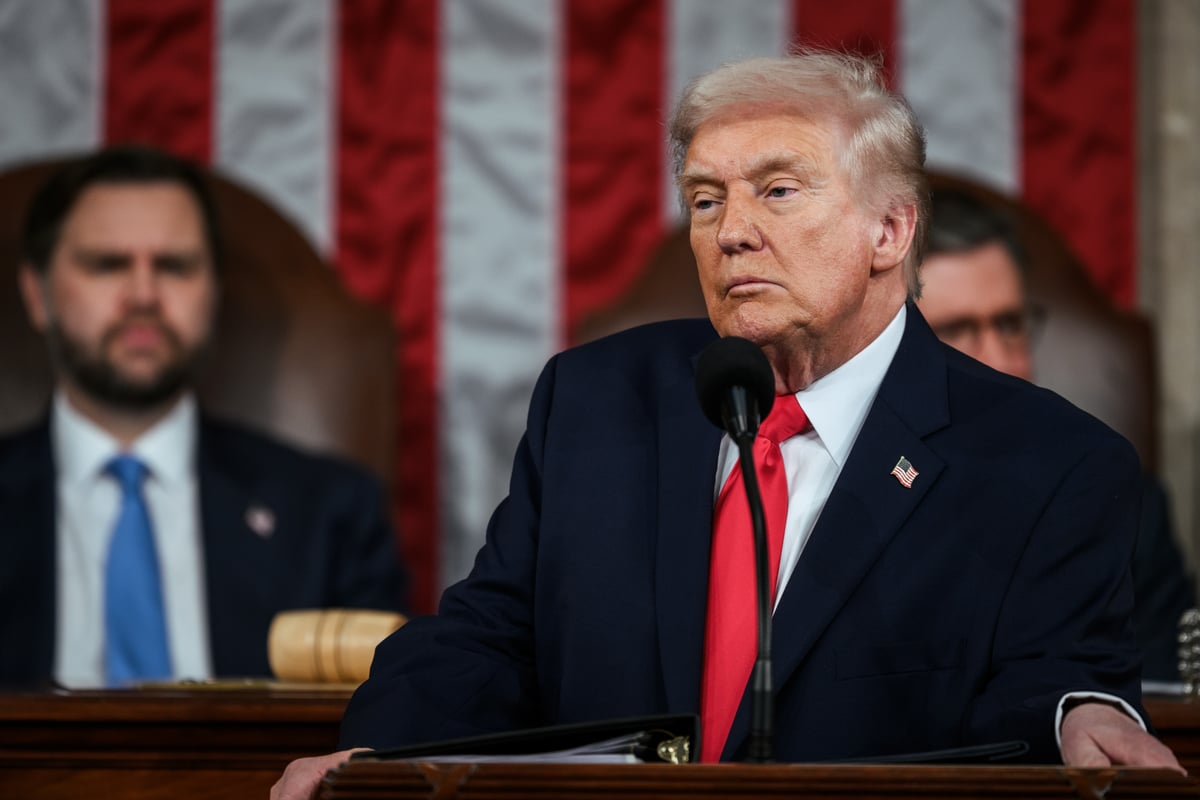
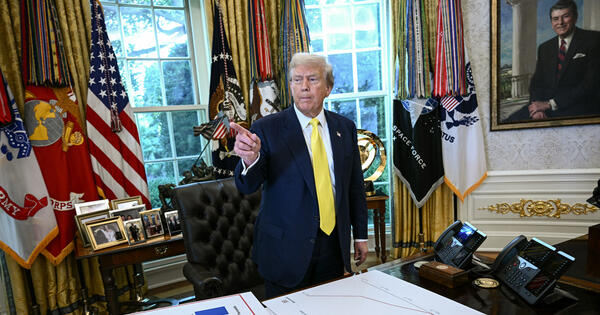
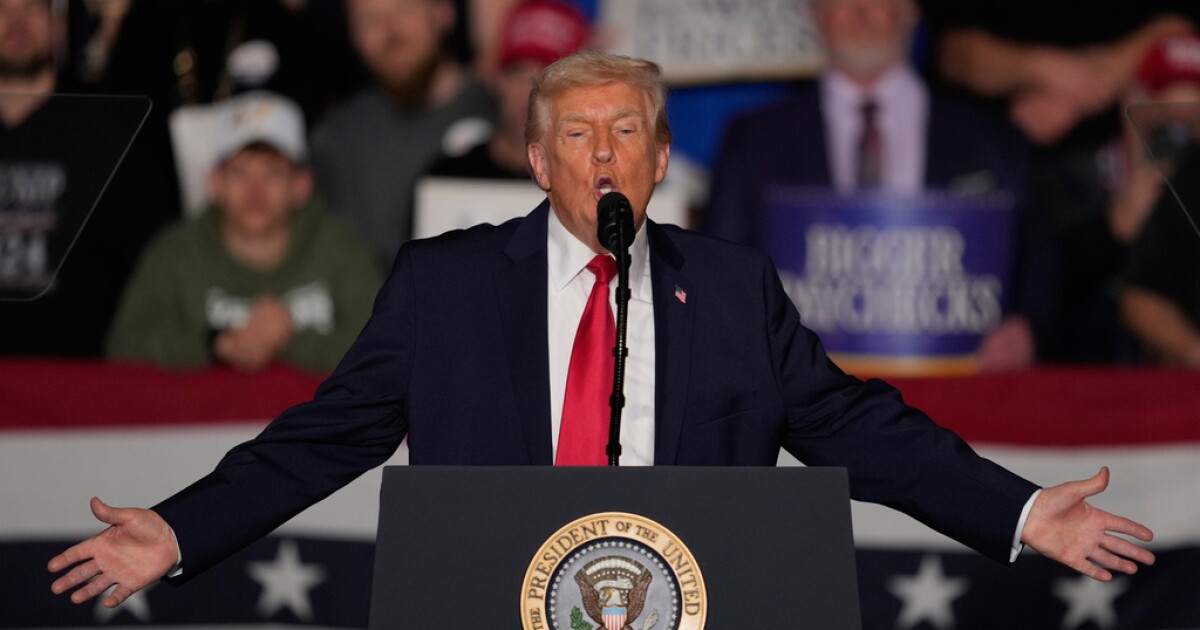
A key Pakistani mediator was in Tehran and the administration of U.S. President Donald Trump talked up the chances of an agreement that would open the crucial Strait of Hormuz.
Market Reactions to War and Peace Prospects
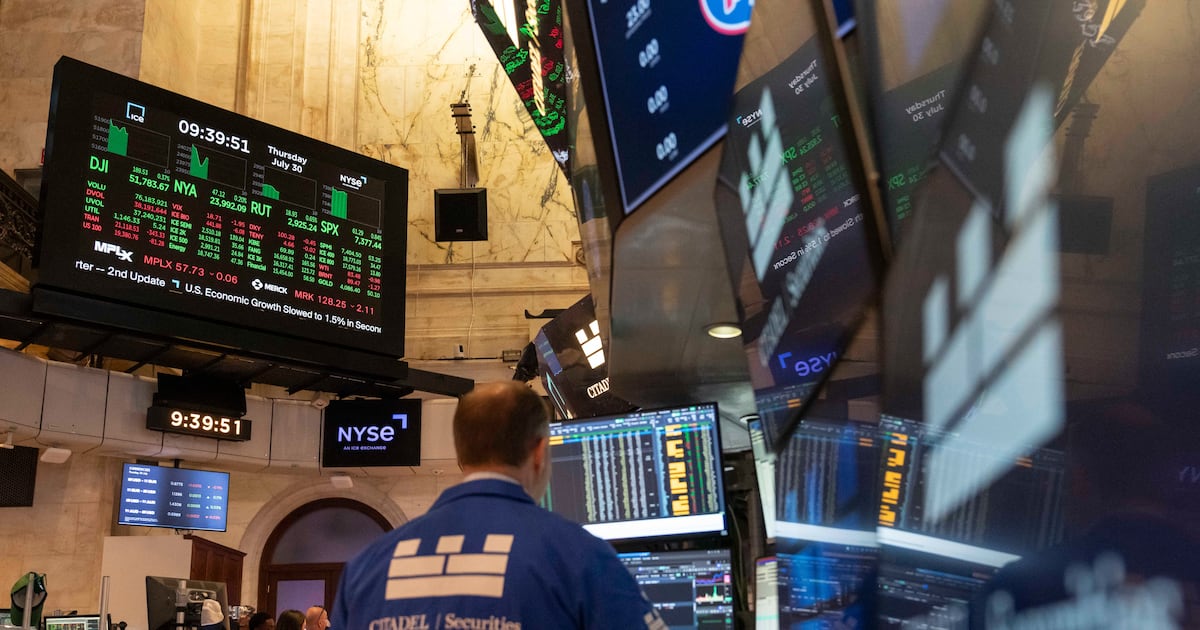
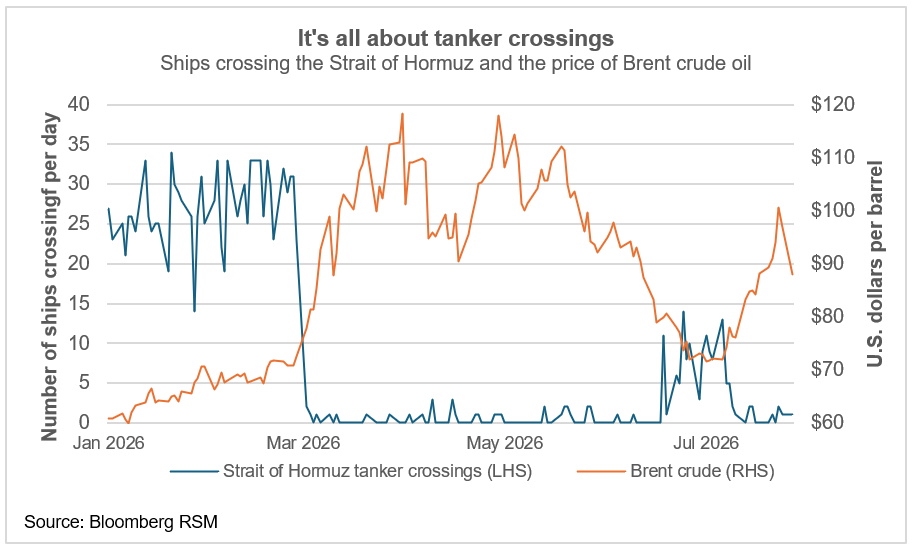
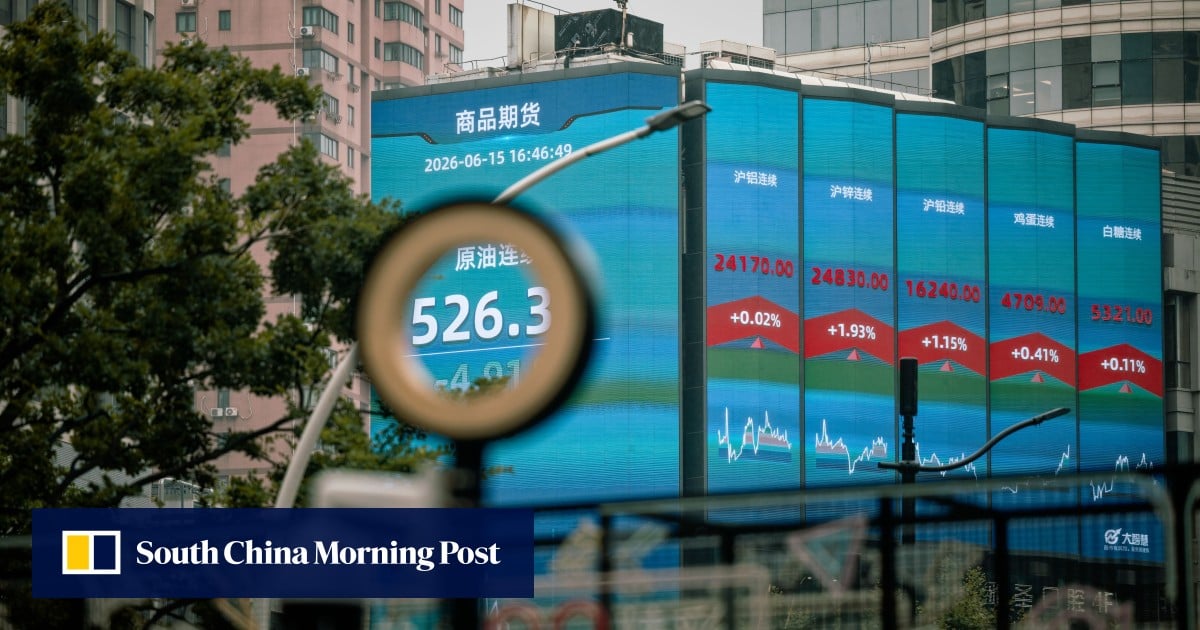
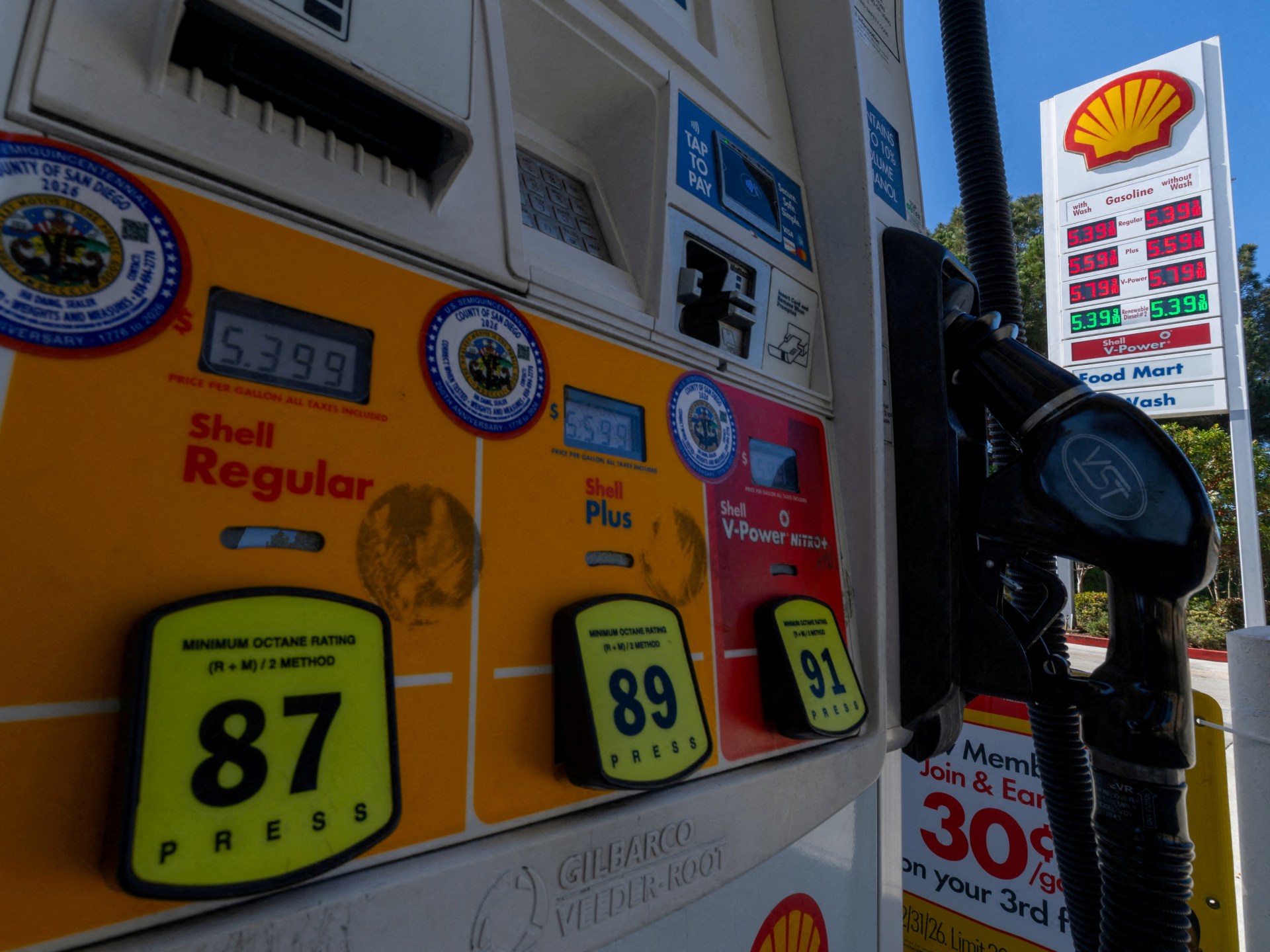
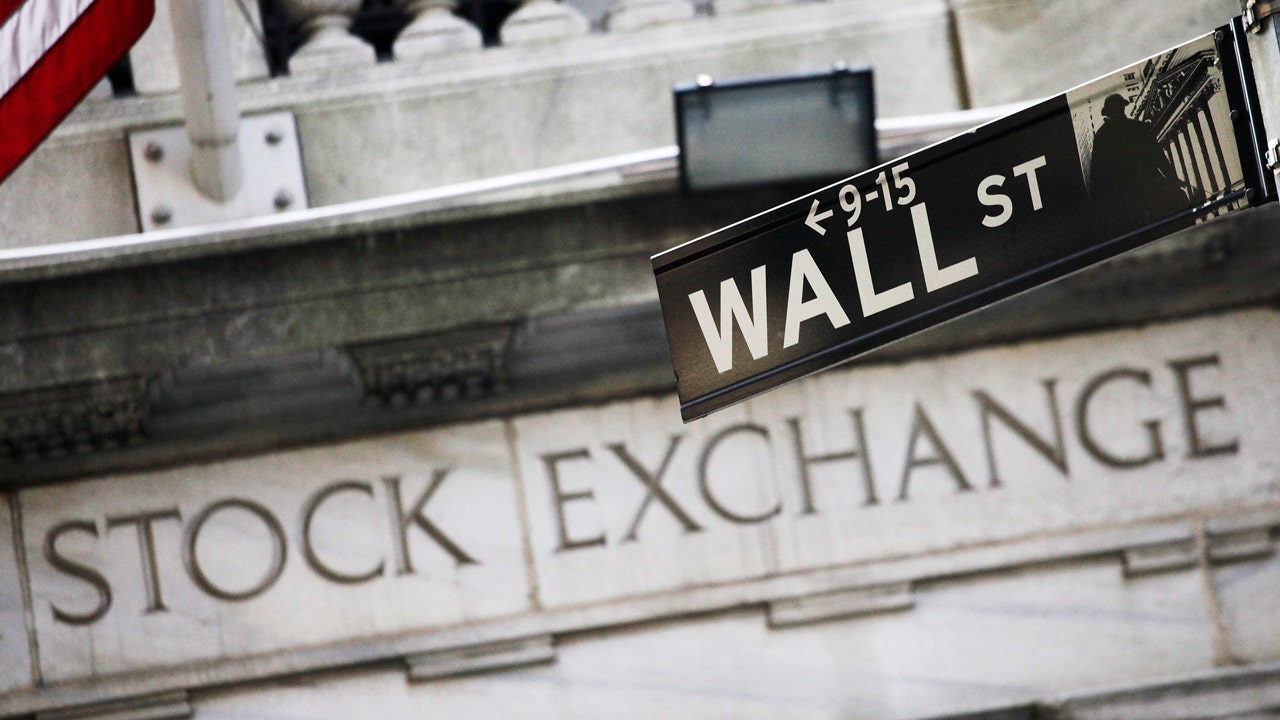
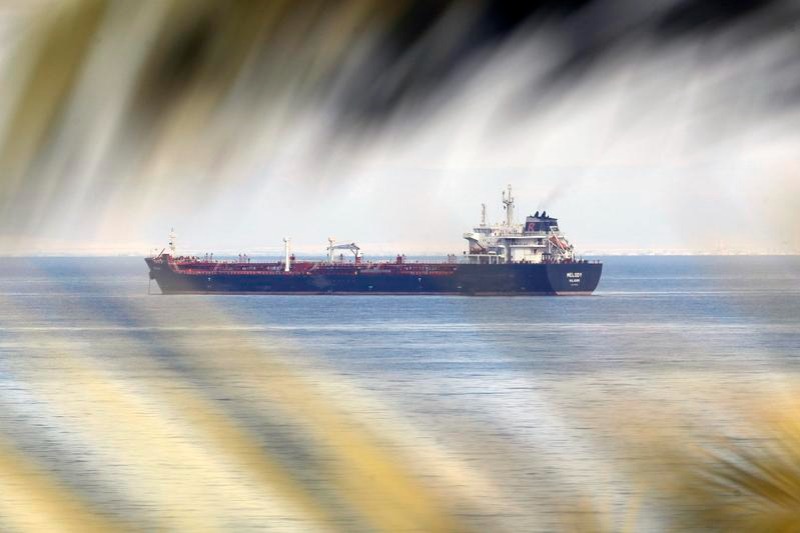
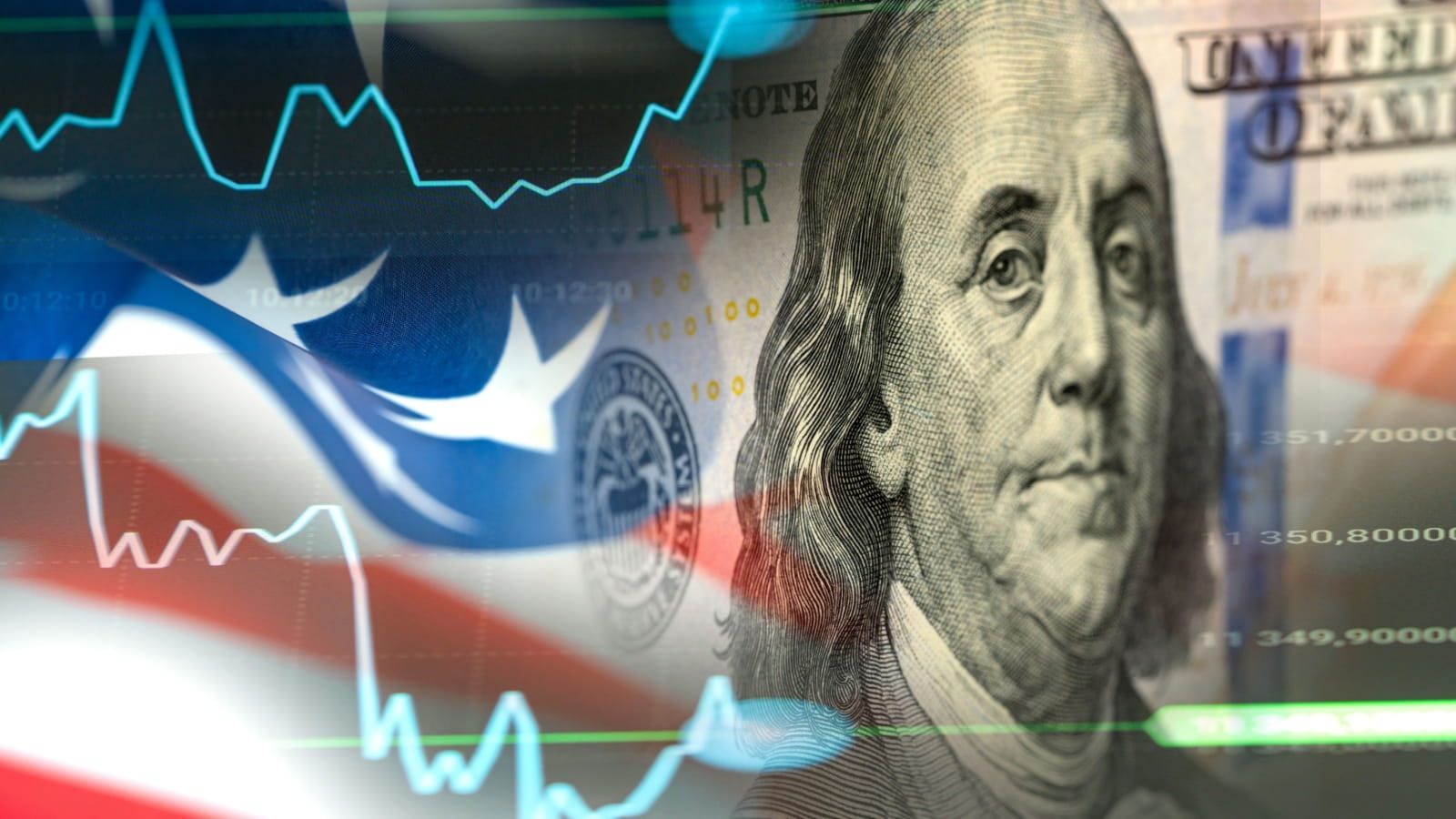
The pound dropped 1.9% in March as the war closed the Strait – through which 20% of the world’s oil and liquefied natural gas typically flows – denting the outlook for the British economy and pushing investors towards the safe-haven U.S. dollar as stock markets plunged.
Sterling has rallied around 2.6% so far in April, however, as markets have bet on some form of peace deal. It now stands higher than just before the war began.
Bank of England Policy and Market Expectations
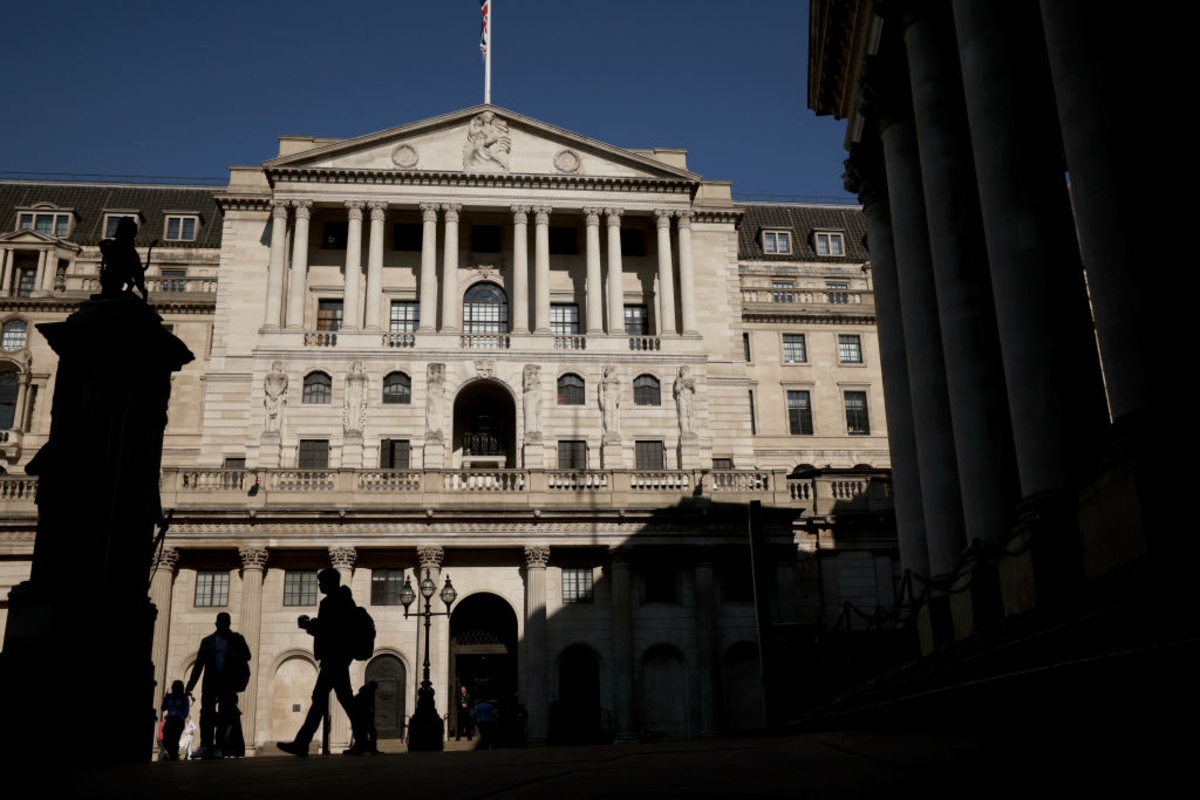
Britain’s currency has been supported by market expectations that the Bank of England will raise interest rates once or twice this year, which makes assets in the UK look relatively more attractive.
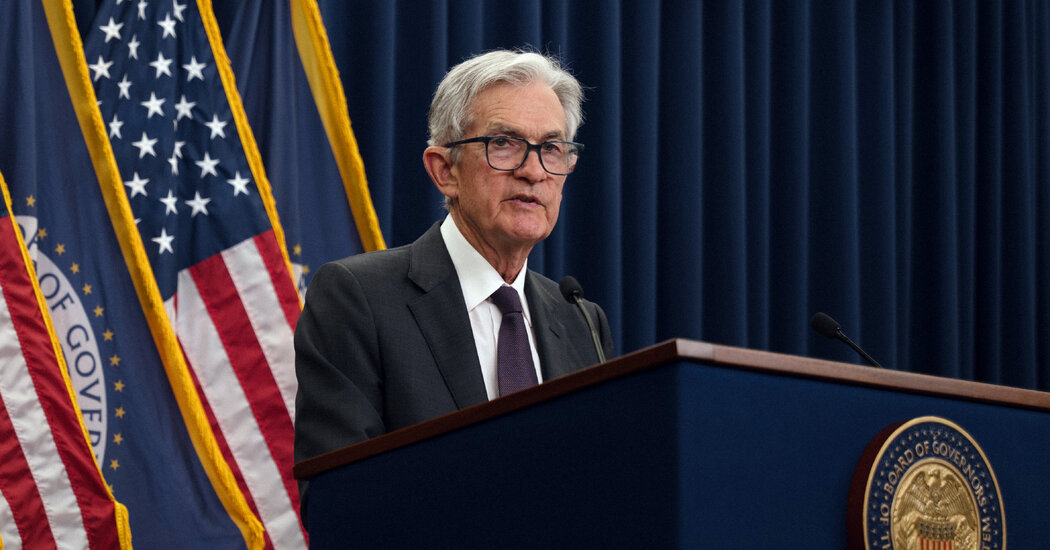
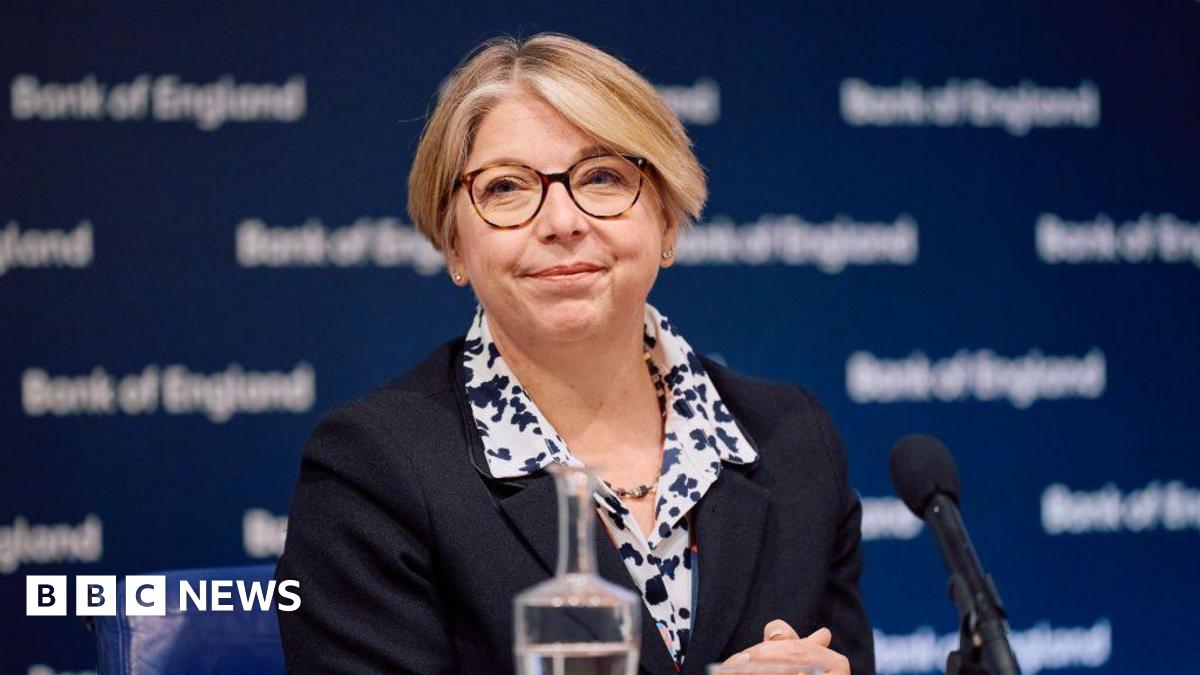
BoE Governor Andrew Bailey told the BBC the central bank was “not going to rush to judgements” on interest rate rises in an interview published on Thursday.
(Reporting by Harry Robertson, Editing by Alex Richardson)