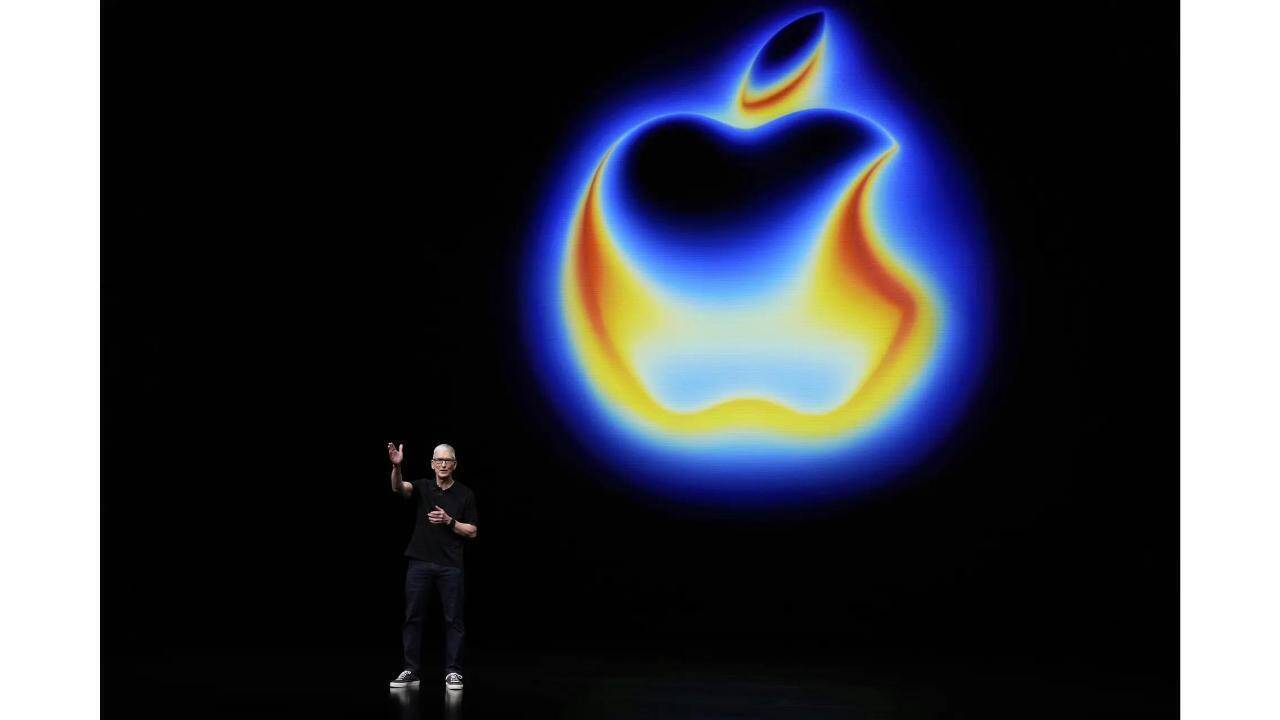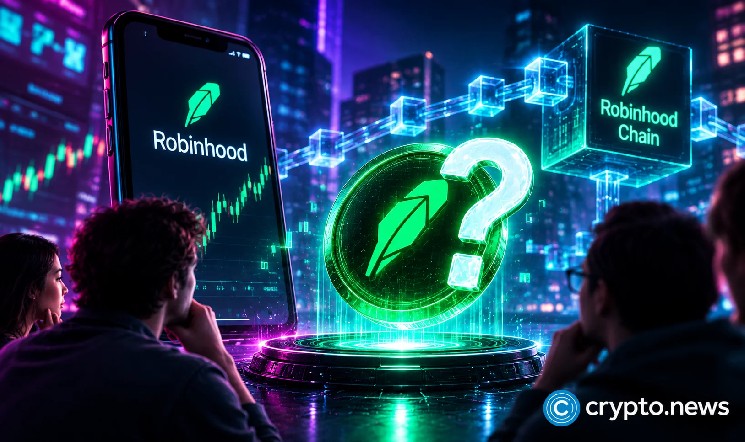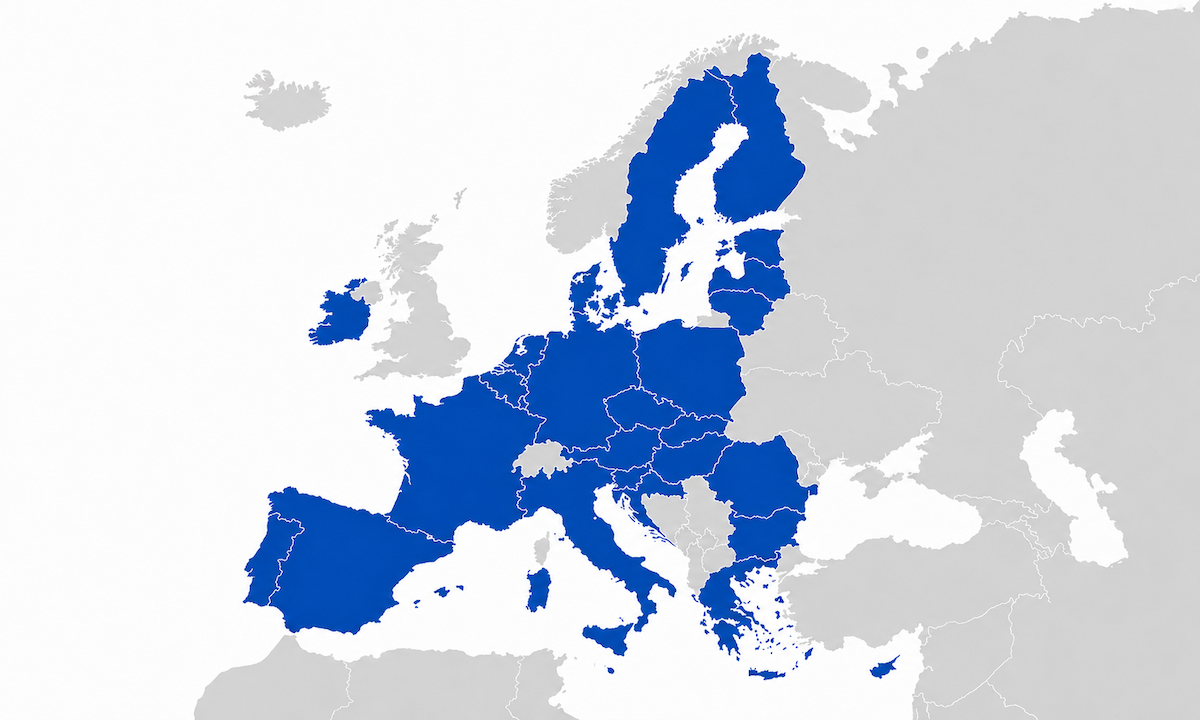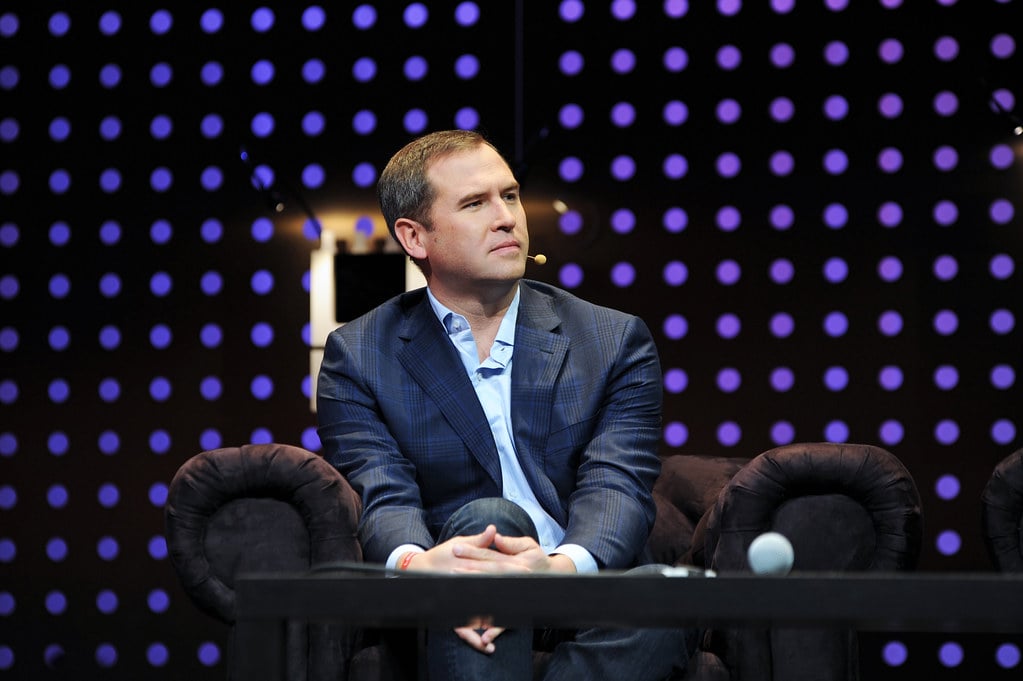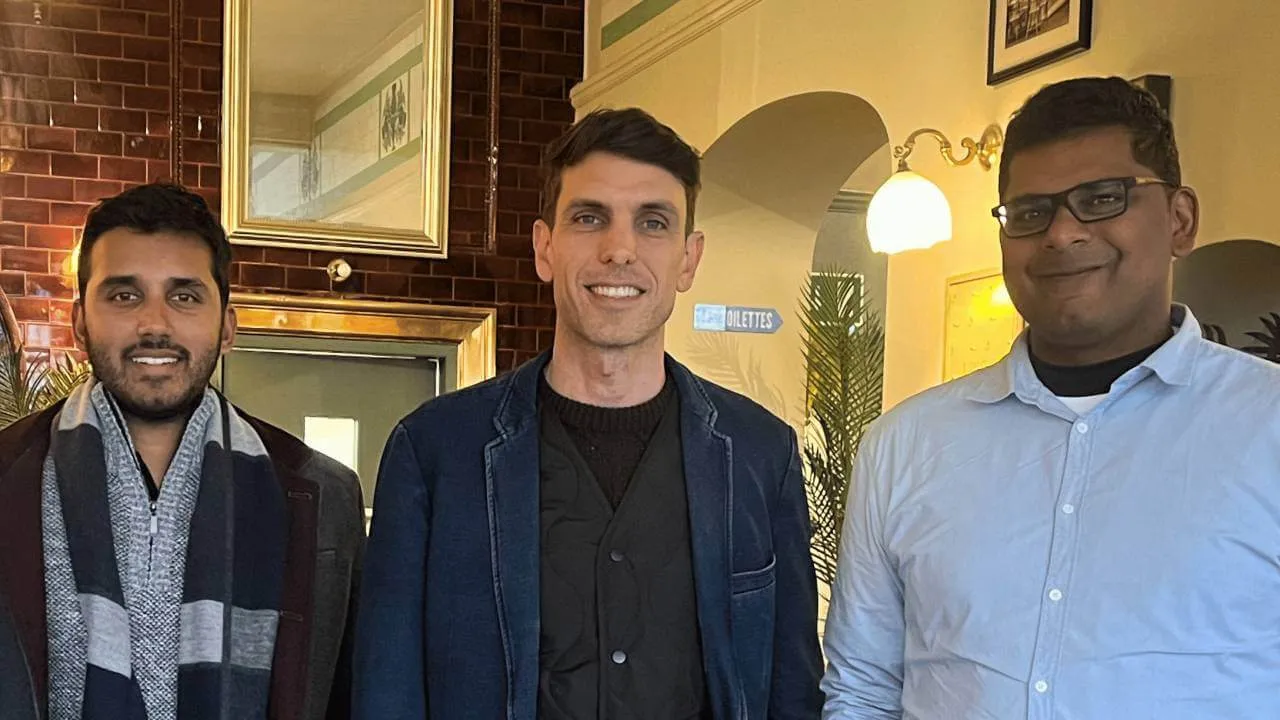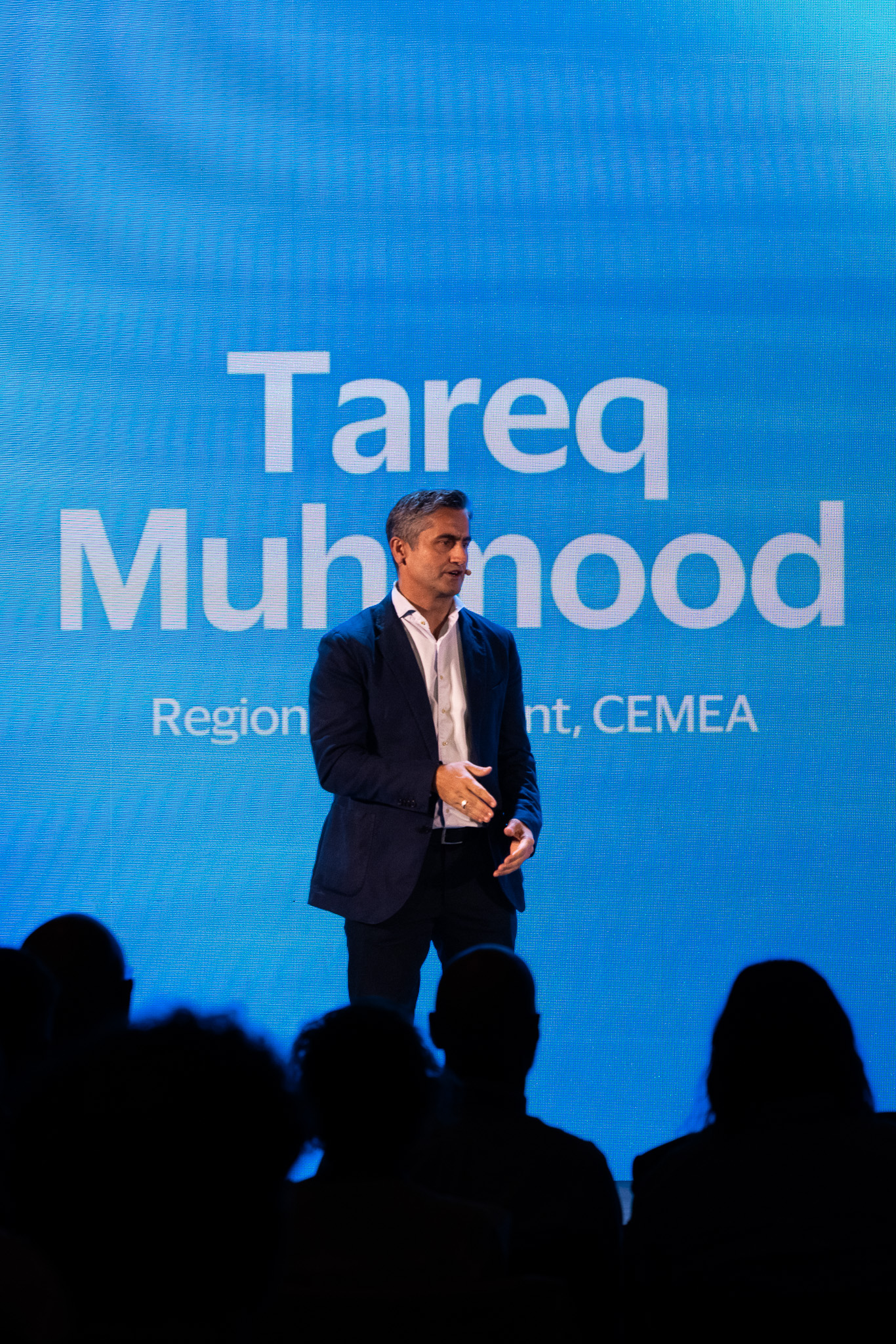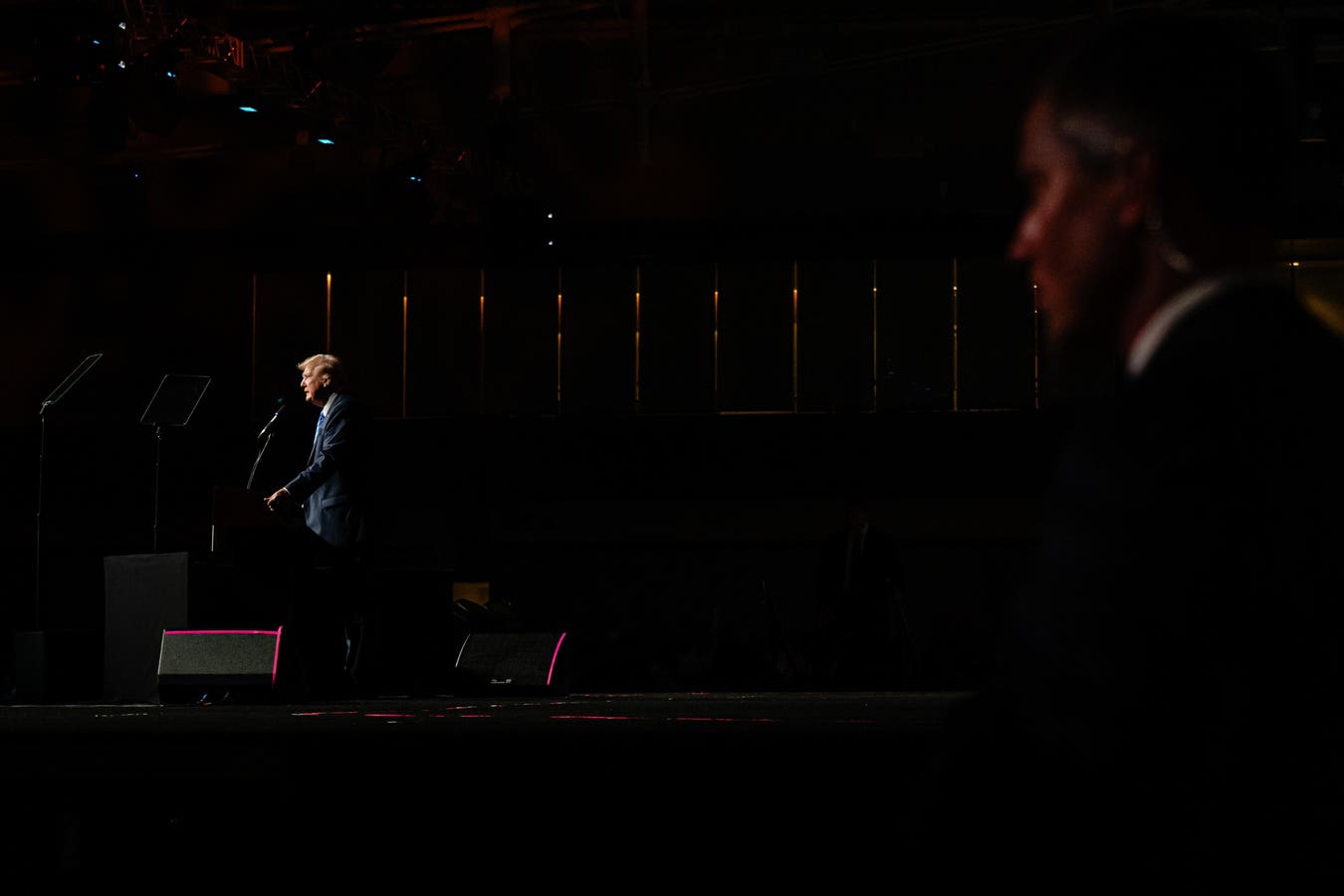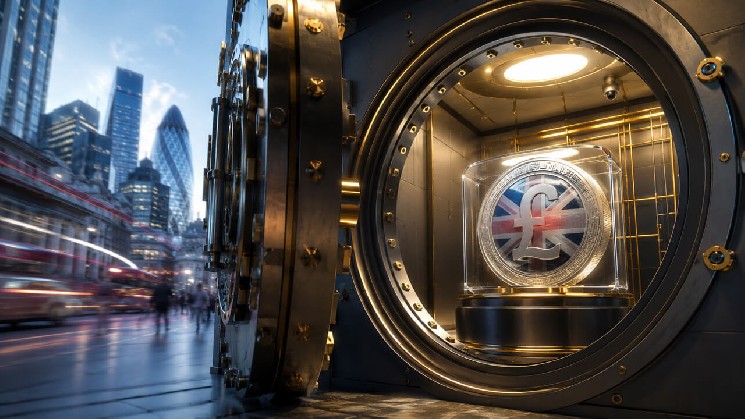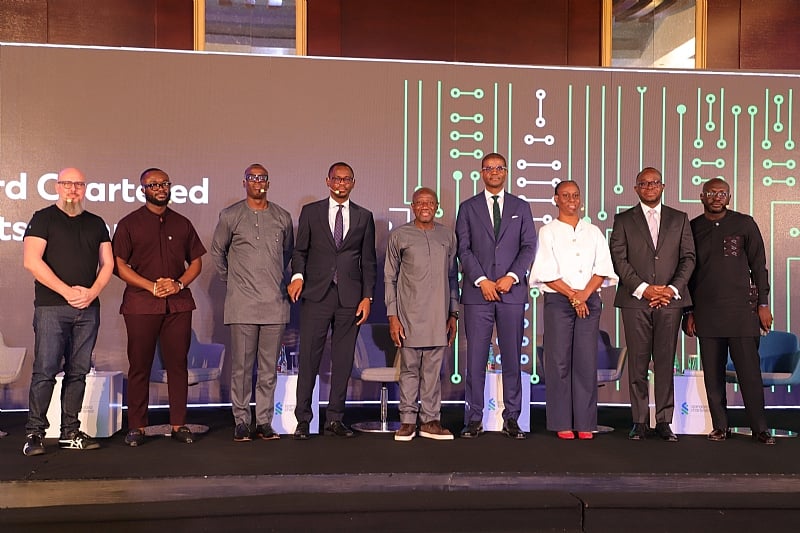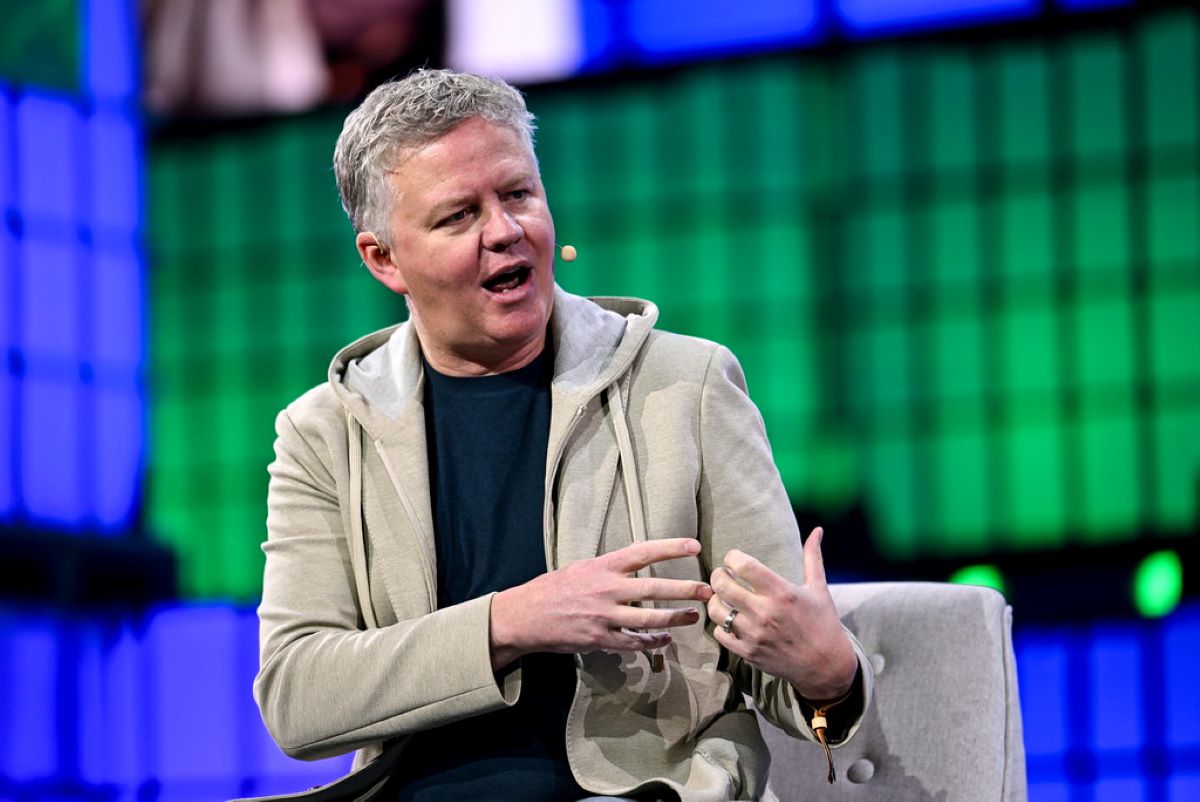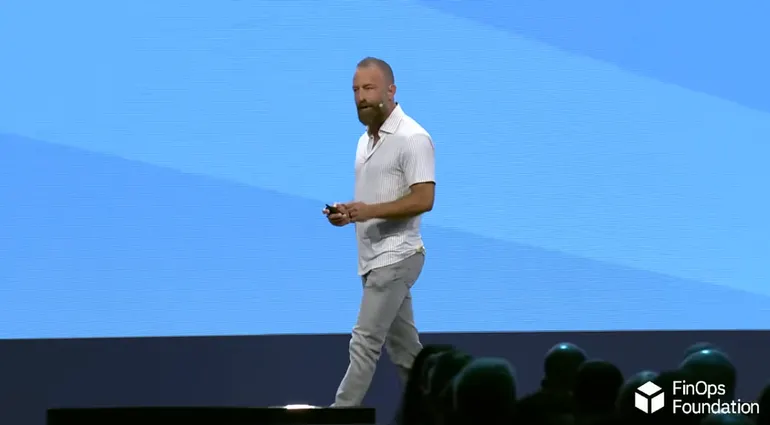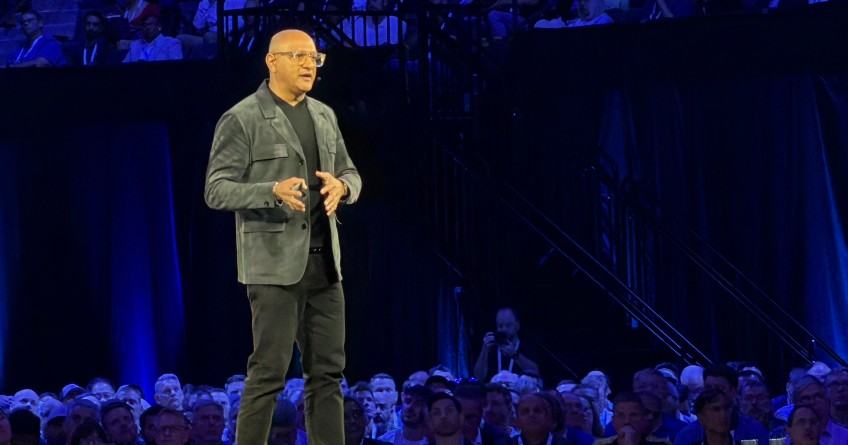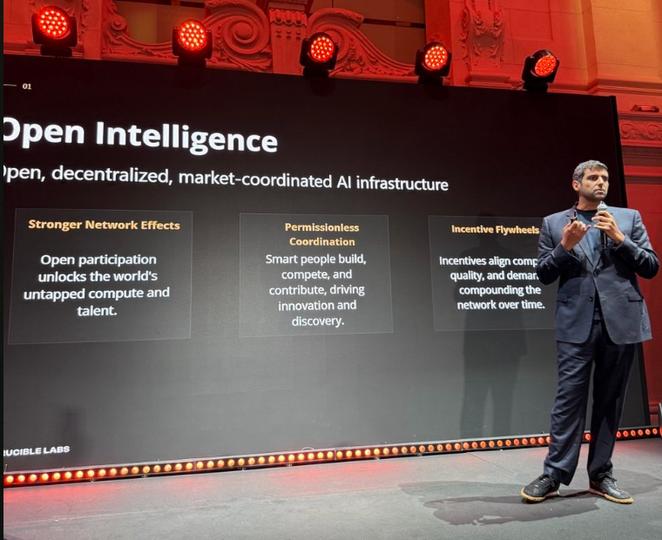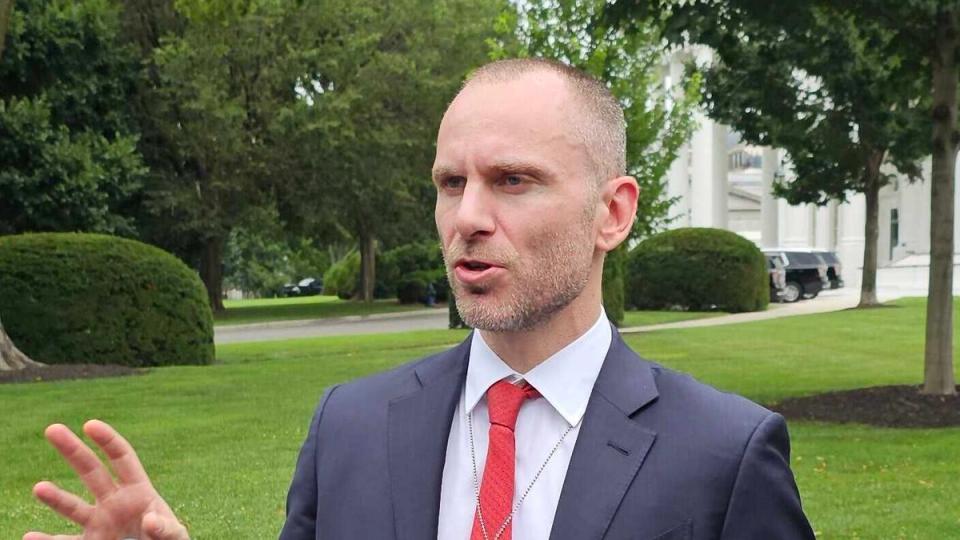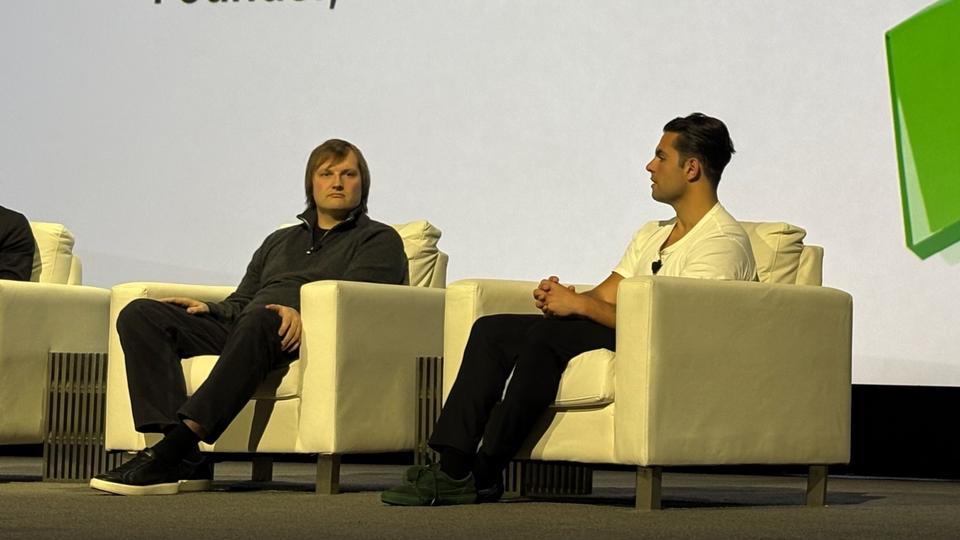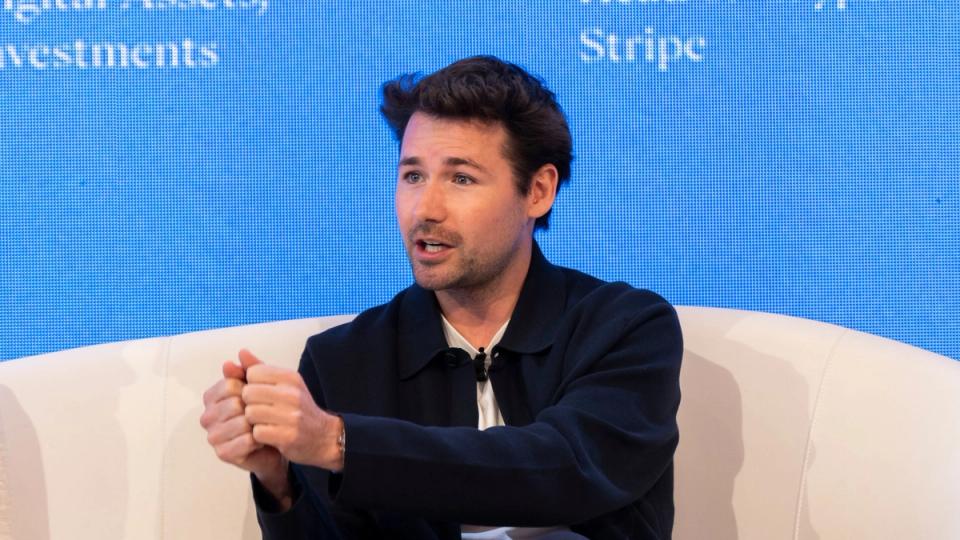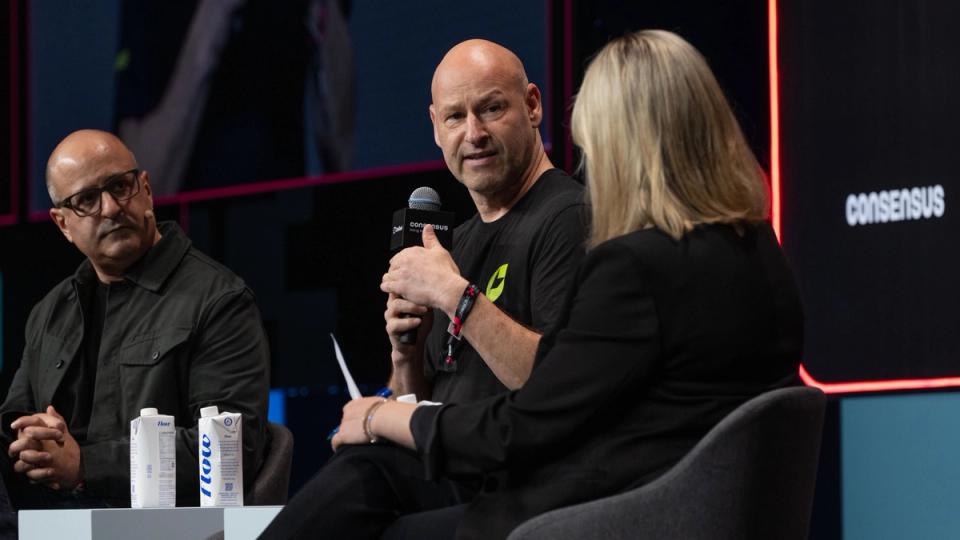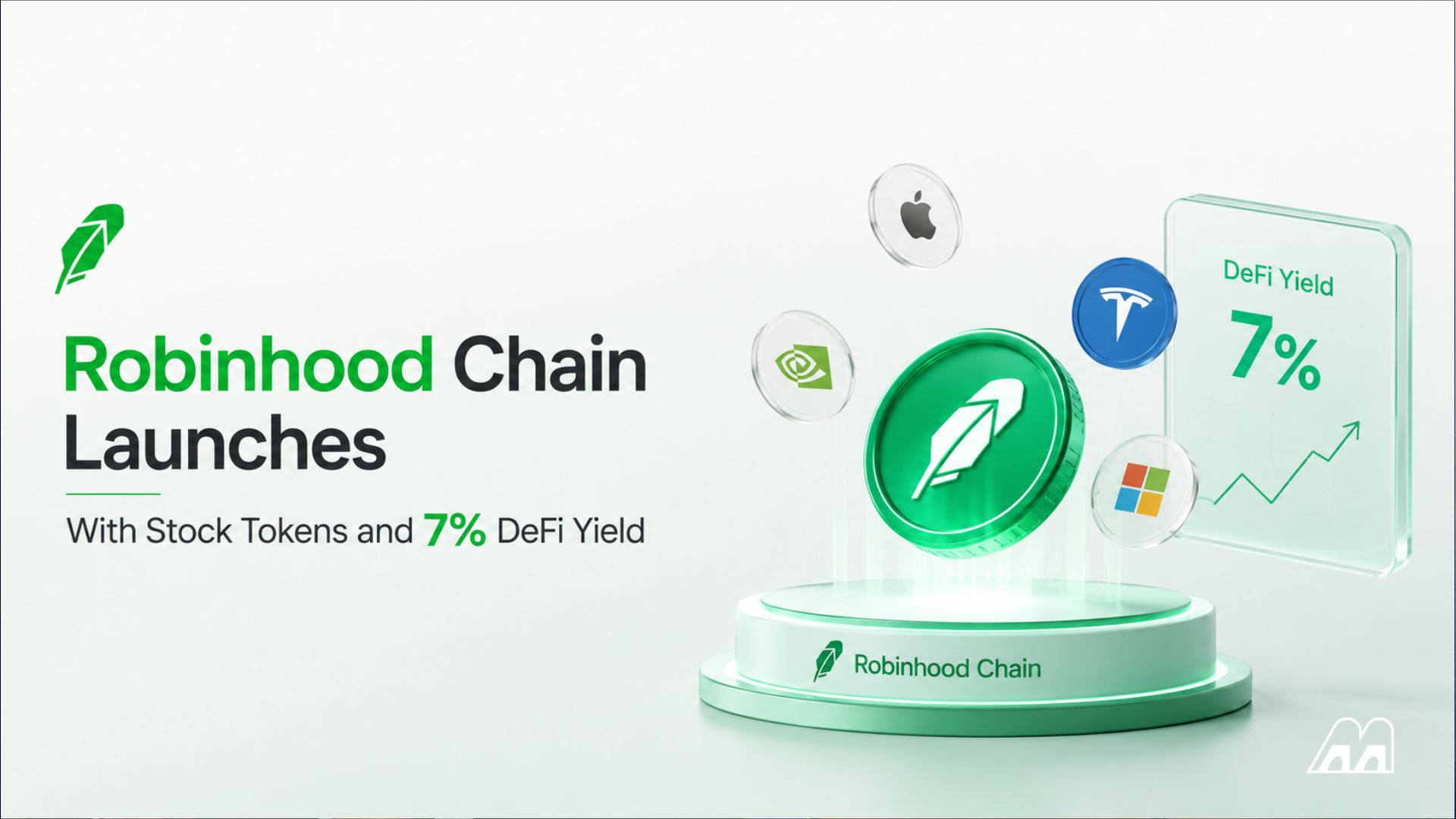
Robinhood officially launched the public mainnet of Robinhood Chain on July 1, bringing an Arbitrum-based Layer 2 blockchain online alongside a wave of products that include tokenized stock trading in more than 120 countries, a decentralized lending product offering an estimated 7% APY on USDG, and perpetual futures through a partnership with decentralized exchange Lighter. The announcements came during a keynote event called “The World is Flat,” streamed from the Old Royal Naval College in London and hosted by CEO Vlad Tenev and Johann Kerbrat, SVP and General Manager of Crypto and International.
Robinhood now serves nearly 28 million customers across 38 countries, according to the company’s official announcement. The chain is designed to bridge the company’s brokerage user base with onchain protocols, moving users from traditional accounts into self-custody wallets that can interact directly with DeFi infrastructure.
What Robinhood Chain Launched on Day One
Robinhood Chain is a permissionless Ethereum Layer 2 built on Arbitrum’s Orbit technology. It features 100-millisecond block times and was designed specifically for tokenized real-world assets and compliant financial products rather than general-purpose smart contract activity.
The day one ecosystem includes several major integrations.
- Uniswap is deploying a dedicated AMM to serve as the primary public liquidity venue
- Pleiades is deploying a proprietary AMM for institutional prop trading
- Chainlink provides oracle data, cross-chain interoperability through CCIP, and Data Streams for Stock Token pricing, according to a PRNewswire release
- Alchemy, BitGo, and TRM handle developer tooling, custody, and compliance infrastructure
For the first 90 days, Robinhood will cover all gas fees for eligible users transacting on the chain through Robinhood Wallet, including swaps, bridging, and perpetual futures trades.

How Robinhood Earn Works
Robinhood Earn is the product most directly relevant to U.S. users, since Stock Tokens and perpetual futures are restricted in the United States.
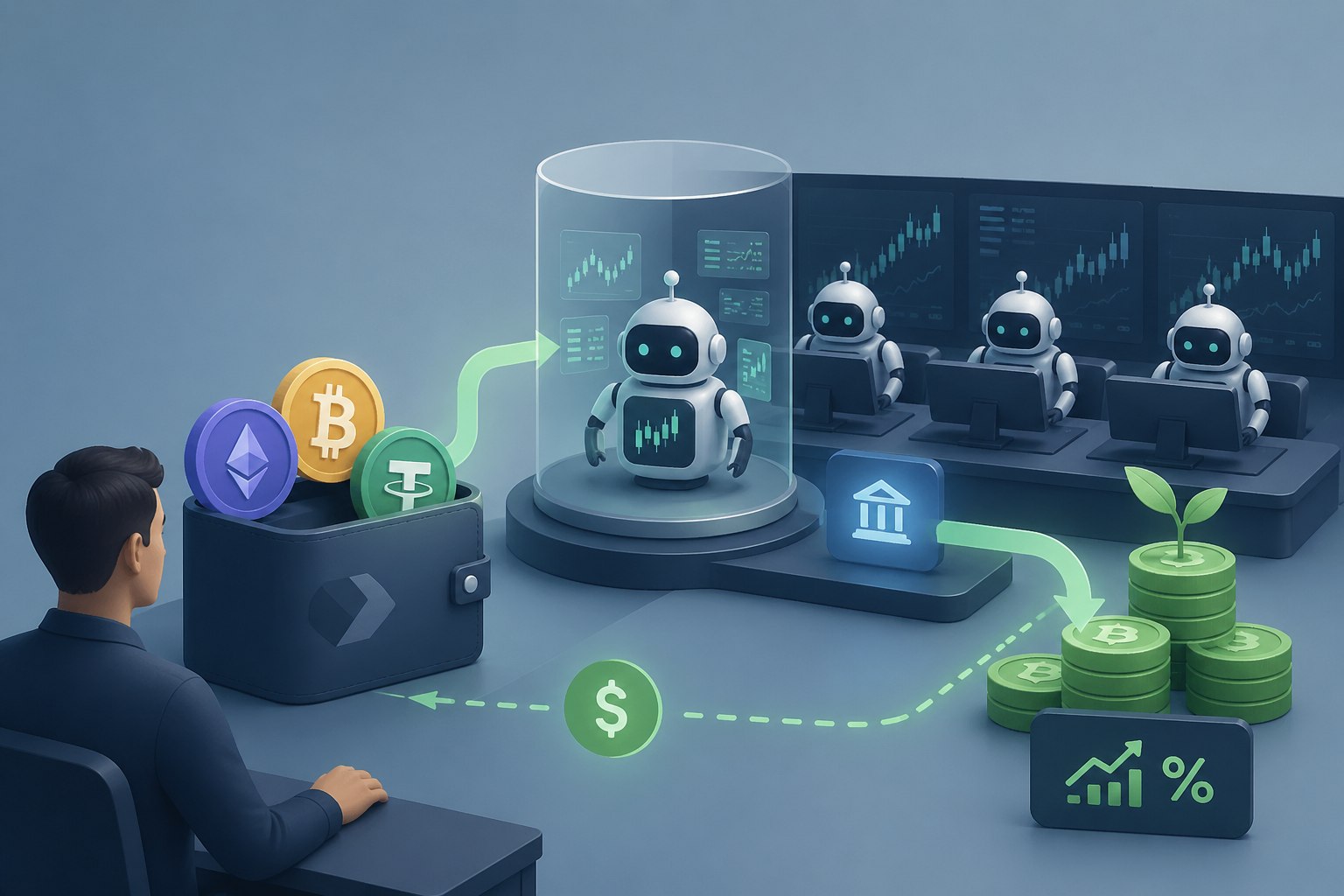
The product allows eligible users to lend USDG, Robinhood’s dollar-backed stablecoin, through a self-custody wallet. The underlying lending infrastructure runs on Morpho, a protocol that currently holds roughly $6.6 billion in total value locked across chains, according to The Defiant. Support partners include Steakhouse, Ethena, Spark, and Maple. Robinhood states that covered losses from cyber incidents or smart contract exploits are backed by insurance procured through Lloyd’s of London and RELM.
The estimated yield is approximately 7% APY, but this figure is variable and depends entirely on the onchain lending market. If market rates decline or lending demand weakens, the yield could drop well below that level. Lloyd’s coverage also does not function as principal insurance. It addresses specific technical failure scenarios, not general market or credit losses.

Stock Tokens Are Not Actual Stocks
Robinhood’s tokenized equity product, rebranded as Stock Tokens, is now available to eligible users in over 120 countries through Robinhood Wallet. These tokens cover major names including NVDA, GOOG, and AAPL, with trading available around the clock on Robinhood Chain.
But there is a distinction that most coverage of this launch has underemphasized. According to Robinhood’s own disclosures, Stock Tokens are tokenized debt securities issued by Robinhood Assets (Jersey) Limited. They provide economic exposure to the price of the underlying stock but do not grant any legal or beneficial ownership rights in the actual securities.
This is not a theoretical concern. When Robinhood launched earlier versions of tokenized shares covering companies like OpenAI and SpaceX in the EU last year, OpenAI publicly stated that it had not endorsed or partnered on the product. The difference between price exposure and actual equity ownership carries real implications for how these instruments behave during corporate events, dividends, or issuer defaults.
Stock Tokens are also unavailable to U.S. persons and restricted in Canada, the UK, Switzerland, the UAE, and several other jurisdictions.
Lighter Perpetual Futures and the Wallet Upgrade
Alongside the chain launch, Robinhood updated its self-custody Wallet app with native support for perpetual futures trading through Lighter, a decentralized derivatives exchange. Lighter raised $68 million at a $1.5 billion valuation last November, with backing from Robinhood Ventures, according to The Block.
Lighter has committed $11 million in LIT tokens to Robinhood users. Eligible users earn points on perpetual futures trades, with a 2x rate through Robinhood Wallet compared to 1x on Lighter’s own web app. These points convert directly into LIT from that pool.
The Wallet also added Apple Pay and Google Pay support for funding, which lowers the onramp friction for users unfamiliar with crypto bridging or exchange deposits.
Robinhood Chain vs Coinbase Base
The launch invites a direct comparison with Coinbase’s Base, the other major Layer 2 built by a U.S. retail brokerage. Both chains represent attempts by incumbent fintech platforms to control the infrastructure layer rather than routing trades through third-party networks.
The strategic differences are worth noting.
- Base uses Optimism’s OP Stack and positions itself as a general-purpose chain for the broader Ethereum developer ecosystem
- Robinhood Chain uses Arbitrum Orbit and focuses on RWA tokenization, compliant financial products, and tight integration with Robinhood’s brokerage stack
- Base launched in August 2023 and has had more than two years to build ecosystem traction, while Robinhood Chain is entering the market with a much narrower initial use case
- Coinbase’s edge is developer mindshare and the existing Base ecosystem. Robinhood’s edge is 28 million funded brokerage accounts that can be funneled into onchain products without requiring users to learn crypto from scratch
This may suggest that Robinhood is not trying to compete with Base for DeFi developers at all. Instead, it appears to be building a compliance-first financial rail that connects its existing user base to a curated set of protocols. Whether that model generates meaningful onchain activity or remains a branding exercise depends on how many brokerage users actually migrate assets to self-custody wallets.

What 28 Million Brokerage Users Mean for DeFi
A less discussed implication of this launch is the distribution pipeline it creates for protocols like Morpho, Uniswap, Maple, and Lighter.
Most tokenized asset projects and DeFi protocols face the same structural bottleneck. They have functional products but limited access to mainstream users. Robinhood’s Q1 2026 earnings disclosed 27.4 million funded customers. If even a single-digit percentage of those users move capital into Robinhood Wallet and interact with onchain lending or trading, the TVL impact on integrated protocols could be substantial.
But there is a counterpoint that adds complexity to the bull case. Robinhood’s crypto revenue fell 47% year-over-year to $134 million in Q1 2026, and native app crypto trading volume dropped 48% to $24 billion, according to CoinDesk. The company also cut 10% of its workforce last month, expecting $28 million in restructuring charges. The chain launch is happening during a period of declining crypto engagement on Robinhood’s existing platform, which makes the actual adoption trajectory harder to predict with confidence.
Global Expansion Beyond the Chain
The Robinhood Chain mainnet was part of a broader set of international expansion announcements.
- UK crypto trading is planned for launch soon, adding crypto to the equities, options, and futures already offered through Robinhood UK
- Canada is officially live following the $180 million WonderFi acquisition that closed June 1
- Singapore received a capital markets services licence from MAS
- EU perpetual futures are expanding beyond crypto to include commodities, ETFs, and FX pairs with up to 10x leverage
- Agentic Accounts, an AI-powered trading tool, will begin rolling out to eligible U.S. users, allowing them to connect AI models to dedicated brokerage accounts with user-defined capital and risk parameters
What Comes Next
The validation for Robinhood Chain will not come from launch-day partner announcements. The metrics that matter over the next quarter are Stock Token trading volume and spreads, self-custody wallet migration rates, actual USDG lending volume through Morpho, and whether the 7% APY holds as a sustainable product rather than a temporary customer acquisition incentive.
Robinhood is betting that traditional brokerage users will adopt DeFi infrastructure if it is wrapped inside a familiar app with regulatory guardrails and insurance backstops. If that thesis proves correct, the protocols integrated with Robinhood Chain stand to benefit from a distribution channel that no crypto-native project can match on its own. The data to confirm or challenge that thesis should begin appearing within the 90-day gas-free window that started on July 1.
FAQs
What is Robinhood Chain?
Robinhood Chain is a permissionless Ethereum Layer 2 blockchain built on Arbitrum’s Orbit technology. It was designed for tokenized real-world assets and DeFi applications, featuring 100-millisecond block times and integrations with protocols including Uniswap, Chainlink, and Morpho.
Is Robinhood Earn available in the United States?
Yes, Robinhood Earn is rolling out to eligible U.S. users through the main Robinhood app. It allows lending of USDG stablecoins via a self-custody wallet at an estimated 7% APY, with the underlying infrastructure powered by Morpho’s lending protocol.
Are Robinhood Stock Tokens the same as owning real stocks?
No. Stock Tokens are tokenized debt securities issued by Robinhood Assets (Jersey) Limited. They provide economic exposure to the underlying stock’s price but do not grant legal or beneficial ownership rights, voting power, or direct dividend entitlements.
What blockchain is Robinhood Chain built on?
Robinhood Chain is built on Arbitrum’s Orbit technology as an Ethereum Layer 2. It settles transactions on Ethereum mainnet for security while processing them offchain for speed and lower costs, with 100-millisecond block times on the Layer 2.