Private equity pressure can weaken independent technology verification
AI speeds document review but cannot replace technical judgment
Independent specialists should test critical technology before investment decisions

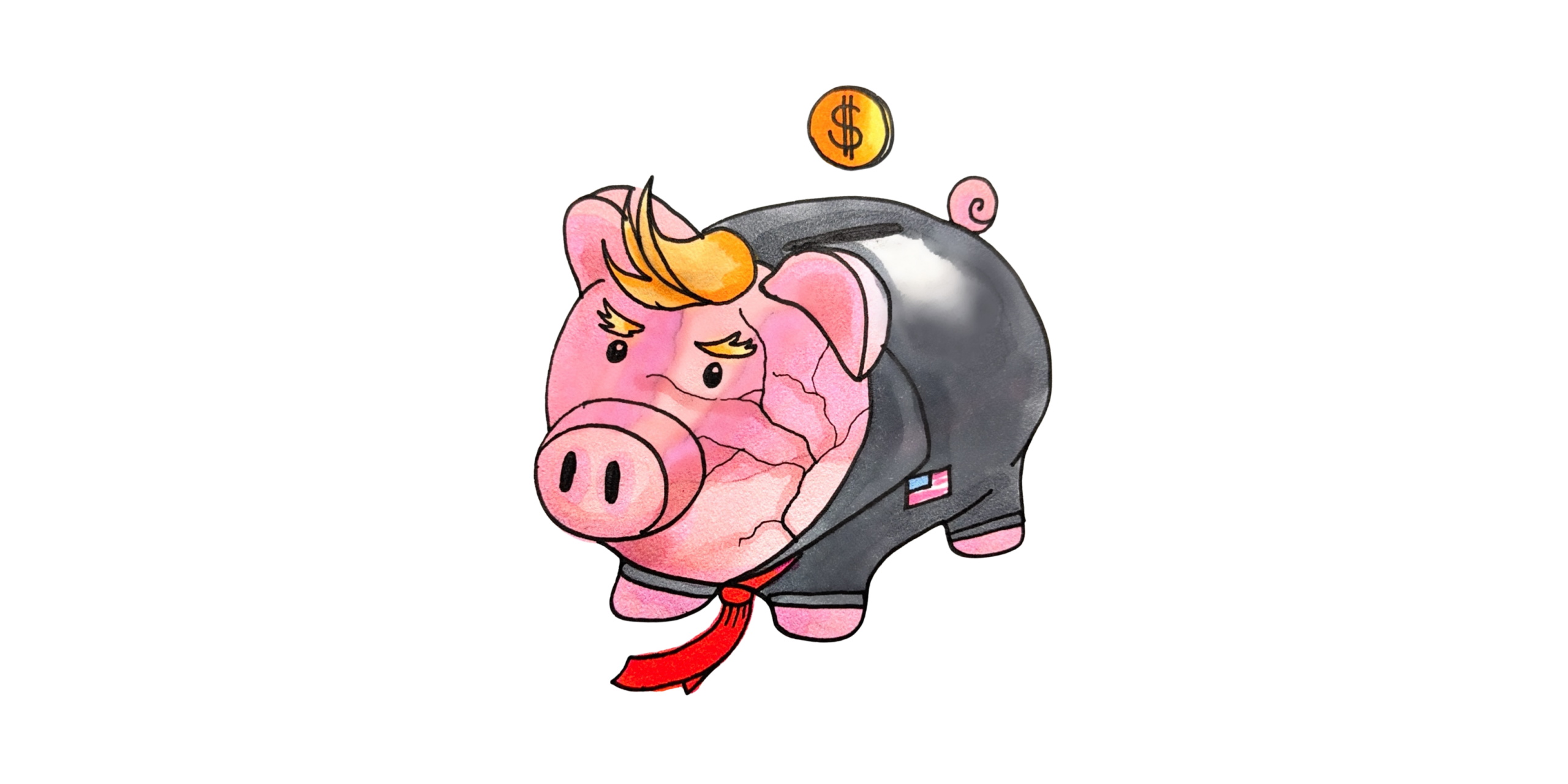
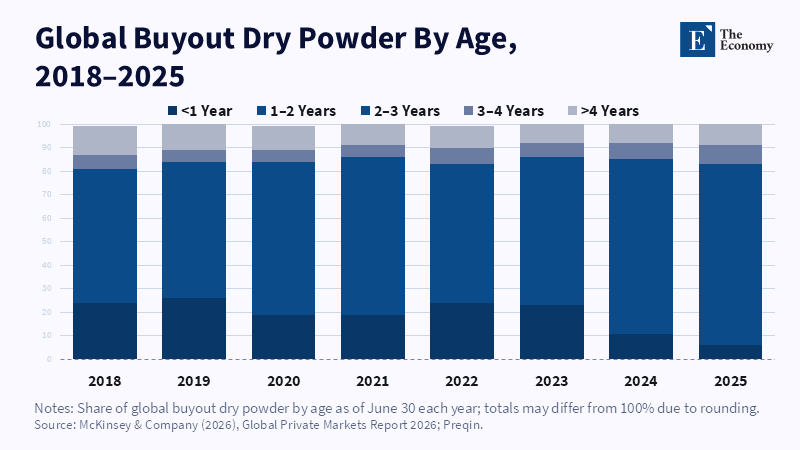
More than 40% of the dry powder available to private equity firms had been held for at least two years by June 2025. At the same time, global private equity investment rose to around $2.1 trillion in 2025. The combination of the two numbers describes a market where capital is in abundance but truly vetted opportunities are not, forcing investment teams to assess assets faster than they can fully verify them. In acquisitions of tech companies and particularly those with claims around AI, this time pressure often turns into a shortcut: instead of independent technical scrutiny, the team relies on reputation, recognizable names or the simple observation that “all other investors believe it.”
The Risk Of Herding And Informational Cascades
A hypothetical scenario illustrates the problem. A mid-sized fund examines a company that presents itself as a pioneer in diagnostic technology assisted by machine learning algorithms. The board of directors includes people with recognizable names from the field of health and technology. Two other funds have already invested in previous rounds and none of them have made concerns public. The new fund’s team spends three weeks reviewing financials, contracts and customer growth indicators but the core of the technology, whether the algorithm actually works as described, is never examined by an independent technical expert. The logic is simple but risky: since so many credible people believe it, it probably does.
This behavior is closer to investor herding and informational cascades, where participants may follow signals from others rather than rely on independent information. In practice, investors in funding rounds often rely on the same auditors, the same recommendations and the same public signals of validity, so the apparent consensus does not reflect multiple independent verifications but a single one, which is simply repeated. When the underlying technology turns out to be weak or non-existent, the damage is not limited to a fund but spreads to everyone who relied on the same, unconfirmed hypothesis.
What Technology Due Diligence Actually Tests
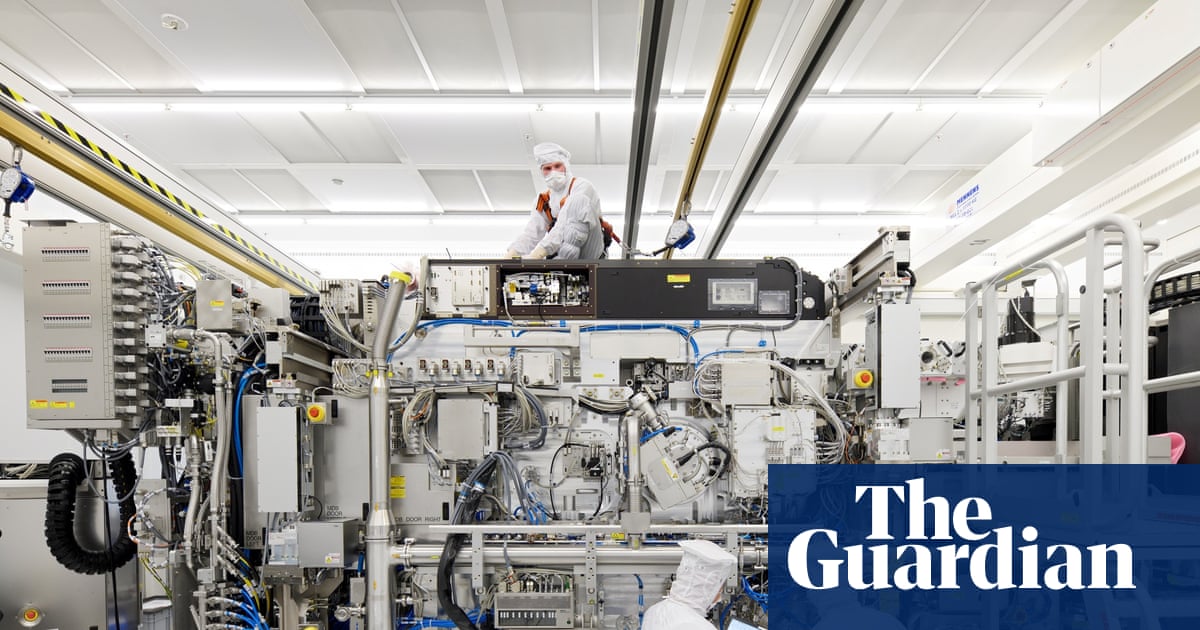
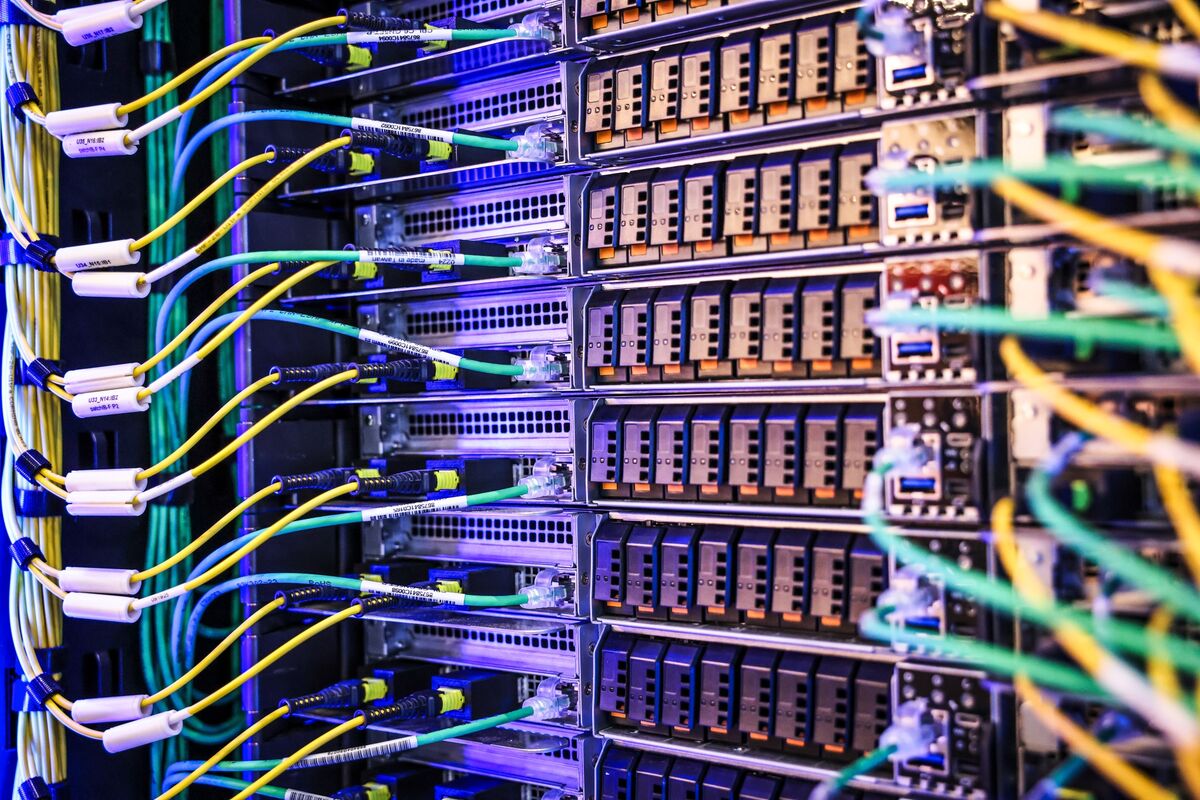
Serious technology due diligence is not a verification of names but a systematic examination of specific levels. It includes code quality and software architecture, cybersecurity, accumulated technical debt, cloud infrastructure, development team engineering processes and regulatory compliance. Problems can be hidden at each of these levels and may not be seen in a superficial presentation or product demo and this is where the risks that alter the valuation of a deal are often identified.
V7 Labs groups due diligence into five core types: technology, financial, commercial, legal and operational. The difference is that in tech companies, especially those that base their value on algorithms or proprietary models, the technology pillar is not just another chapter on the checklist. It is often the pillar that determines whether the investment position even makes sense, because all other elements, from revenue to growth projections, are based on the assumption that technology does what management claims.
How Time Pressure Weakens Due Diligence
Time pressure is not a detail but a structural feature of the process. Between the letter of intent and the final agreement, teams typically have four to eight weeks, not months, to complete all the control pillars at once. According to an analysis by V7 Labs, the traditional process often ends up covering only 10% to 20% of a data room, with the remaining documents remaining unreviewed due to lack of time. This means that even when a team is honestly trying to scrutinize the technology, the scope of the examination can be much smaller than the investment committee assumes when approving the transaction.
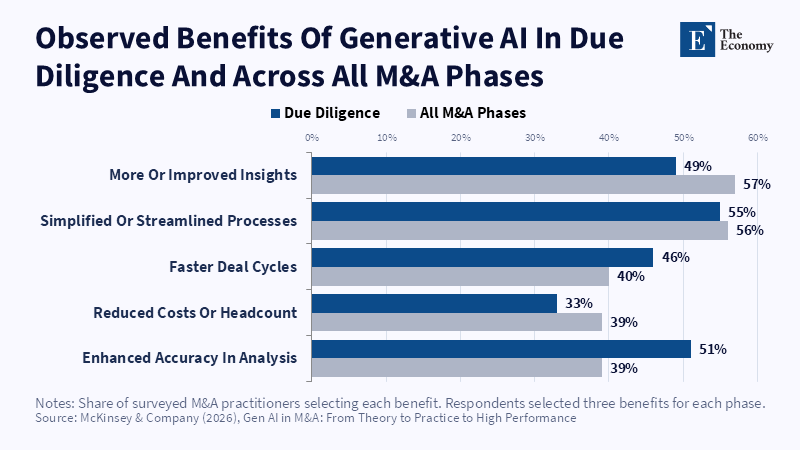
AI tools have begun to change this equation, not by replacing human judgment but by compressing the time of reading and sorting documents. In McKinsey’s survey of M&A practitioners, 55% reported simplified or streamlined processes in due diligence, 51% reported enhanced accuracy in analysis and 46% reported faster deal cycles. However, reading speed does not equate to technical judgment. A system that detects anomalies in a set of documents faster cannot by itself confirm whether an algorithm is actually achieving the performance advertised, which remains the work of people with expertise in this technical field.
Who Should Conduct Technology Due Diligence
The choice of who does technology due diligence matters as much as what is being tested. An in-house investment team, no matter how experienced in financial and commercial matters, rarely possesses the expertise to evaluate software architecture at the code level or verify the claims surrounding a machine learning model. For this reason, the technical part is assigned to independent consultants with a technical background, who work in parallel with the financial and legal auditors instead of entering the process at the end of it. TechCXO states that assignments of this kind can be completed in two to three weeks in most situations, depending on the scope and access provided.
The assignment time matters just as much as the identity of the controller. When technology due diligence enters the process at the end, as a formal confirmation before signing, it functions more as a risk management exercise than as a real source of information for the investment decision. When it is instead incorporated from the beginning, alongside financial and commercial scrutiny, the price and terms of the agreement can still be influenced by its findings or even the very decision of whether to proceed with the transaction. The difference between these two approaches explains why two funds can look at the same company and come to completely different conclusions about the risk they take.
Why Reputation Cannot Replace Technical Verification
The reputation of a founder, the presence of well-known investors in previous rounds, or the recognition of a board of directors are not technical elements, no matter how convincing they may seem in a presentation. They act as social signals, not as proof that a technology works as described. The only reliable answer to this gap is the independent technical examination, performed by someone with the appropriate expertise, integrated into the process early on and not as the last validation before signing.
Table 1: Technology Due Diligence At A Glance
| Risk | Why It Matters | Required Response |
|---|---|---|
| Investor reputation | Social signals are not technical evidence | Independent technical verification |
| Compressed timelines | Important risks may receive limited review | Start technical diligence early |
| AI-based claims | Model performance may remain unverified | Test data, performance, and repeatability |
| Large data rooms | Manual review limits coverage | Use AI for review, retain expert judgment |
| Specialist risks | Deal teams may lack technical expertise | Use independent technical specialists |
With the global capital stock remaining high and competition for attractive placements intensifying, the pressure for quick decisions is not going to subside. Technology due diligence should be treated as a separate, specialized pillar of the process, with its own time, budget, and experts, rather than letting market consensus substitute for verification.
This article reflects the analytical judgment of The Economy Markets Editorial Board and does not constitute business advice or the official position of any affiliated institution.
References
KMS Technology, 2026. 3 Benefits of Technology Due Diligence for Private Equity Assessments. KMS Technology, 1 July.
KPMG International, 2026. Global Private Equity Investment Hits Four-Year High in 2025 as Investors Focus on Top End Deals. KPMG.
McKinsey & Company, 2026a. Gen AI in M&A: From Theory to Practice to High Performance. McKinsey & Company, 14 January.
McKinsey & Company, 2026b. Private Equity: Clearer View, Tougher Terrain. Global Private Markets Report 2026. McKinsey & Company, 10 February.
Rajnerowicz, C., 2026. The Private Equity Due Diligence Process: AI vs. Traditional Approach. V7 Labs, 20 June.
TechCXO, 2026. Technical Due Diligence. TechCXO.