Author: Bibi News
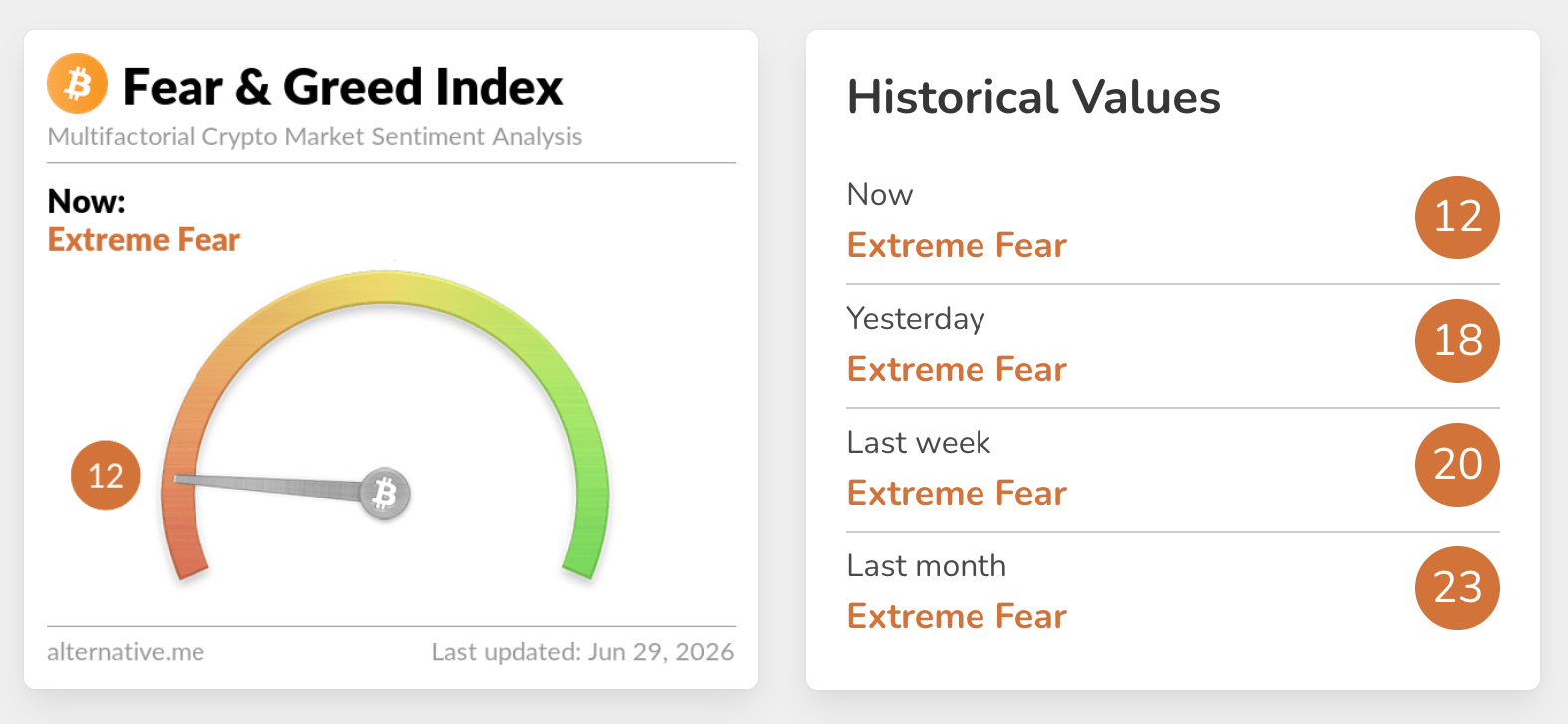
After the bull market in 2021, the crypto industry entered a prolonged period of pain, and almost everyone felt a bit disappointed with crypto.
20 million tokens failed and went to zero, many once-popular projects announced their closure, and numerous retail investors faced significant asset depreciation.
The players in crypto gaming are also changing. In 2017, several developers could launch a project in just a few days with a white paper, and the capital threshold was nearly zero.
Now, in 2026, the core players in the crypto space are almost all focused on playing expensive compliance games. After regulatory clarity, the baseline for legal operations has actually been raised.
For a crypto company to operate compliantly in the U.S., it is estimated that it will spend between $750,000 to $1.2 million in the first three years for multi-state compliance, and after scaling, the annual compliance cost exceeds $2 million. Obtaining a BitLicense in New York typically takes over a year. The EU’s MiCA requires a minimum capital of €50,000 to €150,000. Compliance personnel expenses and ongoing reporting obligations continue to burn money.
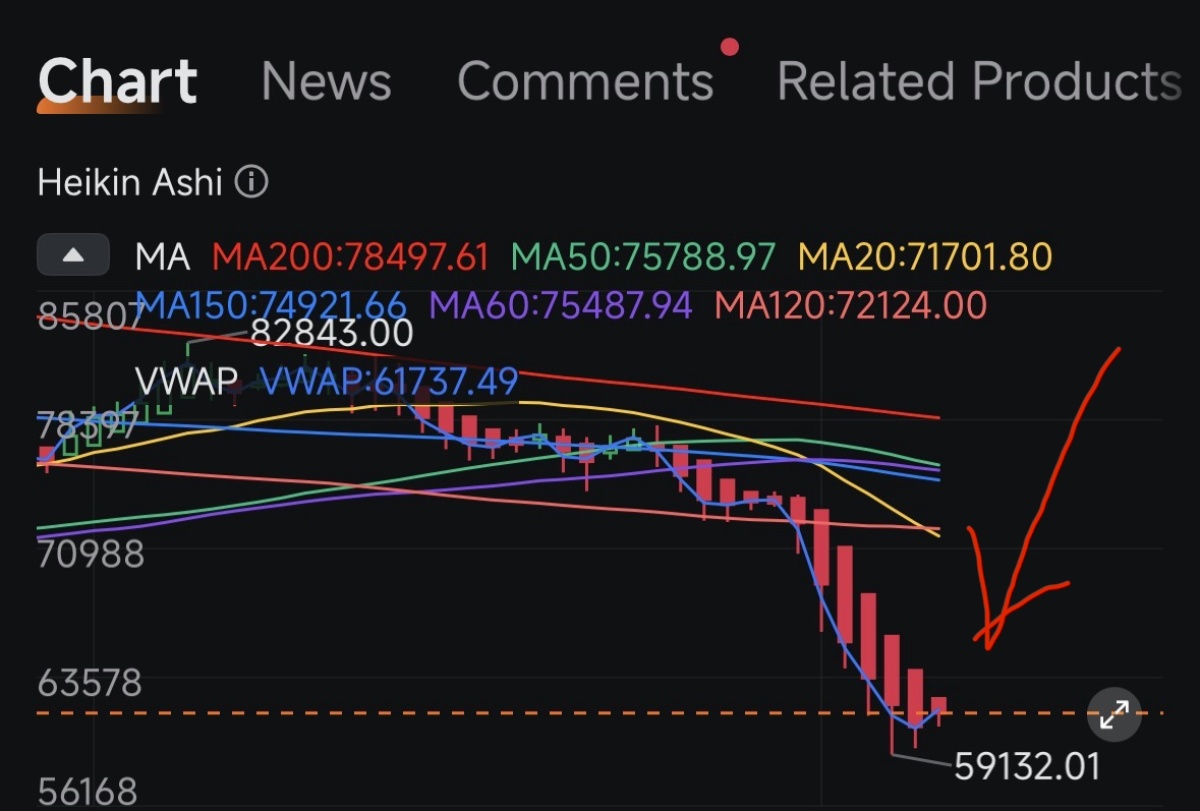
The threshold for crypto entrepreneurship has become indistinguishable from traditional finance. For retail investors, crypto no longer offers attractive returns, and many who entered at high points have lost their shirts.
There Are Almost No Opportunities for Early Crypto Entrepreneurship
In 2025, global VC investment in crypto recovered to around $20 billion, but early-stage entrepreneurs could hardly secure funding.
In the first quarter of 2026, seed and pre-seed rounds combined accounted for only 5.2% of total financing, with seed rounds nearly disappearing, while already mature large companies took 57%.
Hadick, managing partner at Dragonfly, described the current state of the industry with a short phrase while completing a $650 million new fund: a mass extinction event.
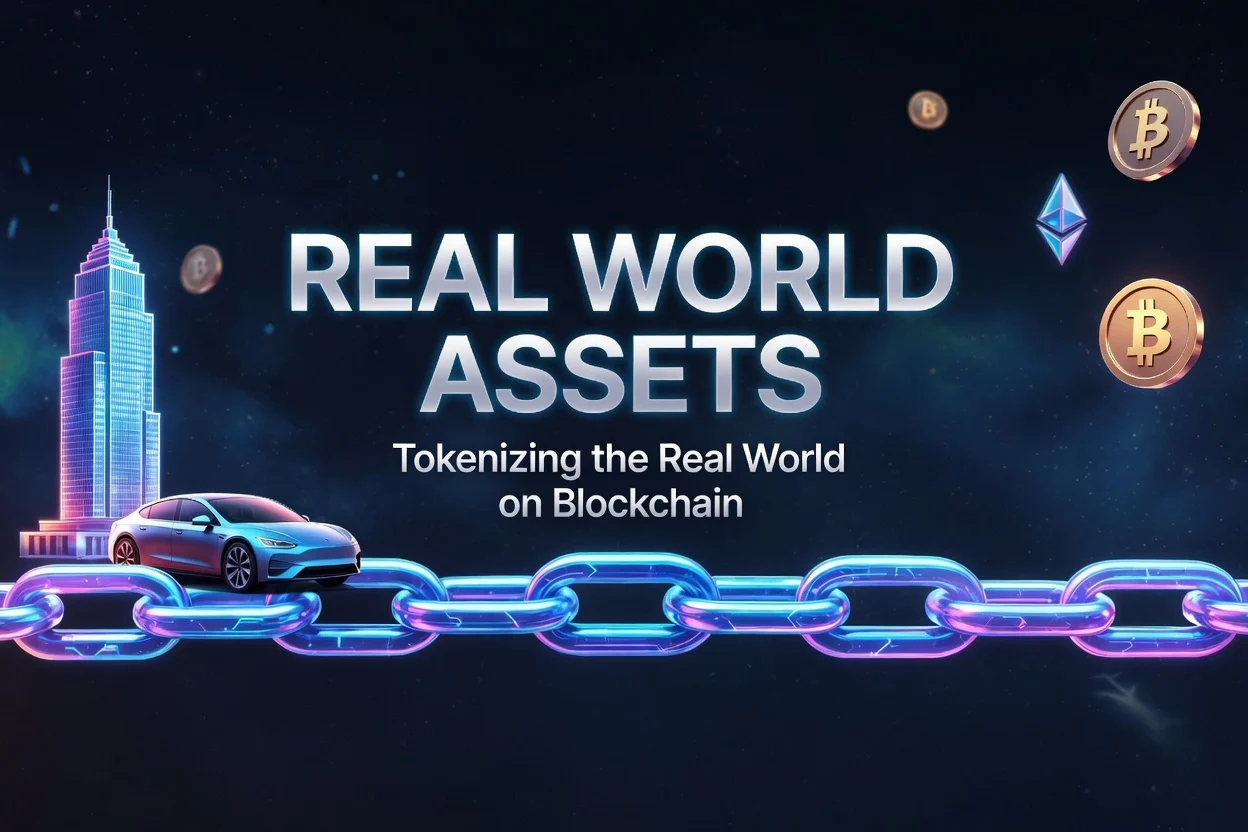
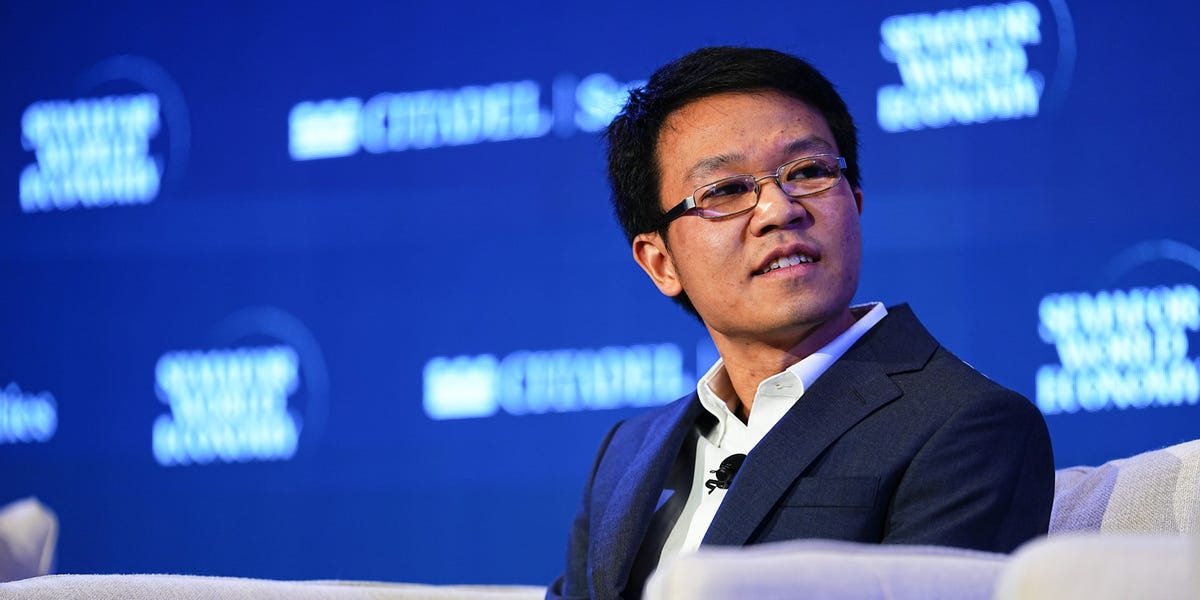
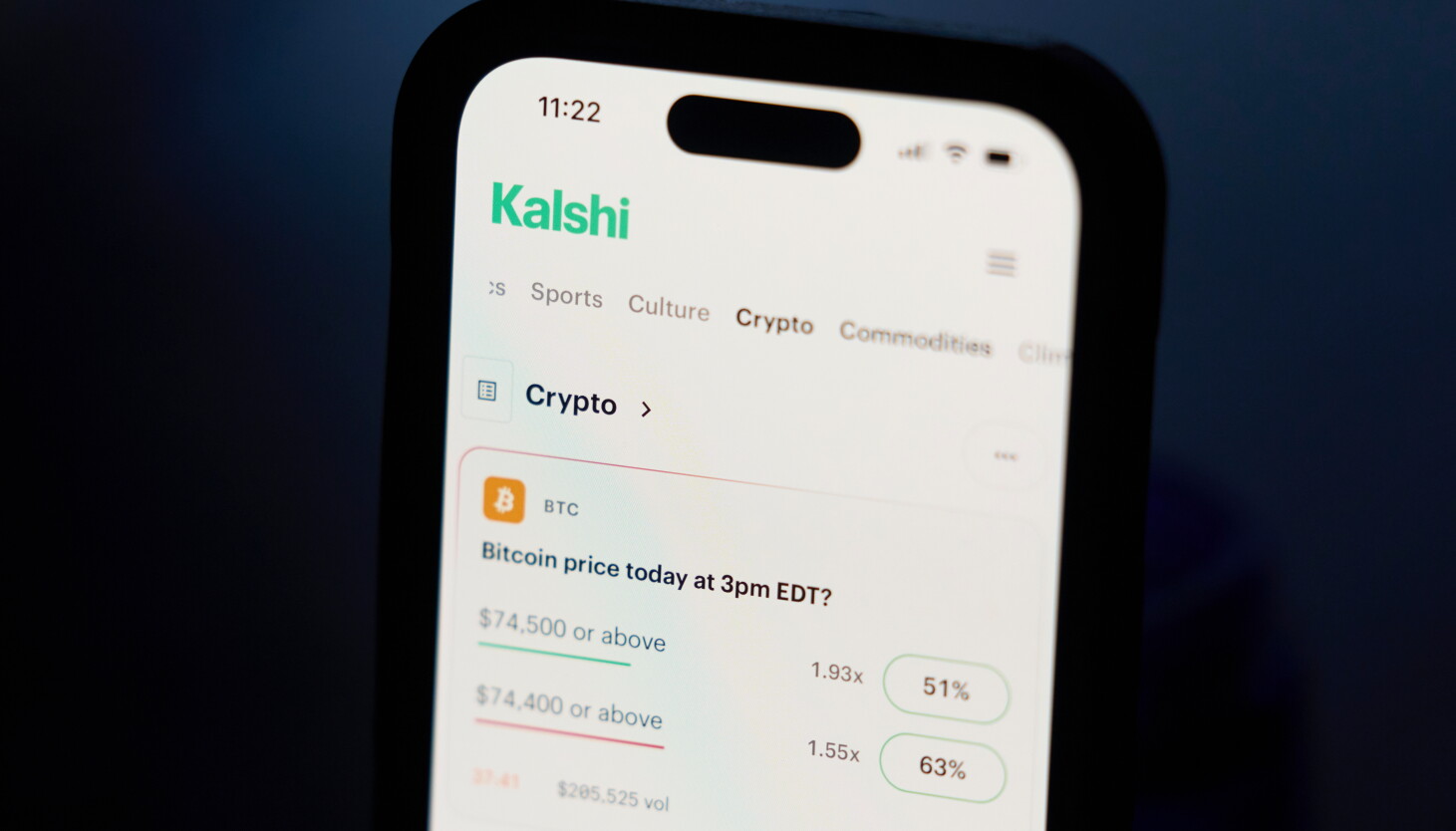
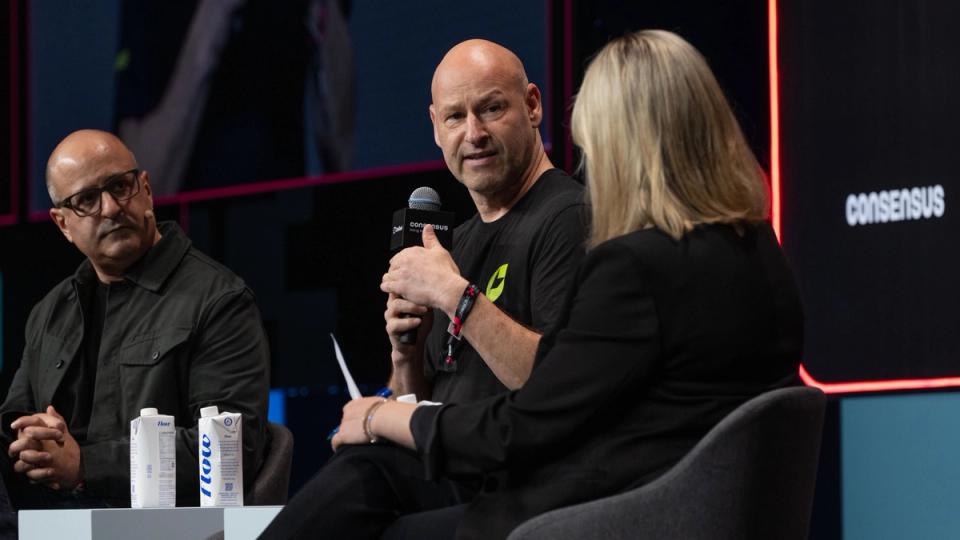
a16z completed a $2.2 billion Crypto Fund 5 in May 2026. Chris Dixon, head of a16z crypto, clearly stated that this money will no longer be invested in early-stage protocols, focusing instead on stablecoin payments, RWA tokenization, prediction markets, and on-chain lending.
From the first $300 million fund investing in protocol-level innovation in 2018 to the fifth fund investing in payments and tokenization in 2026, large VCs have closed the funding channels for early-stage crypto projects.
Moreover, the top crypto VCs have begun to invest in AI. Paradigm, a top crypto fund managing $12.6 billion, announced in February 2026 that it raised a new $1.5 billion fund, but its investment scope has expanded to AI and robotics. According to SVB statistics, in 2025, for every dollar of VC funding invested in the crypto industry, 40 cents flowed to companies also working in AI, compared to only 18 cents in 2024.
Major Players Are Playing Compliance
According to crypto M&A consulting firm Architect Partners, the total M&A amount in the crypto industry reached $37 billion in 2025, with 356 transactions, a year-on-year increase of over 7 times.
However, almost all mergers and acquisitions point to the same logic: buy licenses, not technology.
Coinbase spent $2.9 billion to acquire Deribit, buying a derivatives brand license. Kraken spent $1.5 billion to acquire NinjaTrader, buying a futures license and customers. Ripple acquired Hidden Road for $1.25 billion, buying a distribution channel for institutional finance.
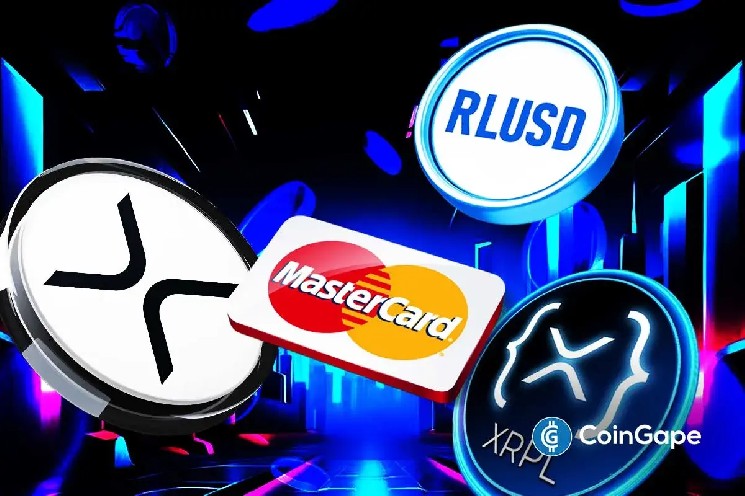
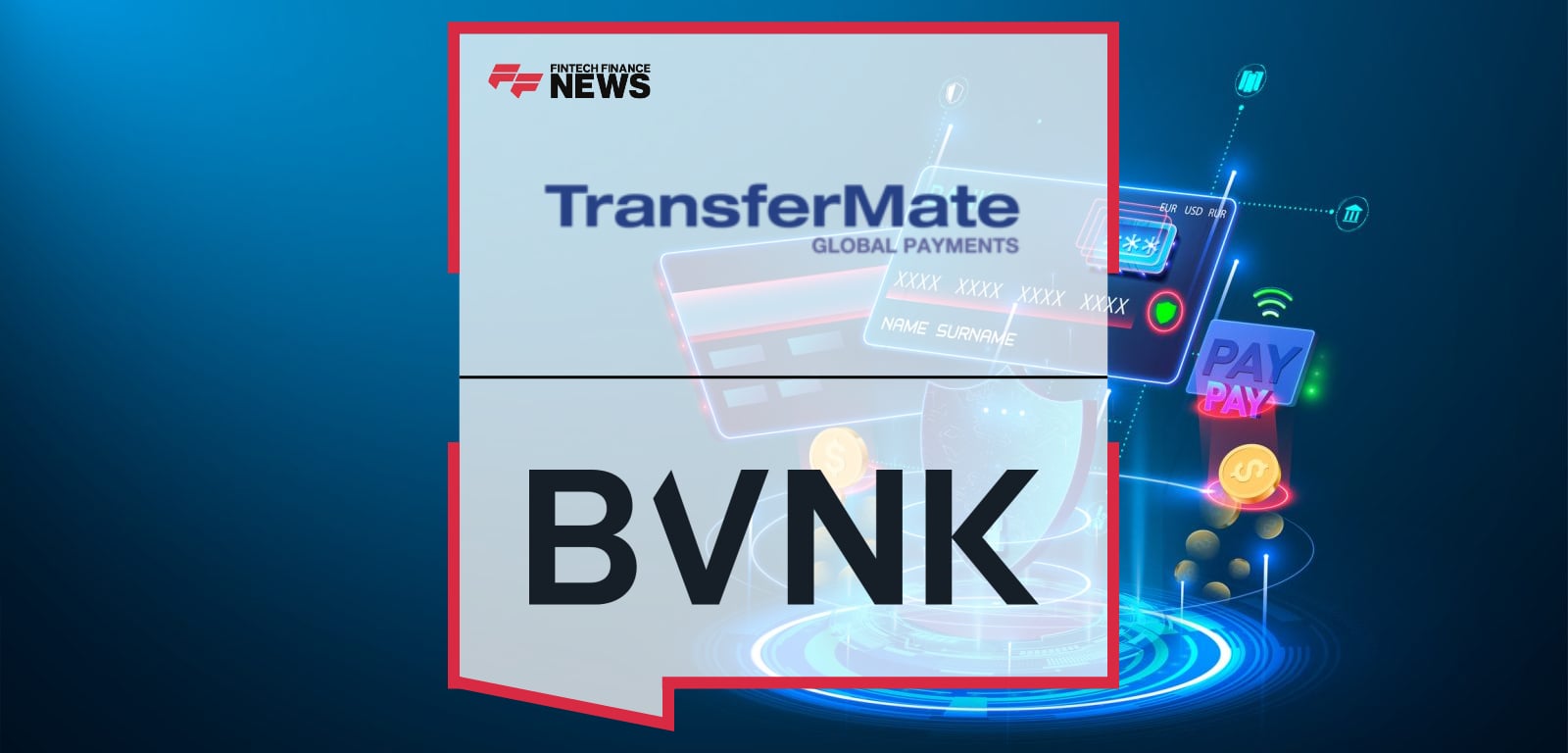
In 2026, traditional financial giants began to enter the fray. Mastercard acquired crypto payment company BVNK for $1.8 billion; this is no longer an integration between crypto companies but traditional finance directly buying crypto capabilities. New entrants must catch up not with technological capabilities but with the time cost of compliance replaced by money.
Crypto is now a game for three types of players.
The first type is licensed companies like Coinbase, Kraken, and Ripple that widen their moats through mergers and acquisitions.
The second type is top VCs like a16z and Dragonfly, whose funds are concentrated in stablecoin, RWA tokenization, AI agents, and other already validated directions, with early experimental projects hardly receiving investment.
The third type is traditional financial institutions that enter the market with licenses and capital; BlackRock issues tokenized funds on Ethereum, Franklin Templeton is working on on-chain government bonds, and Stripe is doing stablecoin payments.
In March 2026, the parent company of the New York Stock Exchange, ICE, invested in OKX at a valuation of $25 billion and secured a board seat, resulting in OKX allowing users to trade tokenized stocks of the NYSE in the future. Traditional finance is not only doing crypto itself but also directly investing in crypto exchanges.
Another type of winner that is easily overlooked is companies selling infrastructure.
Chainalysis has raised $538 million by helping exchanges with on-chain anti-money laundering, generating $250 million in revenue in 2024. Sardine helps crypto companies with identity verification and transaction risk control, having raised $145 million.
The logic is the same in the tokenized U.S. stock sector, where companies like Backed Finance, Ondo Finance, and Dinari, which hold traditional financial licenses, provide underlying issuance and custody, with Kraken directly acquiring Backed Finance. When SpaceX went public in June 2026, Binance, Bybit, Bitget, and MEXC all promised users tokenized stocks at IPO prices, but none secured a share allocation from underwriters, all were unable to deliver, while only Backpack, which holds a brokerage license, and Ondo and Dinari, which initially stated they were secondary market prices, could deliver.
As regulations tighten and thresholds rise, these shovel-selling companies are making more money.
When the Crypto Industry Becomes a Traditional Industry
The wealth effect of early crypto was built on three conditions: almost no entry threshold, retail and institutional investors having similar information, and a significant deviation of asset prices from reasonable values. Investing $10,000 in 2017 often yielded dozens of times returns. These three conditions accelerated their collapse between 2024 and 2026.
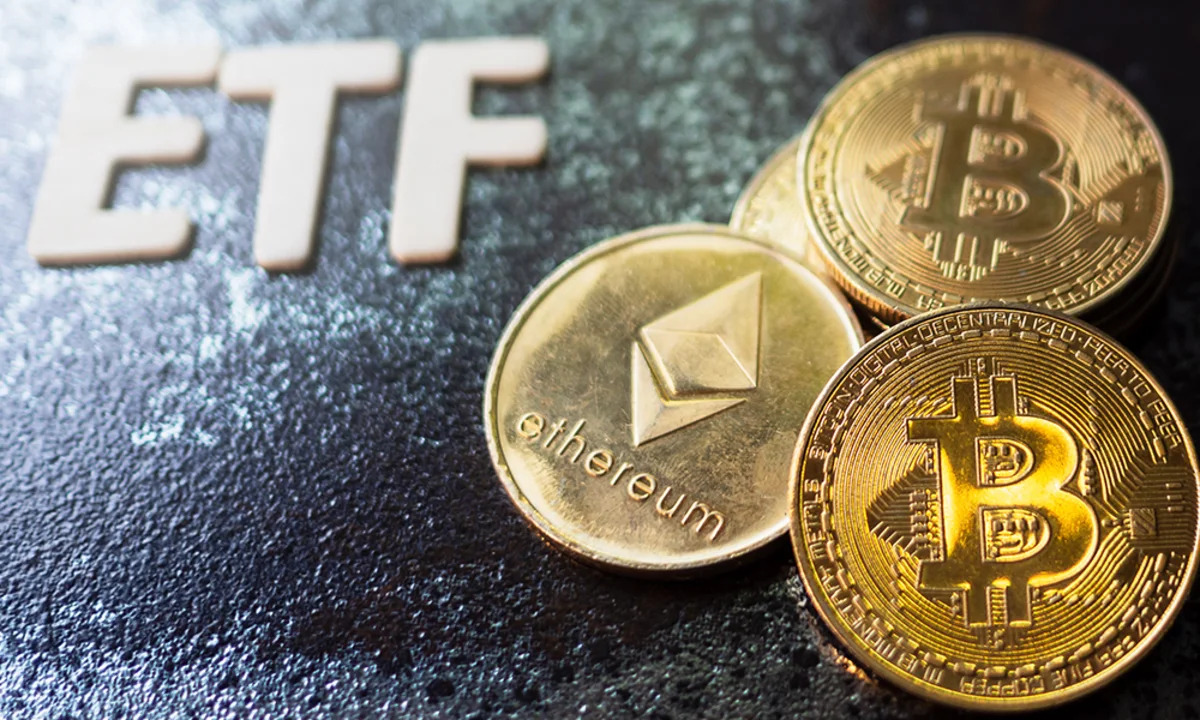
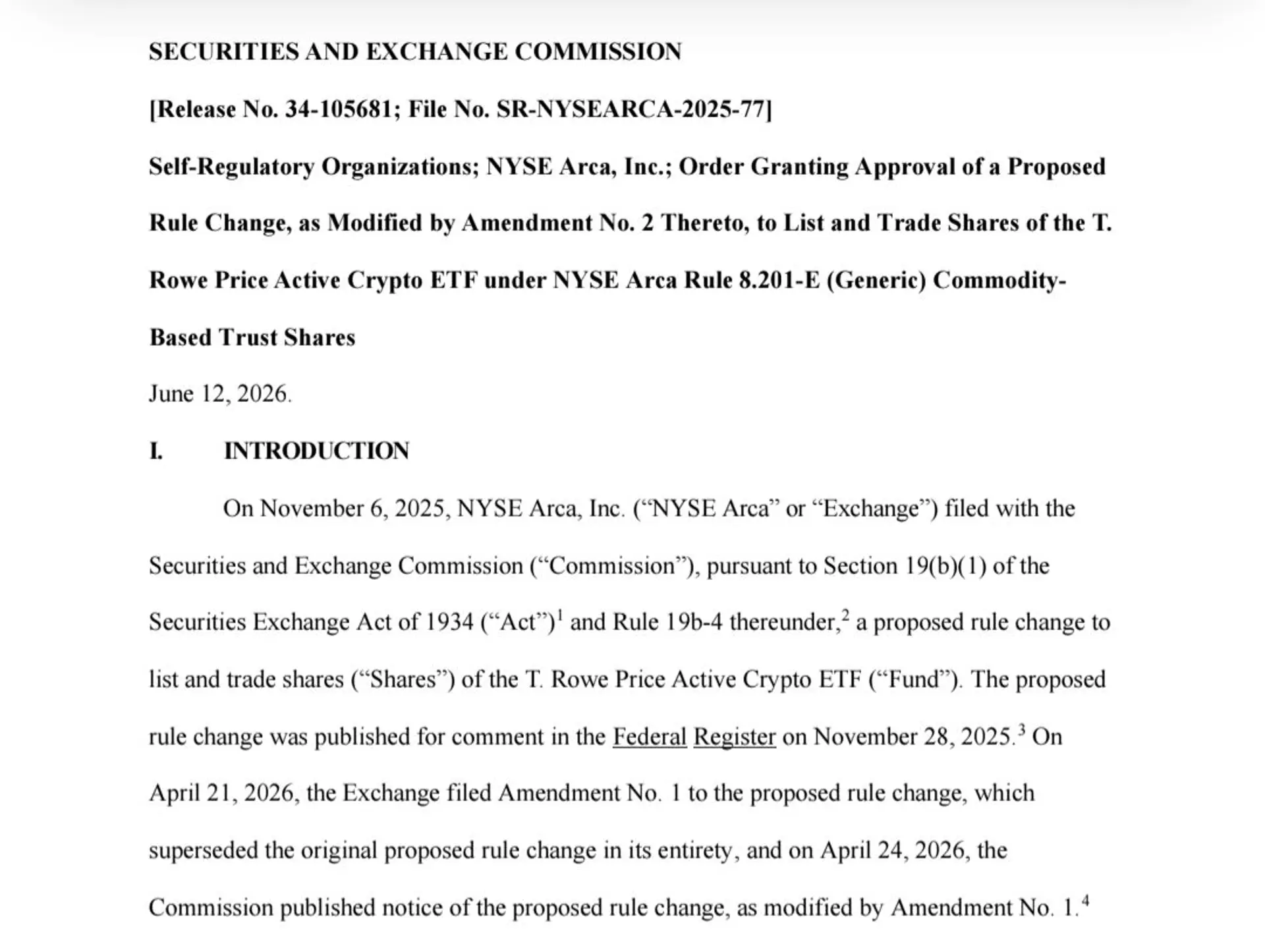
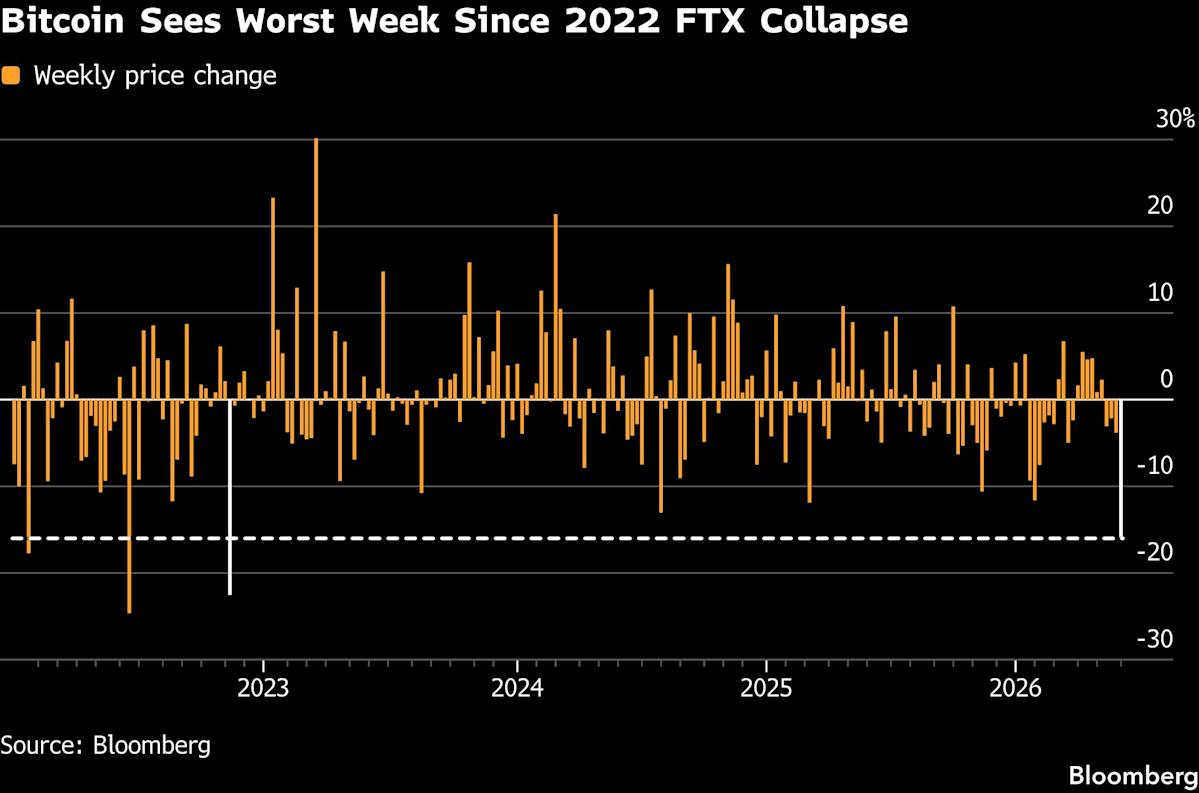
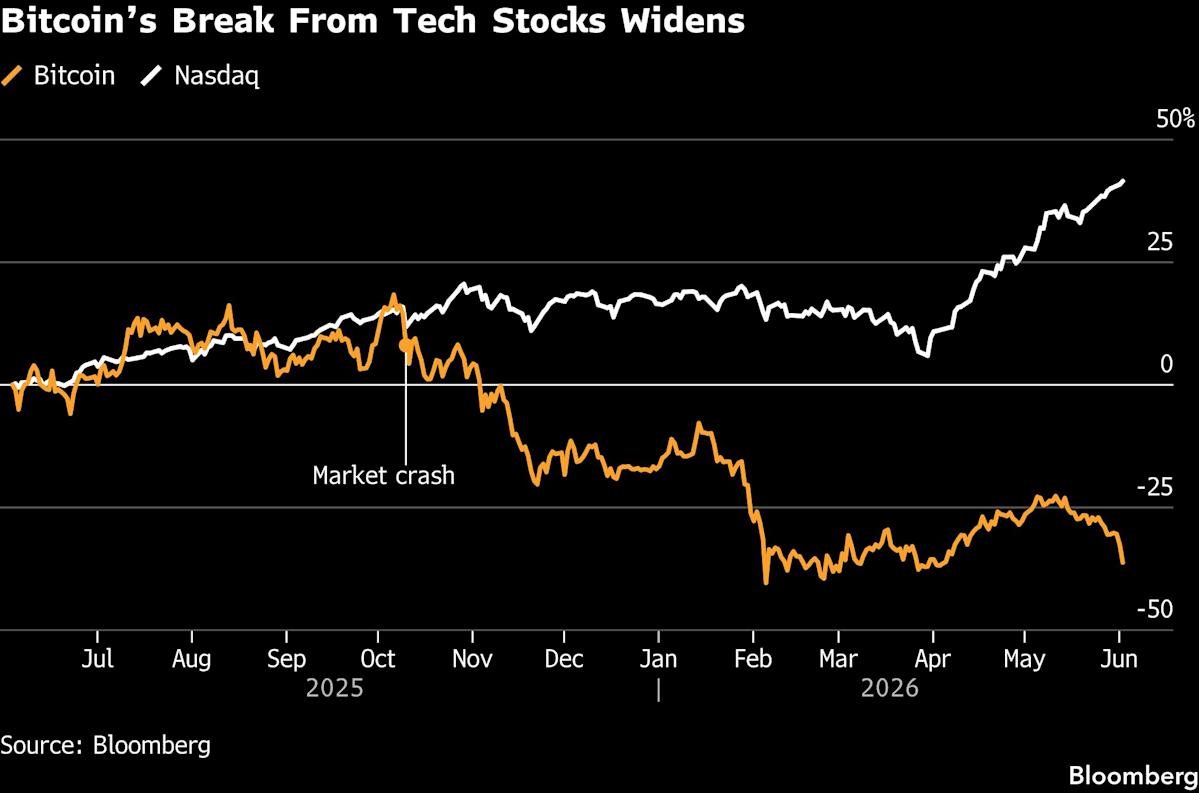
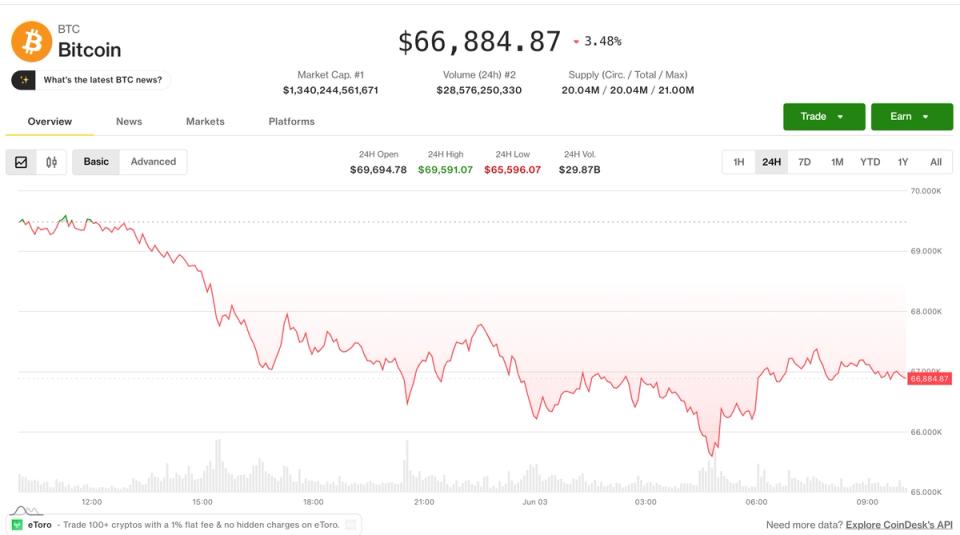
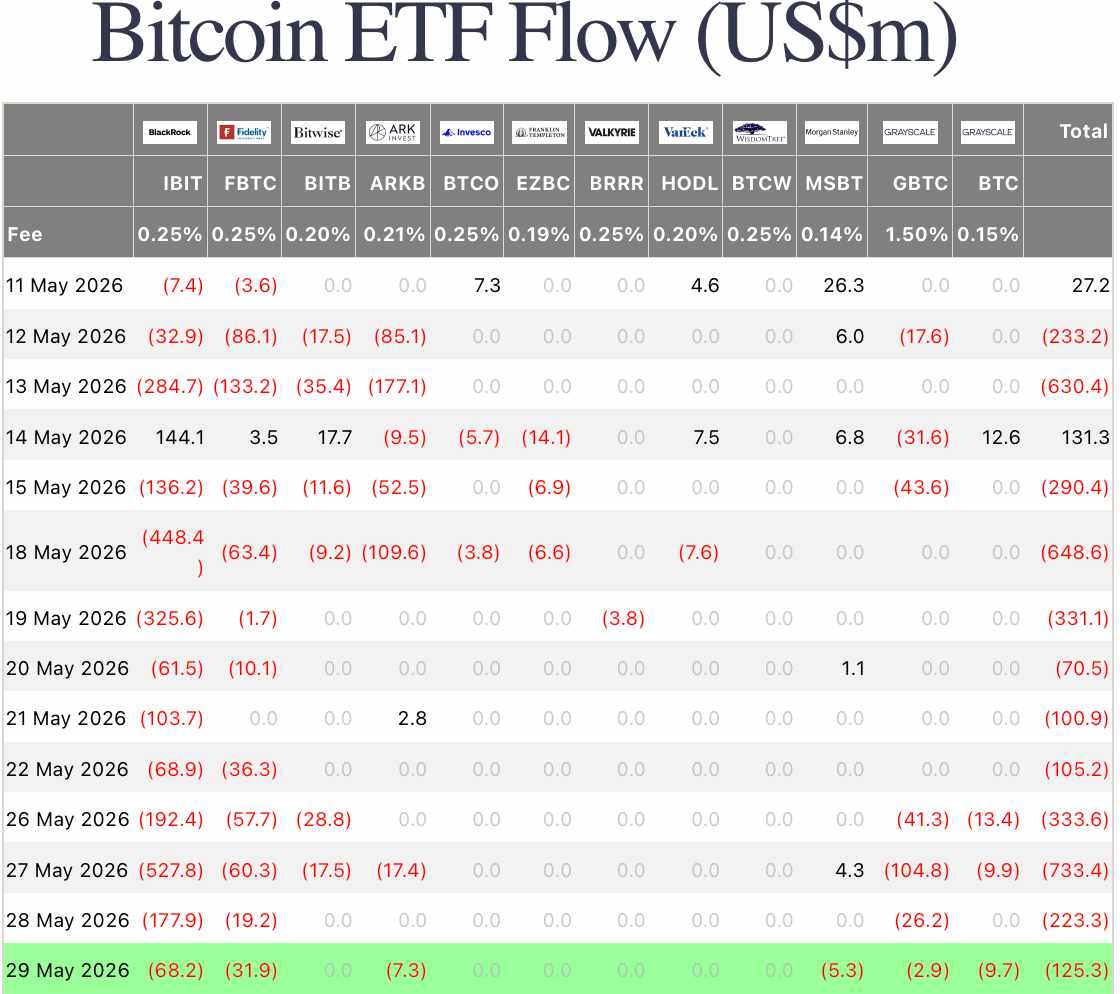
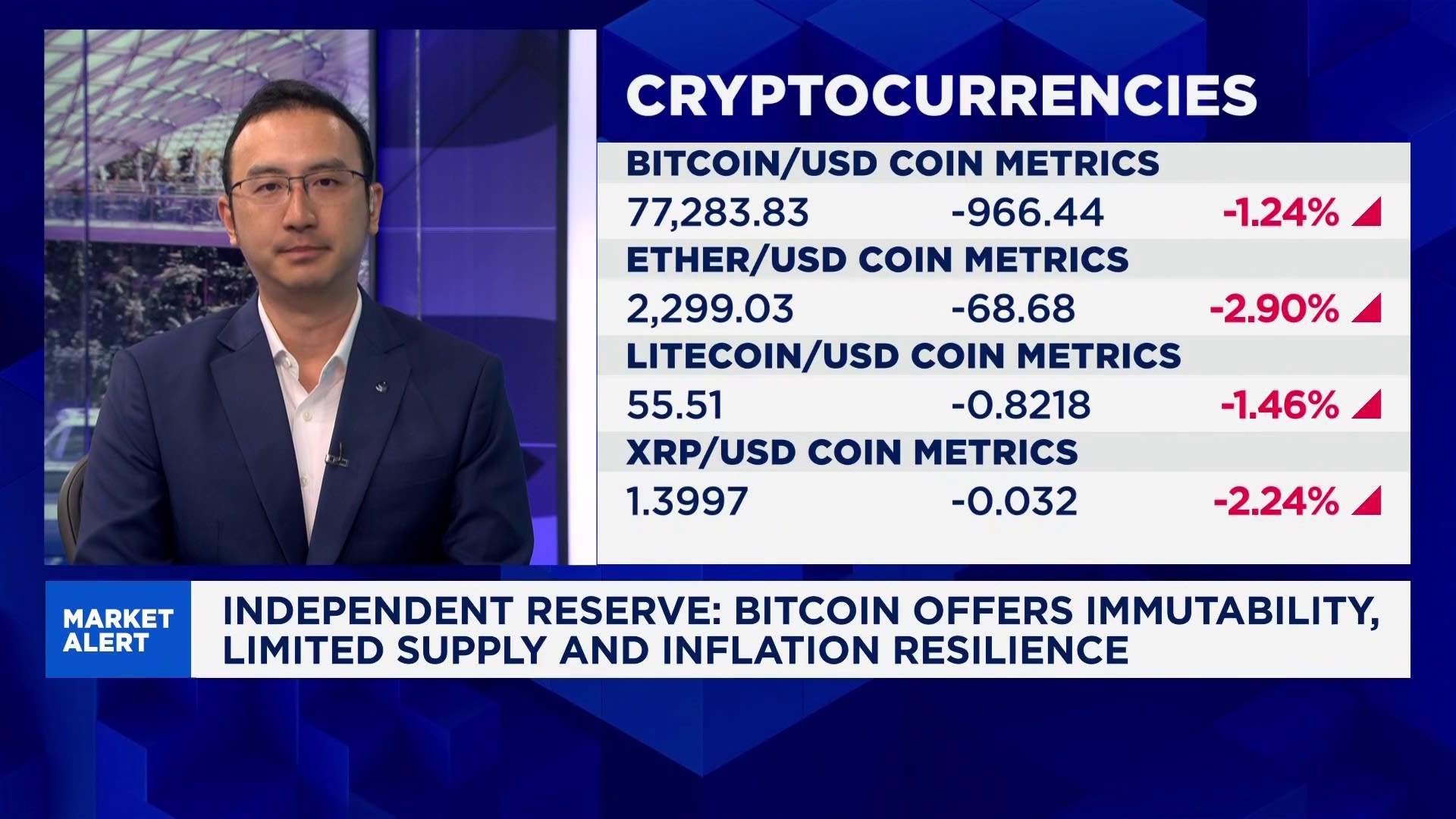
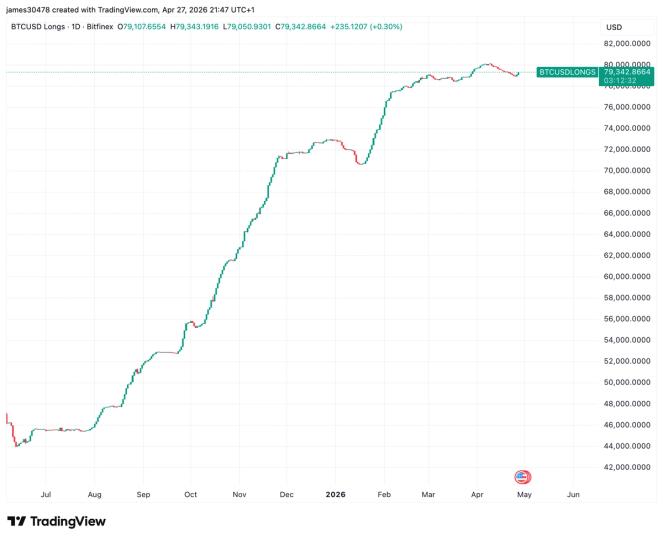
In January 2024, the Bitcoin ETF was approved, and Bitcoin was officially incorporated into the dollar-denominated system, becoming a financial asset traded in dollars and measured in dollars. Bitcoin’s performance over the past two years has increasingly mirrored that of growth-stage tech stocks, and the annual clearing of the crypto bubble has led to a decline in retail investors’ expected returns from crypto.
For entrepreneurs, the situation is more complex.
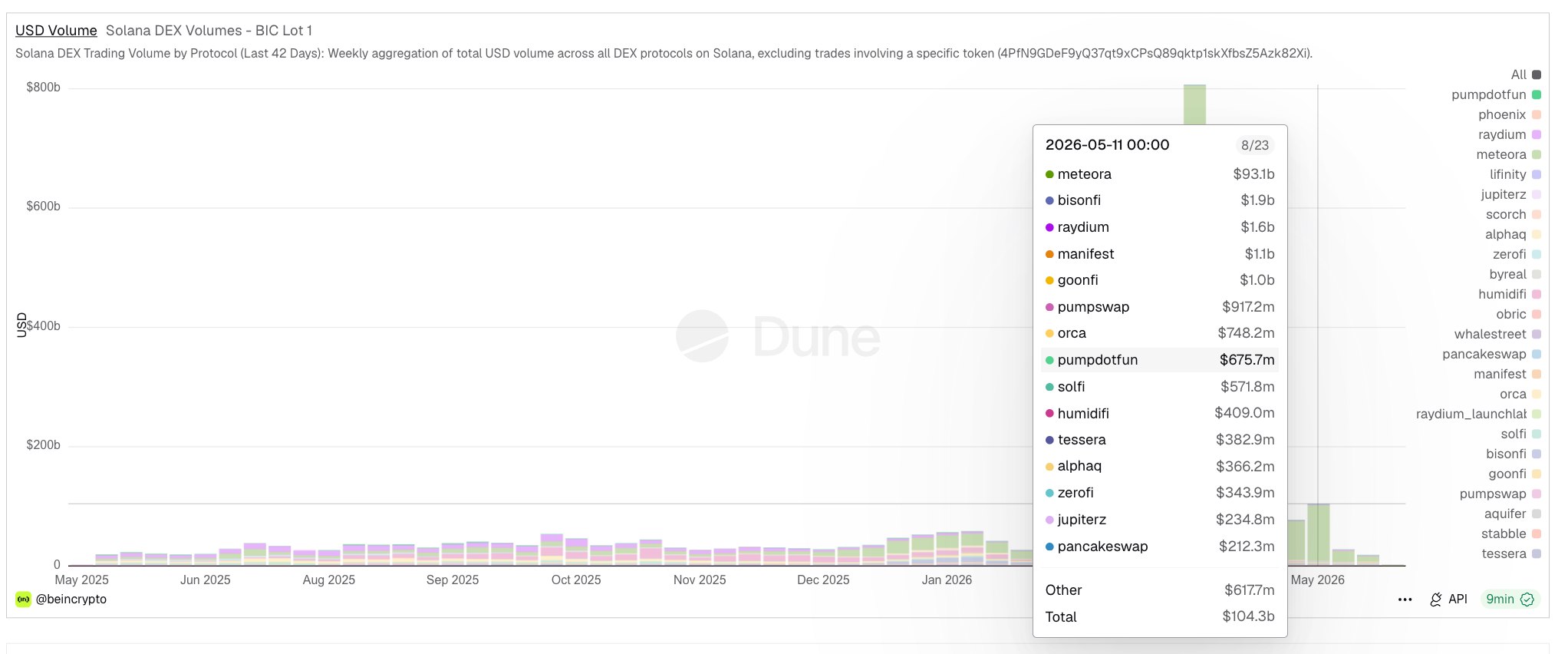
The high-leverage opportunities native to crypto have not completely disappeared, but their forms have changed entirely. Pump.fun does not issue tokens or run projects; it provides the infrastructure for token issuance and has minted over 18.67 million tokens since its launch. The Telegram trading bot Trojan has accumulated trading volumes in the hundreds of billions.
They are among the few cases in the native crypto field where writing code can lead to significant growth, but their success itself highlights a problem: they are not true innovations in the industry but rather provide more efficient channels for others’ speculative activities.
However, the window for such tools is also narrowing.
The remaining entrepreneurial directions that can secure top VC funding are highly concentrated.
The investment focuses of a16z, Paradigm, Dragonfly, and Coinbase Ventures have converged: stablecoin payment infrastructure, RWA tokenization, on-chain execution layers for AI agents, institutional-level DeFi tools, and compliance technology.
These five directions share a common characteristic: they are all capital-intensive, license-intensive, have long cycles, and linear returns. VCs are now almost no longer looking at protocol innovation but rather at the adoption paths of institutional clients and compliance moats.
The window for innovation at the protocol level has essentially closed. The L1 landscape is dominated by Ethereum, Solana, and a few others, with almost no opportunities for new public chains. Innovation is shifting to the application layer and compliance infrastructure layer, but this type of innovation is entirely different from the speed of creating a new market by simply writing a smart contract in 2017. Teams need backgrounds in traditional finance and crypto technology, must first obtain licenses or bind to licensed institutions, and need to spend millions of dollars before launching their first product.
When the entry threshold is as high as traditional finance, when the winners are companies that obtain licenses and banking relationships rather than the best technical teams, and when mergers and acquisitions replace open-source competition as the main means of market consolidation, the value distribution logic of this industry is no different in essence from traditional finance.
When the opportunity structure of crypto becomes the same as traditional finance, what should be the next step?
Crypto always experiences a wave of highs after a period of confusion.
For entrepreneurs and retail investors still in this industry, they either embrace the current changes or explore the next random field within crypto.