Heavy Selling, But Net Buyer
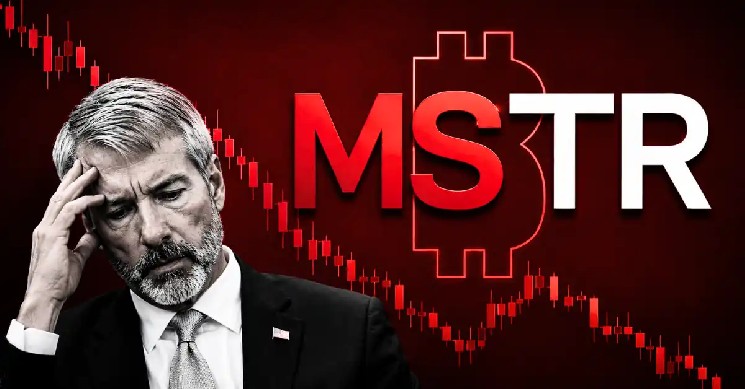
In an X post on July 6, industry expert Jesse Myers explained that Strategy remains a net buyer of BTC.
He noted Strategy acquired 85,296 BTC in the second quarter while selling just 3,620 BTC, a roughly 22.5-to-1 buy-to-sell ratio.
Myers argued that the limited sales are intended to strengthen credit market access and finance even larger future Bitcoin purchases rather than signal a shift away from its accumulation strategy.
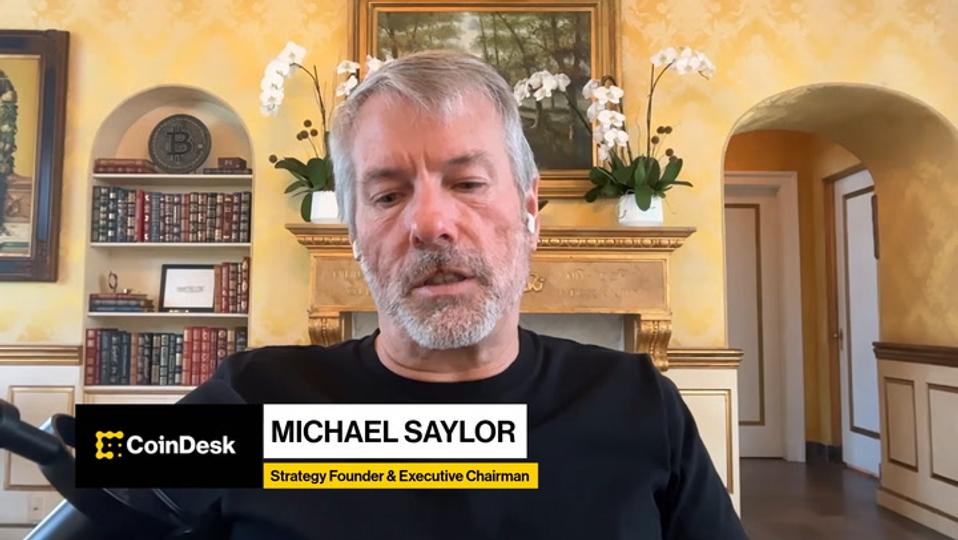
In an earlier interview, Saylor had quoted “On occasion, we’ll buy 20 Bitcoin & we’ll sell 1 Bitcoin… Then the credit investors will give us enough to buy 20 more Bitcoin.”
Myers cited Saylor who plans to “inoculate the market” by selling a little BTC and they will keep doing it until the market expects it and no longer reacts to it.
Biggest Test Is Macro Liquidity
In an interview podcast on July 6, macro commentator Scott Melker said the sale was notable because Saylor had previously signaled that Strategy could sell Bitcoin to support its capital structure.
Analysts on Melker’s “Macro Monday” panel said the key question is whether Strategy remains a buyer of Bitcoin over the long term or whether its preferred equity obligations force more regular sales.
CoinRoutes former CEO Dave Weisberger argued the sale may ultimately be less damaging than feared because it showed Strategy could access Bitcoin liquidity without visibly destabilizing the market. He said the move also helped replenish cash reserves and reduced the immediate pressure on the company.
Industry expert Peter Tchir said crypto markets would likely benefit if Strategy and other digital asset treasury companies became less central to the Bitcoin narrative.
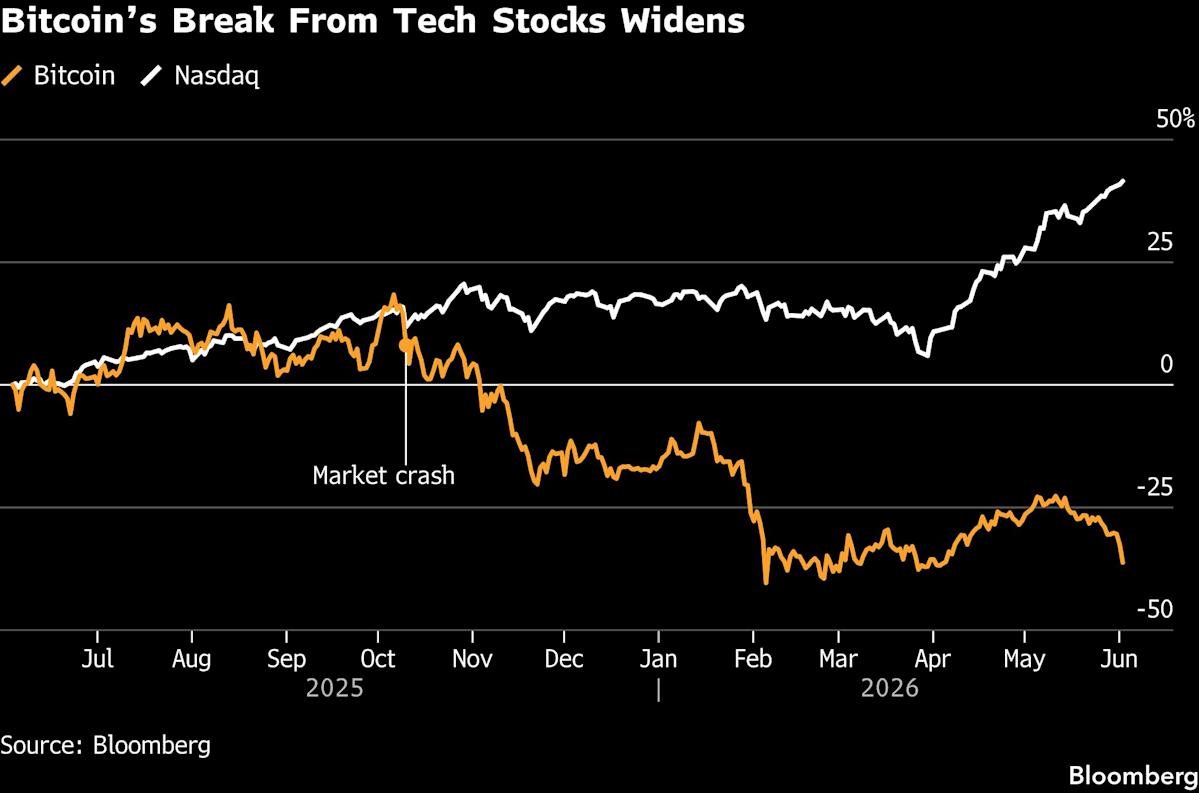
Mike McGlone remained bearish, arguing Bitcoin is still in a broader bear market and could remain pressured if equities roll over. He said crypto, metals and commodities are showing signs of “pump-and-dump” behavior and warned that Bitcoin remains vulnerable if risk assets weaken.
Weisberger pushed back, saying BTC’s downside is more likely tied to a failure of its long-term adoption thesis than to normal equity-market weakness. He argued that easier monetary policy or renewed liquidity could support Bitcoin and hard assets over time.
Image: Shutterstock