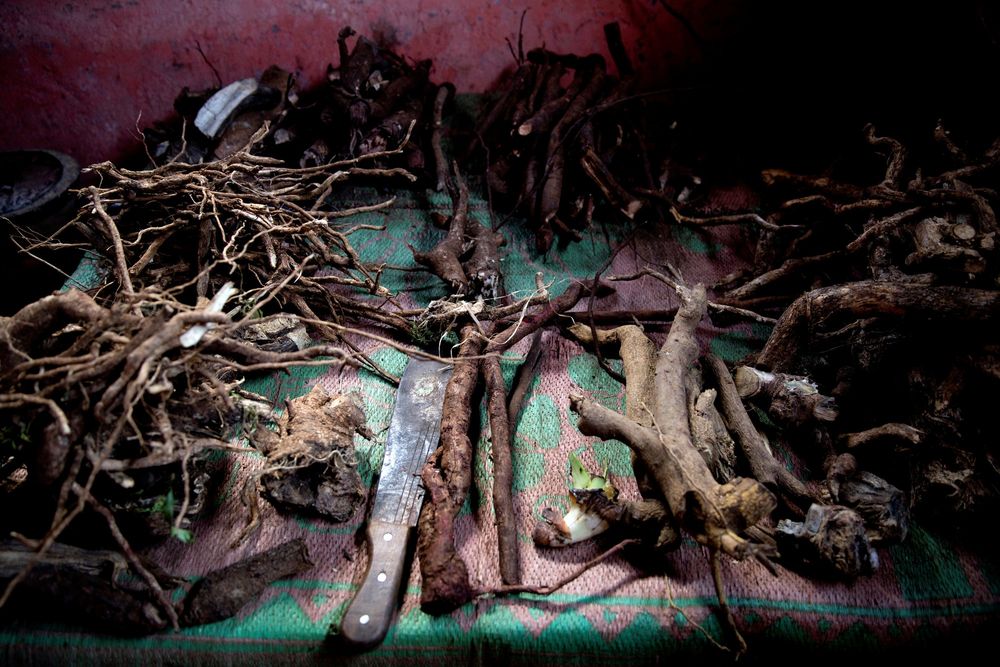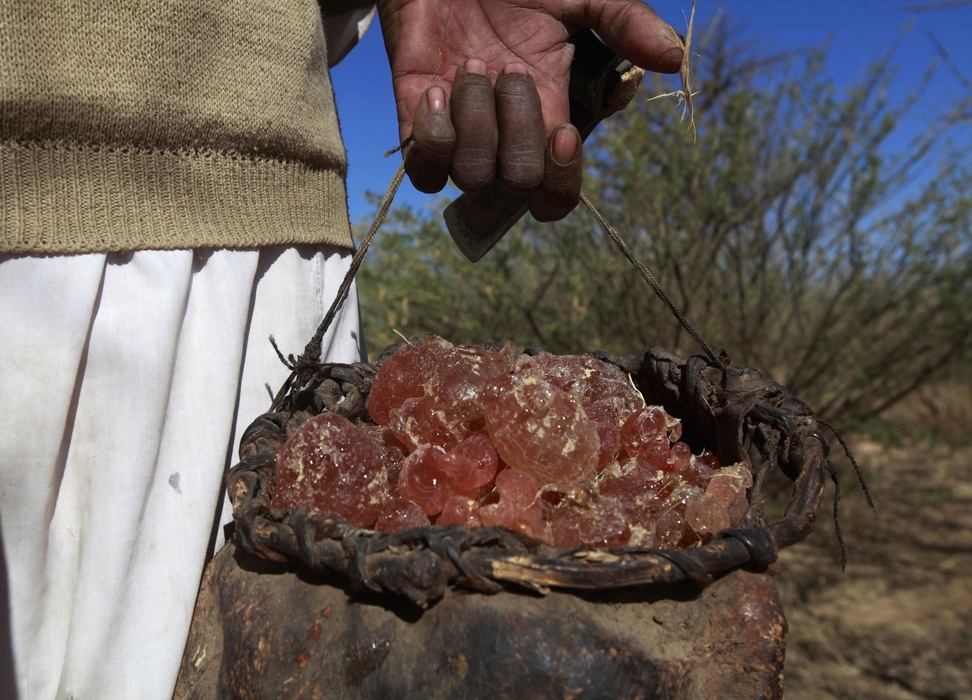
Gum arabic, harvested from the sap of Sudan’s acacia trees, is one of the country’s most important exports. However, a new UN Human Rights report examines how Sudan’s war economy is helping sustain the conflict while exposing the gum arabic trade to serious human rights risks.
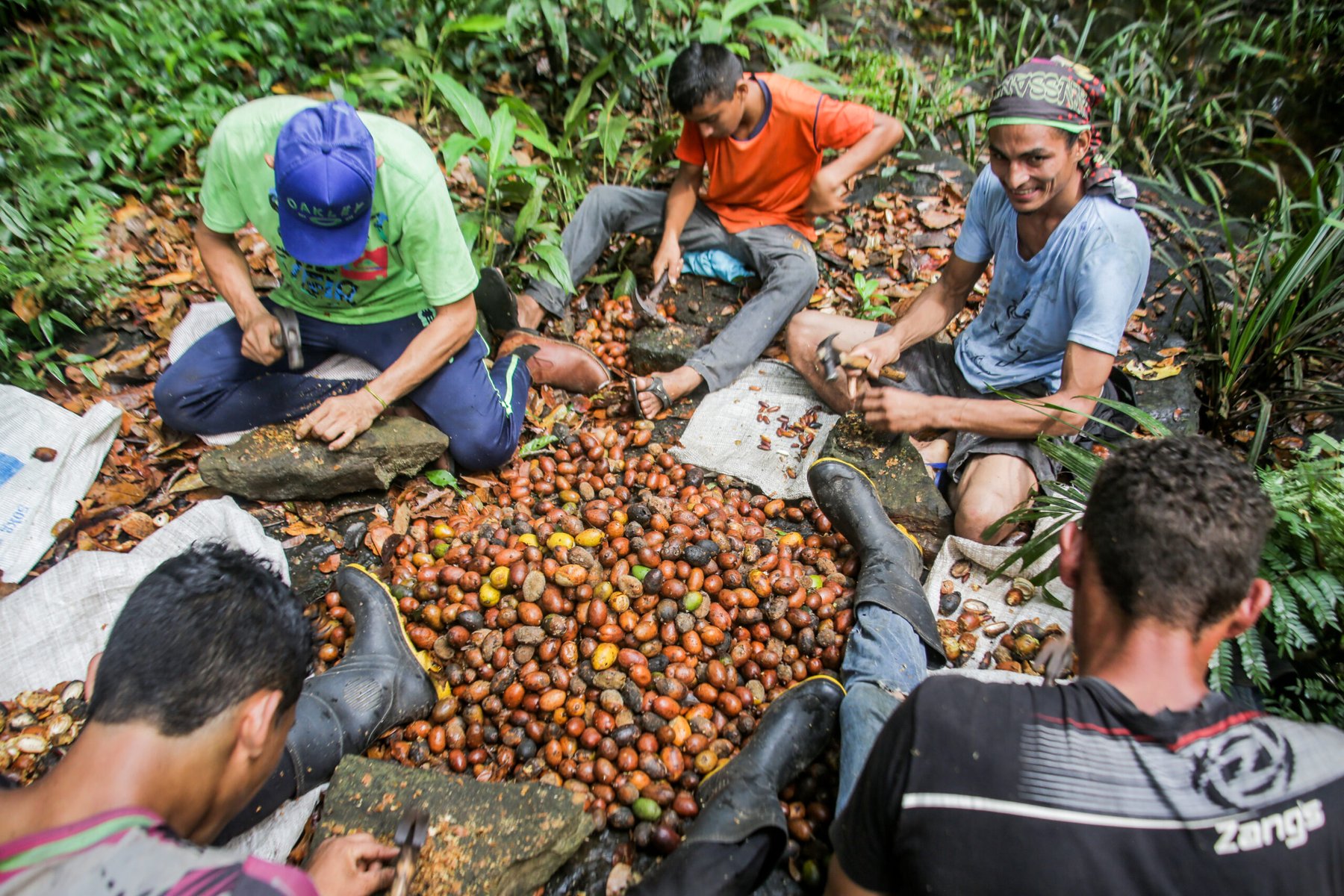
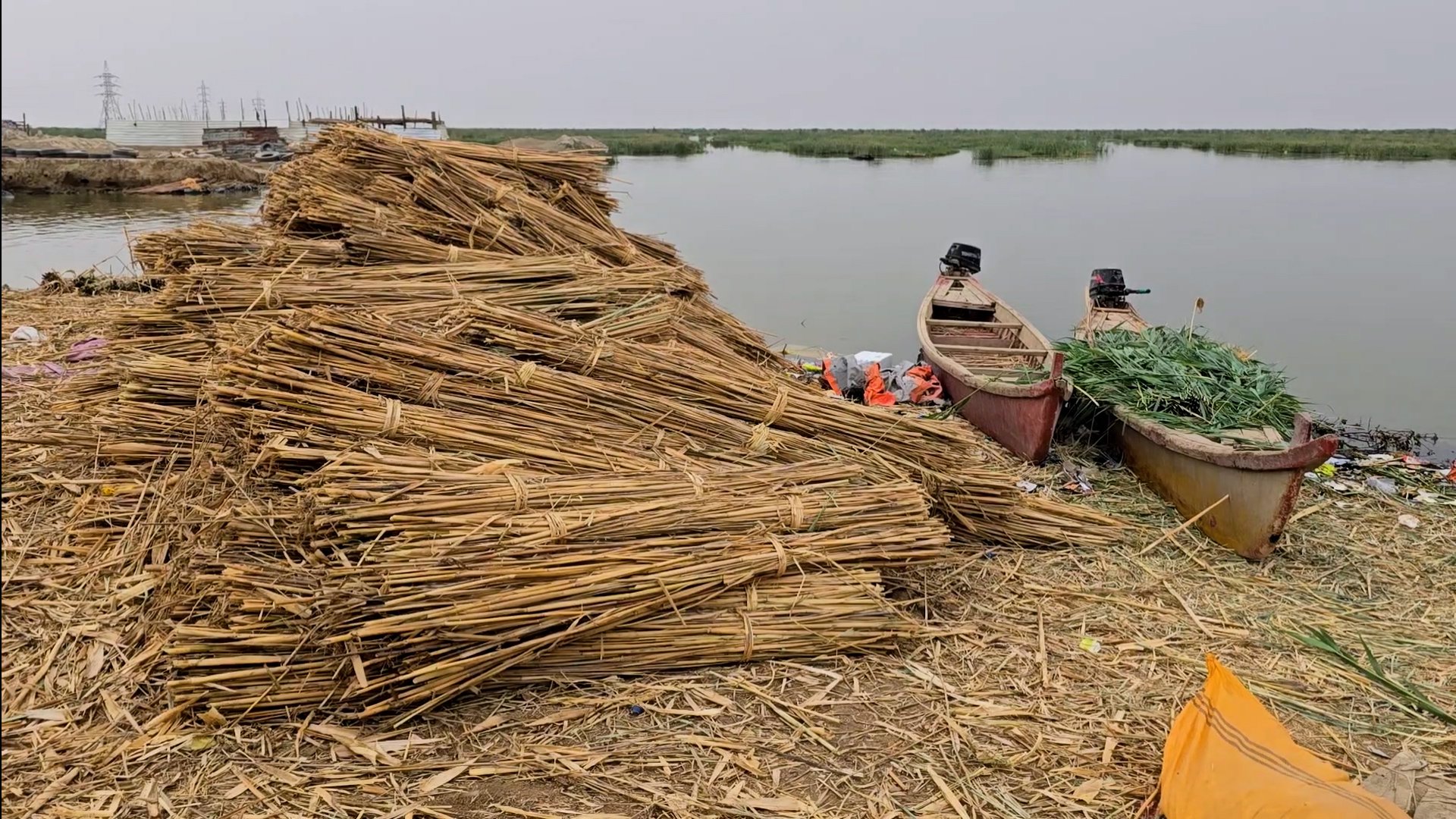
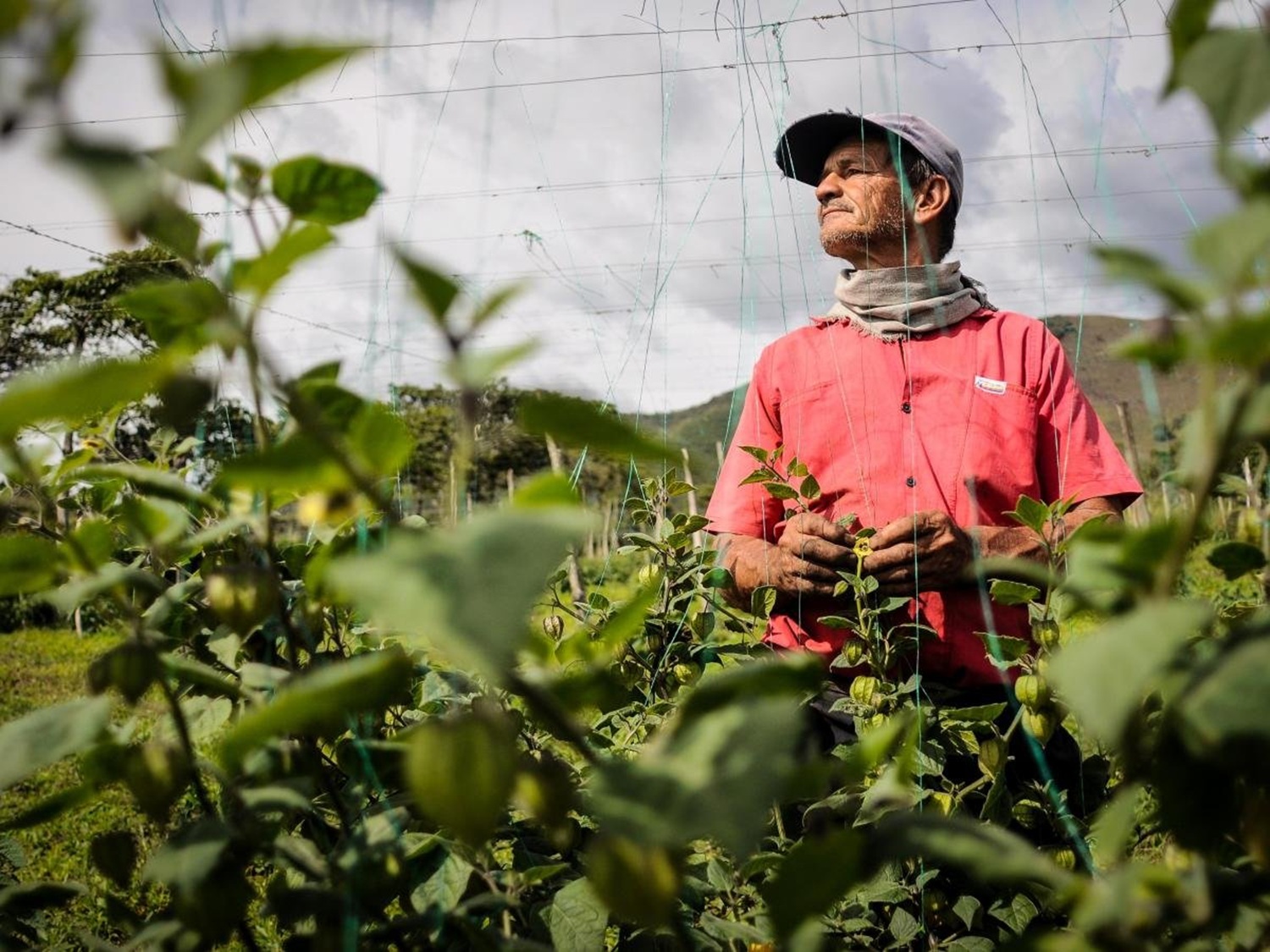
In Sudan’s acacia forests, a resin used and traded since ancient times continues to hold together products used around the world, even as the country itself is torn apart by a devastating humanitarian crisis.
“Sudan’s vast wealth of natural resources should benefit its people,” said UN High Commissioner for Human Rights Volker Türk. “Distressingly, what we are seeing today is anything but that. In fact, this wealth is only serving to undermine human rights and drive conflict, bringing pain and suffering on an enormous scale.”
The briefing paper, Business and Human Rights in Conflict: Gum Arabic from Sudan, describes a value chain marked by longstanding unequal trade relationships and increasingly reshaped by the conflict through control over territory, trade routes and commodities.
According to the report, as the cost of sustaining military operations has increased, both sides in the conflict have become increasingly dependent on revenues generated through territorial control, natural resources and the movement of goods along key trade corridors.
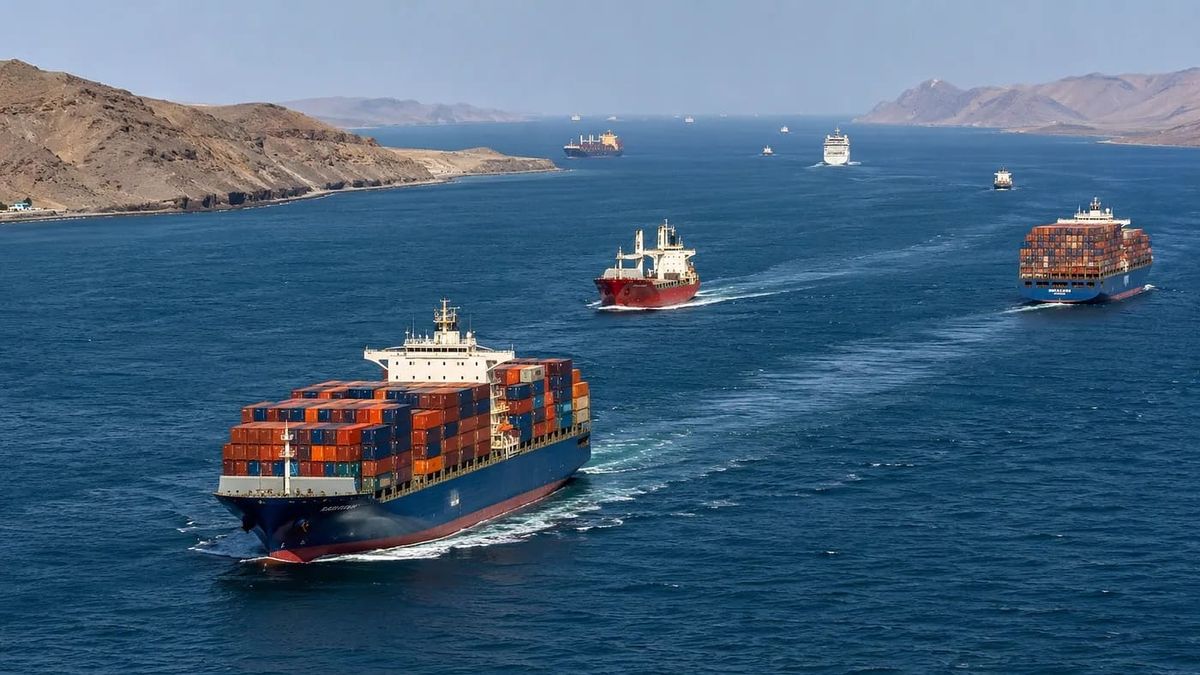
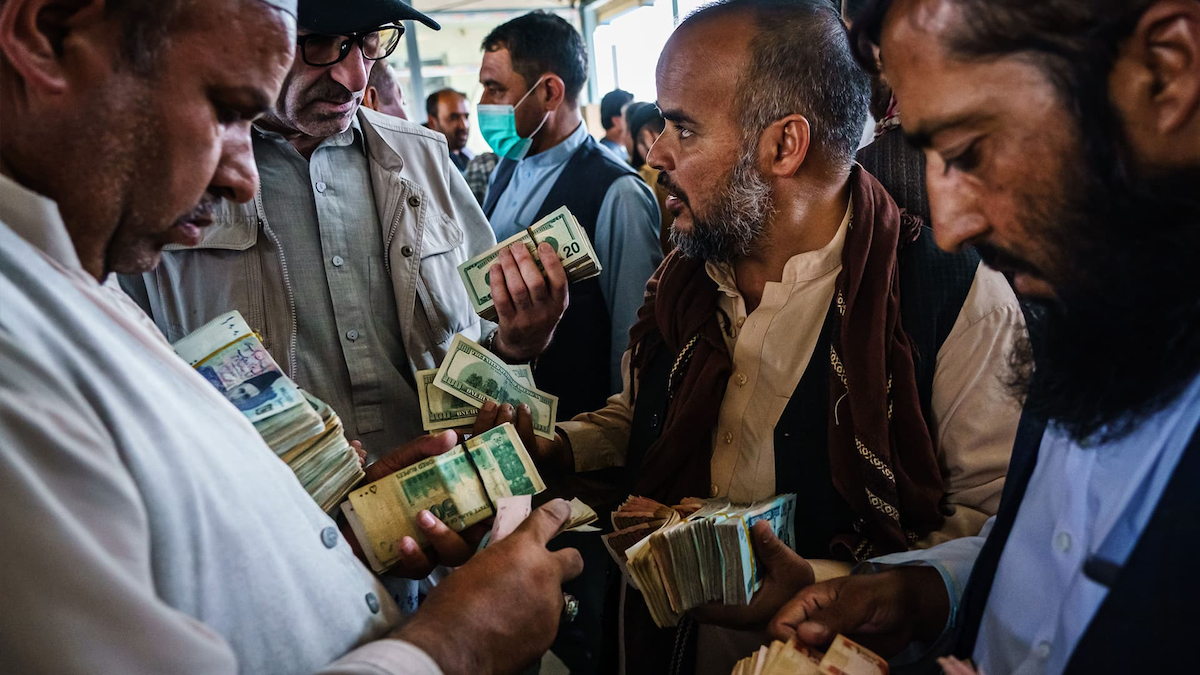
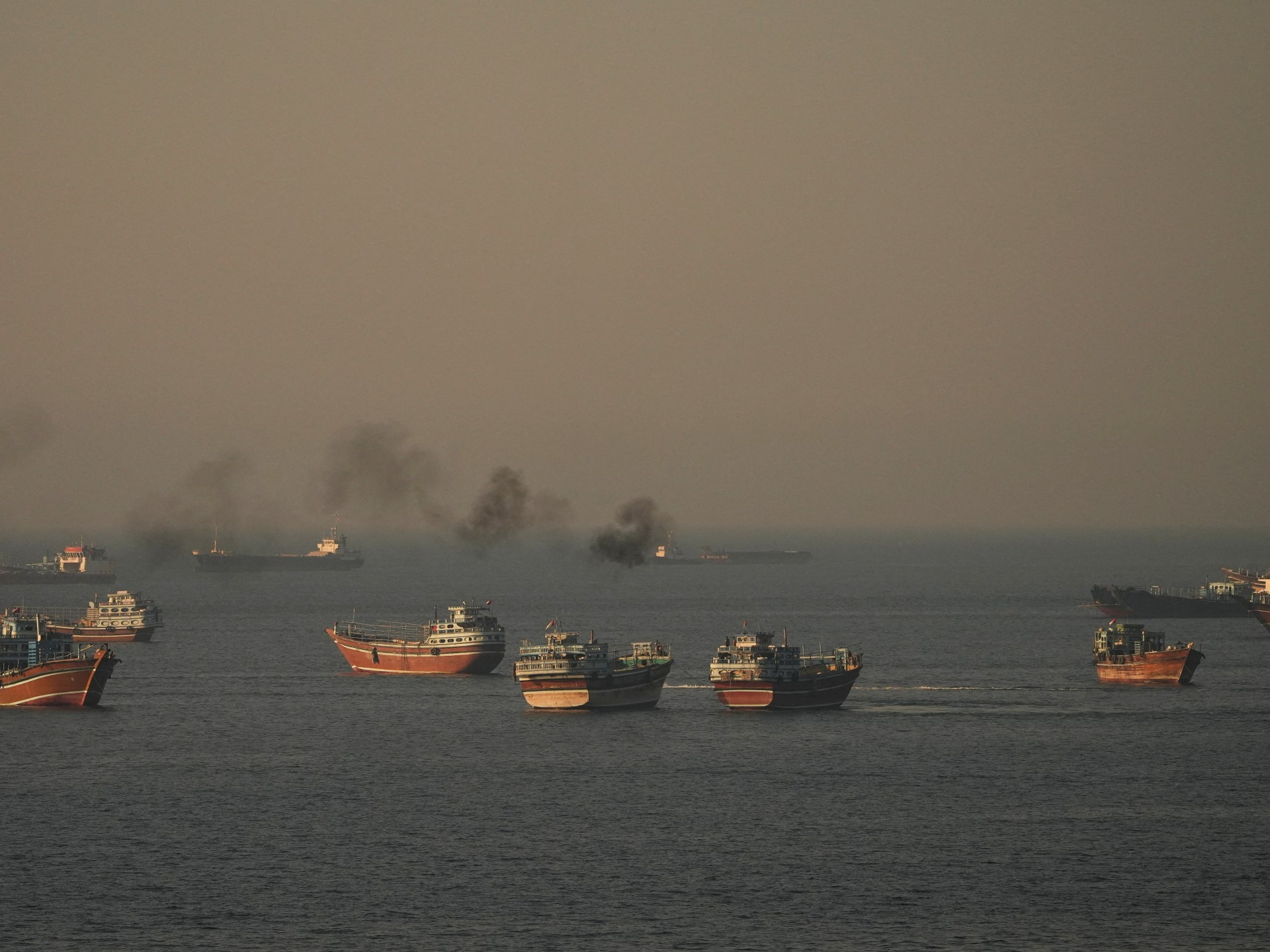
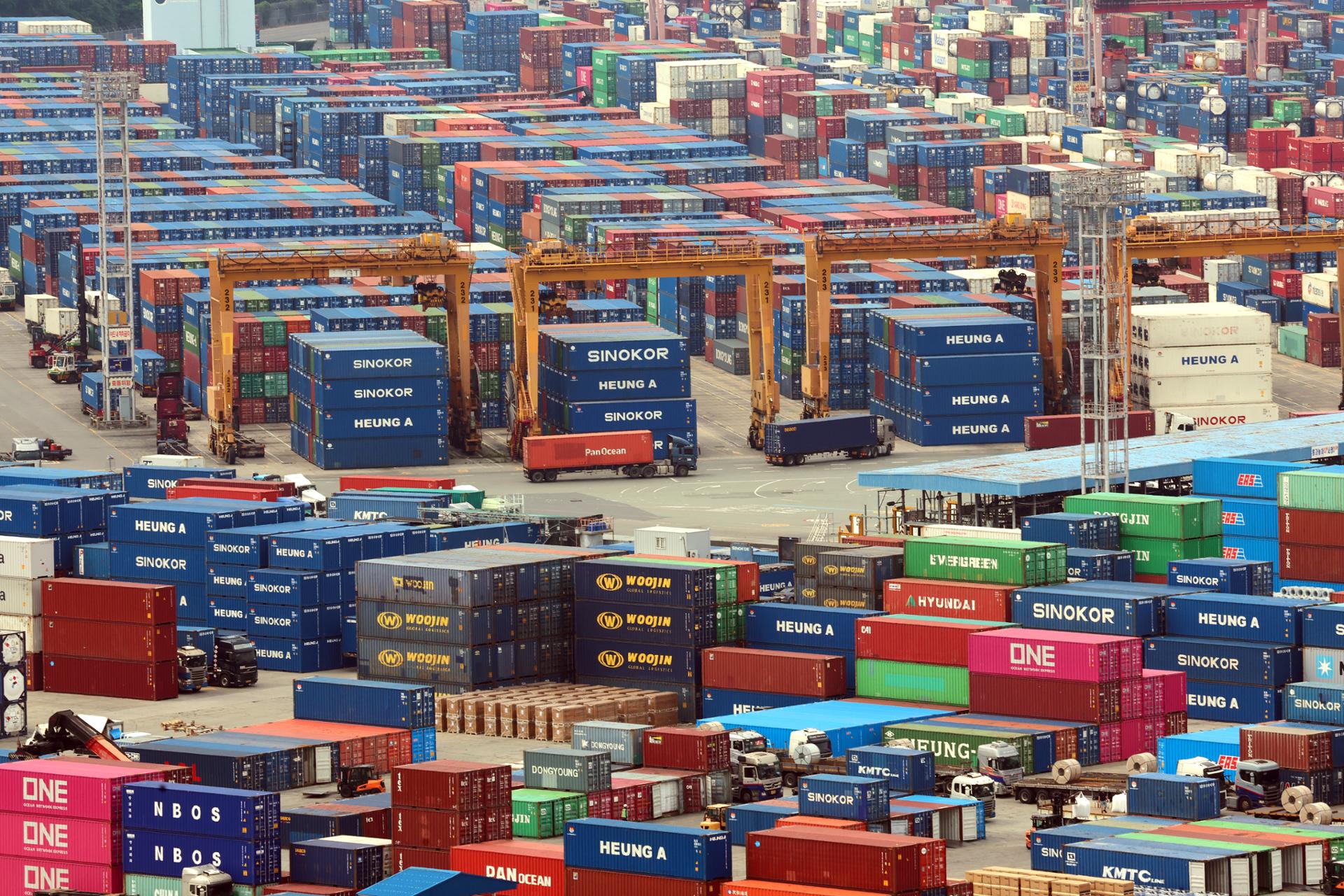
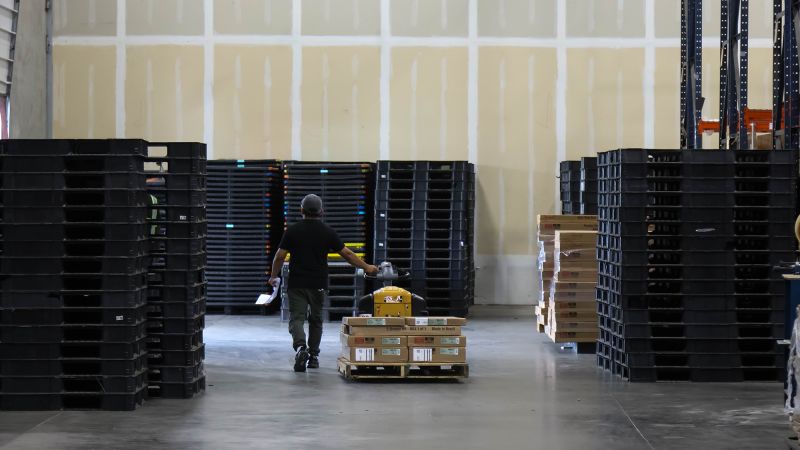
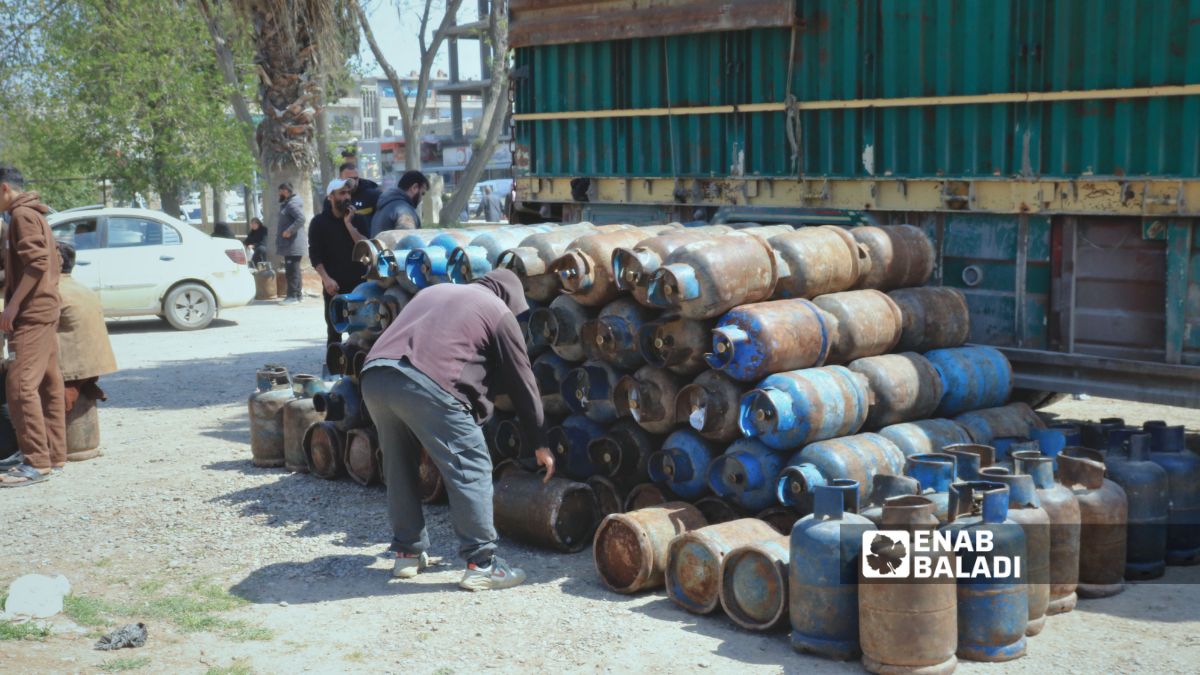
Many industries, including the food and beverage, pharmaceutical and cosmetics sectors, continue to rely heavily on Sudanese gum arabic. The report warns that much of Sudan’s gum arabic originates in conflict-affected areas controlled by armed actors, where serious human rights violations and abuses have been documented. It reported how the Rapid Support forces (RSF) has benefited from looted gum arabic, charges imposed on traders and control over key cross-border routes. It also shows how traders moving through SAF-controlled areas face layers of checkpoints and formal and informal charges, increasing costs and disrupting trade.
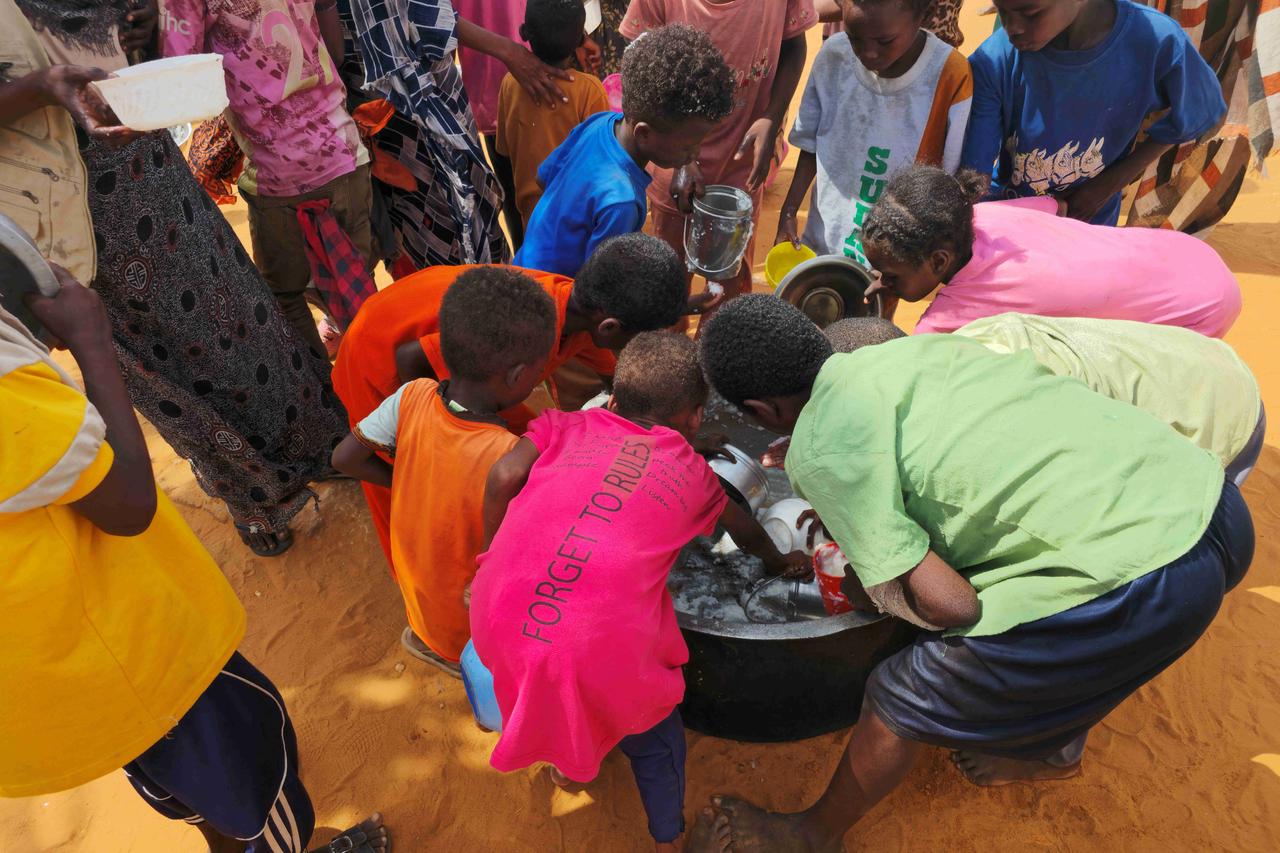
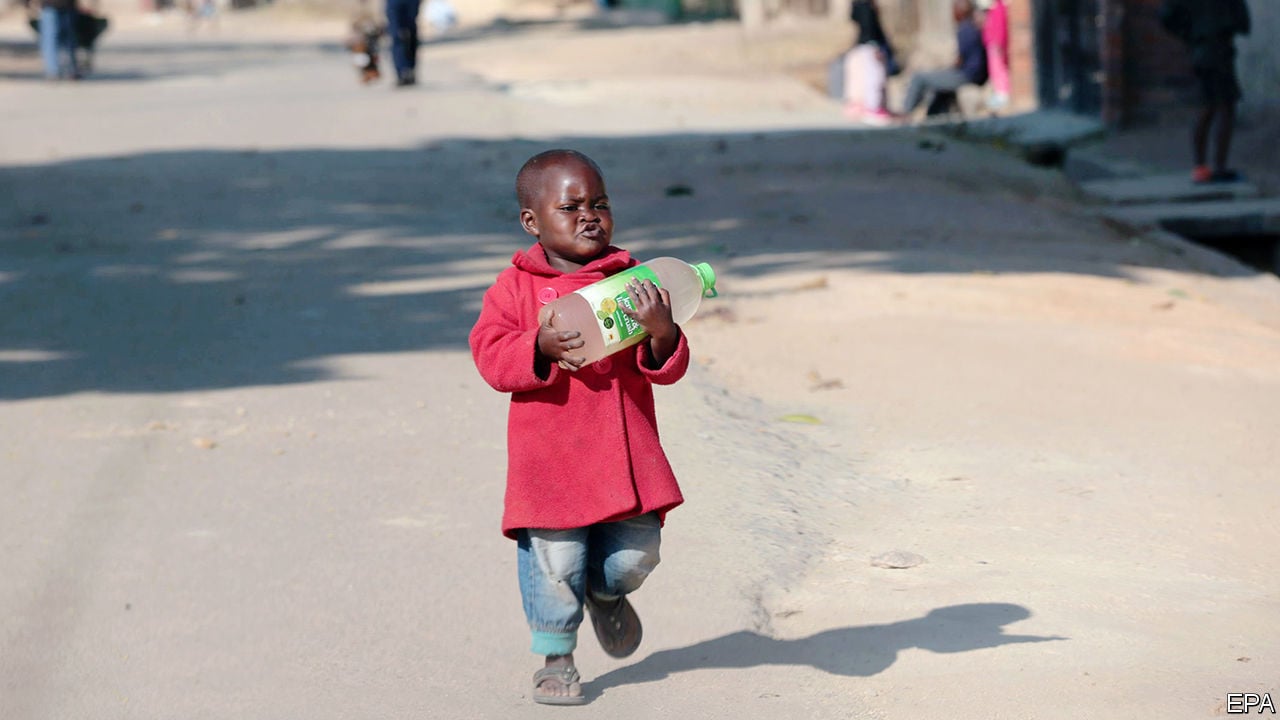
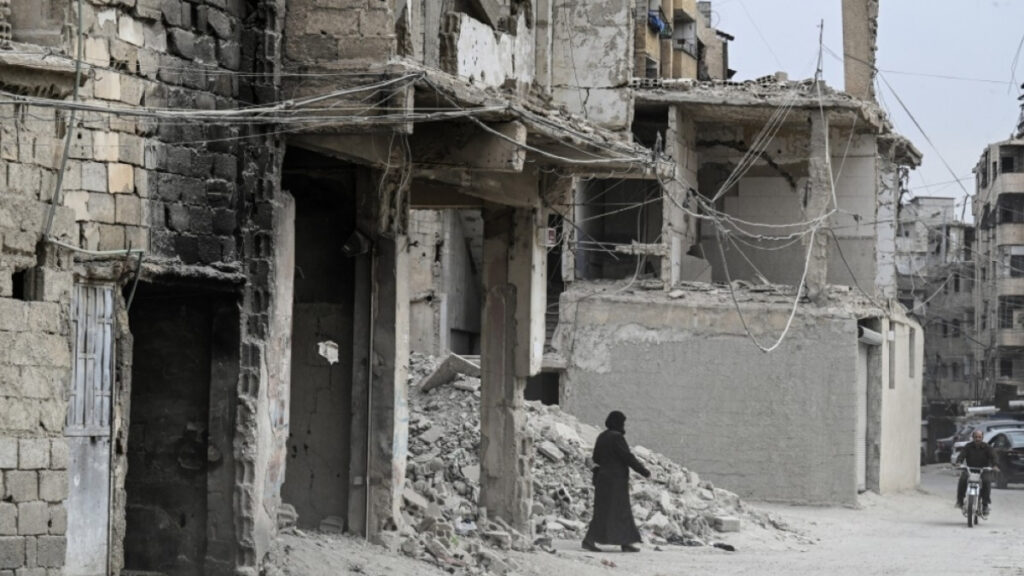
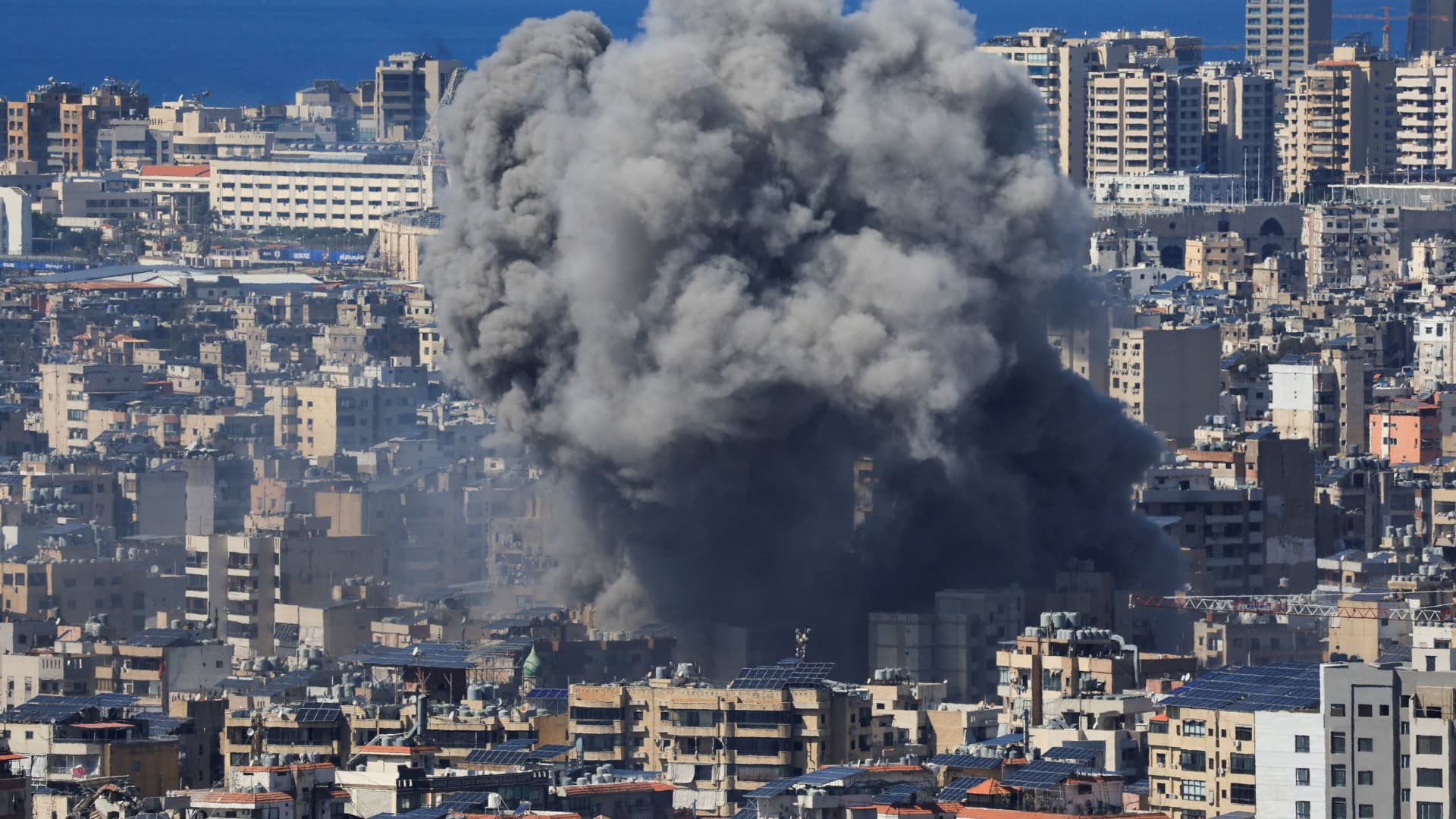
Now in its fourth year, the conflict has displaced nearly 15 million people and left millions without adequate access to essential services amid the collapse or severe disruotion of health, water and education systems across large parts of the country. Both the Sudanese Armed Forces and the RSF have repeatedly shown disregard for international humanitarian and human rights law.
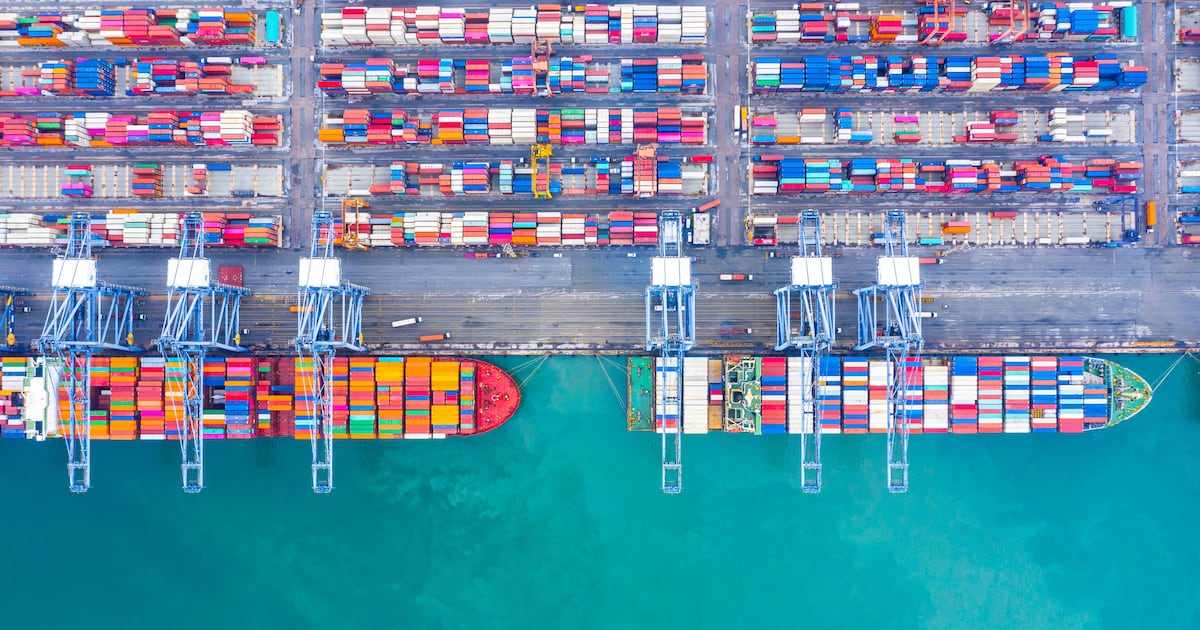
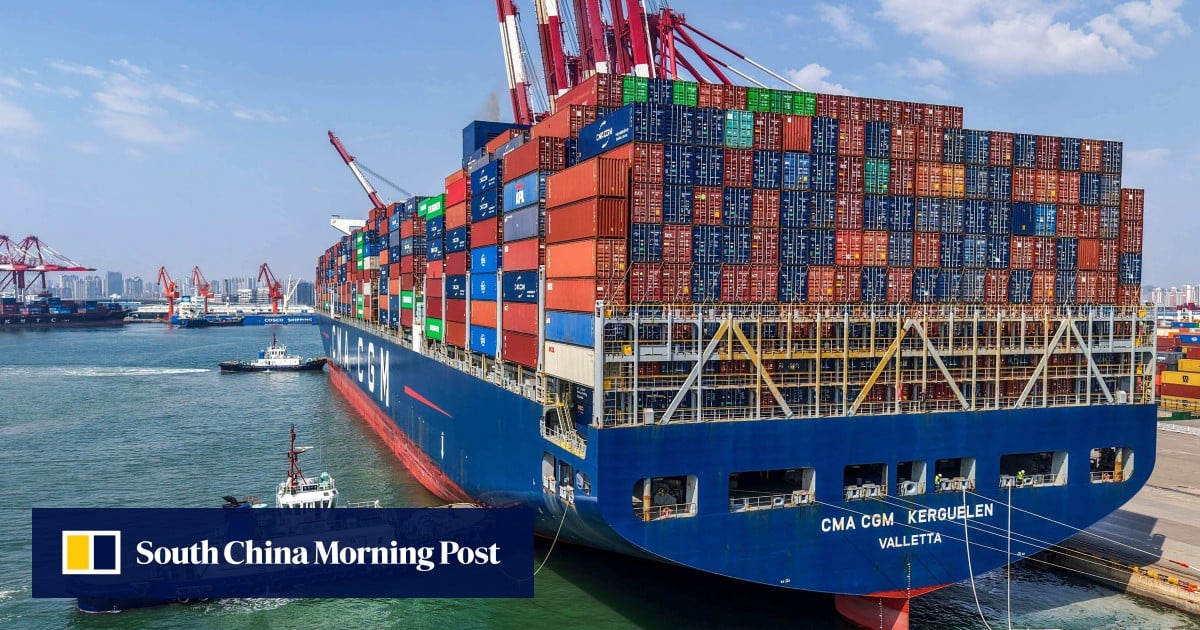
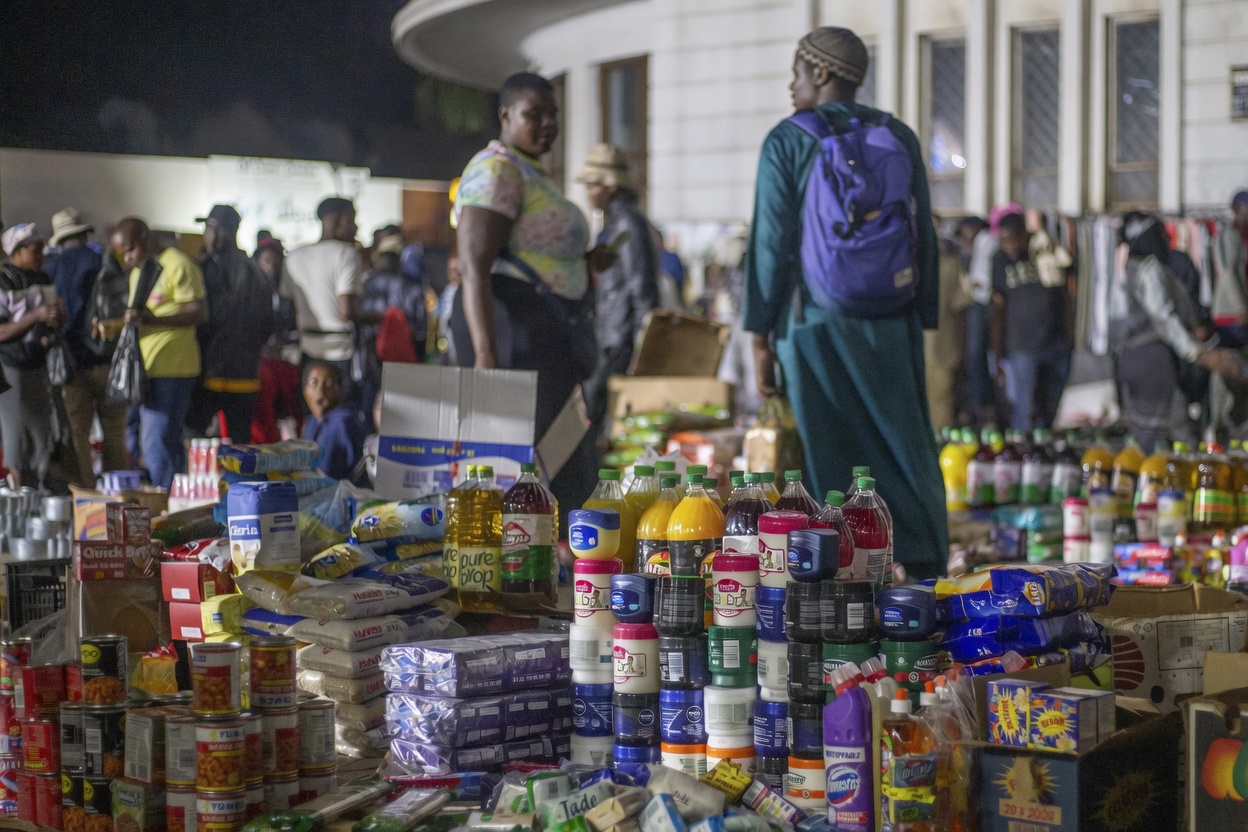
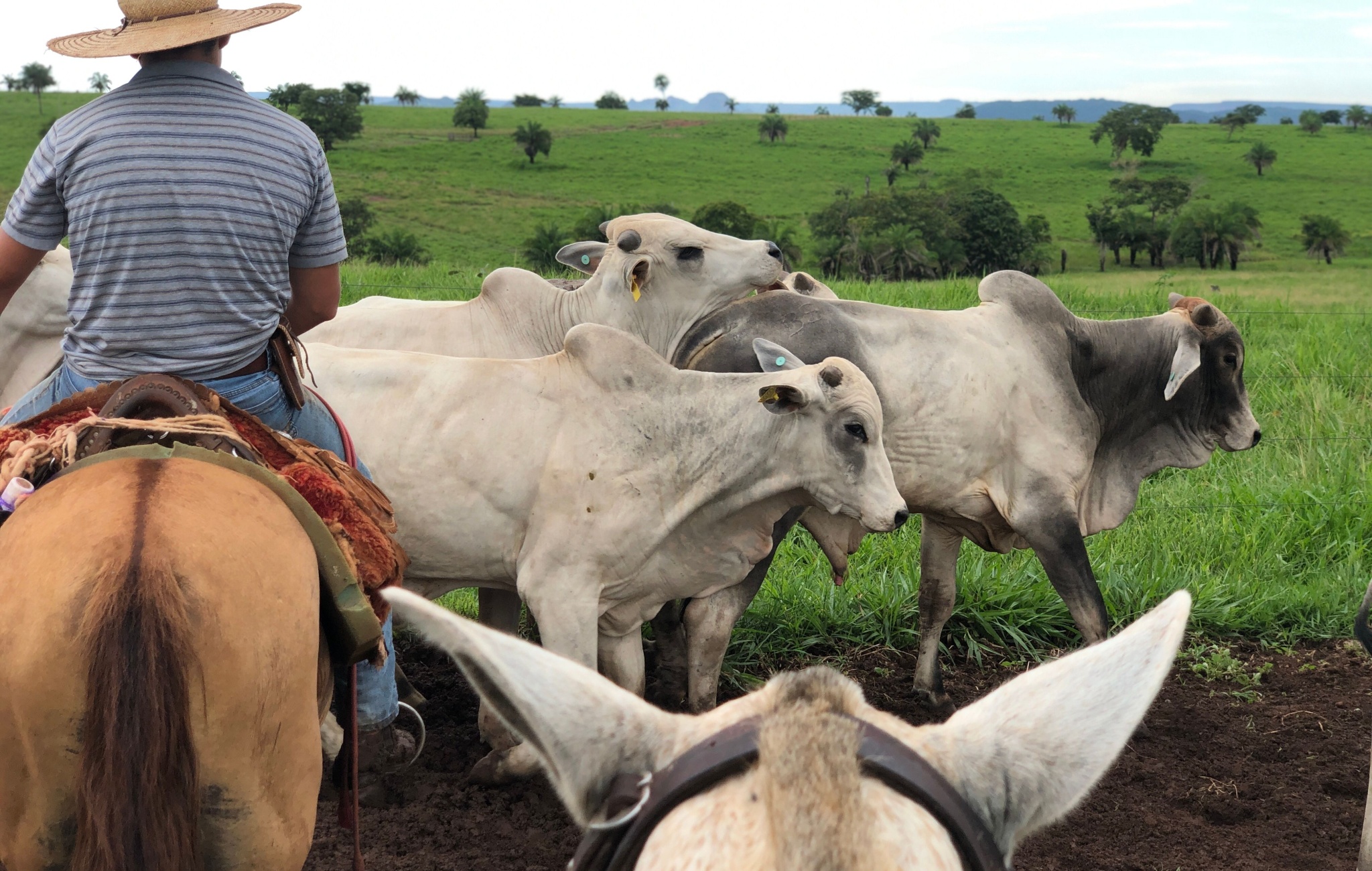
Beyond external military support and arms transfers, the report says the warring parties have increasingly relied on domestic sources of revenue. Gold, livestock, gum arabic and other agricultural commodities have become part of Sudan’s war economy through their extraction, transport and export, as well as through formal and informal payments imposed along trade routes.
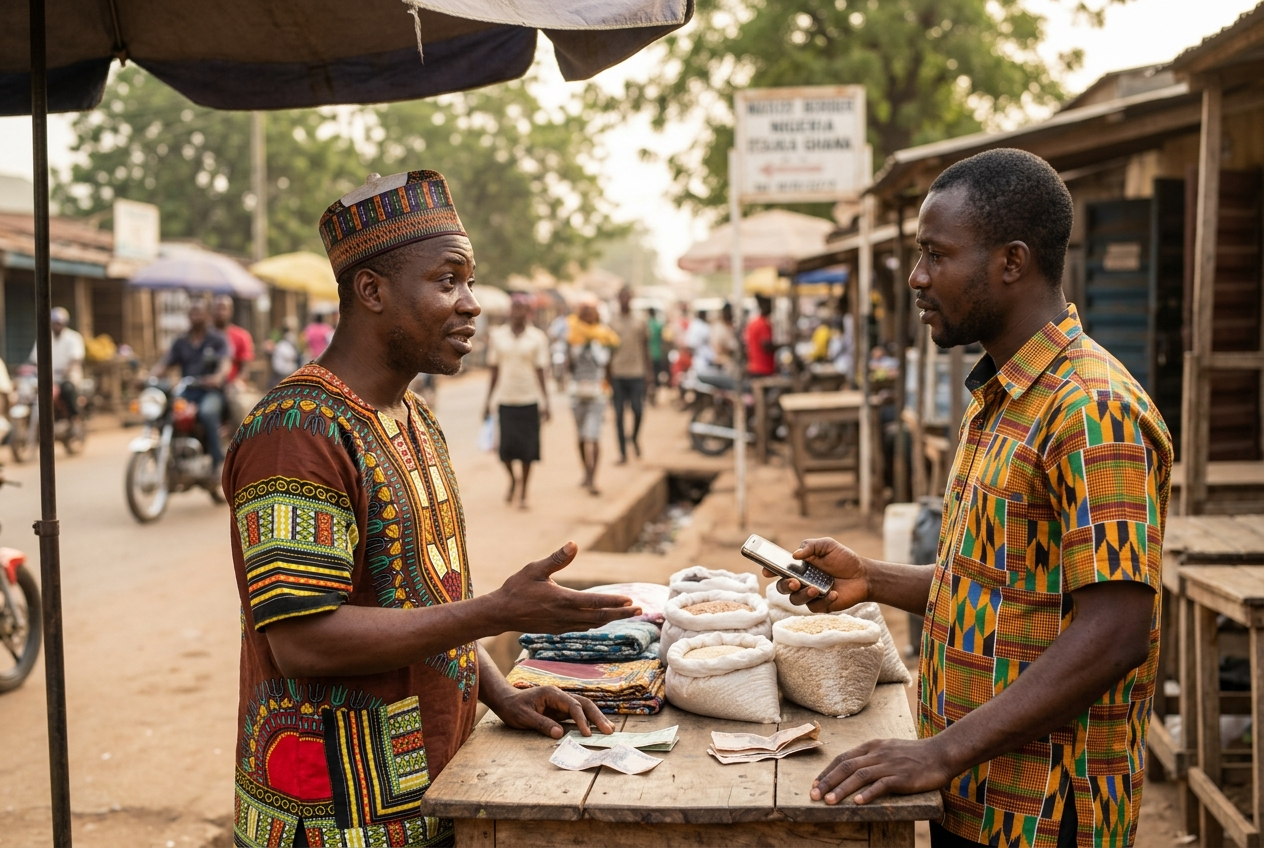
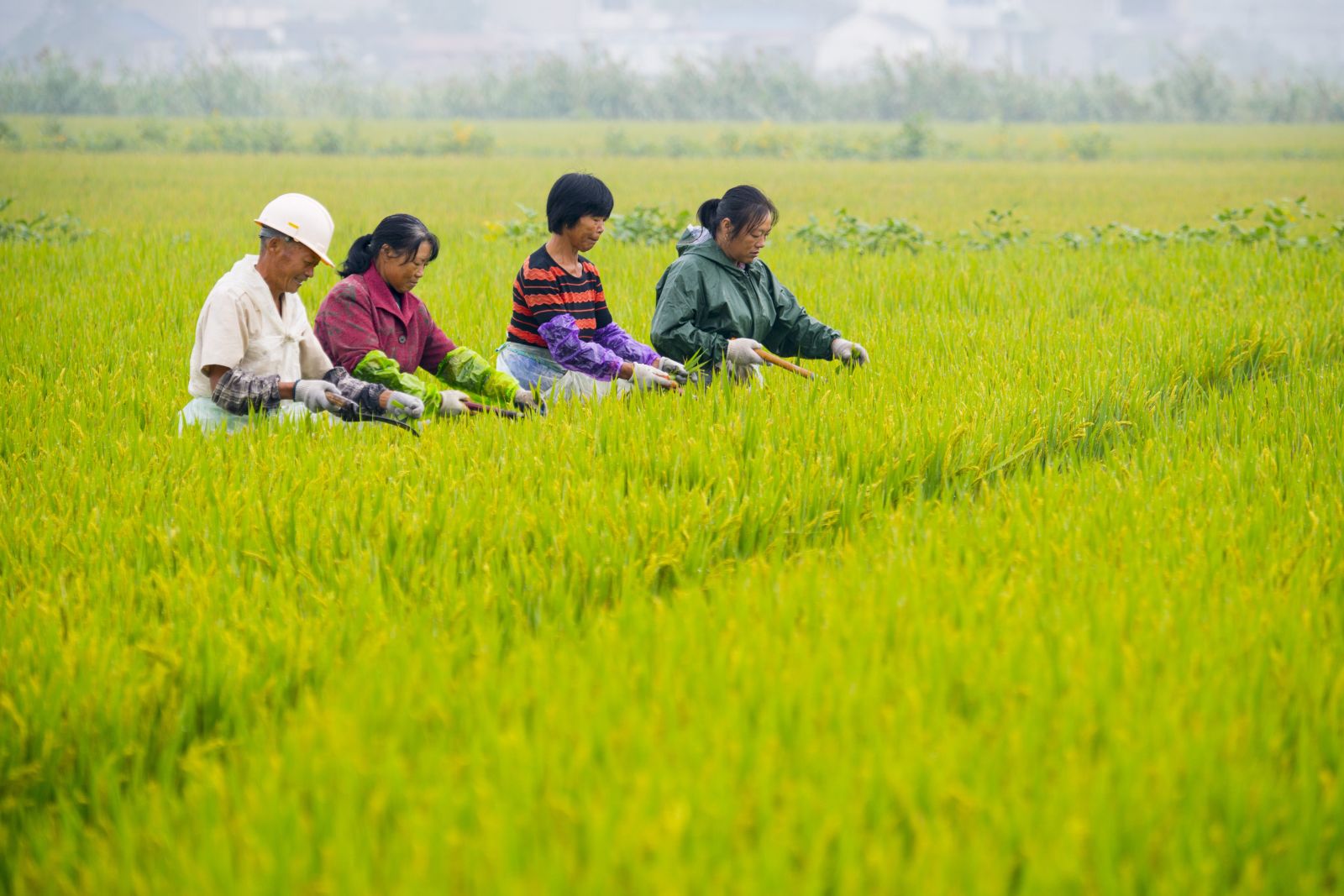
The report also examines the human rights risks associated with sourcing gum arabic from a conflict-affected country. Farmers and others working throughout the value chain face insecurity, restrictions on movement and severe disruptions to trade, threatening both livelihoods and access to markets.
It further highlights longstanding weaknesses in economic governance and the influence of security actors over markets and trade, problems that have been significantly worsened by the conflict.