War in the Middle East drags on, while Ukraine’s fortunes are improving despite Mr. Putin’s ongoing assault on Ukrainian sovereignty. Meanwhile, a great deal of energy is focused on China’s behavior in the western Pacific and the threat it poses both to global peace and security and to the free people of Taiwan.
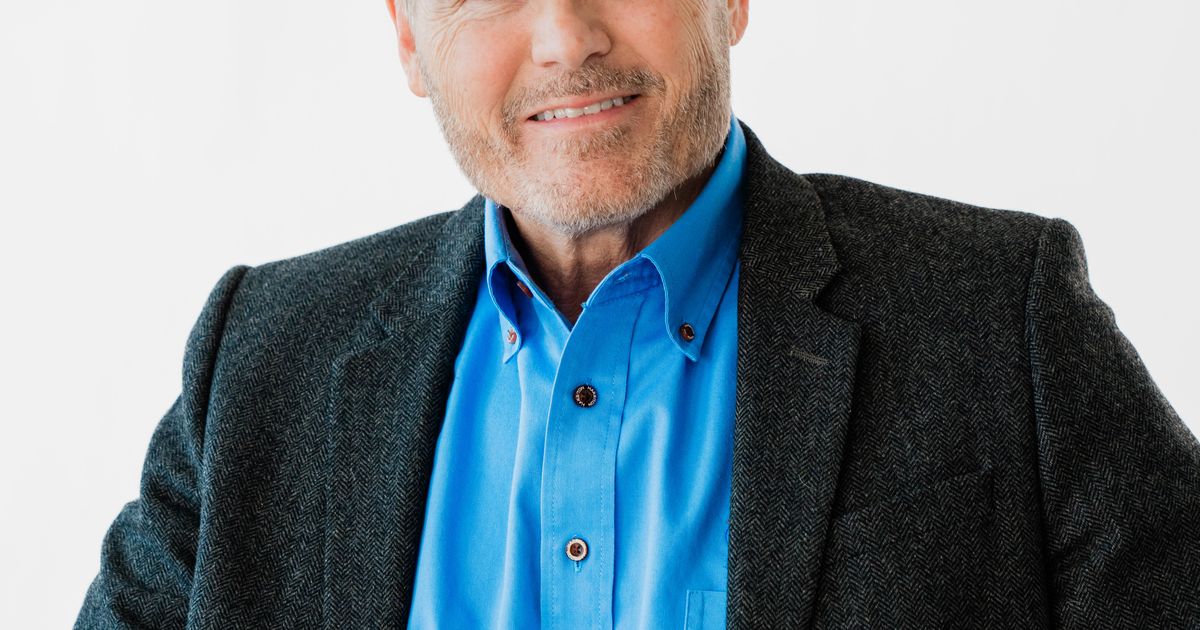
Taiwan’s open economy, vibrant democracy, and commitment to its national sovereignty through robust defense stand as a beacon in the Indo-Pacific. Like-minded countries, like the United States, can and should continue to support Taiwan through relationships underpinned by mutual interest and shared trust. Trust is the glue that binds people and nations together, and it is the foundation of our bilateral relationship. As USTBC Chairman Keith Krach has noted, “Trust is the most important word in any language. You buy from people you trust. You partner with people you trust. You do business with people you trust.”
TAIWAN & TECHNOLOGY
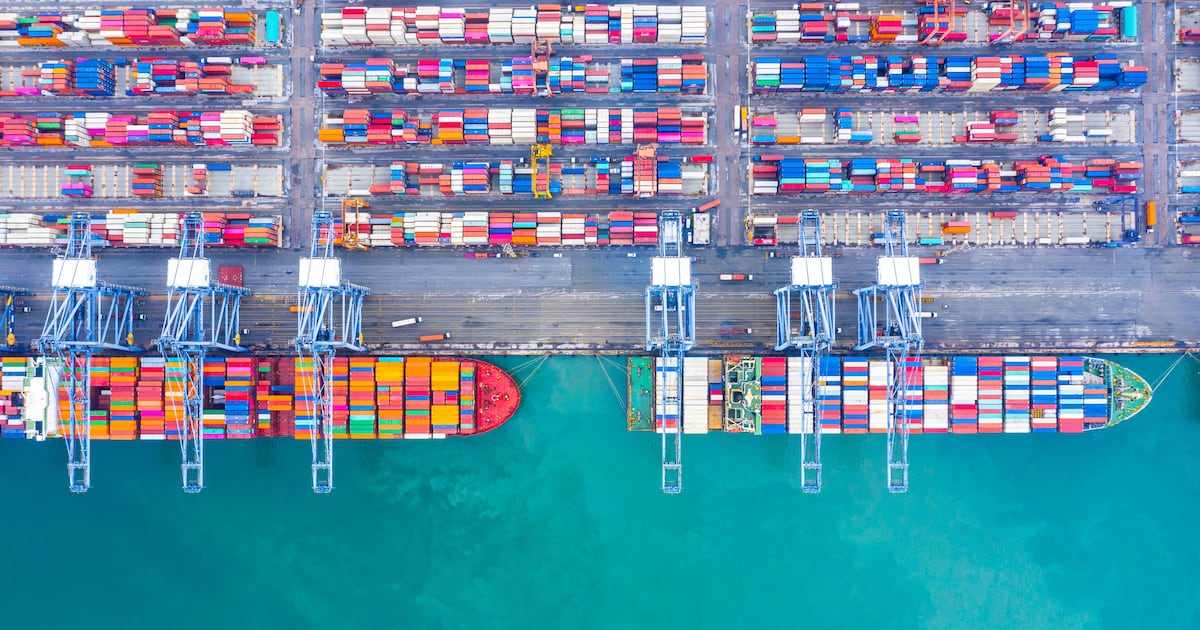
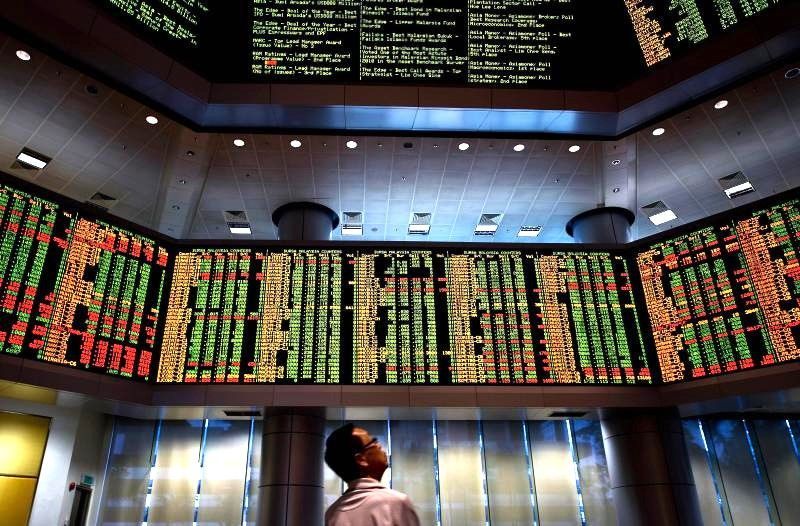
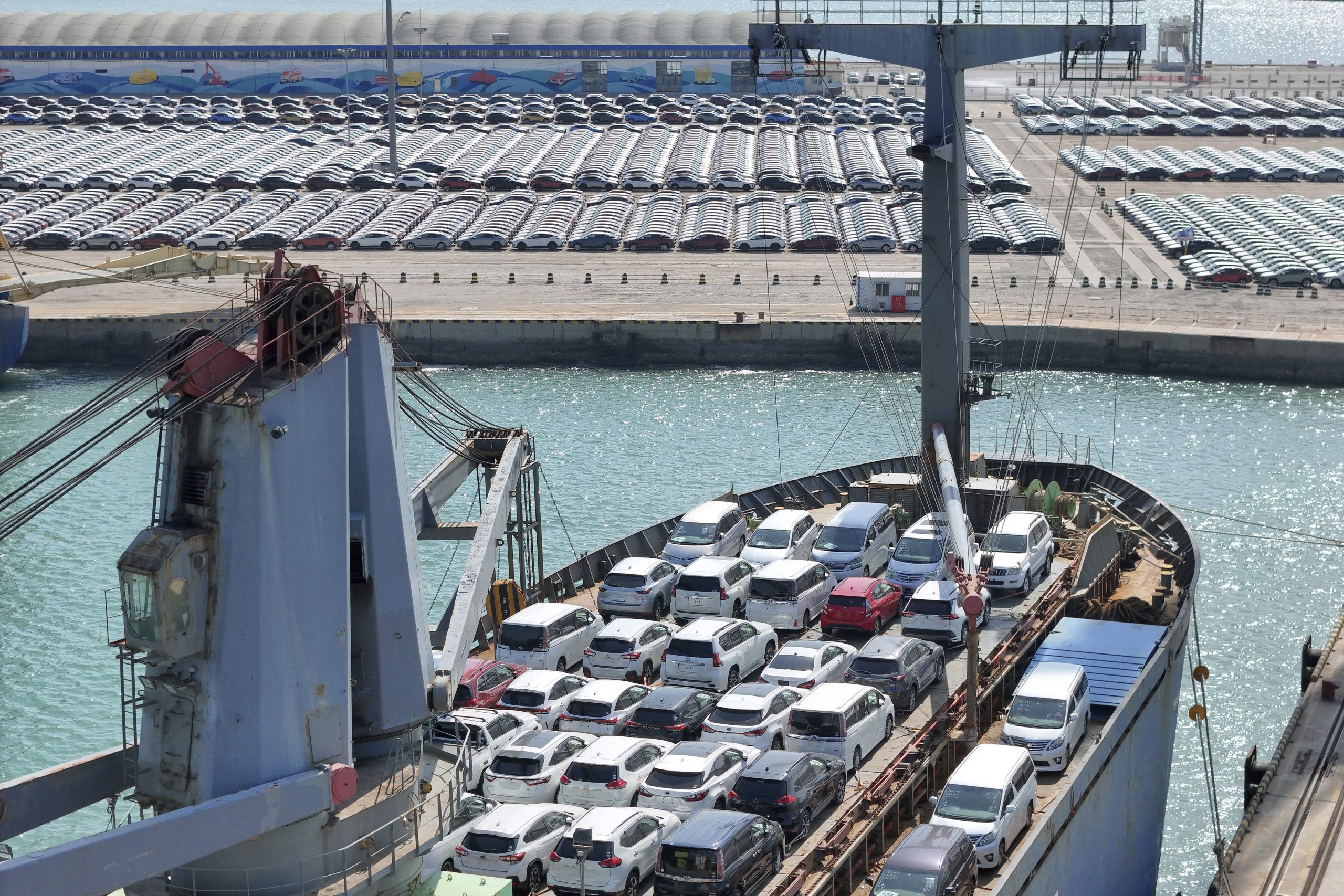
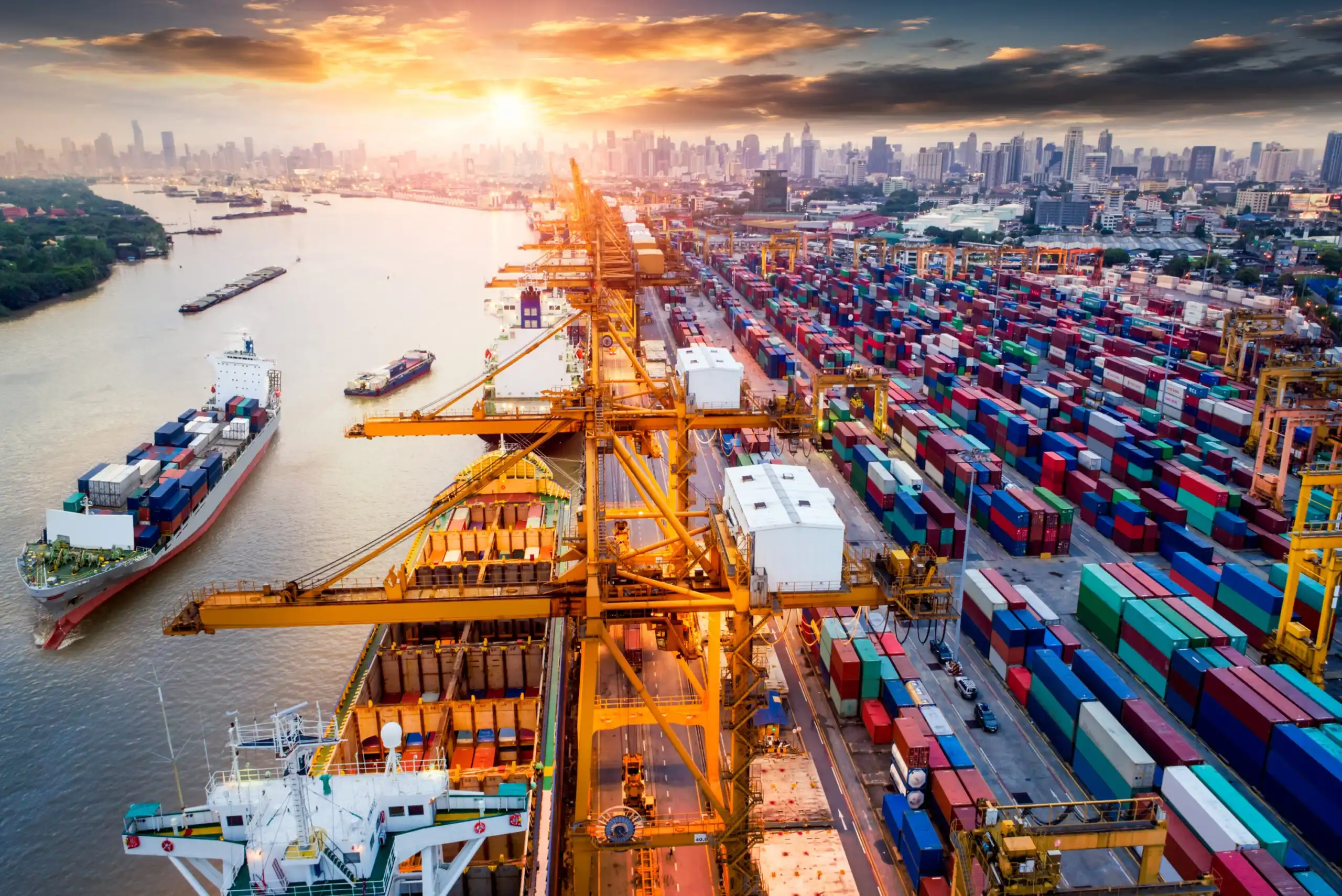
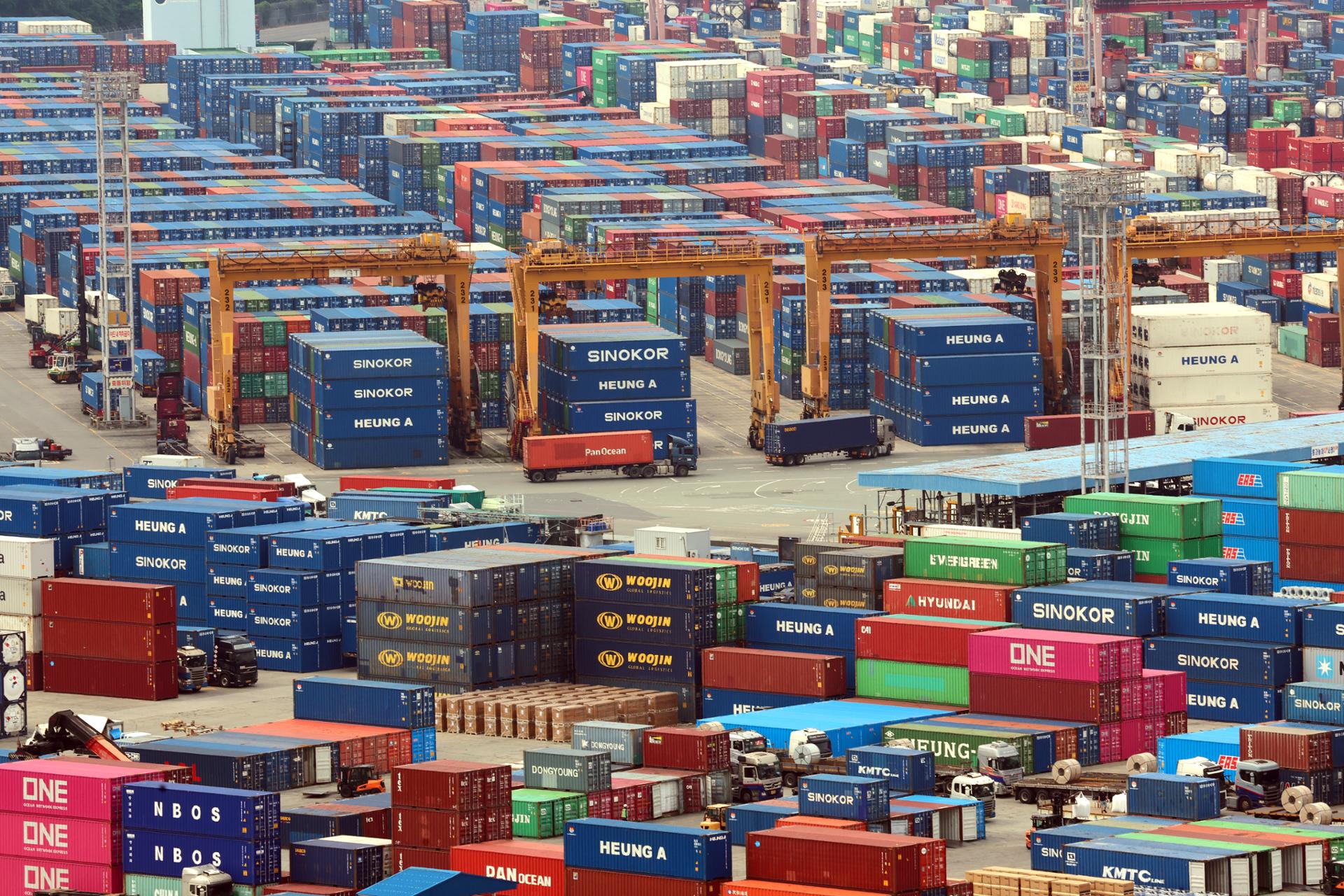
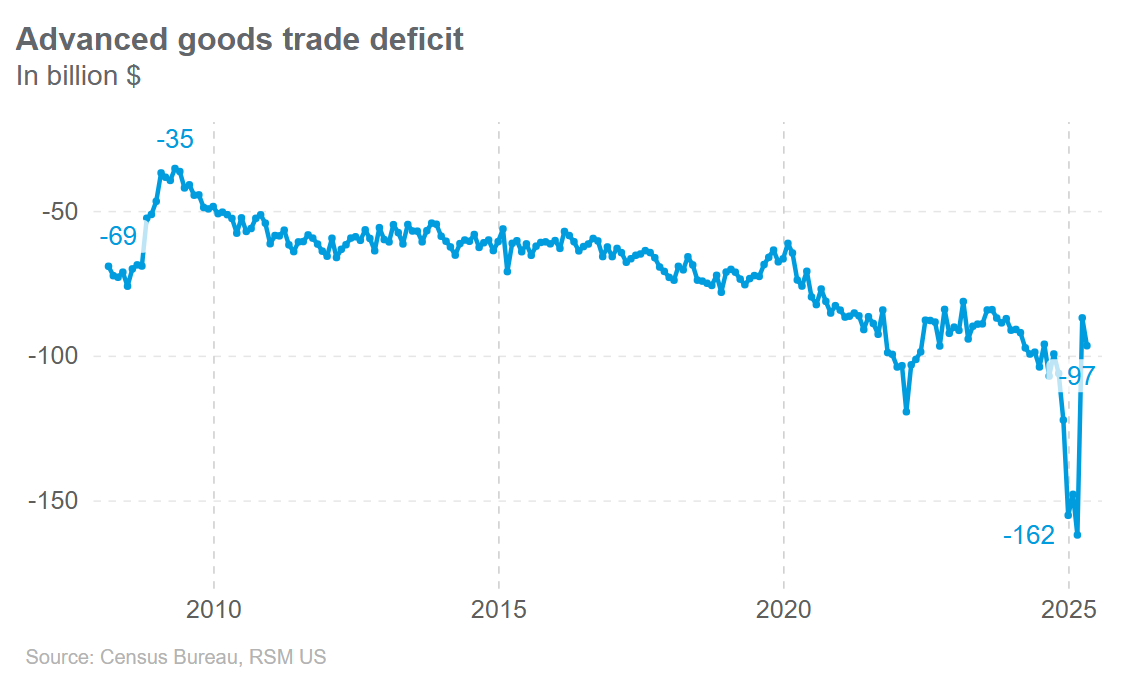
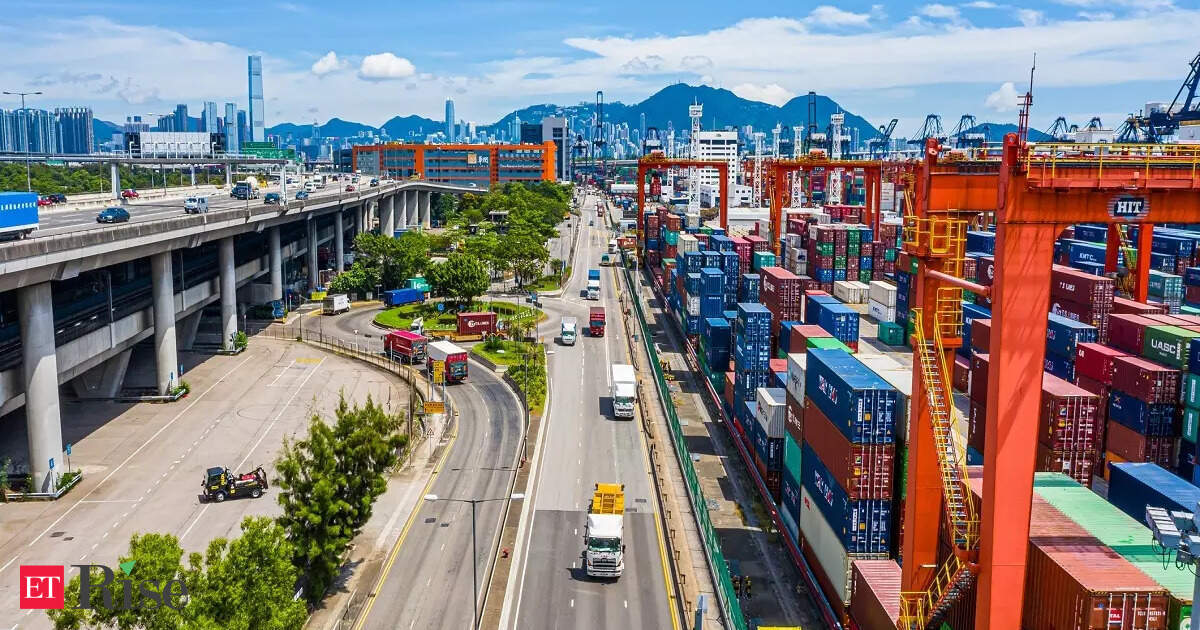
Taiwan continues to climb the rankings of the United States’ largest goods trading partners, rising from 8th in 2022 to 4th in 2025, behind only China, Canada, and Mexico. Over the first five months of 2026, Taiwan ranked as the 3rd largest US trading partner — surpassing China for the first time since 1992 — with exports to the US topping US$116.1 billion. May 2026 year-on-year growth was almost 50 percent, likely driving Taiwan to record exports to the US this year and unfortunately causing the bilateral trade deficit to further expand.
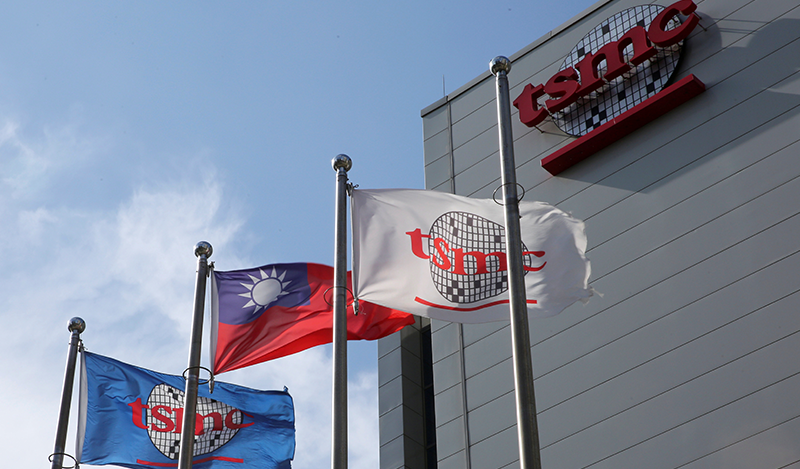
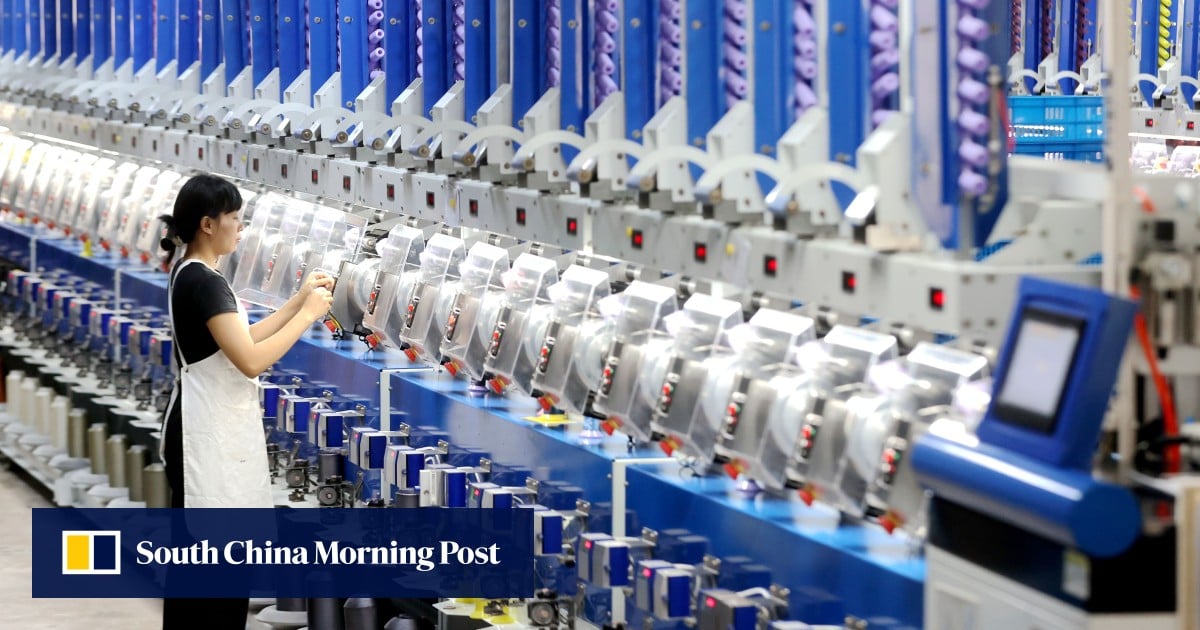
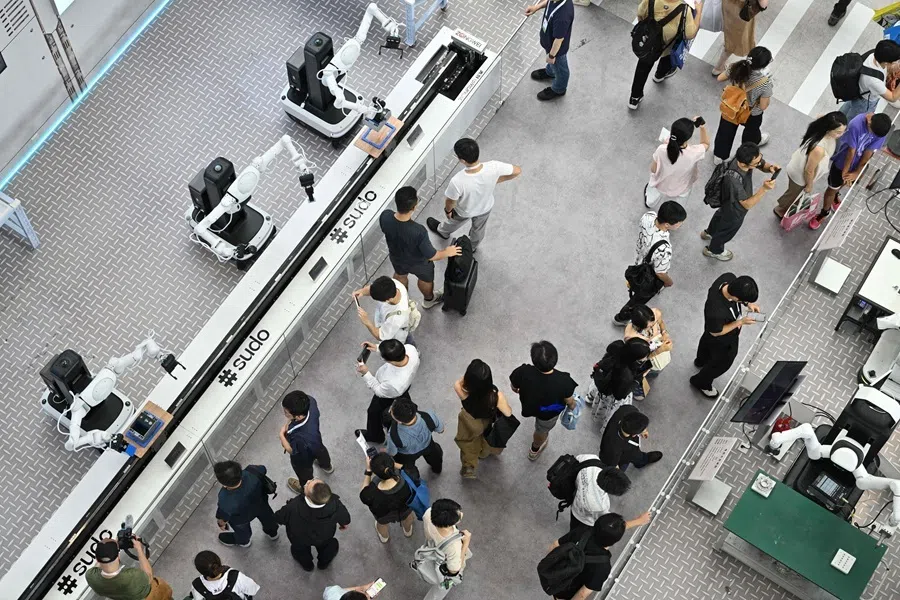
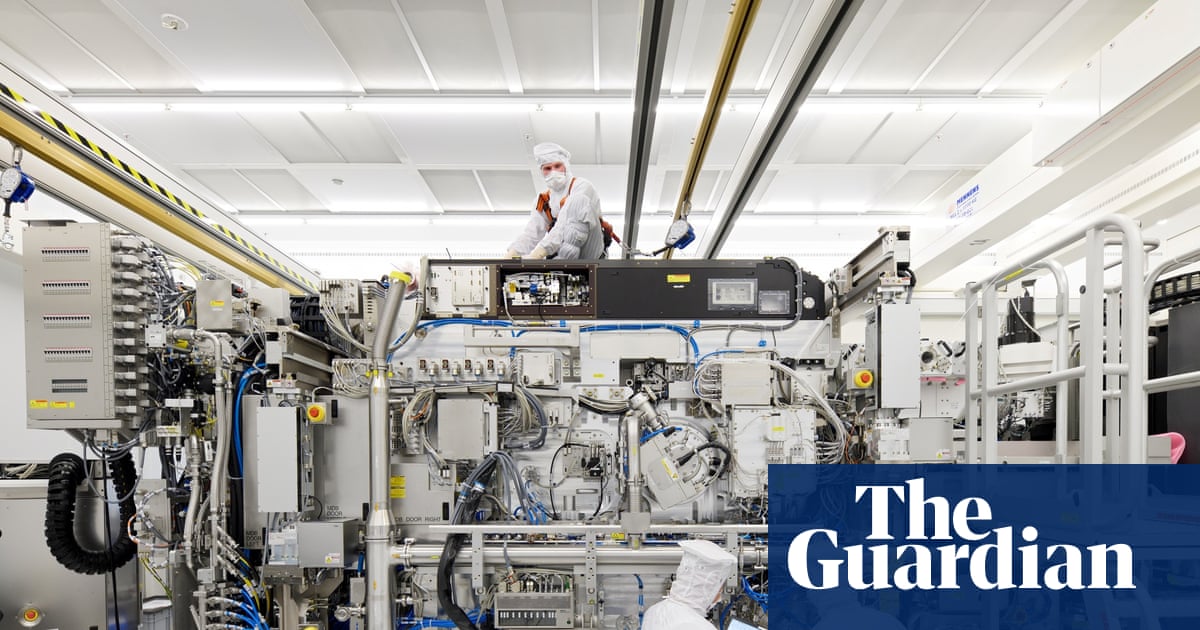
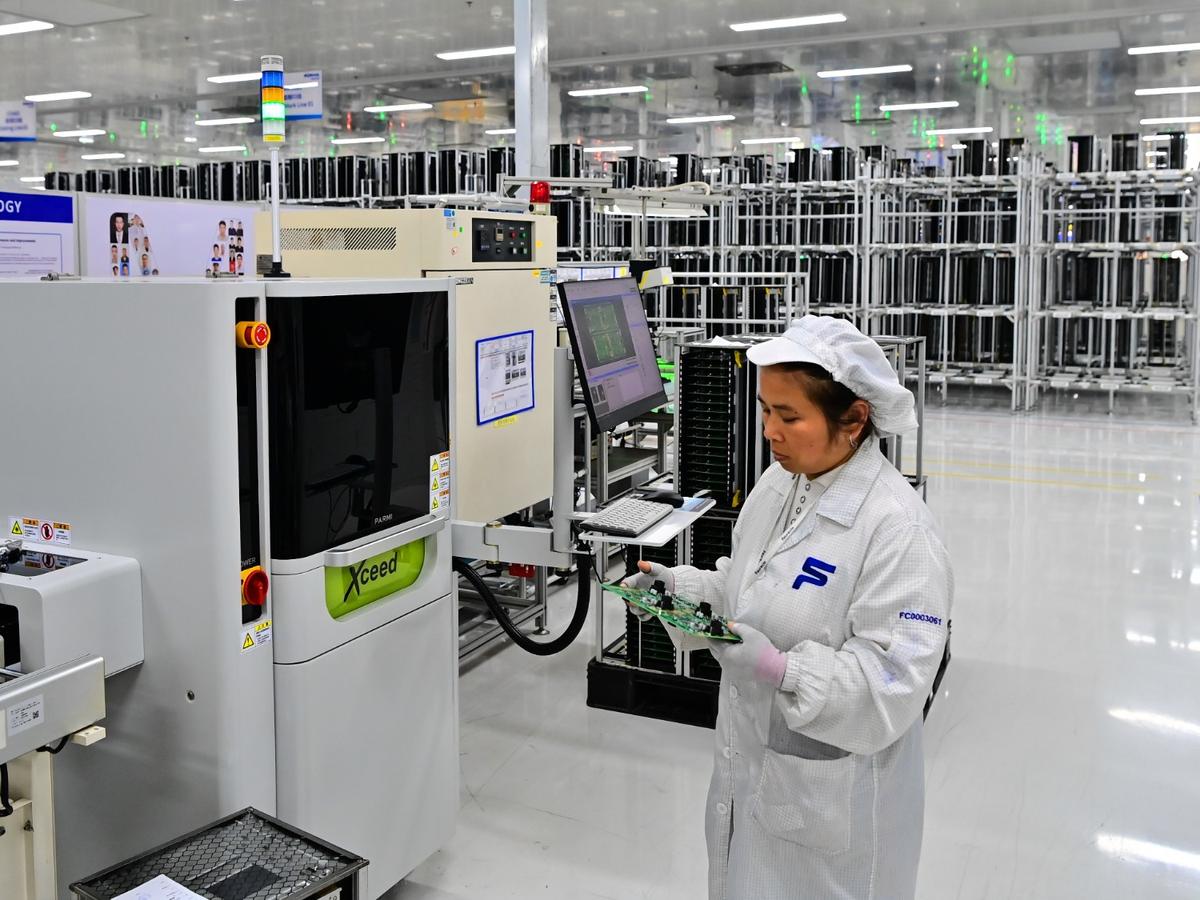
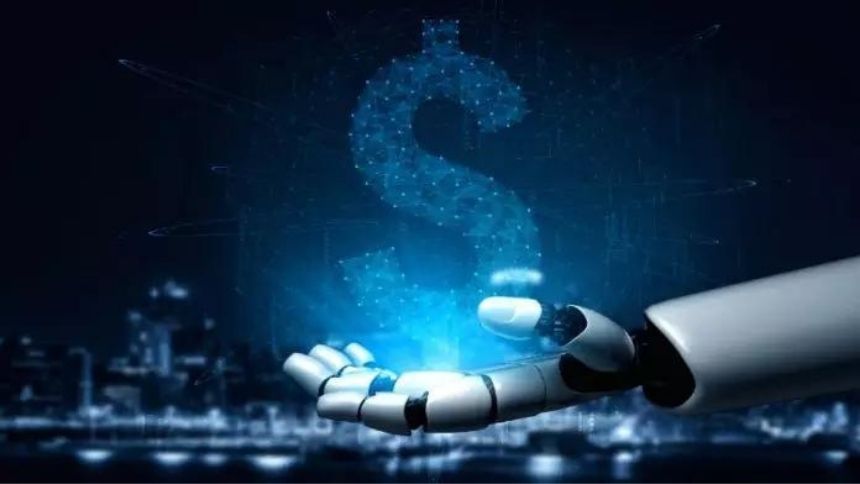
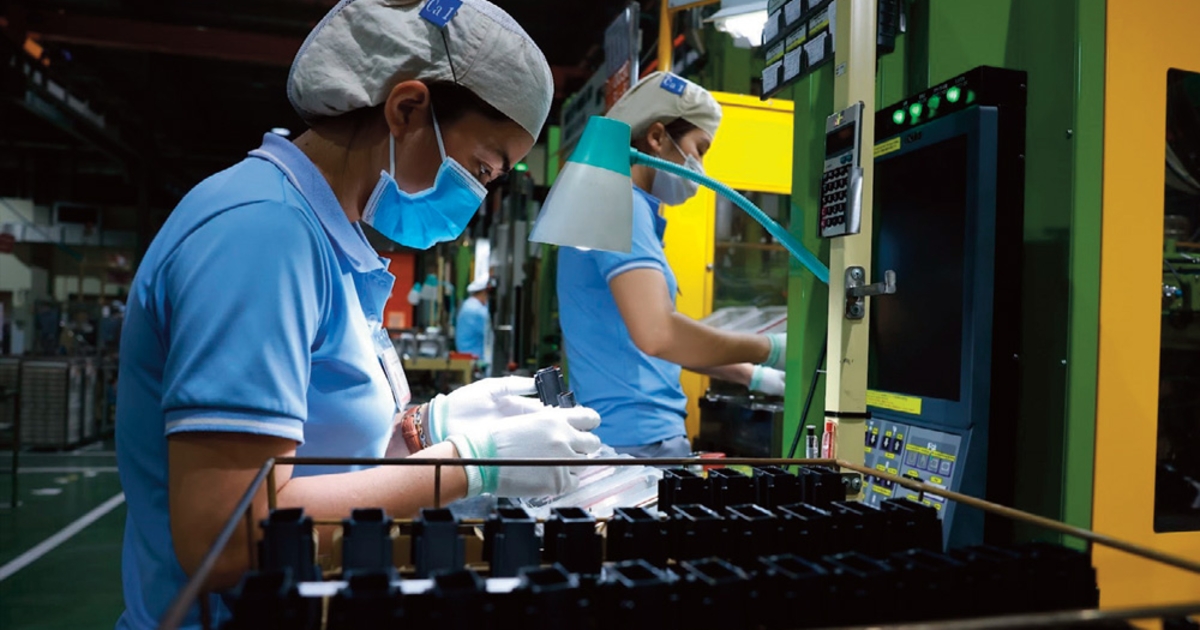
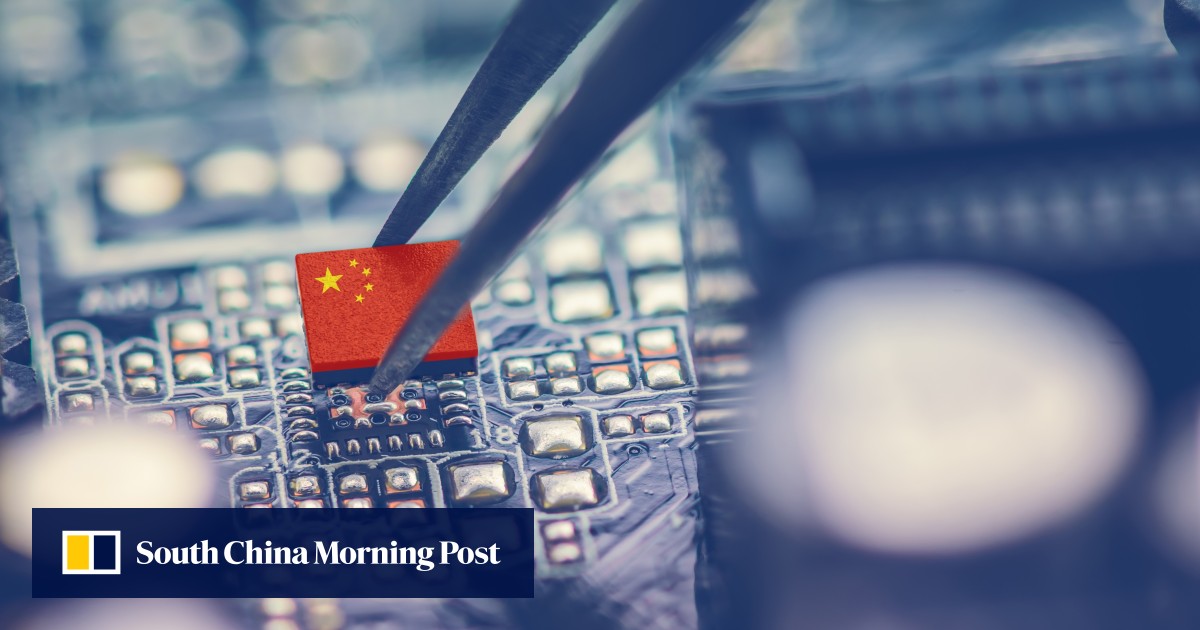
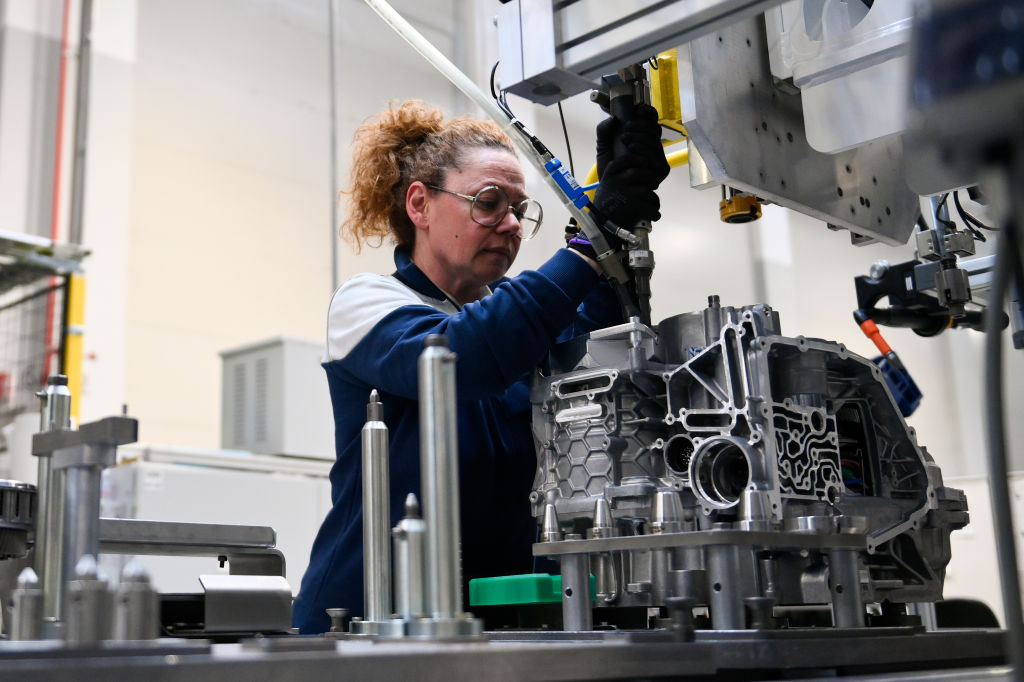
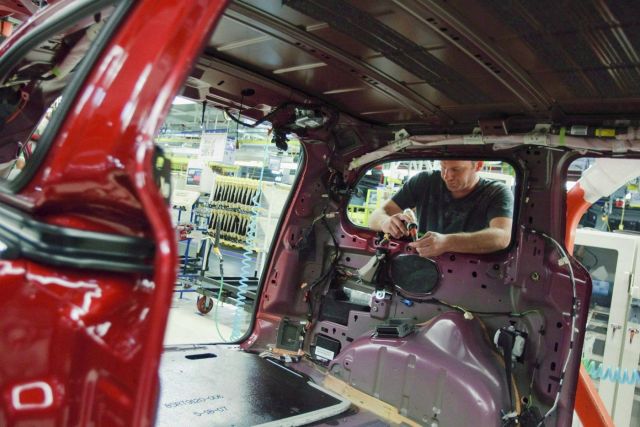
This spectacular growth is driven by US spending on artificial intelligence (AI). The 4 largest hyperscalers alone are spending nearly US$750 billion in AI capex this year, with a large percentage of that spending going to Taiwanese companies such as Taiwan Semiconductor Manufacturing Company (TSMC) and Foxconn. TSMC is the world’s largest and most sophisticated semiconductor manufacturer, while Foxconn is the world’s largest systems integrator, and both are integral manufacturers of the hardware populating data centers around the world.
The importance of Taiwan to the US is deepening rapidly. Meanwhile, Taiwan’s government statistics department, the Directorate General of Budget, Accounting and Statistics (DGBAS) predicts that Taiwan’s GDP will grow by 9.64 percent in 2026, with non-government financial institutions in Taiwan predicting more than 10 percent GDP growth. Taiwan’s economy is roaring, at least in the technology sector, and this growth has deep roots in the people and intellectual property co-developed by Taiwan and the US since the 1980s.
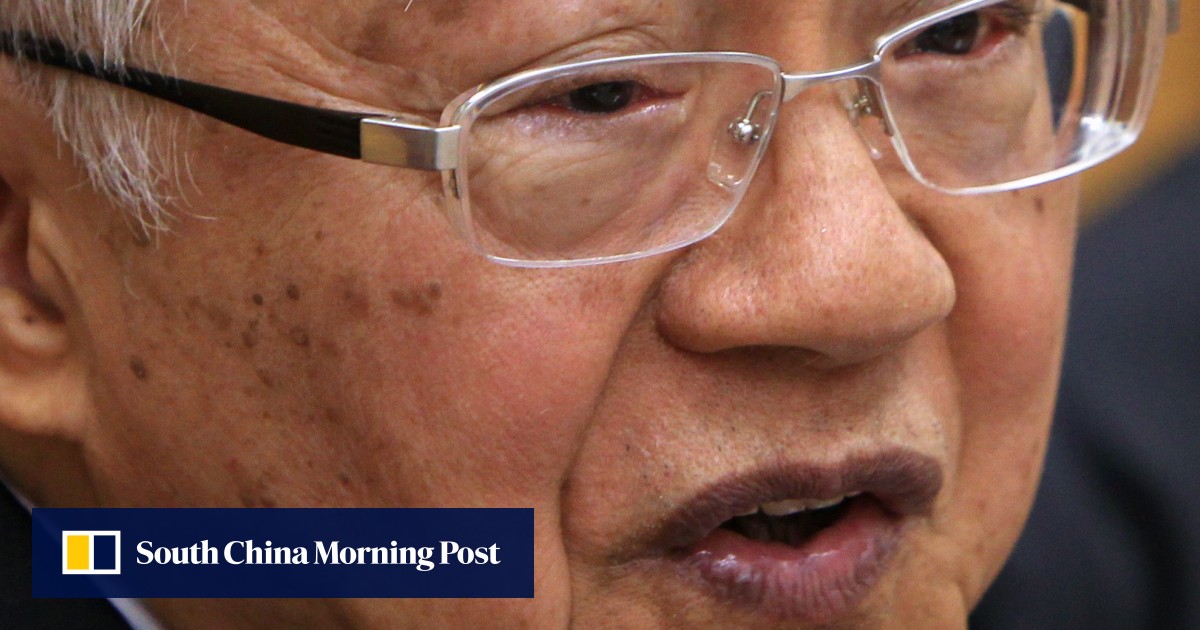
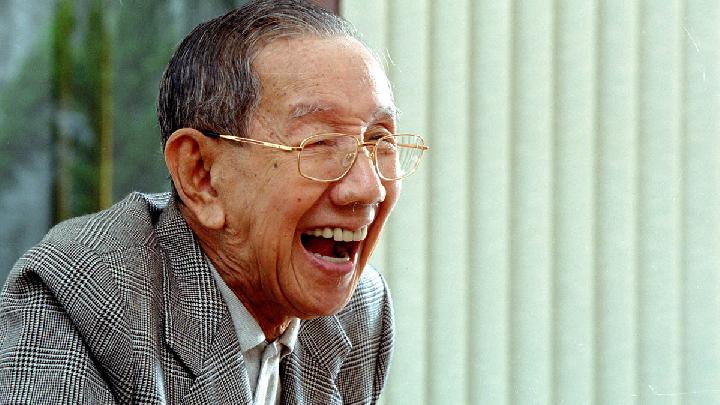
Prominent Taiwanese technology company TSMC was founded in 1987 by Morris Chang (張忠謀), an American in Taiwan, in collaboration with Taiwan’s Ministry of Economic Affairs. This joint enterprise was only the first step in the ongoing trusted technology partnership that now reinforces the US’ ability to lead on technology. Chairman Keith Krach, while US Under Secretary of State, led the onshoring effort that helped secure TSMC’s original US$12 billion semiconductor investment in the United States. Later that year, he became the highest-ranking US State Department official to visit Taiwan since 1979.
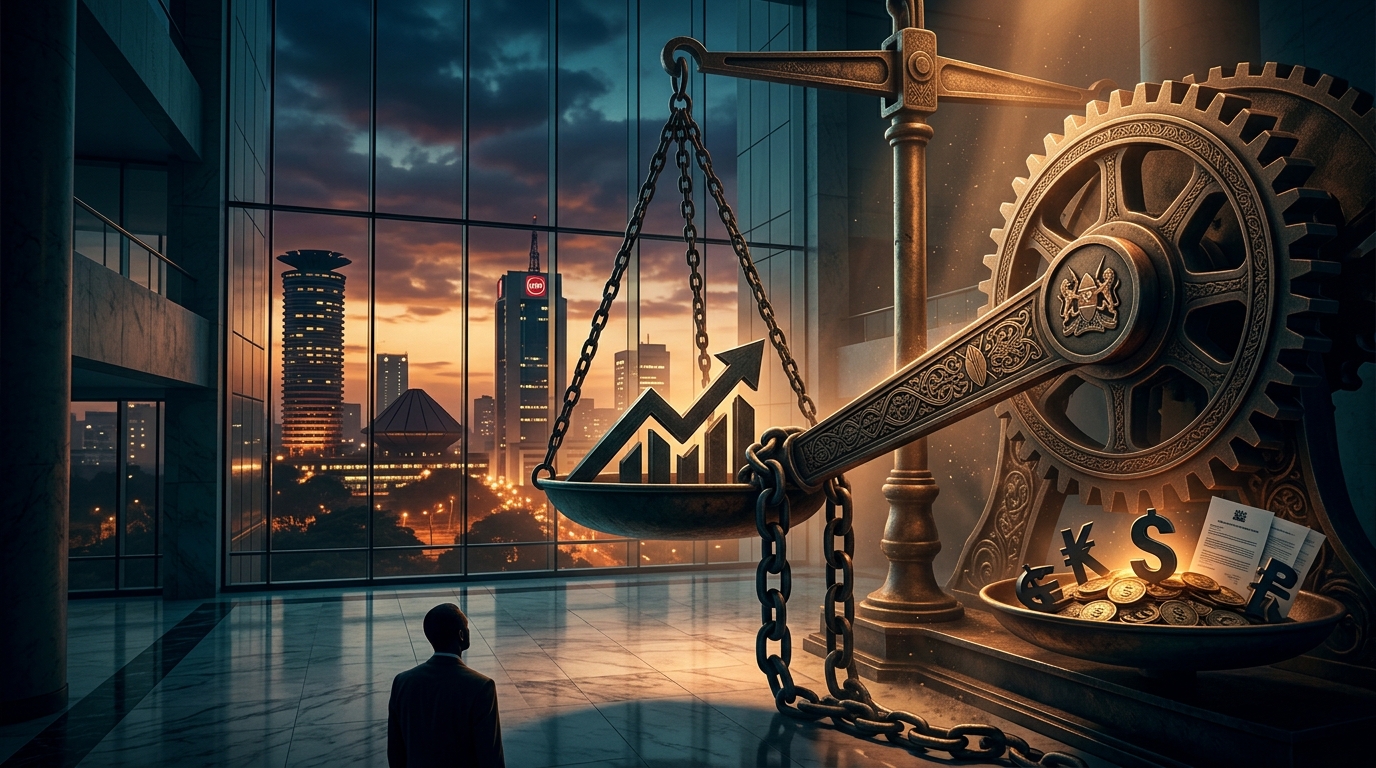
Taiwan, a country with near-zero natural resources, has been incredibly successful in building its global importance. It is literally the pivot point for the global technology supply chain, swinging one way or another to tip the scales. Indeed, the relationship with Taiwan underpins America’s ability to face the challenge posed by China’s efforts to dominate the AI market. Taiwan’s incredible trajectory, constructed on the back of economic and emerging political liberalism, took off as it migrated from dictatorship into a multiparty democracy, allowing for trusted relationships with other democracies around the globe. Today, Taiwan’s people serve as its premier resource, whose unique culture — with a focus on families, education, and hard work — has built a country to be proud of.
Chairman Krach has emphasized that people support what they help create, and that principle has also shaped the bilateral relationship. In 2023, President Tsai Ing-wen (蔡英文) credited Chairman Krach with helping establish the US-Taiwan Economic Prosperity Partnership Dialogue, which has become an enduring channel for bilateral economic cooperation. The same principle strikes at the very heart of why the people of Taiwan care so deeply about their country, and why they chafe so profoundly at the existential threat posed by the Chinese Communist Party (CCP).
FREEDOM & INNOVATION
Freedom and democracy engender trust across people, institutions, and governments. Discussing what it takes for people and technology to innovate and prosper, Chairman Krach observed that “progress does not come from getting everything right the first time. It comes from having the freedom to keep going until you do.” The freedom to fail and to try again has been a crucial component for technology development in both the US and Taiwan.
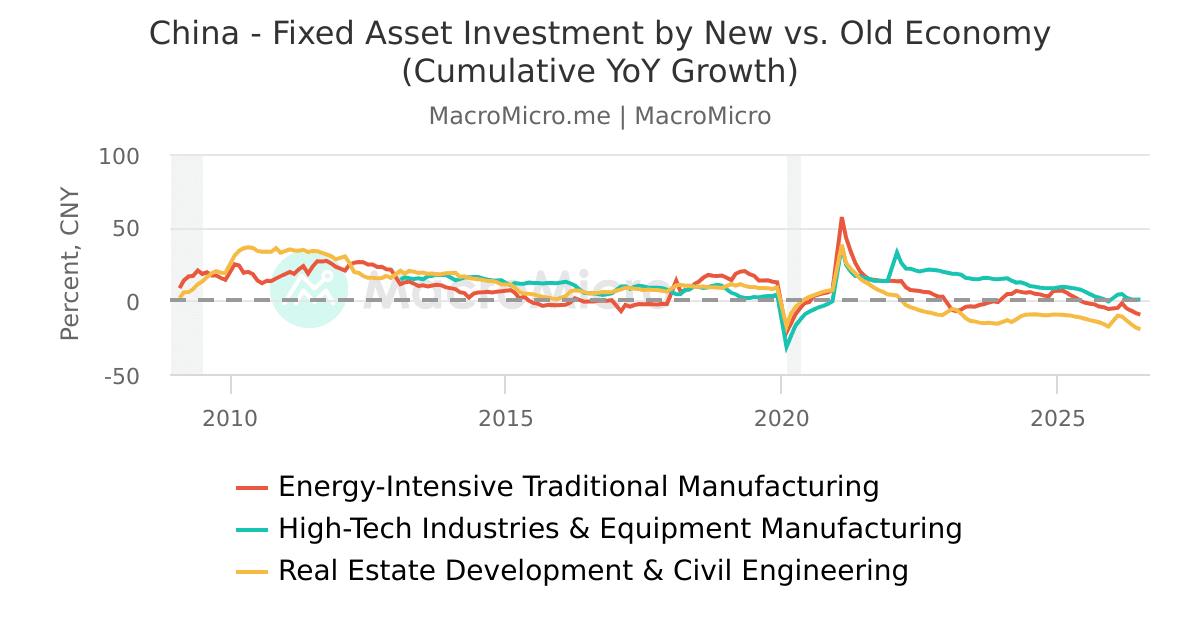
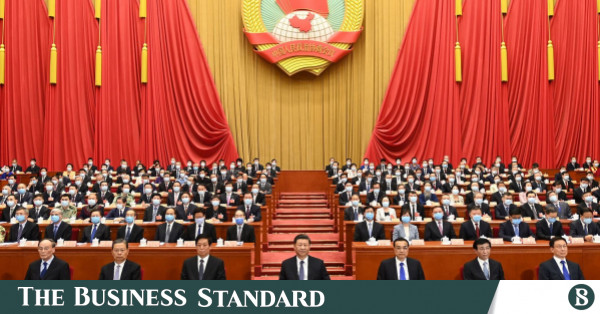
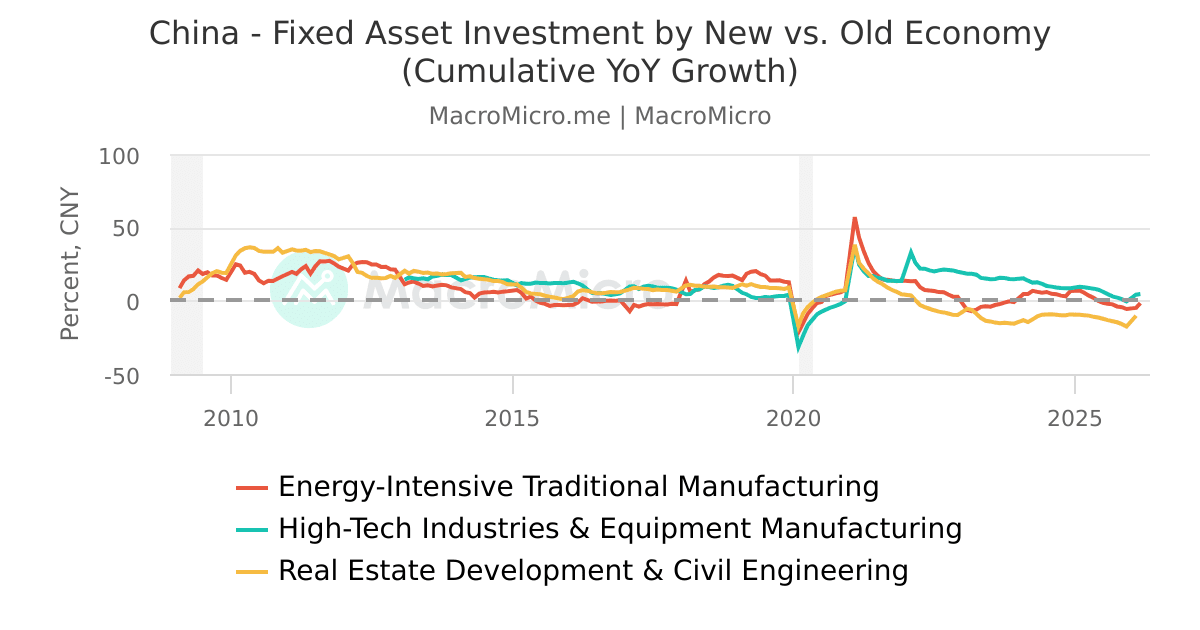
The arrival of Xi Jinping (習近平) as head of the CCP in 2012 kicked off a steady reassertion of control over China’s means of production. This expansion of state control has had an impact on the distribution of capital in China, resulting in rising provincial and centralized debt. Soaring debt and tighter state controls have combined with state-owned enterprises gobbling up resources. These conditions have inhibited the ability to innovate, as there is little upside to failure in today’s China — in an age of purges and house arrest, failure may result in imprisonment or worse.
Taiwan’s attraction as a trusted partner, an innovator, and a technology leader would evaporate were it to be absorbed by Beijing. Taiwan’s advantages, and therefore America’s, last only as long as the island is kept free of CCP rule.
SUPPLY CHAINS & THE CLEAN NETWORK
As US Under Secretary of State, Chairman Krach designed and launched the “Trust Doctrine” that built relationships between like-minded countries under a concept of trusted technology networks. Commenting on this initiative, former National Security Advisor General H.R. McMaster said that “Krach’s team’s defeat of the Chinese Communist Party’s masterplan to control 5G communications was the first time a government-led initiative proved that China’s economic warfare is beatable because it exposed their biggest weakness: nobody trusts them.”
Chairman Krach understood that building a coalition for a clean, China-free technology ecosystem was essential for the future national security interests of both the US and the world. That work now continues through his Krach Institute for Tech Diplomacy at Purdue, which advances trusted technology cooperation among governments, companies, universities, and democratic partners. He noted recently that “Trusted technology is built on integrity, accountability, transparency, and the rule of law. If you don’t have trust, you don’t have security — and you don’t have prosperity.”
Pax Silica, the US State Department effort launched in December 2025, is a direct descendant of the Trust Doctrine. Pax Silica binds 24 signatories to a set of technology policy principles that embody trust. The State Department believes that true economic security requires both reducing dependencies and forging new connections with reliable partners and suppliers. They will also provide access for trusted partners to the full stack of technological advancements shaping the AI economy.
Taiwan finds itself with a seat at the table because it has built an economy on the back of trusted relationships at every level. TSMC’s Morris Chang built trust at a personal, institutional, and government level, which he turned into one of the ten largest global companies — now valued at over US$2 trillion. This company anchors the booming economy that binds Taiwan to the world at levels previously unseen. If that trust is maintained, then the willingness of the world to stand by Taiwan in the face of the CCP threat will likely remain.
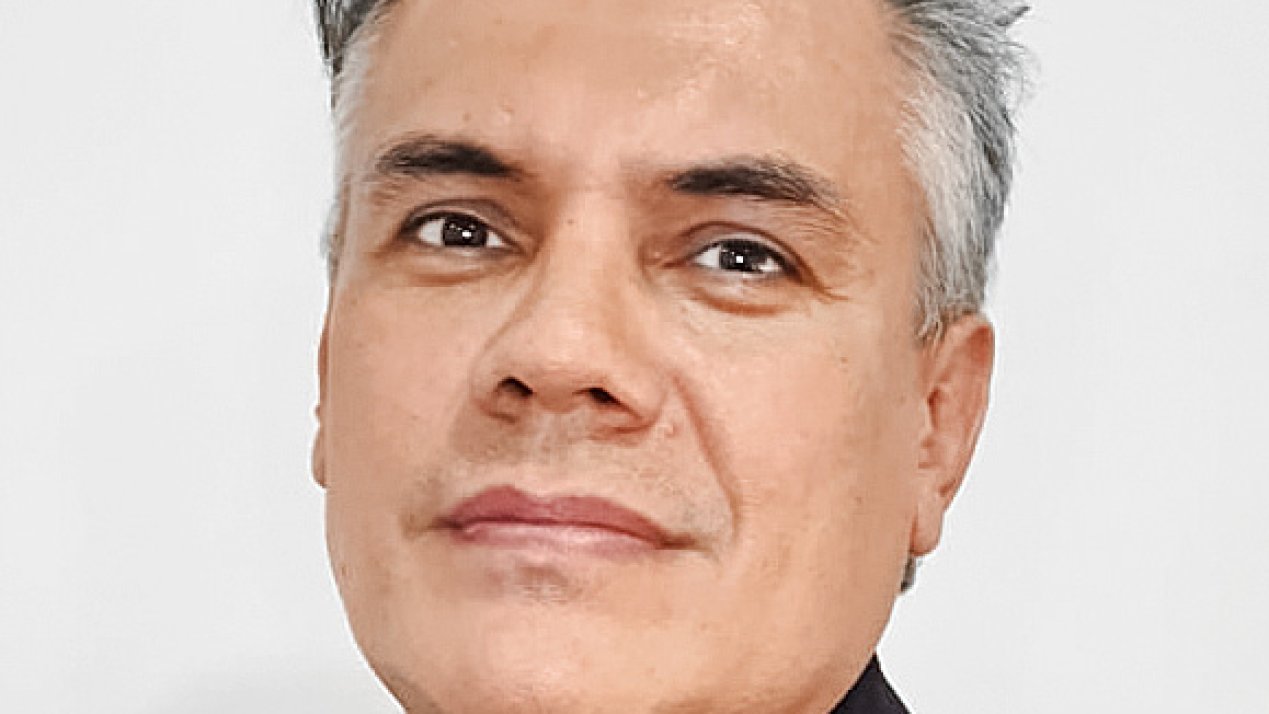
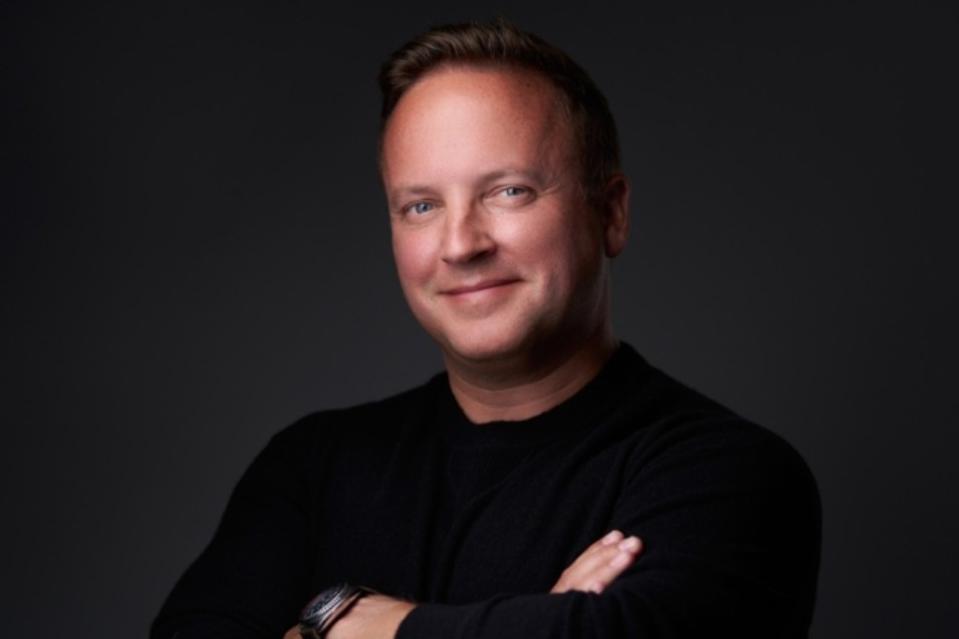
Rupert Hammond-Chambers is the president of the US-Taiwan Business Council (USTBC), a senior advisor at Bower Group Asia and sits on the board of The Institute for Indo-Pacific Security.