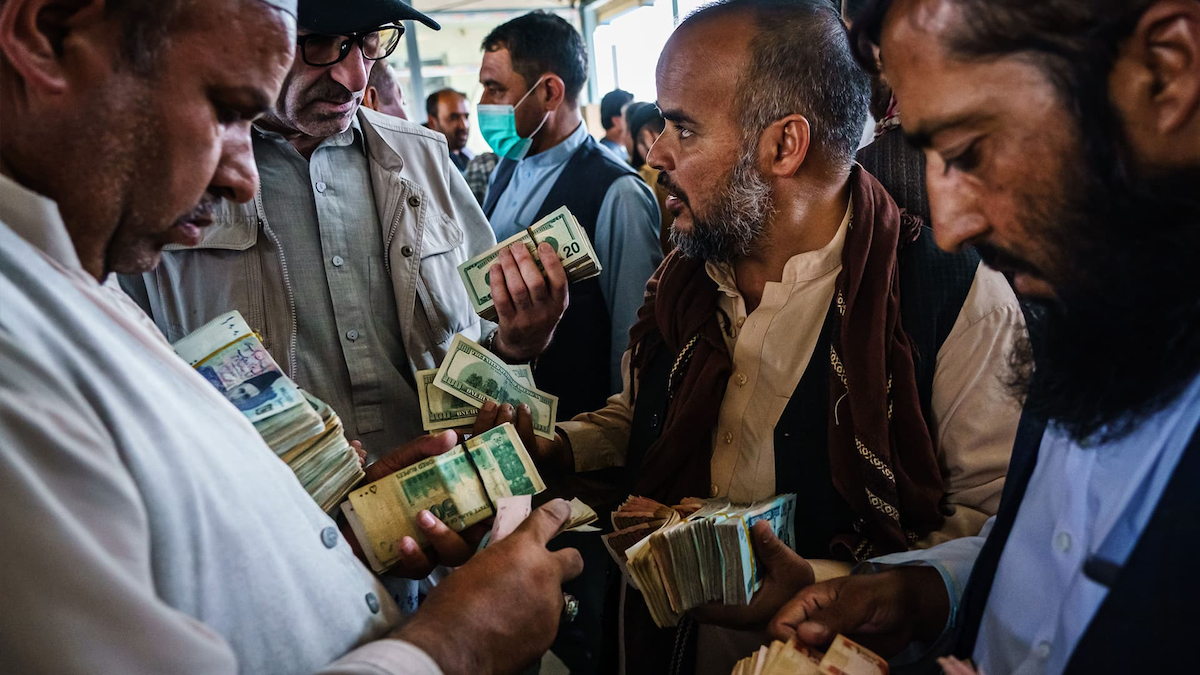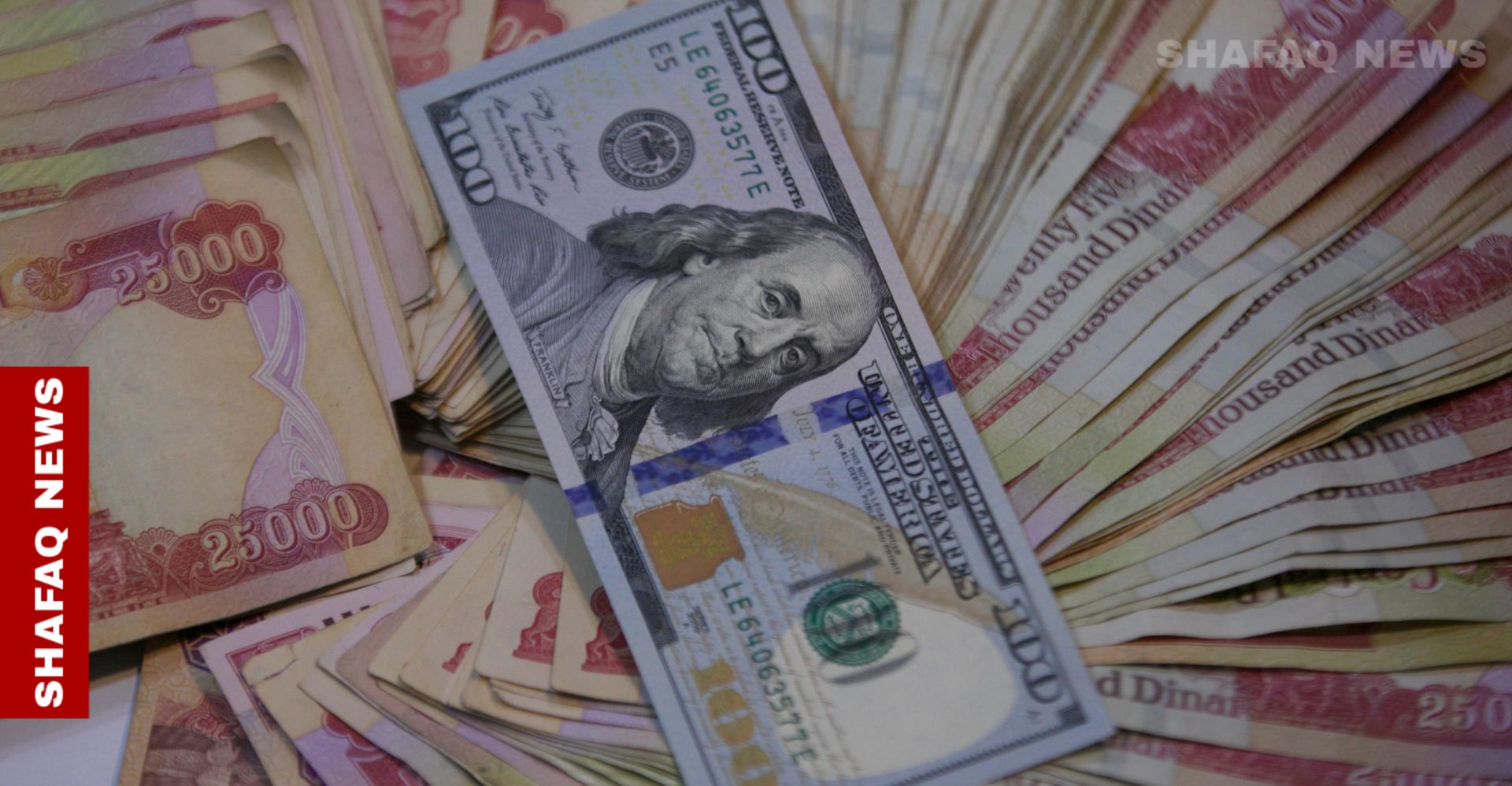
BAGHDAD – Iraq’s recurring economic fragile reality has entered a critical phase. Government officials have publicly acknowledged that the state is struggling to pay its millions of public sector employees on time, exposing the acute danger of a national economy built entirely on a single commodity and a single maritime bottleneck.
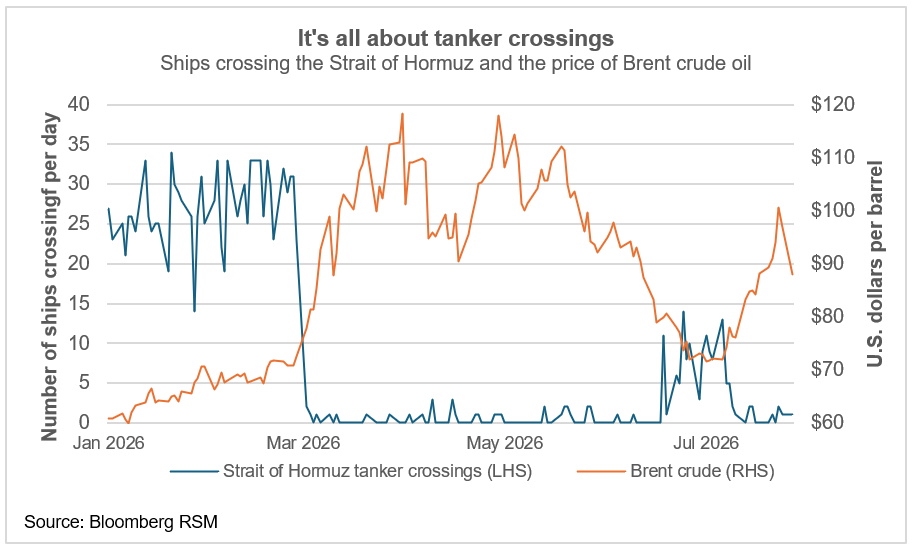
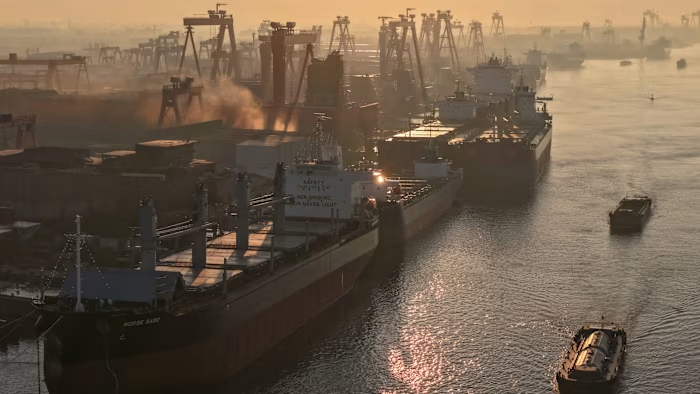
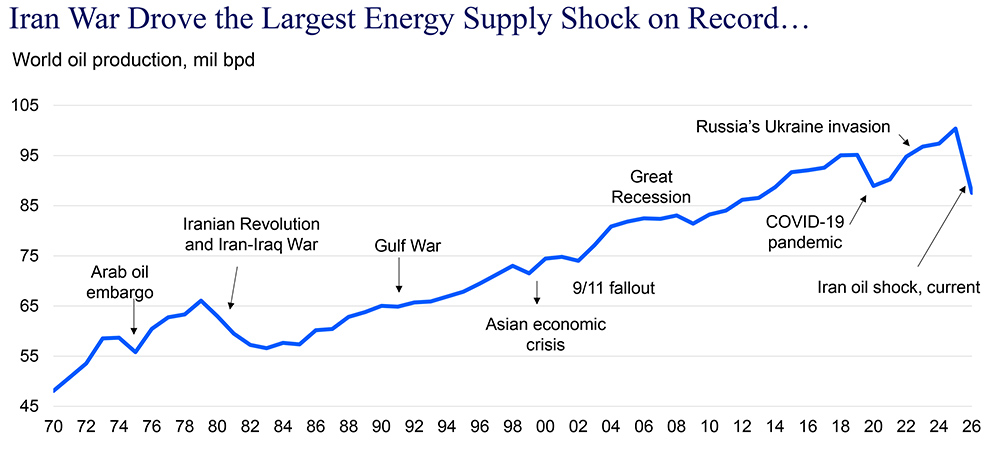
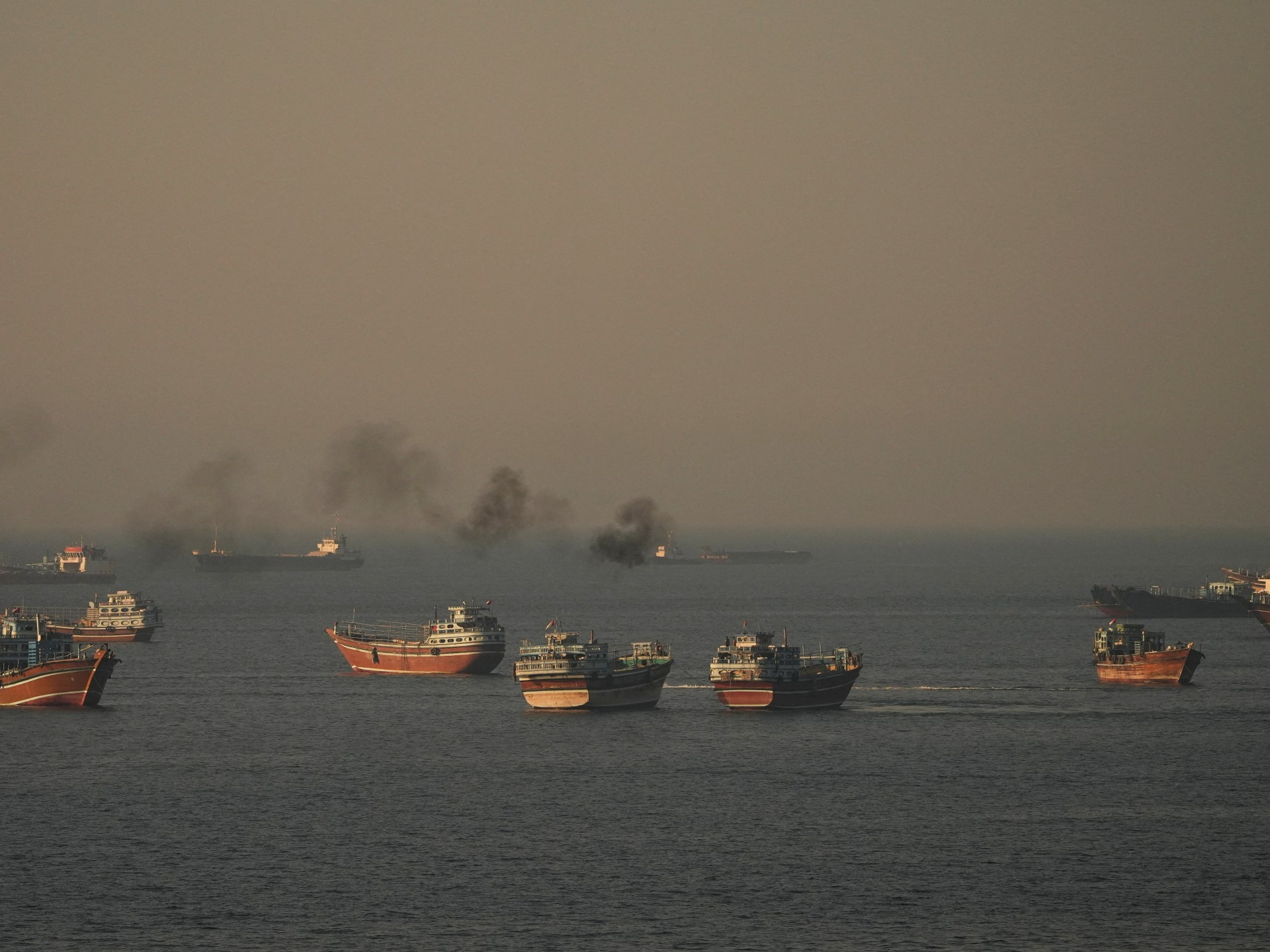
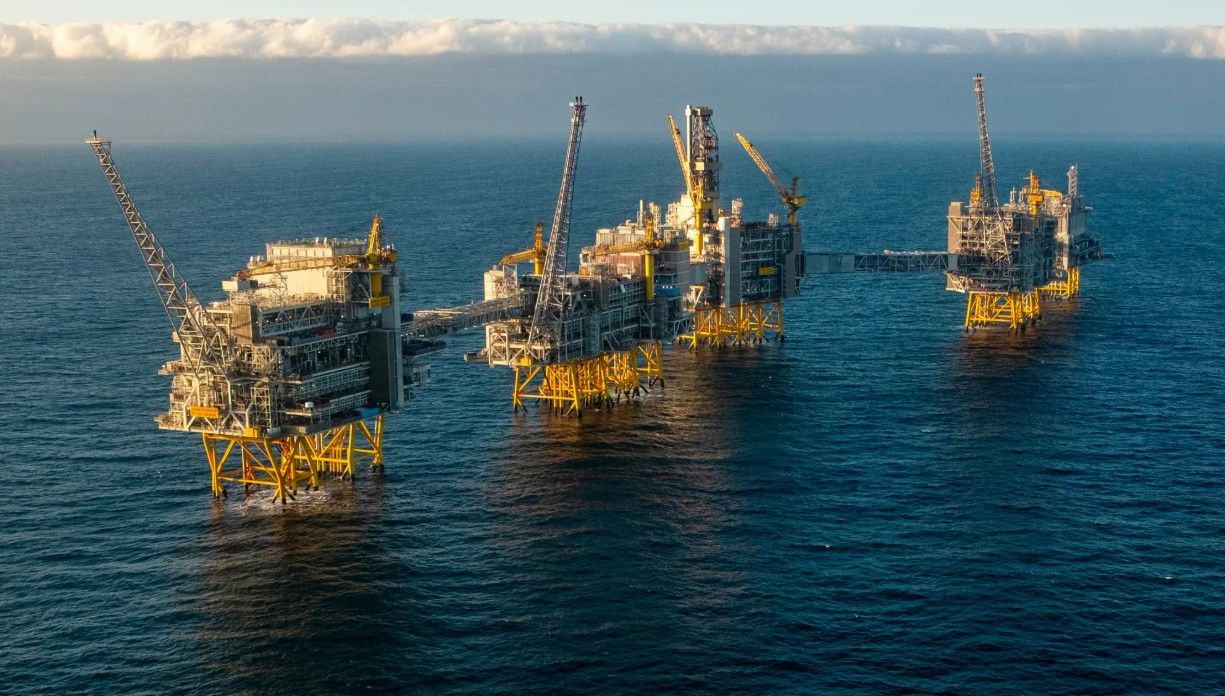
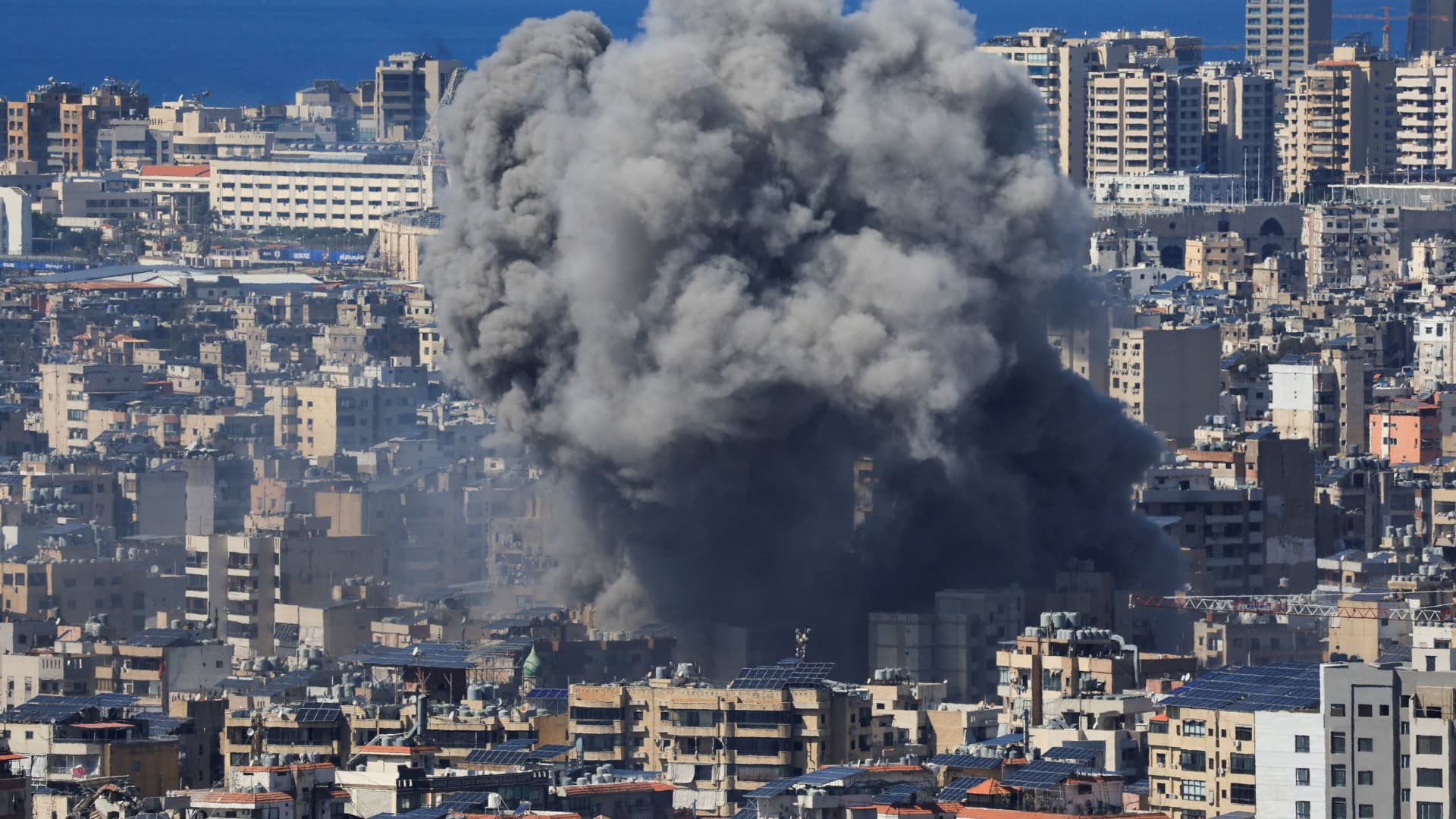
As the closure of the Strait of Hormuz severely restricts Iraqi oil exports, Baghdad finds itself short by trillions of dinars each month. This revenue collapse has sparked political pleas toward regional actors, urgent debates over domestic borrowing, and growing anxiety among a populace utterly reliant on state payrolls.
A Dependence on Oil and Public Payrolls
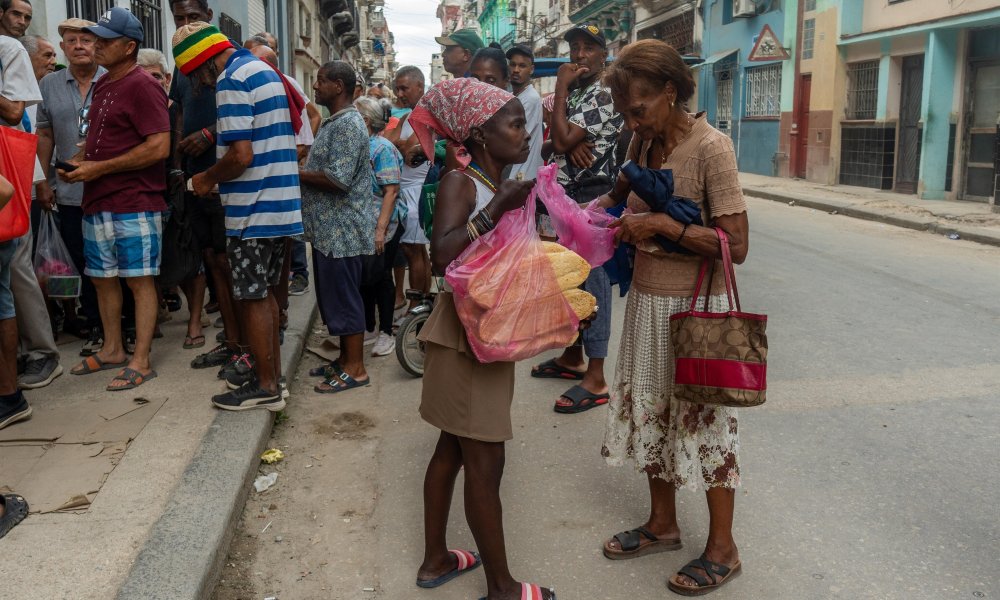
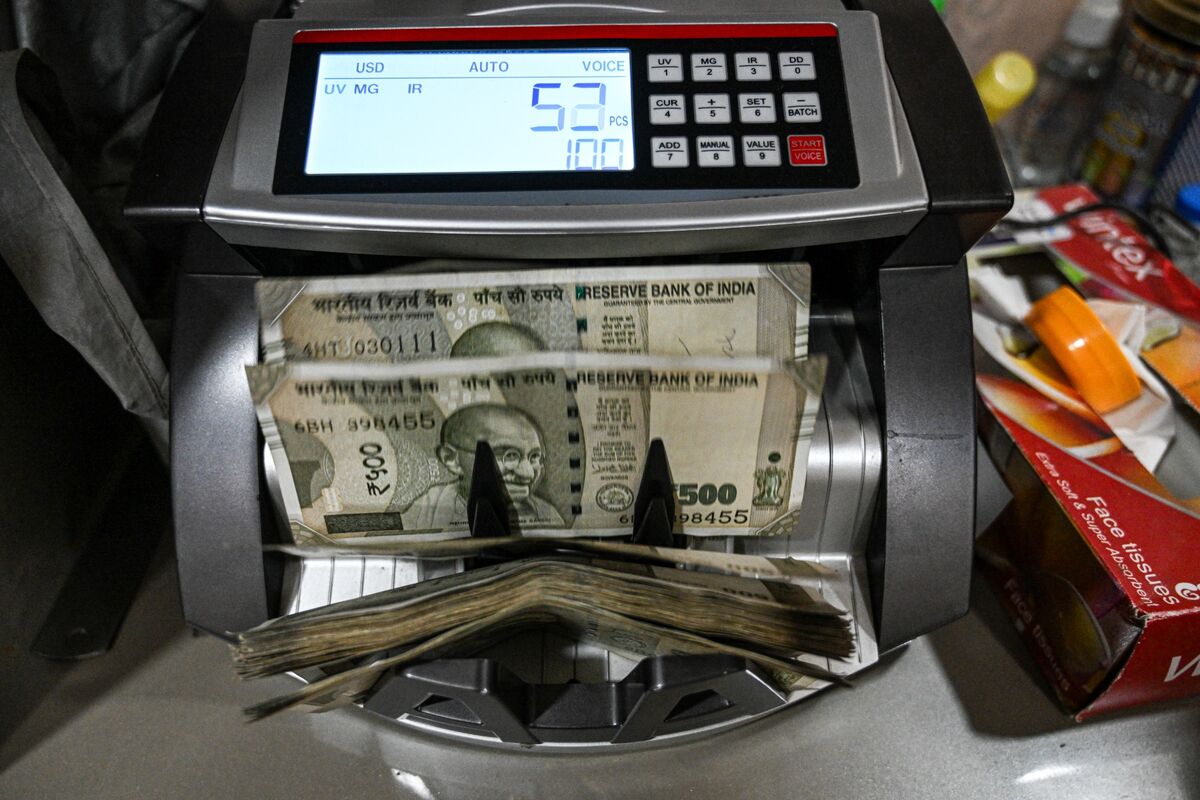
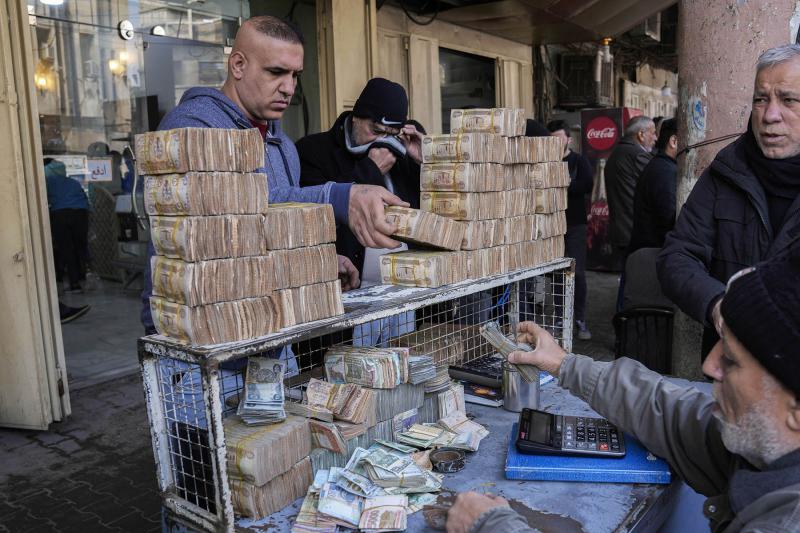
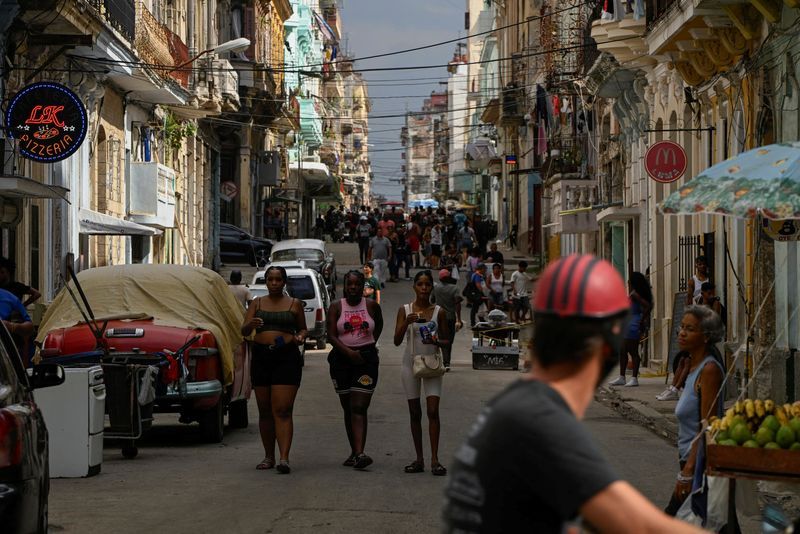
In Iraq, the monthly distribution of government salaries is not just an administrative function; it is the fundamental anchor of social and economic stability. Millions of state employees, pensioners, contractors, and welfare recipients rely on government disbursements as their primary and often only source of income.
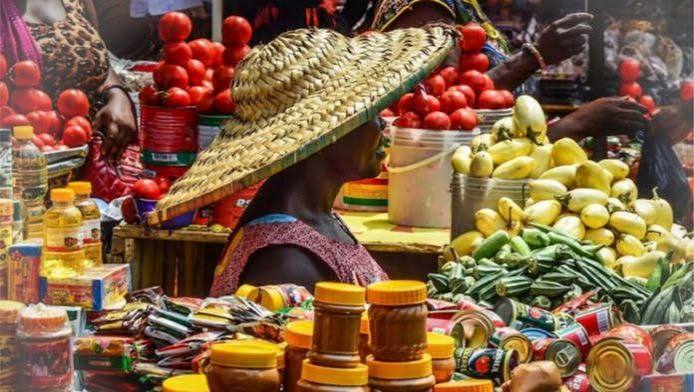
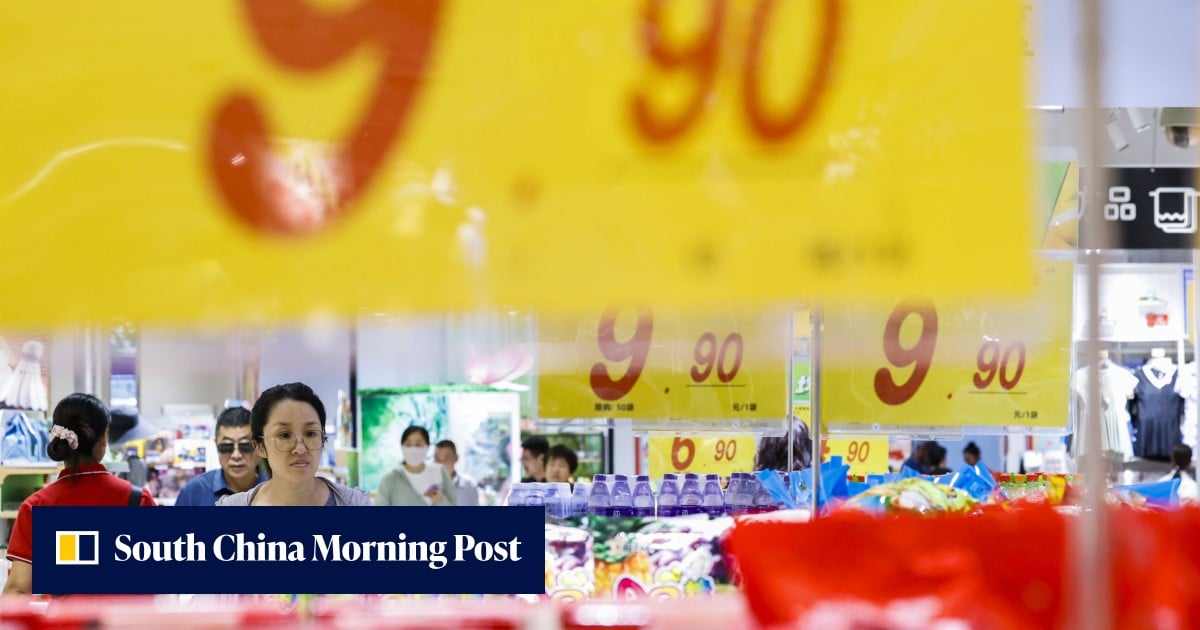
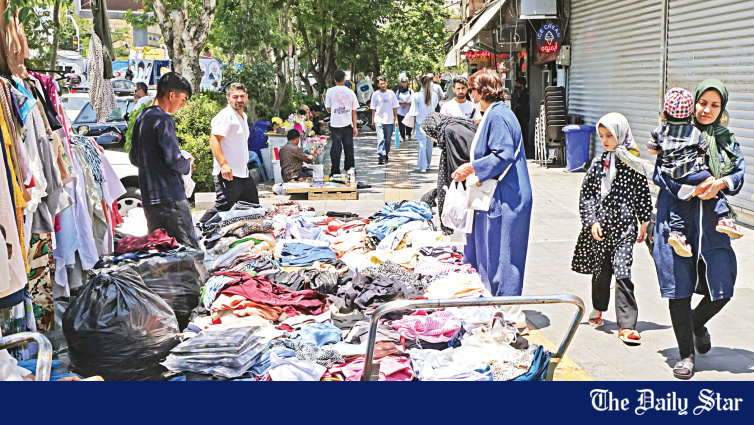
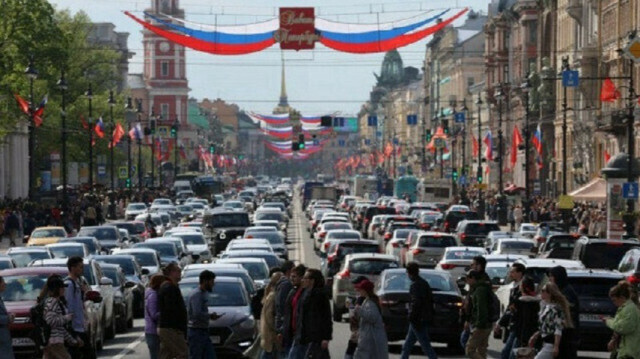
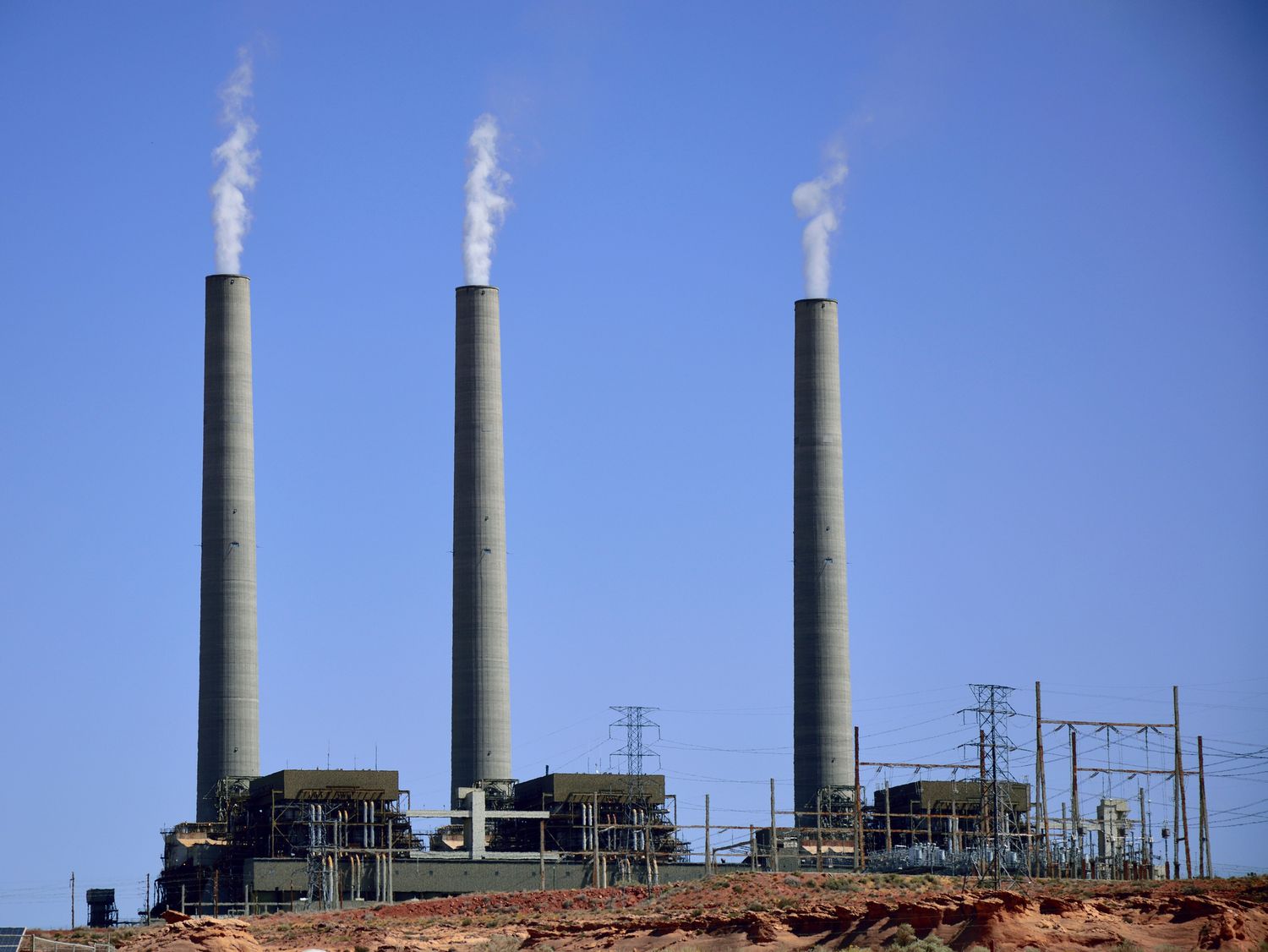
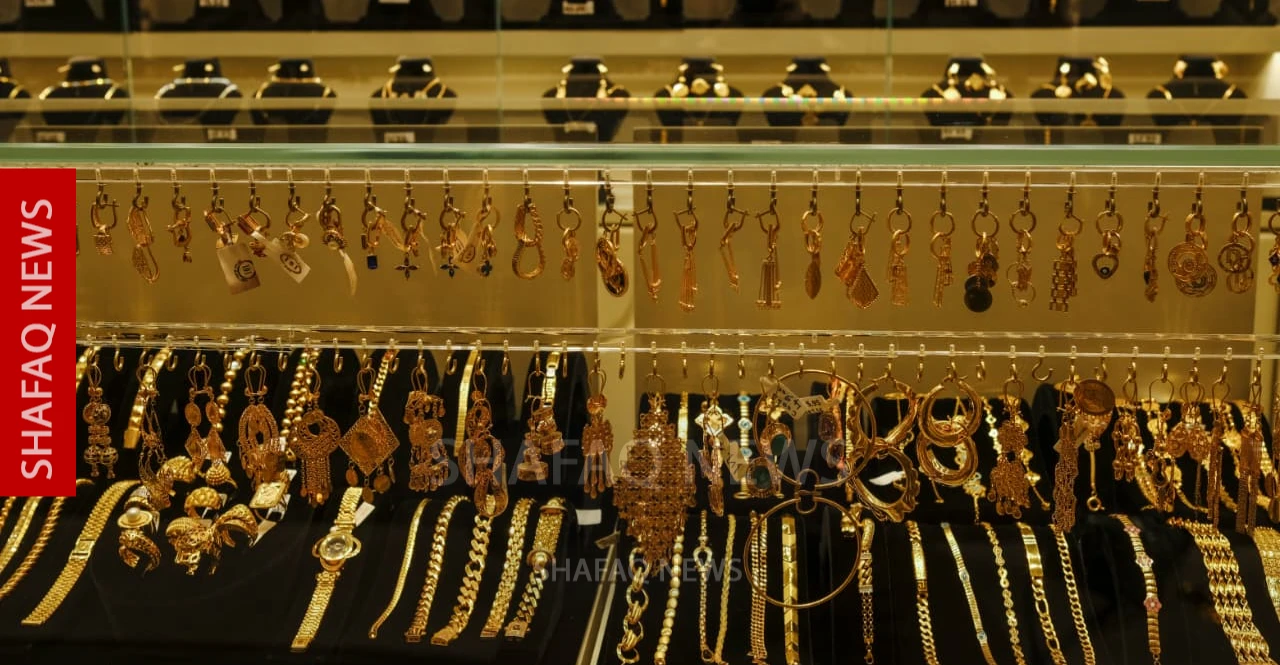
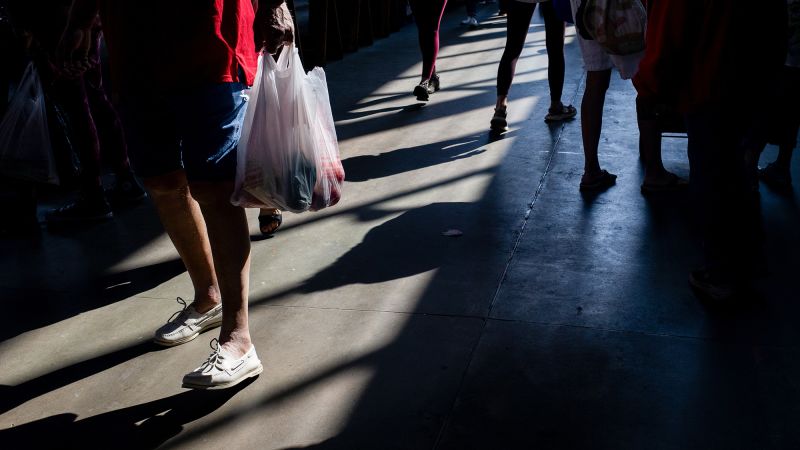
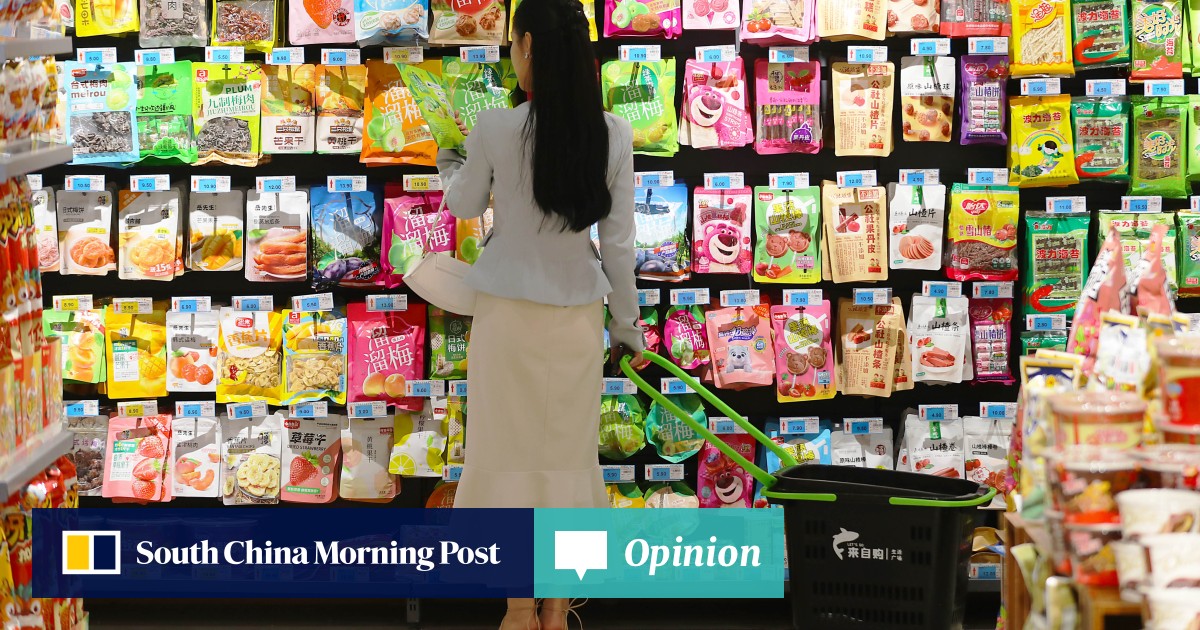
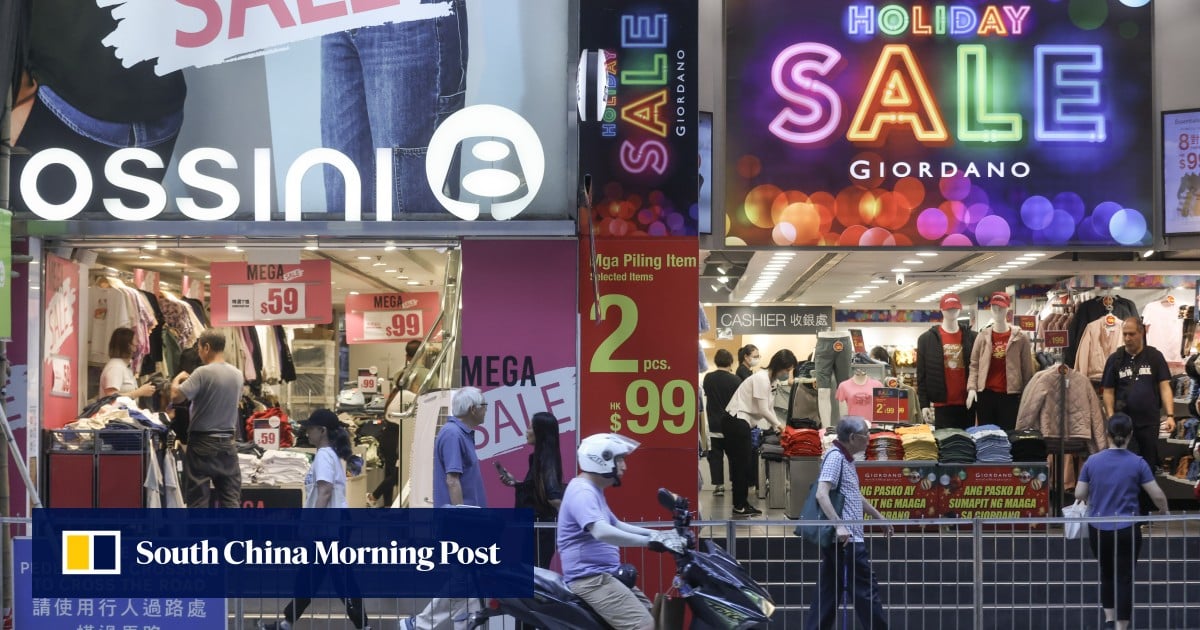
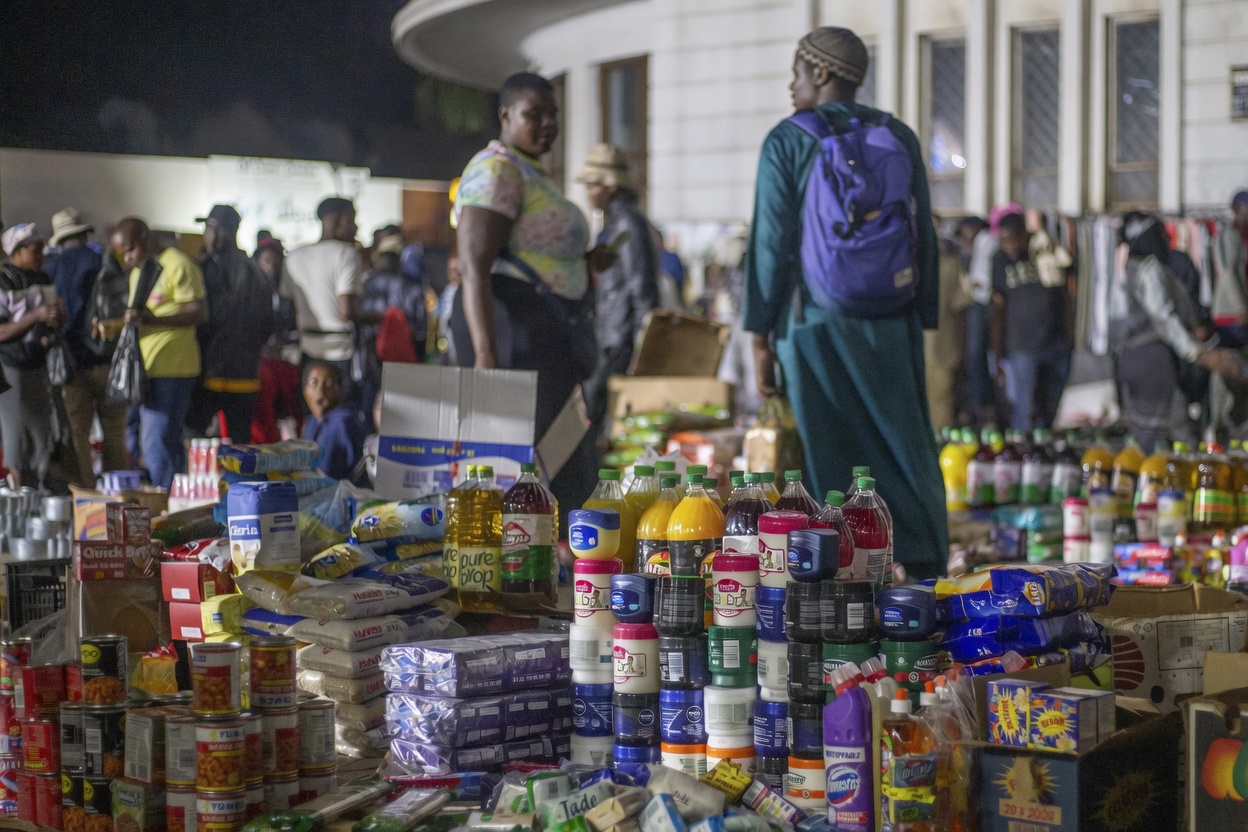
This state expenditure directly drives domestic commerce. In recent years, strong oil revenues fueled a surge in consumer spending, visible in the rapid growth of modern shopping malls, restaurants, and cafes across major cities. However, this consumer boom has long been criticized as a veneer masking deeper systemic issues, including persistent corruption, unchecked money laundering, and a failure to secure border revenues. Because oil provides over 90% of Iraq’s public revenue, any disruption at the wellhead or on export routes immediately threatens the state’s capacity to cover its basic operating expenses.
The Strait of Hormuz Bottleneck
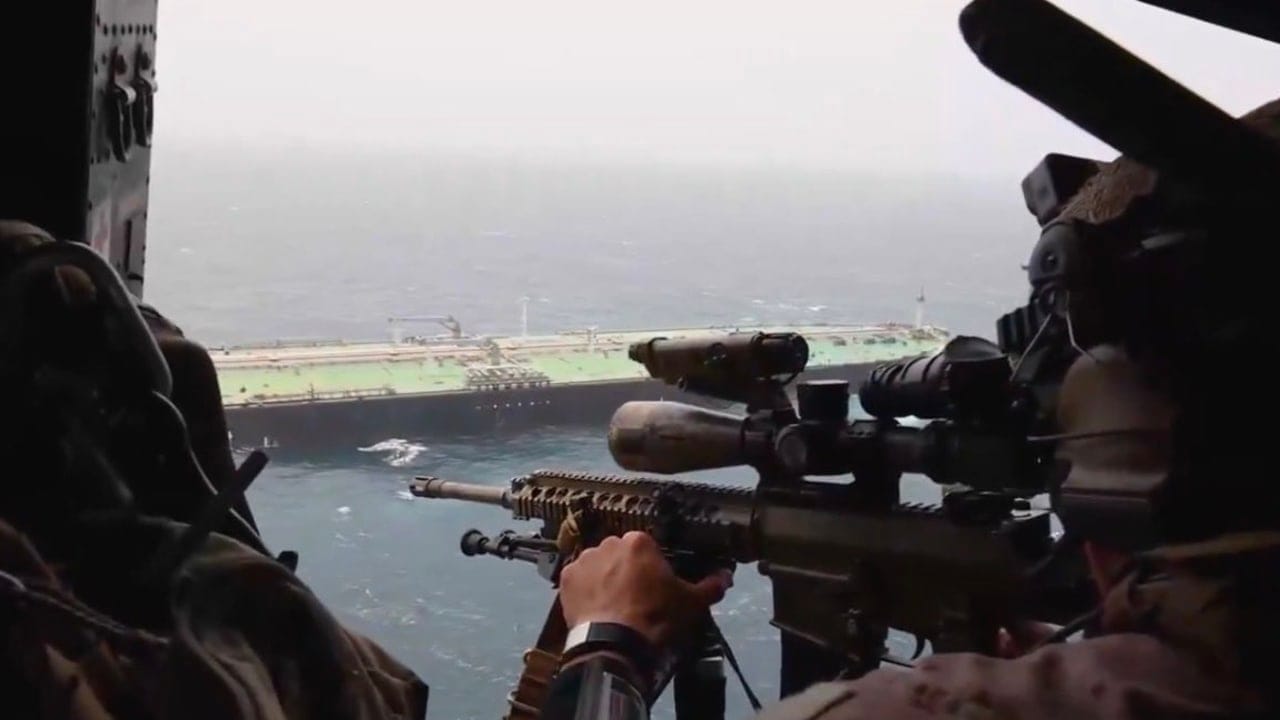
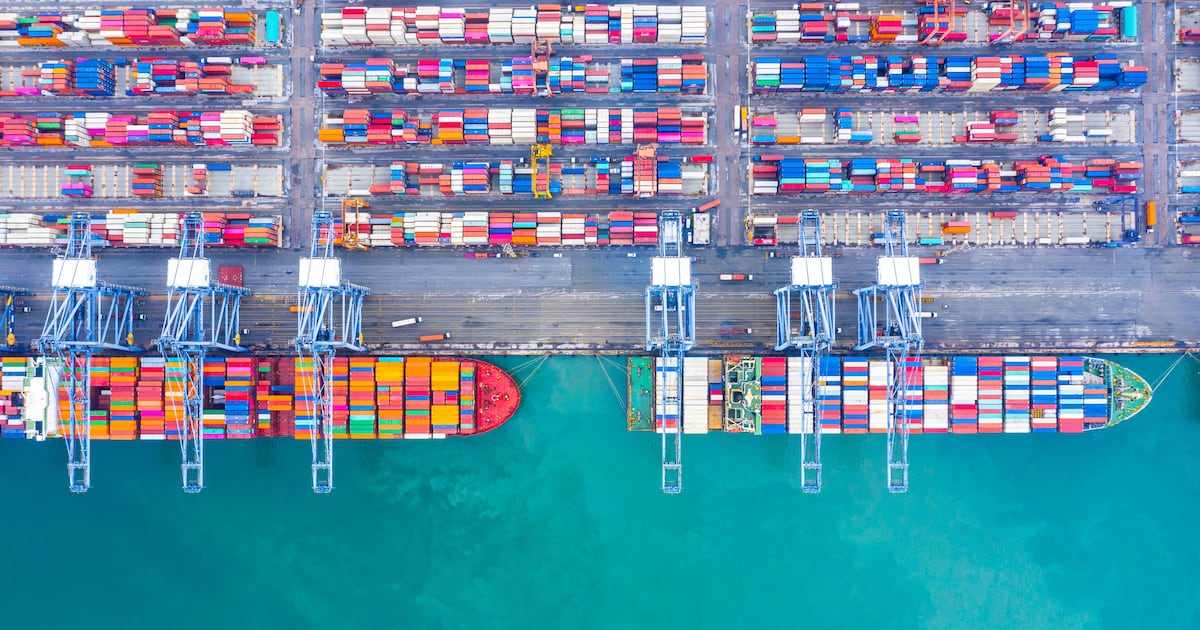
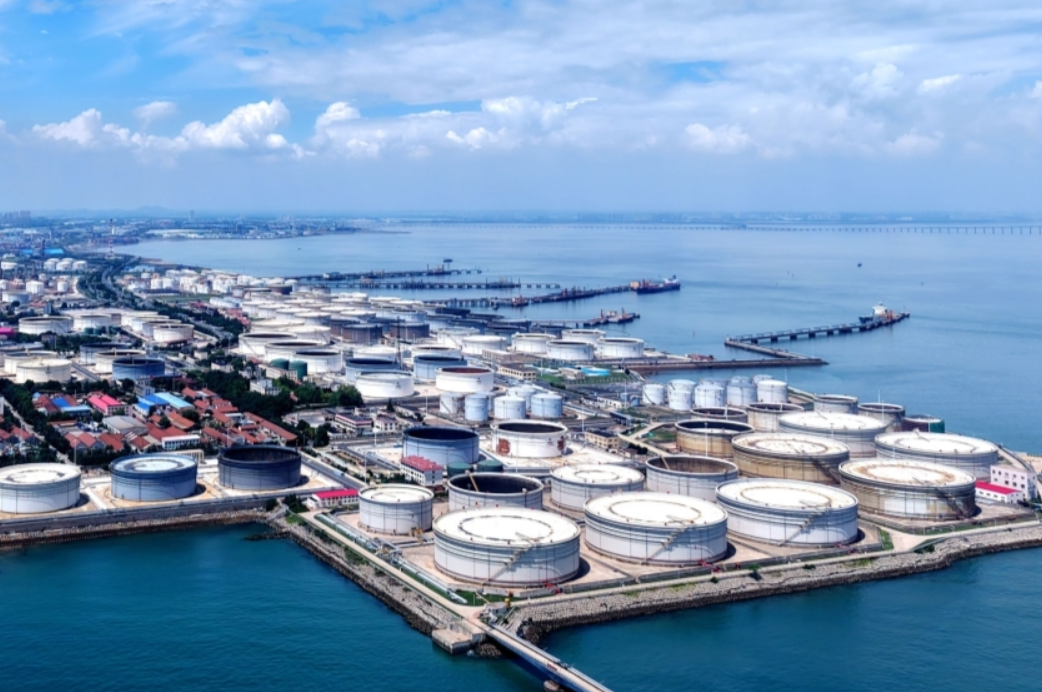
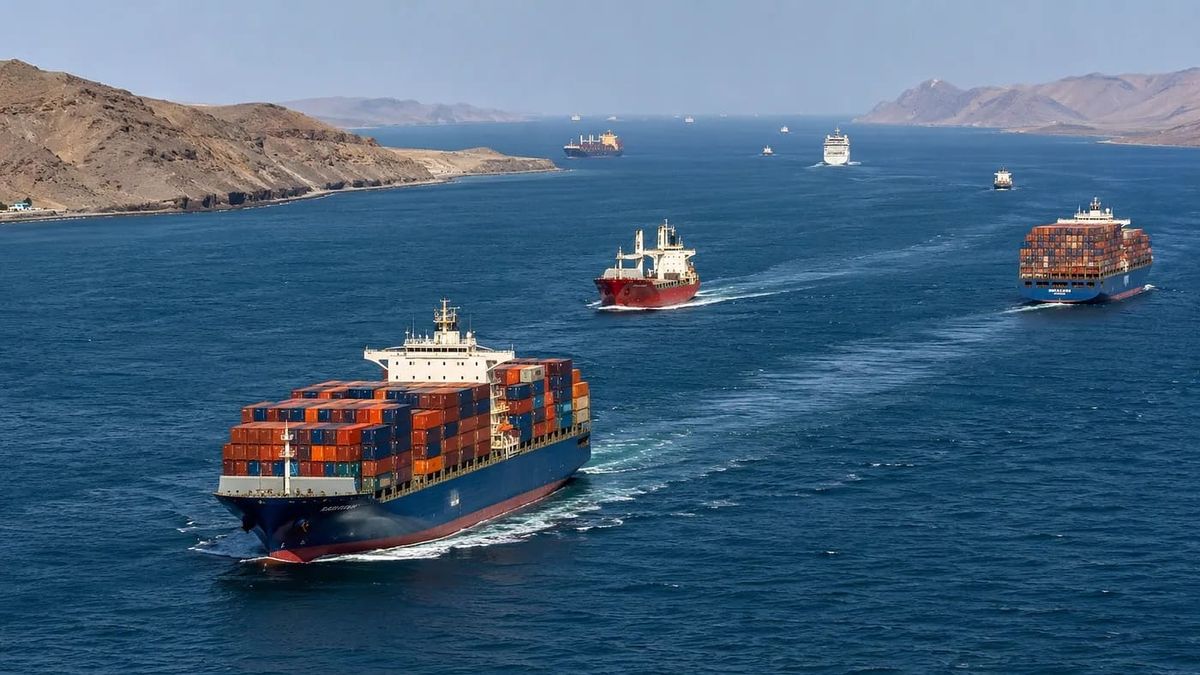
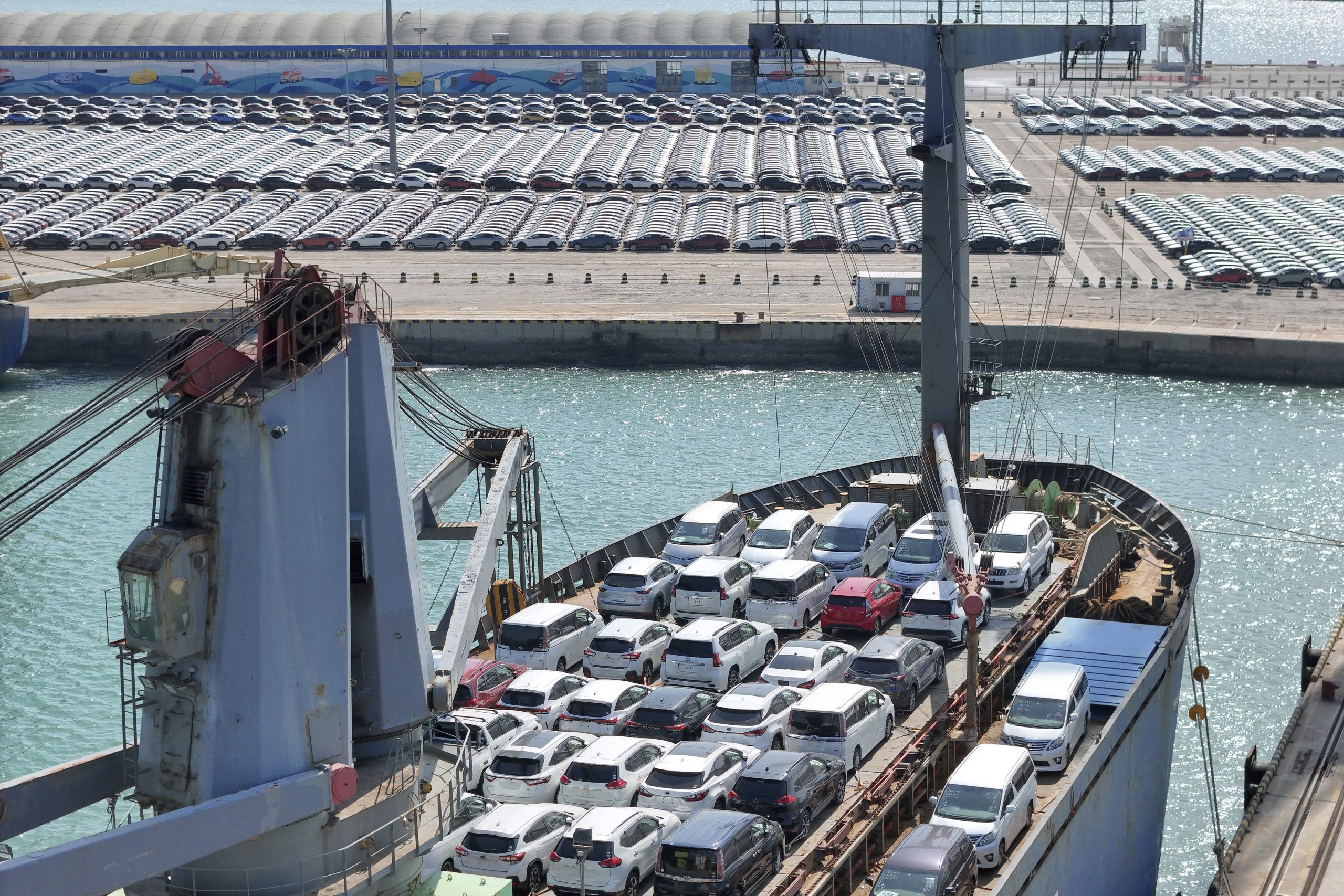
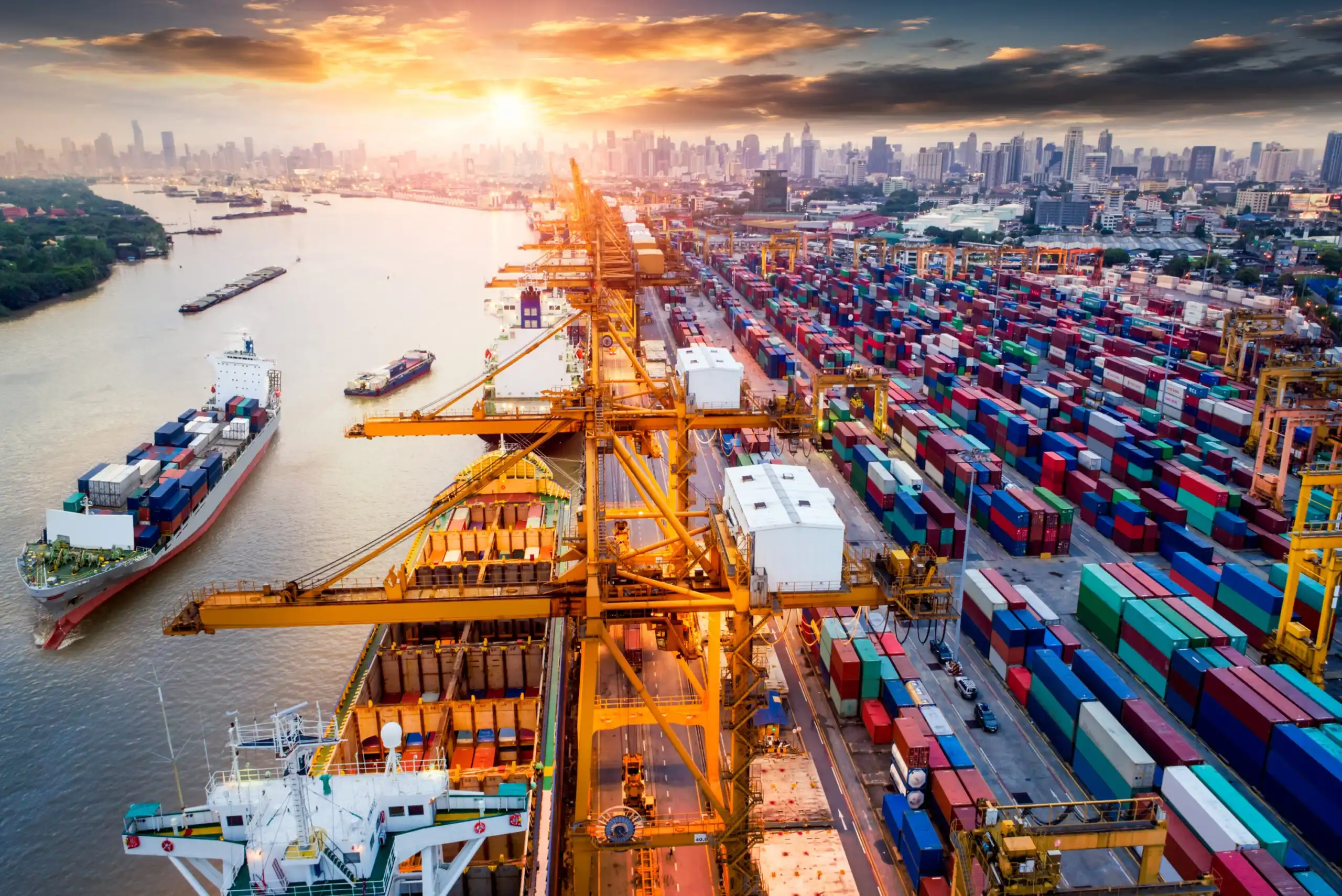
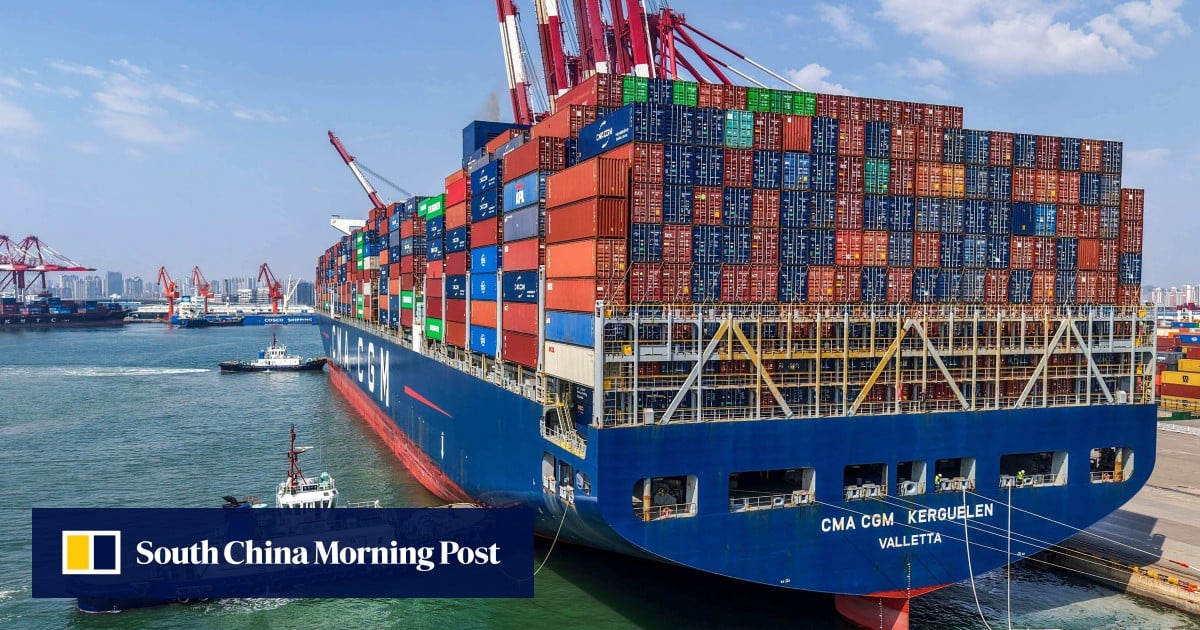
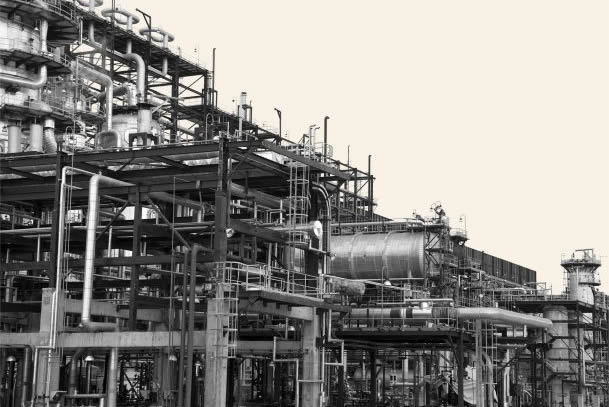
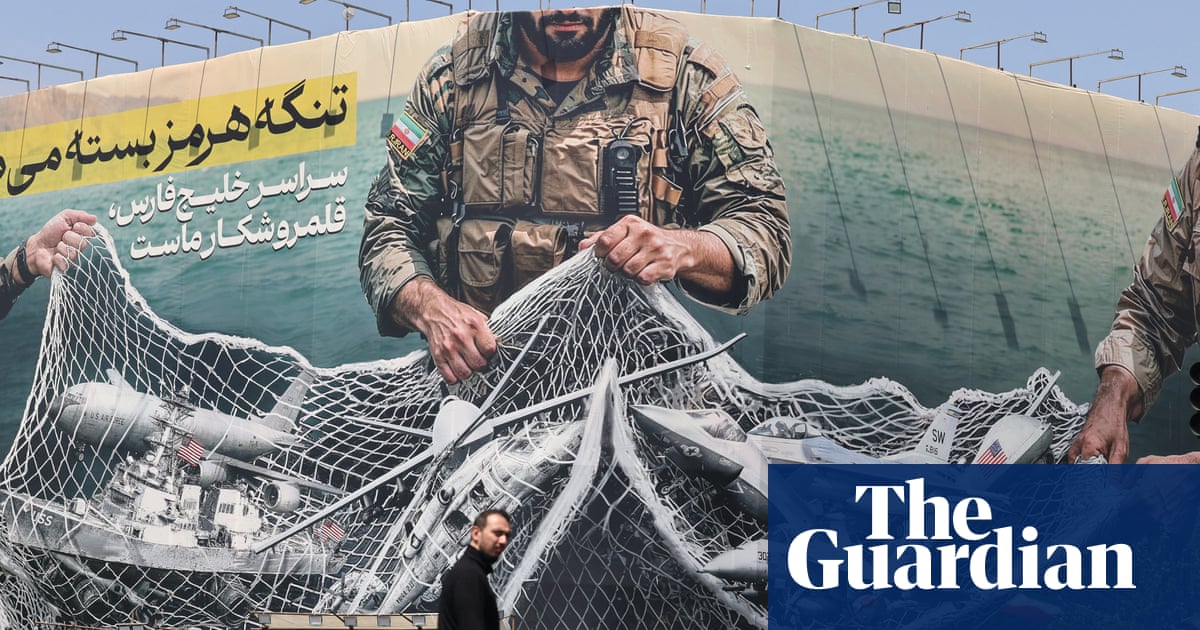
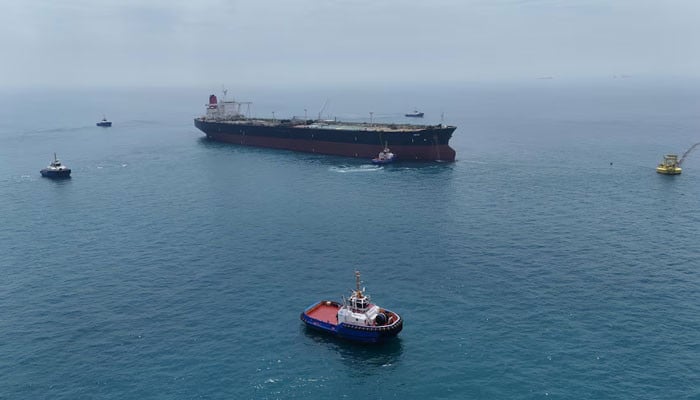
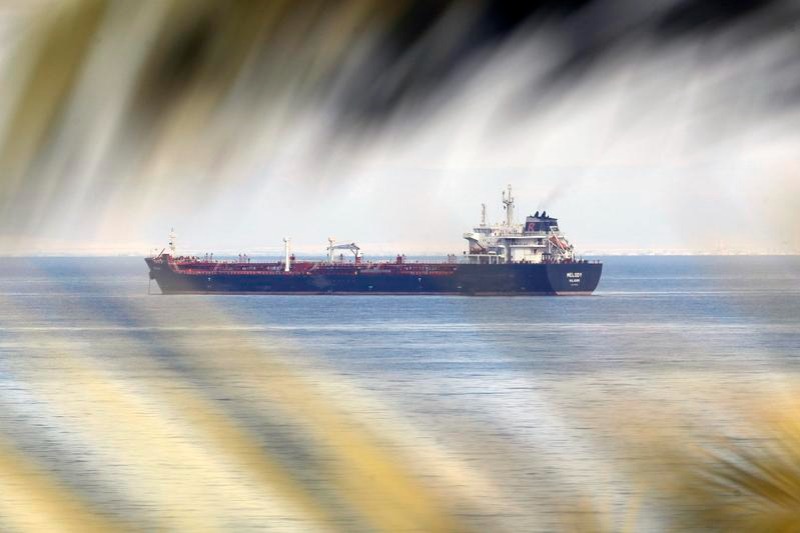
The current fiscal shock was triggered directly by the closure of the Strait of Hormuz. With Iraqi crude unable to move freely to global markets, export volumes have plummeted. The disruption underscores a structural vulnerability long debated in Baghdad, as Iraq lacks fully developed alternative export routes.
While Prime Minister Ali al-Zaidi’s administration has aggressively promoted the ambitious “Development Road” project and broader private-sector partnerships to diversify the economy, those long-term initiatives offer no relief for today’s immediate cash shortage. Historical or potential pipeline bypasses through Türkiye, Syria, Jordan, and Saudi Arabia remain either underdeveloped or stymied by years of regional political disputes.
Official Admissions and Budgetary Gaps
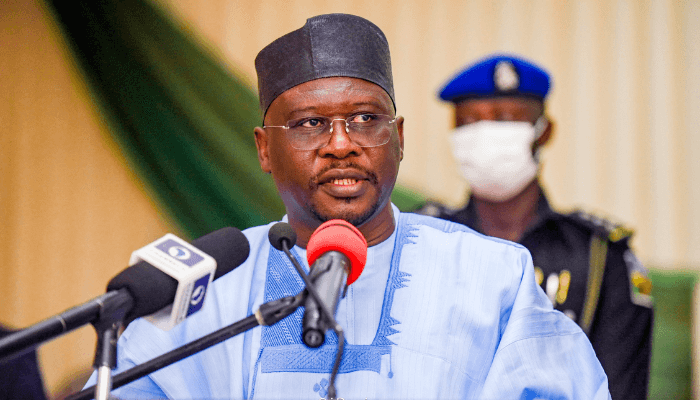
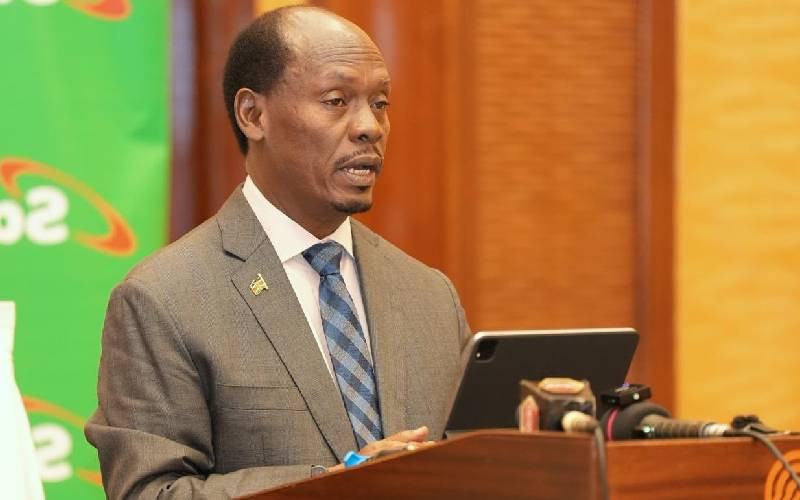
The depth of the crisis became undeniable when the government uncharacteristically delayed its routine authorization for monthly salary distributions. The first public admission came from Health Minister Abdul Hussein al-Musawi, who noted in televised remarks that “there is no money” and stated that the prime minister was at a loss over how to secure monthly salaries.
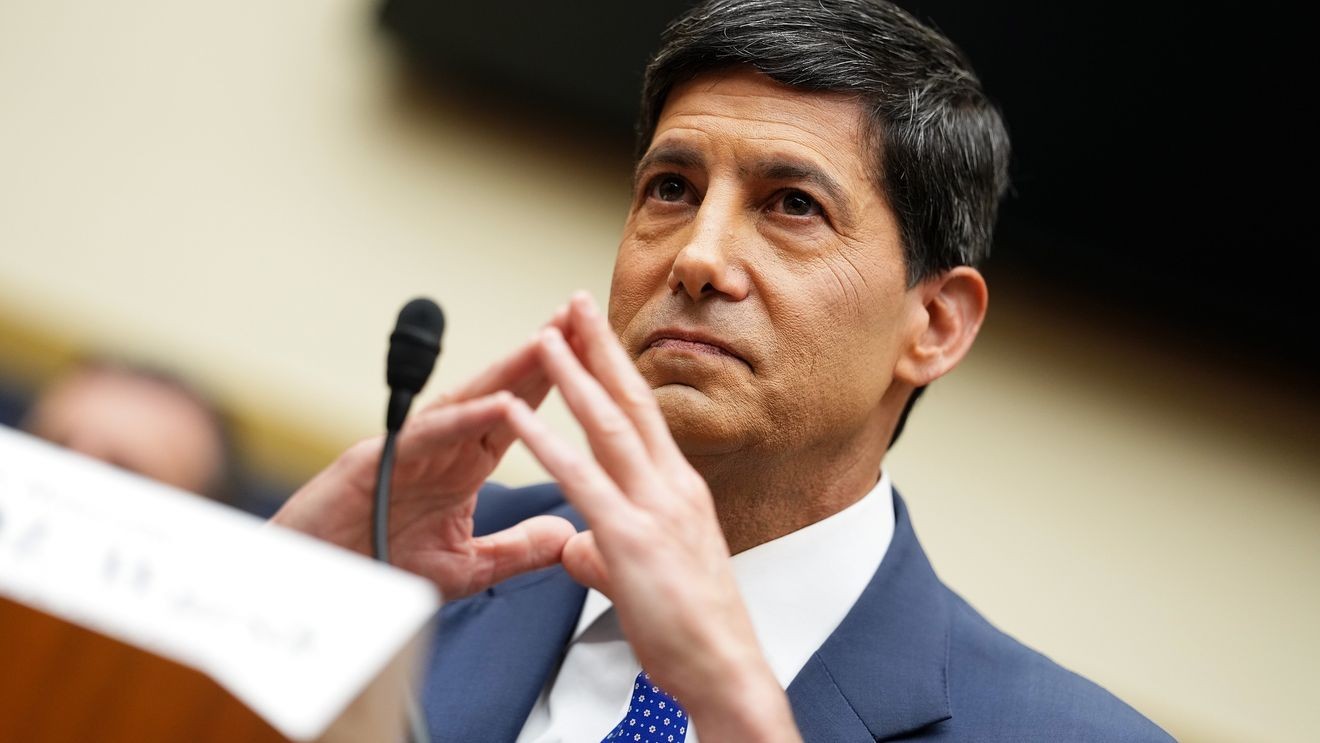
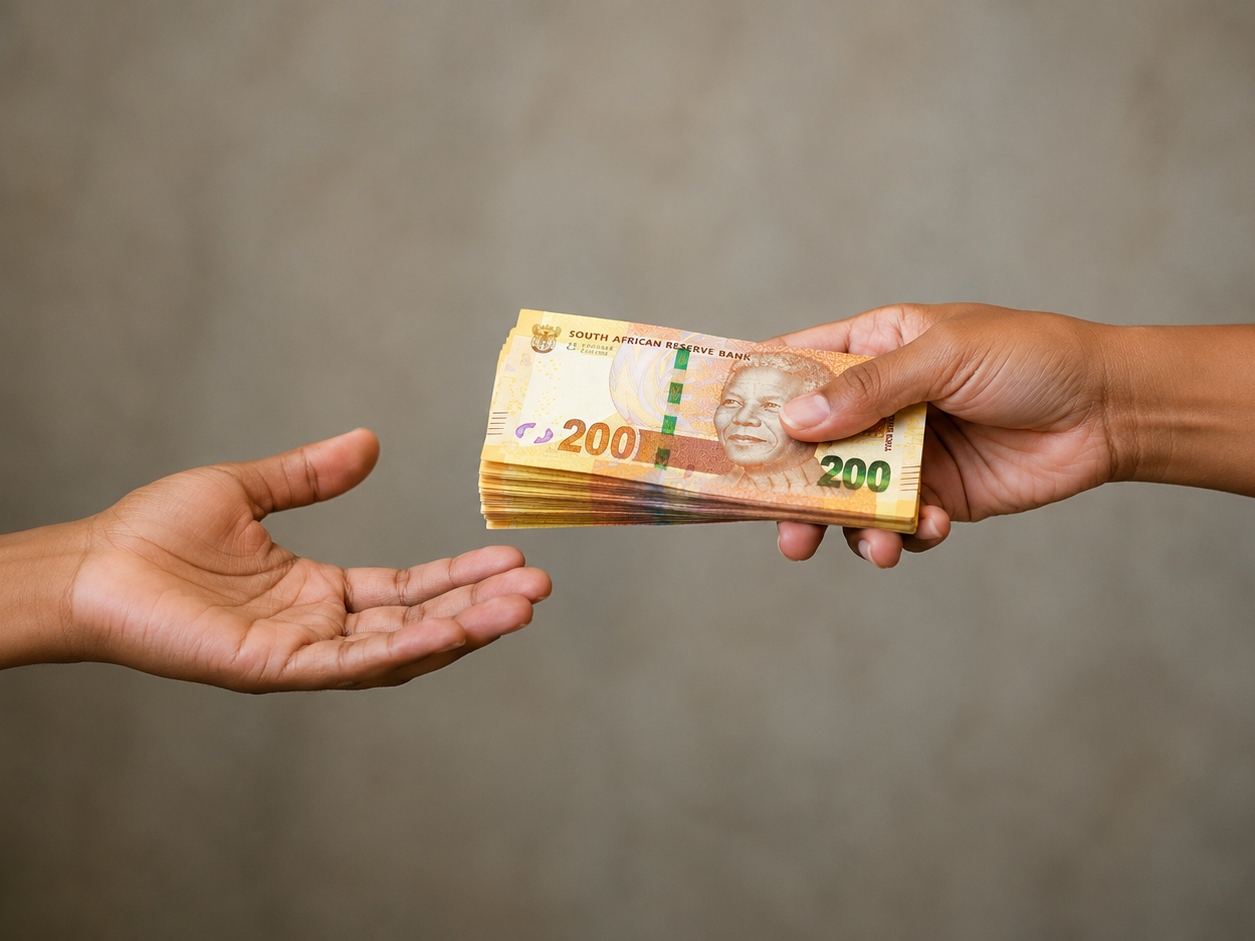
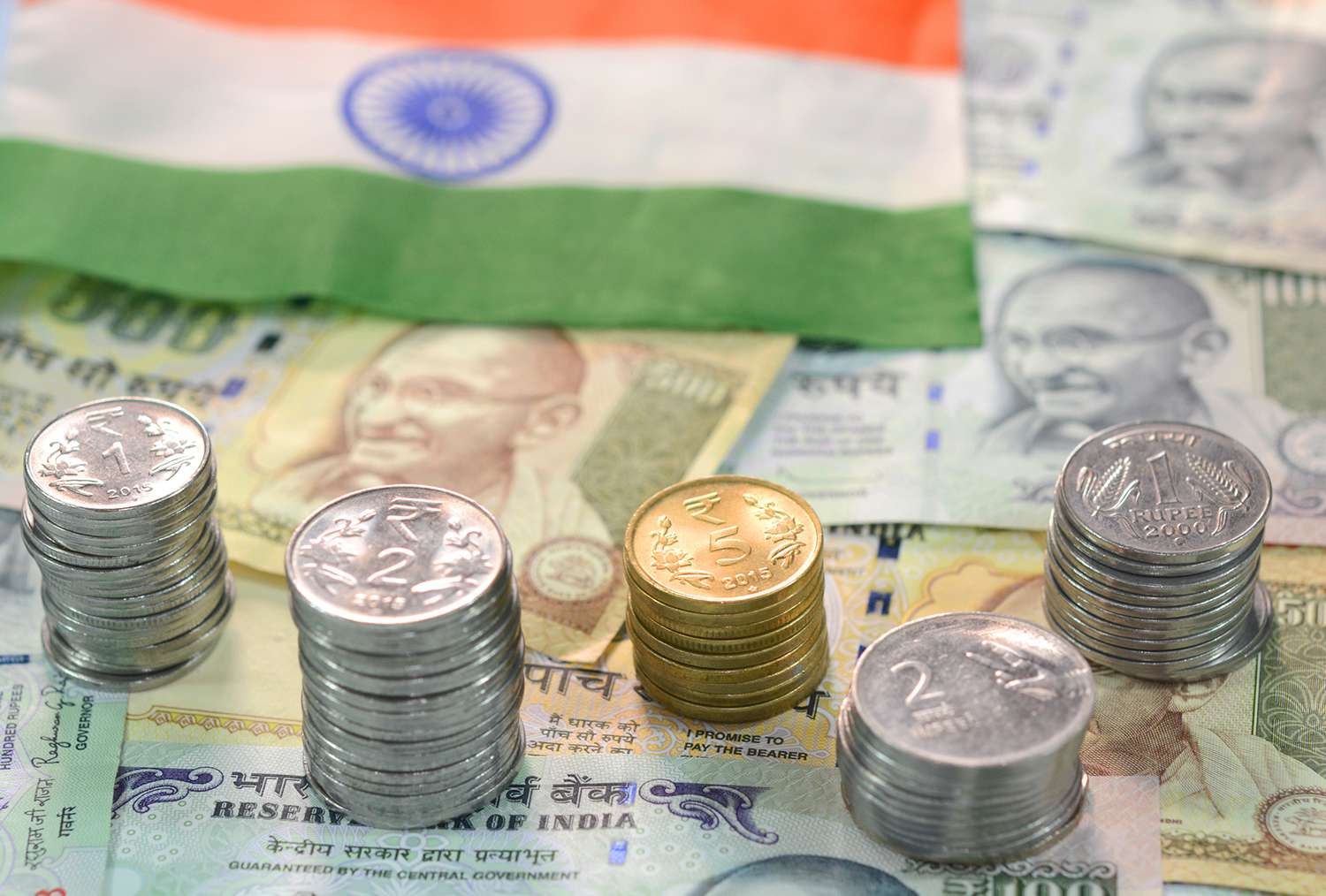
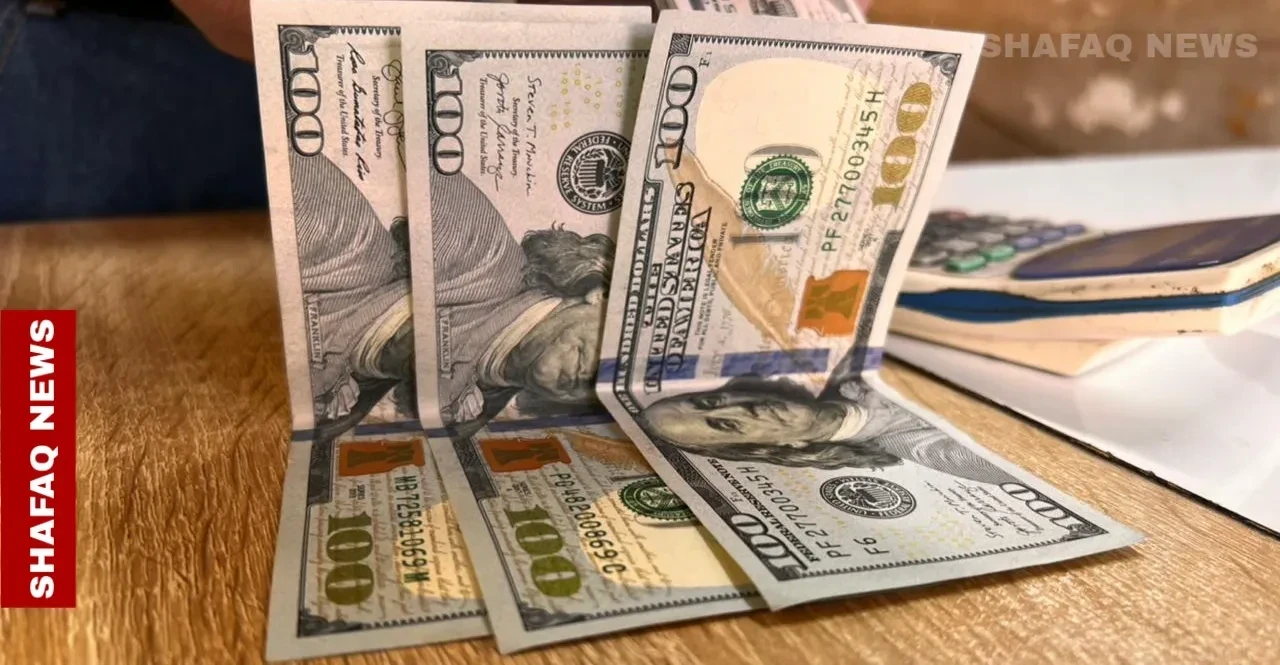
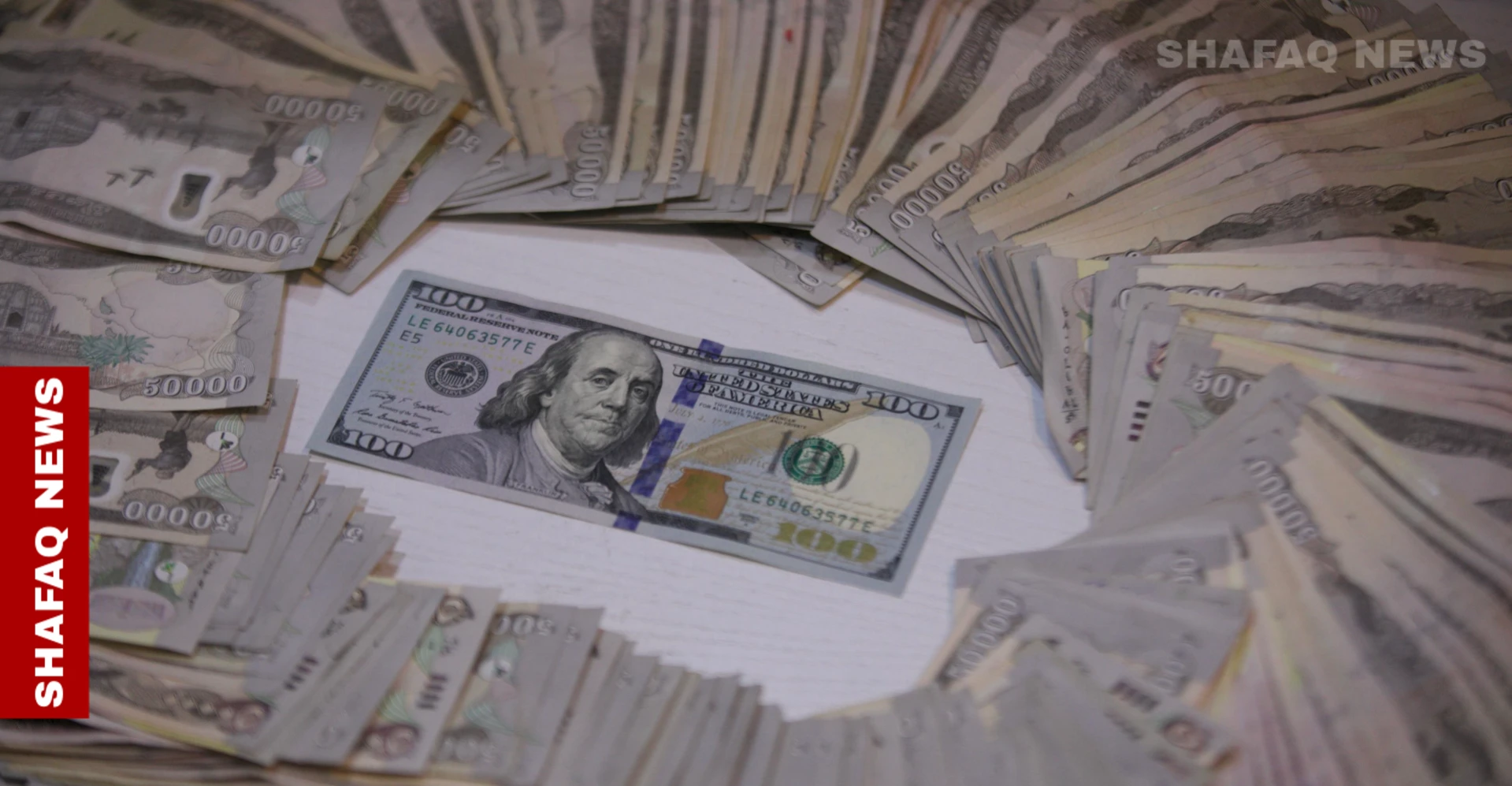
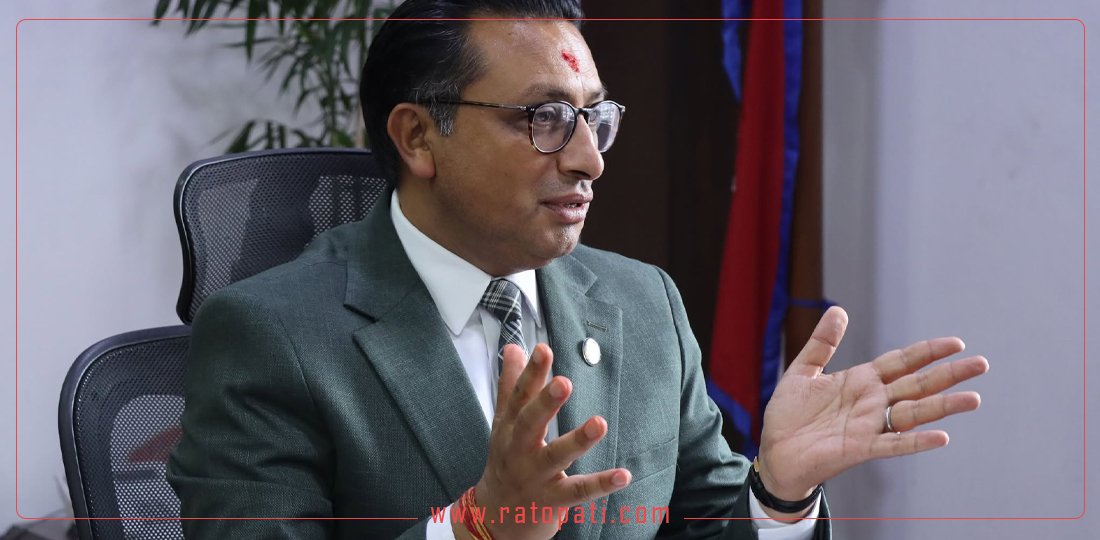
Finance Minister Faleh al-Sari provided stark numbers regarding the deficit, stating that the government needs approximately 8 trillion Iraqi dinars each month to cover salaries but currently has only about 3 trillion dinars available. To cope with this 5 trillion dinar shortfall, the government has begun dispersing payments late and in partial installments as trickle-in revenue becomes available.
Government spokesman Haider al-Aboudi noted that if the Strait remains closed, Baghdad may have no choice but to turn to domestic and foreign borrowing. While emphasizing that Iraq and Türkiye have formed joint committees to study alternative oil flows, al-Aboudi acknowledged that wider geopolitical shifts have dealt a direct blow to an Iraqi foreign policy aimed at economic non-alignment.
Stopgap Solutions vs. Structural Reform
Economic experts warn that borrowing to finance operational expenses is a dangerous temporary fix. Mazhar Mohammed Saleh, financial adviser to the Prime Minister, cautioned against an unmonitored expansion of domestic debt. He emphasized that excessive government borrowing from domestic banks risks crowding out the private sector by draining credit availability and raising interest rates for commercial borrowers. Saleh noted that borrowing should be reserved for value-generating capital projects rather than recurring operational costs like salaries. While targeted external borrowing could bridge the immediate gap until oil flows resume, he stressed it must be tied strictly to structural fiscal reforms.
Political analyst Iyad al-Samawi pointed out that true fiscal reform requires addressing long-standing structural drains on the treasury, specifically loss-making state-owned enterprises. He argued that these entities were not created to burden the public budget or survive indefinitely on government subsidies, but rather to serve as productive tools and engines of national development.
Political Friction and the Appeal to Tehran
The financial crunch has intensified domestic political heat, coinciding with a high-profile anti-corruption drive aimed at what locals call the “big whales”—powerful political figures behind entrenched illicit networks.
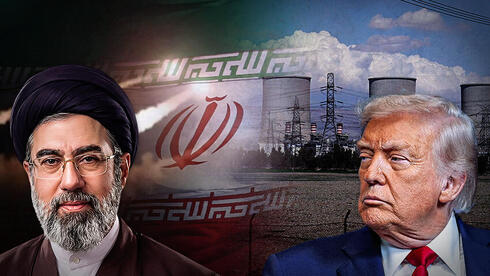
As public anxiety rises, prominent political figures are directing their focus toward Iraq’s complex diplomatic ties with Iran. Prominent politician Dhafir al-Ani publicly appealed to domestic Iran-aligned political factions, urging them to use their influence with Tehran to secure a maritime exemption for Iraqi tankers. In a direct post on social media referencing the Health Minister’s admission, al-Ani framed the situation in stark terms, asking if loyalist factions could ask Iran to allow Iraq to export its oil through the Strait of Hormuz so citizens can secure their salaries and medicine.
With public sector accounts running thin and regional waters blocked, Baghdad finds itself caught between long-term strategic ambitions and an immediate, crippling liquidity crisis. How quickly it navigates the deadlock in the Strait will determine whether this financial shock remains a temporary squeeze or devolves into broader economic instability.