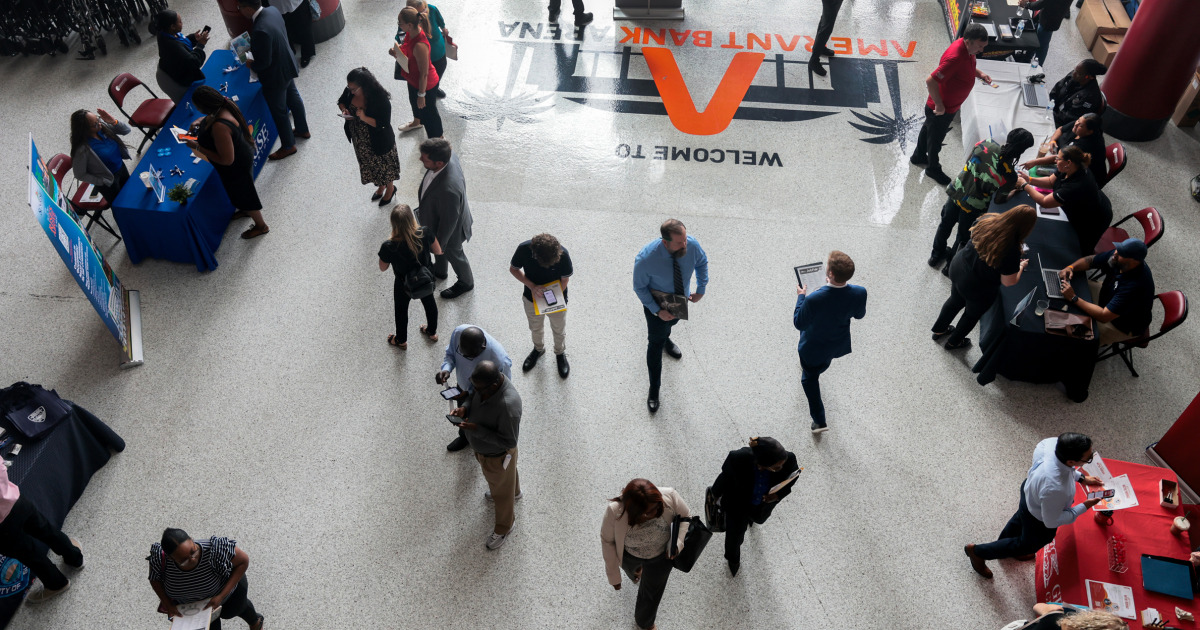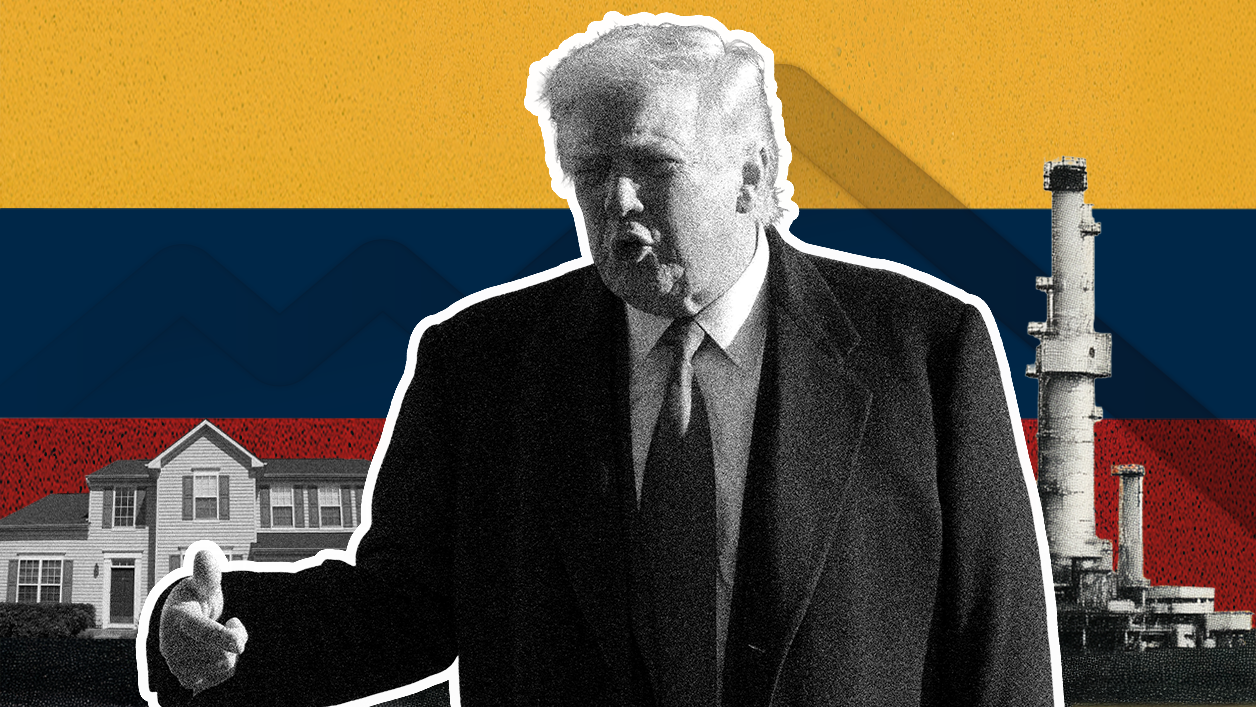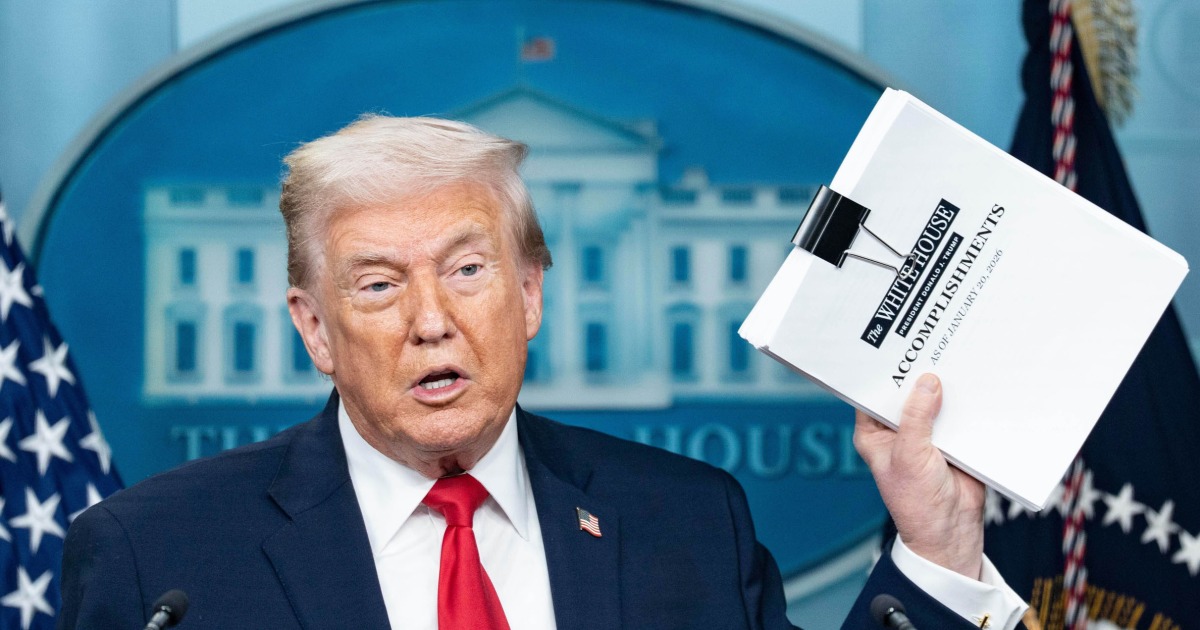
President Donald Trump’s immigration crackdown and the surge in baby boomer retirements could soon redefine what it means to have a healthy labor market.
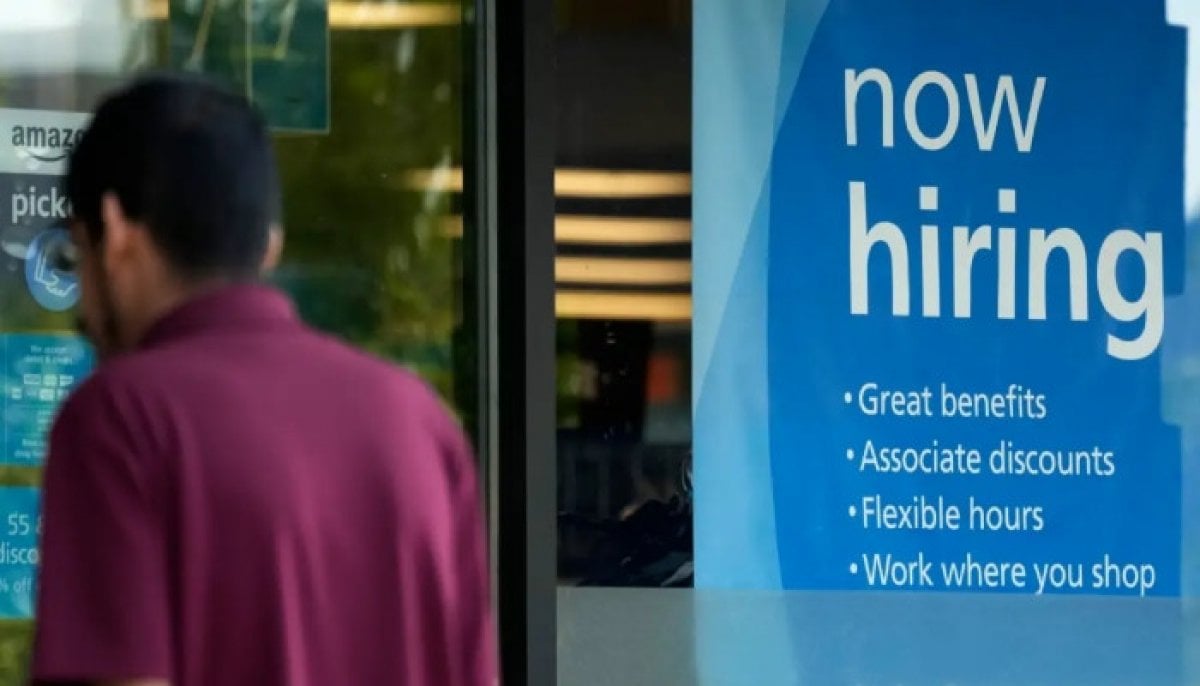
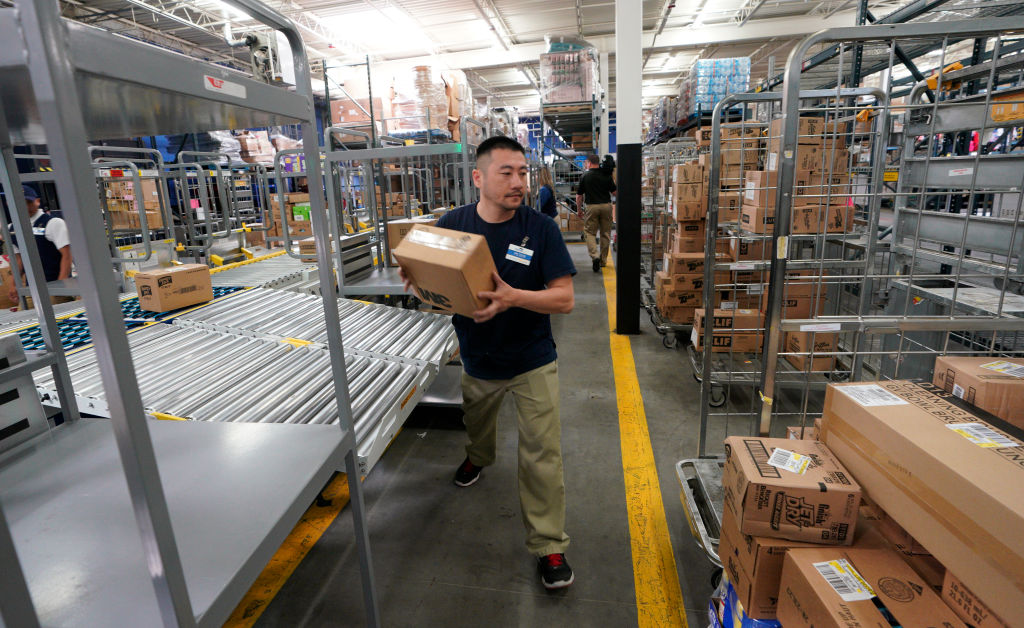
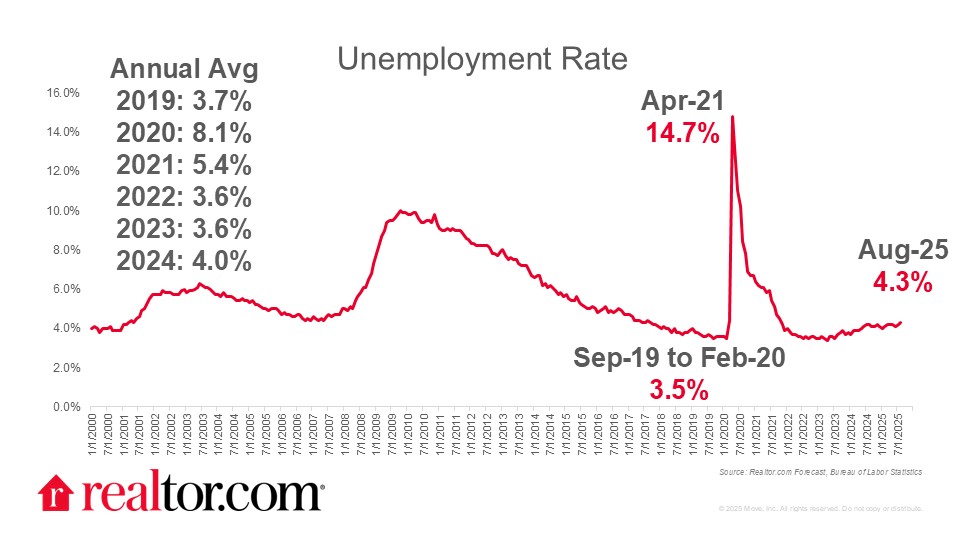
Americans have long been conditioned to expect that robust gains in the Labor Department’s monthly payroll report will result in lower unemployment. When hiring is weak or negative, the labor market can’t absorb enough new workers, sending the jobless rate up.
For years, monthly job gains of around 125,000 to 150,000 were considered necessary to offset entrants into the workforce. But when the labor pool is shrinking, the math looks different.
In fact, a report from Dallas Fed economists earlier this year found that the breakeven rate of employment growth, or the number of net new jobs needed each month to keep the unemployment rate steady, actually went slightly negative during the summer and fall of 2025.
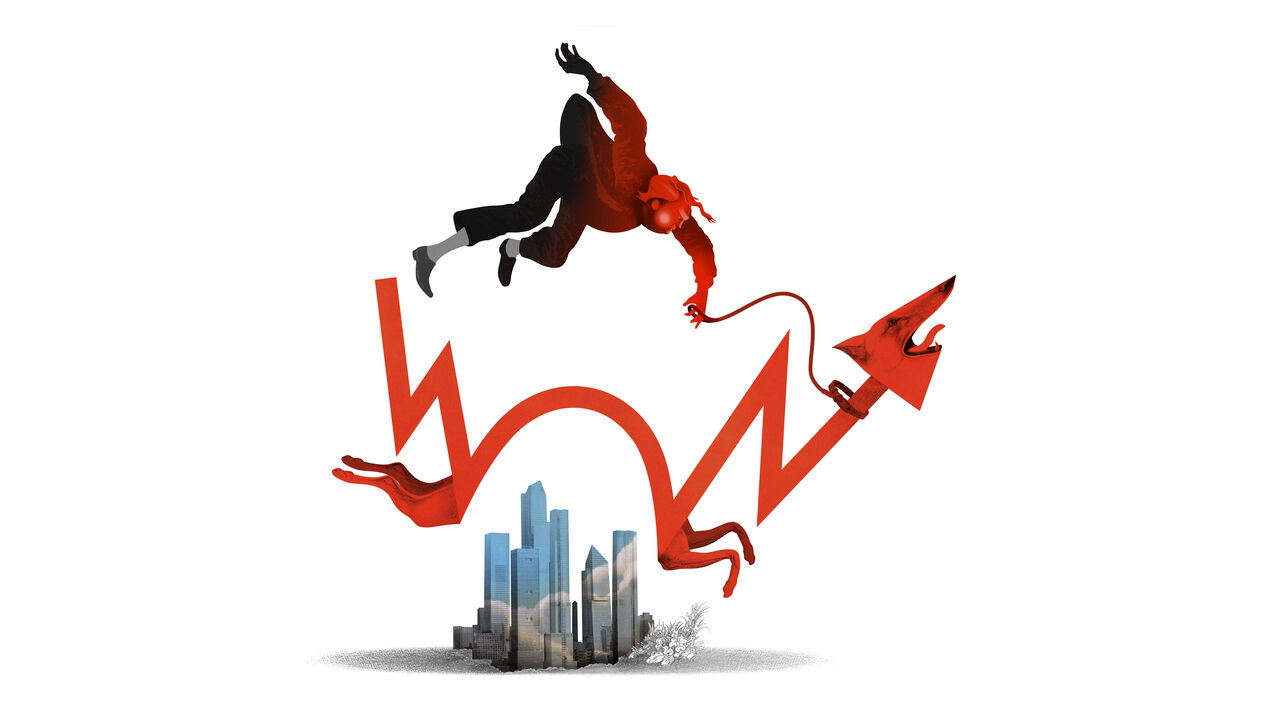
That means payrolls can be stagnant or shrink, and the unemployment rate will hold steady instead of climbing. Such a phenomenon may not be an anomaly but instead become the norm.
On Thursday, Oxford Economics estimated the breakeven rate is currently about 50,000 new jobs per month, down from more than 200,000 in 2022 and 2023, when immigration surged.
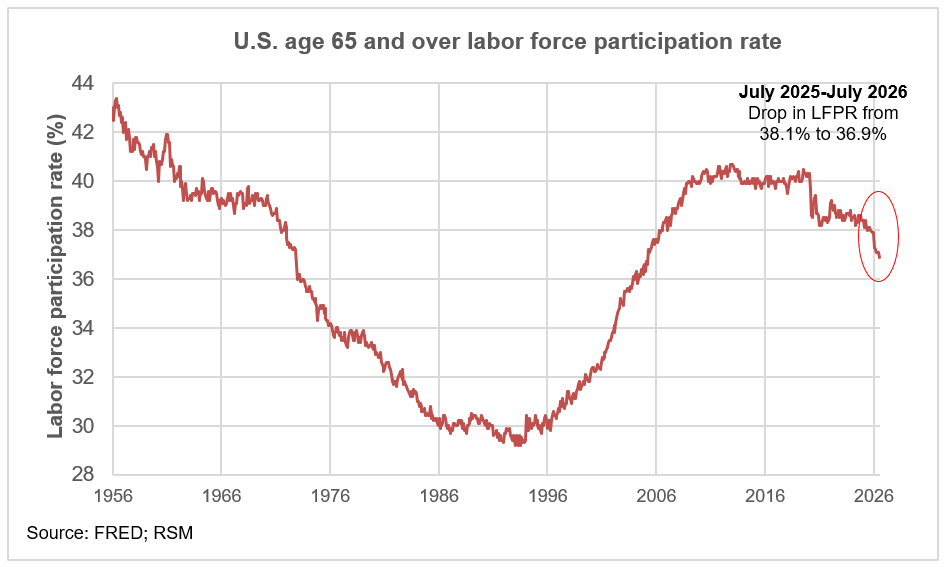
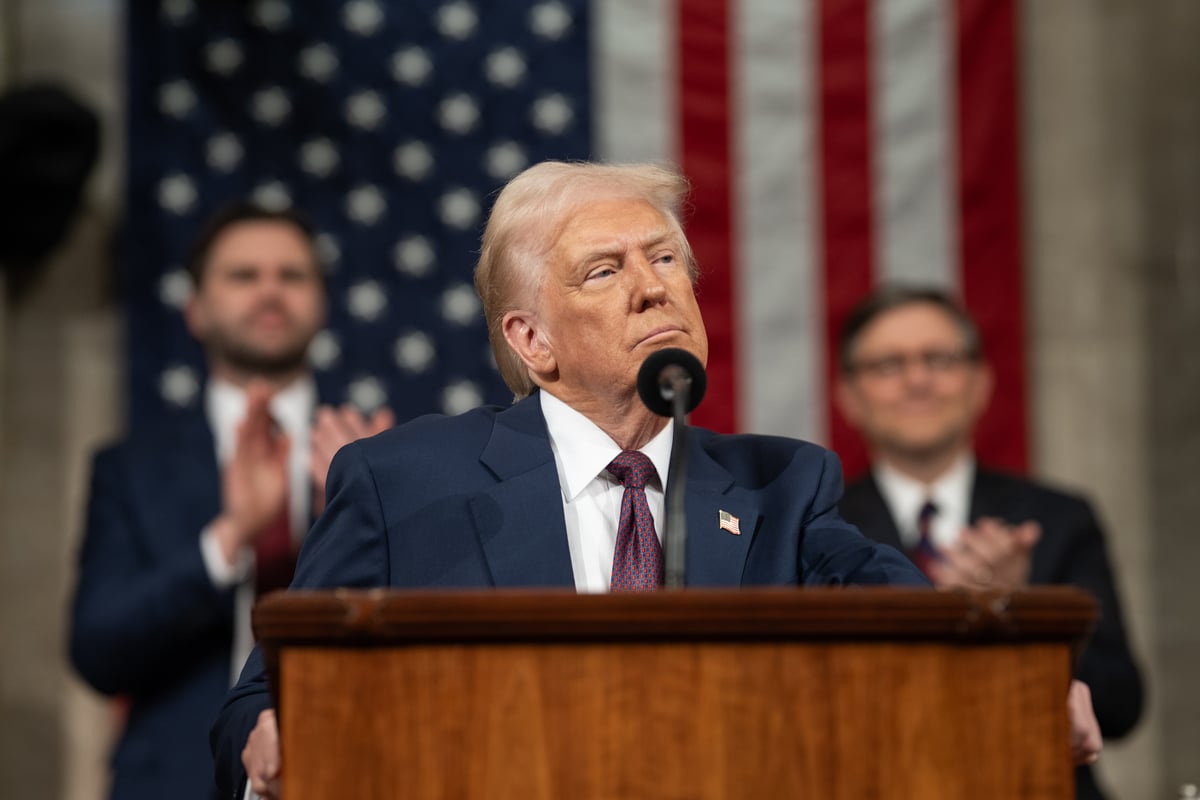
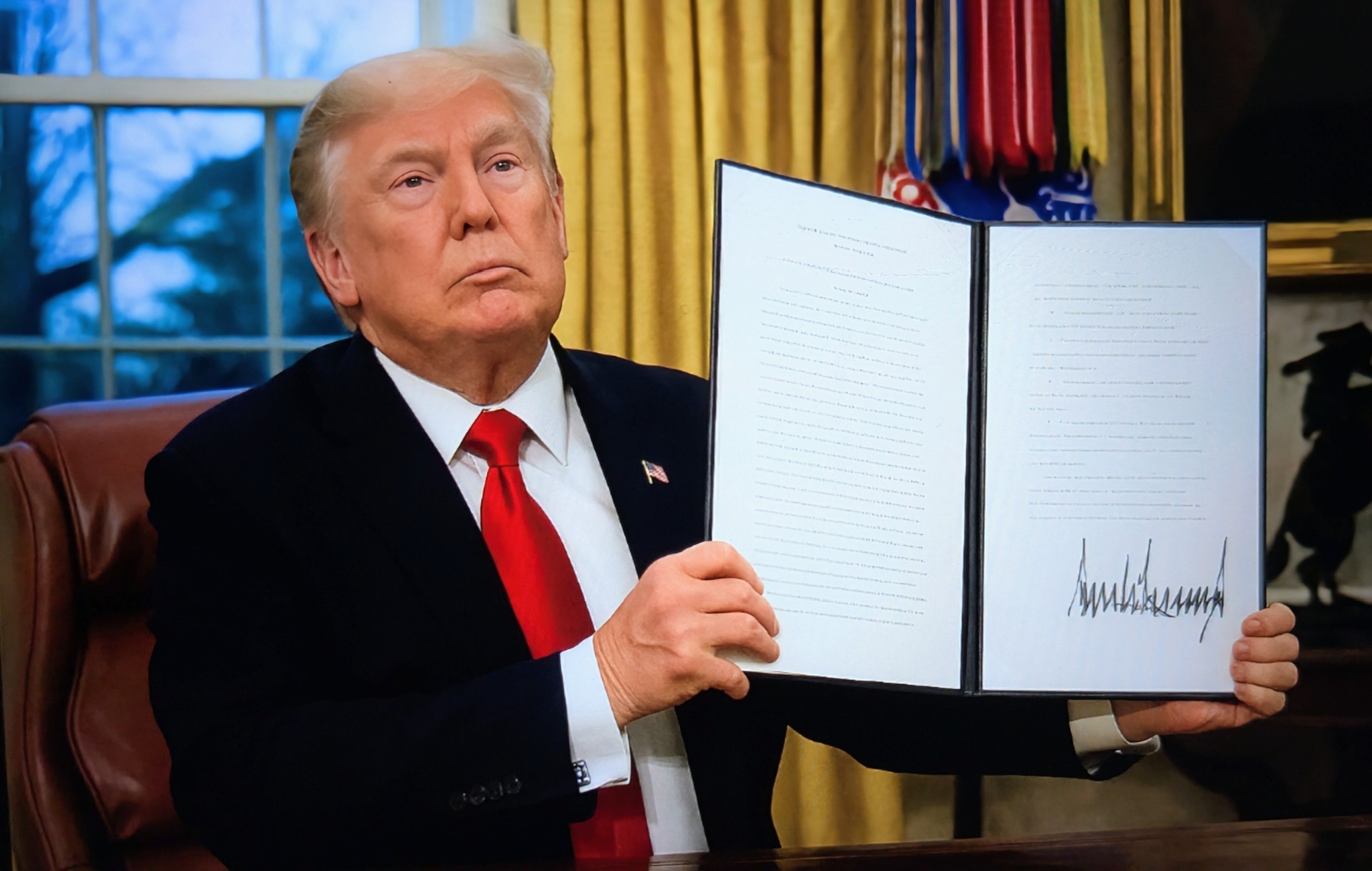
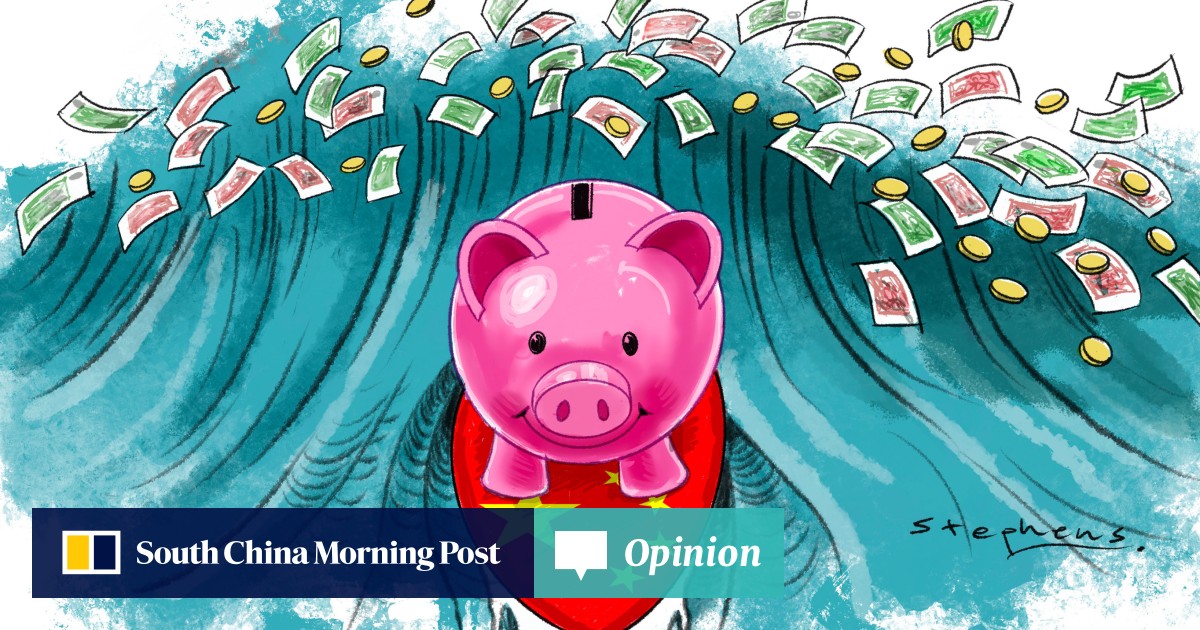
But with Trump returning to the White House, restrictive immigration policies have slashed the supply of foreign-born labor over the past year and a half. Separately, labor force participation has fallen as the population ages.
As a result, the breakeven rate will fall to zero next year and turn slightly negative in 2028, according to economists Matthew Martin and Bernard Yaros.
“Today, the labor market’s speed limit is much lower than just a few years ago, setting the stage for a jobless expansion,” they wrote in a note.
Their forecast assumes Trump’s immigration policies stay in place over the rest of his term and that the baby boomer retirement “tsunami,” which will peak between 2026 and 2029, continues squeezing the labor force.
But just because the breakeven rate will be underwater, that doesn’t mean layoffs will follow. On the contrary, Oxford Economics sees job growth staying slightly positive on the back of industries like health care that are more immune to the business cycle.
Over the next couple of years, there should be “gentle downward pressure” on unemployment, Martin and Yaros predicted.
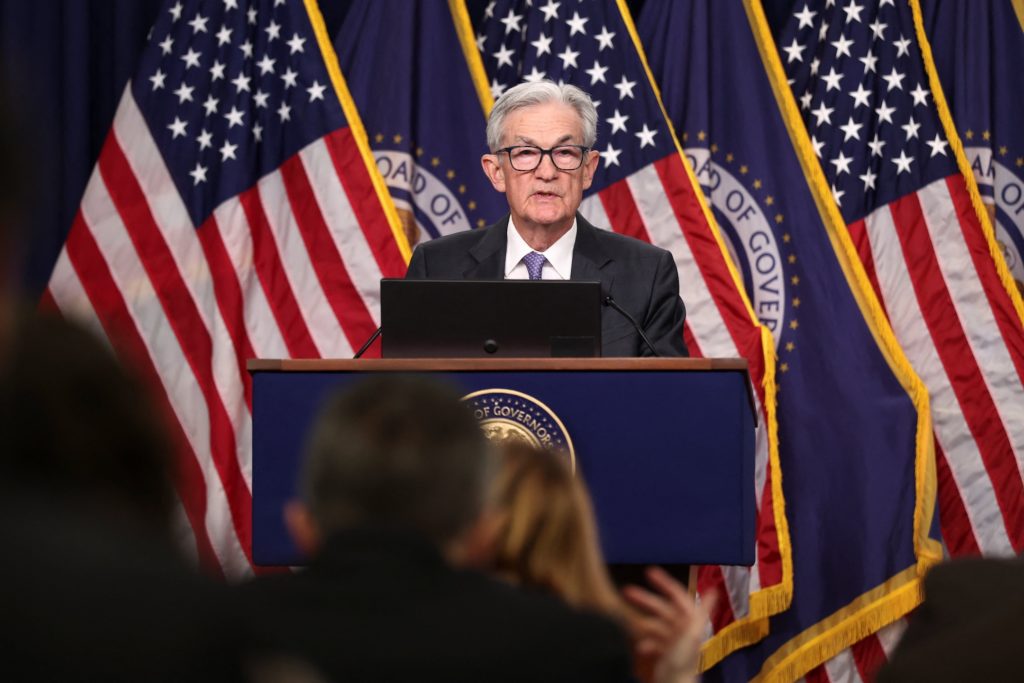
So even if payroll reports turn anemic, don’t expect the Federal Reserve to come to the rescue because the jobless rate will still be little changed.
“Slowing or falling employment would have to be accompanied by a large move higher in unemployment and other signs of weakness for the Fed to step back from considering rate hikes and pivot back to cuts,” they added.