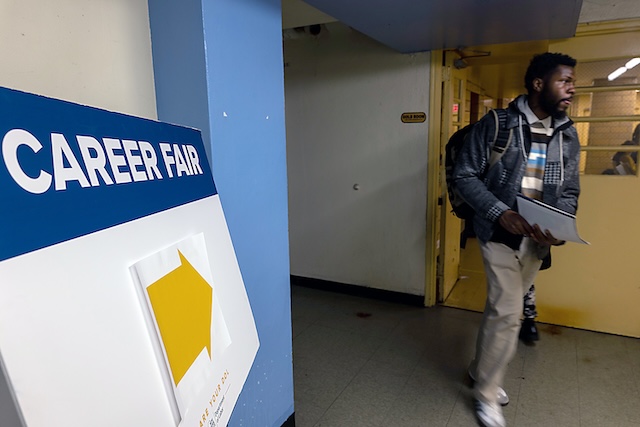
The U.S. economy shed 23,000 jobs in July, a sign that the labor market had not stabilized after four months of positive growth.
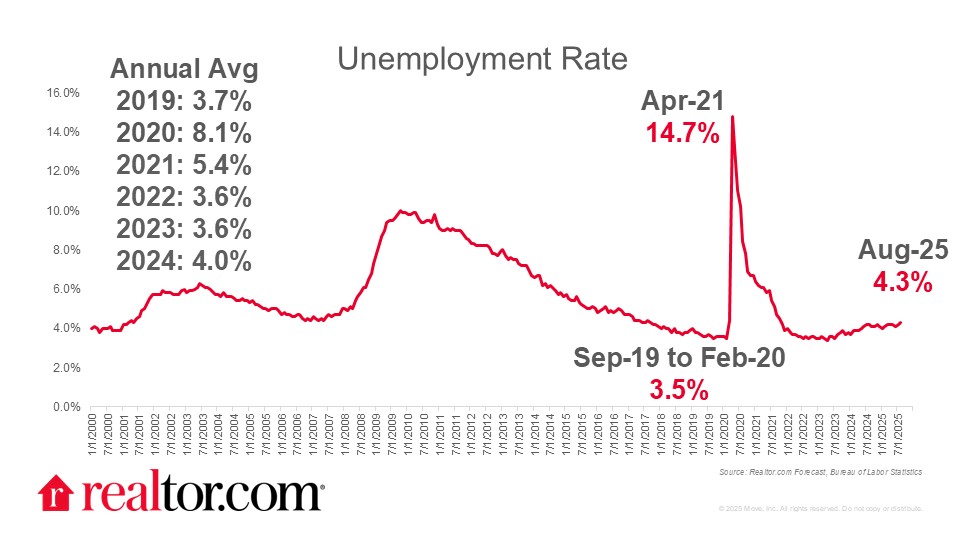
The unemployment rate ticked down only slightly to 4.1%.
Economists surveyed by Dow Jones were expecting the release to show 83,000 added roles, more than June’s 57,000.
In yet another troubling sign for the labor market, the Bureau of Labor Statistics said that it revised down the prior two months by a combined 103,000. May’s jobs total was cut by 66,000 to 129,000 total jobs added, while June’s total was lowered by 37,000 to a total gain of 57,000.
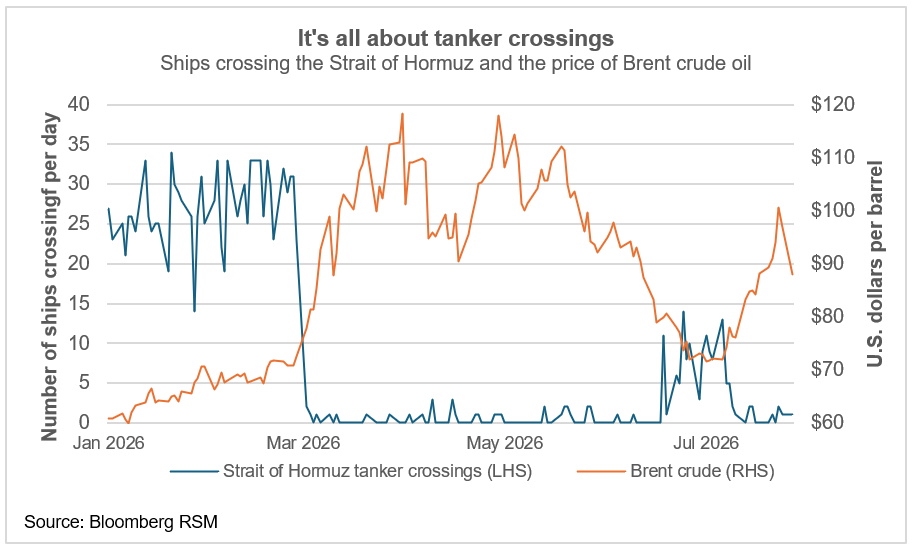
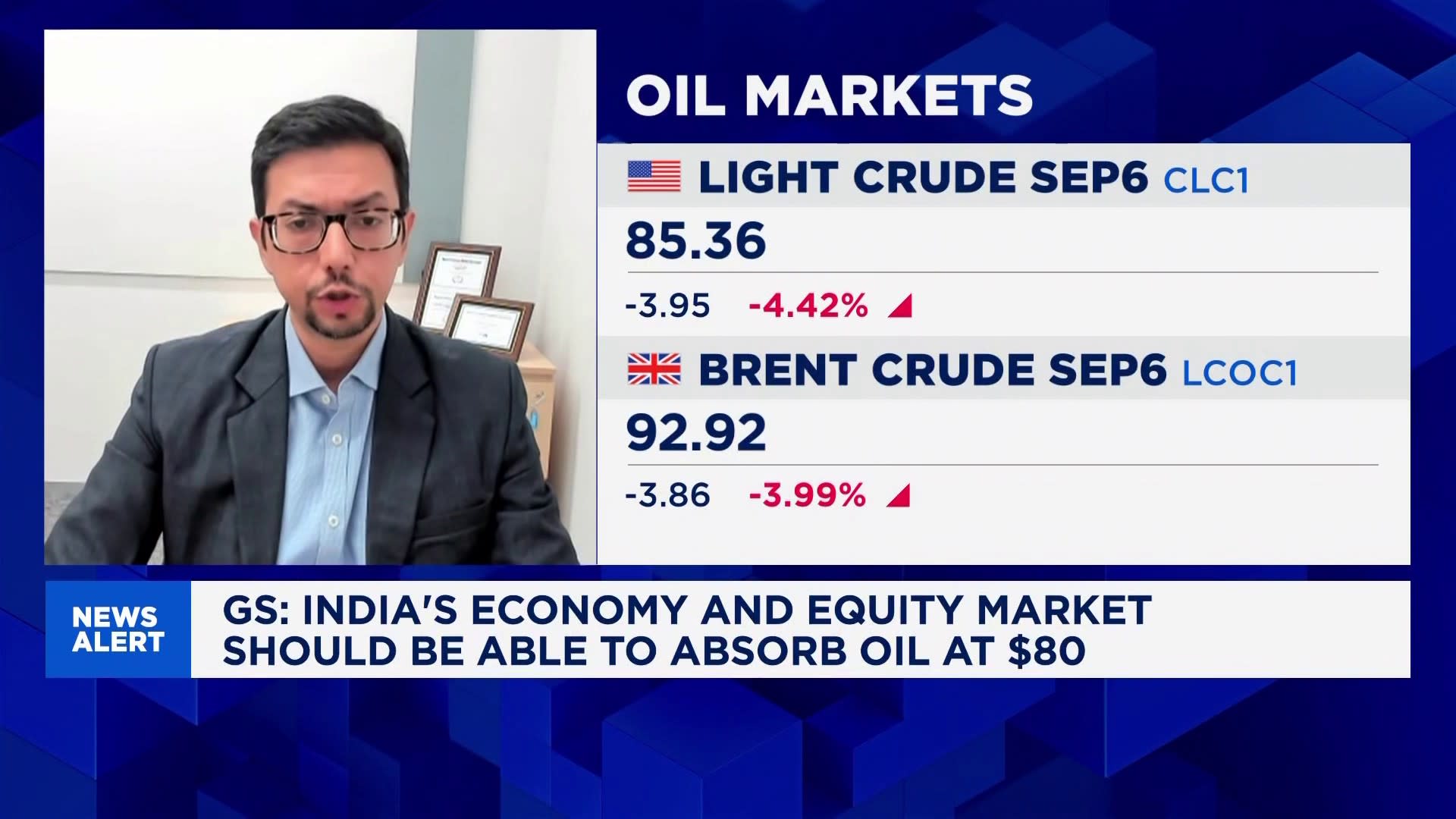
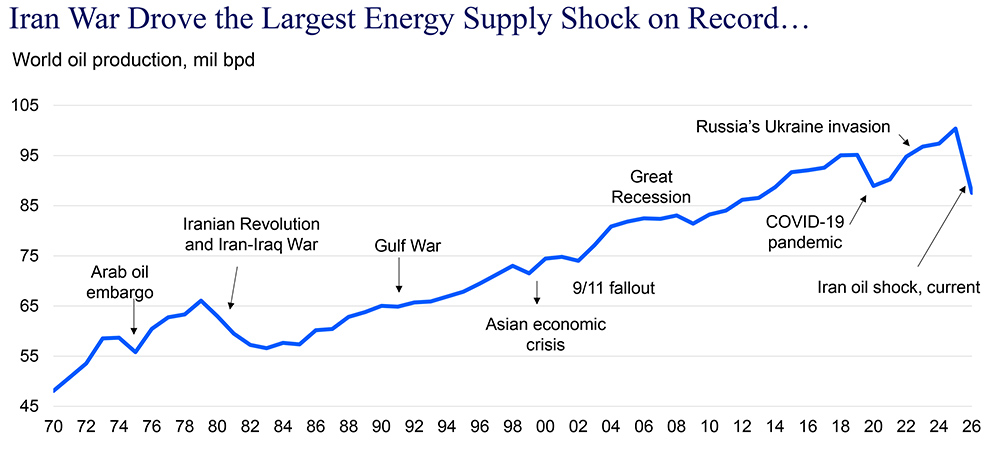
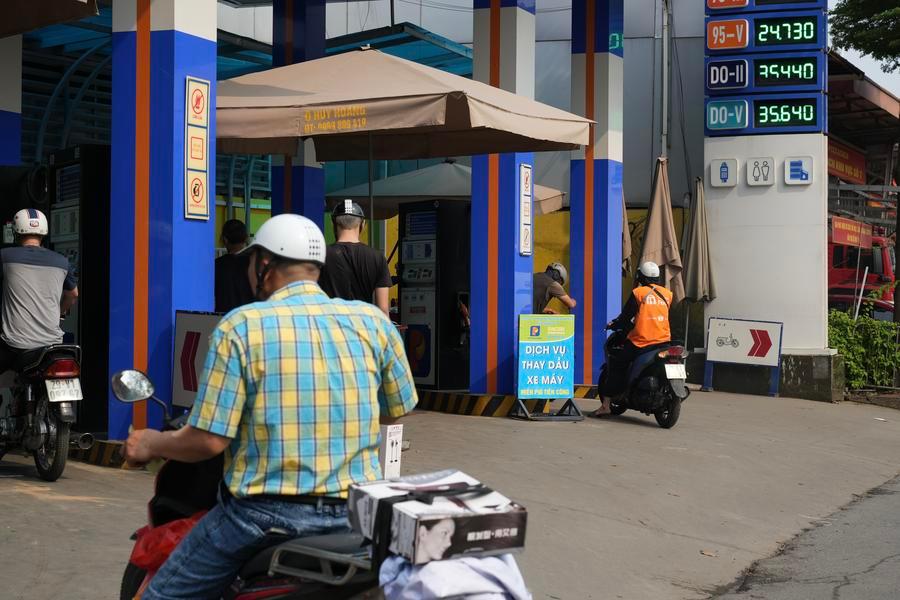
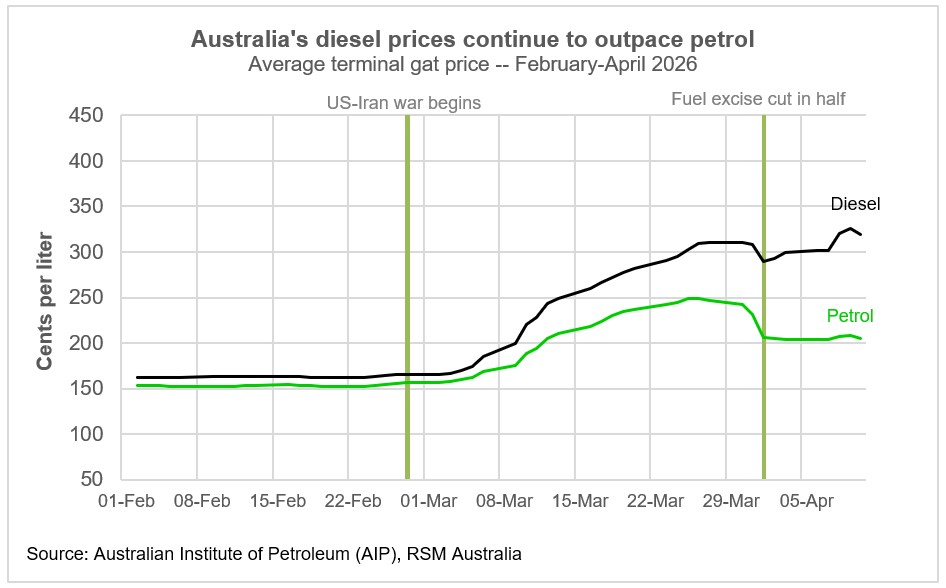
The hiring data comes against a complicated economic backdrop. The U.S. war with Iran continues without any kind of agreement to fully reopen the Strait of Hormuz. As a result, energy prices remain elevated, even if they are off their highest levels of the year.
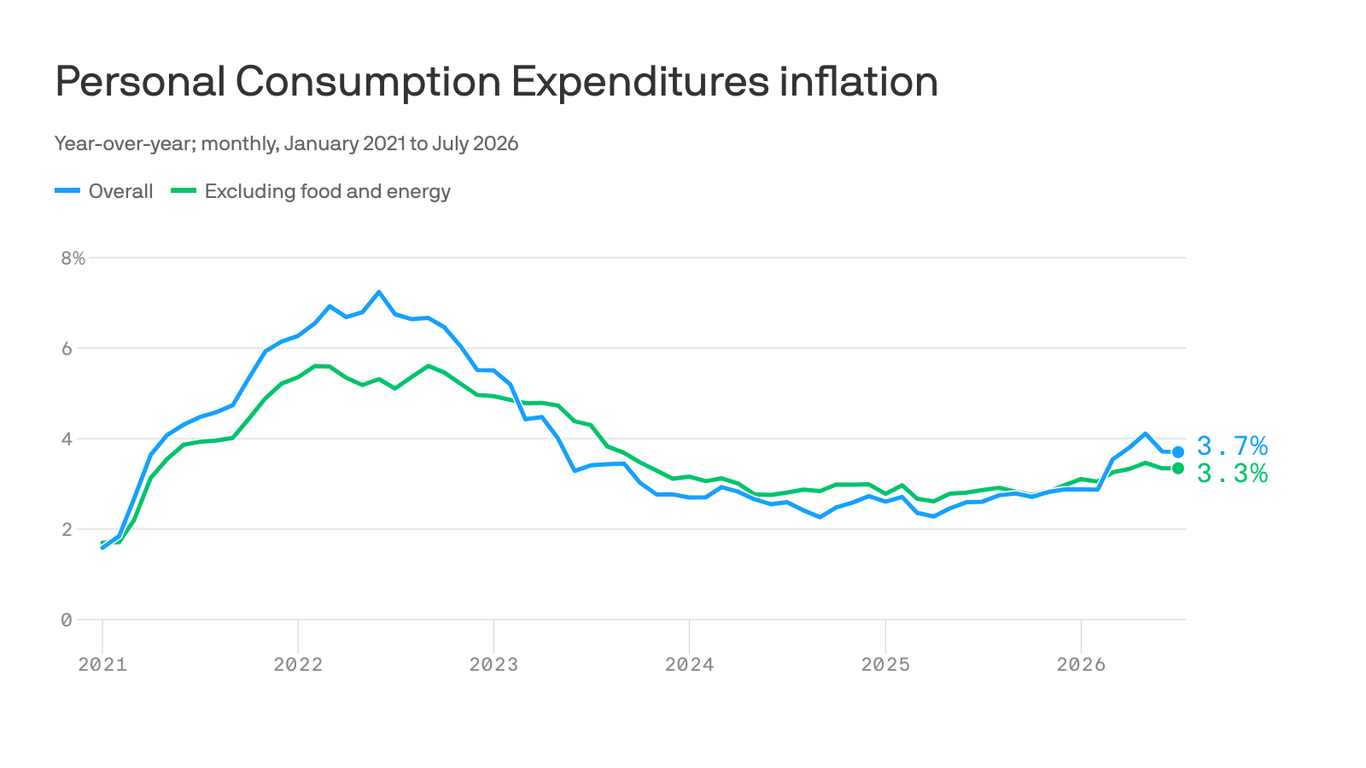
The change in workers’ average hourly earnings also fell well short of economists’ expectations. Wage growth was 0.1% from June, or 3.2% from one year ago. That’s also below inflation, which was 3.5% in its most recent reading.
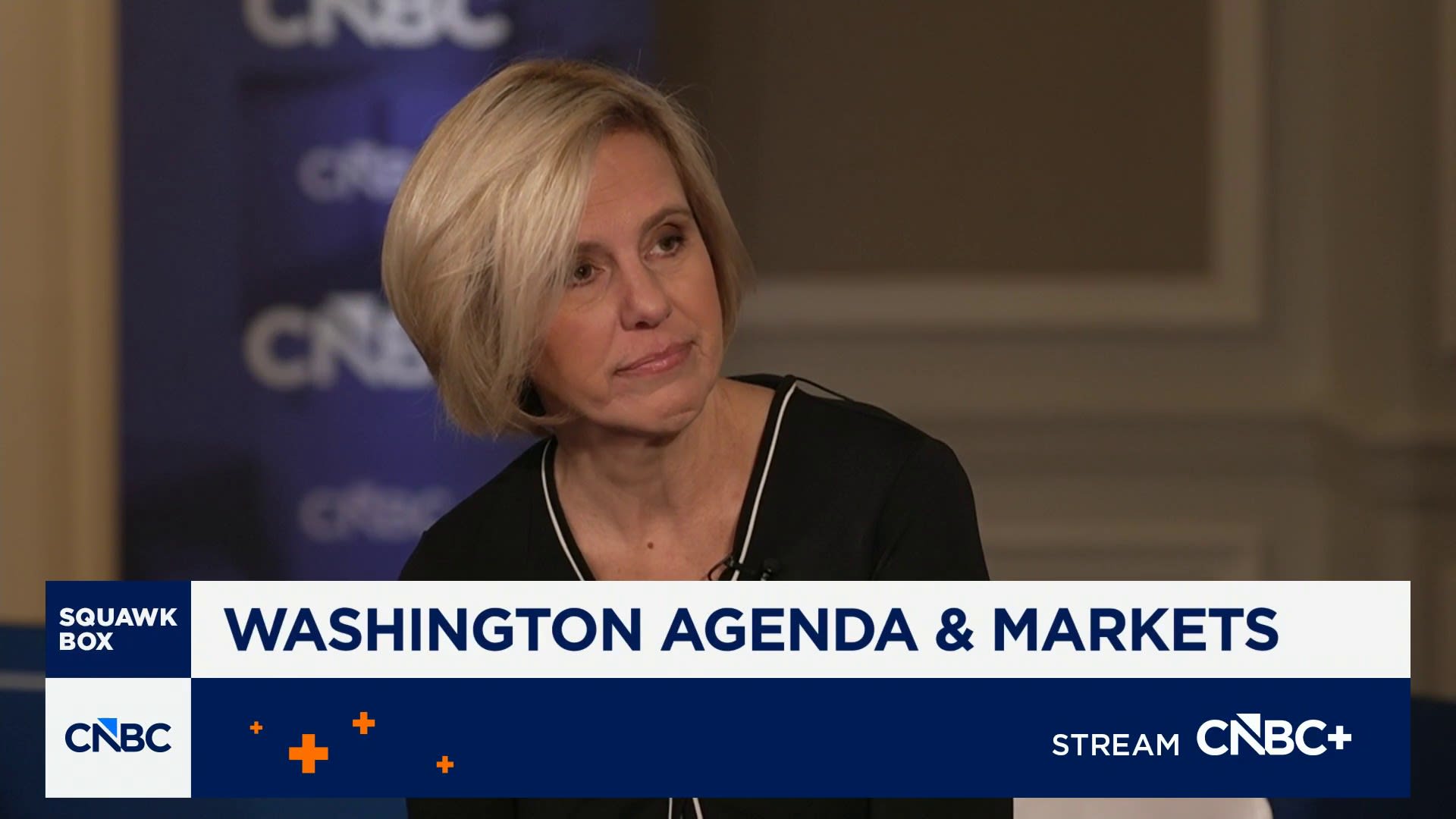
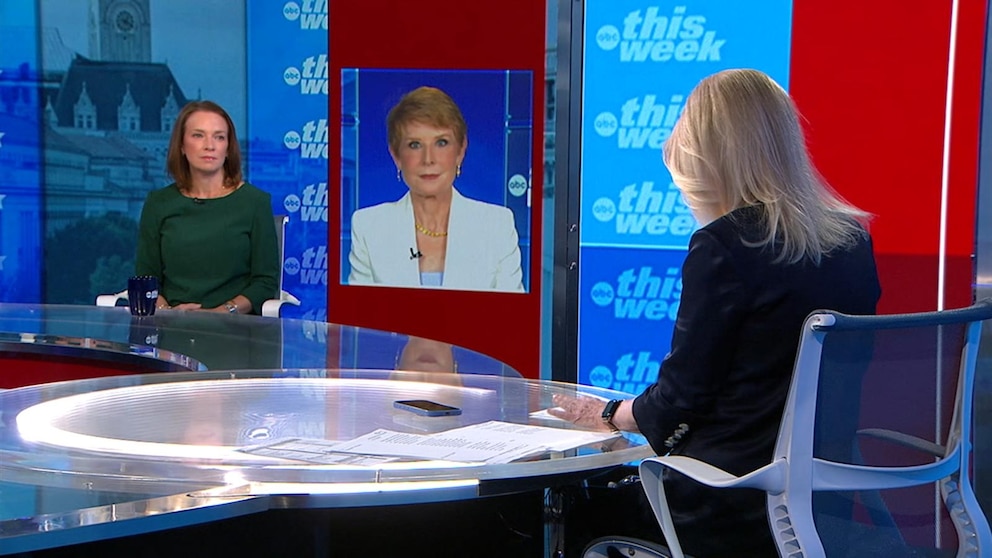
“That’s the number that many Americans are focused on right now,” Heather Long, chief economist at Navy Federal Credit Union, told NBC News. Long pointed out that 3.2% was the lowest wage growth has been in five years. “At the same time, inflation is heating back up again.”
Economists had been expecting wages to continue pacing at 3.5% from a year ago.
“The labor market is stalling again,” Long said, also calling the report “bleak.”
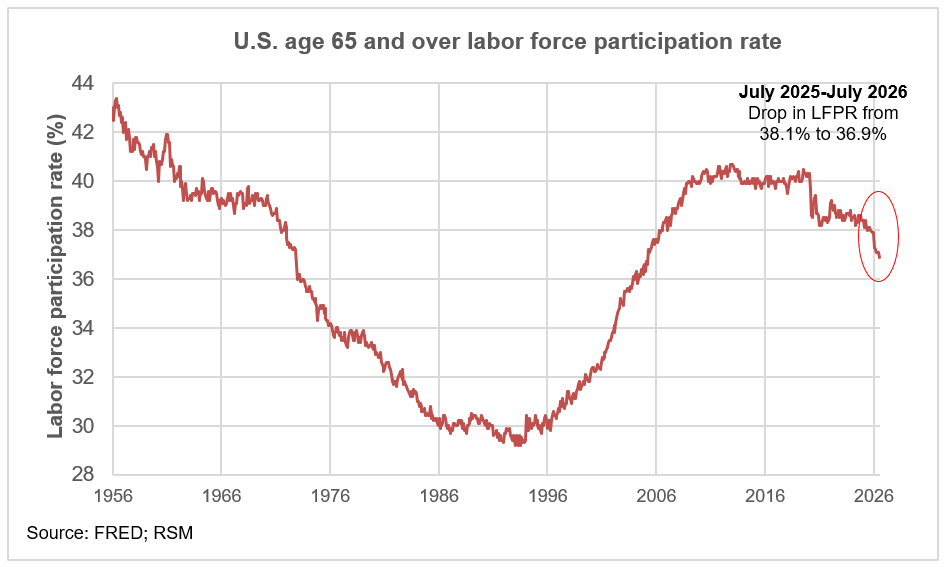
Long also pointed to another troubling data point: The labor force participation rate in July was the lowest since February 2021, a sign that workers are dropping out of the workforce. “It’s pretty shocking,” she said. “Over two million people have left the labor force since November.”
“The magnitude of the payroll miss suggests the labor market may be losing momentum and can no longer be considered the pillar of strength,” said Allianz investment strategist Charlie Ripley.
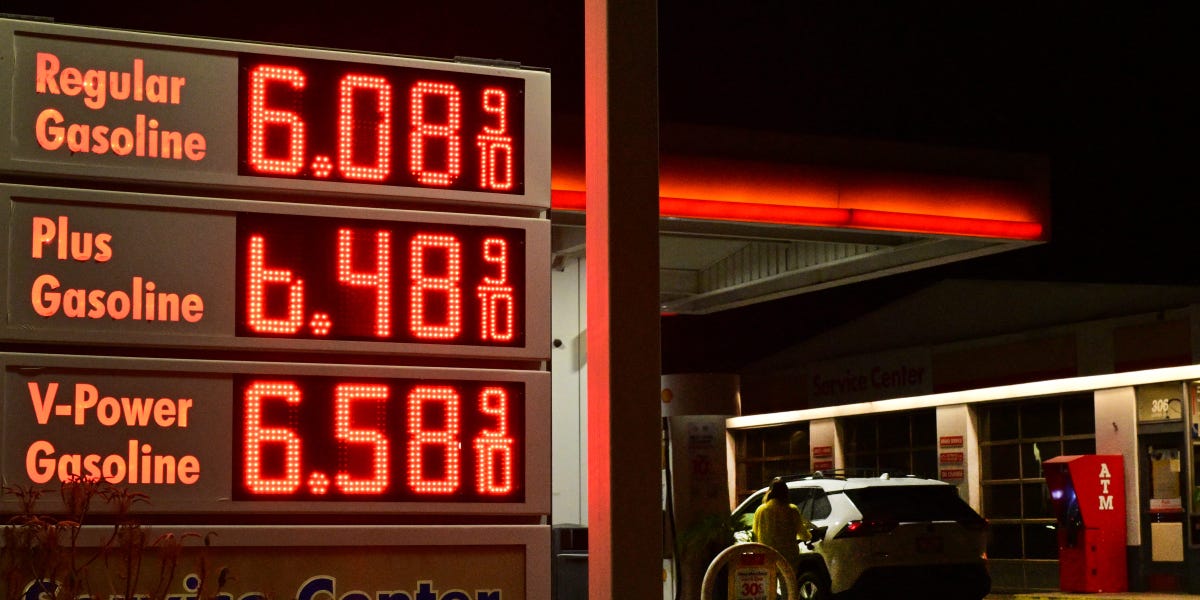
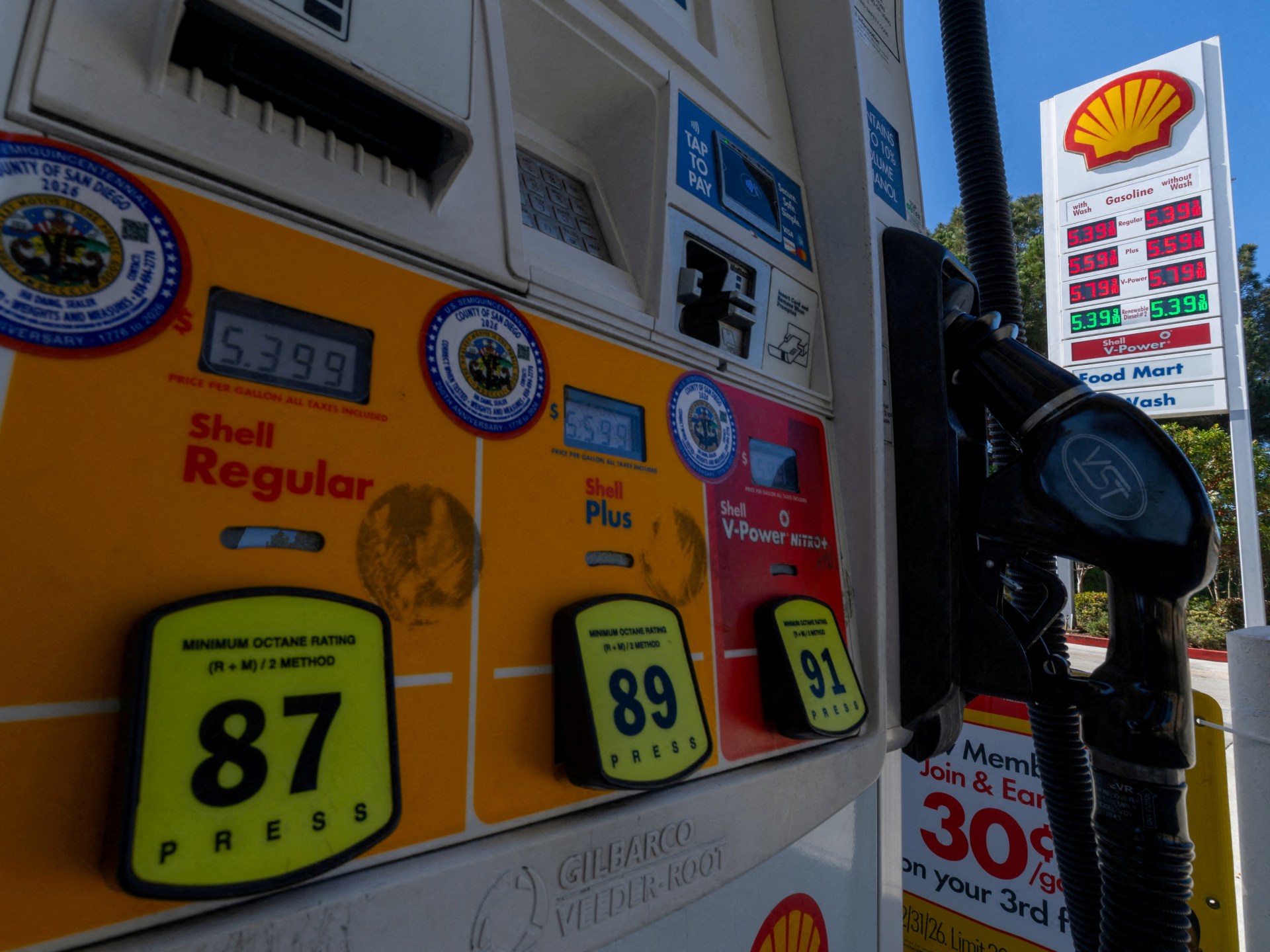
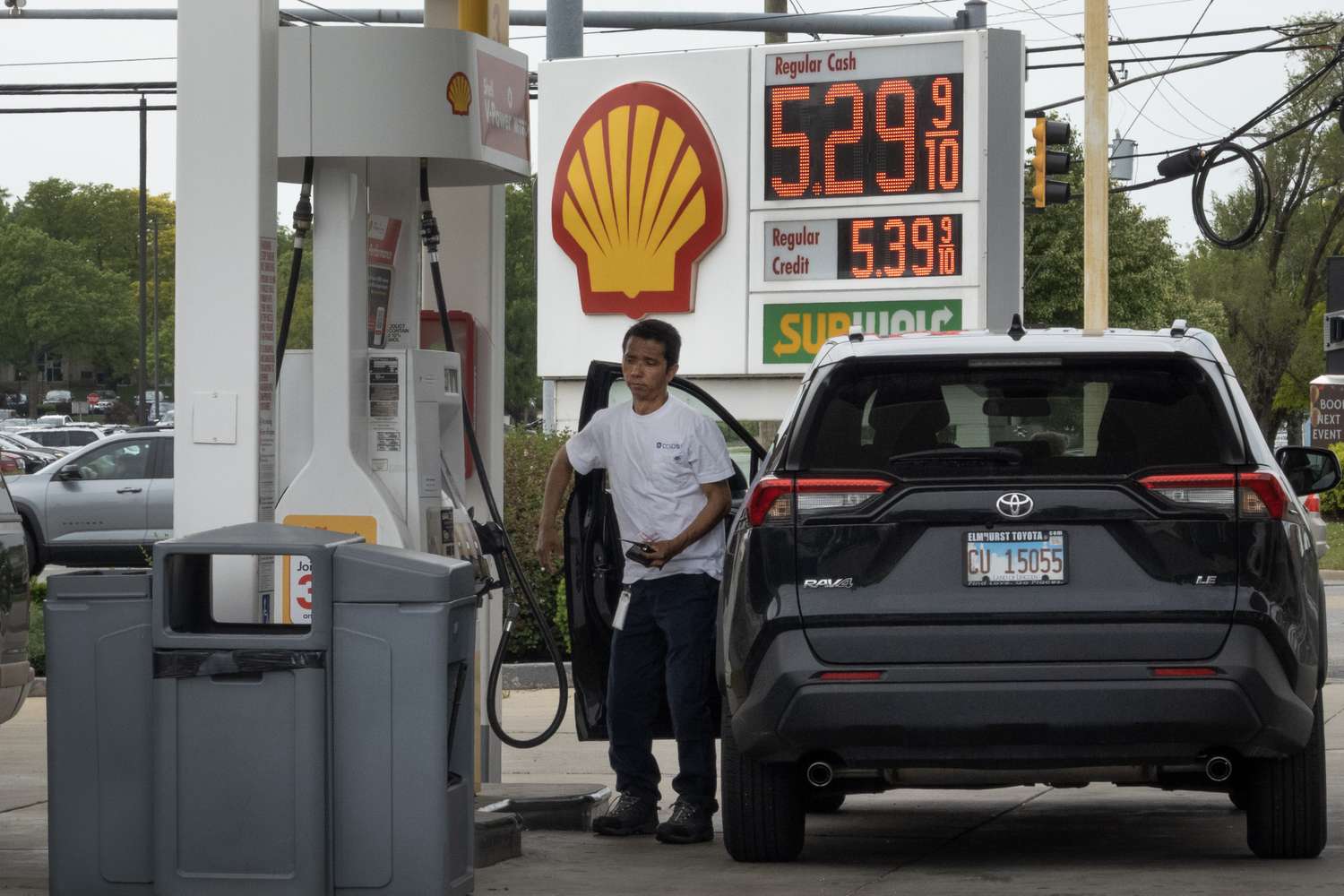
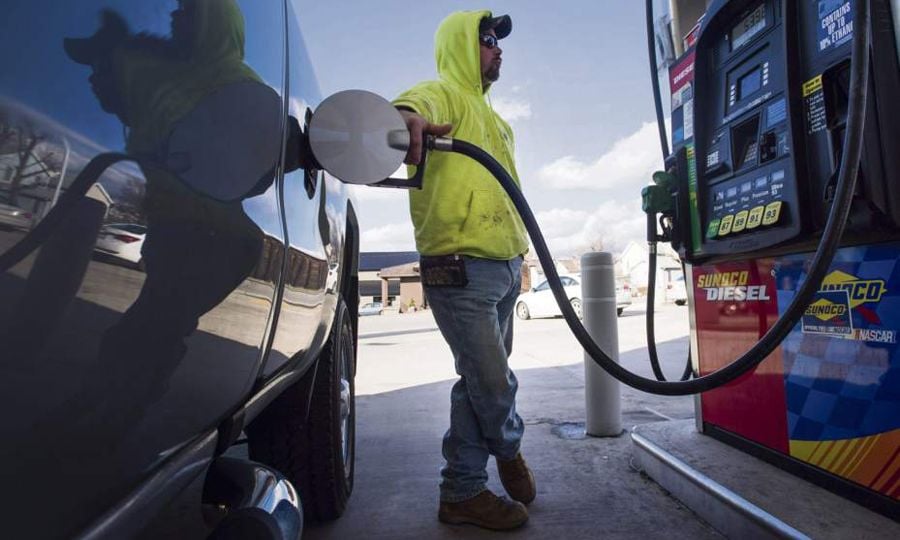
The average price of regular gasoline also remains high, at $4.04 per gallon as of Friday morning, up 36% since Feb. 28, when the Iran war began. Inflation remains well above the Federal Reserve’s 2% target at 3.5%. Wages are struggling to keep pace.
The BLS said employment contracted the most in “local government education,” which declined by 50,000 roles, likely reflecting teachers during summer break. It also flagged a contraction of 19,000 roles in the retail industry. The financial industry shed 14,000 roles.
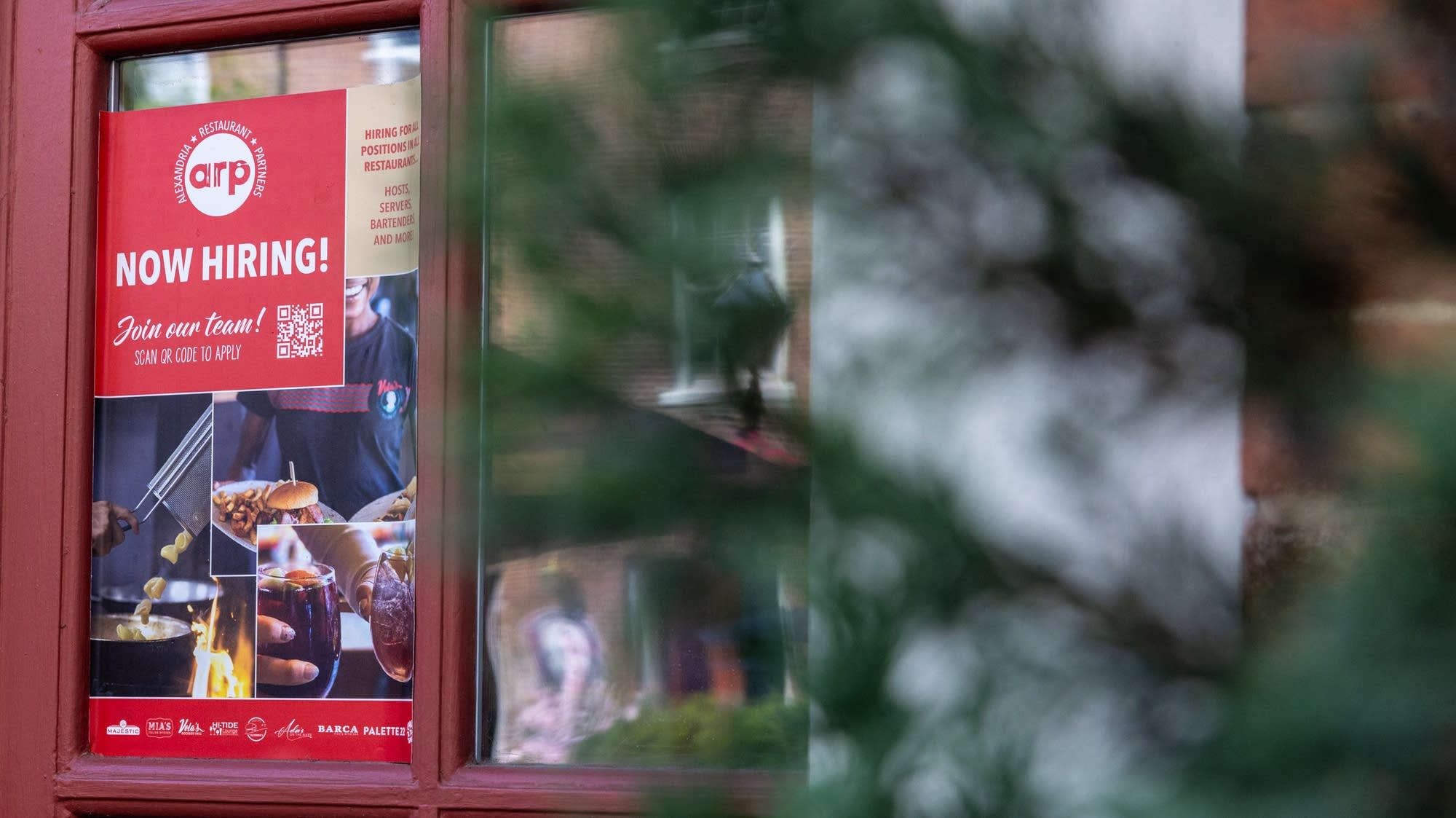
The leisure and hospitality industry also contracted by 40,000 jobs. Economists watch this figure closely because a significant loss at hotels and restaurants could be an early warning sign of a shift in consumer spending.
“In July, employment in health care continued its upward trend,” the BLS said, noting a gain of 22,000 jobs. But it said, that was “a slower pace than the average monthly gain over the prior 12 months.”
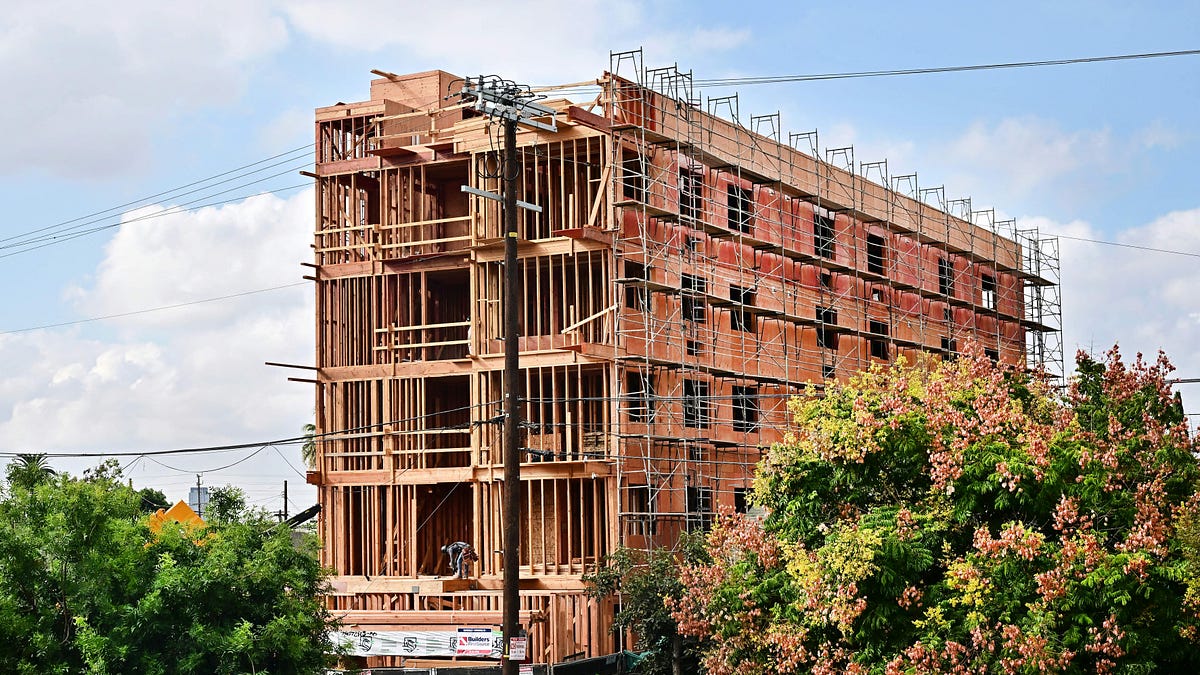
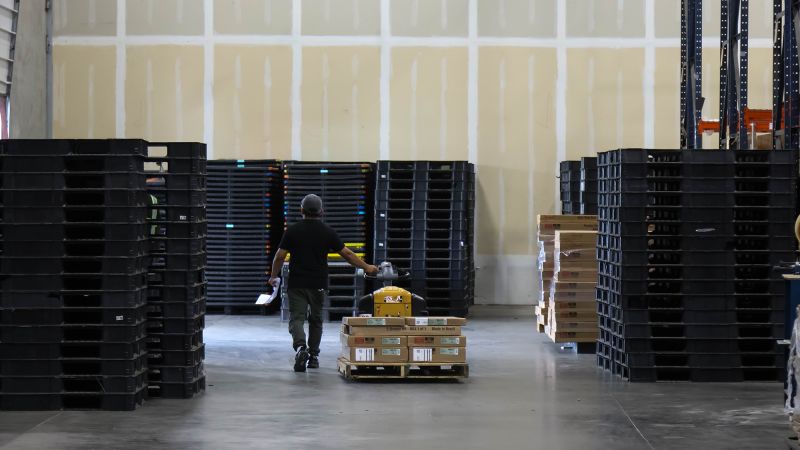
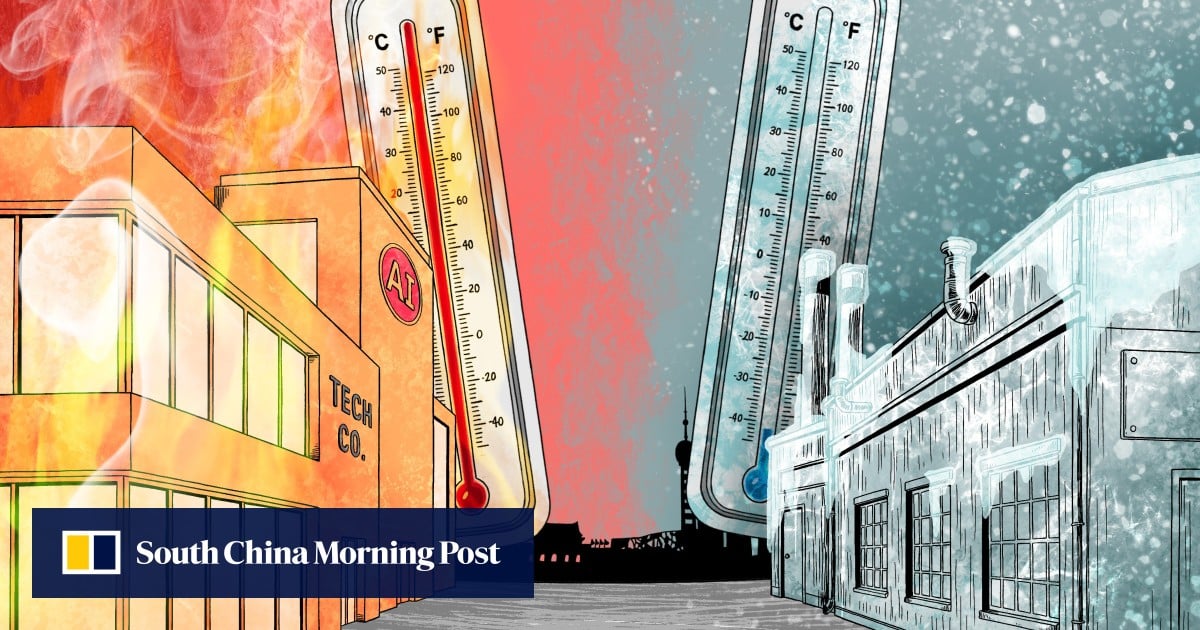
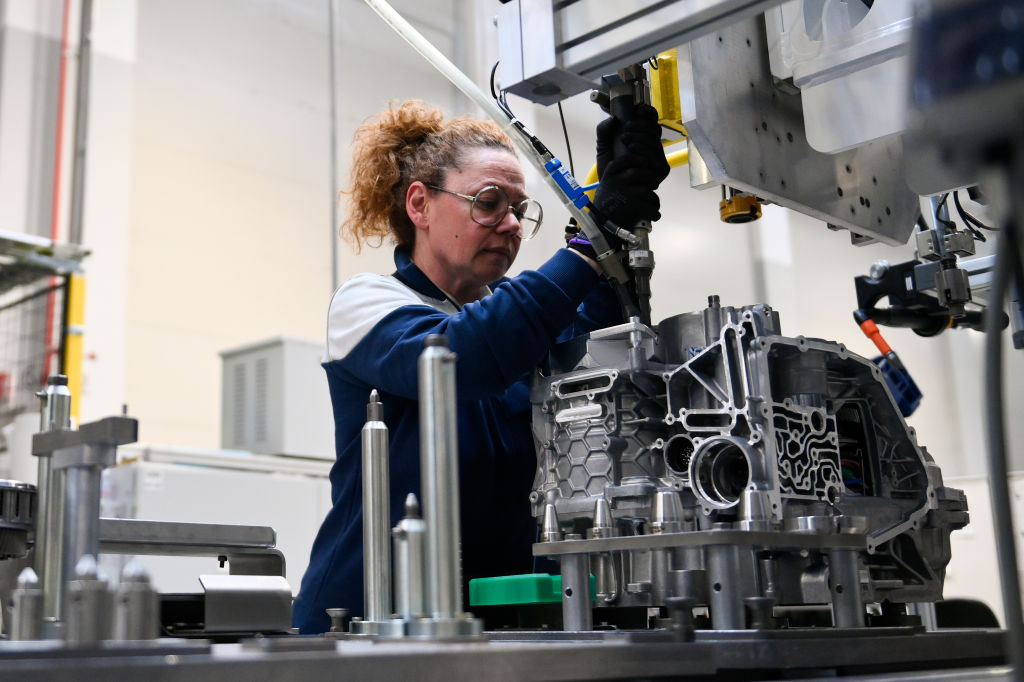
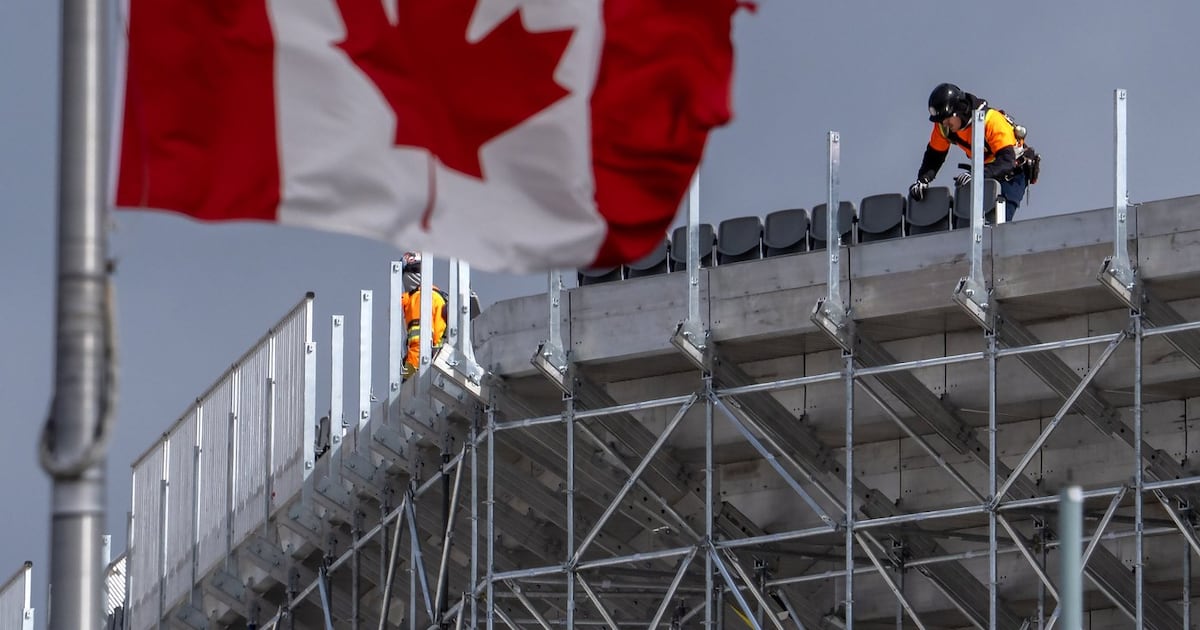
The agency’s data also showed a 5,000 payroll gain in the manufacturing sector in July and an additional 22,000 roles in construction. These bright spots come as the AI data center boom has benefited some industries, but deeply divided many communities where the centers are located.
“Employment showed little change” in July in the mining, oil & gas, transportation and professional & business services sectors, according to BLS.
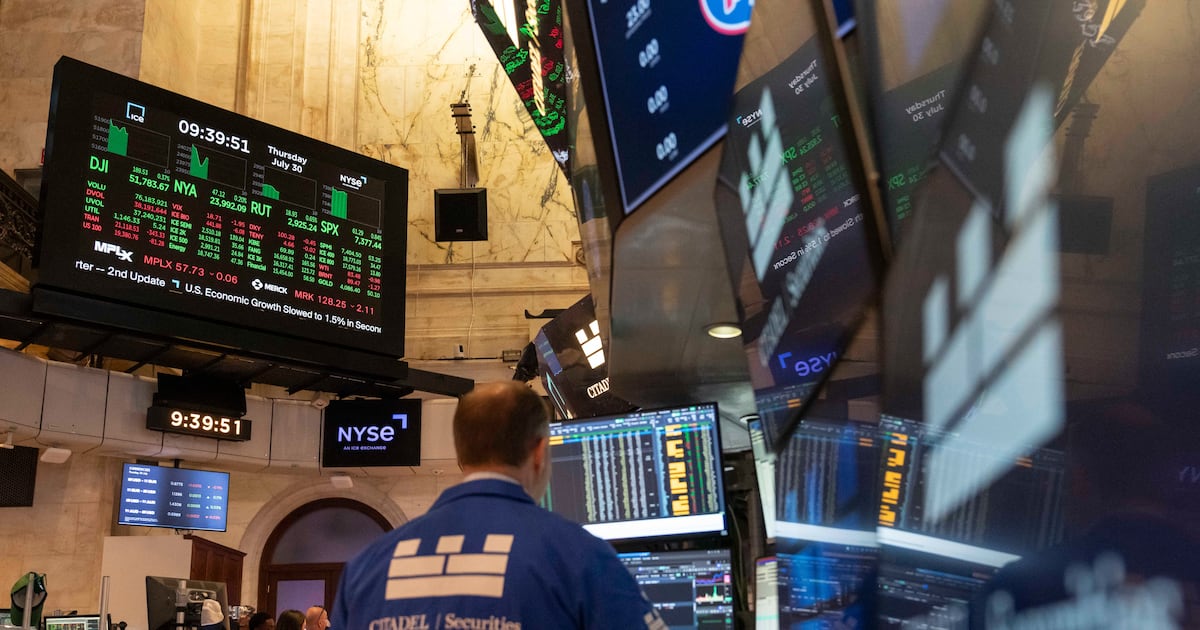
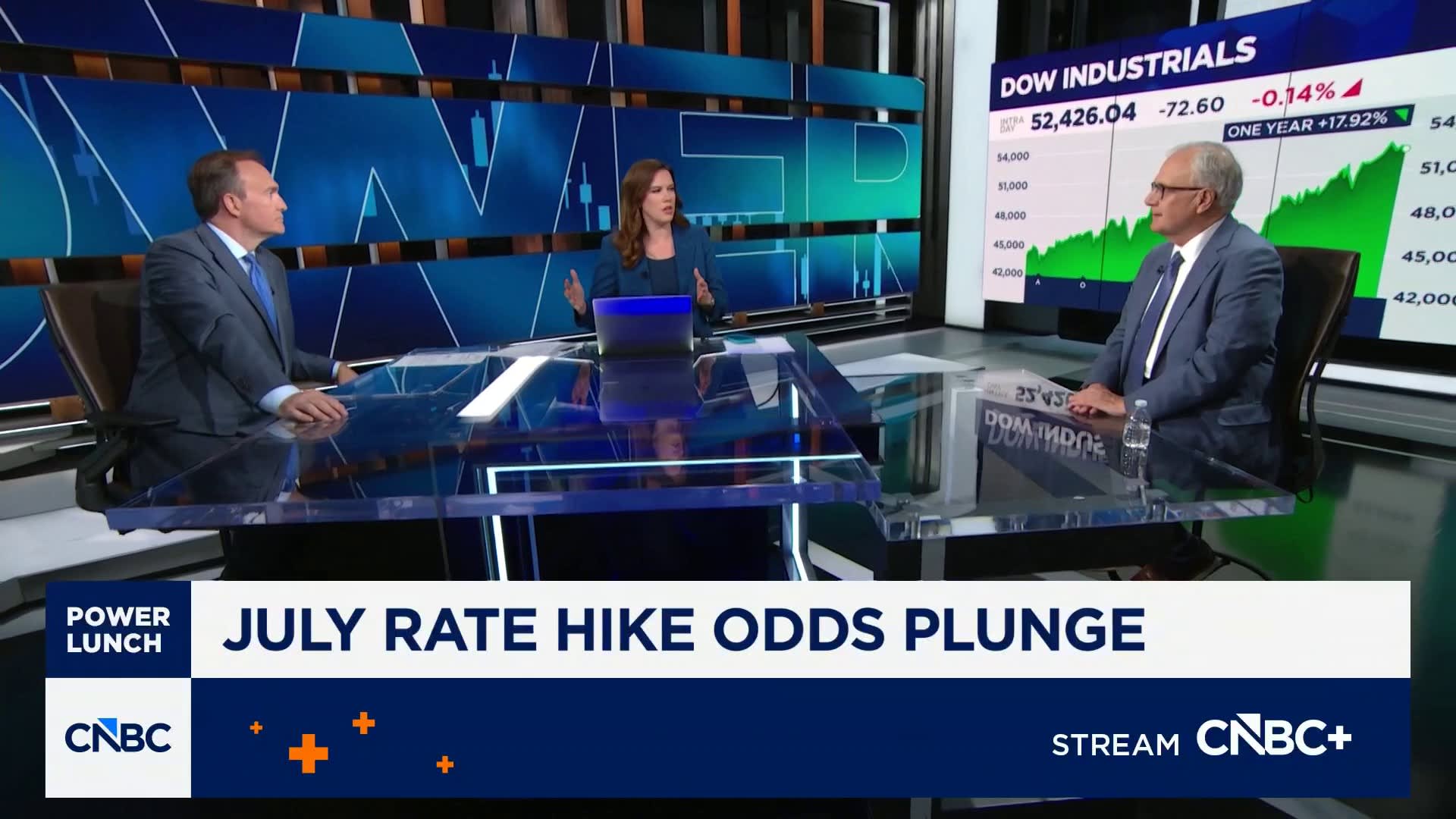
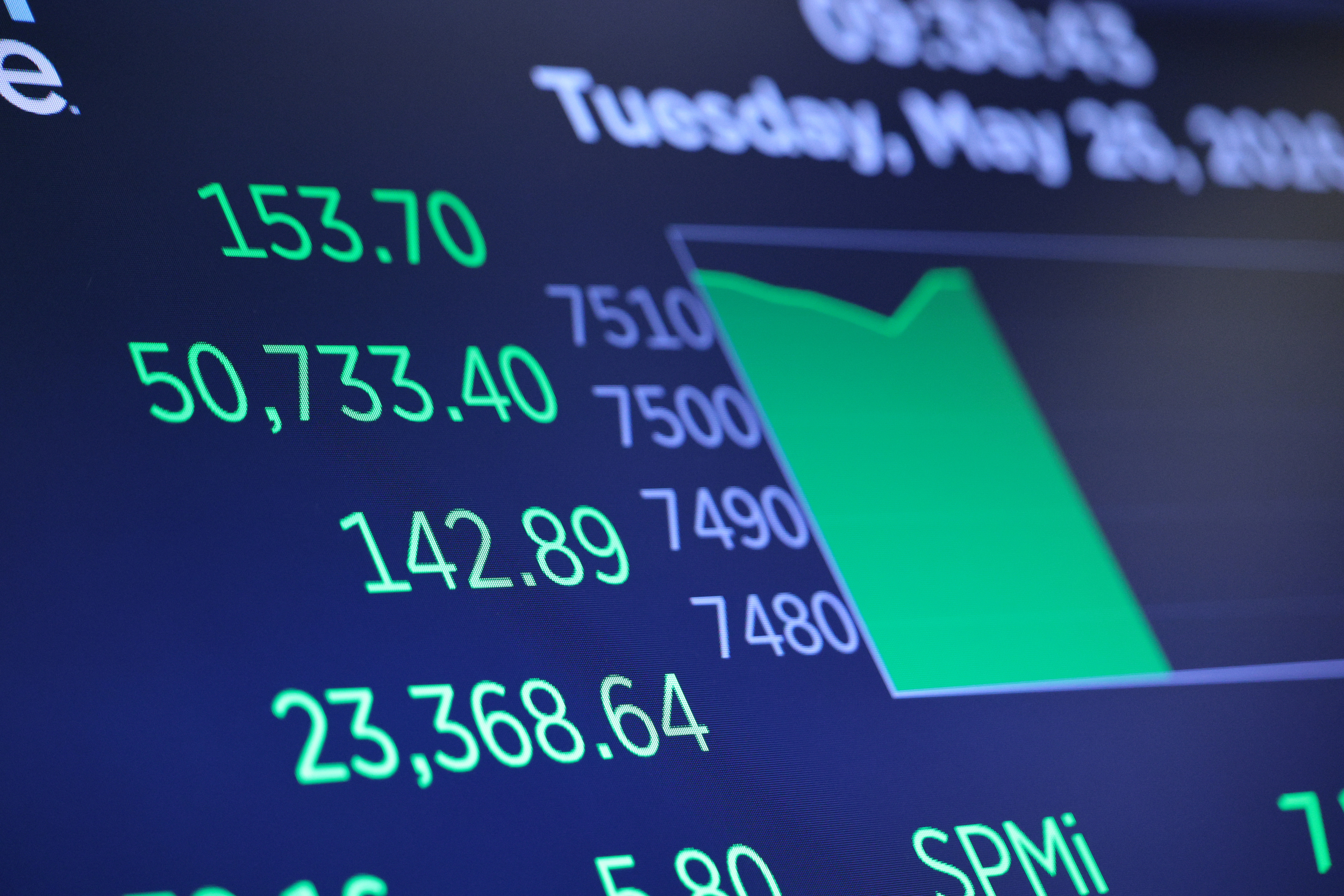
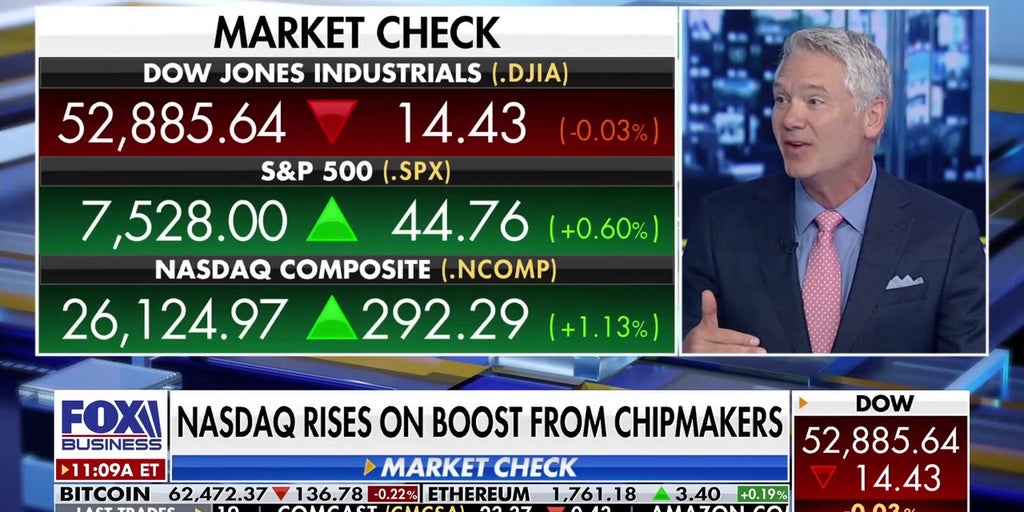
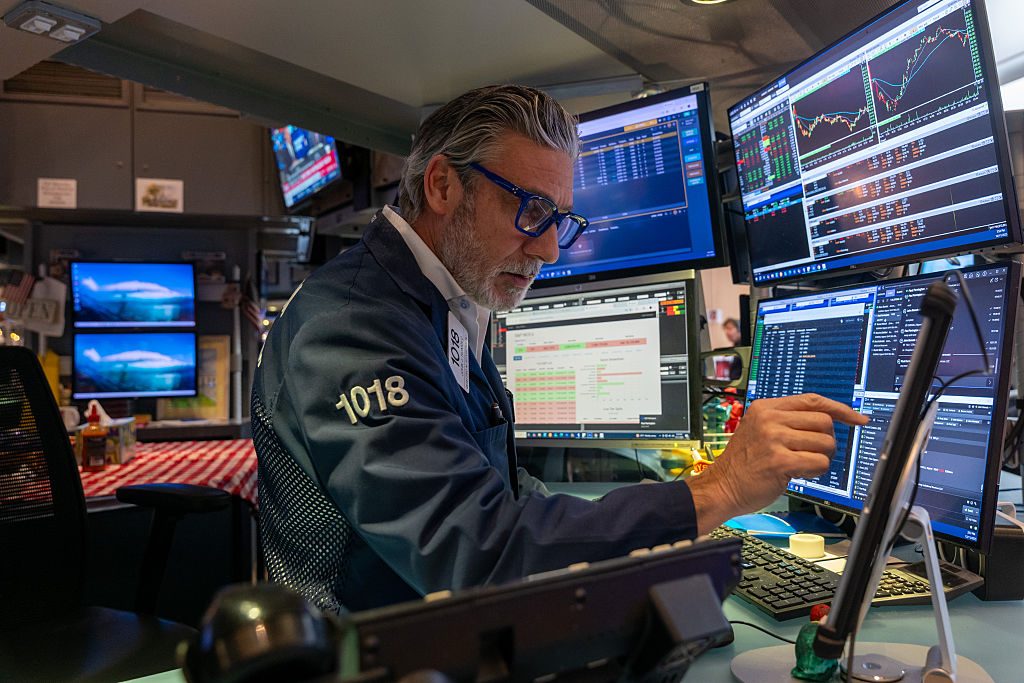
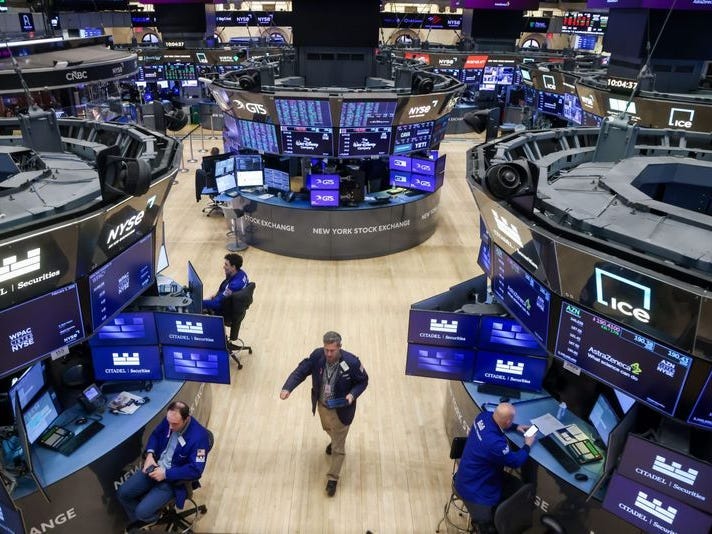
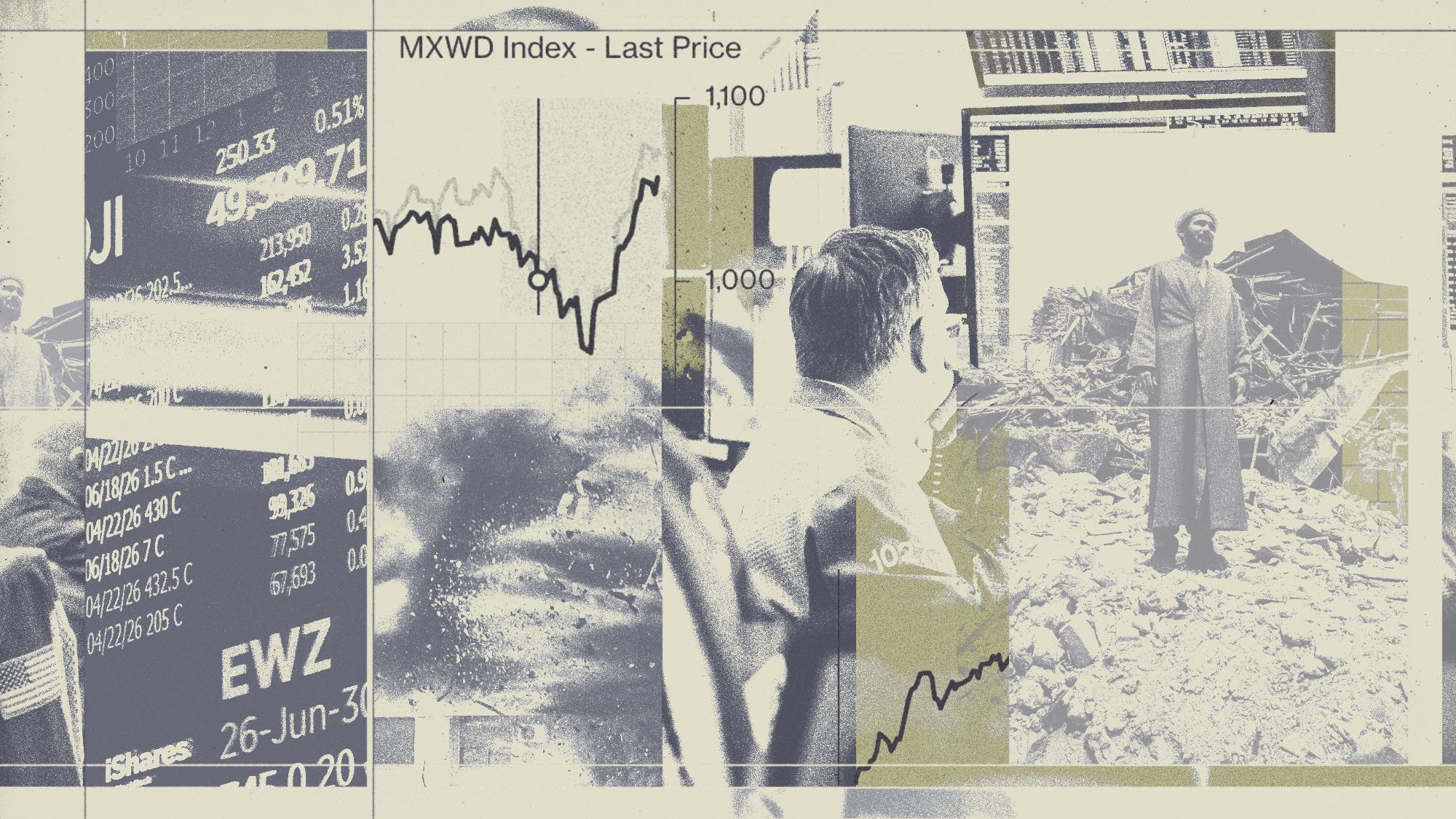
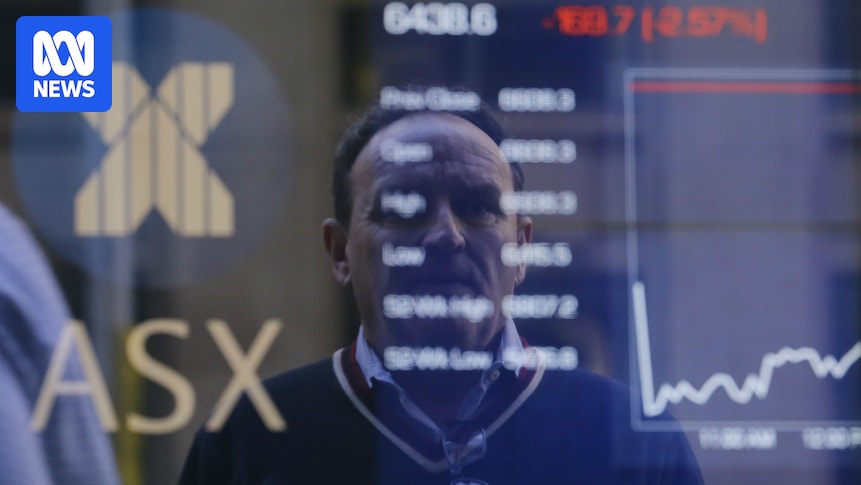
Stocks rose after the report, as investors who were concerned the Federal Reserve would raise interest rates breathed a sigh of relief. The S&P 500 jumped 0.5% and the Nasdaq Composite index increased 1%.
The Russell 2000, which tracks small and medium size firms which can be more sensitive to rate changes, rose 0.9%.
Bond yields dropped, with the 10-year U.S. Treasury yield falling to around 4.6%. That Treasury bond specifically drives the direction of consumer lending rates, such as for mortgages, credit cards and personal loans.
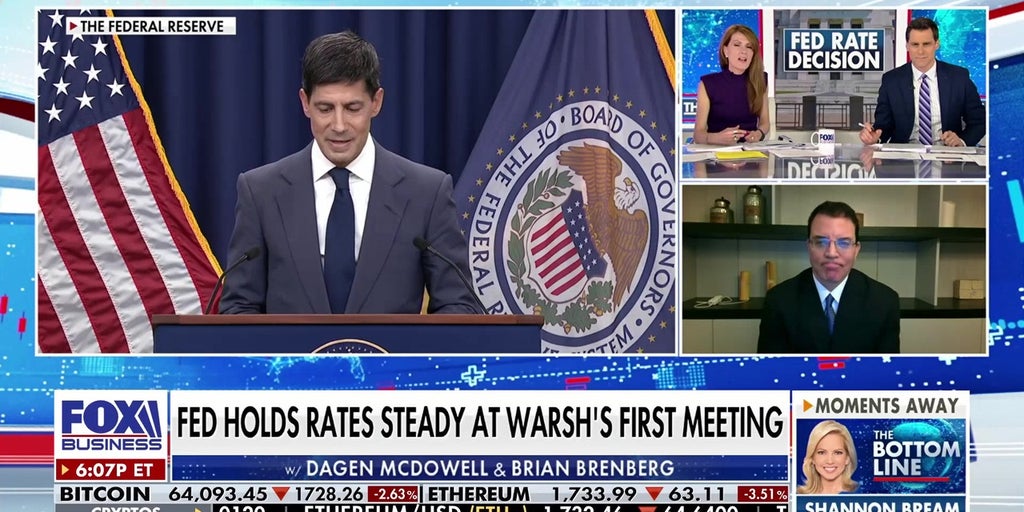
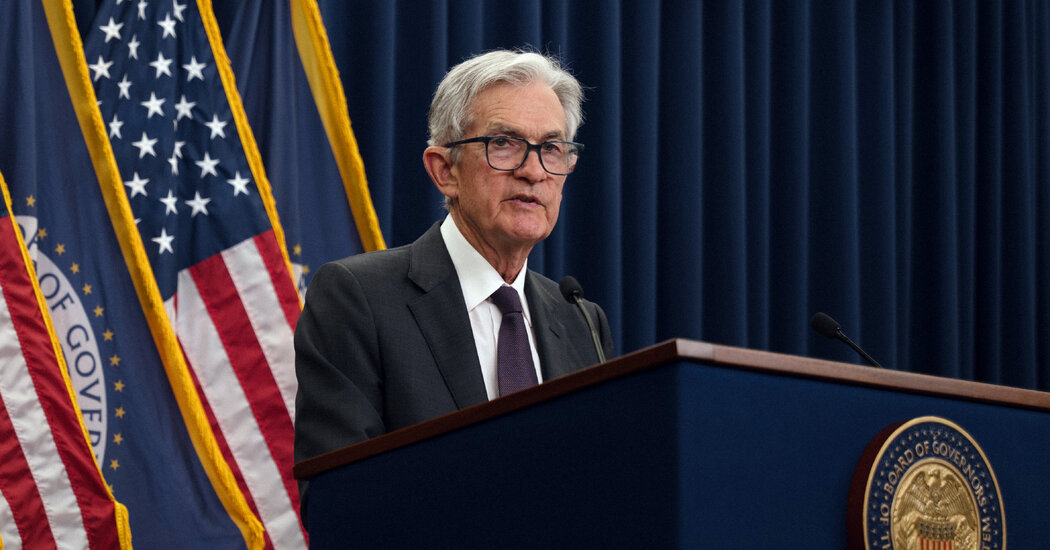
Friday’s report likely eases some pressure on the Federal Reserve, which had been widely expected to hike the federal funds rate — potentially as soon as September.
Before the report, the futures market indicated the odds of a September rate hike were over 50%. After Friday’s jobs numbers were released, those odds fell to about 40%.