Other economists aren’t so sure. As recently as June, Moody’s chief economist Mark Zandi had the exact opposite opinion.
“The K-shaped economy remains firmly intact,” Zandi said in an X post. “Americans in the top 20% of the income distribution (those who earn over $175k annually) account for an astounding nearly 60% of outlays.
The two economists used two different metrics to reach their conclusions. Here’s what to know about both methods — and what it means for your portfolio.
Wage growth vs. outlays
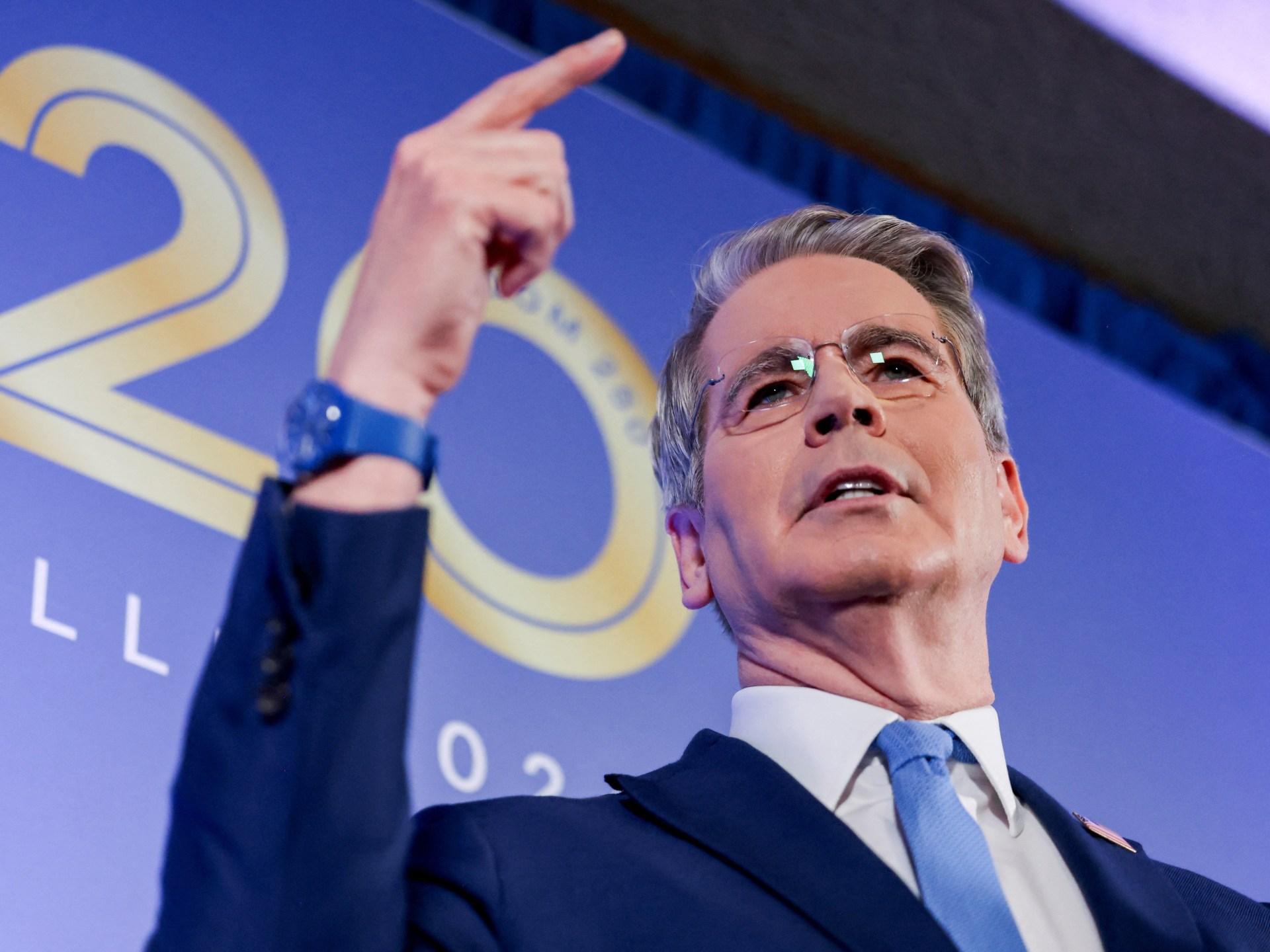
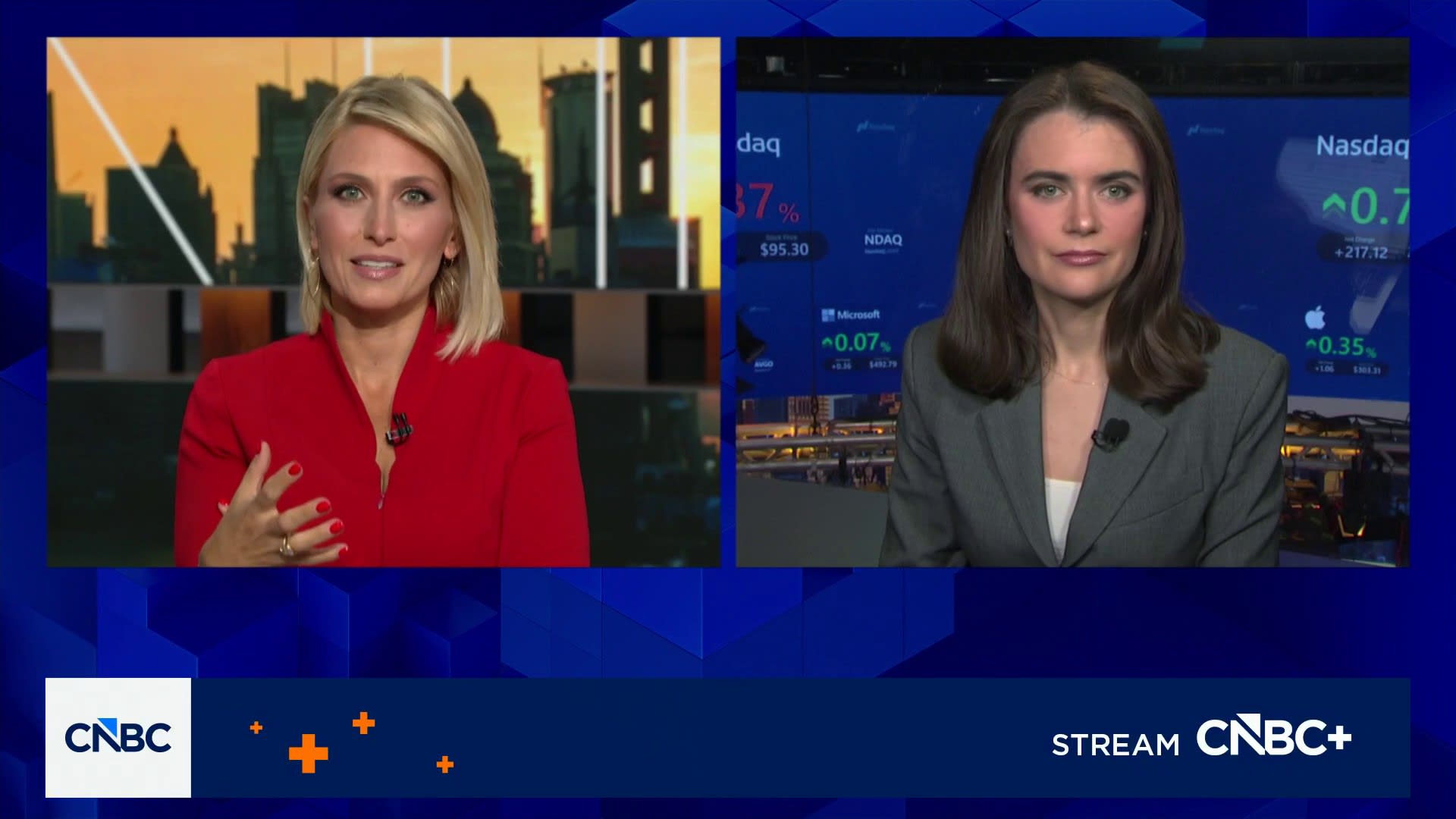
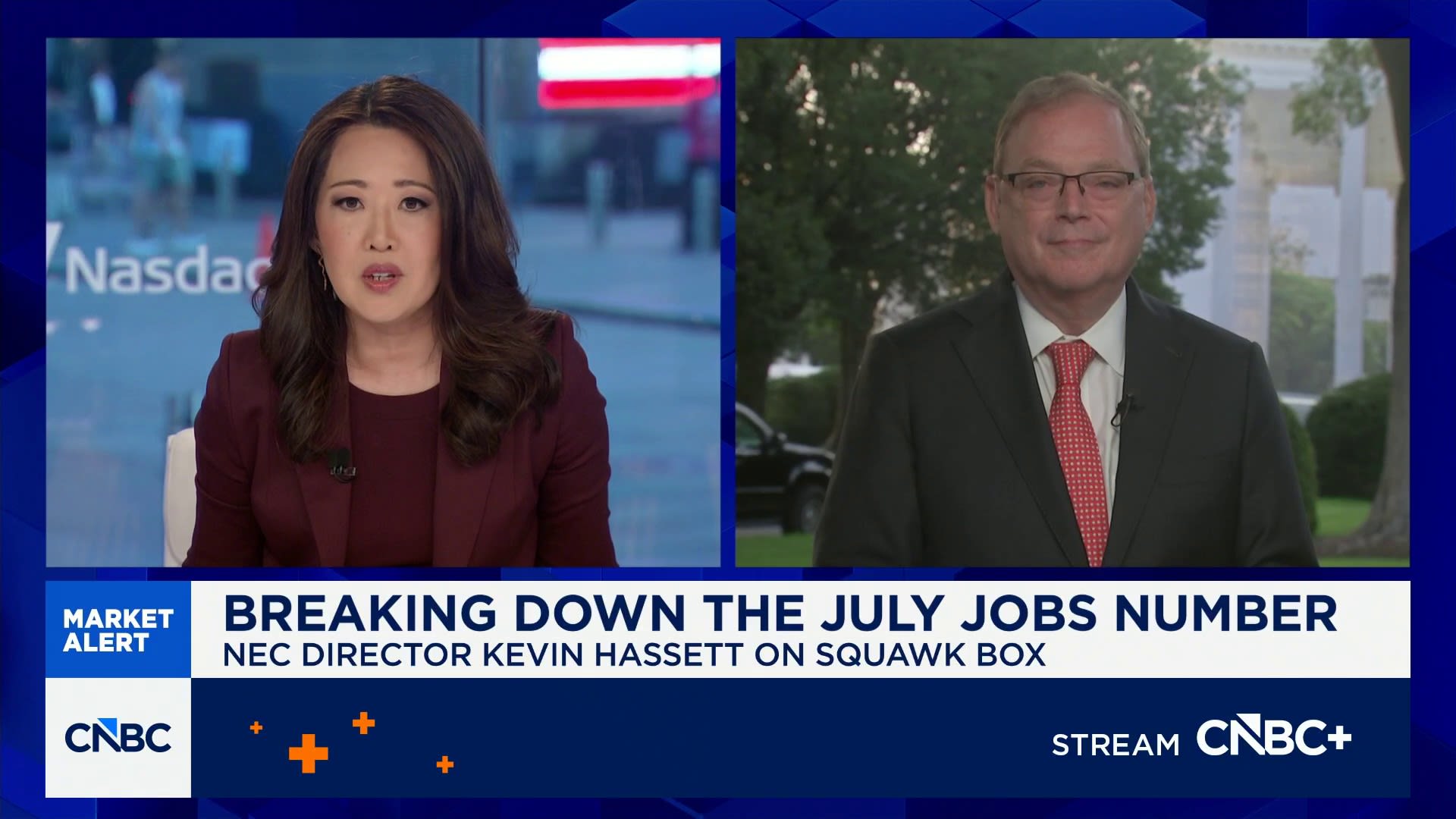
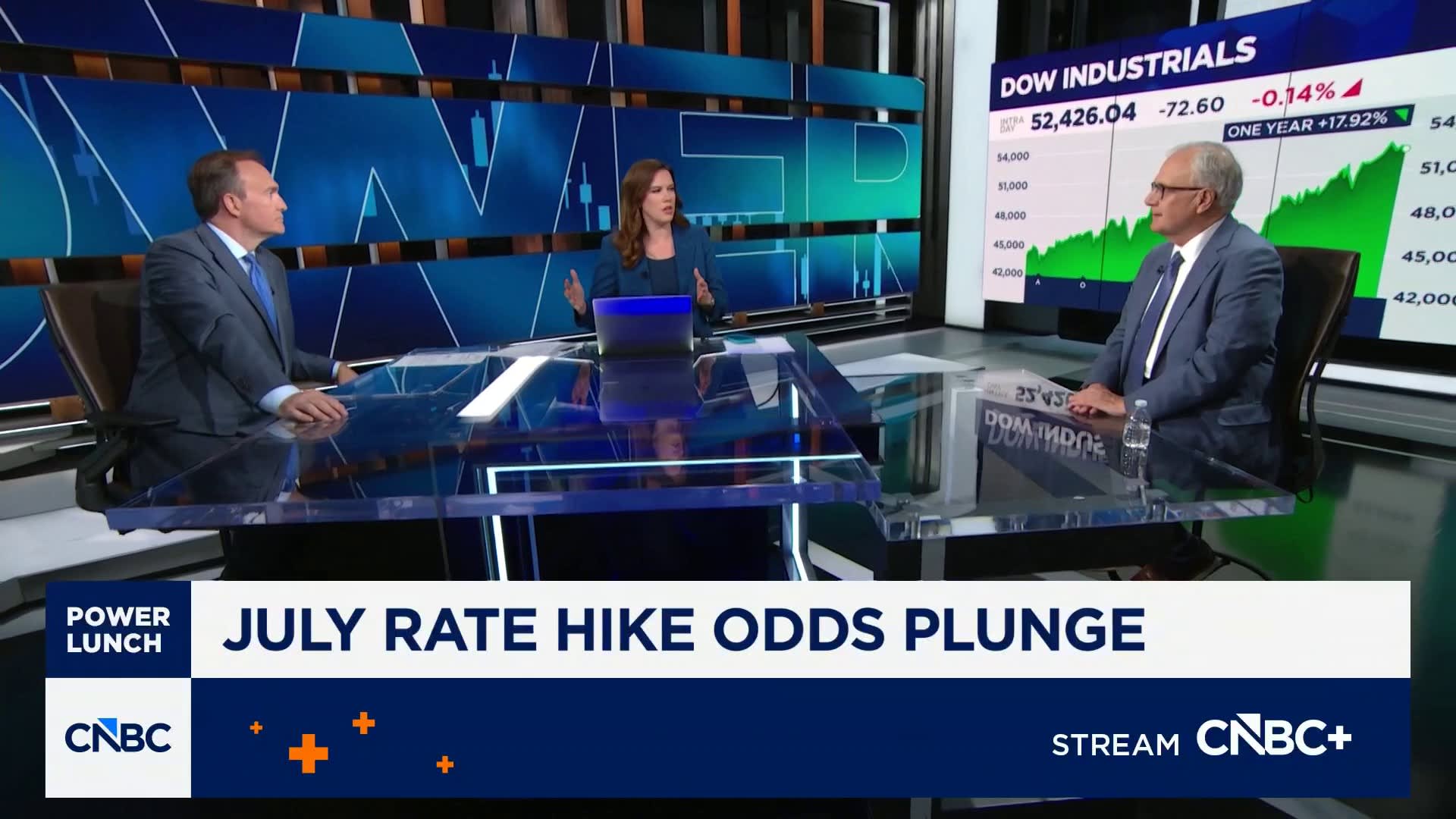
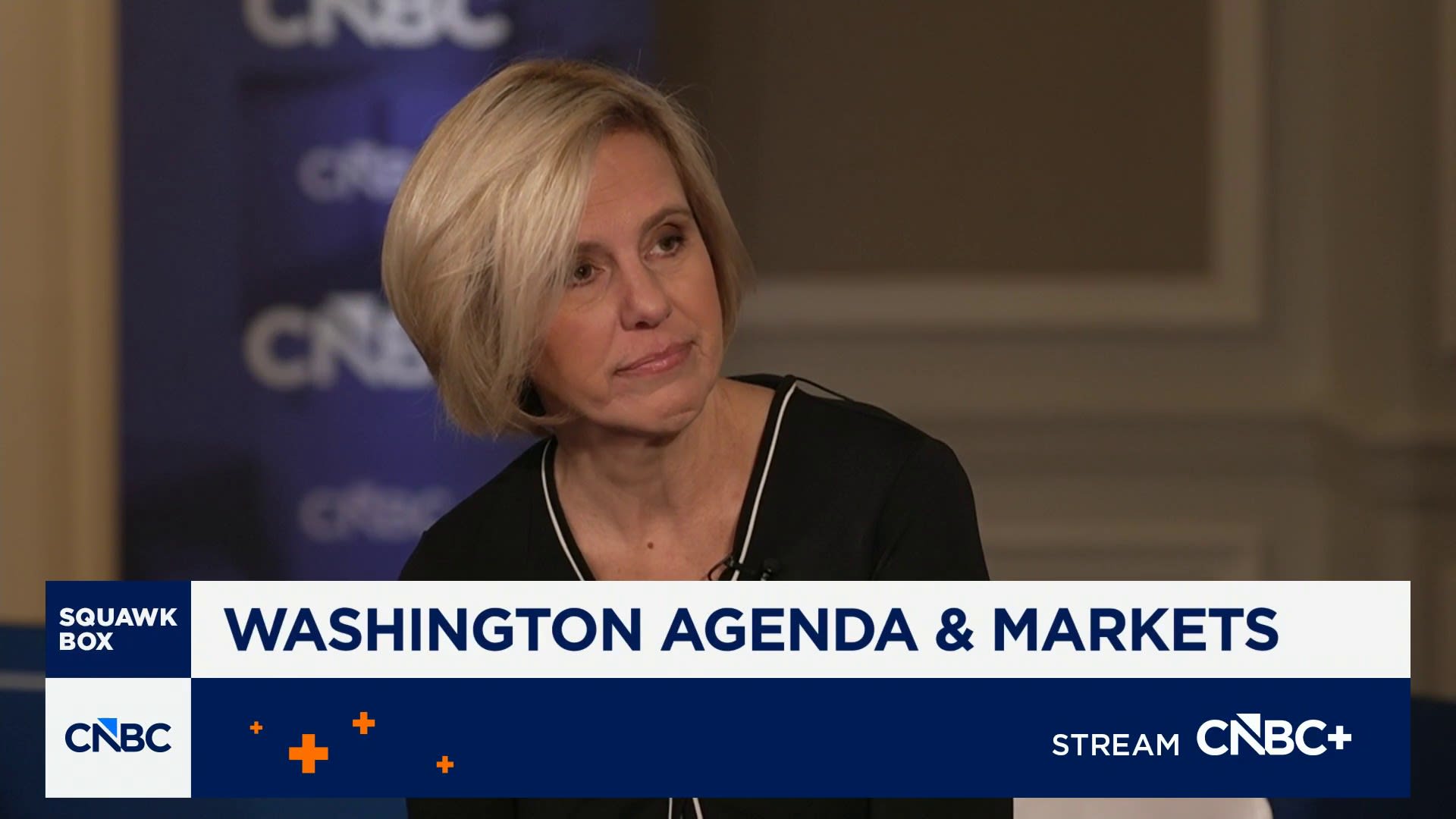
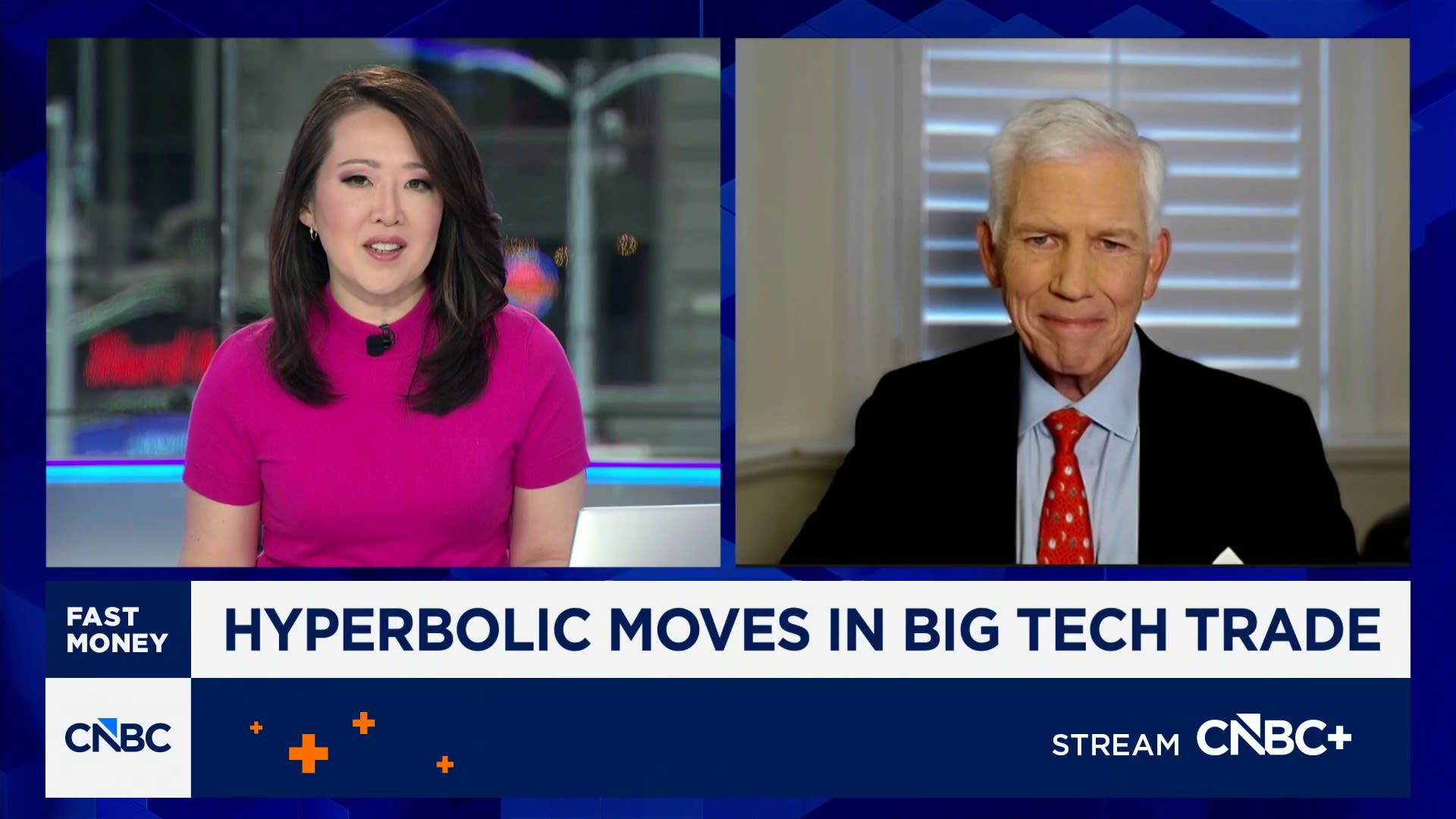
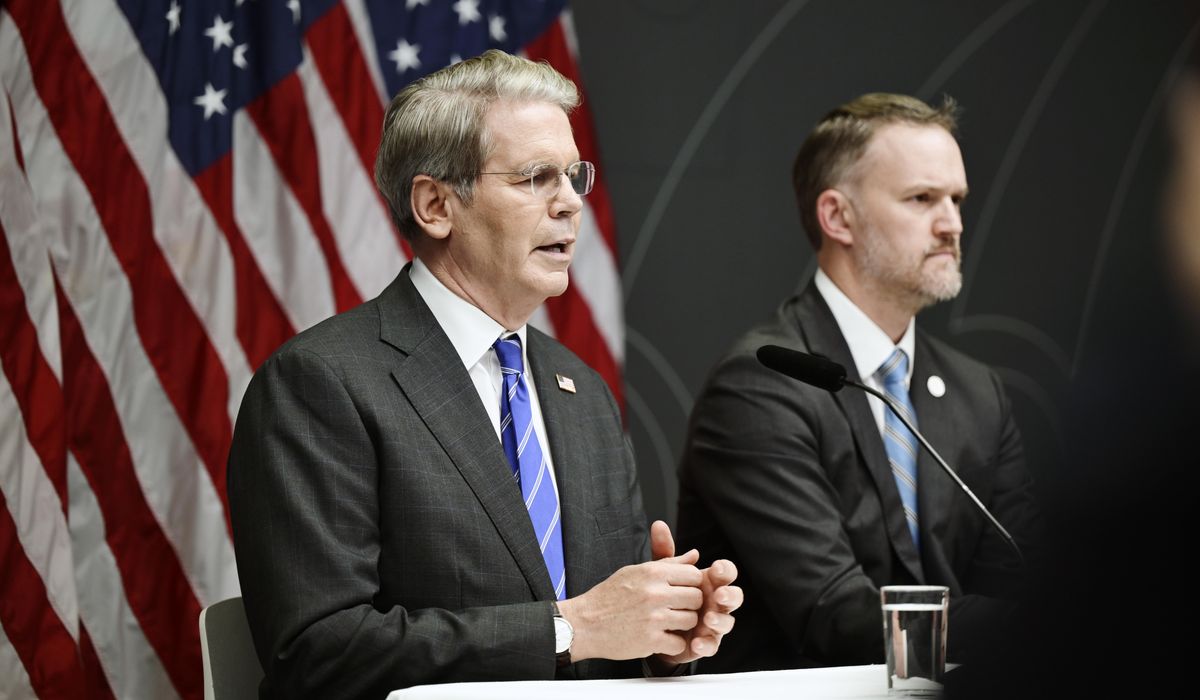
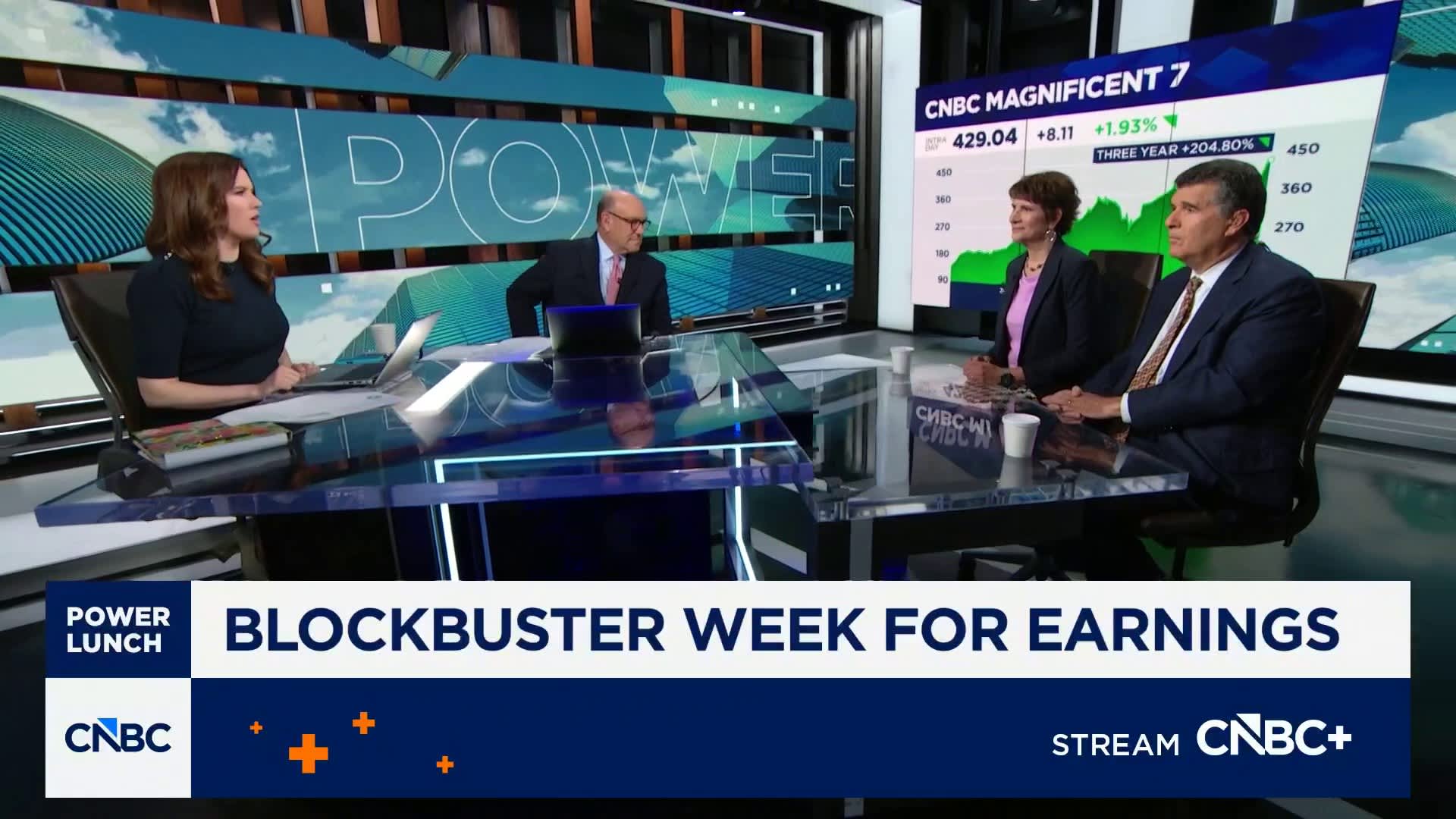
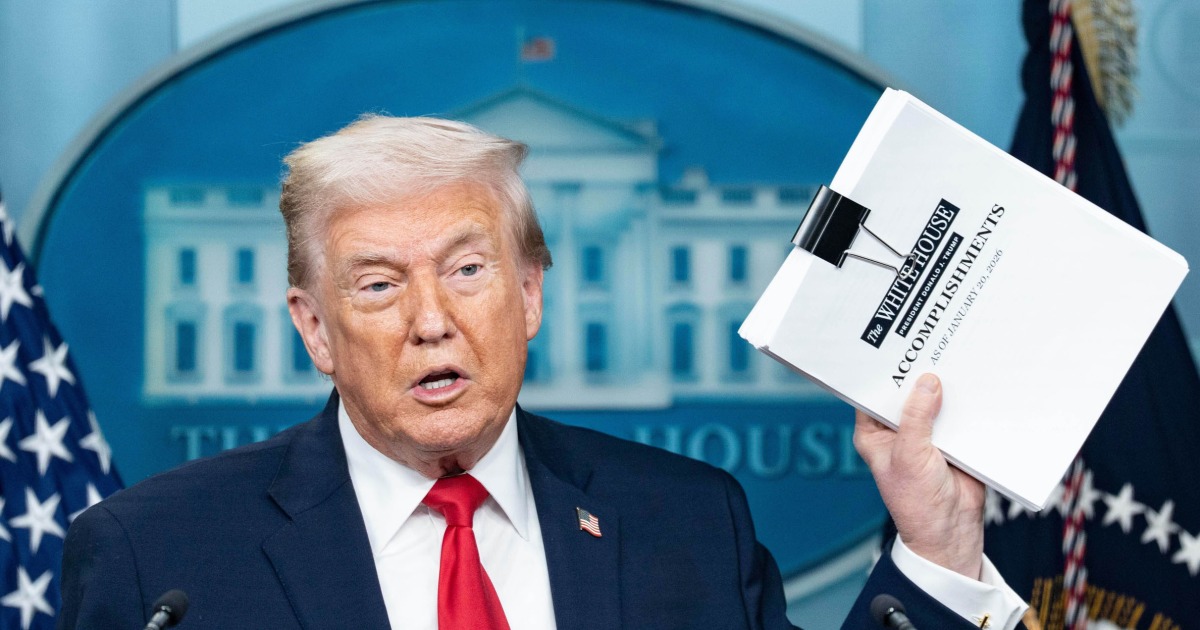
In the CNBC interview, Bessent said that the U.S. economy is now a “C economy,” arguing that “the lower end of wage earners are finally calling it back.” He said the bottom 25% of earners are currently experiencing year-over-year wage growth of 5.5%, three times more than the top 25%.
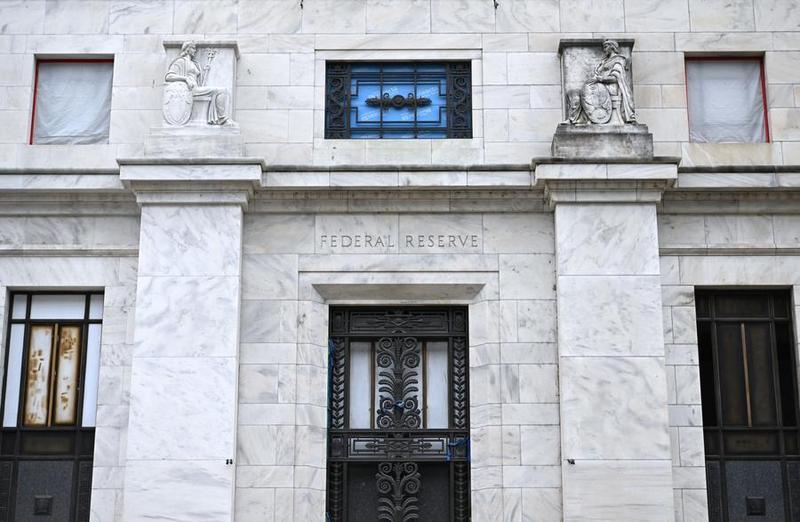
According to the Federal Reserve Bank of Atlanta, the bottom 25% of earners had a moving average of median wage growth of 3.6% in June 2026, lower than any other quartile. The bottom 25% of earners have had the lowest median wage growth of all quartiles each month since October 2024.
Instead of using wage growth, Zandi used the Fed’s Financial Accounts and Survey of Consumer Finance to determine the outlays of both the top 20% and the bottom 80% to make his K-shaped economy calculations.
Outlays are people’s expenditures. Moody’s methodology defines personal outlays to include “consumer spending, interest payments on consumer installment debt and transfers such as donations.”
According to Zandi, the top 20% and bottom 80% spent roughly similar amounts in the 1990s. By the 2000s, the top 20% had started accounting for a larger percentage of spending. The gap between the two groups’ outlays has been expanding ever since.
Zandi’s graph shows that the top 20%’s outlays increased by 6.5% over the past year — significantly above the CPI inflation rate of 2.7%. In comparison, the bottom 80% spent slightly less than inflation, suggesting their budgets may have been struggling to keep up with rising prices.
“No wonder most Americans are upset with their financial situations and the broader economy,” Zandi said in the X post.