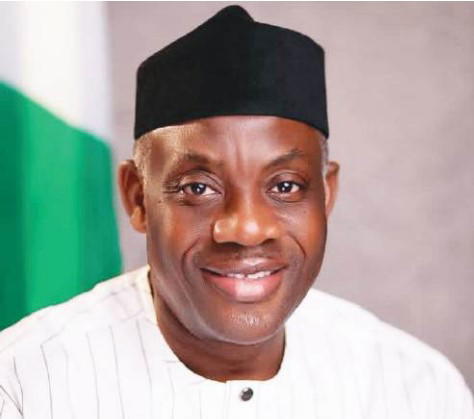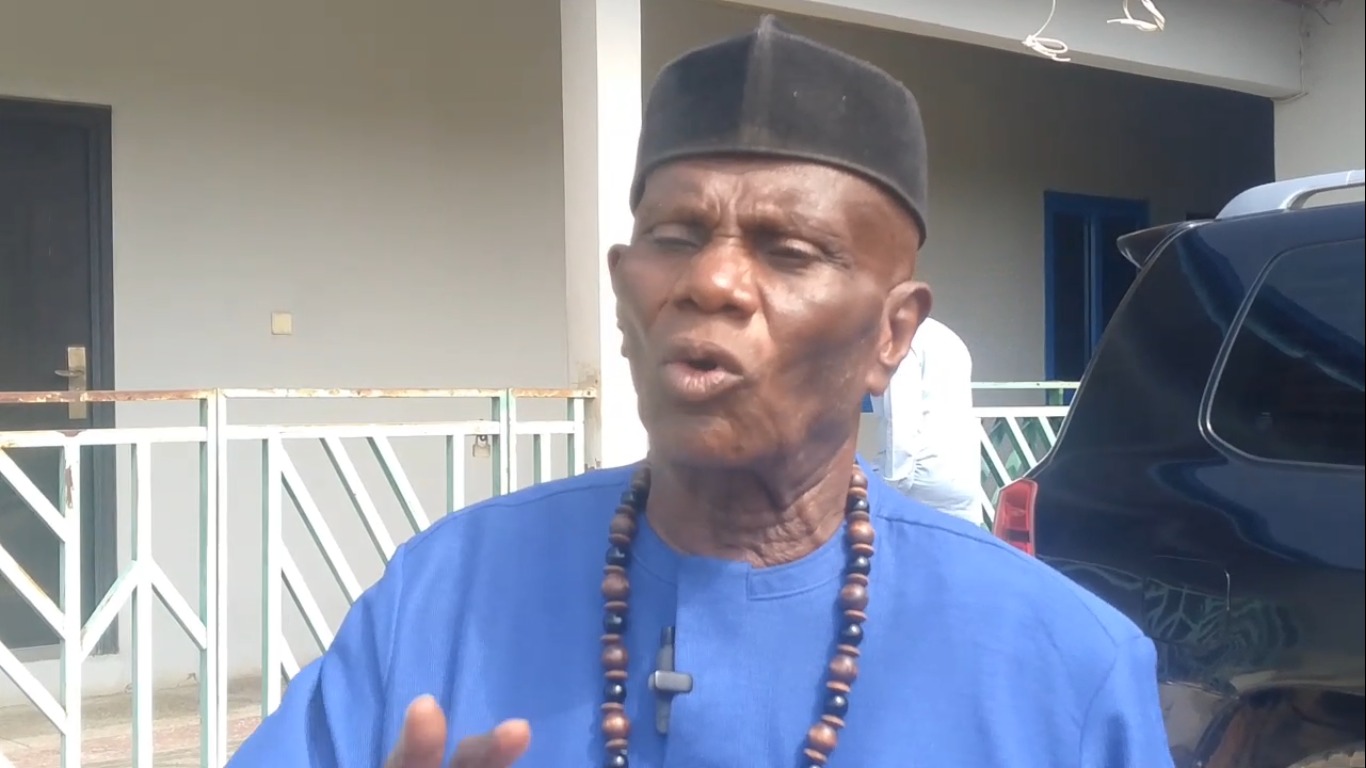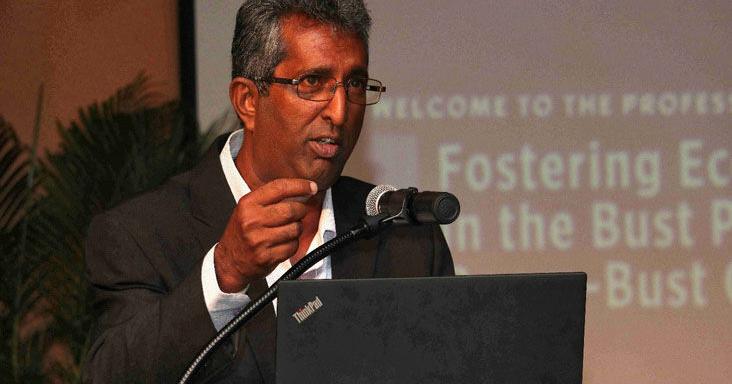
Trinidad and Tobago’s labour market has stabilised, but the economy remains too weak to generate the sustained job growth needed to lift participation, productivity and living standards, according to economist Prof Roger Hosein.
Hosein’s assessment comes from his review of the July 24, 2026 Labour Force Survey, the International Monetary Fund’s 2026 Article IV consultation and Standard & Poor’s latest assessment of the economy.
Although prepared independently, Hosein said the three reports point to a common conclusion: Trinidad and Tobago has regained a measure of macroeconomic stability but has yet to restore the economic dynamism it enjoyed during earlier periods of stronger growth.
“Rather than presenting conflicting diagnoses, the three reports reinforce one another,” Hosein said. “Taken together, they portray an economy that has regained basic stability but has yet to recover its dynamism.”
One of the clearest signs of the economy’s structural weakness is the persistently low labour force participation rate.
Participation remained around 55%, moving from 55.1% in 2024 to 54.8% in 2025 before returning to 55.1% in the first quarter of 2026.
While the relative stability could suggest that the long decline in participation has temporarily levelled off, Hosein noted that the rate remains almost nine percentage points below its 63.9% peak in 2006.
That gap represents a significant loss of potential labour capacity at a time when the economy needs stronger productivity and investment.
Not enough demand for labour
Employment figures tell a similar story.
The number of people with jobs rose from 401,100 in 1991 to a peak of 636,800 in 2014, supported by the energy boom and an expansionary fiscal environment.
Employment subsequently fell by more than 70,000 and has remained largely stagnant in recent years, ranging between 564,000 and 566,000 from 2024 through the first quarter of 2026.
Hosein said this suggests the problem is not simply that too few people are available to work, but that the economy is not generating enough demand for labour.
“The economy has therefore not restored its previous employment capacity, and the current level of job creation remains insufficient to absorb inactive workers or generate a sustained recovery in participation,” he said.
He also cautioned against reading too much into Trinidad and Tobago’s relatively low unemployment rate.
Unemployment fell from 29,500 in 2024 to 26,400 in 2025, but rose to about 31,900 in the first quarter of 2026.
For Hosein, the increase reinforces the need to look beyond the headline unemployment figure and examine how many people have stopped participating in the labour market altogether.
“A low unemployment rate near 5% therefore does not necessarily indicate a tight or efficient labour market when participation remains depressed and employment is stagnant,” he said.
The economically inactive population provides perhaps the clearest indication of the challenge.
Large inactive population
The number of people outside the labour force increased from 345,000 in 1991 to almost 489,000 in 2025, remaining elevated at about 485,000 in the first quarter of 2026.
Hosein said this large inactive population represents a structural constraint because it limits potential output, narrows the tax and contribution base and increases the dependency burden on those who are employed.
He said the policy response must therefore address both labour supply and labour demand.
That means creating conditions that make it easier for people to enter or remain in the workforce while simultaneously expanding productive employment through stronger private-sector investment.
Childcare support, targeted skills upgrading, delayed retirement and higher real wages are among the measures Hosein identified as potentially supporting greater labour-force participation.
But he stressed that activation measures alone will not solve the problem if the economy does not generate enough productive jobs.
The composition of employment over the past three decades highlights the deeper structural transformation under way.
Services have become the dominant employer, expanding from 292,500 workers in 1991 to almost 500,000 today, while employment in several traditional goods-producing sectors has contracted.
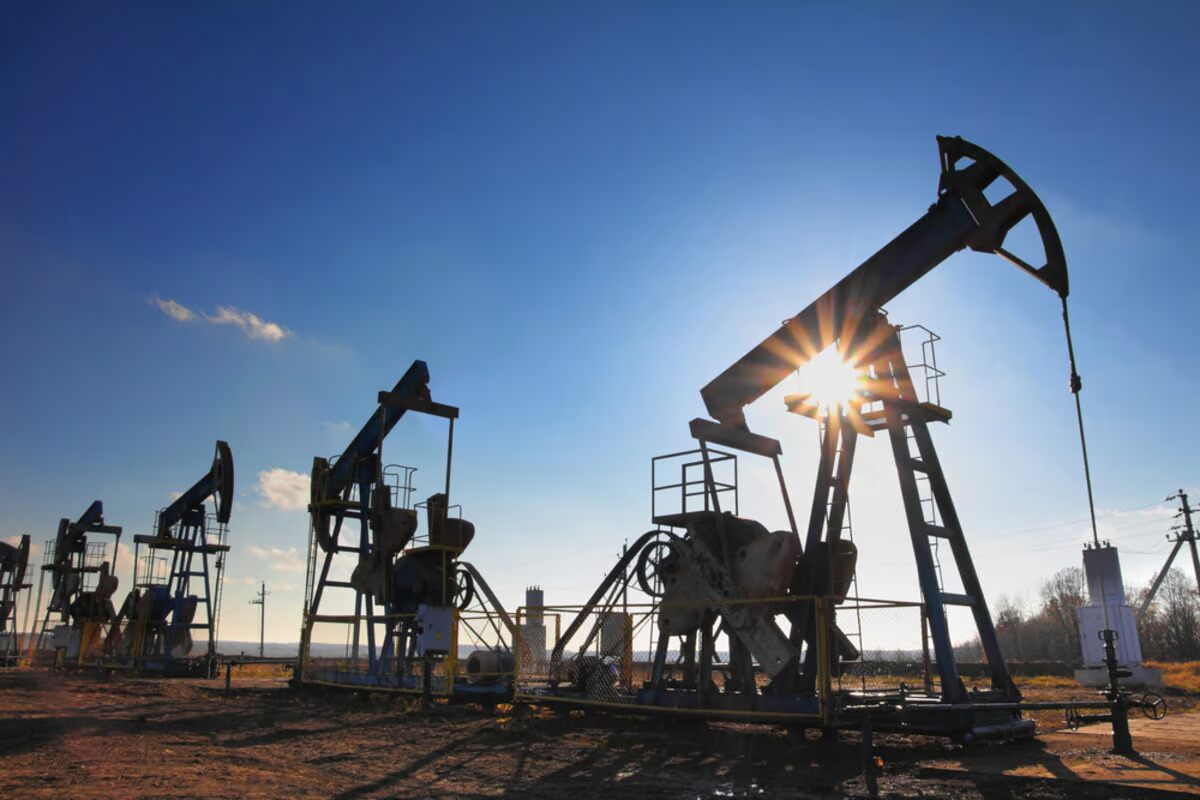
Agricultural employment nearly halved from 47,100 workers in 1991 to 24,400 in 2026. Petroleum and gas employment, meanwhile, fell from a peak of about 21,500 workers in 2007 to only 6,500 in the first quarter of 2026.
The decline in energy employment reflects changes in the sector, including reduced upstream activity, greater capital intensity and lower labour requirements.
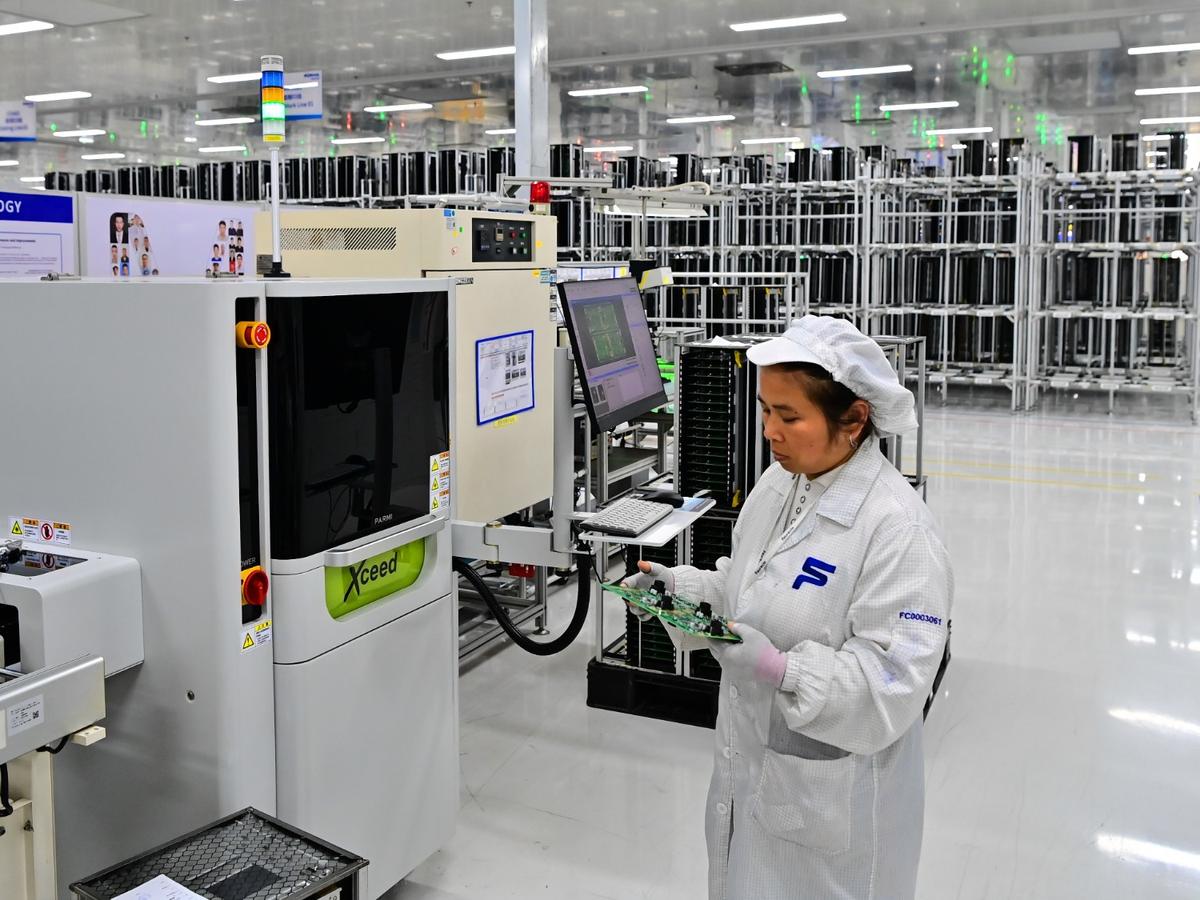
Manufacturing has proved more resilient, with employment recovering modestly to about 42,100 workers in the first quarter of 2026, although that remains below levels recorded in the mid-2000s.
Hosein said the growth of services is not inherently negative, but the country needs to improve productivity within the sector while rebuilding higher-value tradable industries.
“Future labour market policy should focus not only on creating additional service jobs but also on raising productivity within services while rebuilding employment in higher value-added tradable sectors such as manufacturing, modern agriculture, and export-oriented business services,” he said. The labour-market challenges are occurring against a wider backdrop of economic weakness.
‘Low-growth, low-productivity equilibrium’
Hosein noted that Trinidad and Tobago’s economy remains almost 16% smaller in real terms than its 2014 peak, while official foreign-exchange reserves have declined and external indebtedness has risen. That combination, he said, underscores the need to move away from an economic model that depends heavily on energy revenues and domestic demand and towards one capable of generating stronger export earnings.
For a small open economy such as Trinidad and Tobago, sustained employment growth ultimately depends on expanding production, and expanding production requires access to larger external markets.
“The policy priority must therefore be to rebuild the productive base through higher private investment, stronger productivity growth, and the expansion of high-value tradable sectors,” Hosein said.
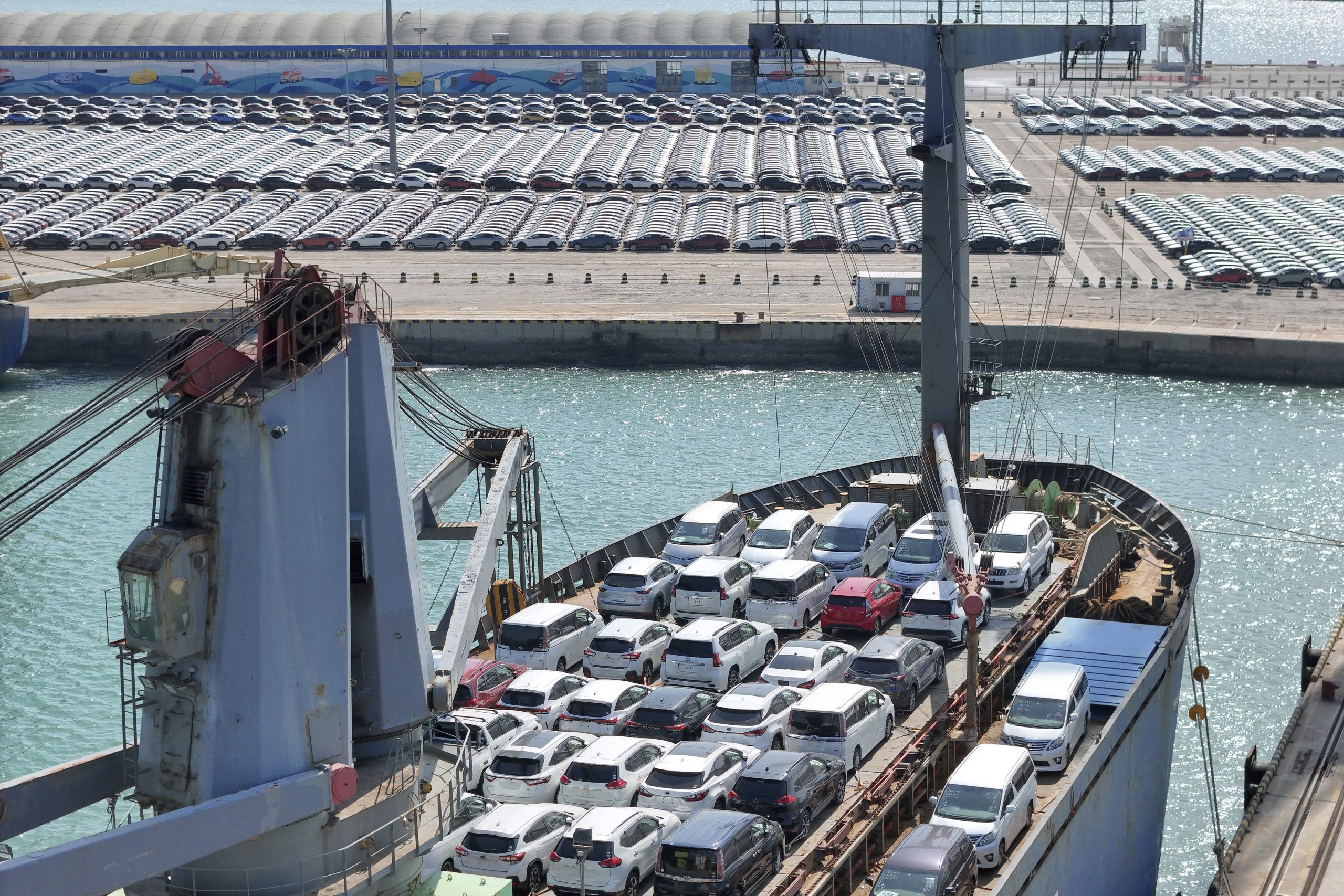
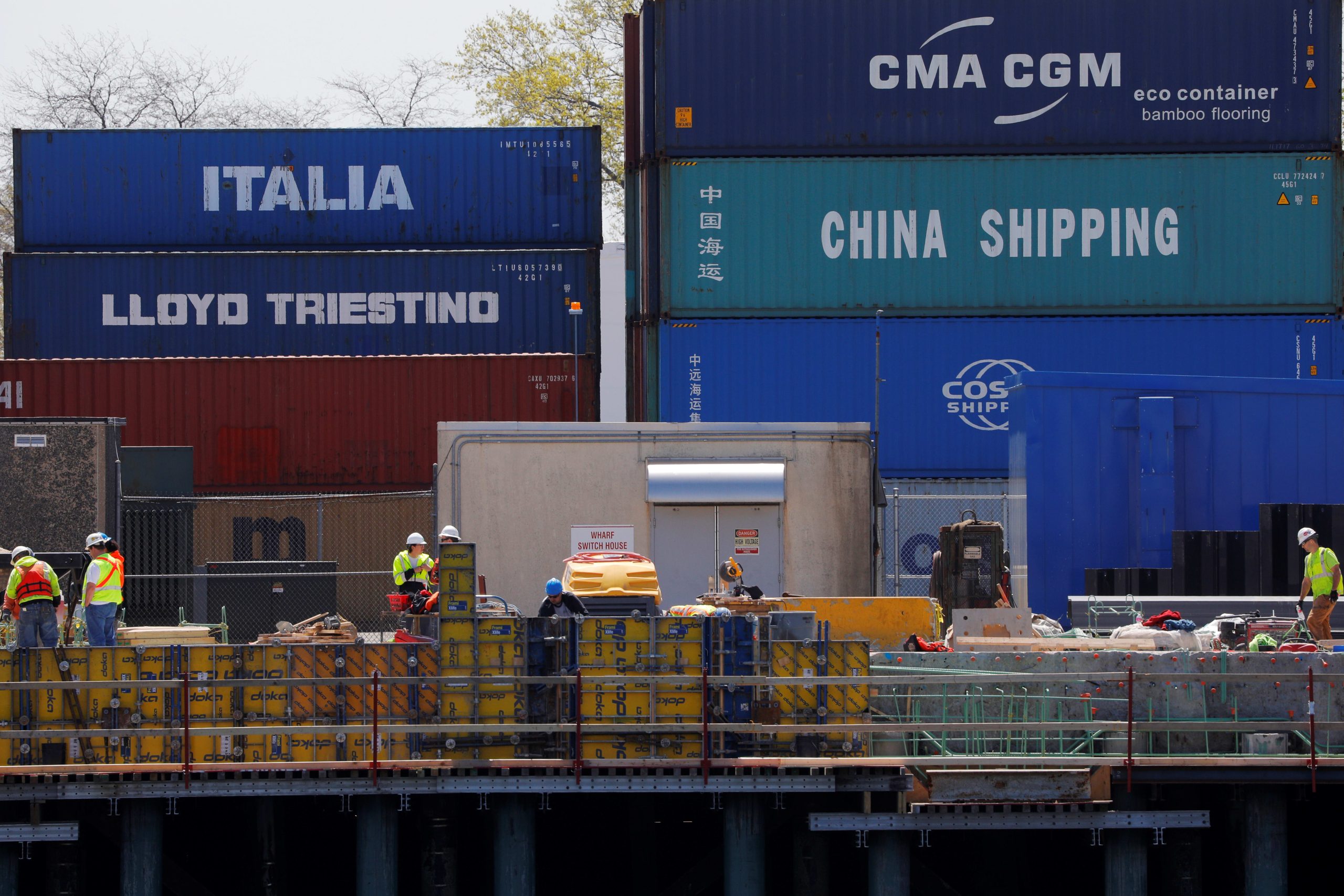
He pointed to the Ministry of Trade and Industry’s goal of generating an additional US$5 billion in non-energy exports of goods and services by 2030 as an important part of that strategy.
Hosein said achieving the target would have benefits beyond trade, including stronger foreign-exchange earnings, increased investment, greater external resilience and improved conditions for job creation. The challenge, therefore, is not simply to get more people back into the workforce, but to build an economy capable of productively employing them.
For Hosein, that means tackling the country’s labour-market weaknesses alongside its broader structural economic problems rather than treating them as separate issues.
Without stronger investment, productivity and export growth, he warned that Trinidad and Tobago risks becoming trapped in a “low-growth, low-productivity equilibrium”, characterised by weak labour demand, persistent foreign-exchange shortages, declining external resilience and increasing reliance on debt-financed adjustment rather than sustainable wealth creation.
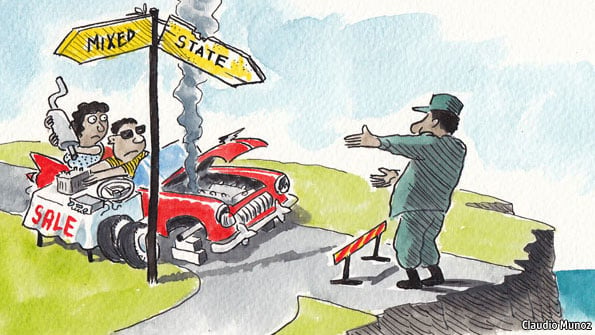
The three reports, in his view, therefore provide less a picture of an economy in crisis than one at a crossroads: basic stability has returned, but a stronger growth model is needed to translate that stability into more jobs, higher productivity and sustainable economic expansion.