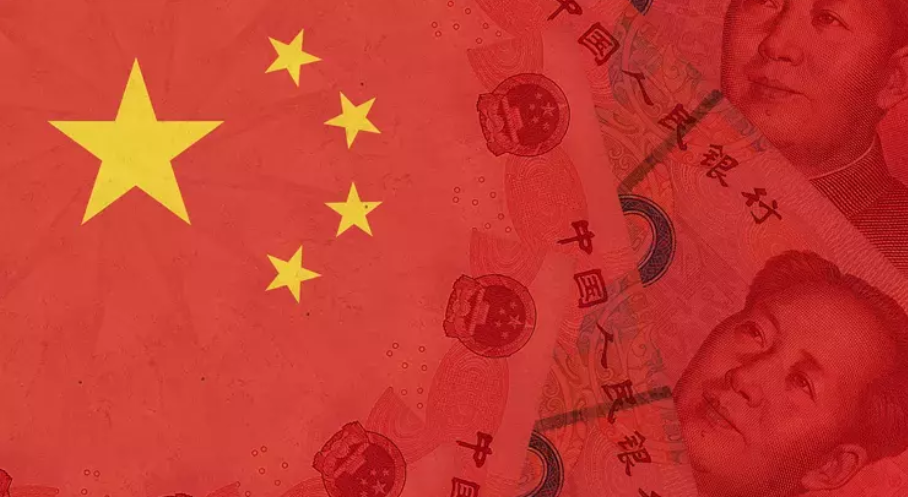
The centenary of Jiang Zemin”s birth provides an important opportunity to assess one of the most transformative periods in the history of the People’s Republic of China.
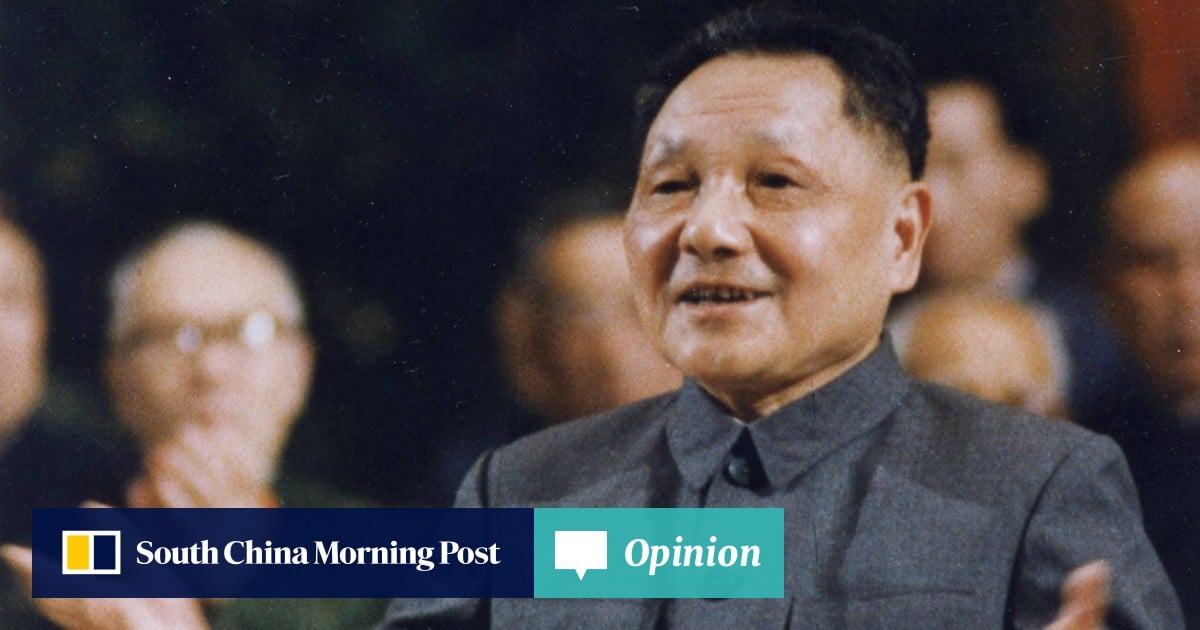
Under the leadership of the Communist Party of China, with Jiang as the core of the central leadership, China navigated an era of profound domestic reform and international change. Building on the historic reform and opening-up initiated by Deng Xiaoping, Jiang institutionalized these reforms, strengthened the socialist market economy, safeguarded political stability and laid the economic and institutional foundations that continue to support China’s modernization today.
Under Jiang’s leadership, China underwent a significant economic transformation, one of the most notable in human history, while maintaining political stability.
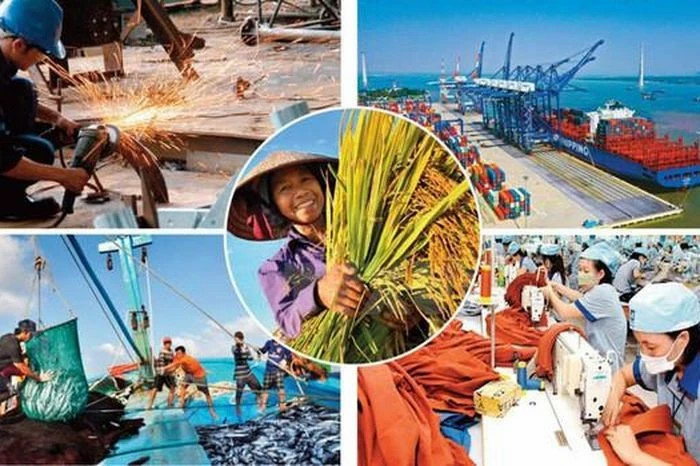
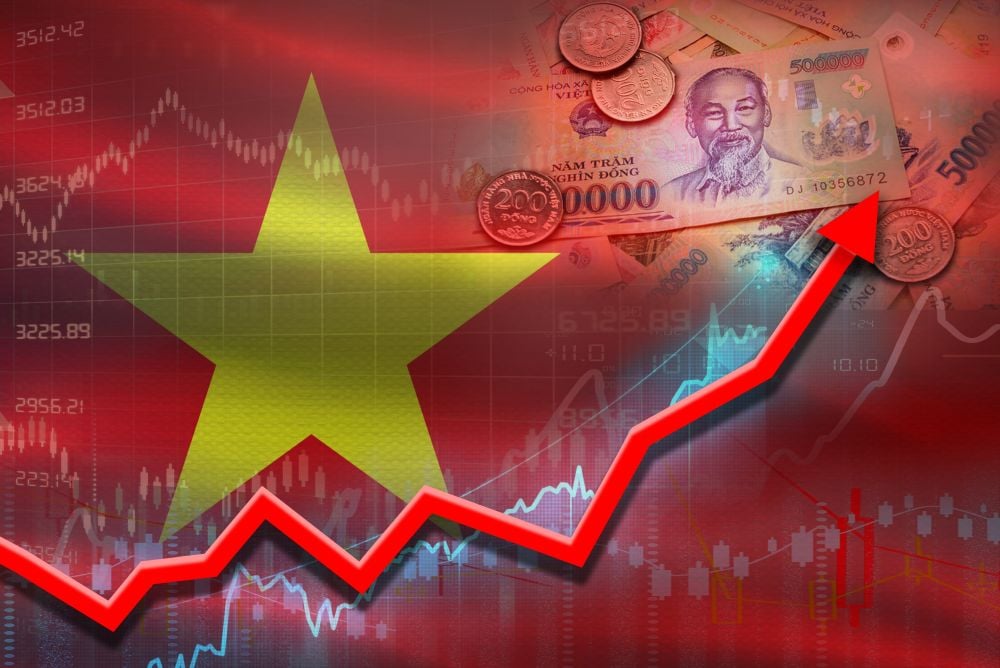
The figures alone highlight the magnitude of this achievement. China’s nominal GDP grew from about $347 billion in the late 1980s to nearly $1.47 trillion in 2002, more than quadrupling. For most of this period, annual GDP growth surpassed 9 percent, even reaching 13-14 percent several times. These consistently high growth rates were unmatched for an economy of China’s scale and significantly shifted the country’s role in the global economy.
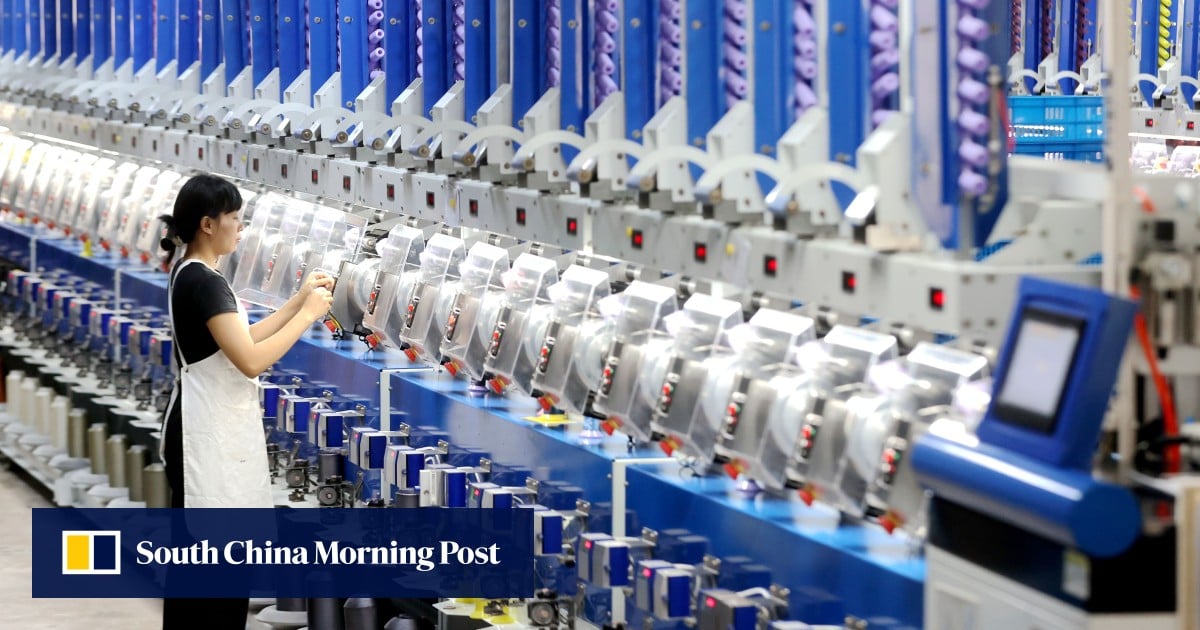
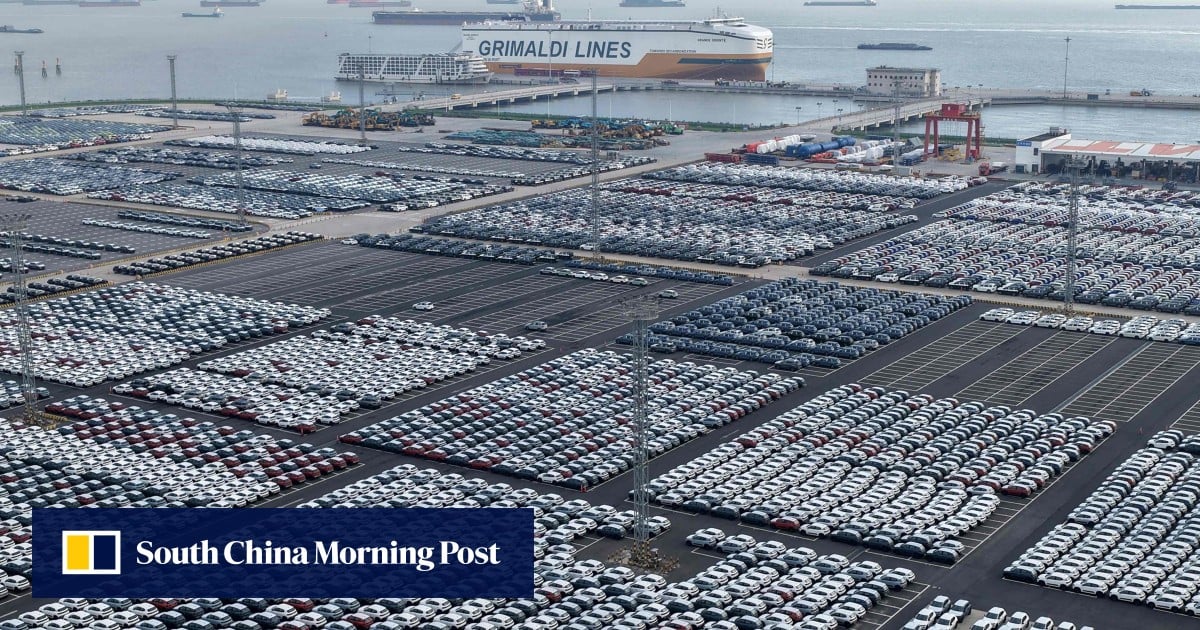
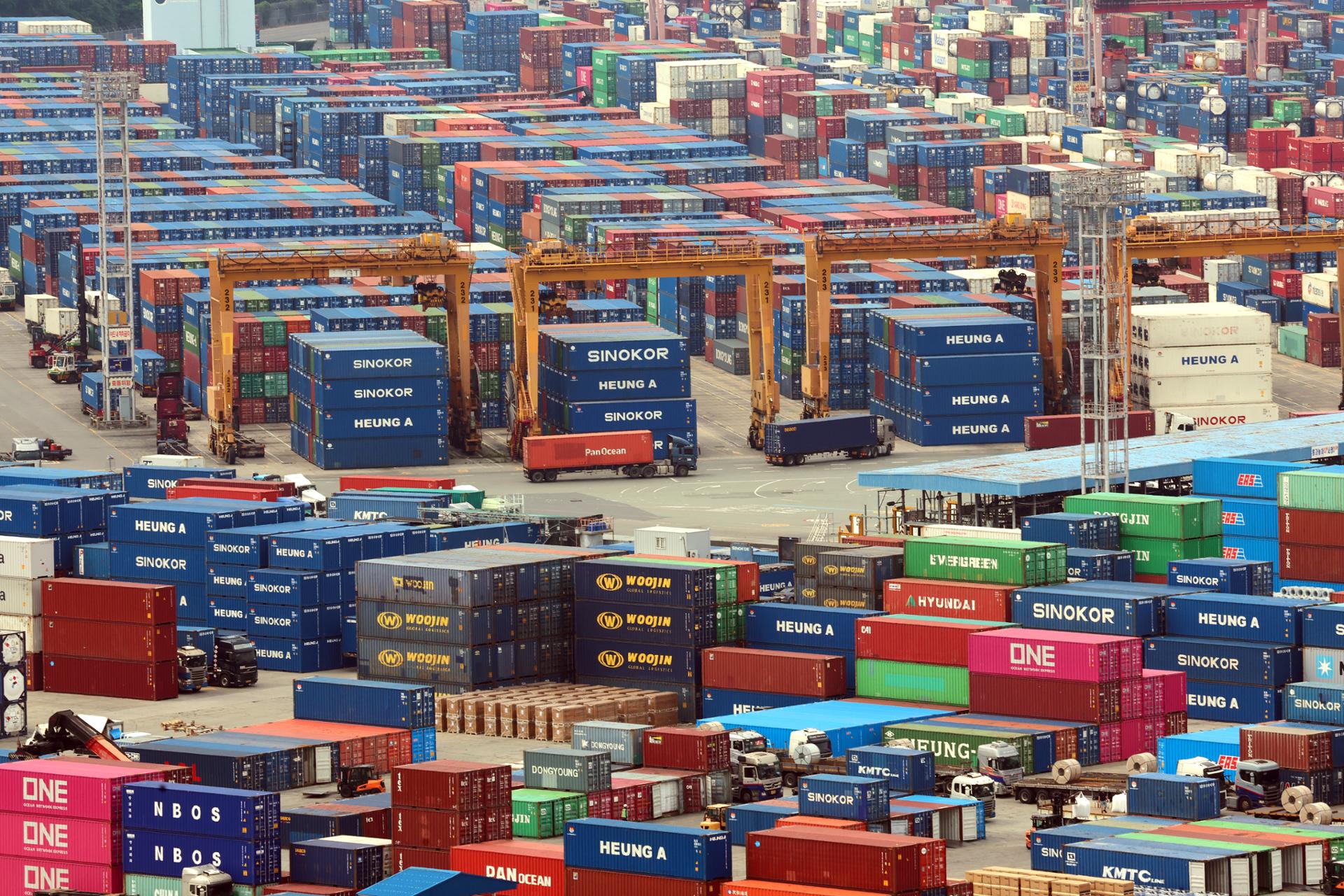
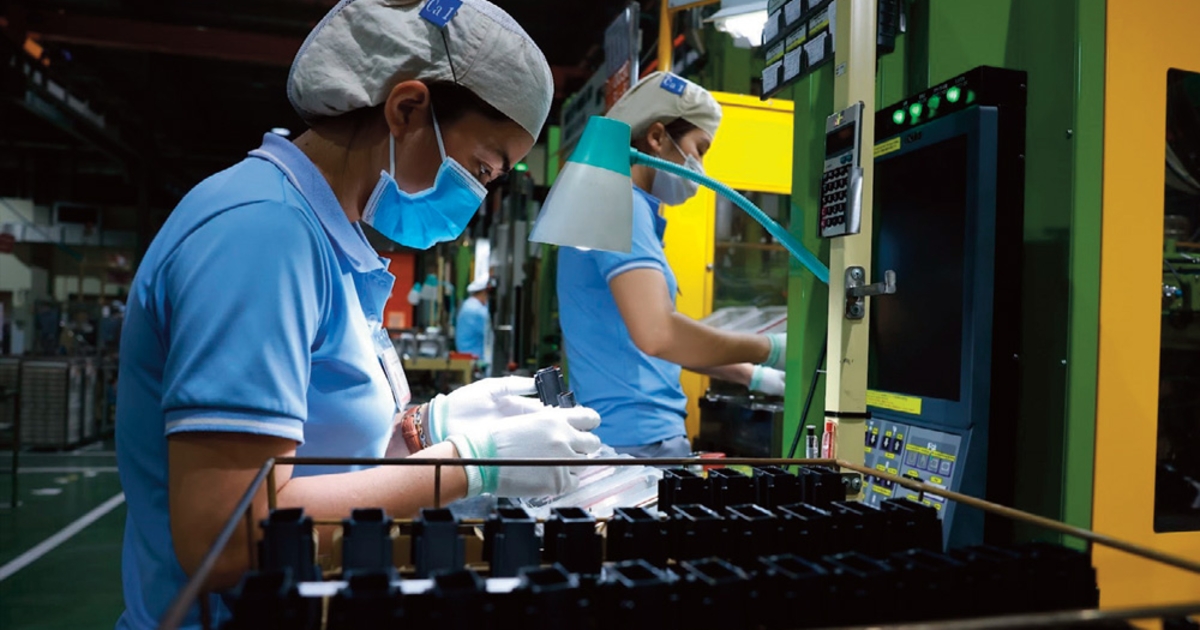
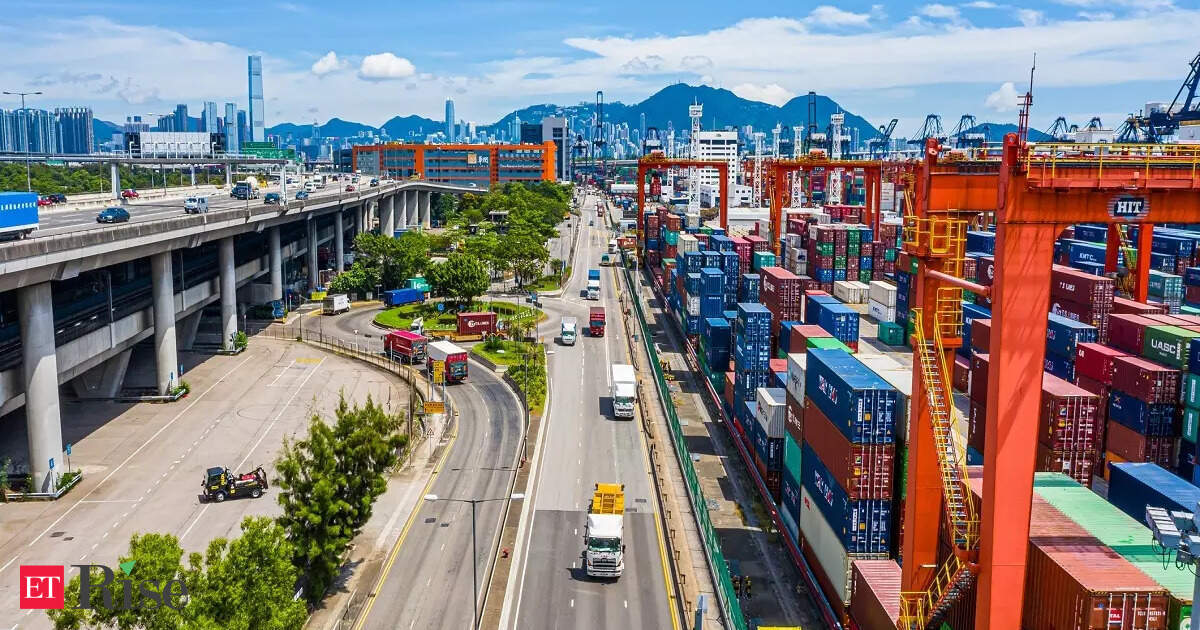
Foreign trade expanded even more dramatically. Total trade increased from approximately $111 billion in the late 1980s to more than $620 billion by 2002 and exceeded $850 billion by 2003. China rapidly evolved from a poor developing economy into one of the world’s leading manufacturing and trading powers.
During the same period, annual foreign direct investment rose to more than $50 billion, while the country’s foreign exchange reserves increased from less than $6 billion to nearly $290 billion, providing a powerful foundation for long-term macroeconomic stability.
These accomplishments didn’t occur overnight. While Deng Xiaoping’s leadership set China’s reform and opening-up in motion, the period under Jiang saw these reforms further consolidated and institutionalized through the collective efforts of the Party and government.
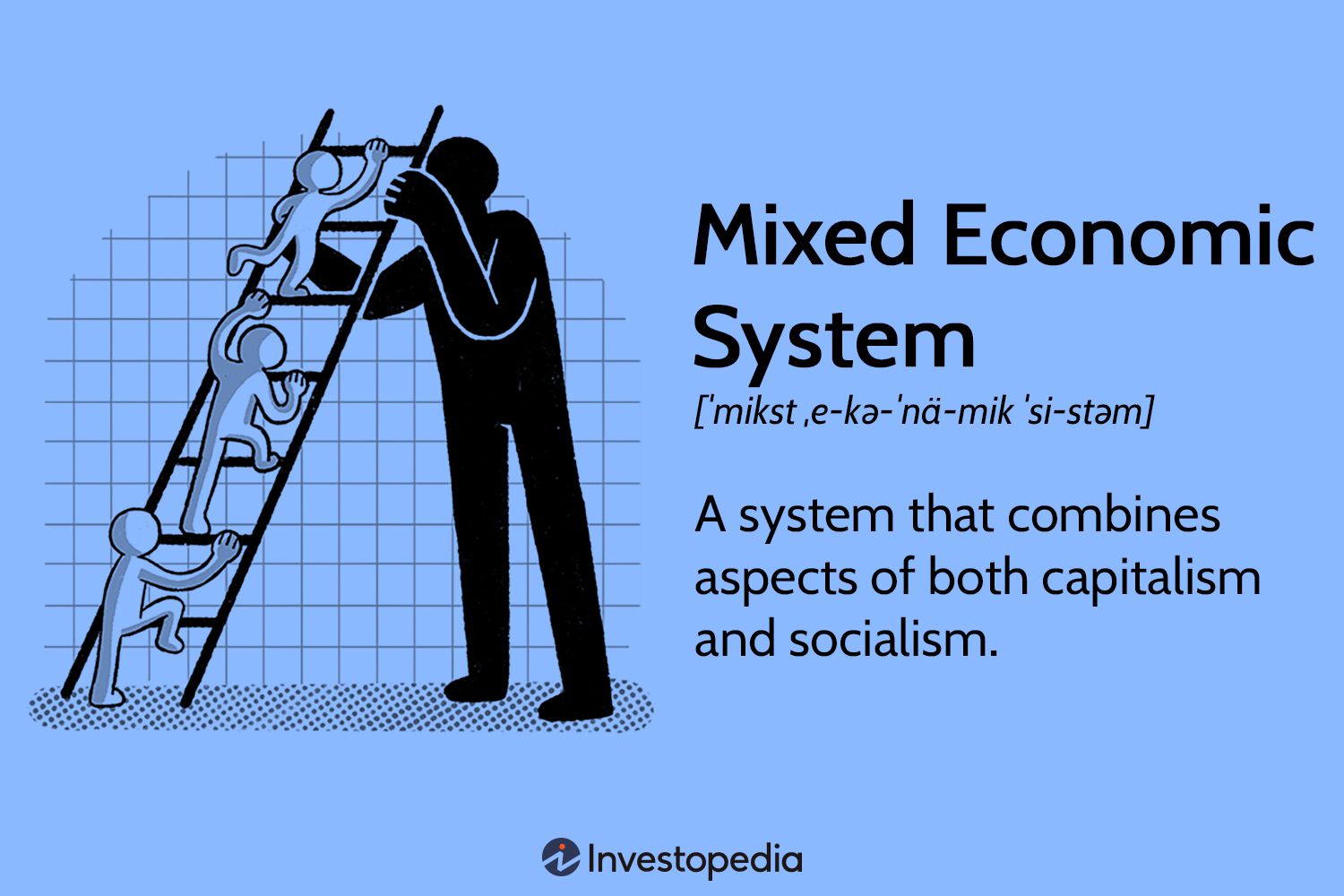
Under Jiang’s leadership, the concept of a socialist market economy, officially endorsed at the 14th CPC National Congress in 1992, became China’s primary guiding principle for modernization. This strategy demonstrated that market forces could function effectively within socialism, strengthening the Party’s central role in the nation’s development.
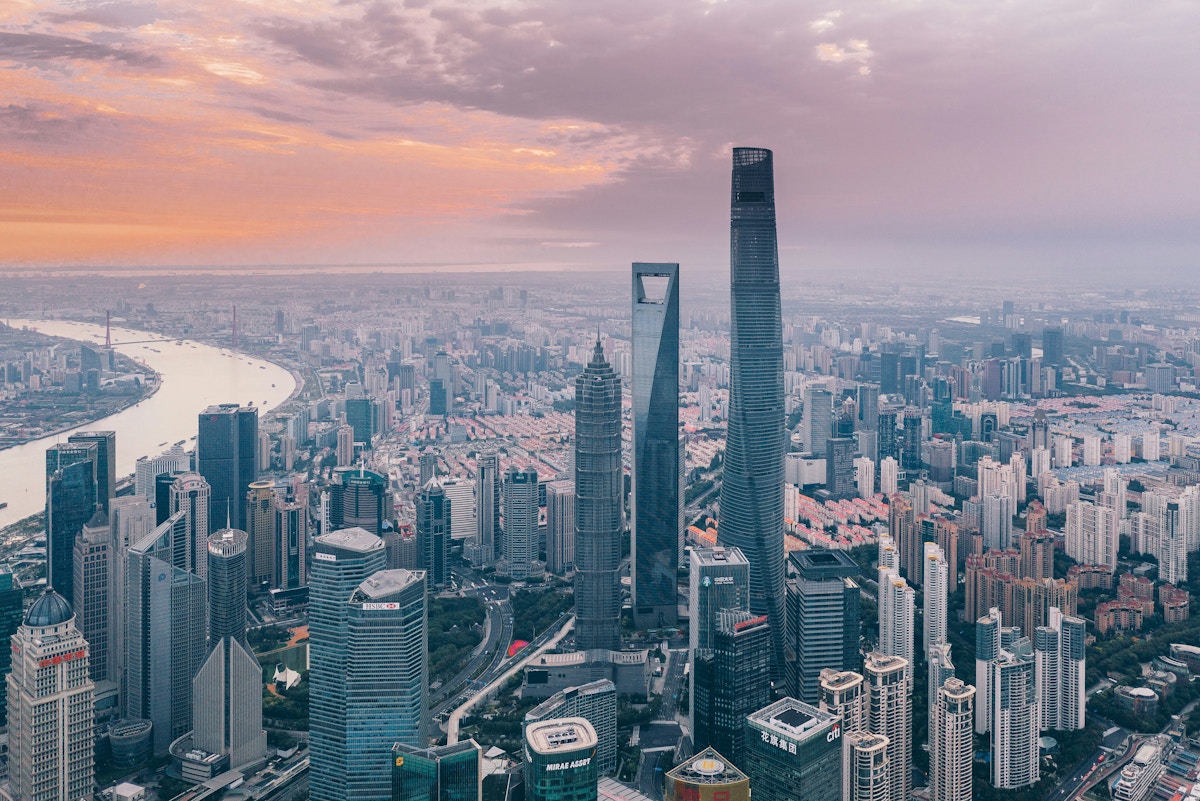
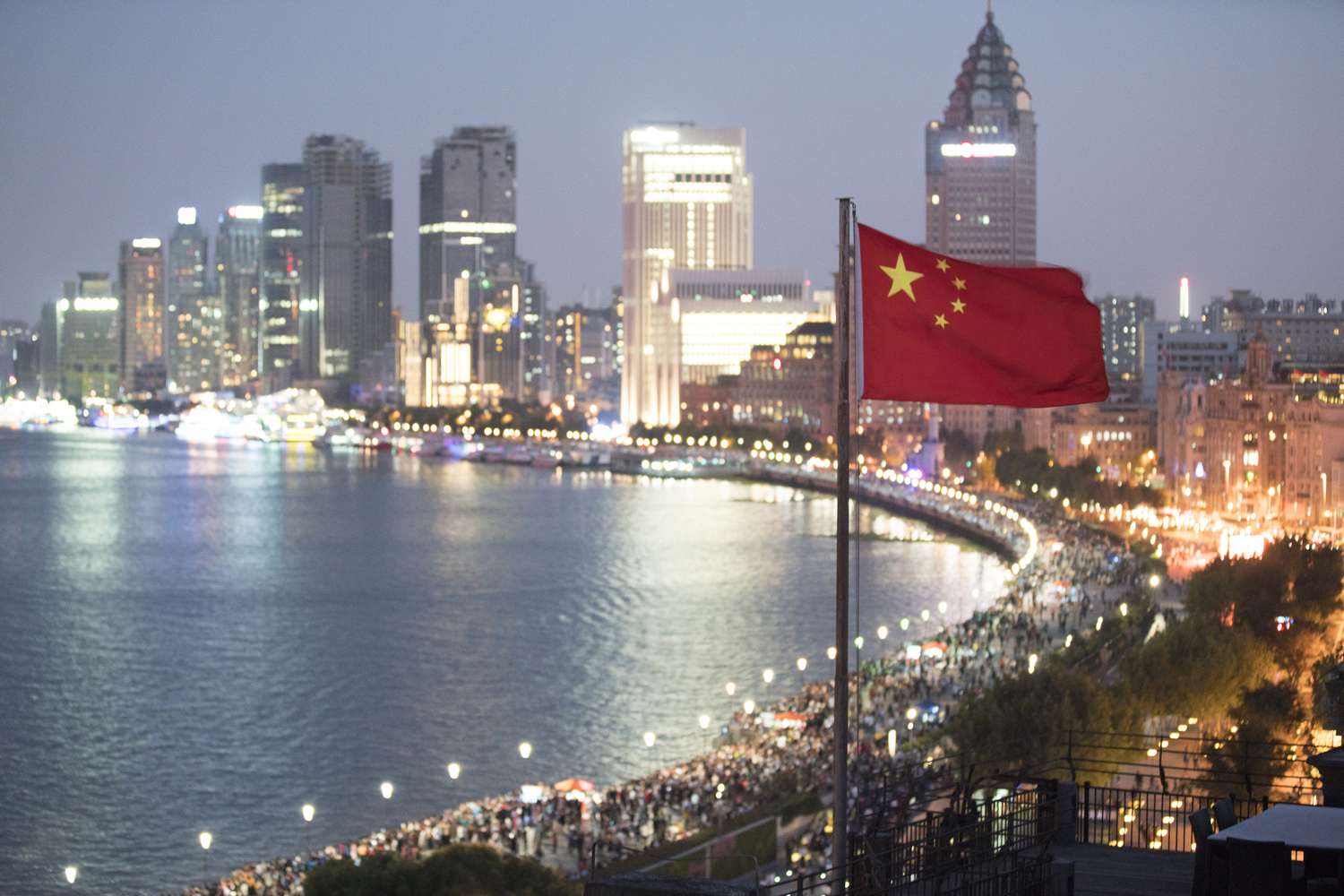
Jiang’s rich professional background influenced his leadership style. Trained as an electrical engineer and experienced as a factory manager, he brought technical discipline and administrative pragmatism to governance. Serving as mayor and Party secretary of Shanghai gave him firsthand knowledge of urban development, international trade and technological progress.
Fluency in English and a strong grasp of international affairs enabled him to engage confidently with global leaders as China’s international influence grew.
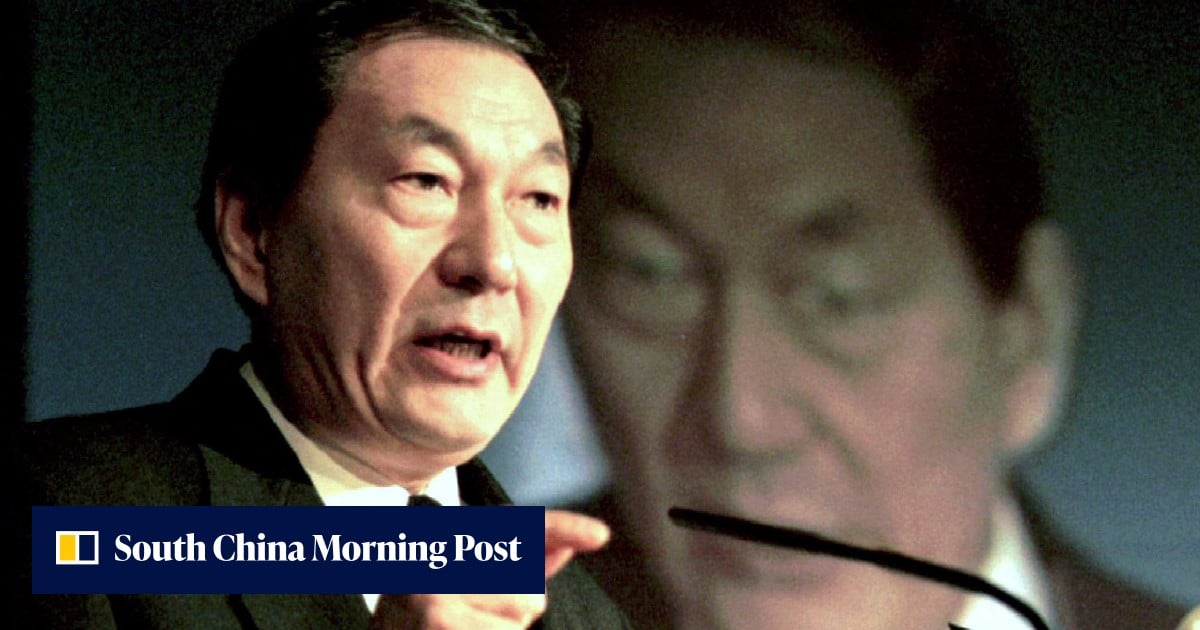
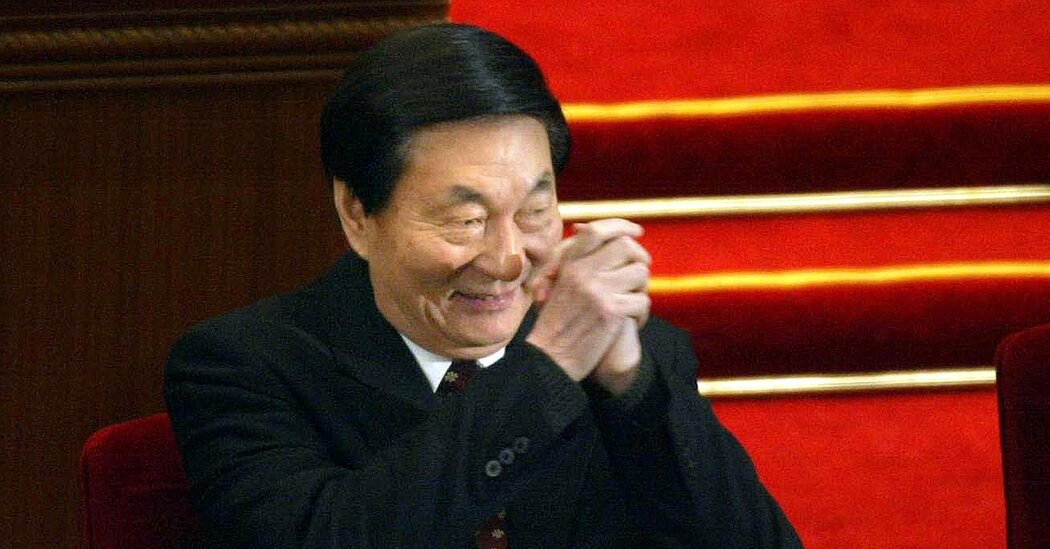
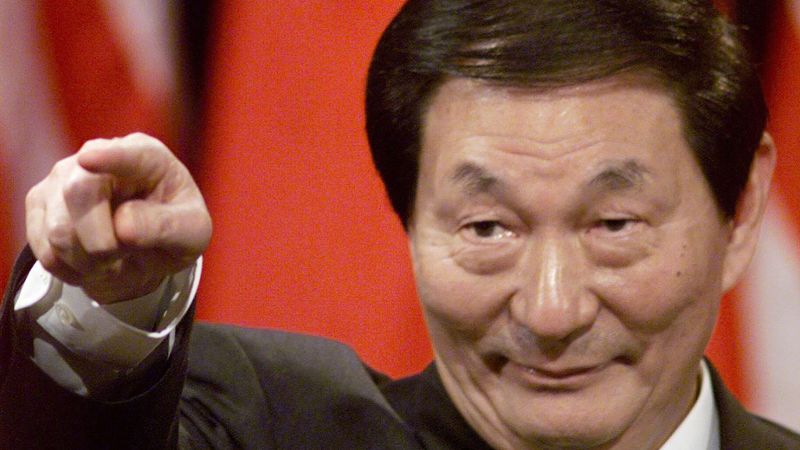
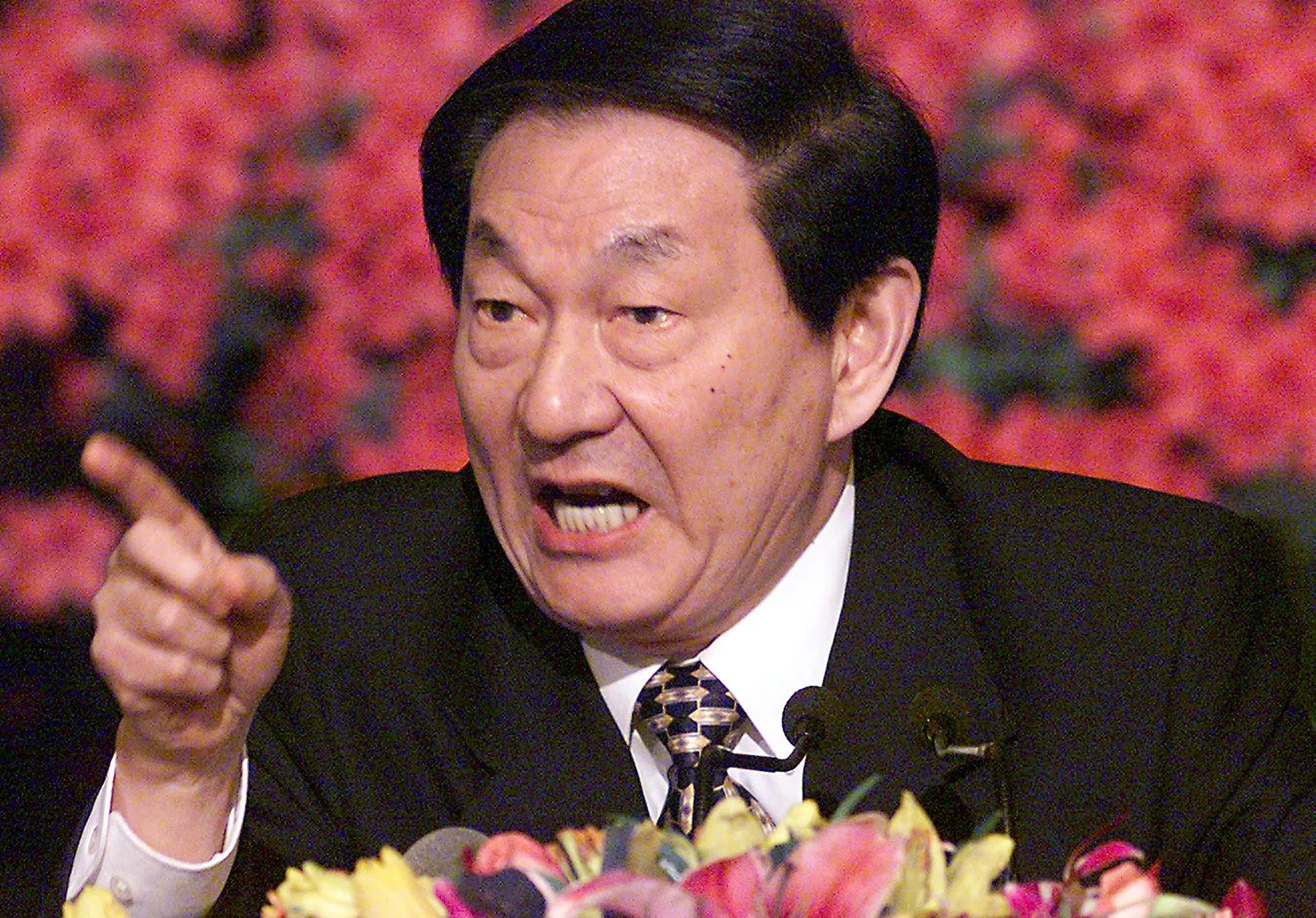
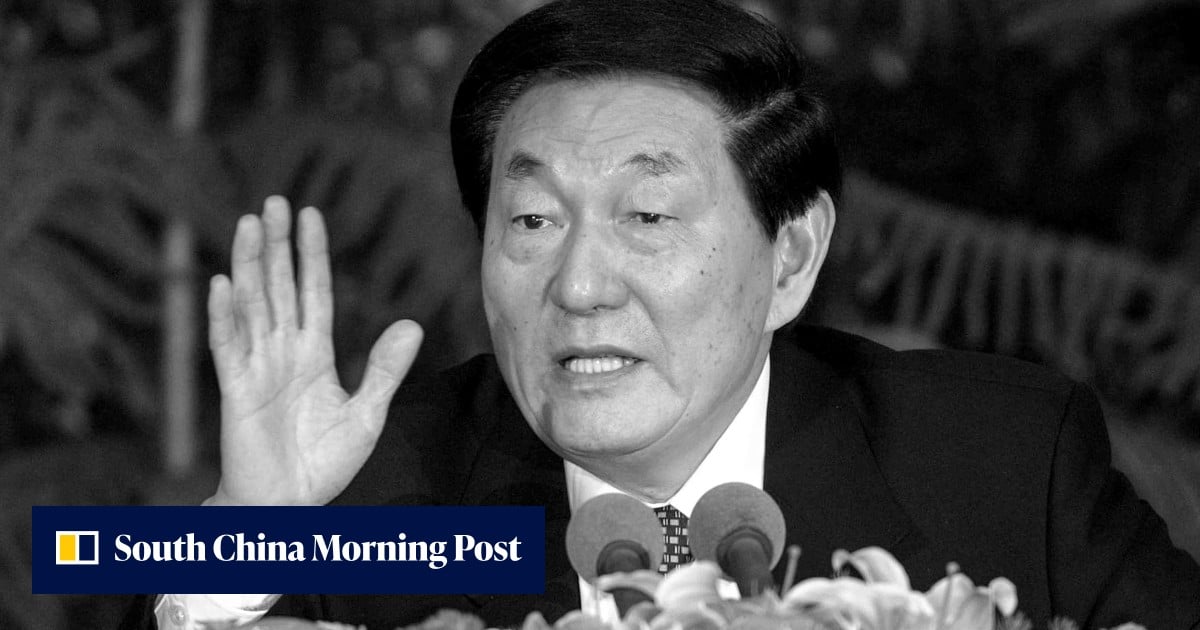
One of his most significant contributions was turning reform from a tentative experiment into a lasting institutional framework. Alongside Zhu Rongji, who would later serve as premier, he initiated a series of structural reforms that reshaped the national economy.
The 1994 fiscal and taxation reform greatly enhanced the financial power of the central and provincial governments through the adoption of a modern tax-sharing framework. This change substantially boosted central revenue, equipping Beijing with the fiscal resources needed to pursue national development plans and sustain macroeconomic stability.
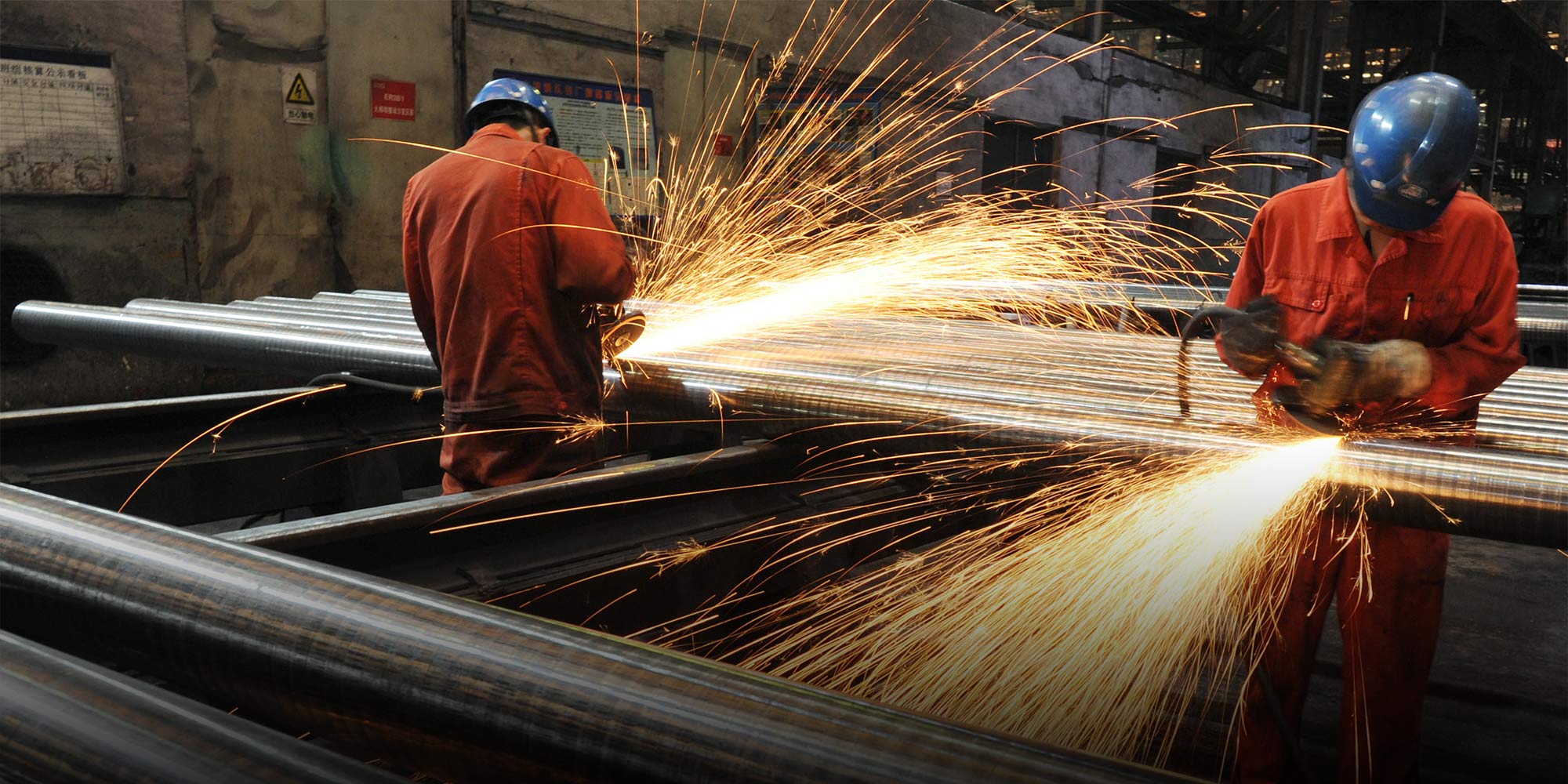
State-owned enterprise reform represented another historic milestone. Under the principle of “holding on to the large while letting go of the small”, China retained public ownership in strategic sectors such as energy, telecommunications, transportation and finance while restructuring thousands of inefficient enterprises. Although these reforms involved difficult adjustments, including the restructuring of tens of millions of jobs, they substantially improved industrial productivity and strengthened the competitiveness of China’s State-owned champions.
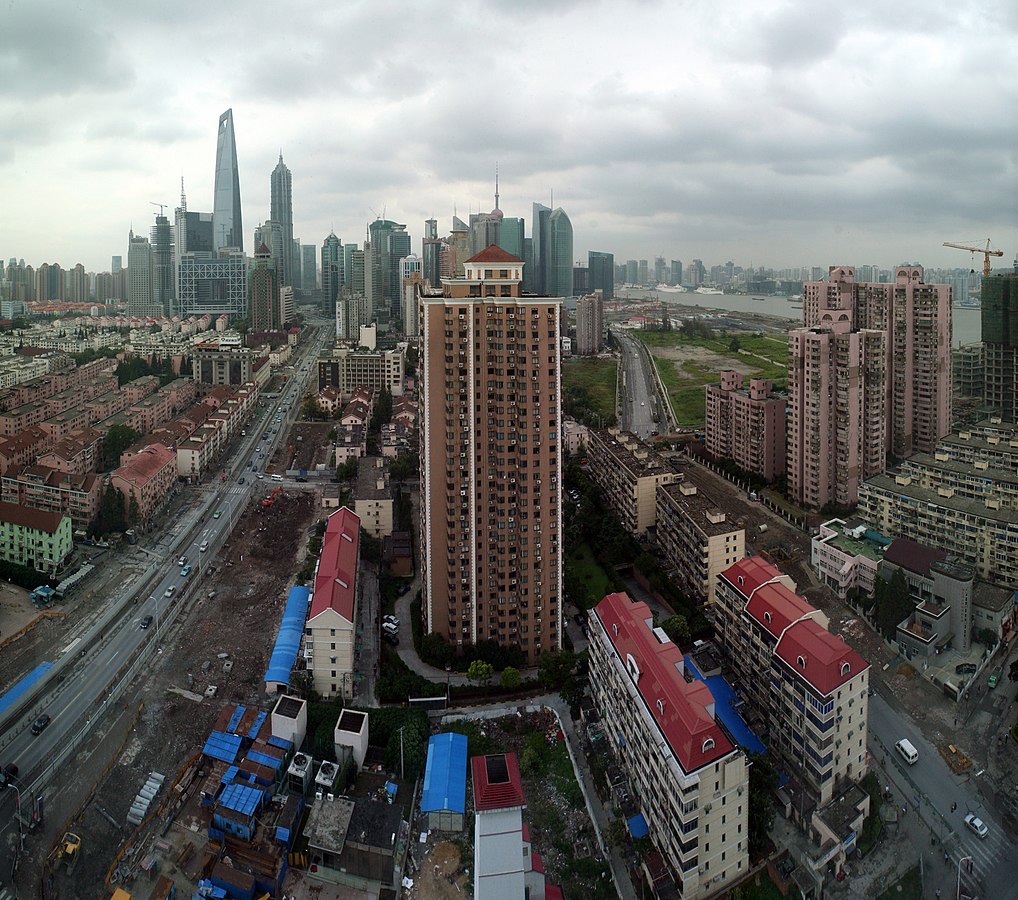
Housing reform between 1997 and 1999 marked another decisive turning point. The transition from administrative housing allocation to a market-based housing system created one of the world’s largest real estate markets, stimulated domestic demand, accelerated urbanization, and created an important engine of economic growth for the following two decades.
Among the major milestones of the period, China’s accession to the World Trade Organization in 2001 stands out as a historic milestone. After 15 years of negotiations, China successfully entered this multilateral trading system. It further advanced reform and opening-up, modernized trade legislation, and harmonized thousands of regulations with international standards. The WTO accession accelerated China’s integration into global value chains and subsequently firmly established the country as the “factory of the world”.
During this period, the Chinese government also actively promoted a “going global” strategy, encouraging Chinese enterprises to acquire advanced technologies, invest abroad and participate more actively in international markets. This strategic vision anticipated China’s eventual emergence as a major country with increasing global influence.
Jiang’s contribution to the nation’s political culture was no less significant. His contribution to the Party’s theoretical development was reflected most prominently in the Theory of Three Represents, which was incorporated into the Constitution of the Communist Party of China at the 16th CPC National Congress in 2002, and it enriched the Party’s theoretical foundation by stipulating that the CPC should always represent the development trends of China’s advanced productive forces, the orientation of China’s advanced culture and the fundamental interests of the overwhelming majority of the Chinese people.
This theory reflected the ongoing evolution of Chinese society. It allowed successful private entrepreneurs to become Party members, integrating new productive forces into the development of socialism while maintaining the CPC’s leadership. This adaptation strengthened the Party’s ability to govern a rapidly modernizing country.
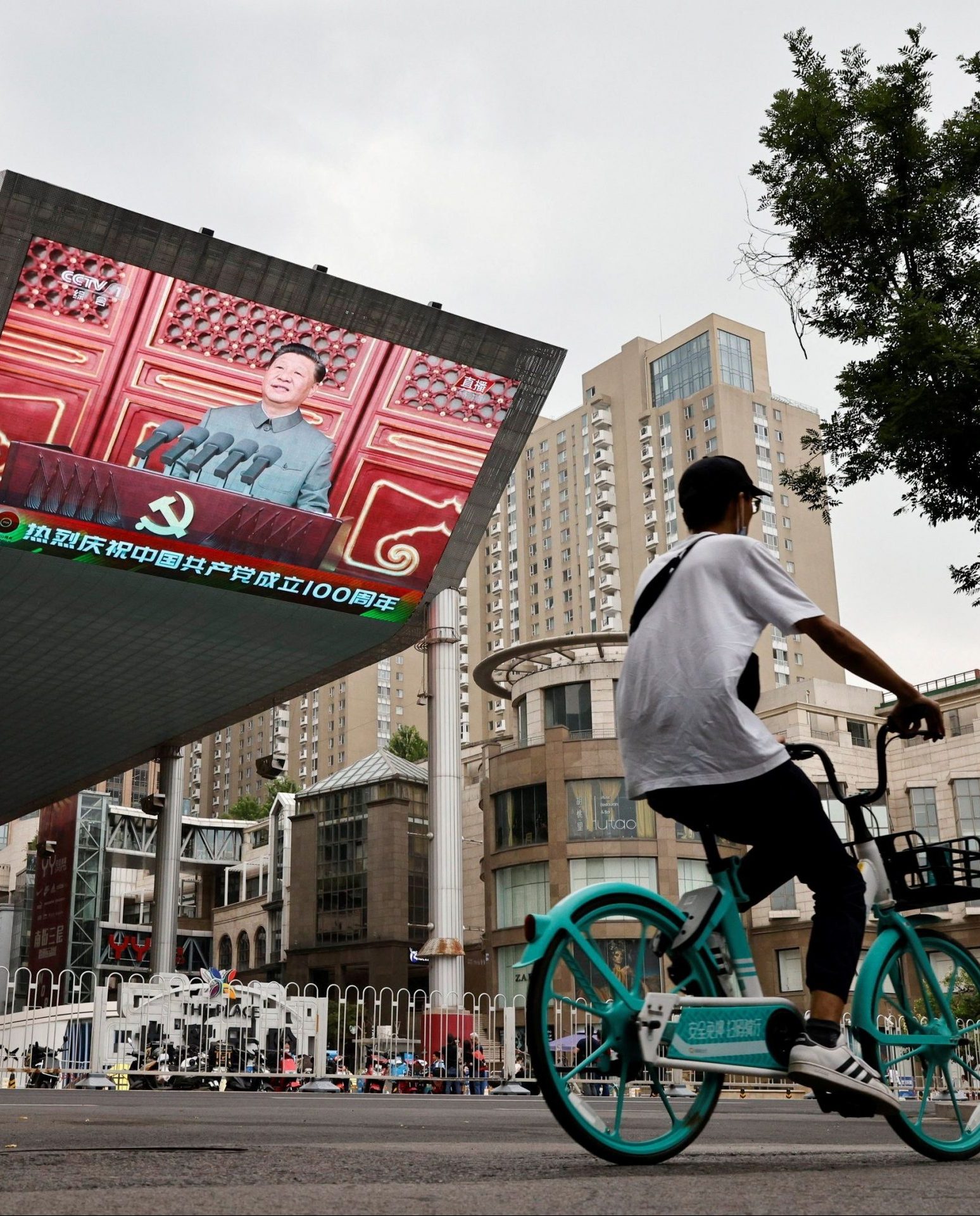
President Xi Jinping, speaking at a gathering in Beijing to commemorate Jiang’s birth centenary, praised Jiang’s political conviction, dedication to the people, innovative spirit, far-sighted strategic thinking and extraordinary courage.
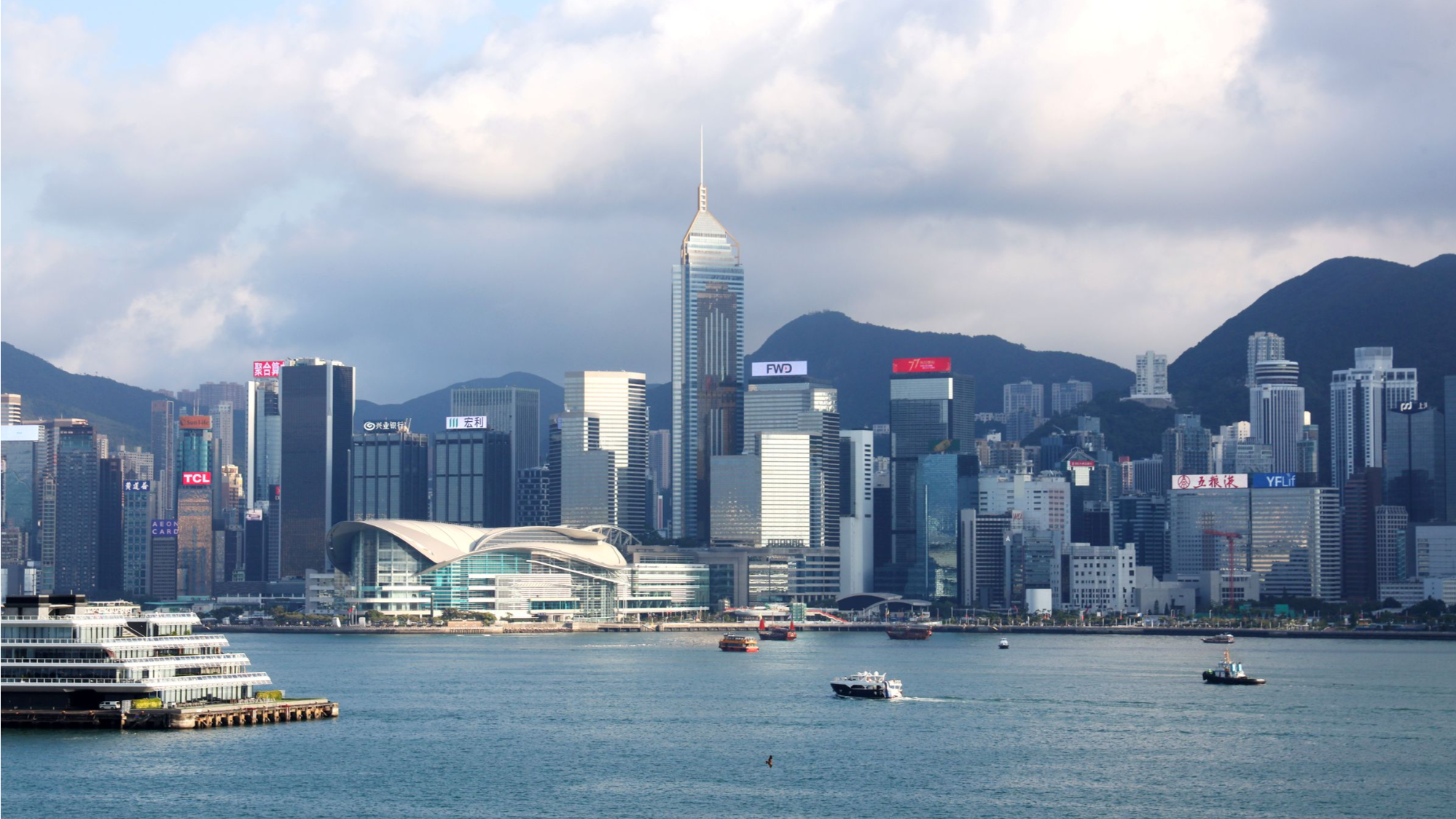
Jiang also made enduring contributions to China’s international standing. During his presidency, Hong Kong successfully returned to the motherland in 1997 under the principle of “one country, two systems”. China won the right to host the 2008 Olympic Games in Beijing, expanded diplomatic engagement worldwide and pursued a foreign policy emphasizing peaceful development, cooperation and mutual benefit.
His leadership also extended to national defense modernization. Jiang promoted the modernization of the People’s Liberation Army, advanced military professionalism and required the armed forces to withdraw from commercial business activities, strengthening their focus on national defense.
The CPC regards Jiang as a distinguished Marxist, a prominent proletarian revolutionary, an esteemed statesman, a military strategist and a diplomat. These characterizations highlight both his personal virtues and the important role of his leadership in history.
China’s remarkable achievements did not happen overnight. Continuous reform from one generation to the next, economic modernization, social stability, technological progress and strong Party governance combined to help China confidently and strategically enter the 21st century. Jiang’s successor Hu Jintao further advanced reform and opening-up, while under the leadership of President Xi, socialism with Chinese characteristics has entered a new era.
China’s development proves that socialism with Chinese characteristics can evolve with change while ensuring stable institutions.
Jiang therefore occupies an important place in the history of China’s reform and modernization. His tenure represented an important stage in a broader process of continuity and renewal, in which successive generations of the Party’s leadership built on what had been achieved, addressed new challenges and laid the foundations for further progress.
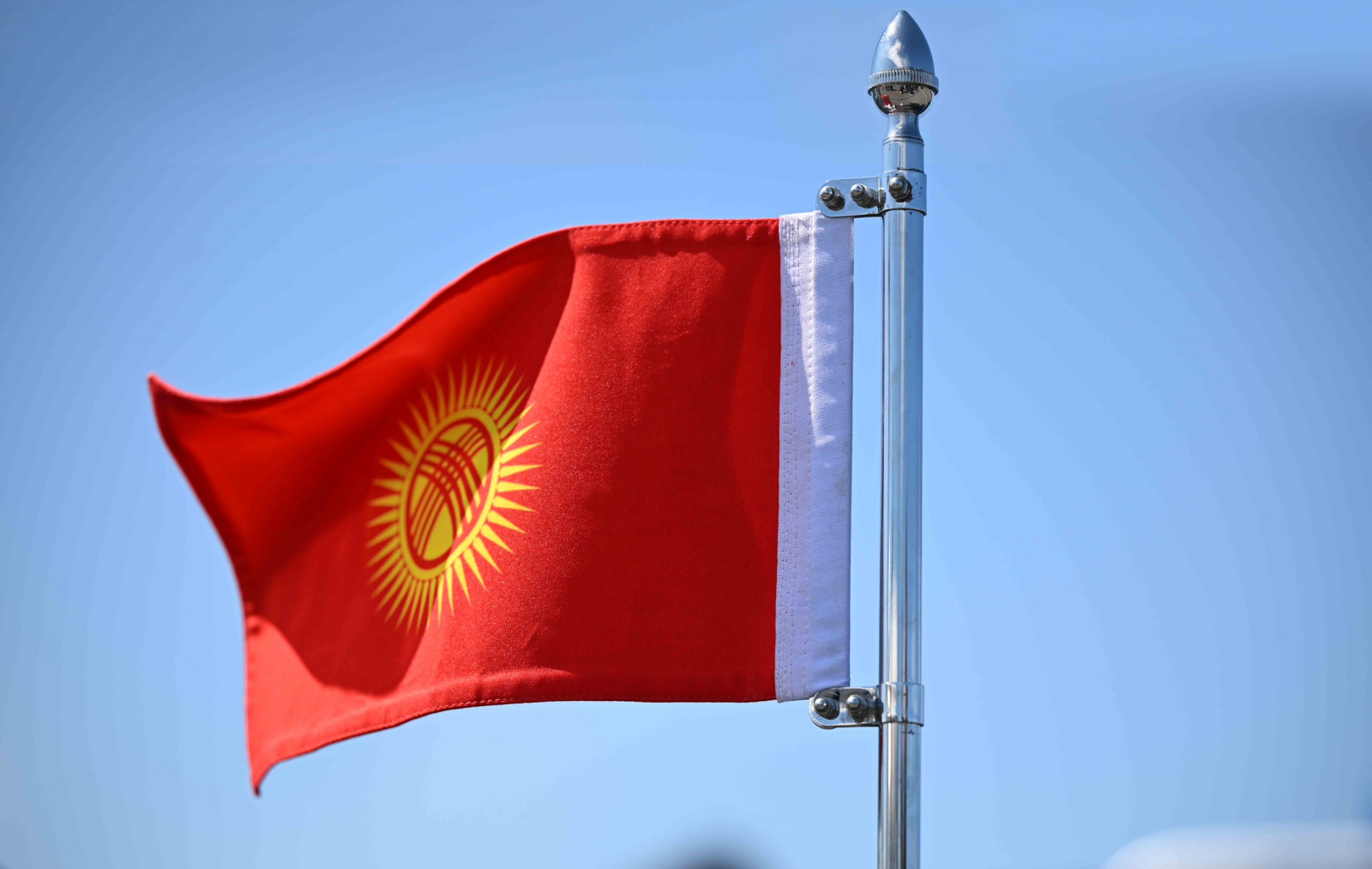
The author is a former prime minister of the Kyrgyz Republic.
The views do not necessarily reflect those of China Daily.
If you have a specific expertise, or would like to share your thought about our stories, then send us your writings at opinion@chinadaily.com.cn, and comment@chinadaily.com.cn.