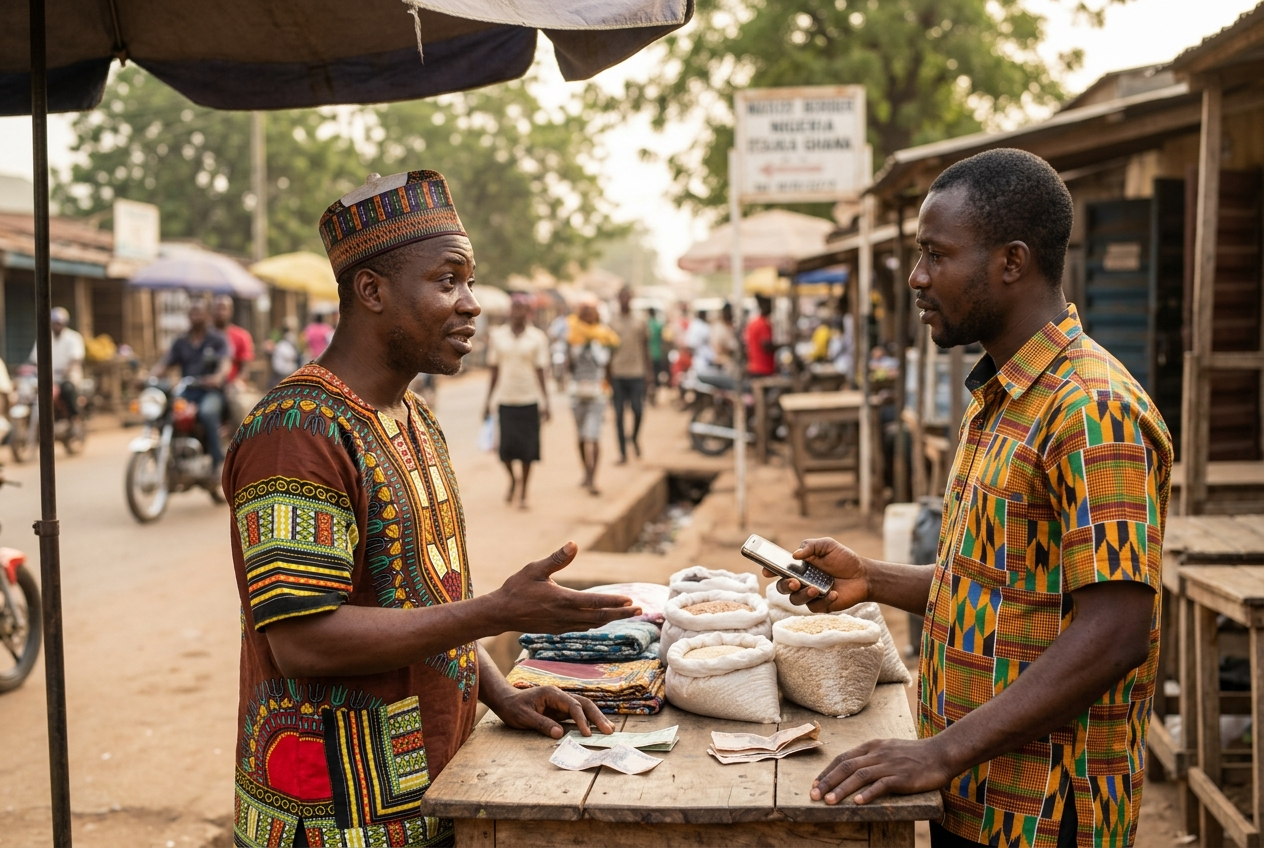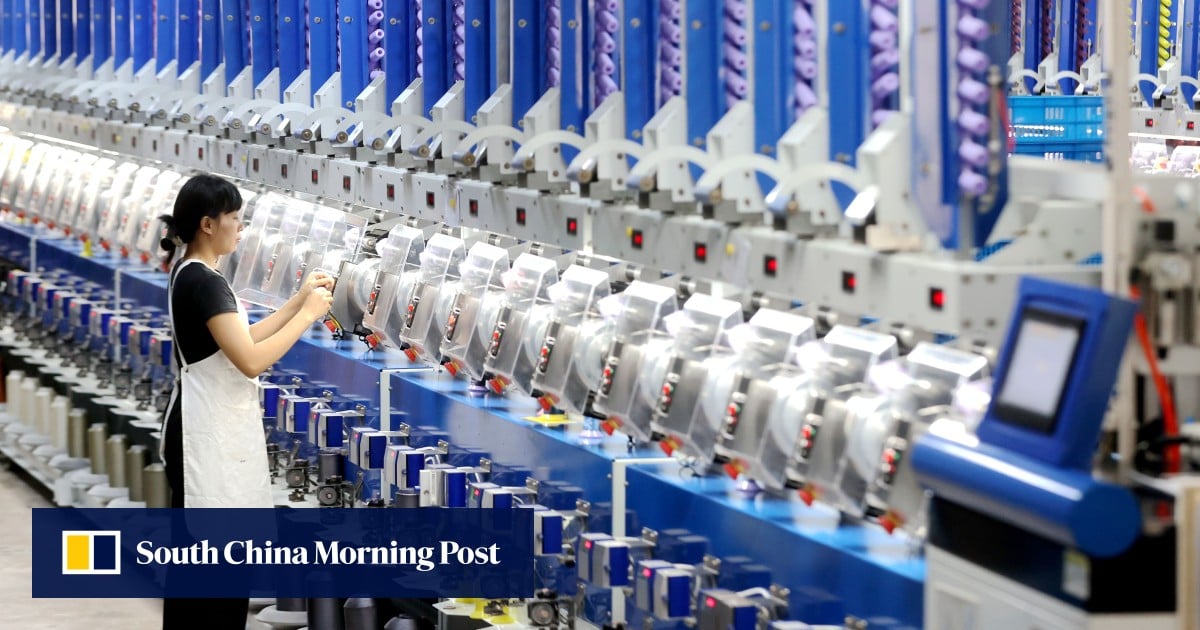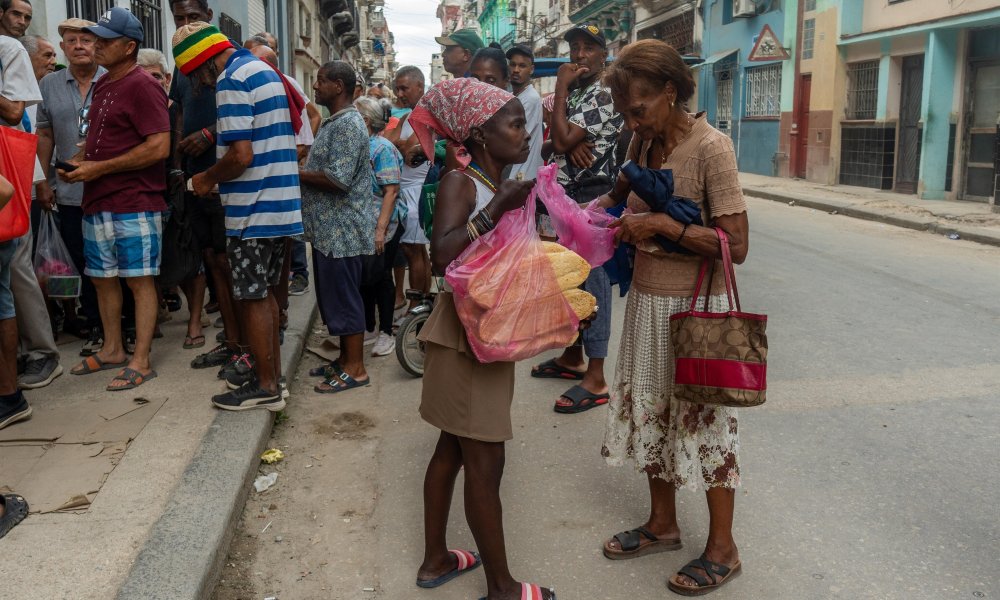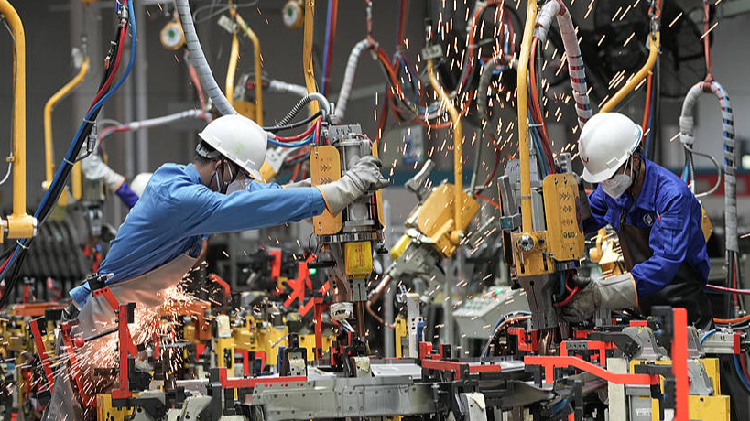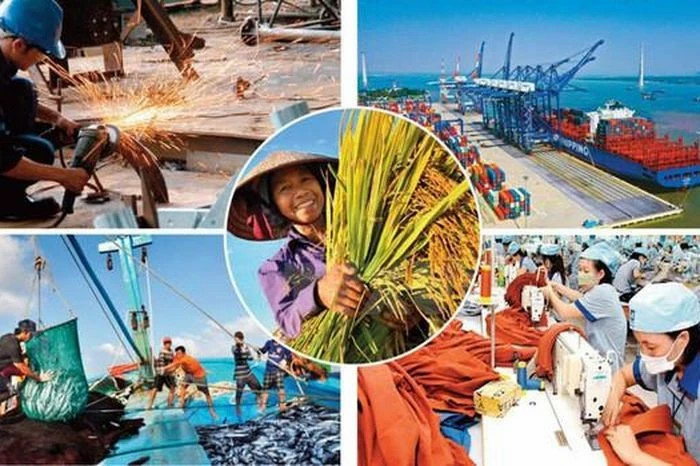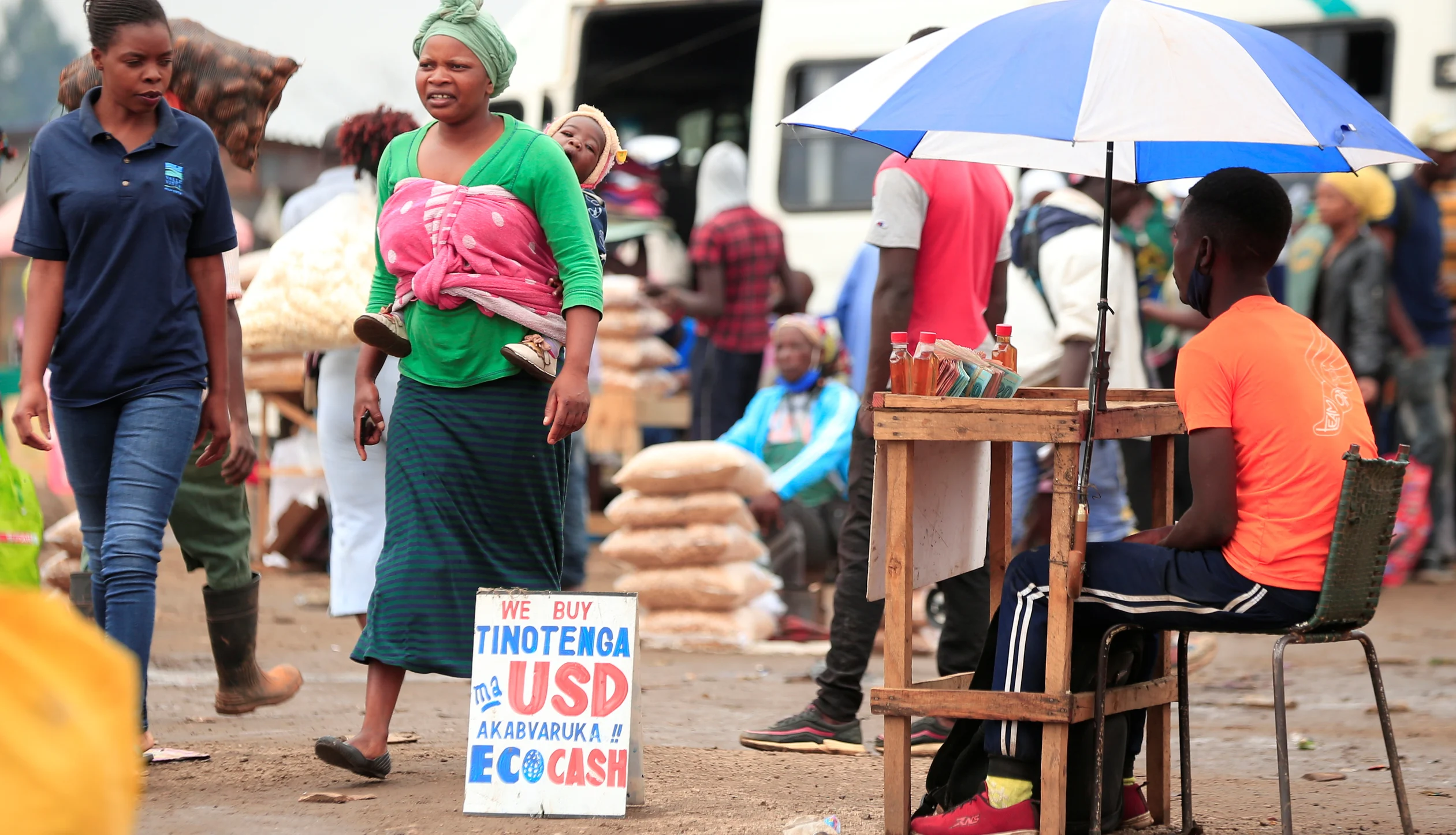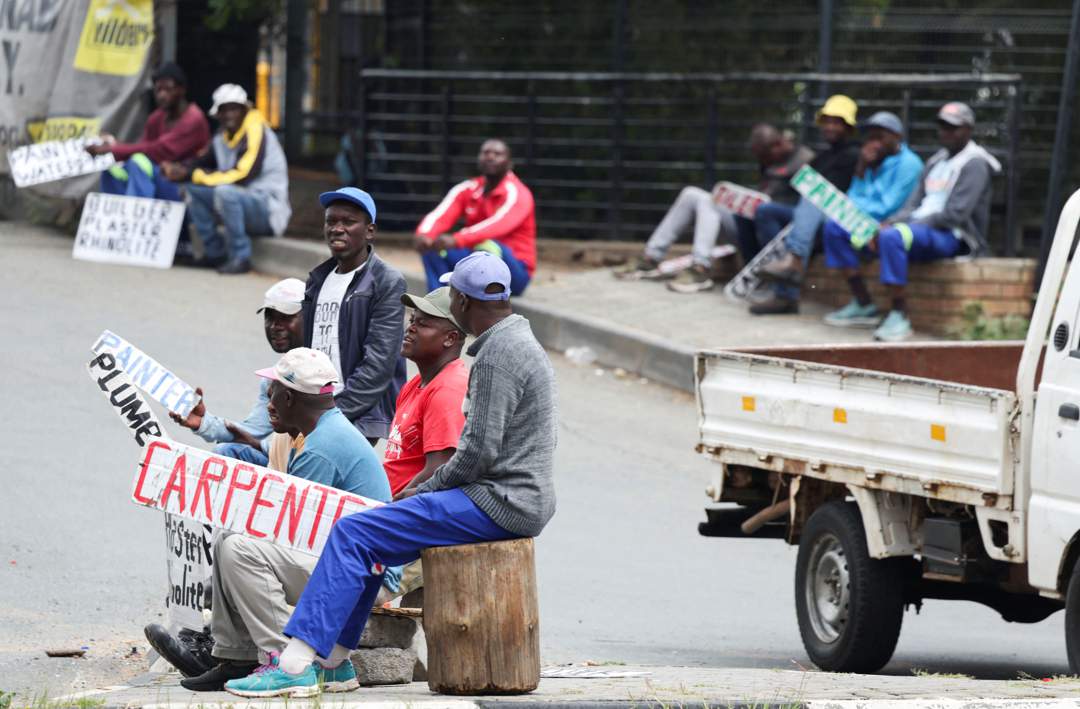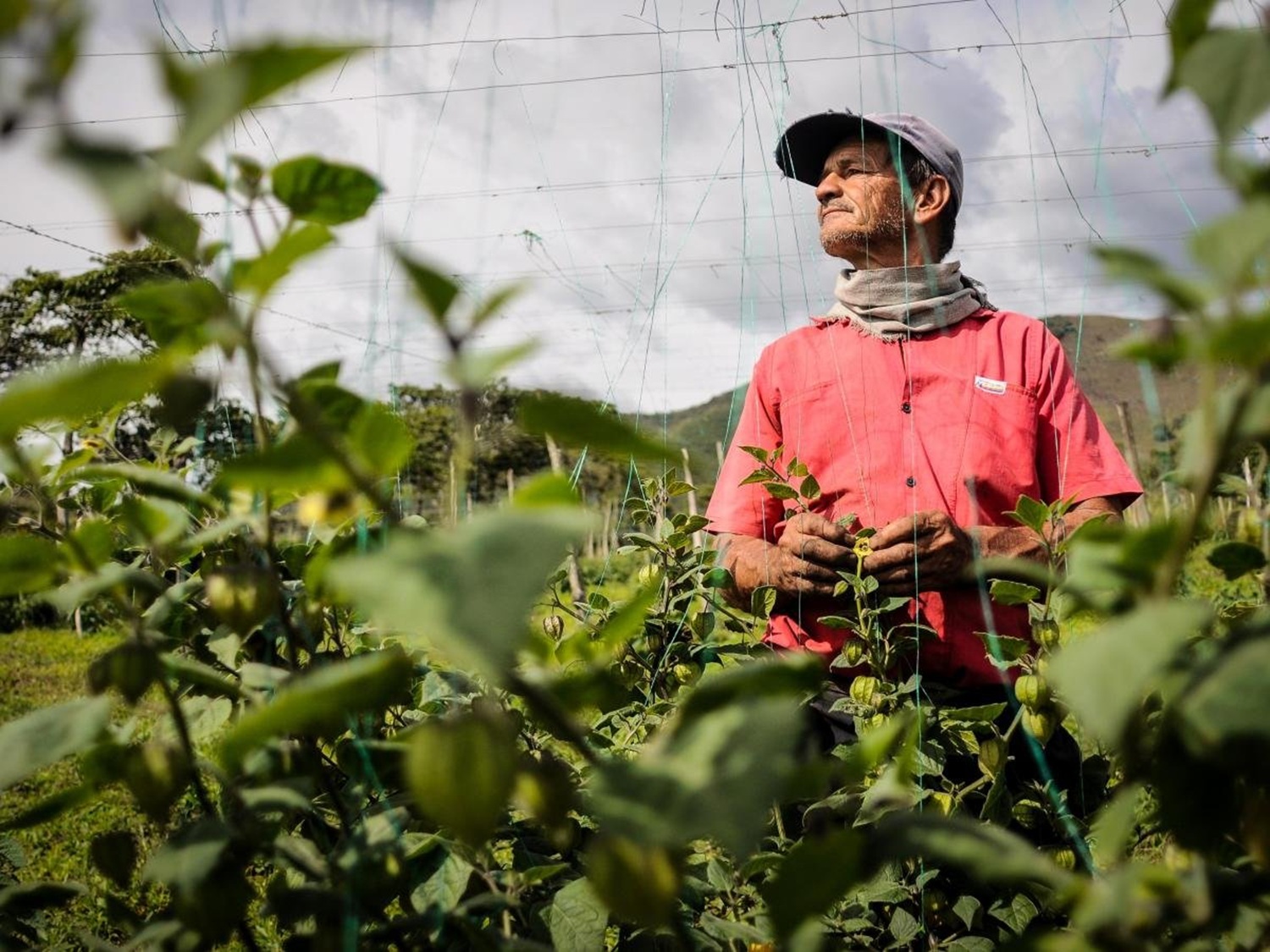
“Traditional sectors contribute over 70% to Liberia’s employment, with agriculture alone engaging nearly half the workforce.”
Introduction: The Backbone of Liberia’s Economy
Liberia’s economy is deeply anchored by its traditional sectors—agriculture, forestry, and mining. These key industries serve as both the backbone and the lifeblood of Liberia, shaping the country’s social fabric, fueling economic growth, and underpinning long-term resilience. As we examine the traditional sector contribution to Liberia economy, it is vital to explore the ways these sectors drive development, rural livelihoods, and foreign exchange, while focusing on sustainability, climate-smart practices, and innovative approaches for the generations to come.
Agriculture and forestry, in particular, are not merely economic activities; they are cultural cornerstones that sustain rural families, foster income diversification, and inspire innovation from the grassroots up. Mining, meanwhile, delivers potent revenue streams, job creation, and infrastructure advances, positioning Liberia amid global mineral markets while emphasizing environmental stewardship.
Throughout this comprehensive analysis, we will highlight major industries in Liberia economy, synthesize the interplay between these influential sectors, and explore the sustainable frameworks guiding Liberia’s economic future.
Key Insight:
Over 70% of Liberia’s employment is rooted in traditional sectors, underscoring their unparalleled contribution to social stability, economic activity, and sustainable rural development.
Sector Overview: Traditional Sector Contribution Overview Table
| Sector | Estimated Contribution to GDP (%) | Primary Products/Resources | Main Sustainability Practices | Key Challenges |
|---|---|---|---|---|
| Agriculture | ~31% | Rice, Cassava, Oil Palm, Cocoa, Rubber, Pineapple, Coffee | Climate-smart agriculture, soil health preservation, agroforestry integration, water management | Climate resilience, access to credit, post-harvest losses, limited irrigation |
| Forestry | ~17% | Timber, Non-timber forest products (NTFPs), Charcoal, Medicinal Plants | Community-based stewardship, forest certification, ecosystem service optimization, conservation | Deforestation, governance, certification, monitoring, ecological protection |
| Mining | ~13% | Iron ore, Gold, Diamonds, Bauxite, Manganese, Tin | Responsible mining practices, environmental standards, community agreements, satellite monitoring | Environmental impact, local procurement, remediation, infrastructure needs |
Traditional Sector Contribution to Liberia Economy: Foundations, Facts, and Future
The traditional sector contribution to Liberia economy cannot be overstated. Agriculture, forestry, and mining collectively account for a substantial portion of the nation’s GDP, employment, and rural development. These sectors stand as pillars—each offering unique strengths, faced with evolving challenges, and possessing tremendous potential for sustainable transformation.
- ✔ Agriculture remains the leading traditional sector, employing nearly half the workforce and supplying staple foods that sustain families across the country.
- 🌳 Forestry underpins livelihoods by providing timber, non-timber products, and essential ecosystem services that support local and national economies.
- ⛏️ Mining drives foreign exchange earnings, national revenue, and large-scale infrastructure projects crucial for long-term development.
- ⚠ Climate change, market volatility, and external shocks impact all traditional sectors, making resilience and sustainability more vital than ever.
- 📊 Synergies across sectors—from agroforestry to responsible mining—shape a diversified, shock-resistant economy capable of advancing inclusive growth.
Agriculture in Liberia: Contributions, Challenges, and Sustainable Innovation
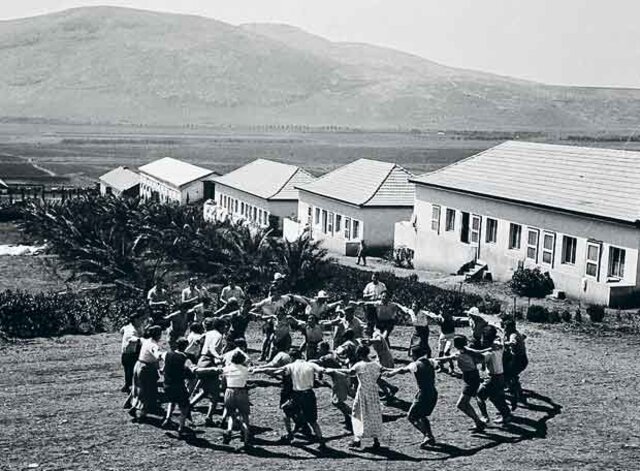
“Liberia’s forests cover about 44% of its land, supporting both biodiversity and sustainable rural livelihoods.”
The Backbone of Traditional Sector Contribution to Liberia Economy
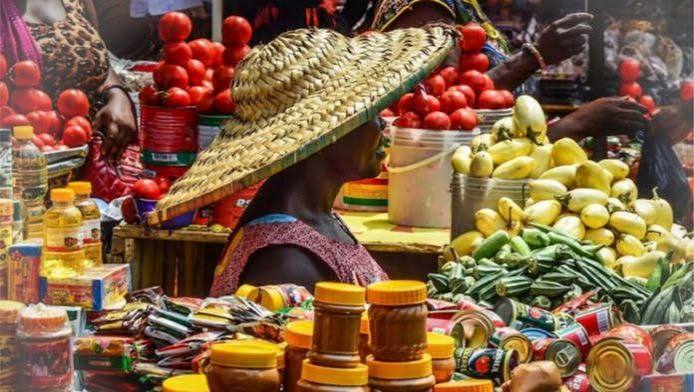
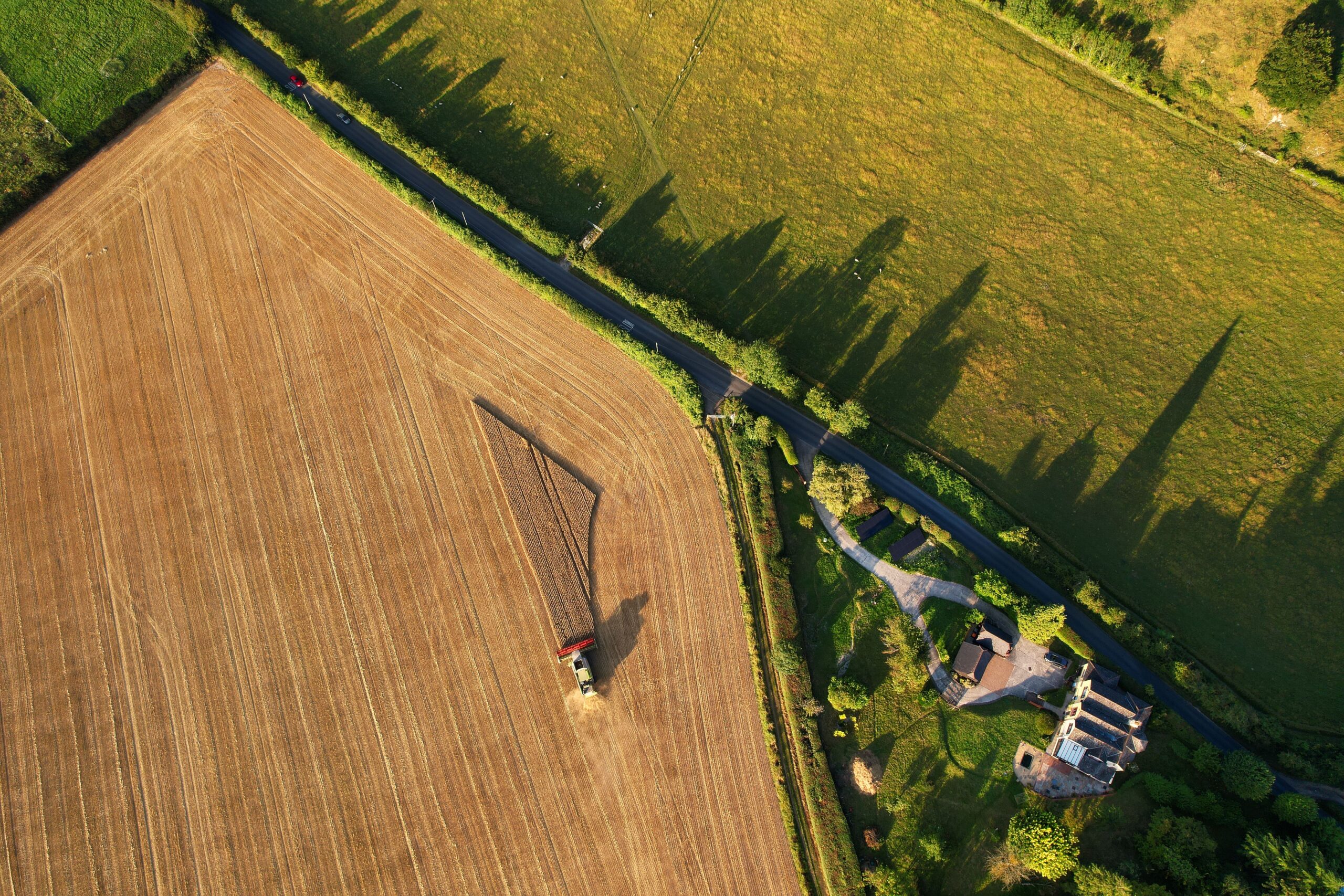
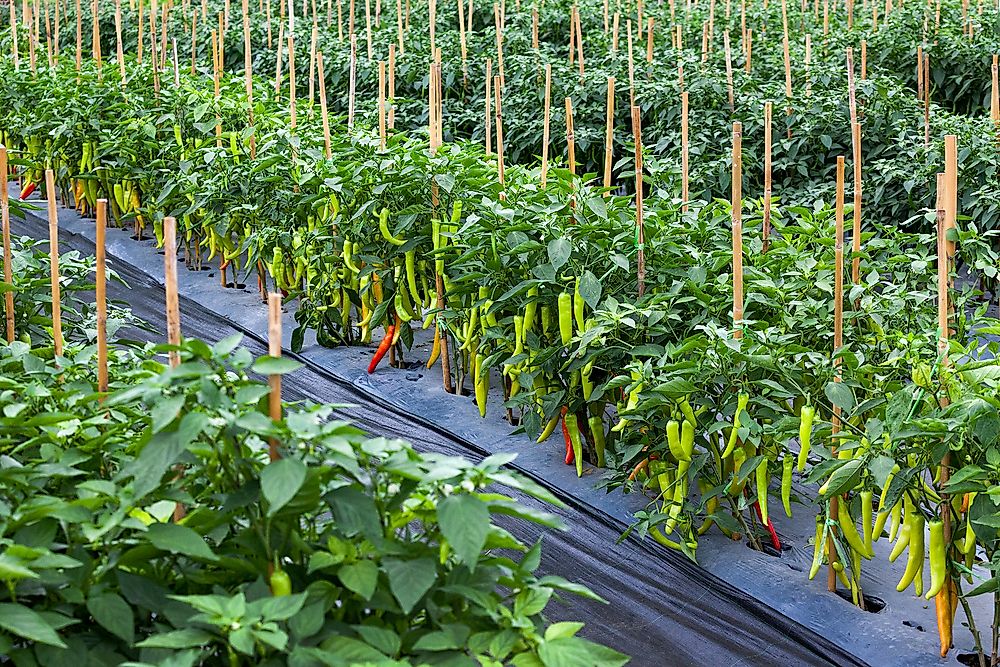
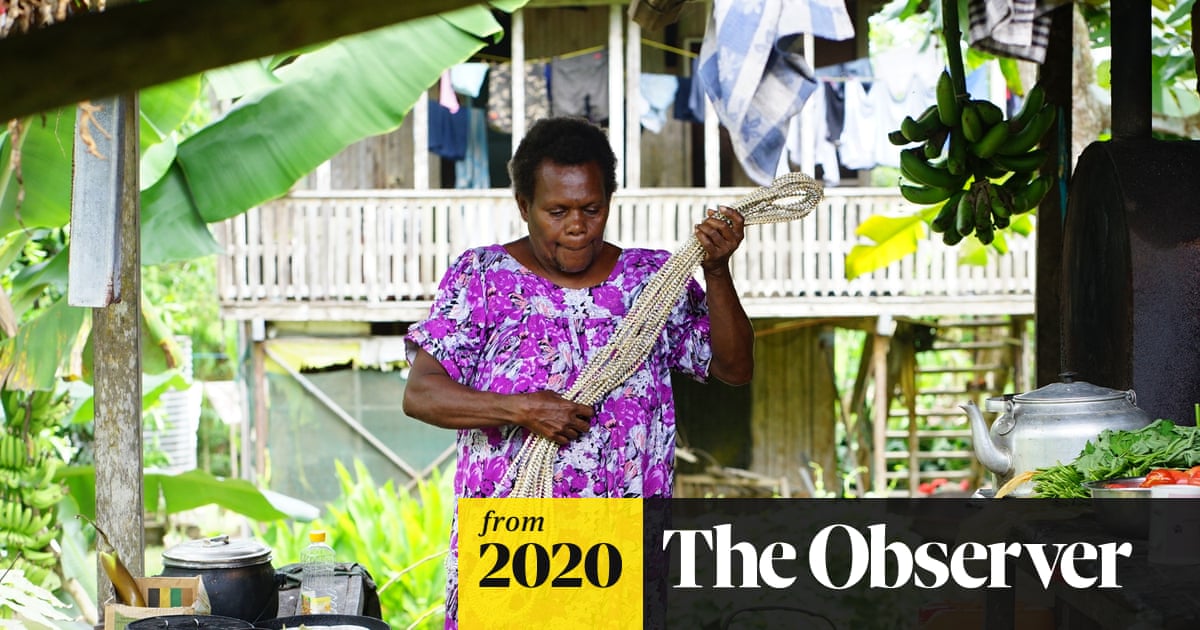
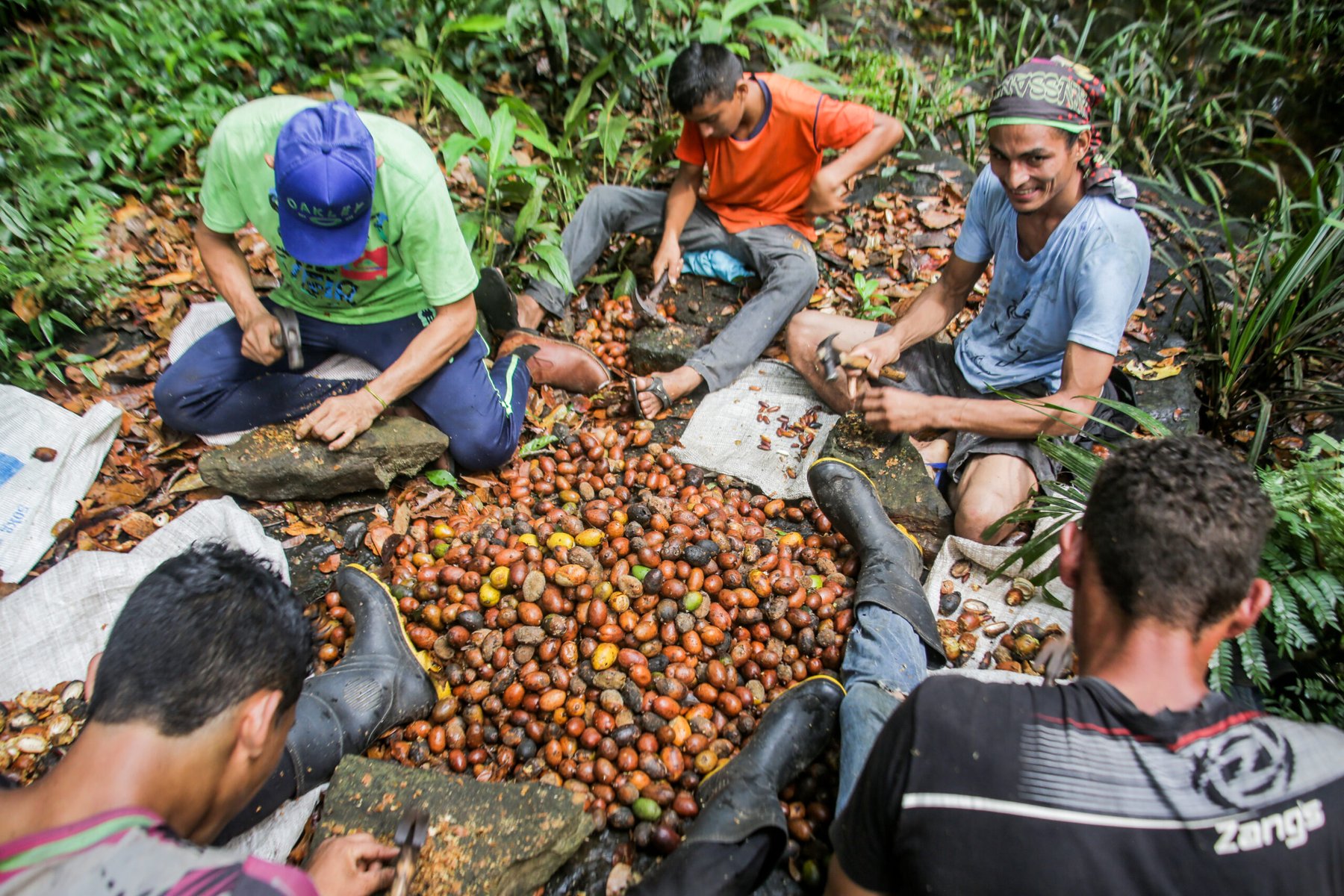
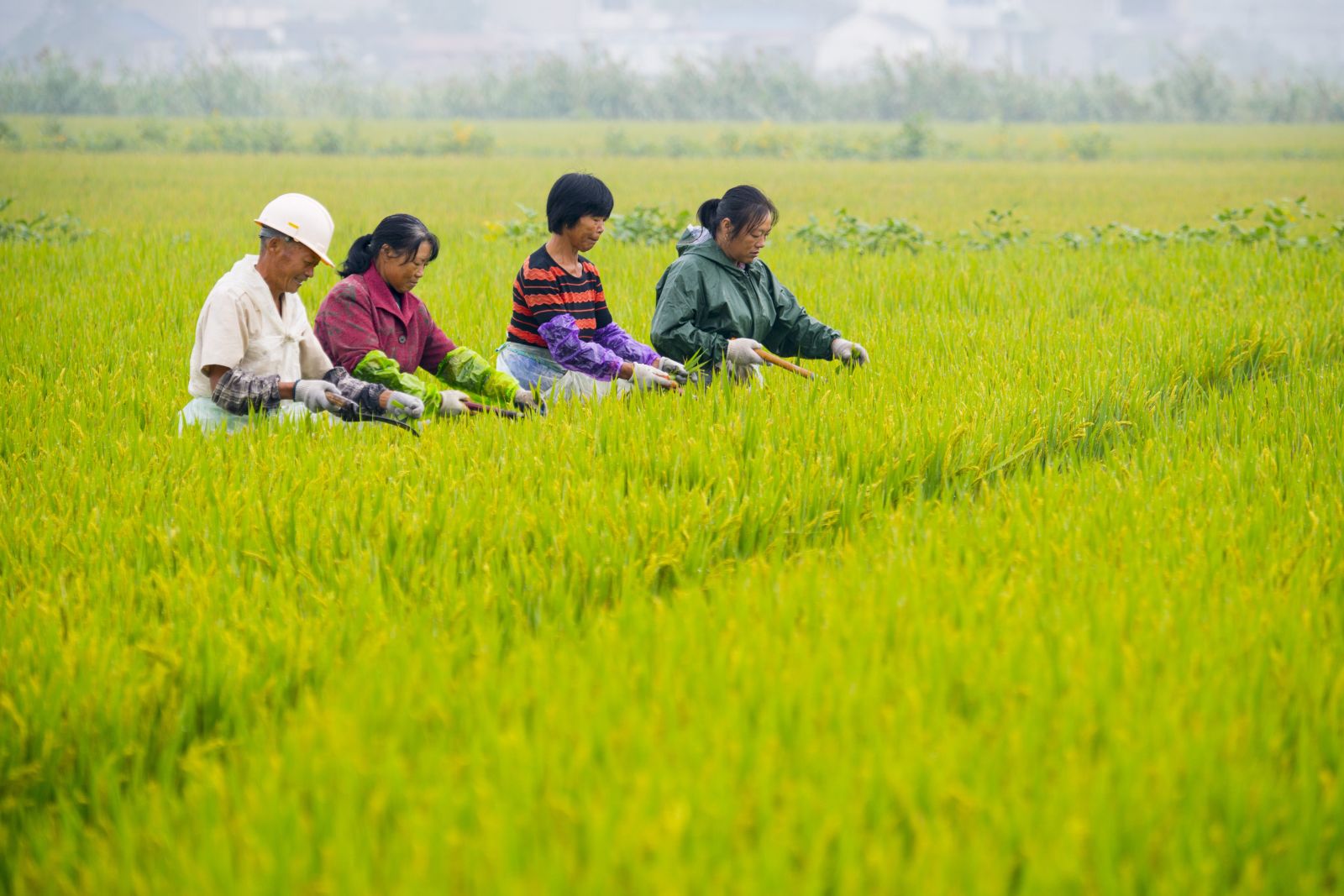
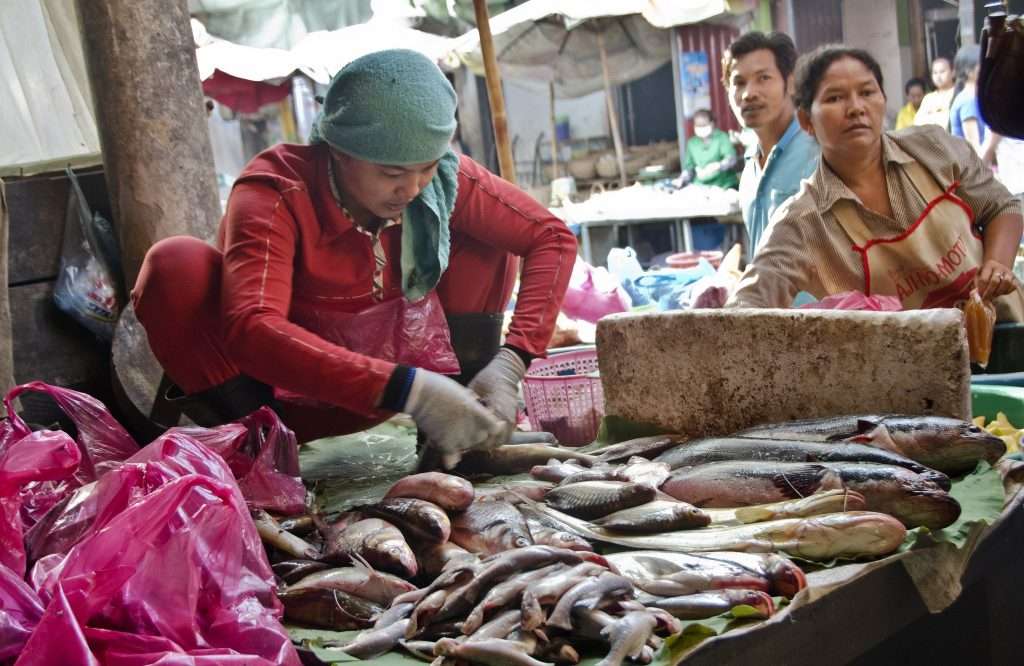
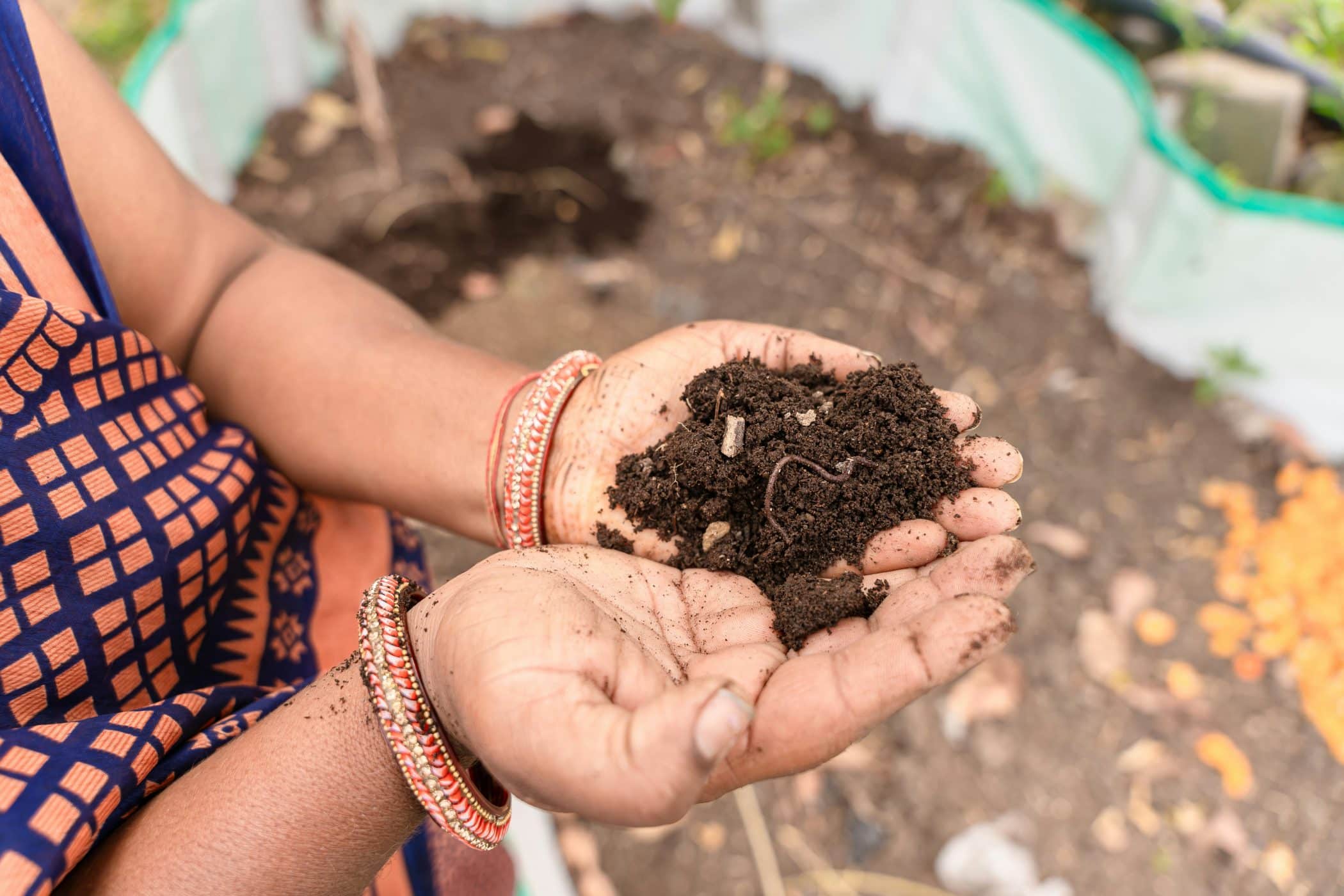
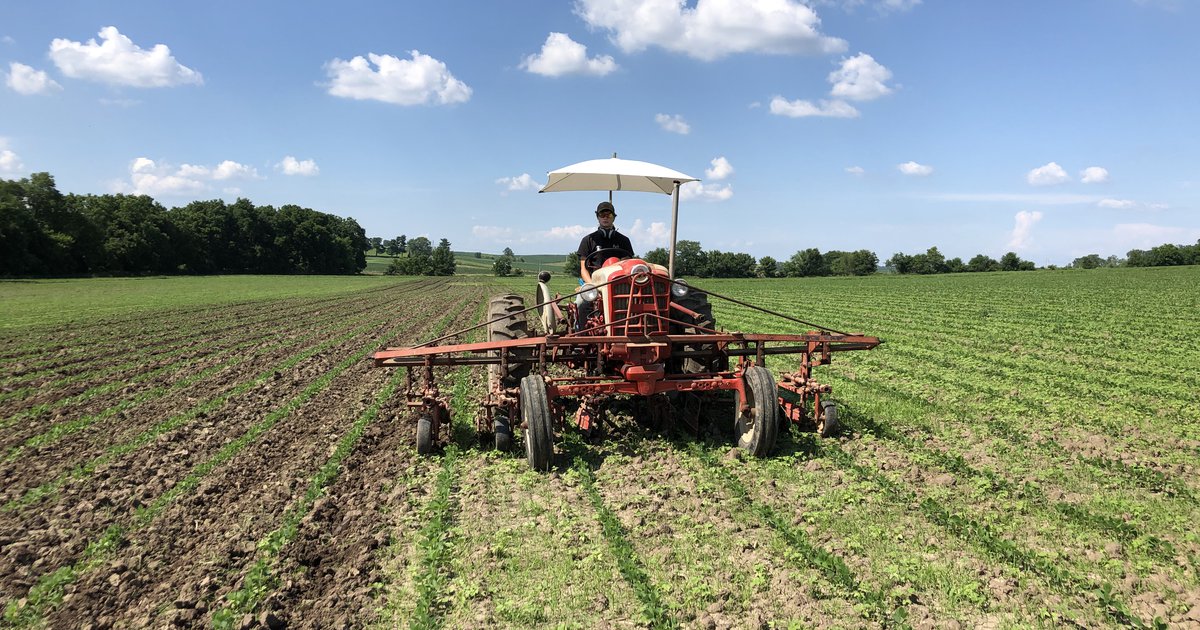
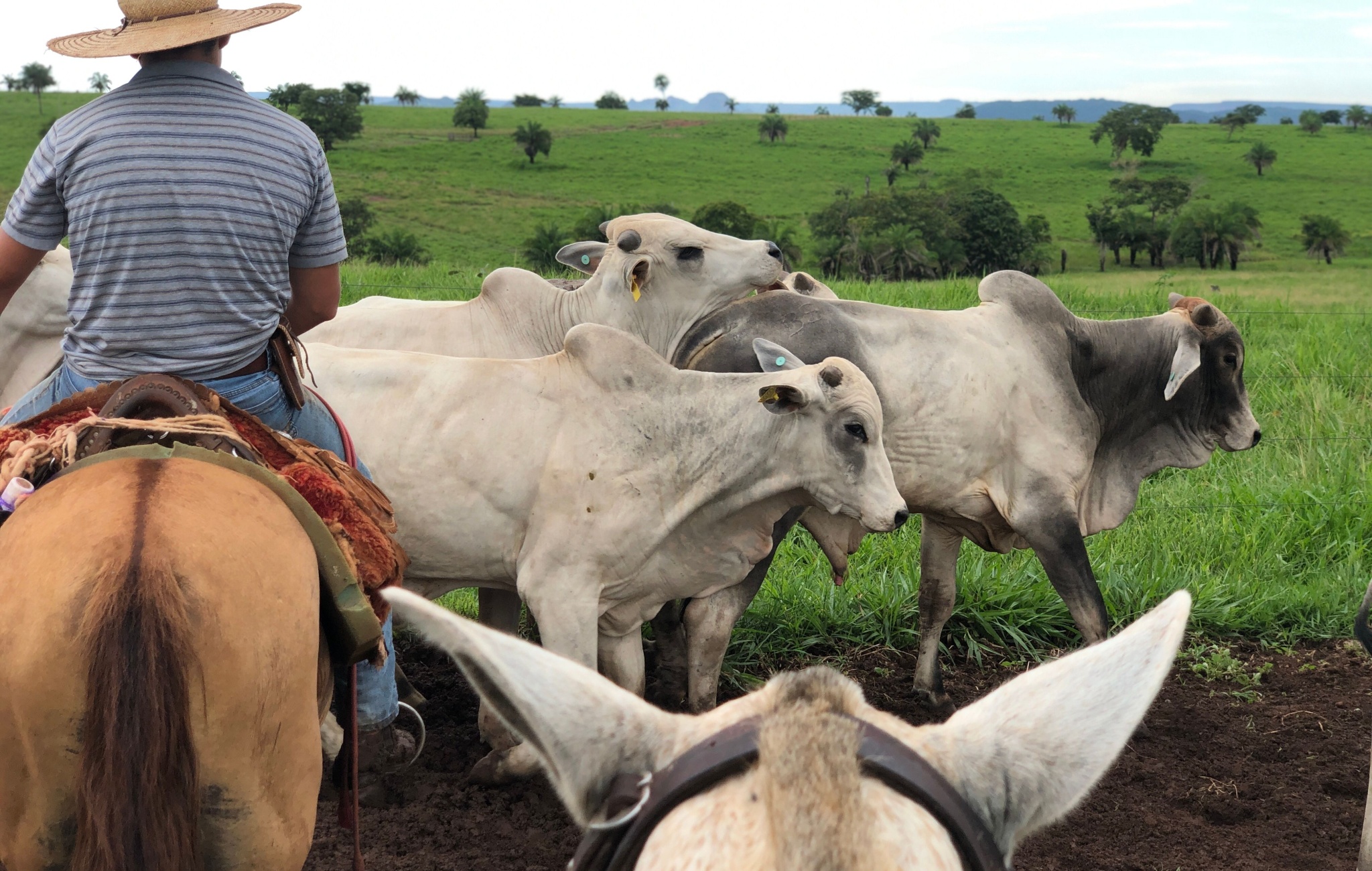
Agriculture is indisputably the backbone of Liberia’s traditional sectors. It not only sustains families and communities but functions as a primary driver of employment, food security, rural development, and even export diversification. Liberia’s farming sector yields both staple crops—such as rice and cassava—and increasingly diverse cash crops, including oil palm, cocoa, rubber, and coffee. This diversity helps stabilize rural incomes, supports food security, and enhances overall economic resilience.
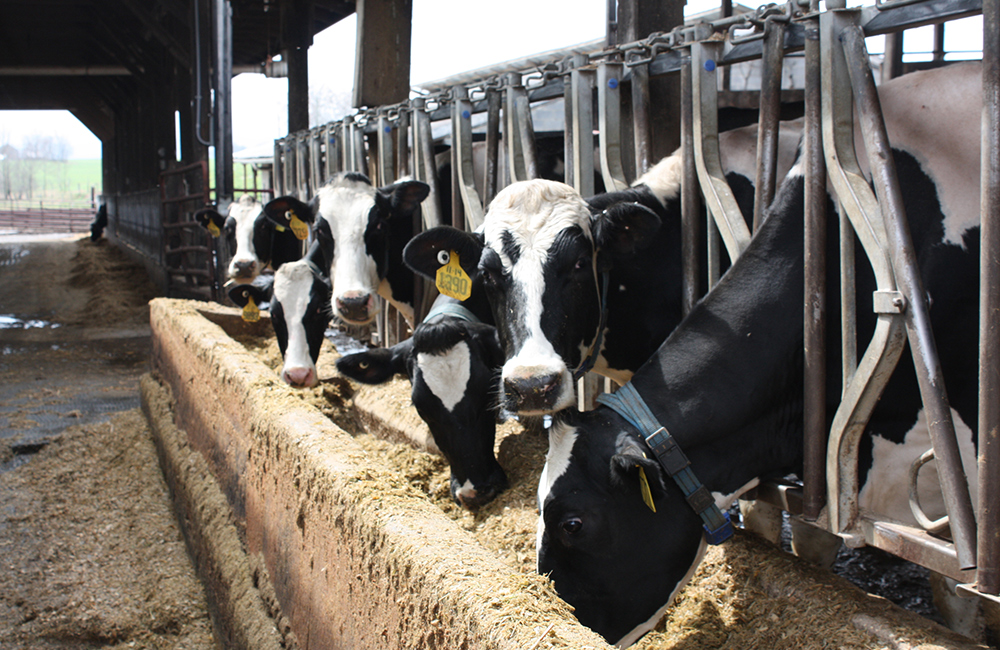
A distinct characteristic of the Liberian agricultural system is the dominance of smallholder farmers. These rural producers operate predominantly on family farms, with limited access to mechanization, irrigation, and advanced agro-inputs. Yet, their collective contribution forms the bedrock of food self-sufficiency and export potential.
Key Features in Liberia’s Rural Agriculture:
- ✔ Staple crops such as rice and cassava are vital for daily sustenance and local markets.
- 💧 Irrigation expansion is crucial to improving yields and climate resilience in the face of frequent weather shocks.
- 🌱 Adoption of improved seed varieties and fertilizers can elevate productivity, reduce vulnerability, and enable higher farm incomes.
- 🤝 Farmer groups, cooperatives, and contract farming with processors are enabling more predictable demand, better post-harvest management, and access to competitive markets.
- 🚜 Modernized supply chains and mobile-based extension services are helping farmers optimize input use, adapt to market signals, and respond to weather risks.
Pro Tip:
Diversify income streams by integrating both staple and export-oriented crops. This not only bolsters rural resilience but also supports food security during market fluctuations and external shocks.
Sustainable Agriculture: Climate-Smart Approaches, Soil, and Watershed Health
With climate change and environmental shocks on the rise, Liberia’s agronomic future depends on sustainable, climate-smart practices. These approaches not only enhance soil health and agroforestry integration, but also protect the country’s vital watersheds and sequester carbon for the broader environment.
- Climate-Smart Farming: Leveraging drought-resistant seed varieties, efficient irrigation, and weather forecasting improves yields and climate resilience.
- Agroforestry Integration: Combining perennial crops (e.g., cocoa, coffee) with fast-growing trees improves shade, moisture conservation, and income diversification.
- Enhances biodiversity and reduces soil erosion.
- Promotes habitat for pollinators and natural pest control.
- Soil Health: Regenerative input use—including green manures, compost, mulching, and reduced tillage—safeguards long-term land productivity.
- Watershed Protection: Planting along rivers and streams limits runoff, protects drinking water, and preserves ecological integrity.

Modern Agronomic Extension: Raising Productivity and Empowerment
Liberia’s agricultural vitality hinges on robust extension services and accessible credit frameworks that empower farmers to adopt new technologies and sustainable practices:
- 📲 Mobile Extension and Weather Alerts: Real-time advice helps farmers optimize planting windows and respond to unexpected rainfall or dry spells.
- 💰 Access to Credit and Input Financing: Smallholder empowerment is amplified when farmers can invest in irrigation, high-yield seed, or fertilizers without upfront capital barriers.
- 👩🌾 Farmer Cooperatives and Contract Farming: These models foster market access, stable prices, and reduced post-harvest losses via collective action and integrated value chains.
Key Tools Driving Agricultural Growth
- ✔ Improved seed varieties increase resilience and yield per hectare
- 💦 Expanded irrigation systems mitigate rainfall risk and boost productivity
- 💼 Modern post-harvest storage reduces losses and enhances food security
- 📶 Digital extension and market apps connect farmers to agronomic advice and buyers
- 🔗 Integrated supply chains link rural production to urban and export markets
Common Mistake:
Relying solely on traditional inputs and rain-fed farming systems. Integrating climate-resilient practices and diversified crops is crucial for adapting to Liberia’s changing weather patterns and external shocks.
Sustainable Forestry: Stewardship of Livelihoods, Biodiversity, and Growth
The Deep Interweaving of Forestry in Liberia’s Development
Forestry is intricately entwined within Liberia’s national development framework. Nearly half the country’s landmass is covered by forest, making it home to West Africa’s largest continuous stretch of Upper Guinean tropical rainforest. This forested expanse not only supports rich biodiversity, but underpins the livelihoods of hundreds of thousands of rural families—supplying construction timber, fuel, bushmeat, fruits, medicinal plants, and other non-timber forest products (NTFPs) that are vital for nutrition, culture, and income.
From timber exports to locally crafted goods, the forestry sector plays a pivotal role in foreign exchange earnings, job creation, and the funding of rural and national infrastructure. However, the impact of unsustainable logging practices, weak governance, and illicit activities remains a persistent risk to ecological health and economic stability.

Major Forestry Products and Value Chains:
- 🌲 Raw Timbers: Core to both domestic construction and international trade.
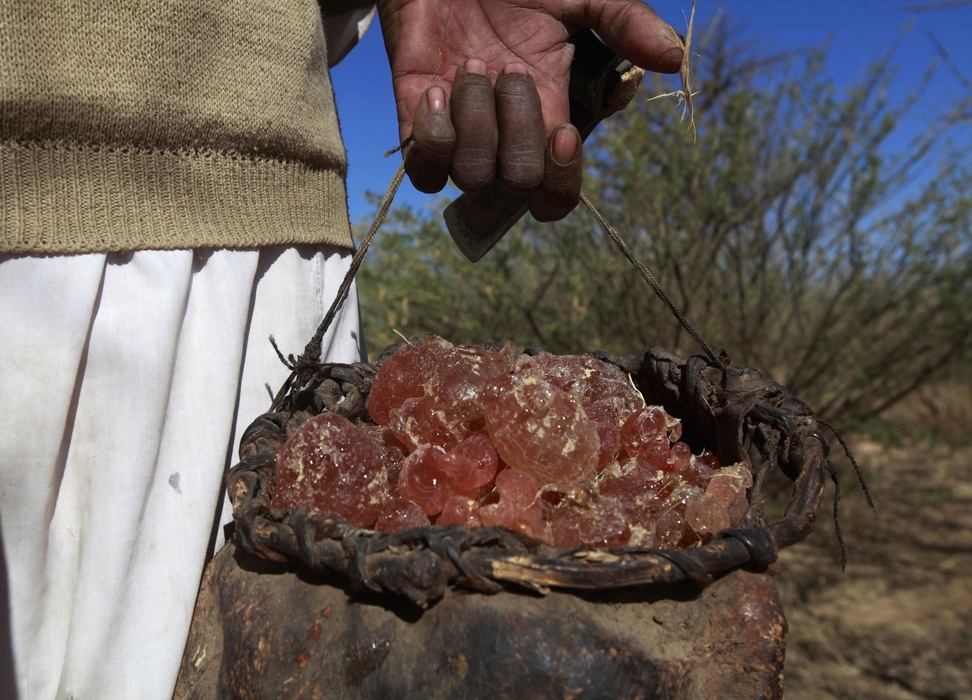
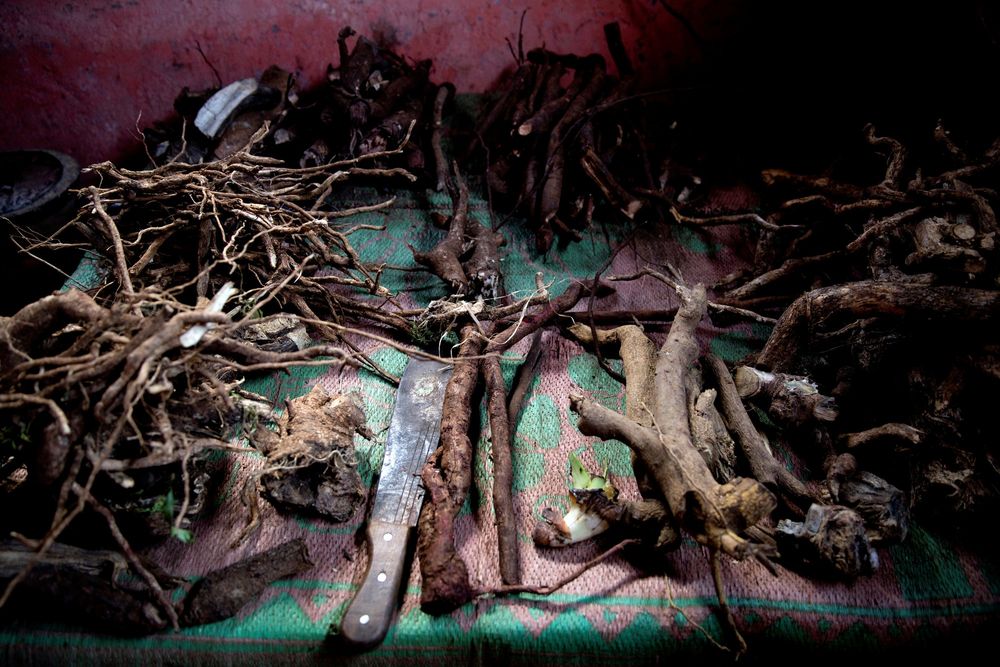
- 🍄 NTFPs: Includes bushmeat, honey, wild fruits, nuts, mushrooms, and herbal medicines.
- 🪵 Charcoal & Fuelwood: Critical local energy sources, though a major driver of deforestation if unmanaged.
- 🎋 Rattan & Bamboo: Support local artisans and growing furniture industries.
Community-managed forest enterprises, certification schemes, and transparent licensing are at the heart of ensuring that forestry’s benefits reach rural populations while protecting Liberia’s globally significant natural resources.
Investor Note:
Liberia’s certified sustainable timber and forest product supply chains are highly attractive for global investors emphasizing ESG (Environmental, Social, Governance) standards and long-term resource stewardship.
Sustainability and Governance in Forestry
Sustainable forestry involves a balance between maximizing economic value, maintaining forest health, and supporting community livelihoods. The key to environmental stewardship in Liberia’s forests lies in several best practices:
- 🌱 Certification: International and regional certification ensures timber is harvested legally, ethically, and sustainably.
- 🧑🌾 Community-Based Management: Empowering local groups to oversee resource use and protection translates to enhanced stewardship and social benefit.
- 🌏 Forest Monitoring: Satellite surveillance, like that used in Farmonaut’s satellite-based mineral detection platform (often applied in forestry and mining), is a modern solution for preventing illegal activities and deforestation.
- 🦋 Conservation Corridors: Setting aside biodiversity hotspots and watershed zones amplifies nature’s resilience against shocks.

Key Challenges in Liberia’s Forestry Sector
- ⚠ Illicit Activities: Illegal logging and bushmeat hunting threaten both timber stocks and wildlife.
- 📉 Weak Governance: Gaps in monitoring, law enforcement, and land tenure impede sustainable outcomes.
- 🌧️ Environmental Risks: Deforestation for agriculture, disease outbreaks, and wildfires place additional strains on forest ecosystems.
Data Insight:
Liberia’s forests cover approximately 44% of national land and provide ecosystem services that extend far beyond the country’s borders—crucial for climate mitigation and global biodiversity goals.
Mining: Responsible Resource Development and Economic Impact
Mining as a Pillar among Major Industries in Liberia Economy
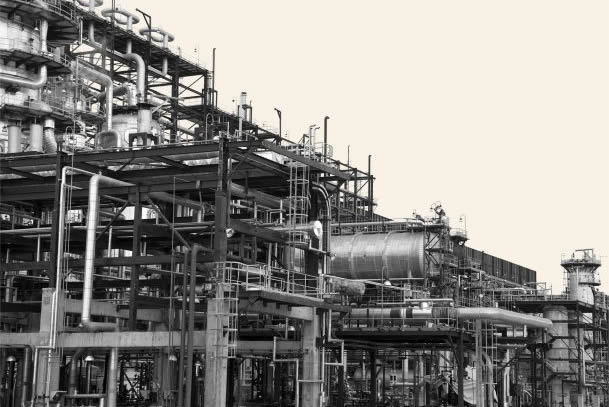
Mining sits at the heart of major industries in Liberia economy, powering foreign exchange, national revenue, skilled employment, and critical infrastructure. The country’s mineral riches—iron ore, gold, diamonds, bauxite, and more—attract significant investment, both foreign and domestic, fostering a broader development framework and linking rural communities to global markets.
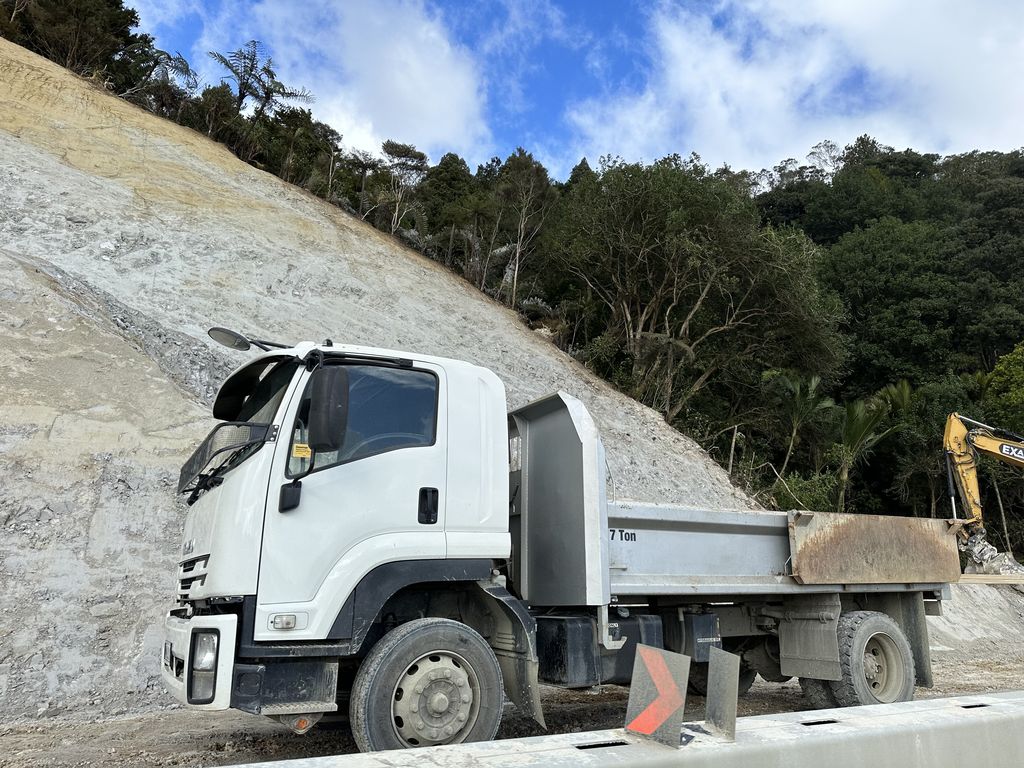
Liberia’s mining sector is characterized by two key elements: its heavy capital intensity and its transformative potential across supporting industries (e.g., transport, logistics, and local procurement). Modern mining sector contribution to GDP in India serves as an instructive comparison—where robust policies, investment in advanced technologies, and responsible social-environmental stewardship are driving both national revenue and job creation. Liberia’s mining future hinges on similar best practices.

Key Minerals and Market Value:
- 🪨 Iron Ore: Liberia’s top mineral by volume and value; supports large-scale export revenues.
- 👑 Gold and Diamonds: High-value minerals, often mined artisanally and via mid- to large-scale operations; crucial for foreign exchange and local employment.
- 🔮 Bauxite, Manganese, Tin: Industrial minerals with strategic export potential.
- 📈 Revenue Generation: Drives government finances, macroeconomic stability, and infrastructure investment.
- 🚦 Infrastructure Spillover: Mining projects often fund road, bridge, and power grid development benefiting broader rural communities.
- 👷 Skilled Employment: Stimulates job creation and workforce upskilling in rural regions.
- 🤝 Community Development Agreements: Mandate social programs, schools, and health services for nearby populations.
- 🛡️ Environmental Standards: New mining approaches—supported by satellite monitoring—ensure ecological protection and mandatory remediation.
⚠ Risk:
Unsustainable or poorly-regulated mining can result in severe environmental degradation, community displacement, and loss of biodiversity. Responsible investment and rigorous monitoring are essential.
Responsible Mining: Standards, Stewardship & Satellite Support
Modern mining in Liberia increasingly aligns with international environmental standards, community engagement, and infrastructure investment. Transparent licensing, local content requirements, and robust remediation programs set the groundwork for shared benefits, while minimizing environmental impacts.
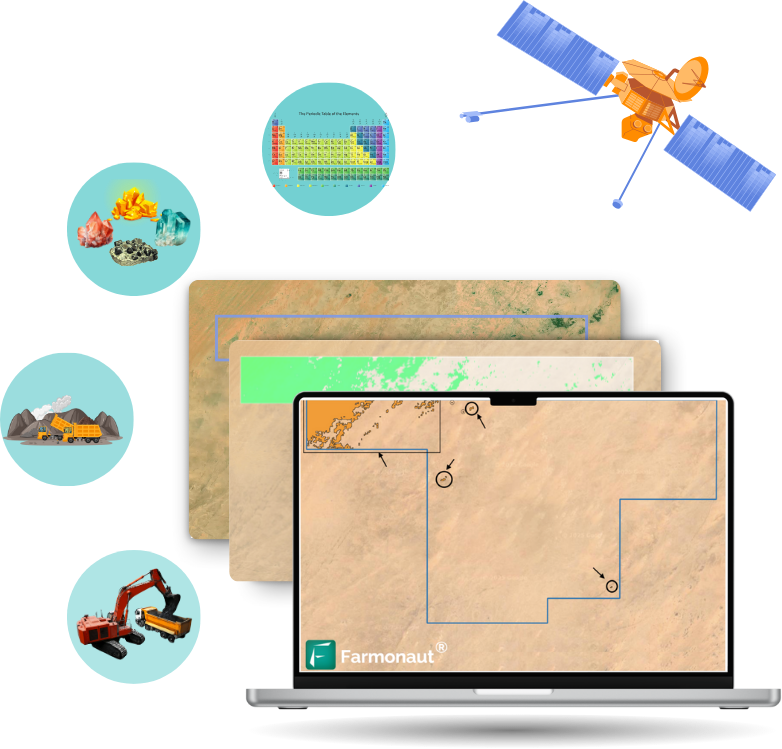
Satellite-based mineral detection technologies—like those offered by Farmonaut—are revolutionizing early-stage exploration. These solutions enable faster, more precise, and environmentally non-invasive identification of promising mineral zones, reducing time and cost compared to conventional approaches.

📍 Ready to Identify New Mineral Prospects? Map Your Mining Site Here
Experience advanced satellite-driven mineral mapping—quick, accurate, and non-invasive. Receive a comprehensive site report before fieldwork starts!
Synergies: How Agriculture, Forestry, and Mining Interact
While each major traditional sector occupies a unique place in Liberia’s economic landscape, their synergies multiply the nation’s development capacity. Integrated rural supply chains, revenue-sharing for infrastructure expansion, and mutual reinforcement of environmental stewardship cascade benefits across communities.
- 🧩 Agricultural growth increases demand for mechanical inputs, supply-chain logistics, and food processing, boosting industrial sector growth.
- 🌲 Forestry revenue funds bridges, schools, and health centers, strengthening social resilience.
- ⛏️ Mining investment kickstarts road networks, electrification, and broadband access, with spillover benefits for rural farming and forest management.
- 🪴 Agroforestry and conservation corridors reduce land-use conflict, protect watersheds, and increase food and timber yields simultaneously.
- 🤝 Community-driven stewardship ensures that development advances local empowerment, cultural ties, and long-term prosperity.
The broader economic framework depends on the diversified strengths of agriculture, forestry, and mining—each sector stabilizing the others during market volatility and external shocks.
Pro Tip:
Strengthening rural-to-urban value chains (e.g., farm gate to market processing) amplifies the impact of traditional sectors, enabling Liberia’s rural communities to access new markets and value-added opportunities.
Sustainability Priorities: What Works for the Long Term?
Policy Priorities for Inclusive and Sustainable Growth
Inclusive policy and investment are critical for maximizing traditional sector contribution to Liberia economy while ensuring the rights and well-being of present and future generations.
-
Agriculture:
- Expand sustainable and climate-resilient farming systems.
- Prioritize agronomic extension, irrigation, seed, and fertilizer programs.
- Empower cooperatives and smallholder farmer groups to reduce vulnerability to external shocks.
-
Forestry:
- Strengthen forest governance and transparent licensing to ensure ecological protection.
- Increase investment in certification, monitoring, and community-based tenure systems.
-
Mining:
- Enforce rigorous environmental standards with ongoing satellite surveillance.
- Emphasize local procurement, job creation, and equitable infrastructure investment.
- Promote community development agreements covering health, education, and environmental remediation.
Farmonaut: Satellite Intelligence Transforming Modern Mining Exploration
Farmonaut harnesses Earth observation satellites, advanced remote sensing, and artificial intelligence to revolutionize mineral exploration globally—including across Africa’s diverse resource-rich regions. Our satellite-driven platform dramatically accelerates the pace of discovery by identifying high-potential mineral locations before ground activity begins.
Traditionally, mineral exploration is resource-intensive and slow, requiring ground surveys and invasive drilling. Farmonaut transforms this paradigm, reducing costs by up to 80-85% and eliminating ecological disturbance at the early stage. Our technology analyzes multispectral and hyperspectral signals, pinpointing the unique spectral signatures of different minerals and mapping out prospective zones—often in days, not years.
The breadth of Farmonaut’s detection capability encompasses both broad-band and narrow-band minerals: from gold and iron, to energy minerals like lithium and uranium, to specialty minerals crucial for emerging technologies. Reports deliver clear, investor-ready intelligence: from target maps and estimated resource ranges to 3D drilling models and environmental overlays. All this benefits not just investors and mining firms, but the broader goal of responsible, sustainable mining.

Our satellite-based mineral detection platform produces standardized, high-confidence outputs for decision-makers—whether for prospect validation, investment analysis, or environmental planning. Clients simply upload a map or the coordinates of their area of interest. Farmonaut obtains satellite imagery, applies proprietary algorithms, and delivers actionable intelligence in less than three weeks for most projects.
For more nuanced exploration strategies, our satellite-driven 3D mineral prospectivity mapping offers TargetMax™ Drilling Intelligence and 3D subsurface visualization, supporting high-confidence investment and optimized drilling.
- ✔ Zero field disturbance: Early exploration is non-invasive and carbon-efficient
- ⚡ Accelerated project timelines: From months or years down to just days or weeks
- 📉 Substantial cost savings: Up to 85% less than traditional prospecting methods
- 🌱 ESG alignment: Supports environmental governance and sustainable development goals
- 📊 Comprehensive reporting: PDF + GIS format with high-quality georeferenced mapping outputs

Quick Links

With these innovative solutions, Liberia’s mining sector can harness the power of space-based intelligence for sustainable, scalable, and environmentally responsible growth—benefiting investors, regulators, and especially the rural communities that make up the country’s backbone.
Frequently Asked Questions (FAQ)
-
How significant is the traditional sector contribution to Liberia economy?
The traditional sectors (agriculture, forestry, mining) contribute over 60% of Liberia’s GDP and account for about 70% of employment, demonstrating their fundamental role in national economic and social frameworks. -
What are the main sustainability challenges facing Liberia’s traditional sectors?
Key challenges include climate change impacts (such as drought and floods), limited access to finance and technology, environmental degradation (deforestation and soil depletion), and governance issues (illegal logging, regulatory enforcement). -
Which crops and resources are central to Liberia’s agricultural and forestry sectors?
Core agricultural products include rice, cassava, oil palm, cocoa, rubber, and coffee. Forestry generates value from timber, charcoal, NTFPs, medicinal plants, and supports biodiversity and climate services. -
How can mining be conducted sustainably in Liberia?
By enforcing rigorous environmental and community standards, leveraging satellite-based monitoring, and supporting transparent licensing and community agreements, Liberia can develop its mineral sector while mitigating environmental impacts. -
What is the role of satellite technology in modern mineral exploration?
Satellite-driven mineral mapping dramatically reduces exploration time and cost, supports environmental compliance, and provides actionable intelligence for investors and regulators before ground activities begin. Learn more about the benefits of these innovations.
Conclusion: Traditional Sectors Standing Strong for the Future
The traditional sector contribution to Liberia economy—spanning agriculture, forestry, and mining—remains vital for present and future prosperity. These sectors provide livelihoods to millions, drive economic growth, and anchor the nation’s social fabric. Yet, the path ahead rests on resilience, adaptation, and sustainability. By expanding climate-smart agriculture, deepening community-based forestry, and embracing responsible, satellite-driven mineral development, Liberia can not only protect its vast natural resources but lay the foundation for inclusive growth and long-term stability.
With advanced technologies such as Farmonaut’s satellite-based solutions supporting efficient and responsible resource extraction, Liberia’s journey from traditional industries to a diversified, sustainable economy stands on firm ground. The synergy of strong governance, community empowerment, and innovation will ensure that the backbone of Liberia’s economy—its traditional sectors—continues to uphold resilience, value, and opportunity for generations to come.