The rapid rise of crypto assets is forcing tax systems to confront a fundamental question: can rules designed for a traditional economy keep pace with technologies that are redefining how value is created, owned and exchanged?
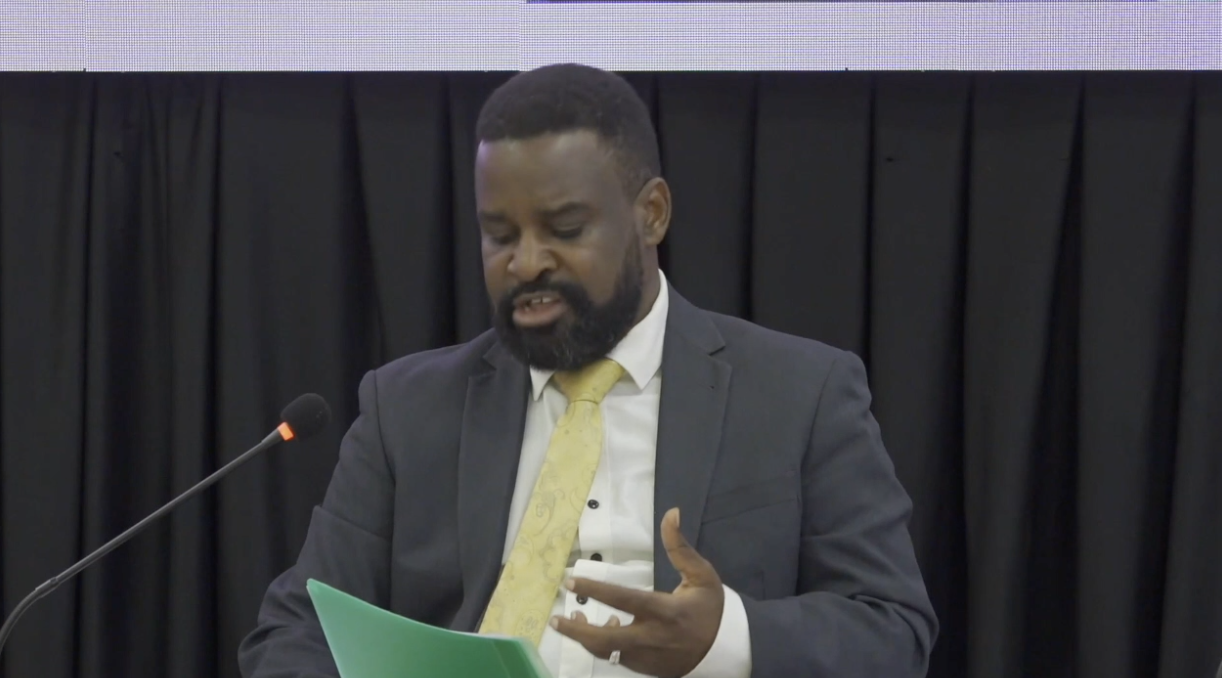
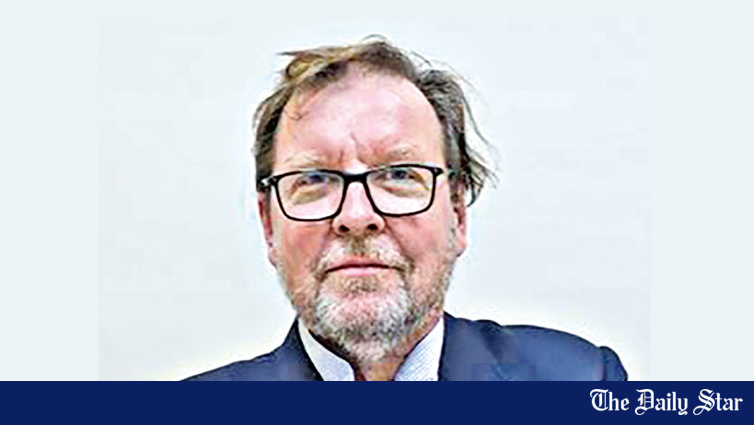
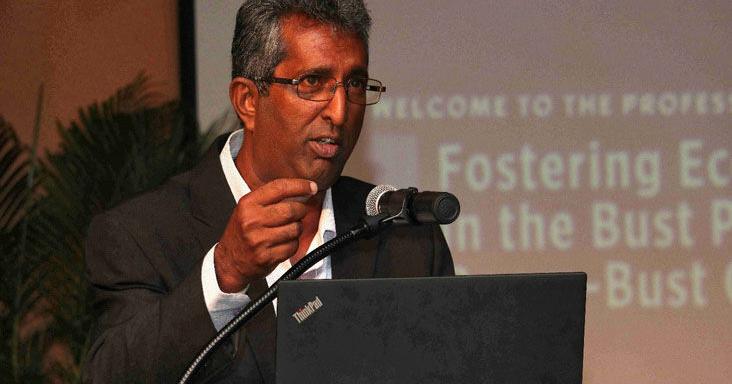
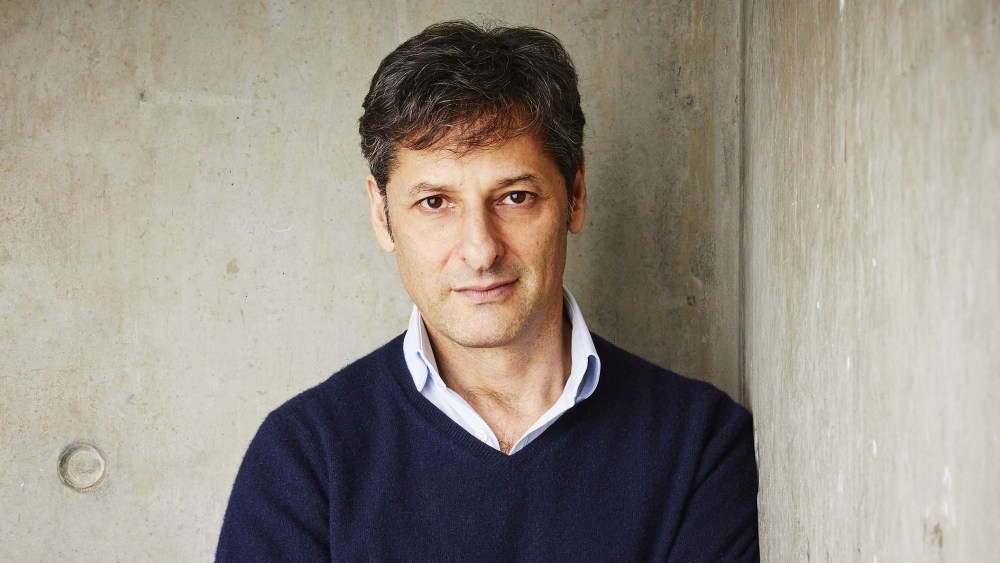
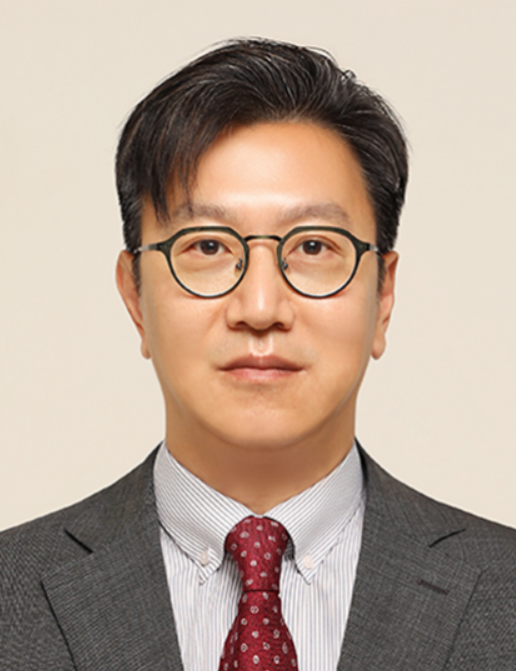
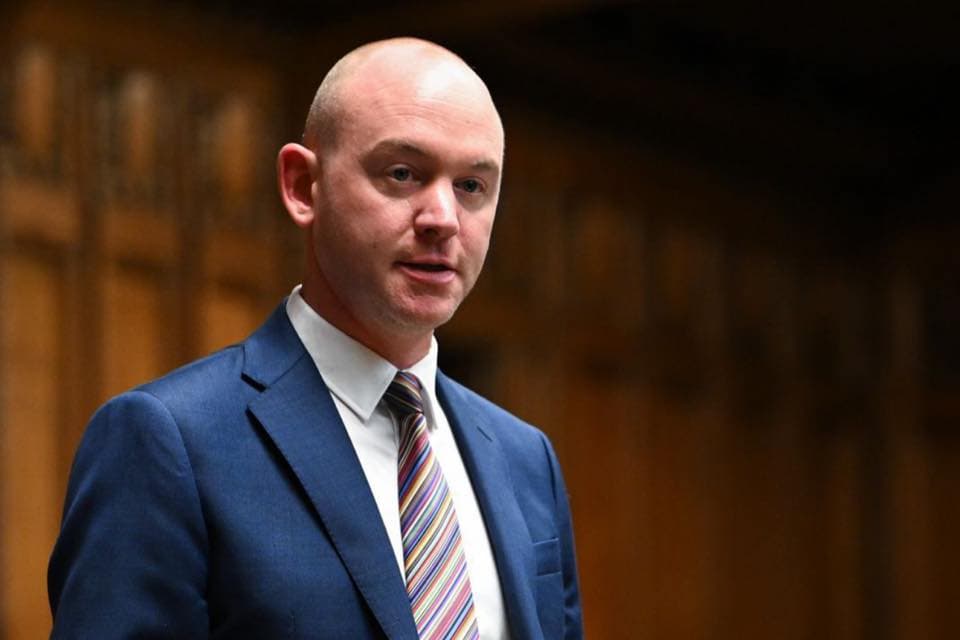
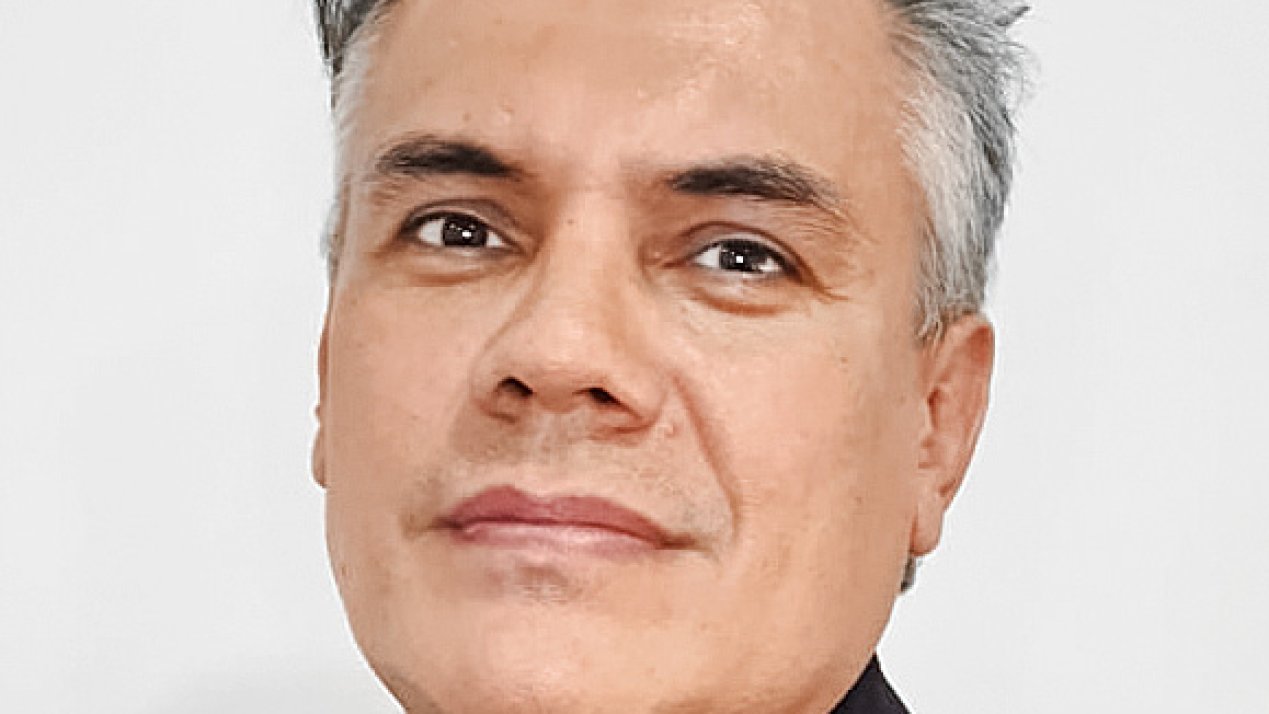
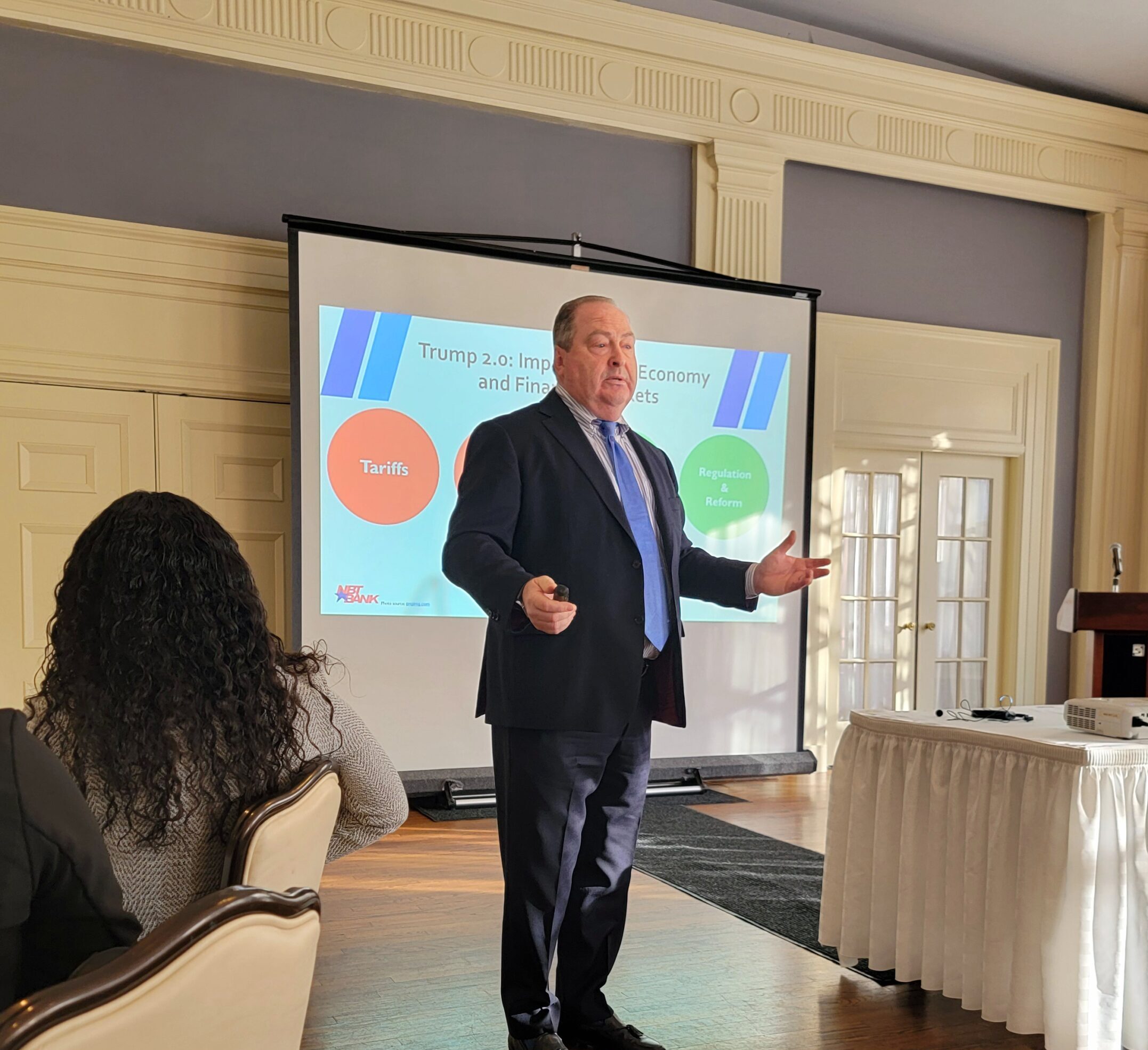
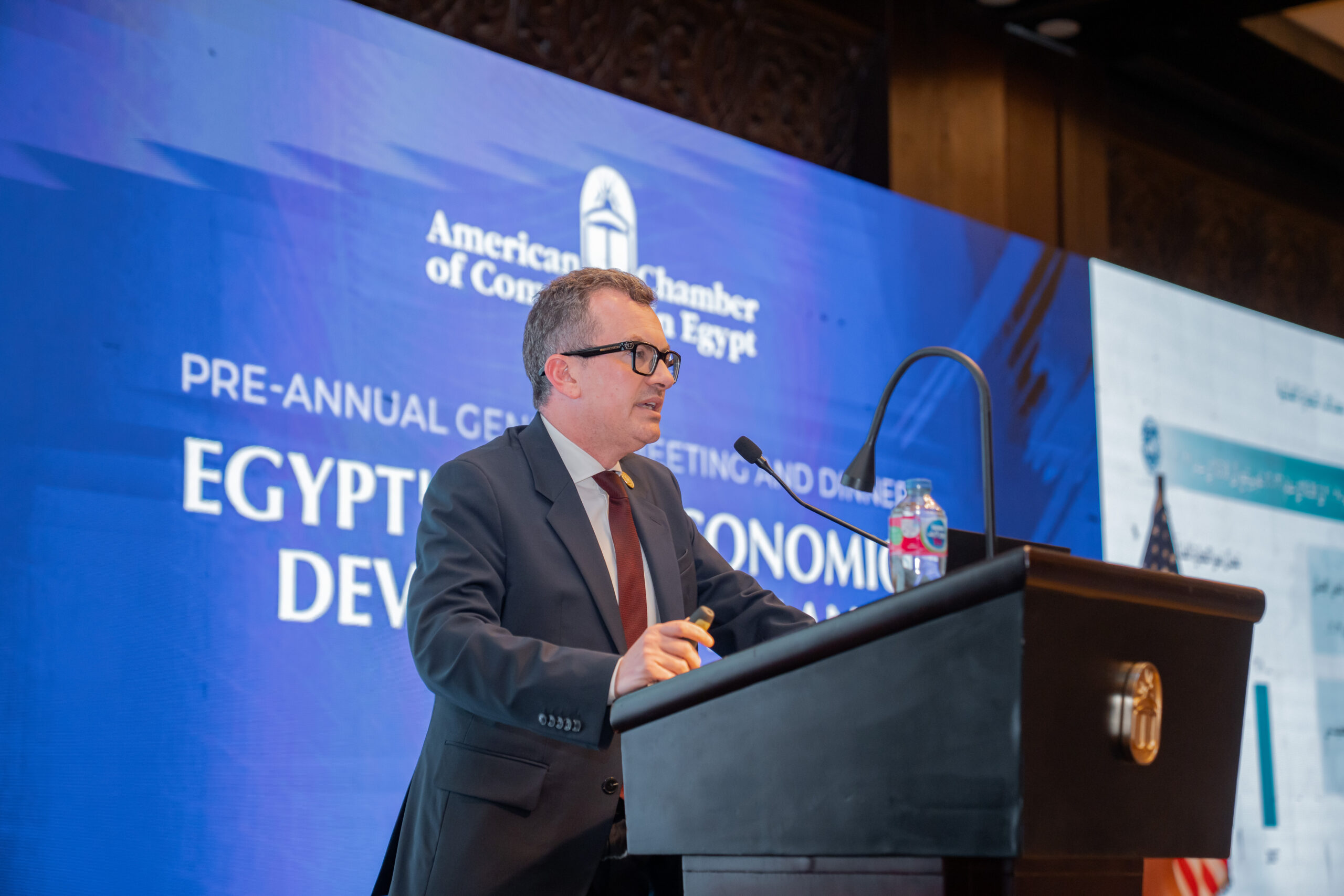
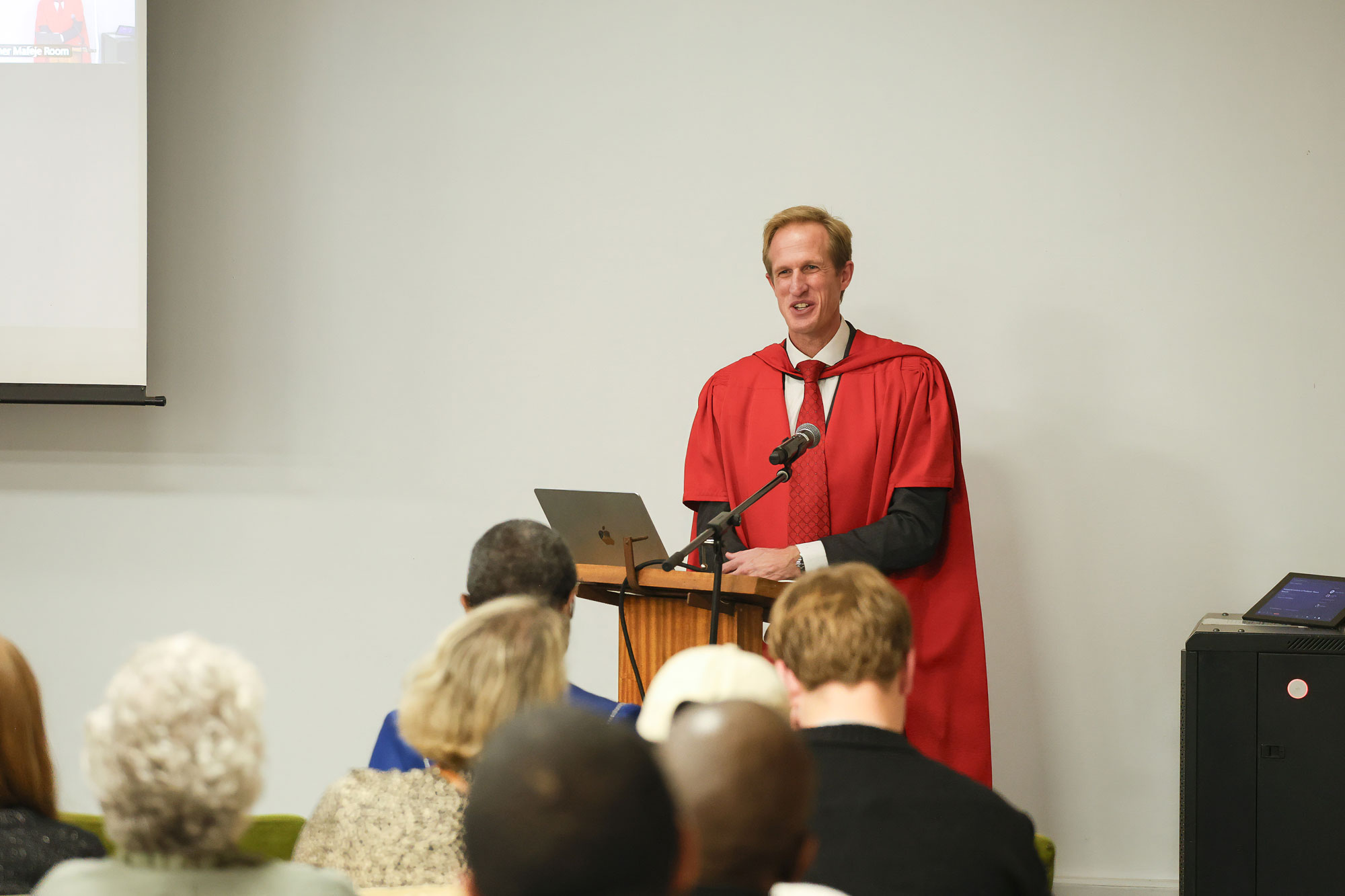
That was the central question explored by Professor Shaun Parsons during his inaugural lecture at the University of Cape Town (UCT) on 13 August 2026, where he unpacked the complex and evolving relationship between crypto assets and taxation.
Speaking at UCT’s Mafeje Room in the Bremner Building, Professor Parsons traced his own journey from being a chartered accountant to a tax academic before turning to the technological developments that have become a major focus of his research.
In his welcome address, Professor Thokozani Majozi, deputy vice-chancellor for Research and Internationalisation, said it was appropriate for the lecture to be hosted in the Mafeje Room – named after Archie Mafeje, the UCT scholar and intellectual whose career reminds the university that “ideas have consequences” and that intellectual courage is central to the university’s purpose.
He said Parsons’s work speaks directly to UCT’s ambition to produce knowledge that addresses society’s most pressing challenges while strengthening Africa’s contribution to global scholarship.
Parsons’s interest in crypto asset taxation was shaped in part by his experience of the Global Financial Crisis. Having moved to London with his wife to work in the city’s financial sector, Parsons witnessed the upheaval that followed the collapse of Lehman Brothers.
The Crisis, he said, brought widespread disillusionment with the traditional banking system. It was into this context that the publication of the Bitcoin white paper proposed an alternative model built around cryptographic proof rather than reliance on a trusted third party.
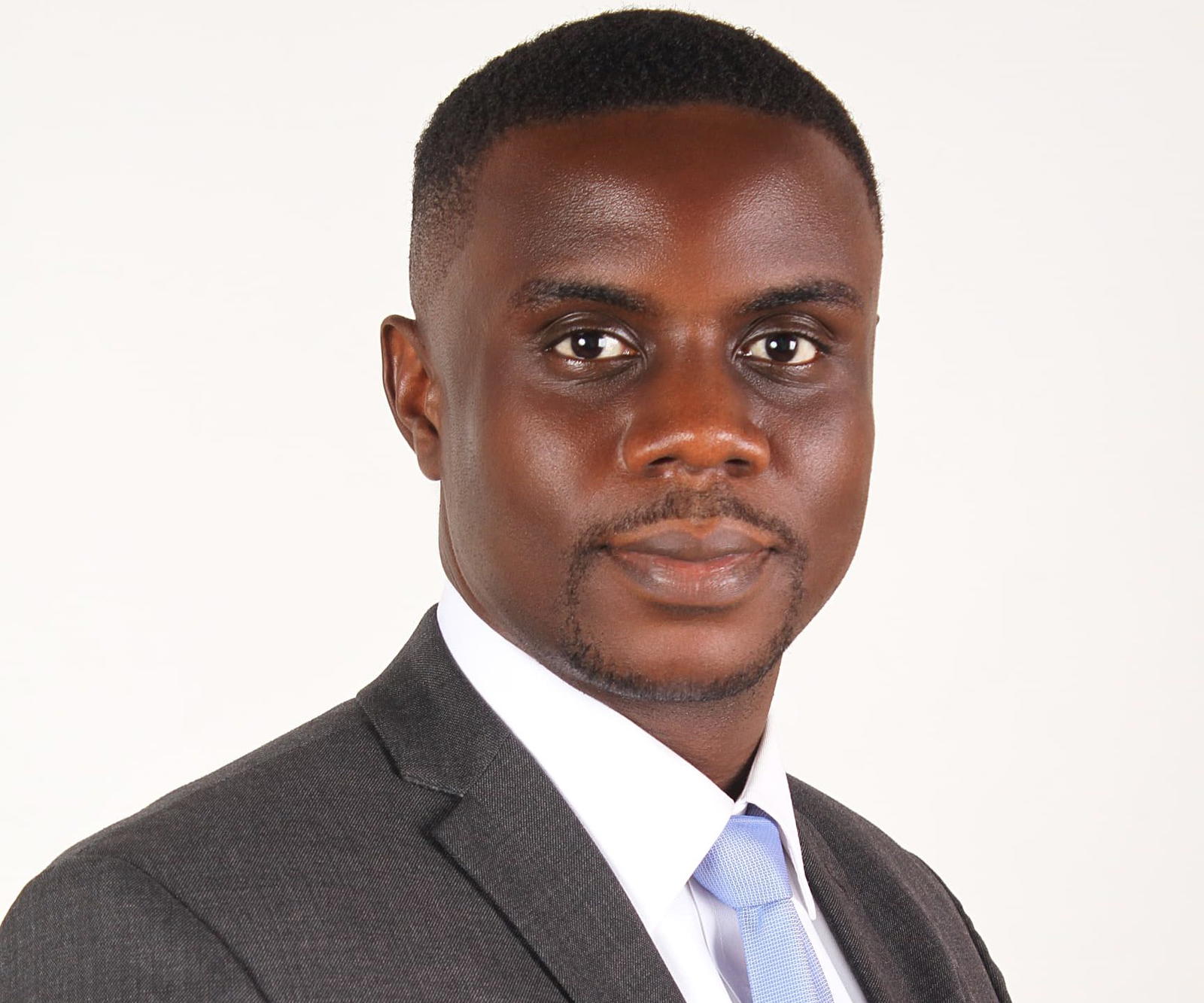
“Prof Shaun Parsons has an impressive career at UCT, from being a student to an academic and international authority in taxation.”
“That was also a significant event in the world of taxation,” Parsons said, noting that crypto assets posed significant challenges to traditional tax systems.
Titled, “Technology and challenges to tax norms in the 21st Century: Crypto assets and beyond” his lecture examined questions that have confronted revenue authorities, policymakers and taxpayers: Are crypto assets money? What constitutes a taxable event? How should crypto asset transactions be characterised? Which jurisdiction should have taxing rights? And, perhaps most importantly, how can taxation be enforced in a decentralised and pseudonymous environment?
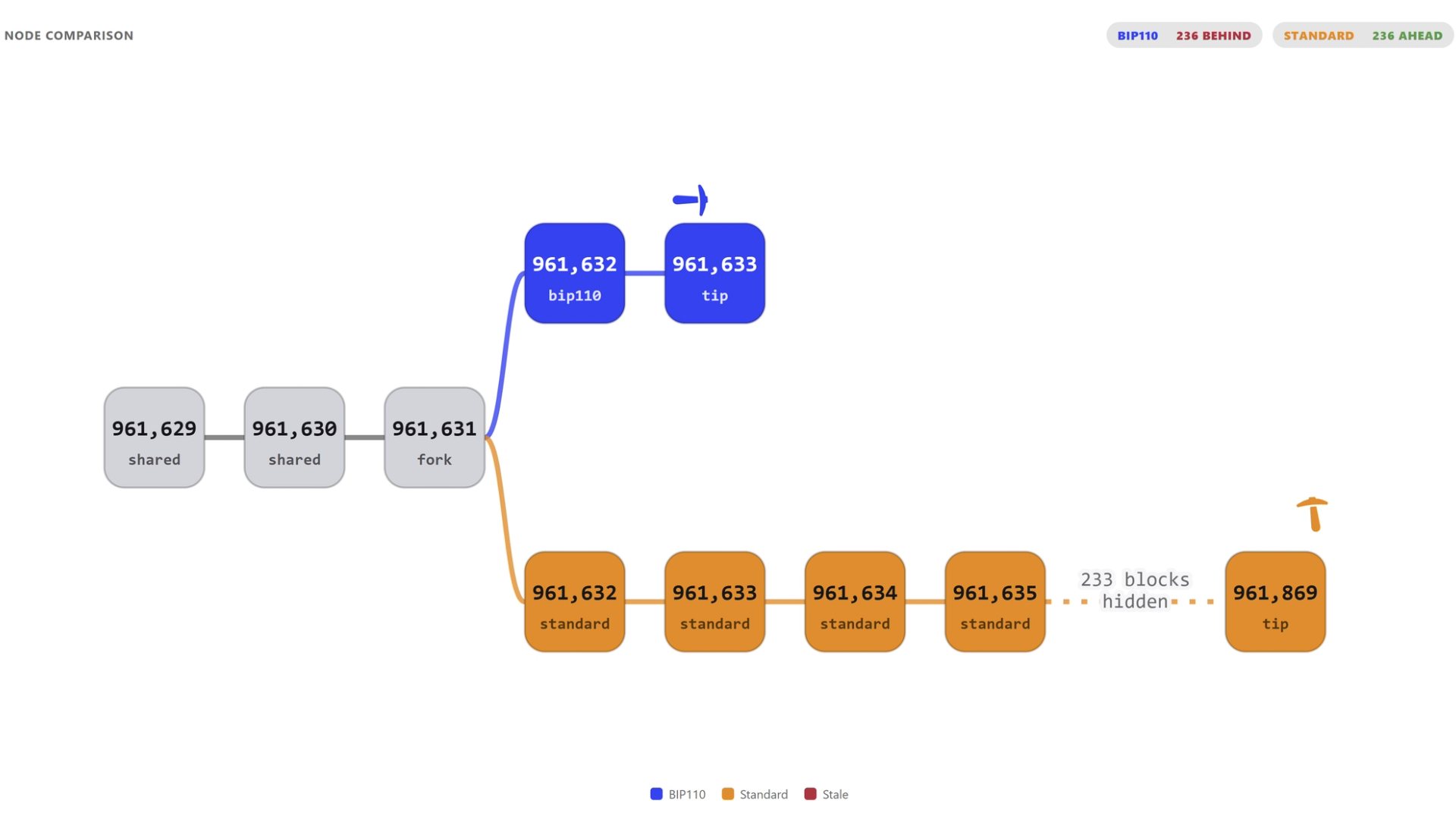
Parsons – described by Dean of the Faculty of Commerce Professor Suki Goodman in her introduction as “kind, thoughtful, modest, and trustworthy”, and as “a wonderful example of the kind of academic we value at UCT” – explained that traditional banking relies on a trusted intermediary, such as a bank, to maintain a central record of transactions and balances. Crypto asset systems, by contrast, rely on decentralised networks in which transactions are validated and recorded on a blockchain.
“These things are redefining the modern economy.”
This fundamental difference creates a series of challenges for tax authorities.
One of the most difficult questions asked is when a crypto asset transaction becomes taxable. Parsons used crypto asset mining as an example, exploring whether rewards received by miners should be regarded as self-created assets, found property, a form of gambling or compensation for services.
Most jurisdictions, he explained, have settled on treating transaction validation as a service, meaning rewards can constitute revenue taxable upon receipt. South Africa’s position similarly treats mining rewards as revenue on receipt.
But the lack of international uniformity illustrates a broader problem: technology has developed faster than the concepts underpinning many tax systems.
Tax law meets a new financial vocabulary
Parsons also examined the challenge of characterising transactions involving crypto assets.
In tax law, classification matters. Whether an amount is characterised as business profits, interest, royalties, dividends or another form of income can determine not only how it is taxed domestically, but also which country has the right to tax it when transactions cross borders.
This becomes particularly complex in decentralised finance, or DeFi, where blockchain-based systems replicate traditional financial products through smart contracts.
“We should ensure that our voice moves the debate towards greater inter-nation equity.”
A payment made to someone who lends crypto assets, for example, may look like interest. But should it legally be treated as interest when the underlying asset is not fiat currency?
For Parsons, these questions demonstrate the limitations of applying category definitions developed for an earlier economic era to transactions that could never have contemplated at that time.
“We have created characterisation without contemplation of these types of transactions,” he said.
Looking ahead, Parsons identified several developments that could further test existing tax frameworks.
Among them are the growing use of stablecoins, crypto assets designed to maintain a value pegged to fiat currencies; central bank digital currencies; and the broader tokenisation of assets, in which blockchain technology can enable fractional ownership of assets such as property.
Tokenisation, he suggested, could create particularly difficult questions for international taxation. If a token represents fractional ownership of an immovable property, should its sale be treated as a property transaction and taxed where the property is located – or as the sale of a crypto asset, potentially shifting taxing rights to the seller’s country of residence?
“These things are redefining the modern economy,” Parsons said, arguing that the debate should move beyond asking merely whether existing tax systems can accommodate new technologies. Instead, policymakers need to ask what these technologies mean for existing tax bases.
Keeping developing countries in the conversation
Parsons said the academic tax community has an important role to play as governments grapple with these changes.
That role includes ensuring that emerging debates remain grounded in defensible principles of tax policy, while also ensuring that the interests of developing countries are not overlooked.
He argued that developing nations have historically been marginalised in debates about international jurisdiction and taxing rights.
“We should ensure that our voice moves the debate towards greater inter-nation equity,” he said.
His lecture therefore positioned the rapidly changing digital economy as part of a much larger question about fairness, sovereignty and the future ability of countries to raise revenue.
The lecture was a personal milestone for Parsons in a career that has taken him from being a UCT student to an academic and international authority in taxation.
A UCT alumnus and trained chartered accountant, he returned to academia after his professional experience in London. In addition to teaching postgraduate taxation, he teaches the College of Accounting’s professional programmes, which prepare trainee-chartered accountants from universities across South Africa for their professional examinations.
His expertise has led to opportunities as an international guest speaker, conference panellist and presenter, journal and book reviewer, and external postgraduate supervisor.
Beyond academia, Parsons has served as a trustee of the UCT Retirement Fund since 2020 and as the chair of the Board of Trustees since 2024. The fund has nearly 5 650 active members and ranks among South Africa’s top 100 funds by asset value.