Energy UK has called for a strengthening of the government’s industrial strategy, arguing that the UK will struggle to achieve its economic and industrial ambitions unless it accelerates the transition to an electrified economy.
The British trade association for the energy sector has issued a new report, Industrial Strategy: Where next?, in which it acknowledges that the government’s Modern Industrial Strategy identified many of the structural challenges facing British businesses, but says that several of its proposed measures do not go far enough to address the underlying causes of weak productivity, slow growth and declining competitiveness.
The report particularly focuses on shortcomings in the British Industrial Competitiveness Scheme, which is intended to reduce electricity costs for around 10,000 businesses across eight energy-intensive sectors by removing some policy costs from their bills.
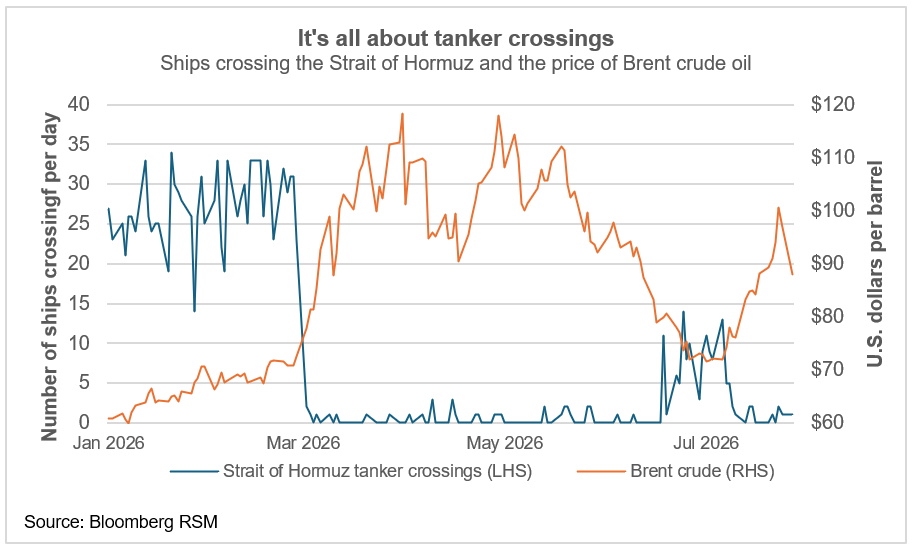
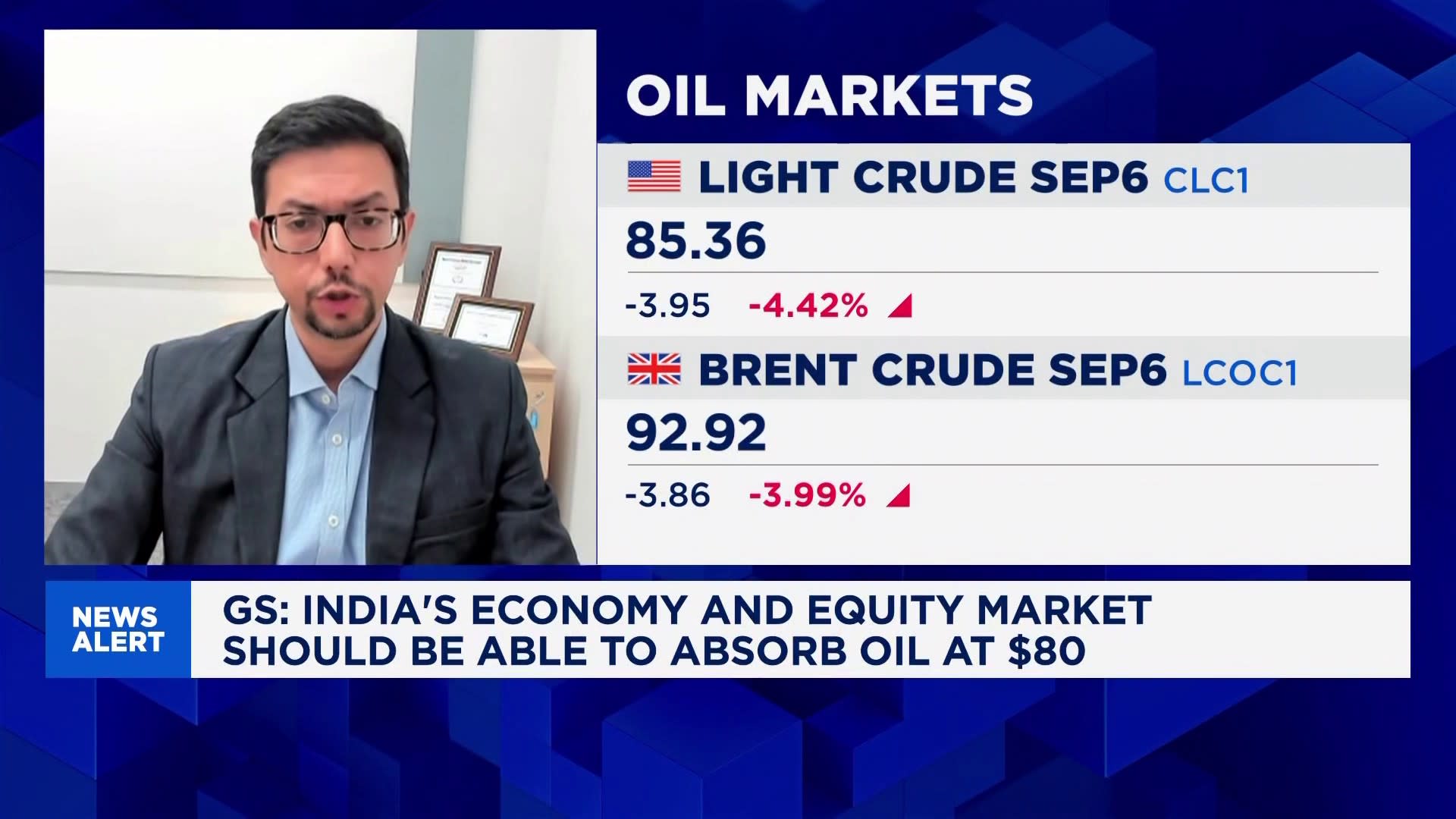
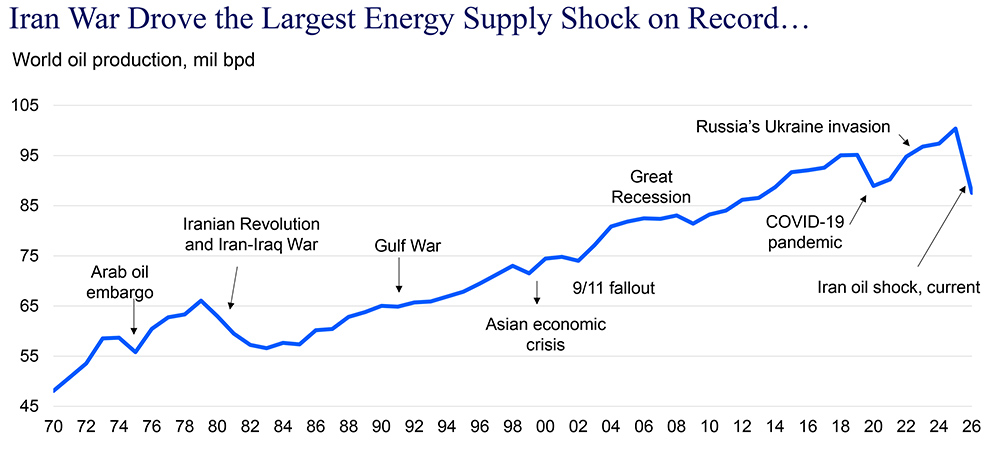
Energy UK refers to the scheme as “a sticking plaster solution” and argues that although it may provide short-term relief, it does not solve the broader problem of persistently high electricity prices and leaves most businesses outside the support mechanism, even as energy costs remain high due to the war in the Middle East.
Centring electrification
Energy UK uses its report to call for the government to place electrification at the centre of its industrial policy, using reforms to attract investment, strengthen domestic supply chains and improve the UK’s position in emerging low-carbon industries.
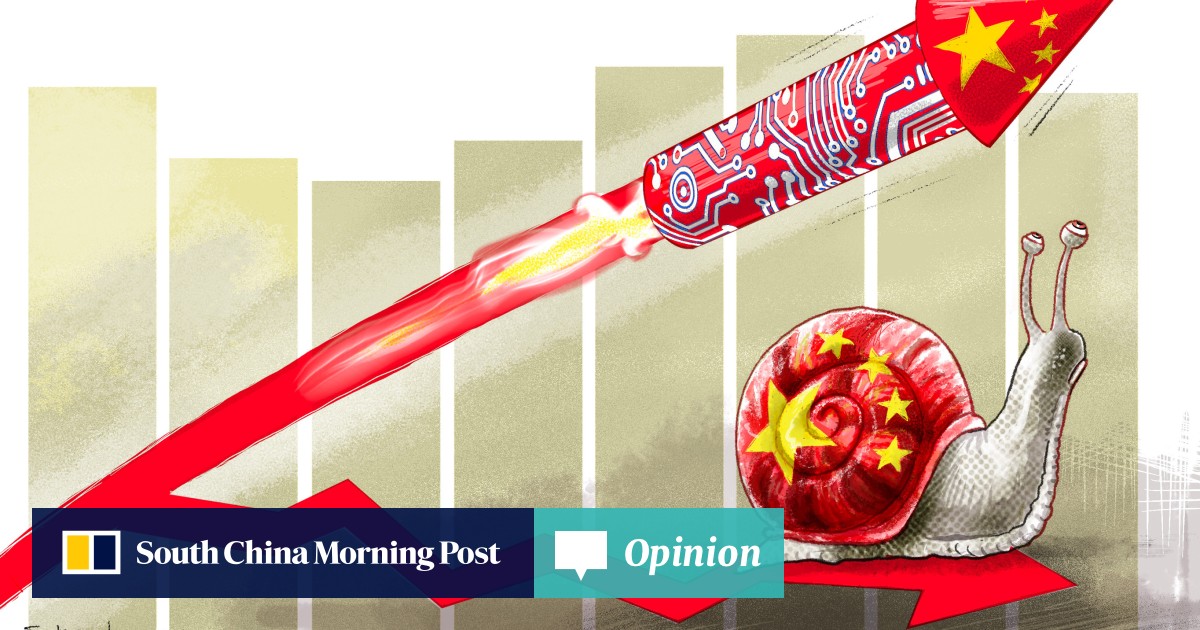
The report argues that countries moving more quickly to electrify transport, heating and industry are also capturing a larger share of the associated manufacturing and technology value chains.
Energy Transitions podcast: Why competitive industry needs cheap power and smart policy
Adam Berman, director of policy and advocacy at Energy UK, said: “One year on from the publication of the Modern Industrial Strategy, it’s important to take stock. The Government has rightly recognised the structural challenges that British businesses face, and that a successful industrial strategy is critical to the UK’s prosperity.
“Systemic economic problems with growth, productivity and competitiveness require a systemic solution. The Industrial Strategy has provided some piecemeal solutions, but it must evolve and go much further.”
The way forward
In terms of what such evolution could look like, Berman suggested: “It means narrowing focus and tackling the cost of electricity head-on. It means a recognition that as other countries accelerate toward an electrified economy, capturing the value chain of electrified technologies will put the UK at the forefront of the industries of the future.”
Have you read?
Why industrial energy efficiency needs product-level standards
Electrification Plan to make Europe first electro-continent
He added: “A strategic evolution of our industrial strategy holds the key to creating a more competitive and resilient economy.”
The report proposes several policy recommendations, including calling on government to tackle high electricity costs to encourage more businesses to electrify, decarbonise and remain competitive. It asks for grid connections reform for both energy generation and demand, taking into account the needs of the whole economy, and it suggests that government goes further with planning reforms and simplifying environmental permitting to speed up approval times.
Energy UK also requests that the government provides consistent policy and clear market pipelines across developing frontier energy sectors including heat, hydrogen and carbon capture.
Reflecting the hugely important role of personnel in policymaking, Energy UK’s last recommendation is for the government to deliver the Clean Energy Jobs Plan, close skills funding gaps and make the skills system easier for businesses to navigate.