In the early months of 2020, Gulf governments found themselves in a position that no amount of accumulated resource wealth could immediately resolve. Diagnostic tests were scarce, supply chains for medical equipment had collapsed under global demand, and the ability to sequence, manufacture, and deploy biological tools at speed had become, overnight, a measure of national resilience that the region had never been required to demonstrate before.
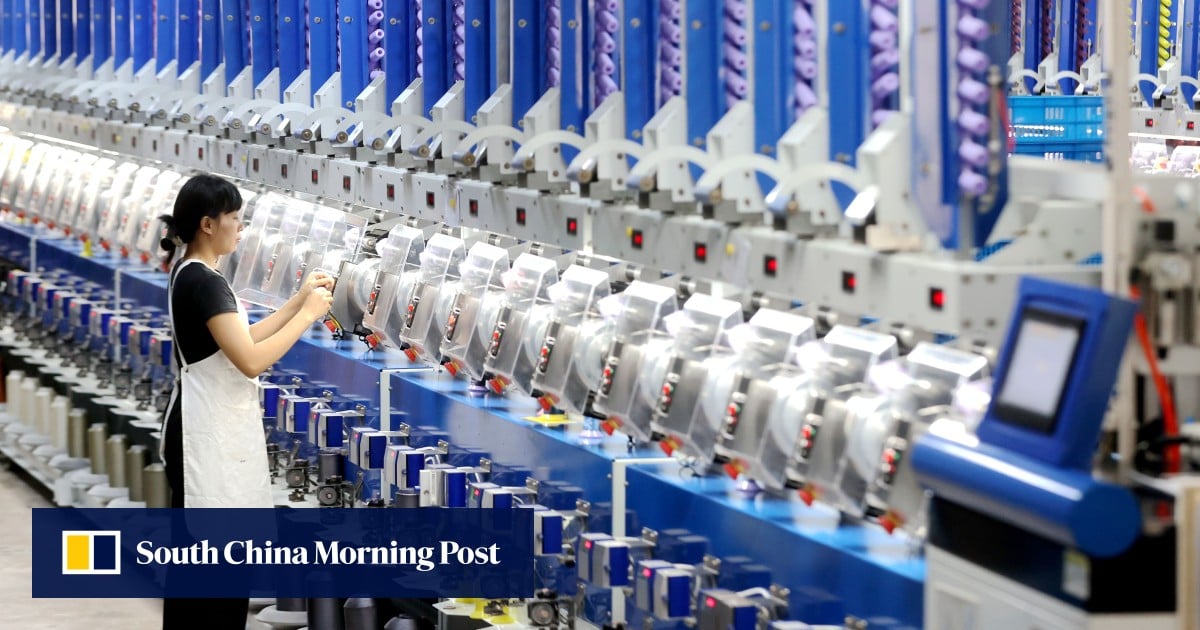
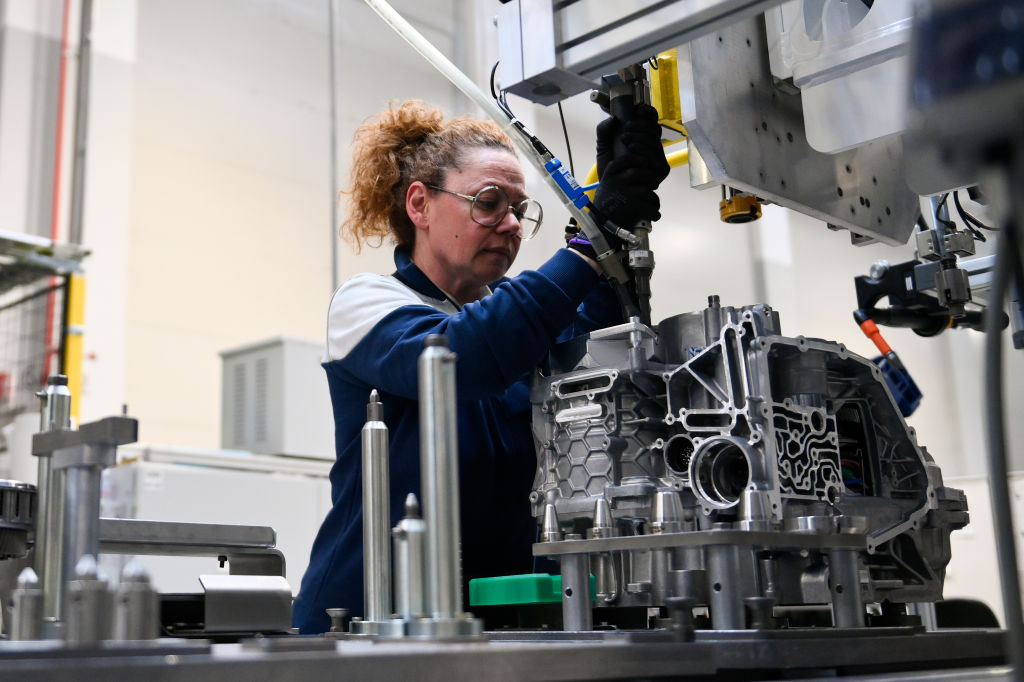
What followed was a reassessment that went well beyond stockpiling, touching the foundations of how the region thought about industrial self-sufficiency. Governments that had long outsourced the infrastructure of modern medicine began rethinking what it would take to build it themselves, and in the Gulf, that rethinking has since translated into something tangible. Across the UAE and Saudi Arabia, investments in genomics, biofuels, and diagnostics are crossing from laboratories into production, assembling an industrial base that had scarcely registered as a strategic priority a decade earlier.
ROOTS, CAPITAL, PRODUCTION
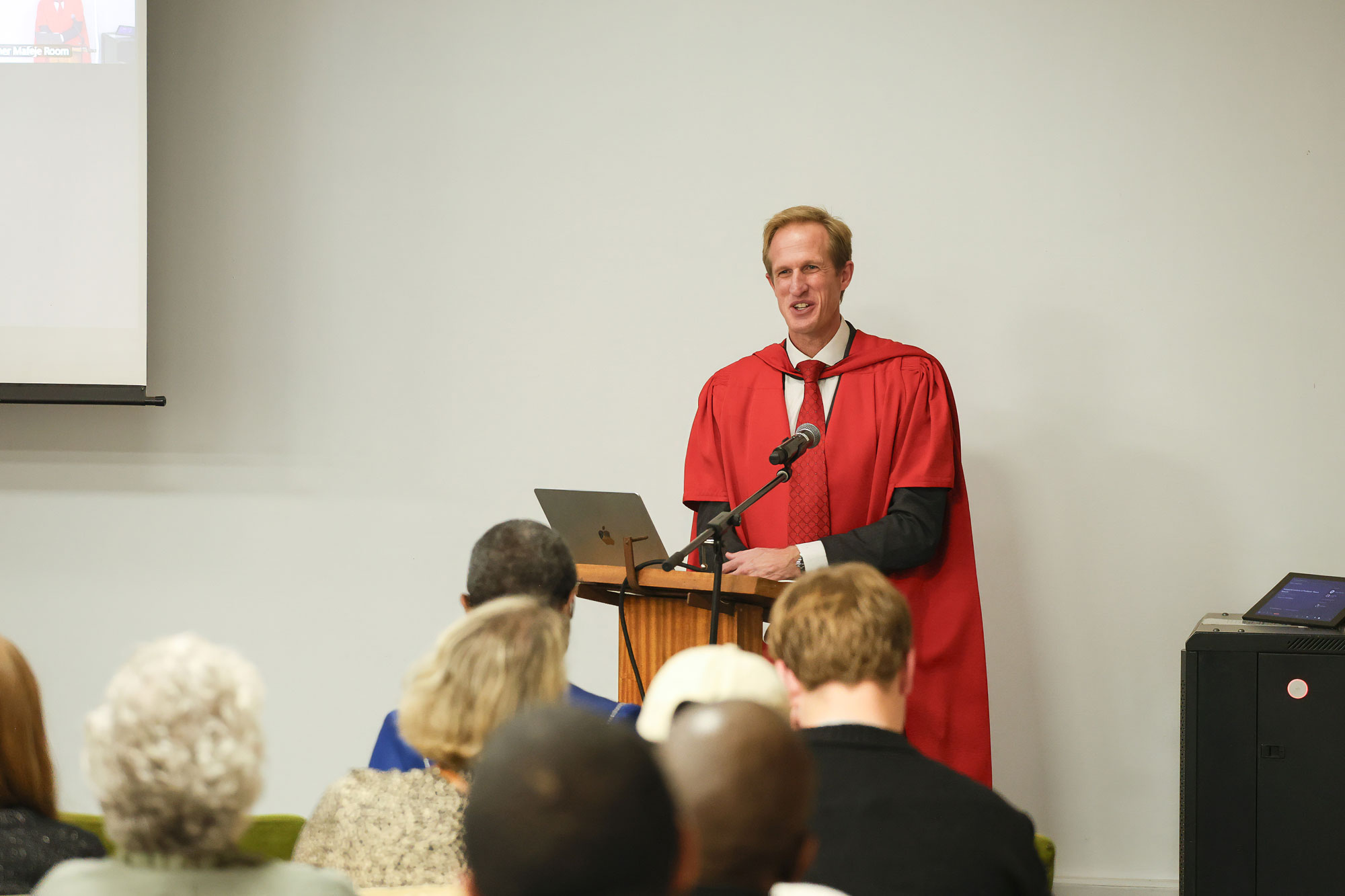
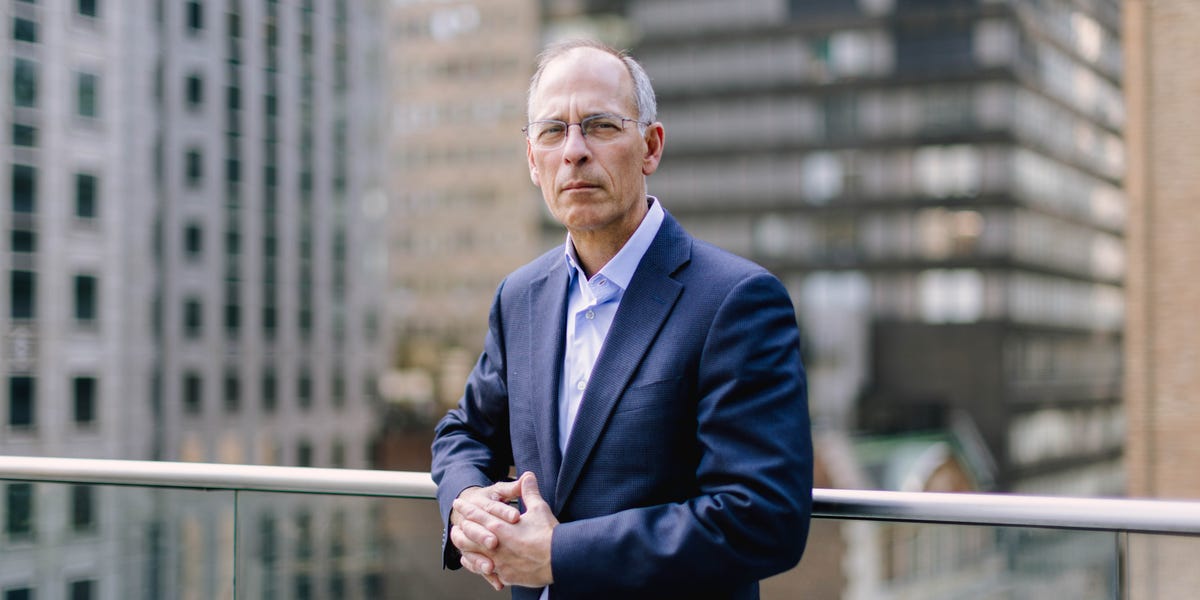
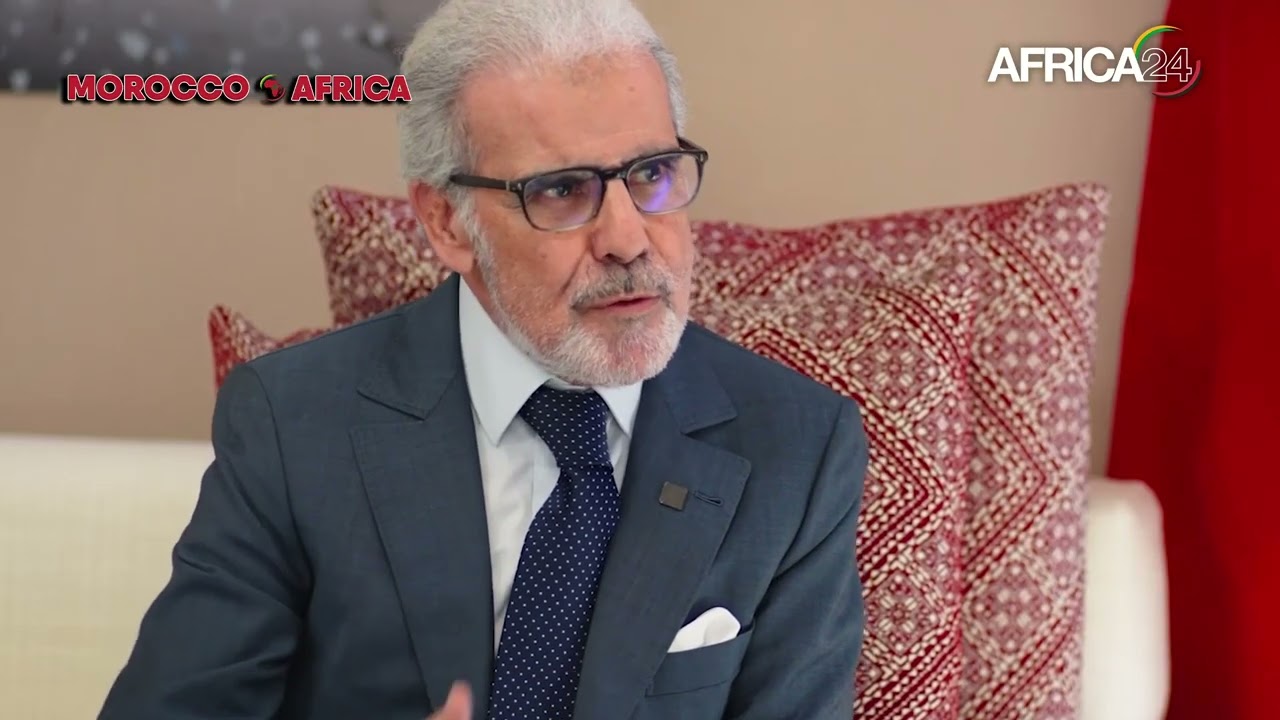
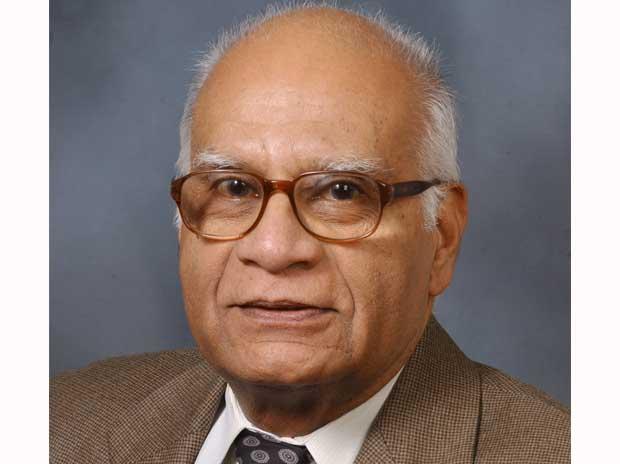
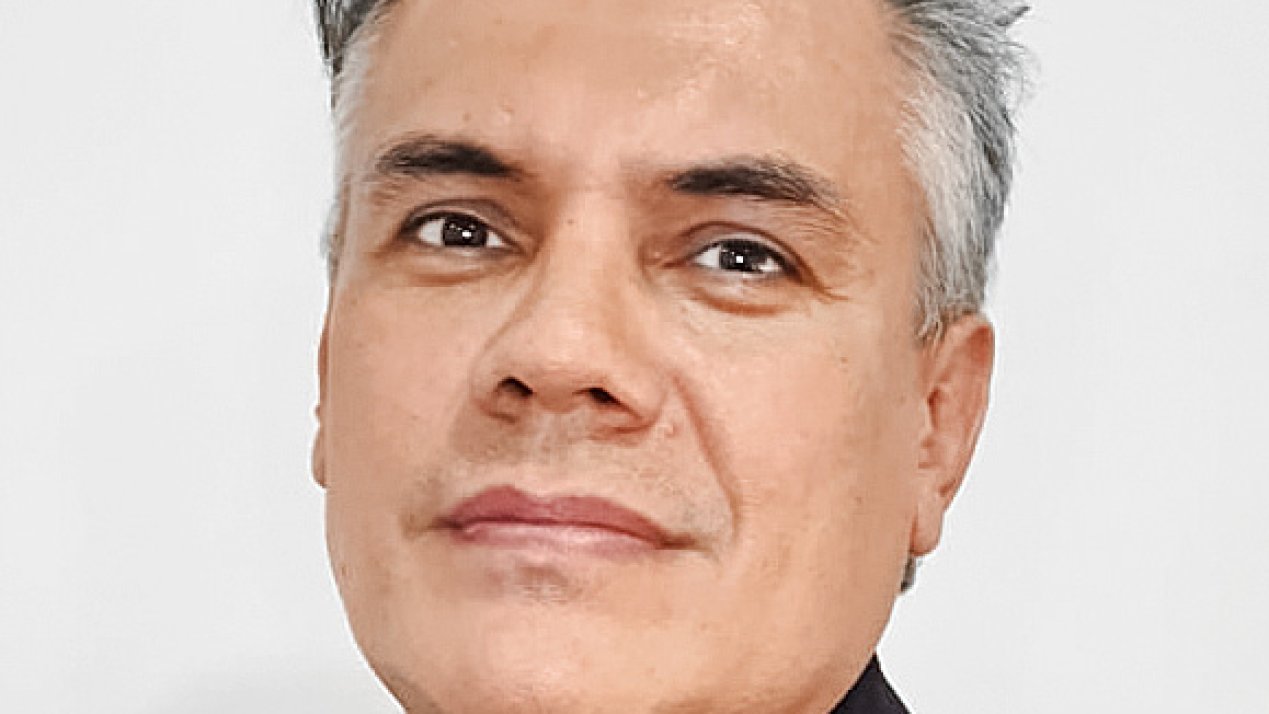
Before the Gulf’s biotechnology sector found its footing in healthcare, there was an earlier and largely overlooked origin. “Before biotech development touched the health sector in the Gulf, it actually had an agricultural biotech ancestry,” says Dr. Salah Brahimi, Vice Chancellor for External Relations and Professor at American University of Sharjah, tracing that lineage to Sheikh Zayed’s greening initiatives, which included large-scale date palm production supported by in-vitro laboratories deployed, among other locations, out of Dubai.
That history gives the sector “geo-economic legitimacy” rooted in priorities that predate the current wave of investment, among them food security, healthcare development, and environmental sustainability. The funding base is more layered than it might appear, drawing on state and private sector capital while also attracting a growing share of foreign direct investment.
The links to the energy economy extend further still: biosensors are now deployed to detect hydrocarbon leaks, and bacterial remediation of petroleum pollution has emerged as a practical application of biological research with direct industrial relevance.
The sector’s value is not contingent on that adjacency, however. Biofuel production, bioreactors, and water purification systems built around biological processes all represent applications that “are a good diversification away from energy dependence,” pointing to a range that extends well beyond the sector’s agricultural origins.
The ecosystem that has emerged around these priorities is, Brahimi says, “heavily top-down, orchestrated through a triple helix model of sovereign wealth, government policy, and private and foreign enterprise,” with each layer absorbing a distinct share of the risk and complexity involved in building a nascent industrial sector.
At the top sit the region’s large state-backed investment vehicles, among them PIF, Mubadala, and ADQ, now part of L’imad, which “act as the anchor checkbooks and strategic architects,” absorbing the high capital expenditure that conventional private equity tends to avoid in early-stage markets.
PIF’s backing of Lifera is one example of that dynamic in practice, particularly significant given that the broader entrepreneurial financing landscape, spanning seed finance, angel investing, mature specialist venture capital, and direct and private equity, remains underdeveloped relative to the scale of the sector’s ambitions.
Government entities provide the regulatory frameworks, infrastructure, zoning, and national targets that define the structural conditions for investment. Saudi Arabia’s National Biotechnology Strategy, which aims to localize 40 percent of drug manufacturing by 2032, and the UAE’s Operation 300bn both create structural demand and reduce sectoral risk.
The Saudi Arabian National Guard Biotechnology Center serves as an instructive precursor, a platform that accelerated significantly during the COVID-19 crisis by partnering with global bioscience teams to develop vaccines, demonstrating what state-backed infrastructure could deliver under pressure. Private and foreign companies occupy the third layer, bringing the intellectual property, technology transfer, and operational expertise required to run highly regulated manufacturing facilities.
Multinationals, including AstraZeneca, Pfizer, and Novo Nordisk, are present alongside regional players such as Jamjoom Pharma and MENA Biofuels, collectively supplying the commercial and technical knowledge that public investment alone cannot generate.
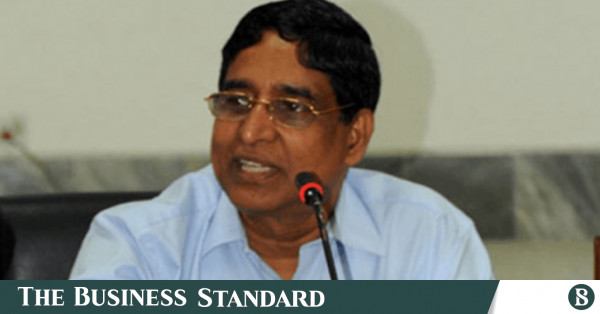
Khalid Fakhro, Chief Research Officer at Sidra Medicine, adds a forward-looking dimension to that picture. “Governments started the investment, but now they are largely handing this off to the private sector,” he says, whether by attracting established international companies into the region or by deploying venture-style funding to encourage early-stage firms to establish a longer-term presence.
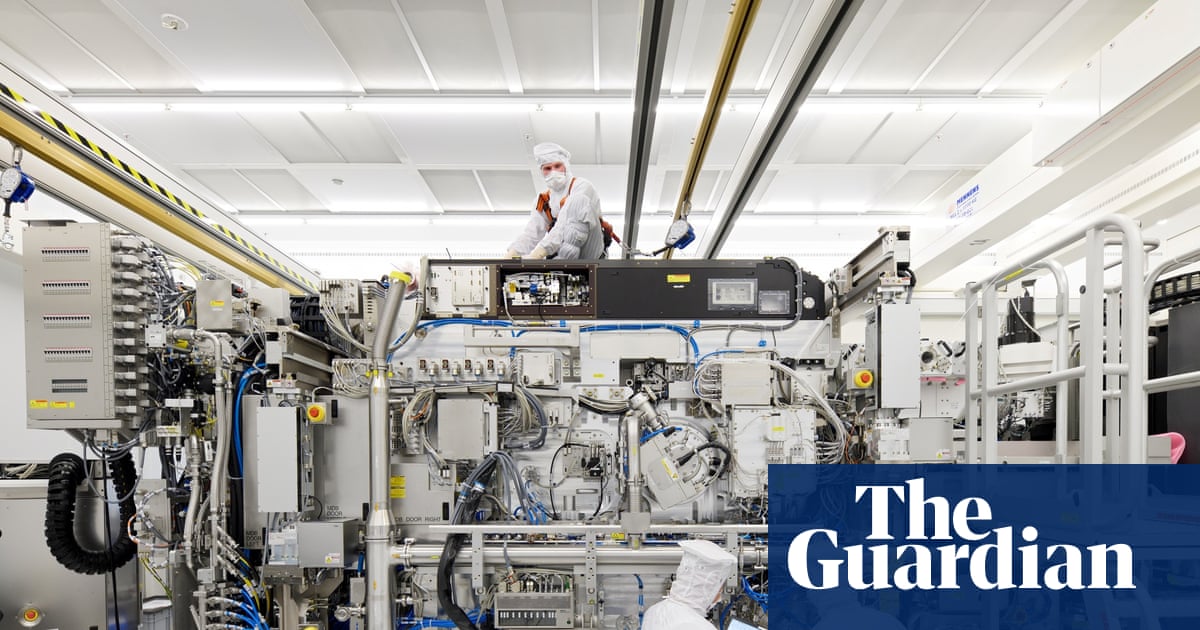
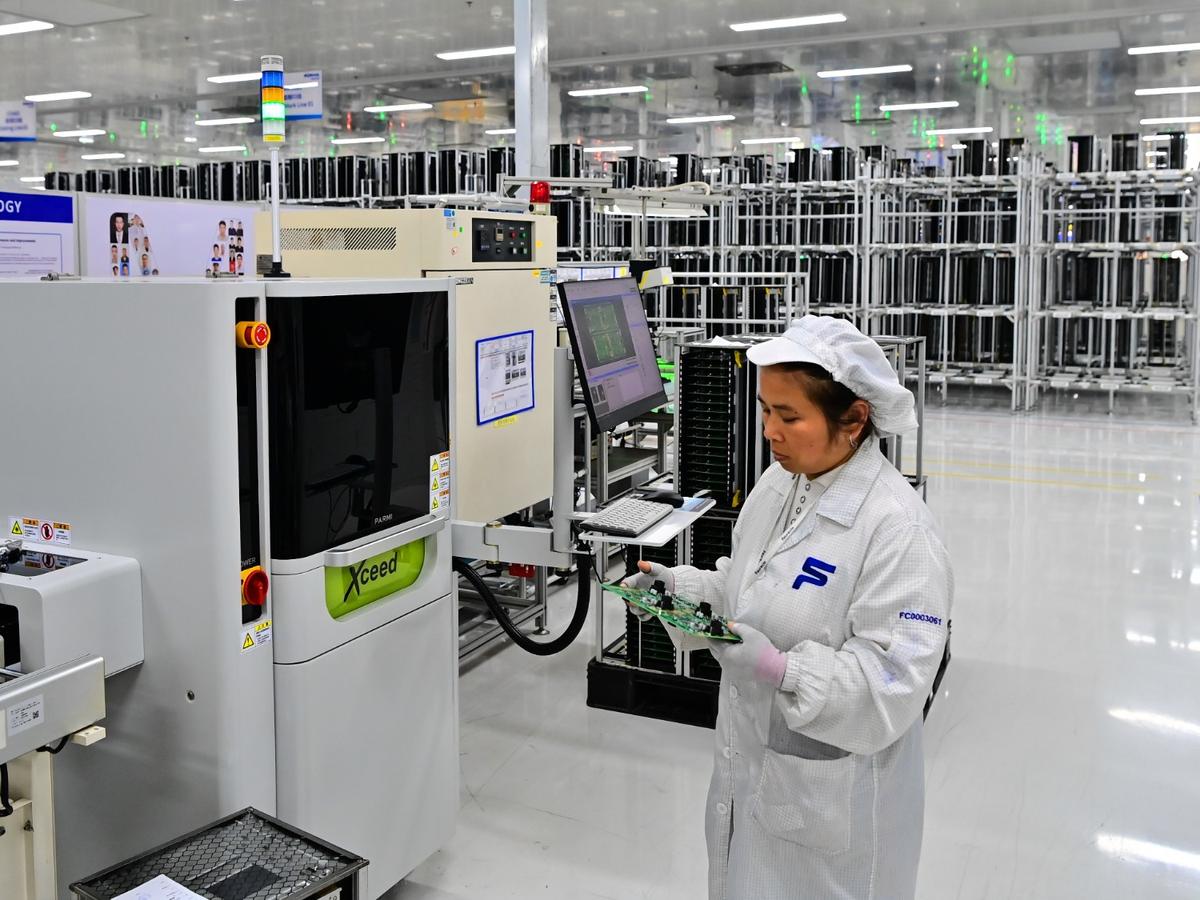
What that handoff looks like in practice is becoming clearer in 2026, with the shift moving from “venture capital investments and memorandums of understanding toward physical infrastructure, brick and mortar operations, and operational clean rooms.”
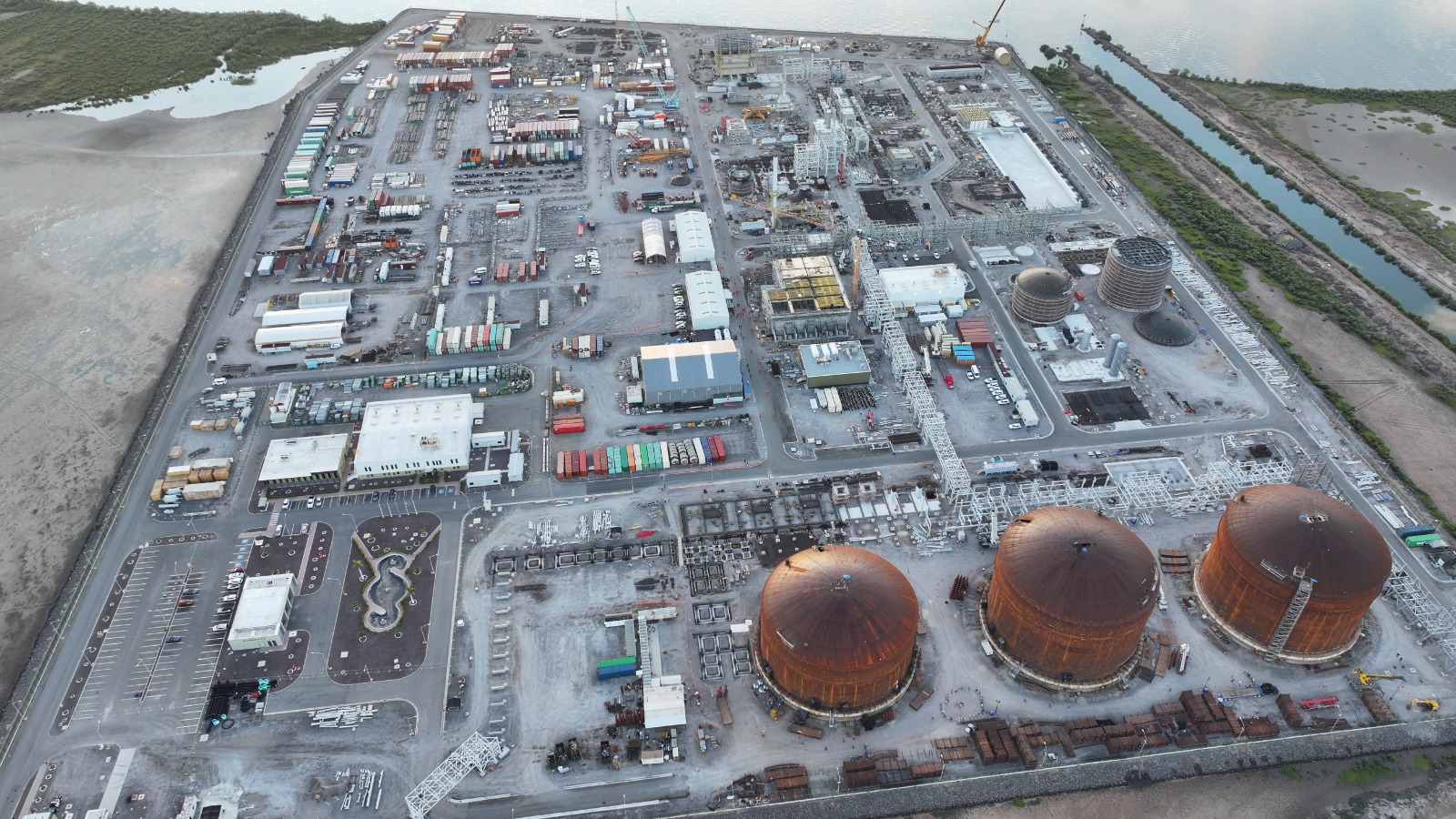
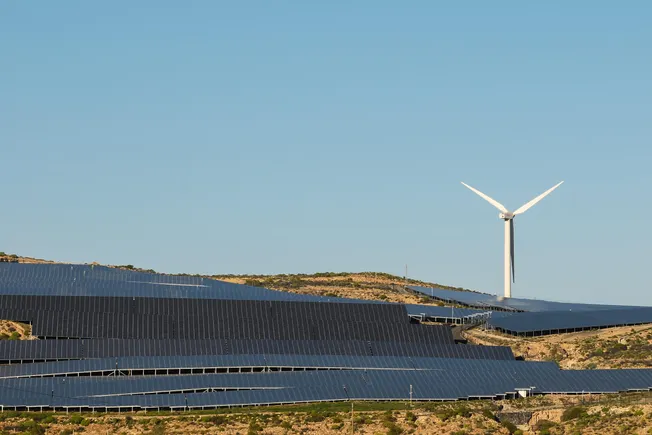
In the UAE, the diagnostics sector reached a comparable milestone at the Make It in the Emirates 2026 forum, where companies, including SayGen Genetics, showcased commercially manufactured molecular diagnostic kits and domestically produced real-time PCR systems, indicating a medical device manufacturing base that has moved beyond pilot scale. On the biofuels side, MENA Biofuels has commenced implementation of the UAE’s first commercial Sustainable Aviation Fuel plant in the Fujairah Oil Industry Zone, with a second Engineering, Procurement, and Construction tender to be issued in the first quarter of 2026, and Phase I projected to produce 125 million liters annually from waste-based feedstocks.
A UNIFIED INDUSTRIAL LOGIC
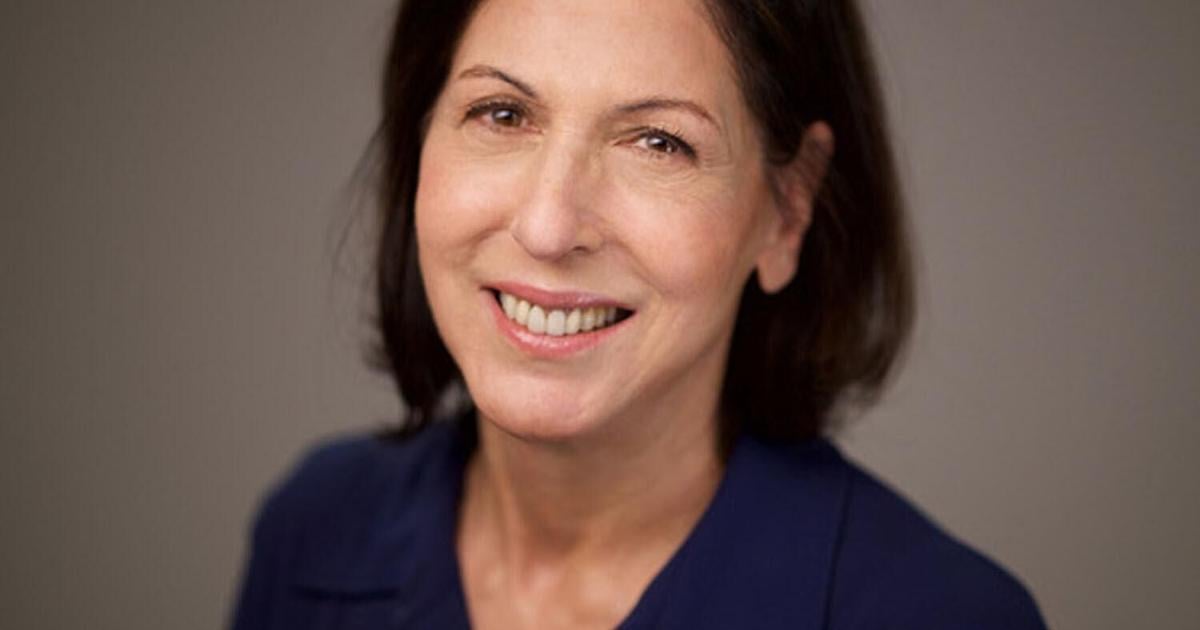
The surface-level differences among genomics, biofuels, and diagnostics can make the Gulf’s investment across all three seem like a collection of unrelated bets. Brahimi directly pushes back on that reading. “They are not separate bets,” she says, describing the three fields instead as “distinct pillars of a unified strategy to build a highly complex, self-sufficient industrial base,” operating under what she terms a single unifying doctrine of sovereign resilience and security.
Within that doctrine, diagnostics and genomics represent health security. Programs such as Lifera Omics’ bio databank, which holds data on more than 60,000 Saudi patients, are designed to ensure that precision medicine is calibrated to genetic markers prevalent across the MENA region, reducing reliance on Western datasets and imported therapeutics not developed with regional biology in mind.
Biofuels address a different but equally strategic vulnerability. With the aviation and logistics sectors facing sustained pressure to decarbonize, the development of sustainable aviation fuel gives the Gulf a means of remaining a viable global logistics hub even as the economics of hydrocarbons shift. Brahimi is clear that each subsector continues to develop according to its own commercial parameters and technical timelines, even as the overarching logic connecting them remains consistent.
Fakhro takes a broader view. For him, the three fields are “phenomena of a much deeper movement, investment in science,” and what is visible in genomics, biofuels, and diagnostics represents only “the most practical applications of this science investment,” the tip, as he puts it, of a considerably larger iceberg.
THREE HORIZONS, ONE THESIS
The investment thesis, in Fakhro’s framing, reduces to a single objective: “building a knowledge-based economy,” with specific sectors serving as the means rather than the end.
Brahimi develops that argument across three distinct phases, each operating on a different time horizon and targeting a different kind of return. In the near term, the priority is import substitution and self-sufficiency, stemming what she describes as “massive capital flight” spent on imported biologics, pharmaceuticals, life sciences products, agricultural inputs, and specialized fuels. The immediate economic logic is as much about retaining capital within the region as about building productive capacity there.
That foundation, once established, is expected to give way to a more complex ambition. The medium-term focus shifts toward talent and economic complexity, with Saudi Arabia setting an explicit target of creating more than 55,000 biotechnology jobs by 2040, while the UAE develops bioscience clusters within its leading universities designed to align directly with the strategic investment and industrial directions already being pursued at the national level. Talent, in other words, is not an incidental byproduct of sectoral growth but a deliberate output of it.
Export potential constitutes the longest horizon of all, and the infrastructure for it is already taking shape. Once domestic demand is met, facilities such as the Fujairah sustainable aviation fuel plant, which targets 250 million liters in its second phase, and Saudi Arabia’s green hydrogen commitments are “explicitly designed for regional and global exports,” Brahimi says.
A partnership between Saudi Aramco and ACWA Power has been examining hydrogen value chain integration, while companies such as Polyesco in the UAE are exploring additional value chains encompassing new biofuel sources, suggesting an export architecture is being designed well before domestic production has fully matured.
THE BIO-ECONOMY
Treating biotechnology as a discrete sector, Fakhro argues, misses the point entirely. What is emerging across the Gulf is better understood as “the life sciences economy,” or, more broadly, “the bio-economy,” a designation that carries implications well beyond adding a single industry vertical to a diversification portfolio.
Brahimi gives that argument its structural content. “Biotech is not a standalone sector,” she says, but rather “the linchpin of a much larger strategic cluster,” one whose value lies in how it connects to and elevates the industries around it.
Moving into biomanufacturing, she argues, directly raises a nation’s Economic Complexity Index, and that elevation radiates outward across several sectors simultaneously: biopharmaceutical production demands ultra-cold chain logistics and specialised port infrastructure; high-throughput genomics and bioinformatics generate computational demand that bridges the Gulf’s artificial intelligence investments with the biological sciences and downstream petrochemicals supply the plastics, reagents, and materials that laboratory and manufacturing operations depend on, drawing the region’s established industrial base into direct relationship with its emerging one.
The significance of what is being built cannot be read from any single facility or announcement. Still, only from the web of industrial dependencies it is quietly assembling around itself.
GAPS, GOALS, GROUND TRUTH
Geopolitical reality, Fakhro argues, has sharpened the urgency behind the Gulf’s biotechnology push in ways that purely economic arguments could not. “The recent regional war is proving that our economies cannot rely completely on hydrocarbon export,” he says, and biotechnology represents a sector where the financial returns, or “multiples,” can be substantial and where much of the enabling infrastructure is already in place.
What remains, in his assessment, is the quality of leadership required to build it out with sufficient creativity and strategic coherence to position the region as a genuine global contender.
Candor about the ecosystem’s current limitations is where Brahimi begins her assessment. Measured against established hubs such as Boston, San Francisco, and Basel, the Gulf’s biotech base remains “nascent and highly reliant on top-down state capital and imported IP,” lacking the organic startup culture, university spin-offs, and the garage-to-IPO trajectory that characterize mature innovation ecosystems.
Bio-industrial research and development parks remain underdeveloped, she adds, and the capacity to monetize intellectual property is still in its early stages.
Three requirements, in Brahimi’s assessment, stand between the region and serious global standing by 2036. Indigenous research and development breakthroughs come first, transitioning from acting as a contract development and manufacturing organization for foreign intellectual property toward owning proprietary, globally patented therapeutics.
Regulatory harmonization follows, specifically a unified, rapid-approval GCC regulatory framework analogous to a regional FDA, which would allow locally developed products to scale across borders without navigating separate approval processes in each market. The third is deep local talent, “a critical mass of domestic PhDs and bio-engineers” capable of running facilities without full dependence on expatriate expertise and of generating the indigenous innovation needed to reduce reliance on foreign licensing, which Brahimi describes as expensive upfront capital expenditure that slows economic returns.
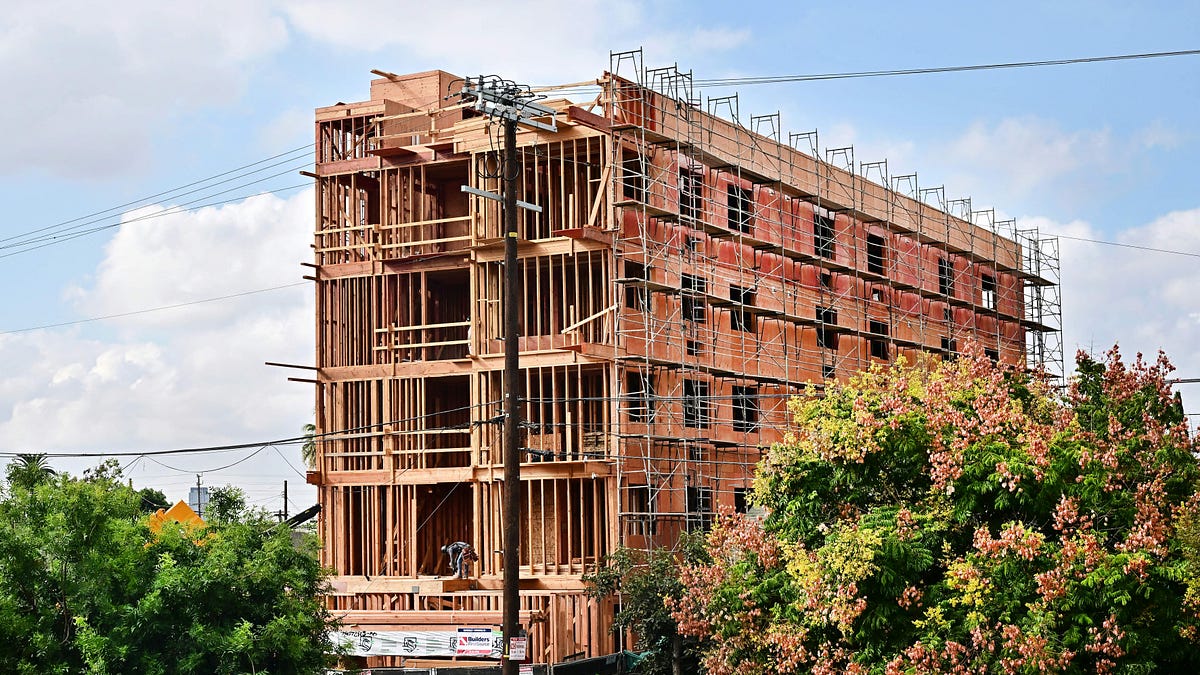
For those who have not been tracking the space, the clearest signal of where things are headed is not a policy announcement or a funding commitment but a construction tender. The issuance of final Engineering, Procurement, Construction, and Commissioning contracts and the formation of physical joint ventures with operational timelines represent definitive proof, Brahimi says, “that the Gulf’s capital has moved from theoretical research labs and venture funds into heavy industrial deployment.” MENA Biofuels’ first-quarter 2026 tenders for the refinery process units of its sustainable aviation fuel plant are one such marker. The infrastructure, she adds, “is being bolted into the ground right now.”