Important information
NA5819478
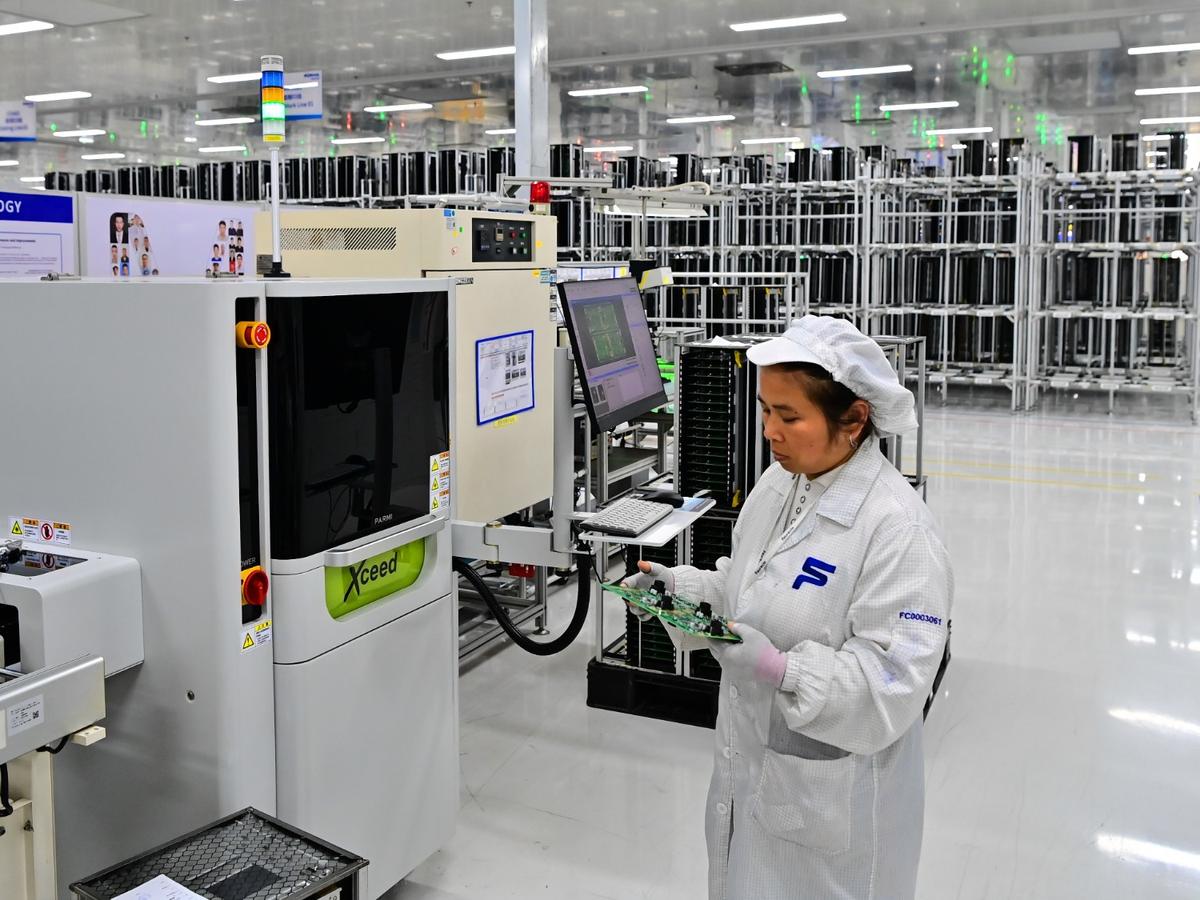
Image: Todd Korol / Stocksy
All investing involves risk, including the risk of loss.
Past performance does not guarantee future results.
Investments cannot be made directly in an index.
This does not constitute a recommendation of any investment strategy or product for a particular investor. Investors should consult a financial professional before making any investment decisions.
Artificial intelligence (AI) technology companies are sensitive to specific risks such as small markets, business cycle changes, economic growth, technological progress, obsolescence, and regulation. These companies may have limited products, markets, resources, or personnel, making their securities more volatile, especially for smaller start-ups. Rapid technological changes can adversely affect their results. AI companies often rely on patents, copyrights, trademarks, and trade secrets to protect their technology, but there’s no guarantee these protections will be sufficient. Significant research and development (R&D) spending doesn’t ensure product or service success.
The Bloomberg US Corporate Bond Index measures the investment grade, fixed-rate, taxable corporate bond market. It includes US dollar-denominated securities publicly issued by US and non-US industrial, utility, and financial issuers.
Capital expenditures (or capex) is the use of company funds to acquire or upgrade physical assets such as property, industrial buildings, or equipment.
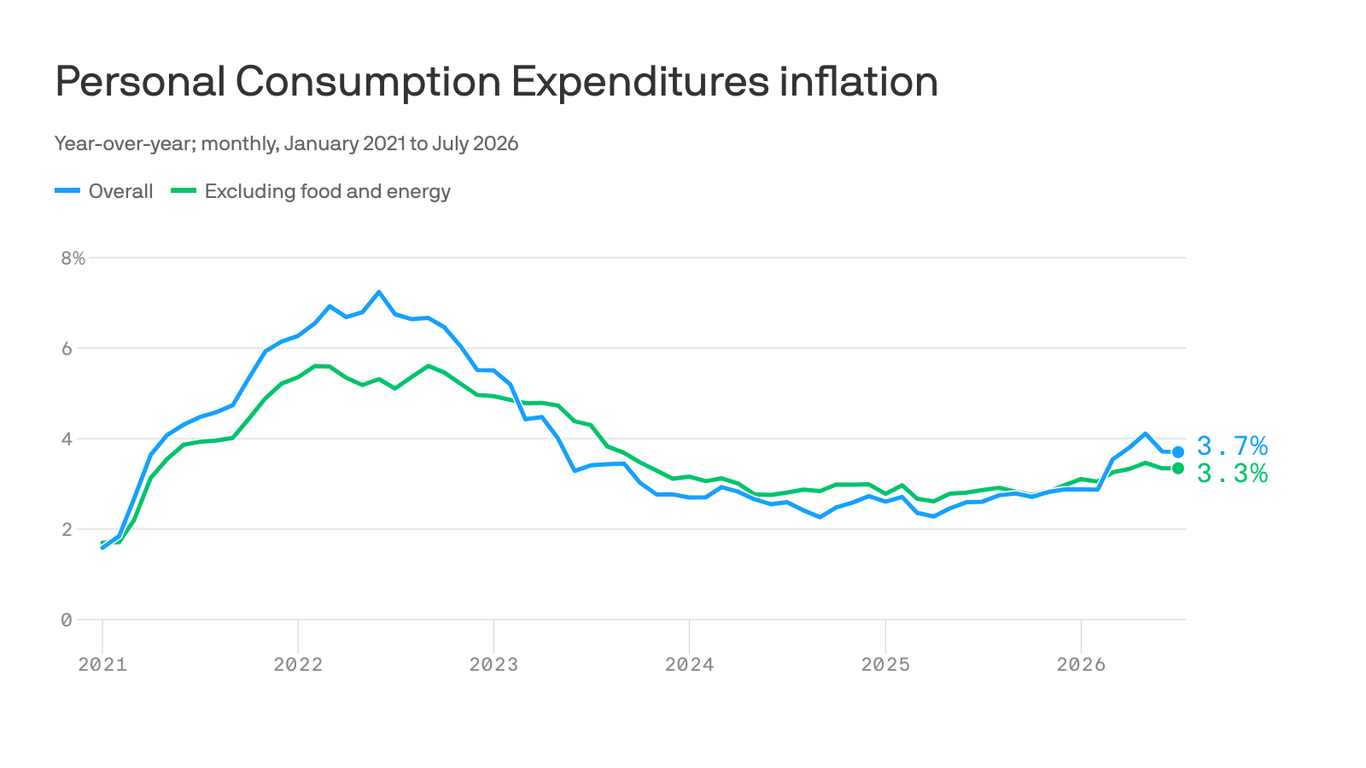
The Consumer Price Index (CPI) measures the change in consumer prices and is a commonly cited measure of inflation.
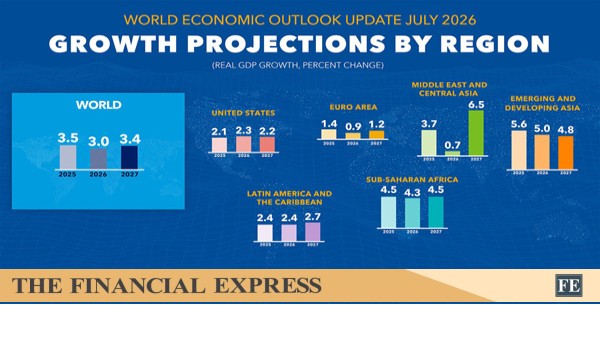
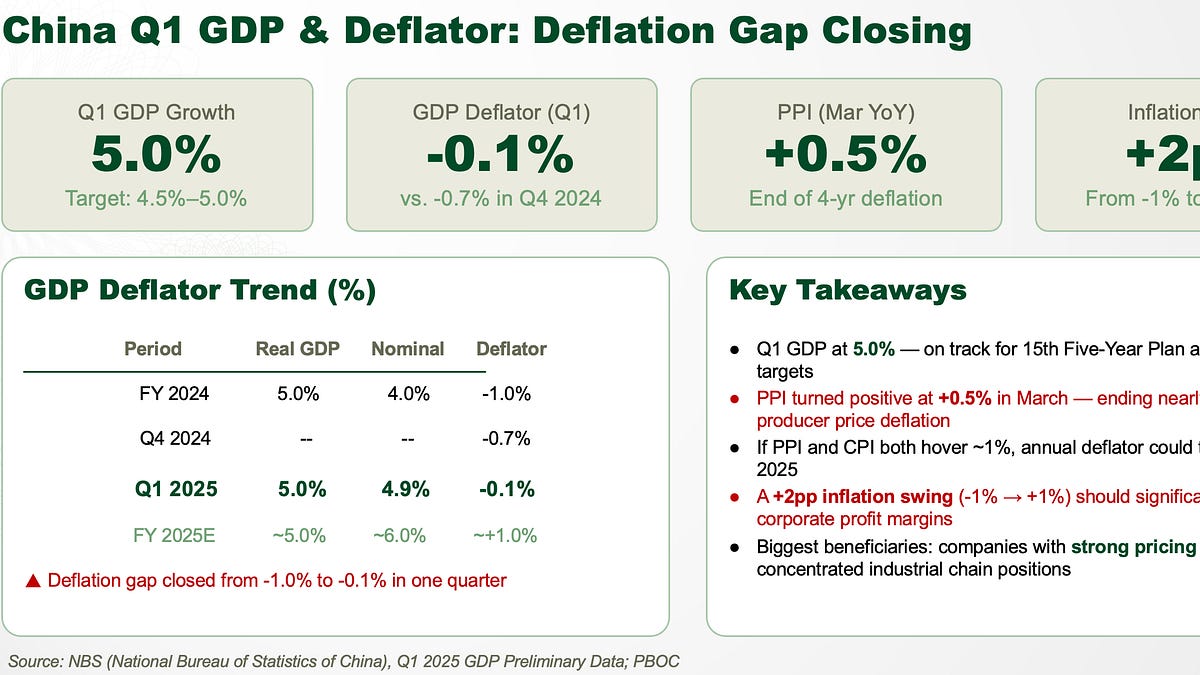
Gross domestic product (GDP) is a broad indicator of a region’s economic activity, measuring the monetary value of all the finished goods and services produced in that region over a specified time period.
Hawkish describes a central bank or policymaker’s preference for a tighter monetary policy, typically to combat inflation.
Hyperscalers are large cloud service providers that can provide services such as computing and storage at enterprise scale.
In general, stock values fluctuate, sometimes widely, in response to activities specific to the company as well as general market, economic, and political conditions.
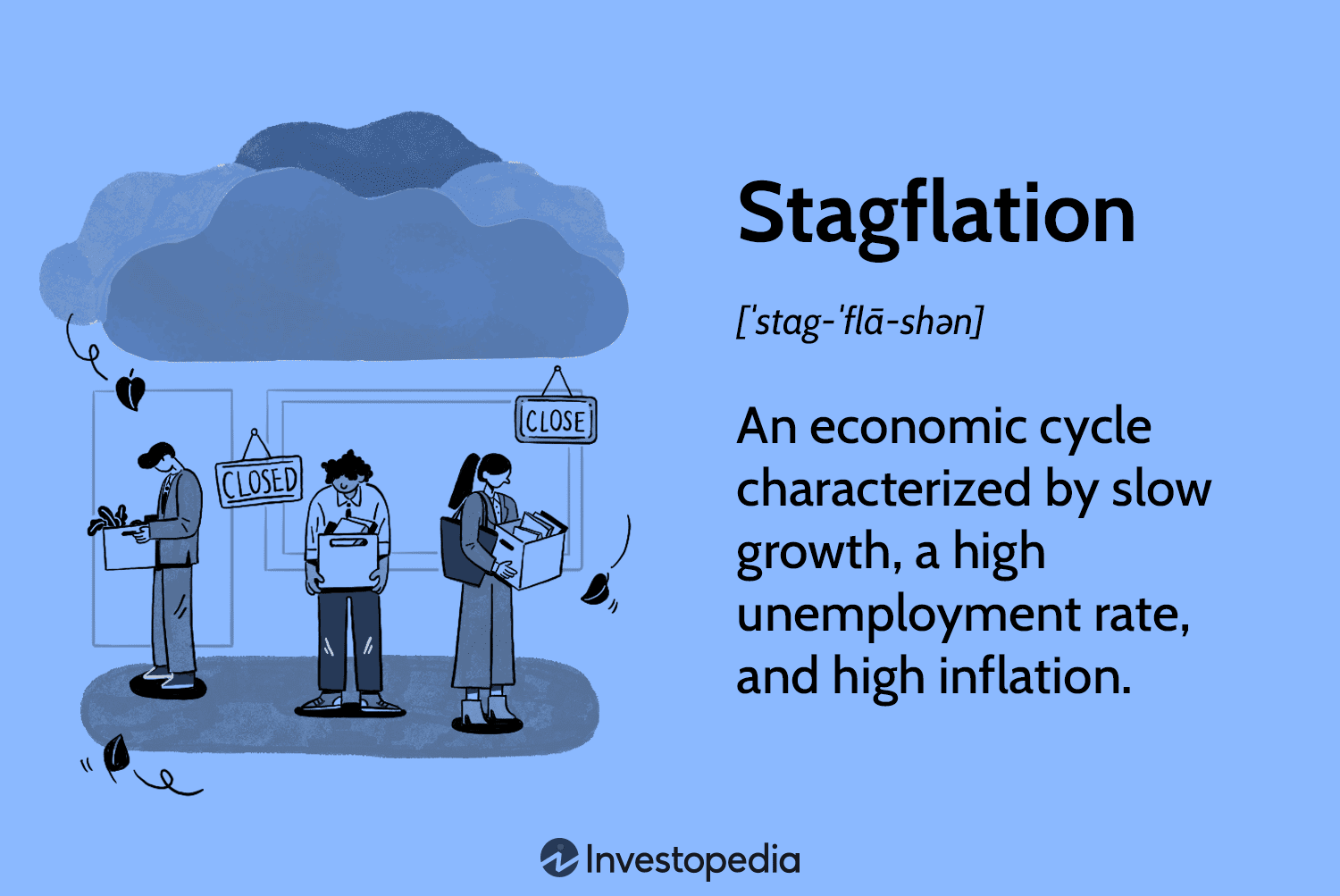
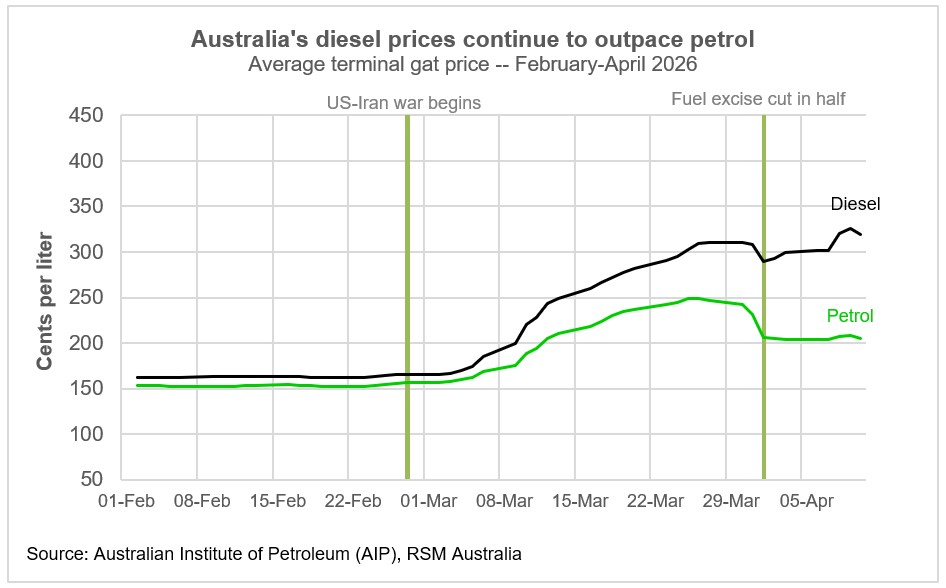
Inflation is the rate at which the general price level for goods and services is increasing.
Investments focused on a particular industry or sector are subject to greater risk and can be more impacted by market volatility than more diversified investments.
Many products and services offered in technology-related industries are subject to rapid obsolescence, which may lower the value of the issuers.
The Nikkei 225 Index is a price-weighted average of 225 top-rated Japanese companies listed in the first section of the Tokyo Stock Exchange.
Option-adjusted spread (OAS) is the yield spread that must be added to a benchmark yield curve to discount a security’s payments to match its market price, using a dynamic pricing model that accounts for embedded options.
The Philadelphia Stock Exchange Semiconductor Sector Index is a capitalization-weighted index comprising the 30 largest U.S.-traded companies primarily involved in the design, distribution, manufacture, and sale of semiconductors.
The Producer Price Index (PPI) program measures the average change over time in the selling prices received by domestic producers for their output. The prices included in the PPI are from the first commercial transaction for many products and some services.
The S&P 500® Equal Weight Index is the equally weighted version of the S&P 500® Index.
The S&P 500® Index is an unmanaged index considered representative of the US stock market.
Treasury Inflation-Protected Securities (TIPS) are US Treasury securities that are indexed to inflation.
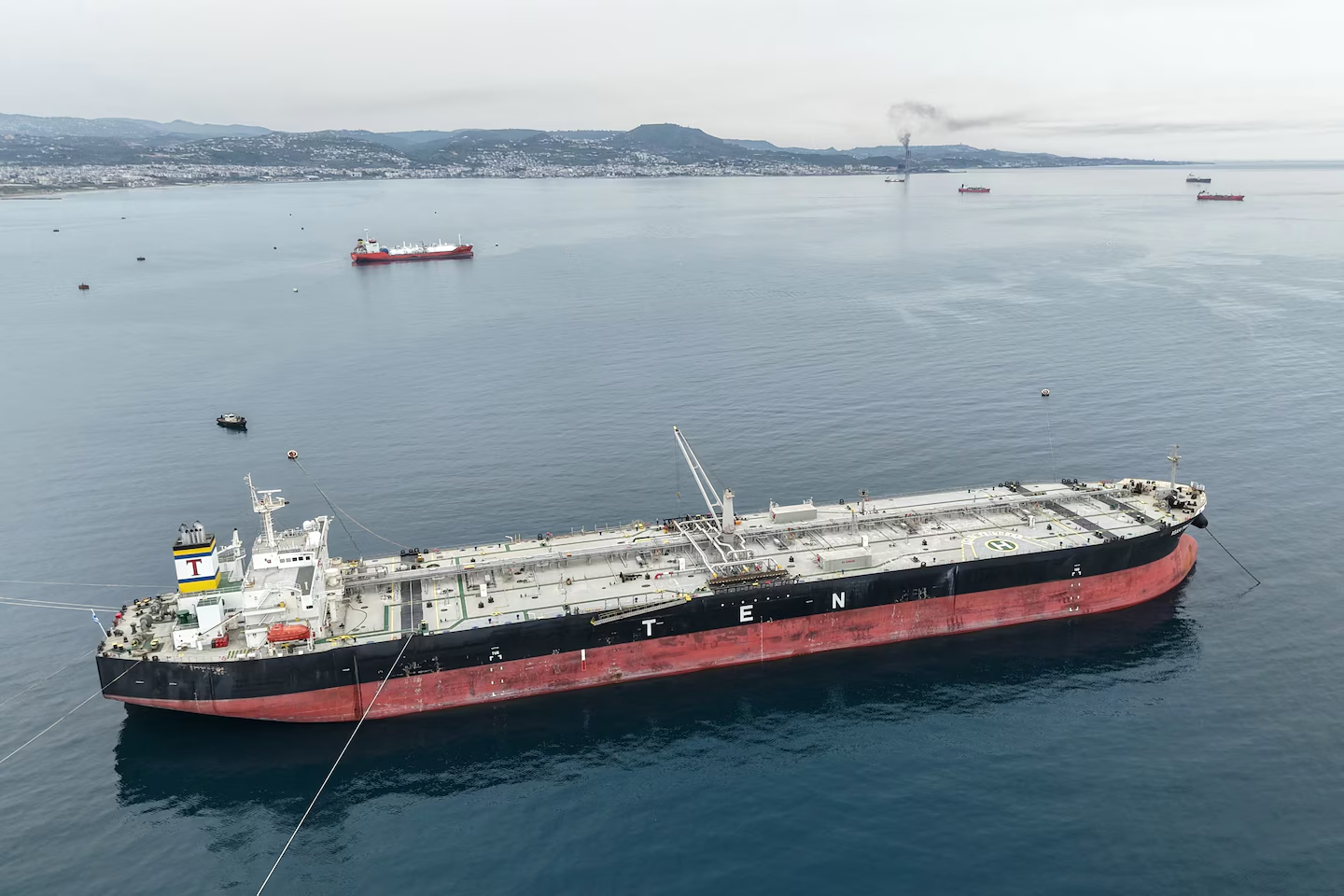
West Texas Intermediate (WTI) is a type of light, sweet crude oil that comes from the US.
The opinions referenced above are those of the author as of Aug. 10, 2026. These comments should not be construed as recommendations, but as an illustration of broader themes. Forward-looking statements are not guarantees of future results. They involve risks, uncertainties, and assumptions; there can be no assurance that actual results will not differ materially from expectations.