Finance Minister Says Thai Economy Is in “Sustained Transition” Despite Q2 GDP Growth of Just 1.9%
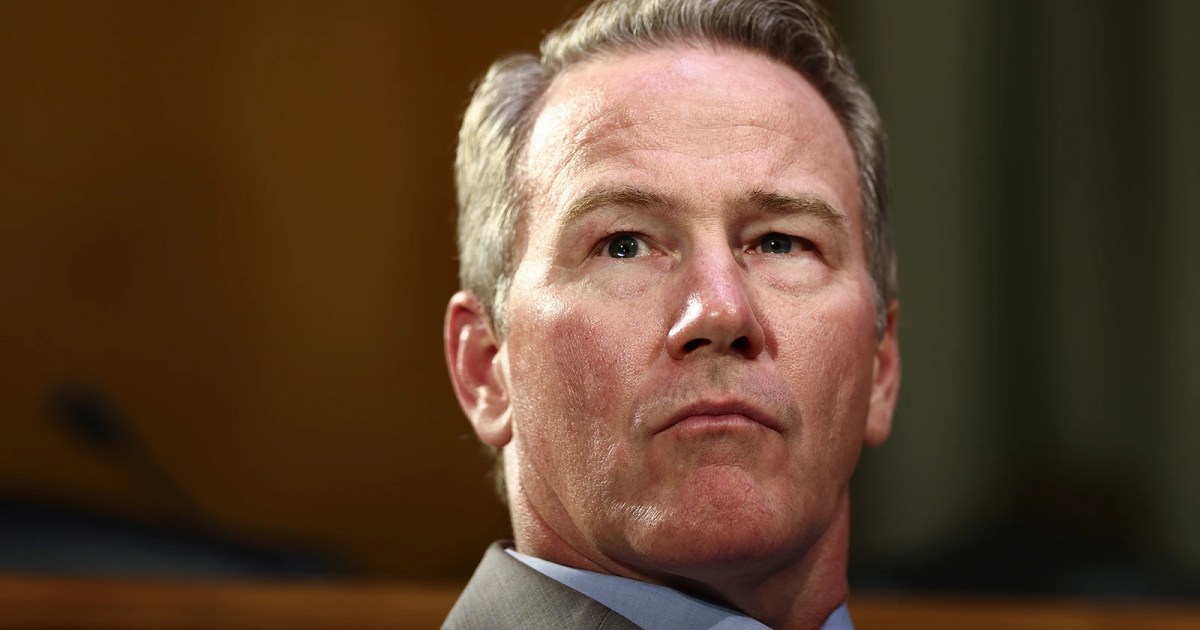
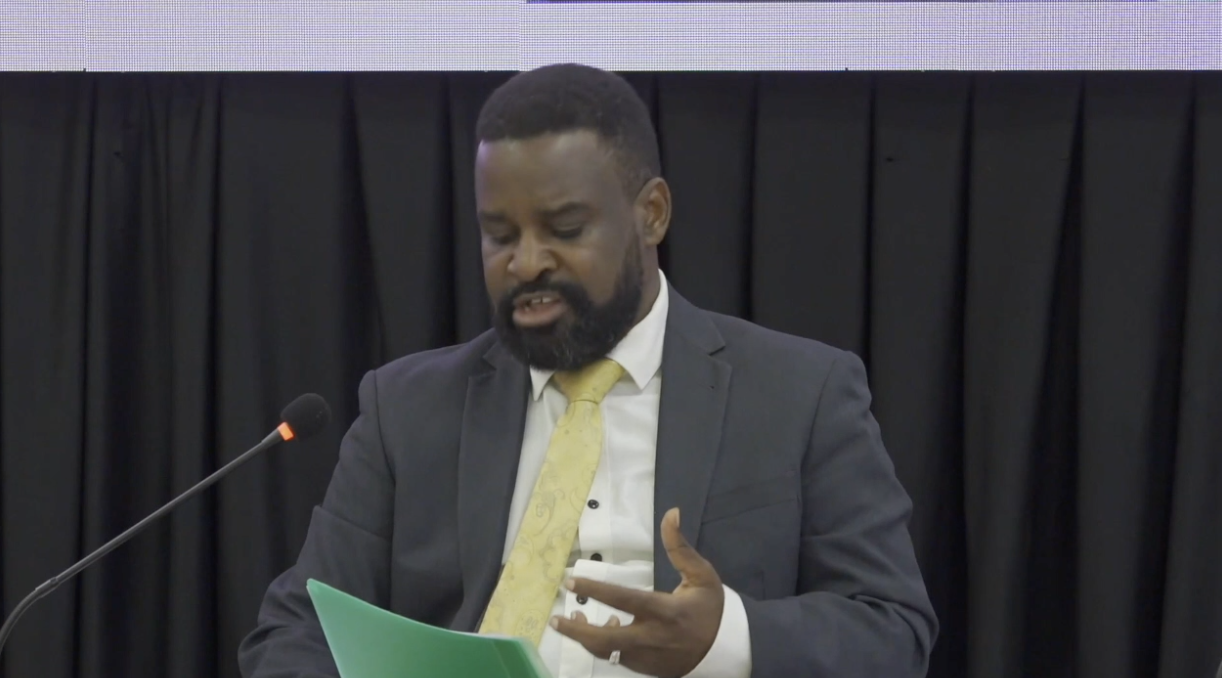
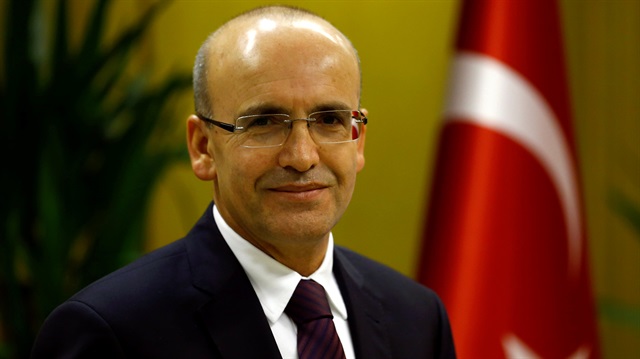
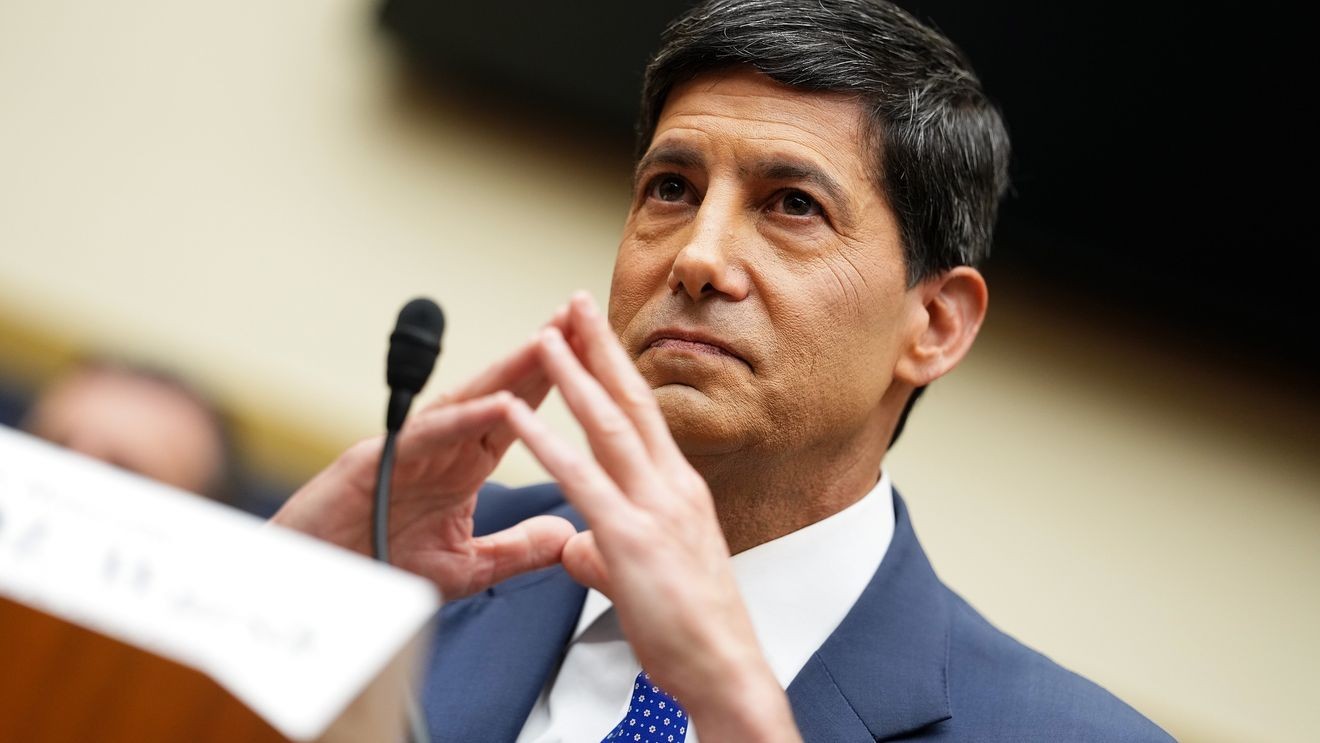
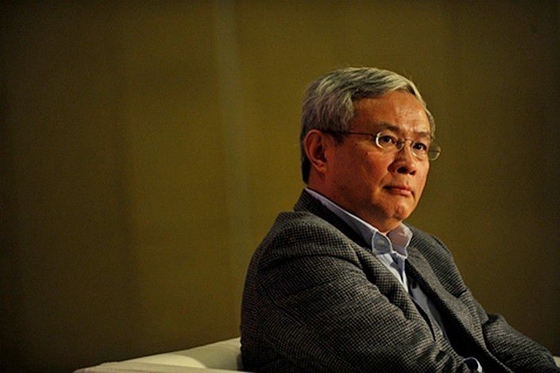
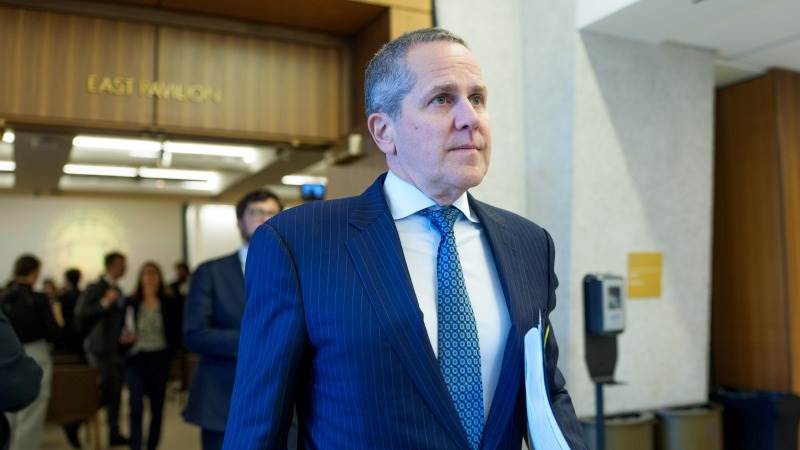
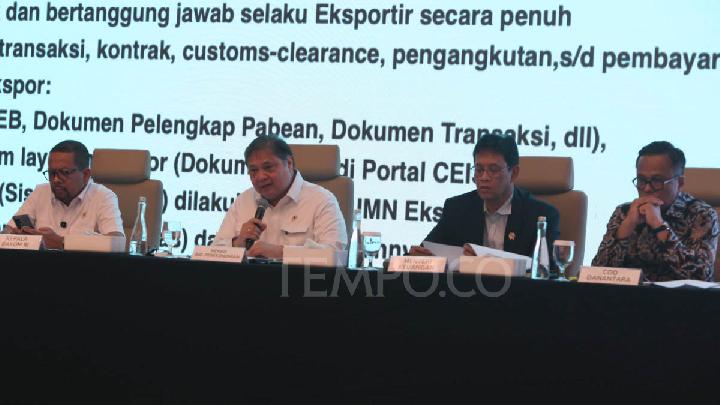
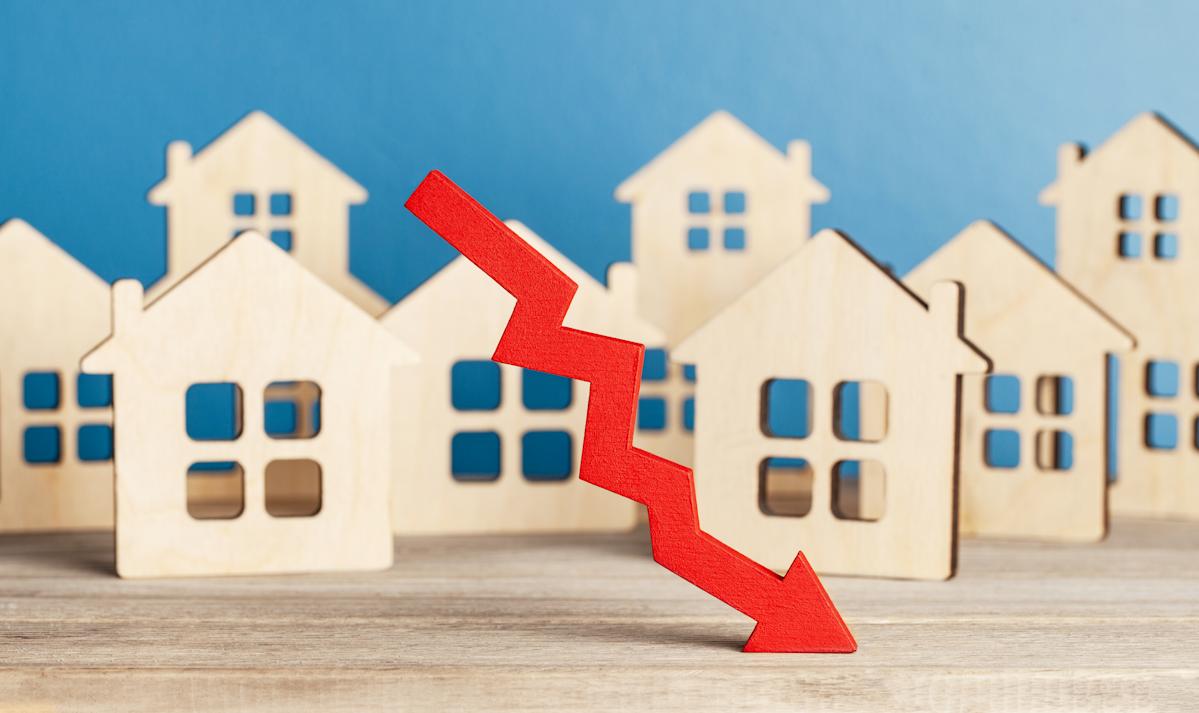
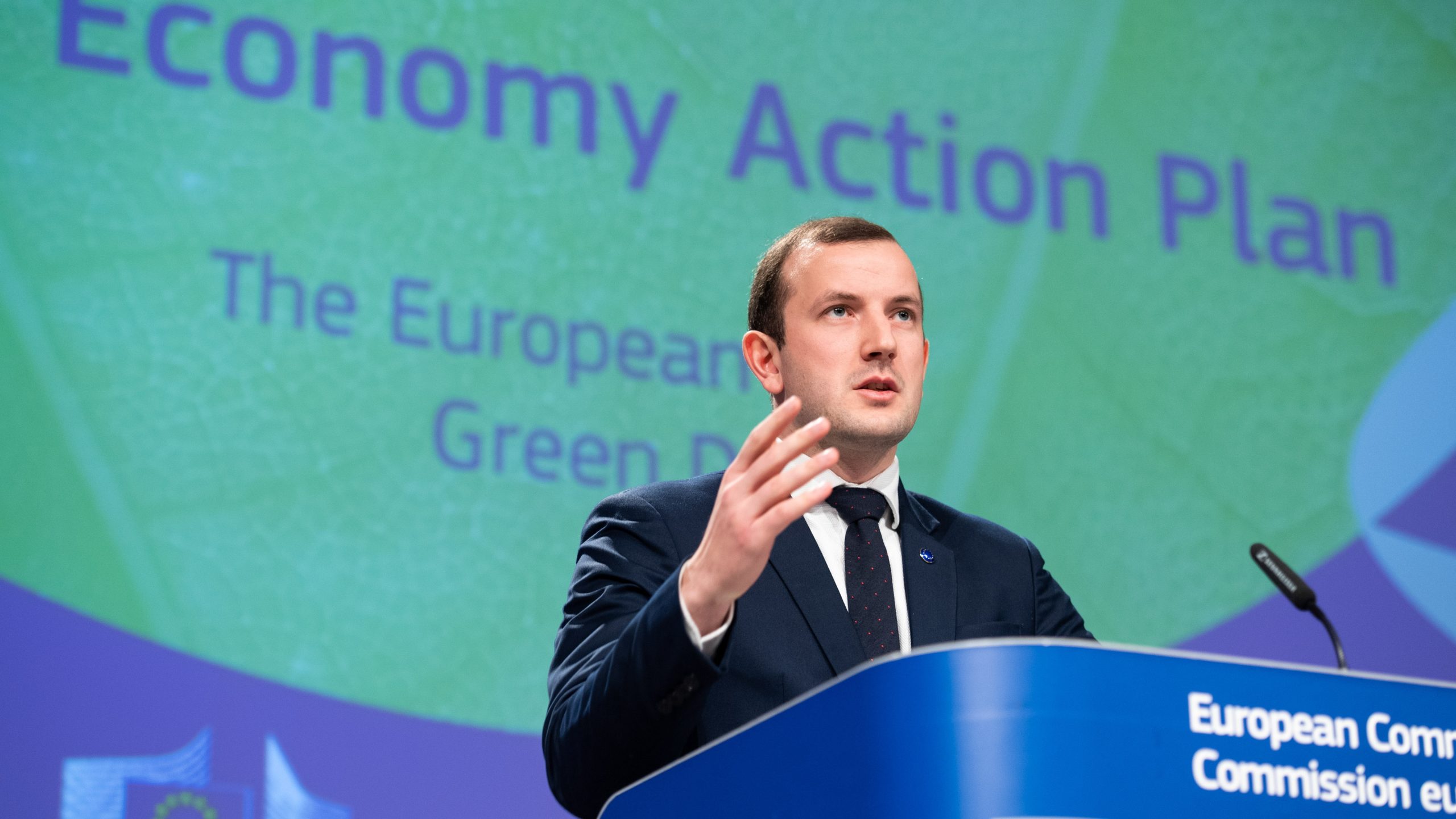
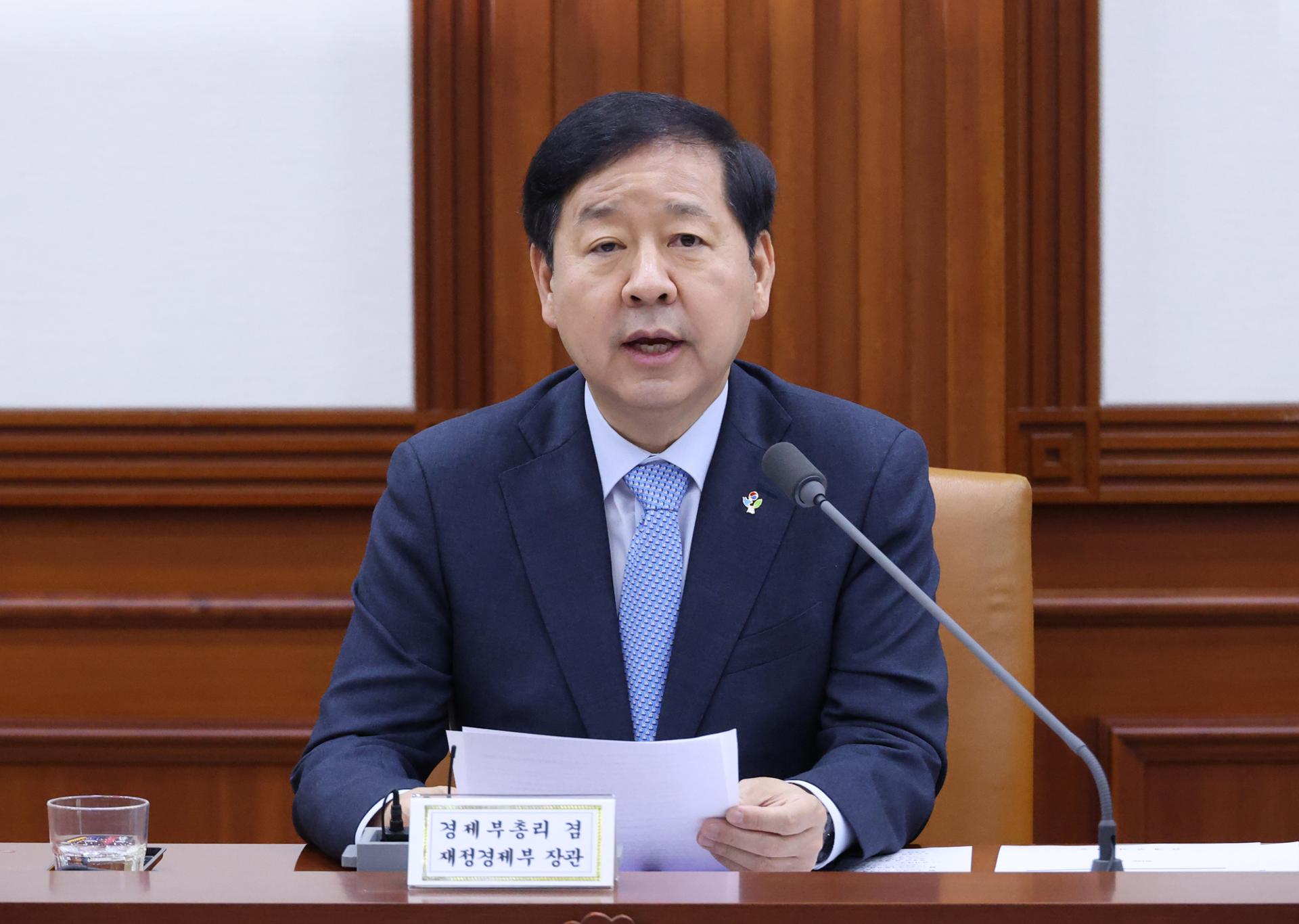
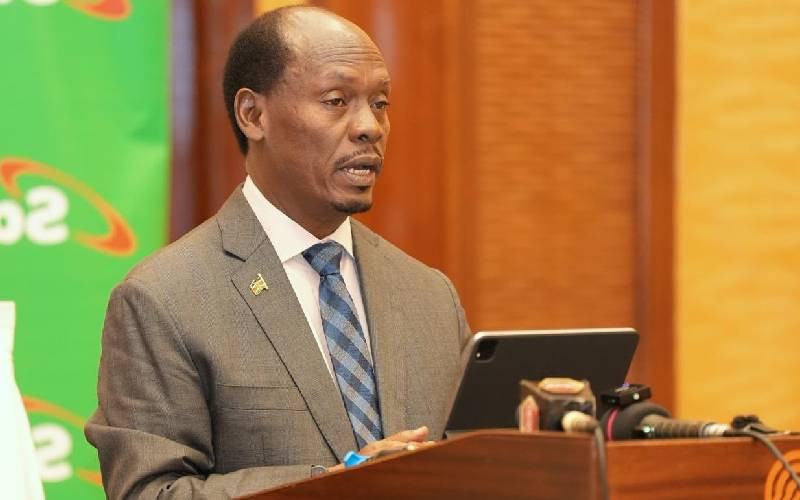
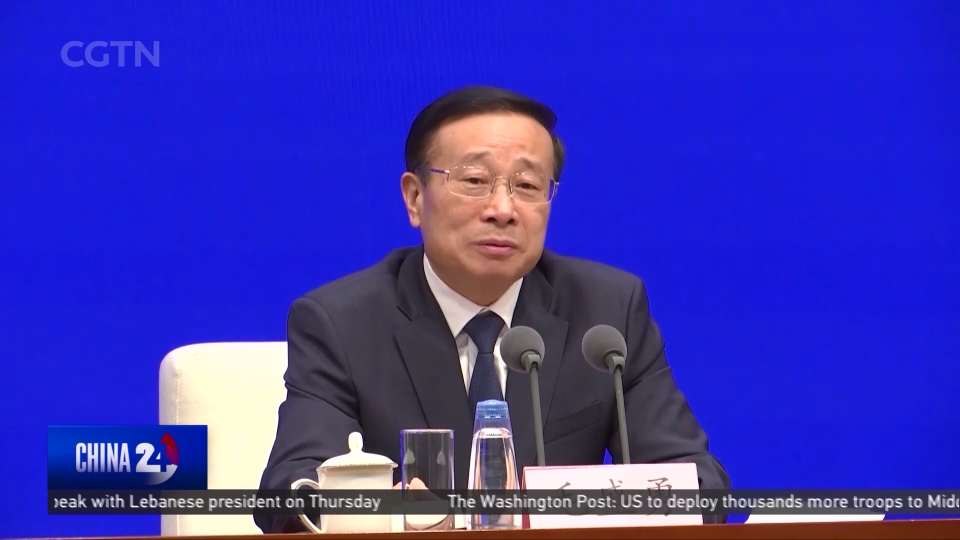
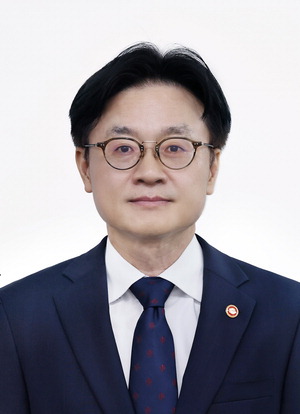
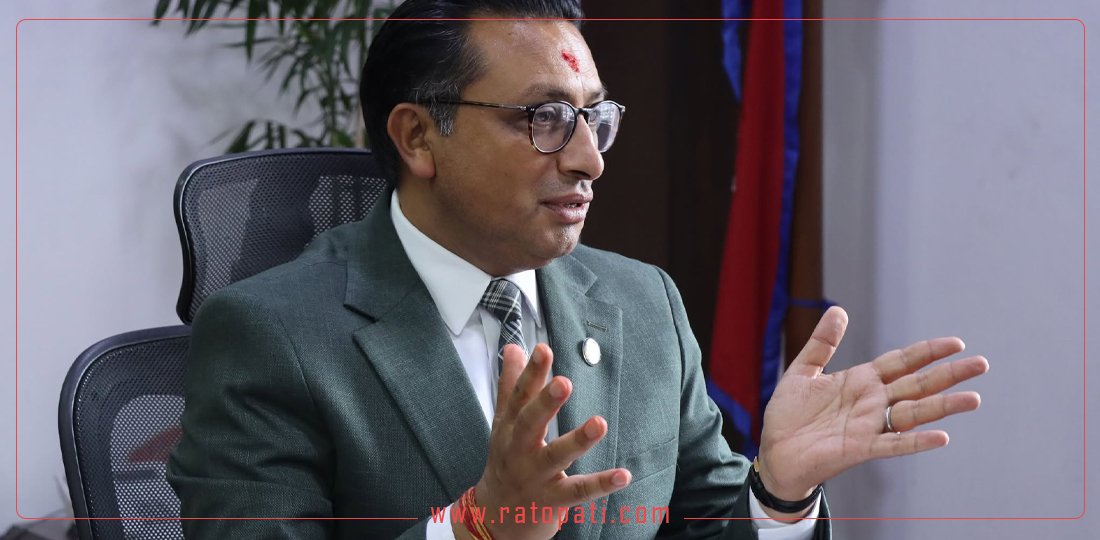
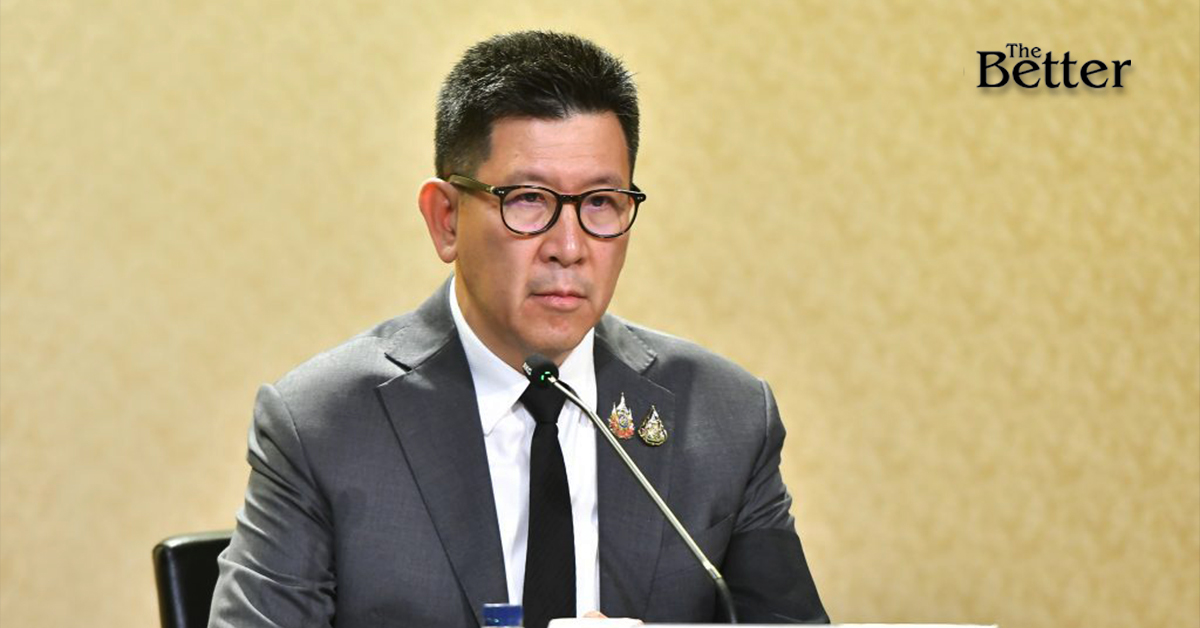
Deputy Prime Minister and Finance Minister Ekniti Nitithanprapas has described Thailand’s economy as being in a period of “navigating through a transition” after the Office of the National Economic and Social Development Council (NESDC) reported that gross domestic product (GDP) grew by 1.9% year-on-year in the second quarter of 2026, slowing from 2.8% growth in the first quarter.
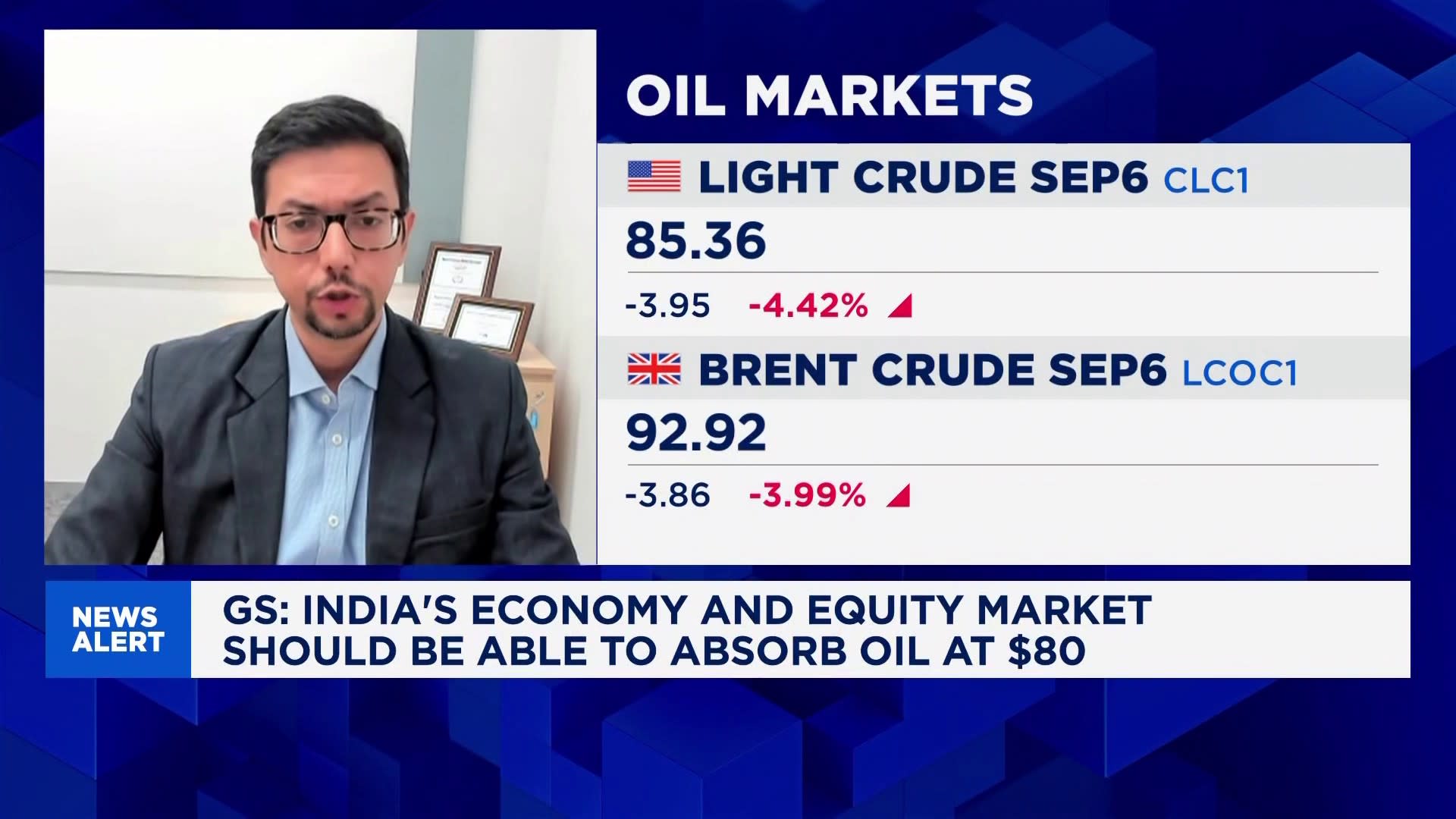
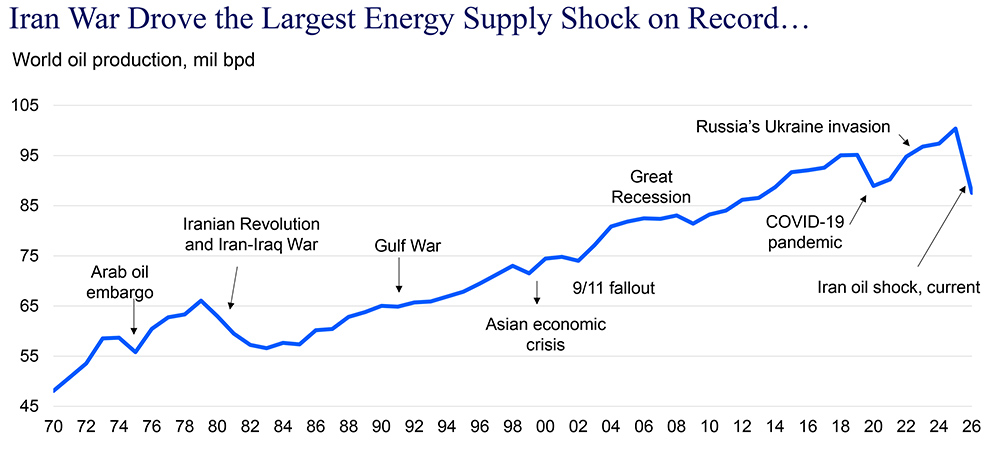
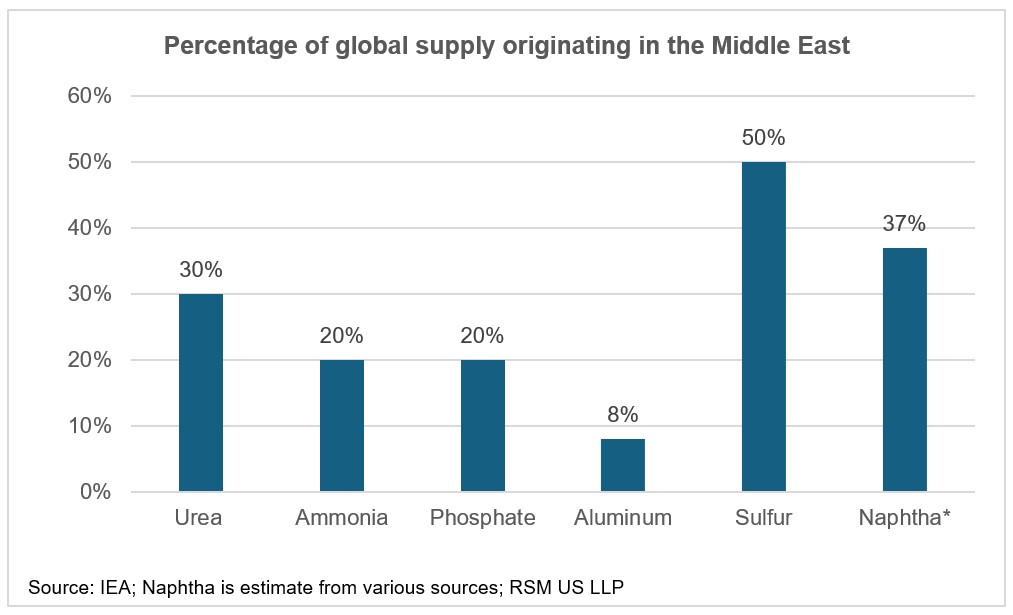
In a message posted on his Facebook page, “Dr. Ekniti Nitithanprapas,” Ekniti said the latest figure was broadly in line with the Ministry of Finance’s previous estimates and reflected the economic team’s earlier assessment of the challenges facing the country, particularly the impact of the conflict in the Middle East, which began in late March and had broader repercussions during the second quarter.
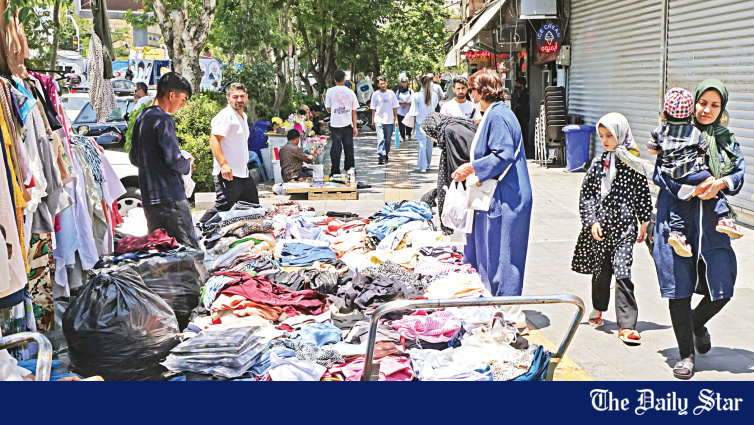
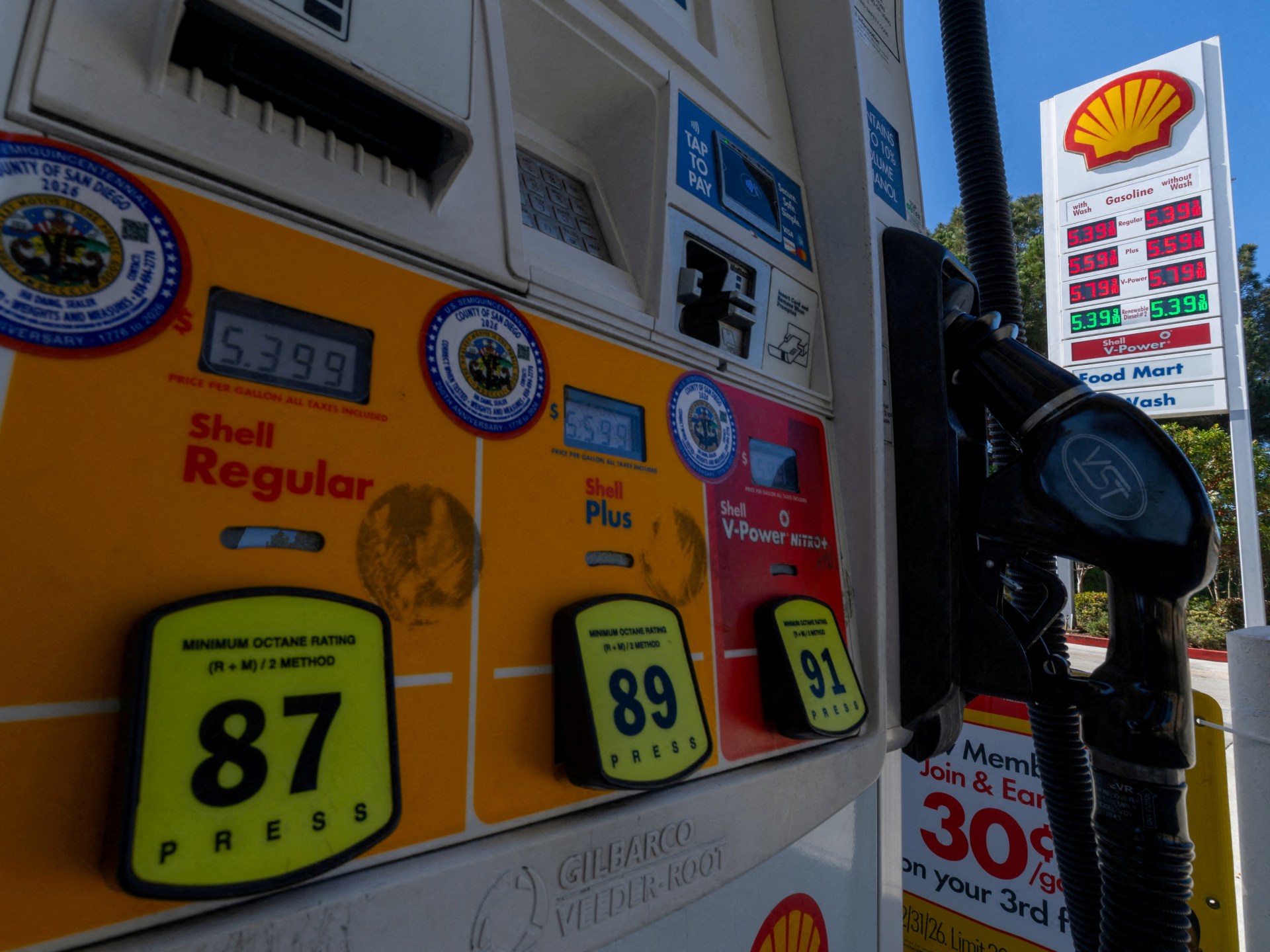
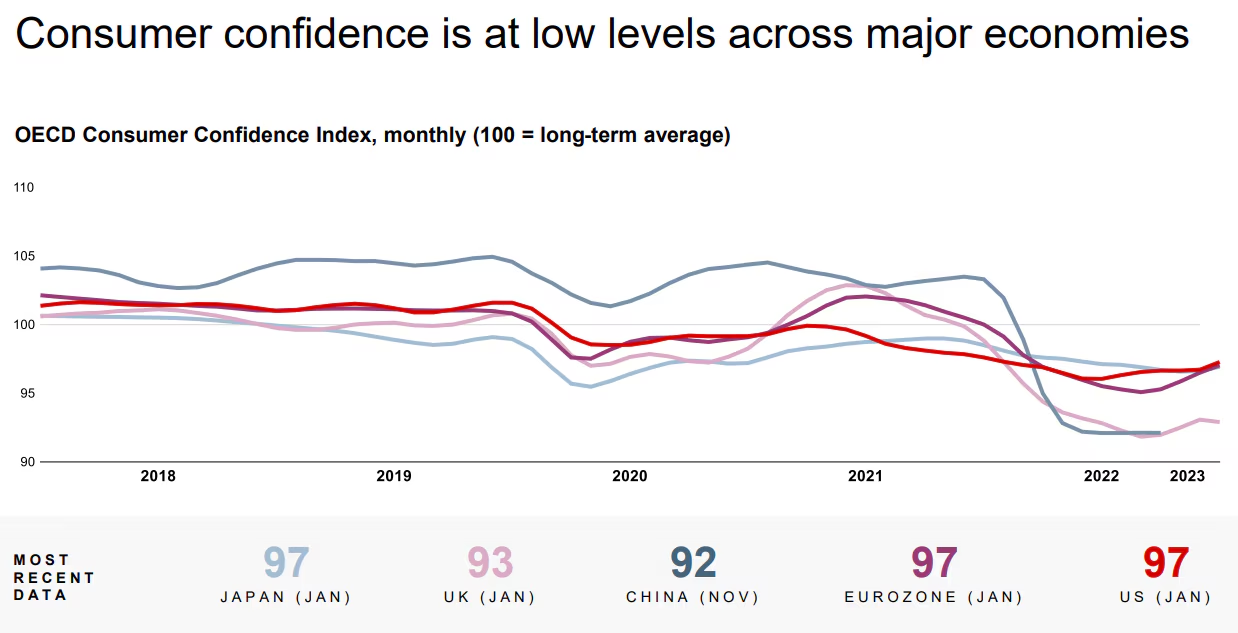
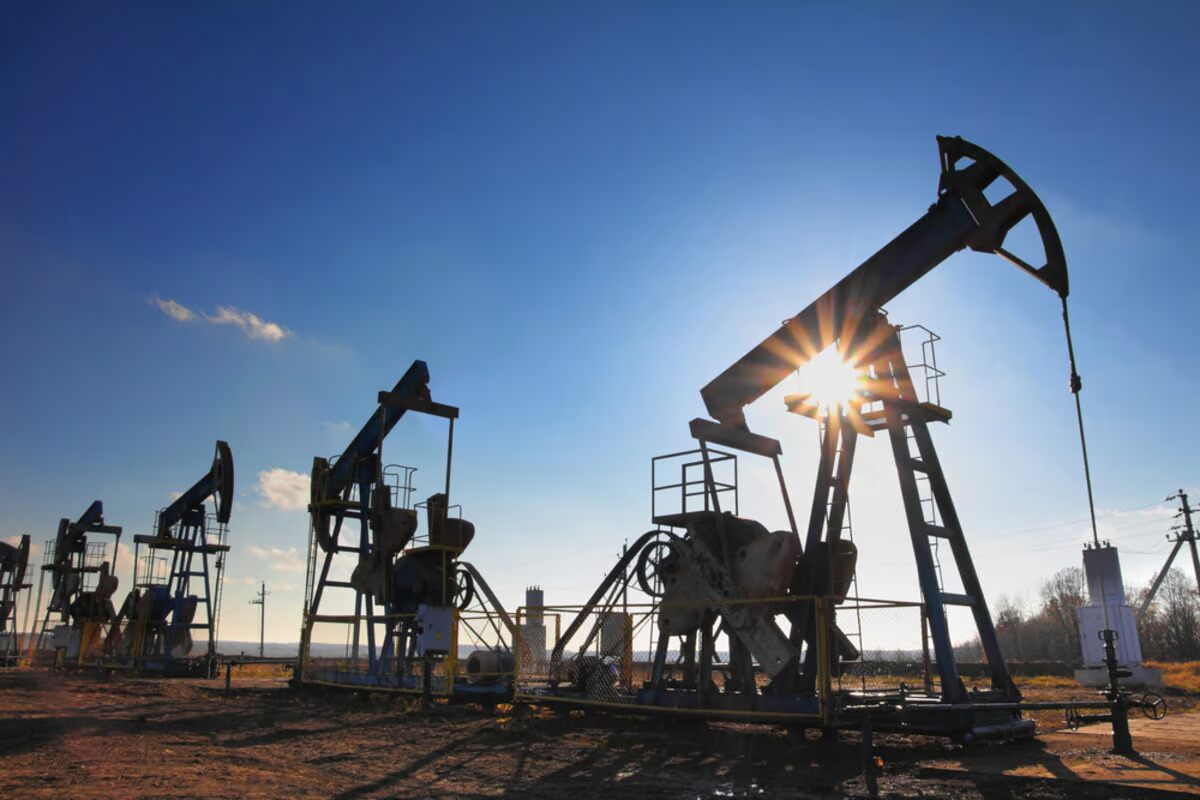
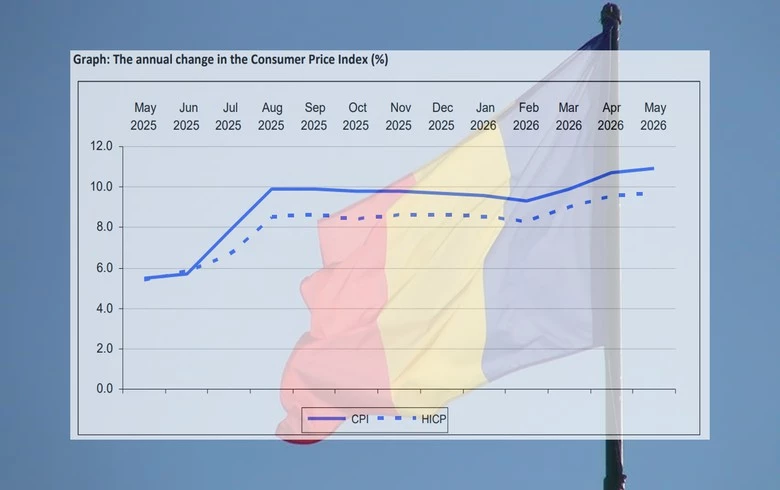
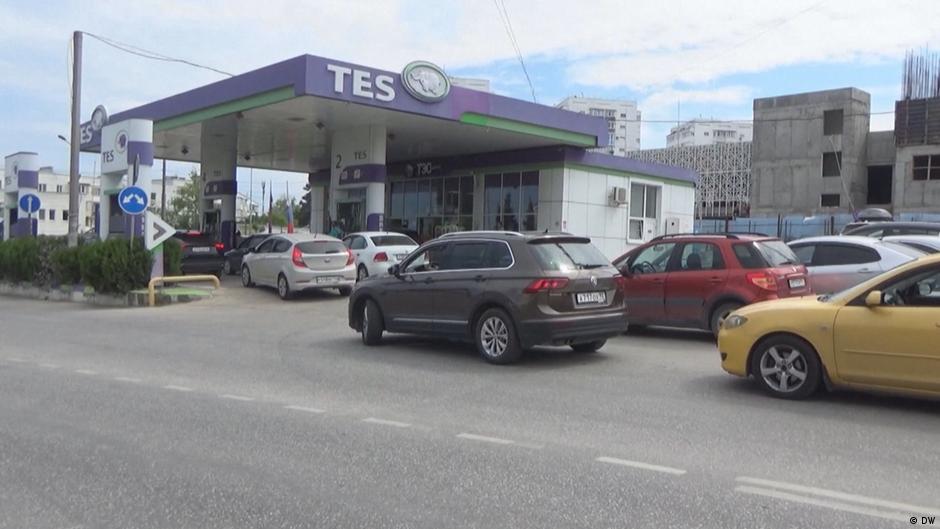
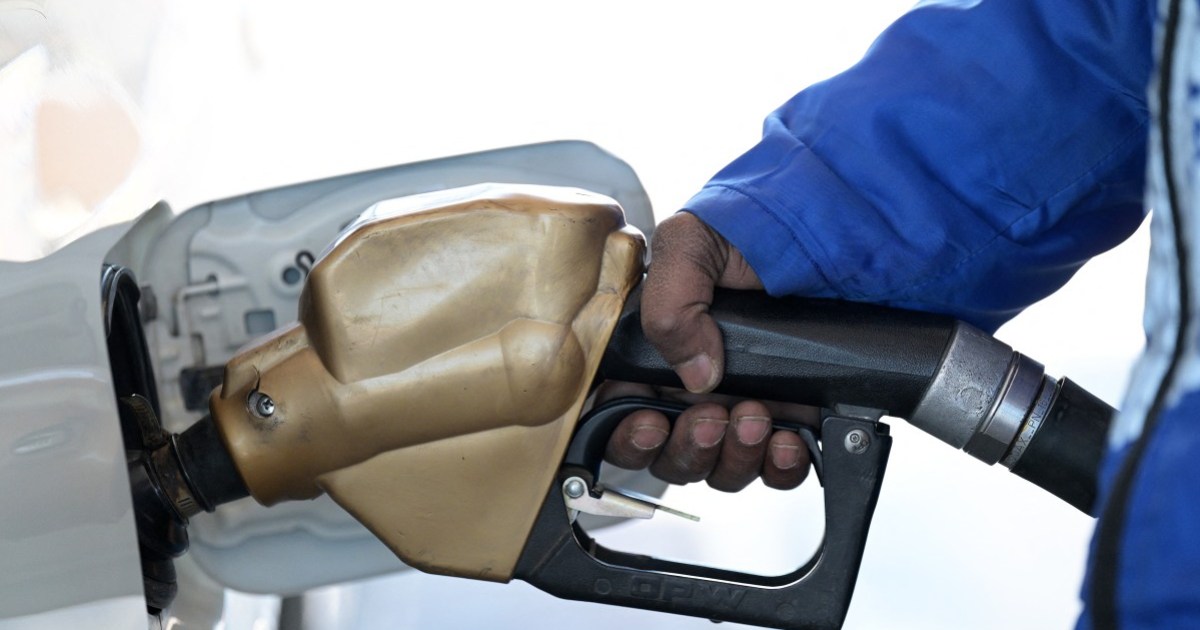
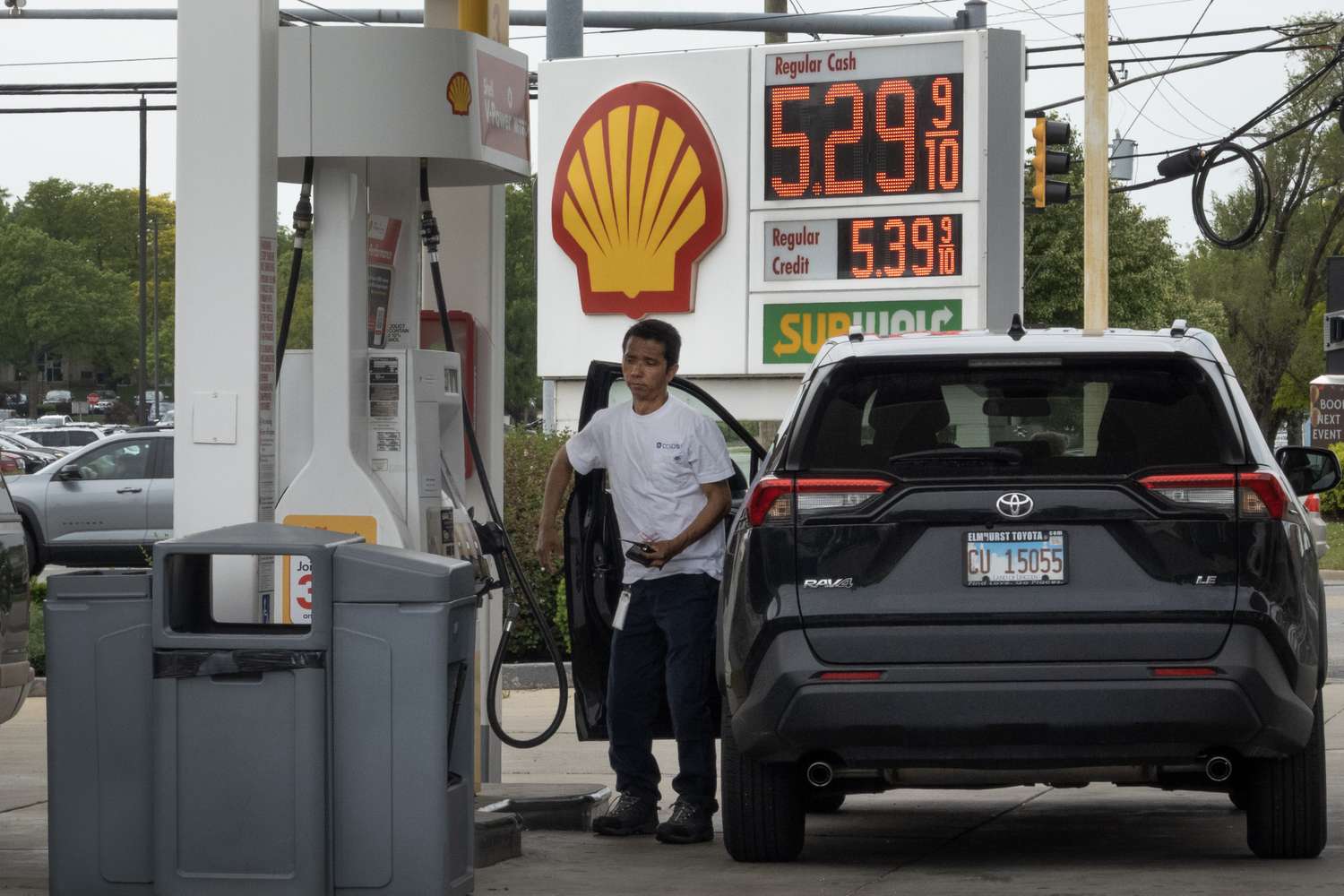
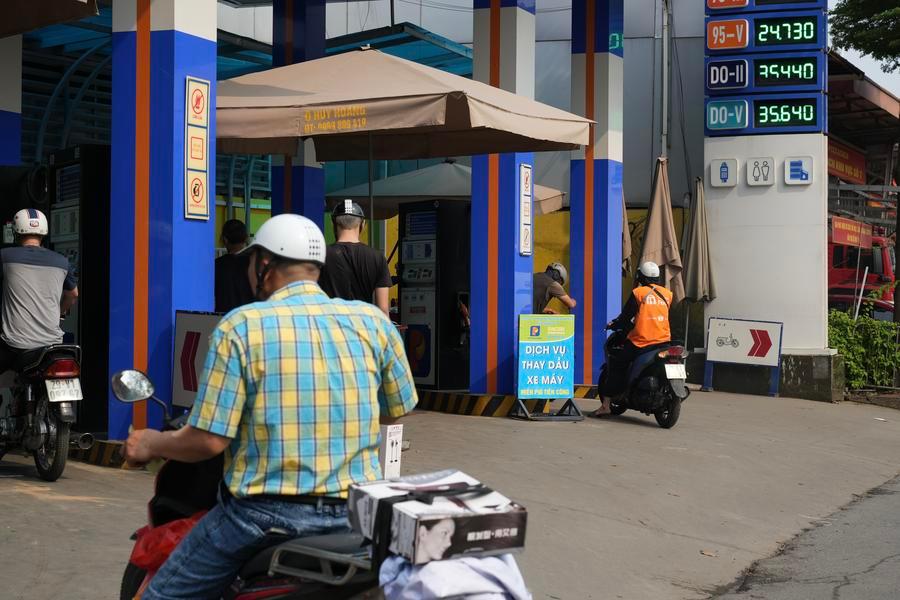
He said the impact initially emerged through higher energy prices before spreading to commodity prices and the cost of living. The effects were reflected in Thailand’s inflation rate, which rose to 2.7% in the second quarter from -0.5% in the first quarter. At the same time, private consumption growth slowed to 1.9%, compared with 3.3% in the previous quarter.
Mr. Ekniti warned that if the cycle of high energy prices, rising commodity costs and weakening purchasing power were allowed to continue, it could trigger further economic difficulties and place additional pressure on household livelihoods.
He said this was one of the reasons the government introduced the Emergency Decree on Borrowing to finance the “Thai Helps Thai Plus” project, which aims to support purchasing power and ease the cost-of-living burden on the public.
Regarding the continuation of the programme during the final quarter of the year, Mr. Ekniti said the government would need to assess the results of the first phase, which is scheduled to conclude in the third quarter, as well as the remaining budget, to ensure that public funds are used as effectively as possible.
Another concern highlighted by the Finance Minister was Thailand’s current account, which recorded a deficit of US$17.6 billion, or nearly 600 billion baht, in the second quarter, compared with a surplus of US$1.4 billion in the first quarter.
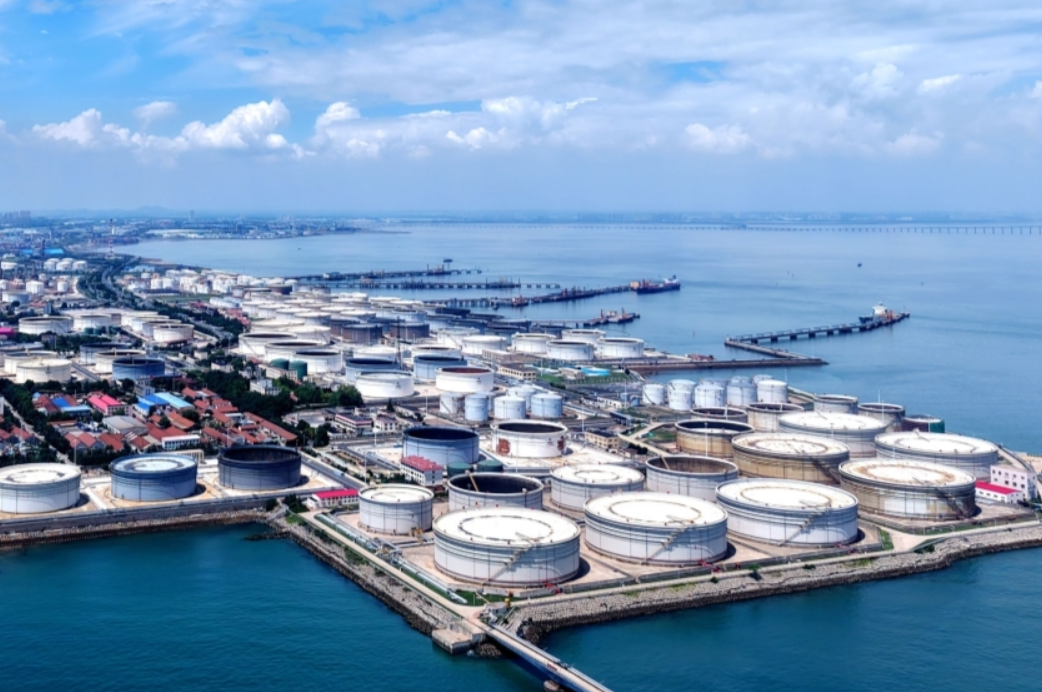
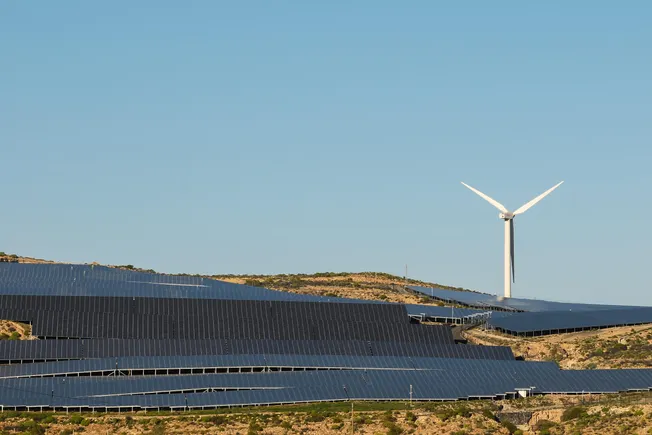
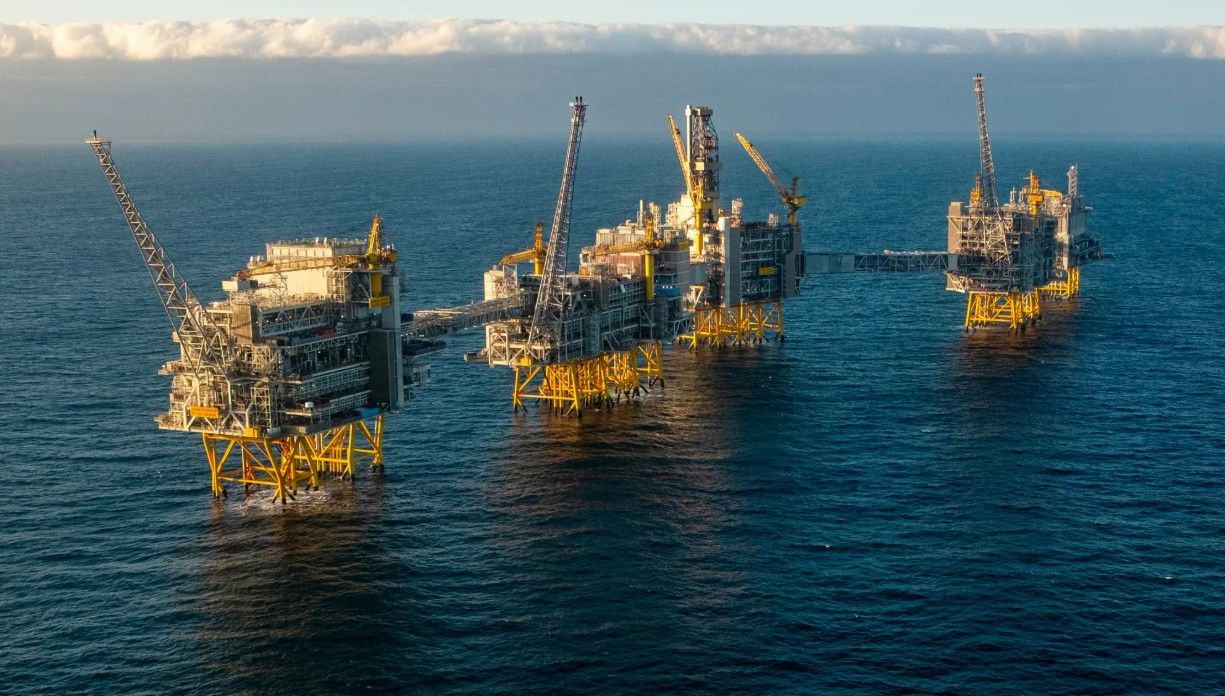
He said the sharp deterioration reflected Thailand’s heavy dependence on imported energy and underscored the need to accelerate the country’s transition away from fossil fuels towards cleaner energy sources.
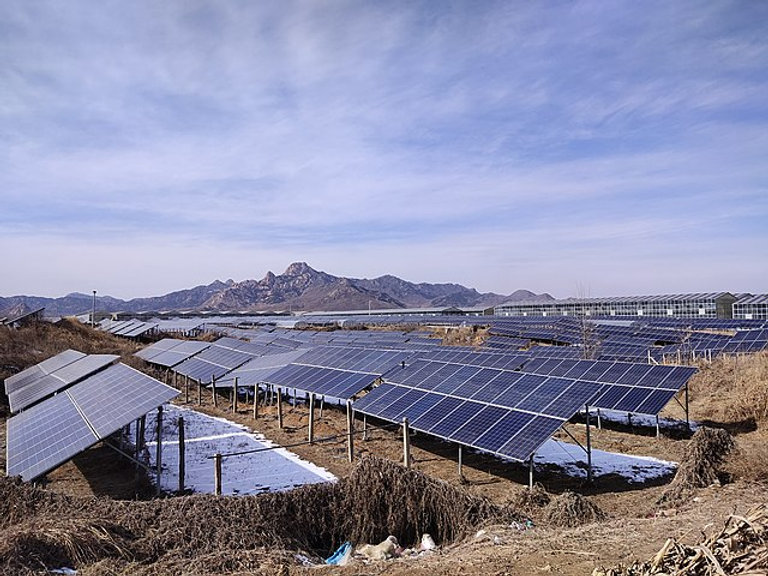
Ekniti said the government’s 200-billion-baht energy transition programme—including investments in rooftop solar systems, electricity grids, energy storage and electric vehicles—should be viewed as investment in future infrastructure rather than borrowing for temporary expenditure.
Despite the weaker overall GDP growth, he pointed to private investment as a major bright spot. Private investment expanded by 13.4% in the second quarter, its strongest growth in 11 years, following 10.1% growth in the first quarter.
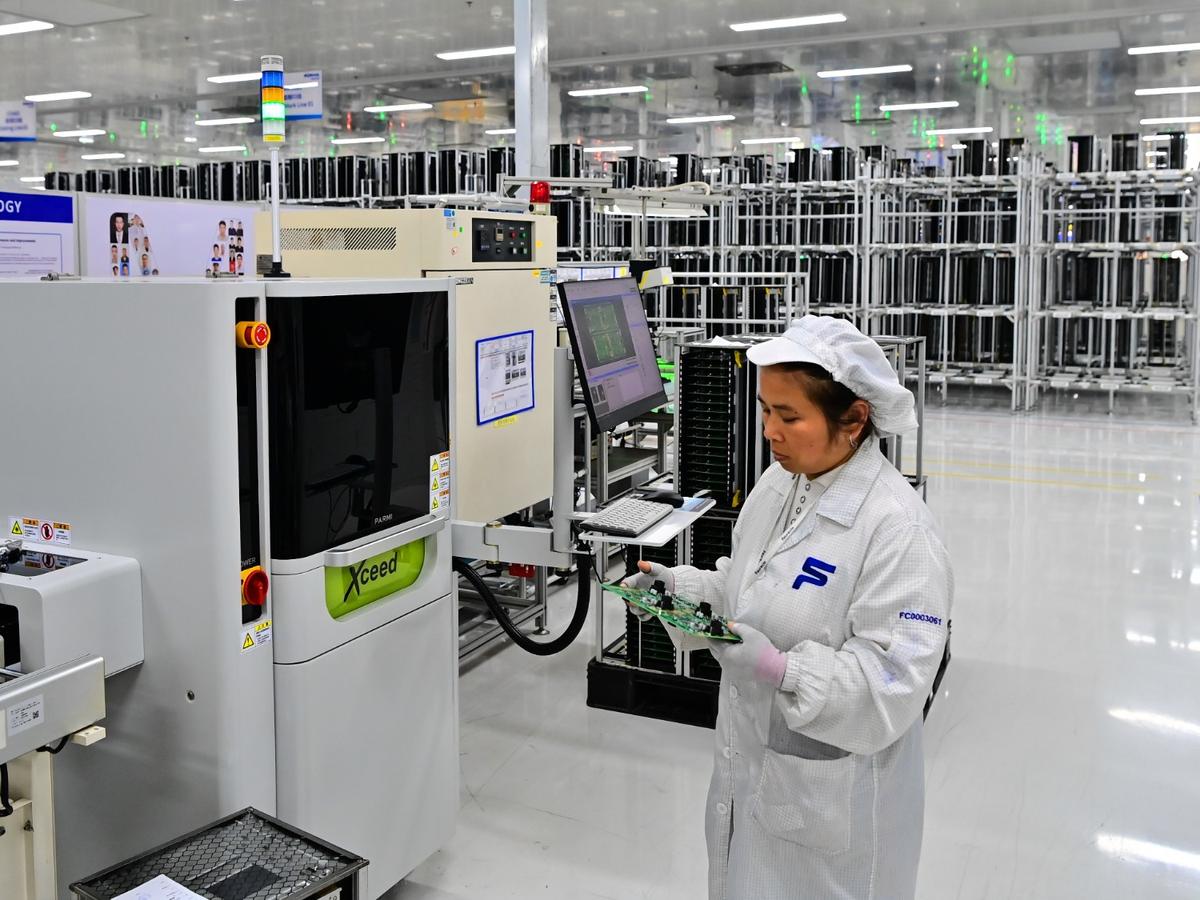
He attributed part of the strong performance to the Board of Investment’s (BOI) Thailand Fast Pass programme, which helped accelerate investment, with actual investment reaching 255 billion baht during the second quarter.
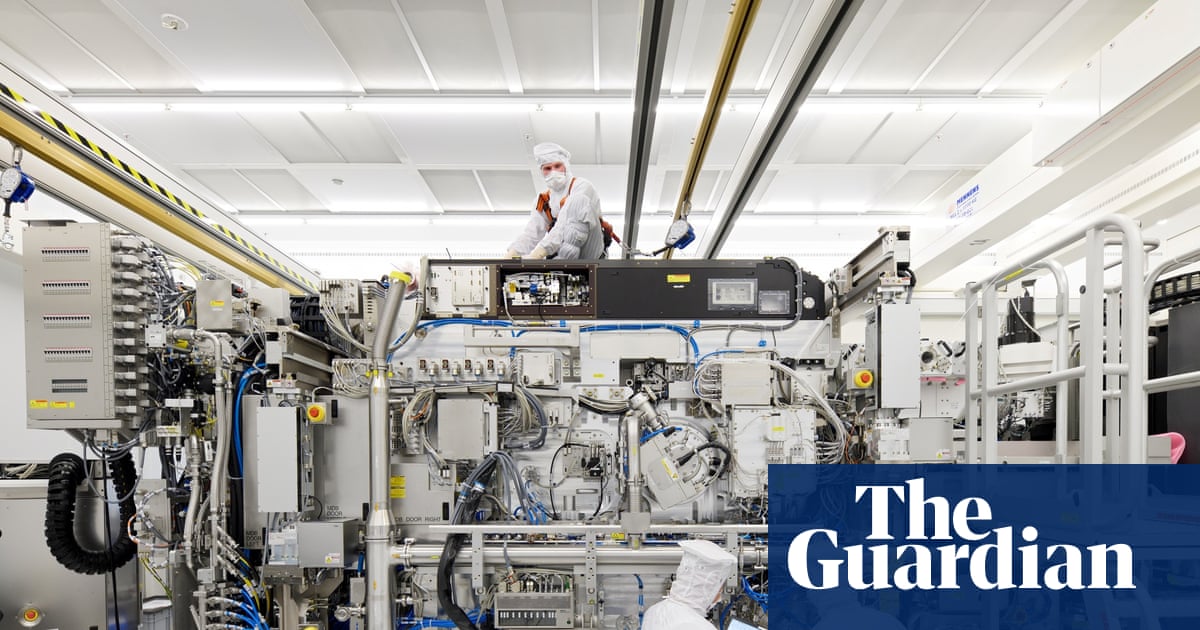
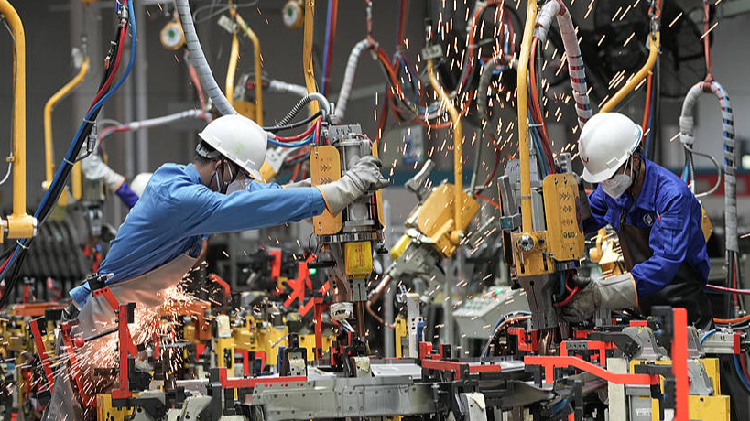
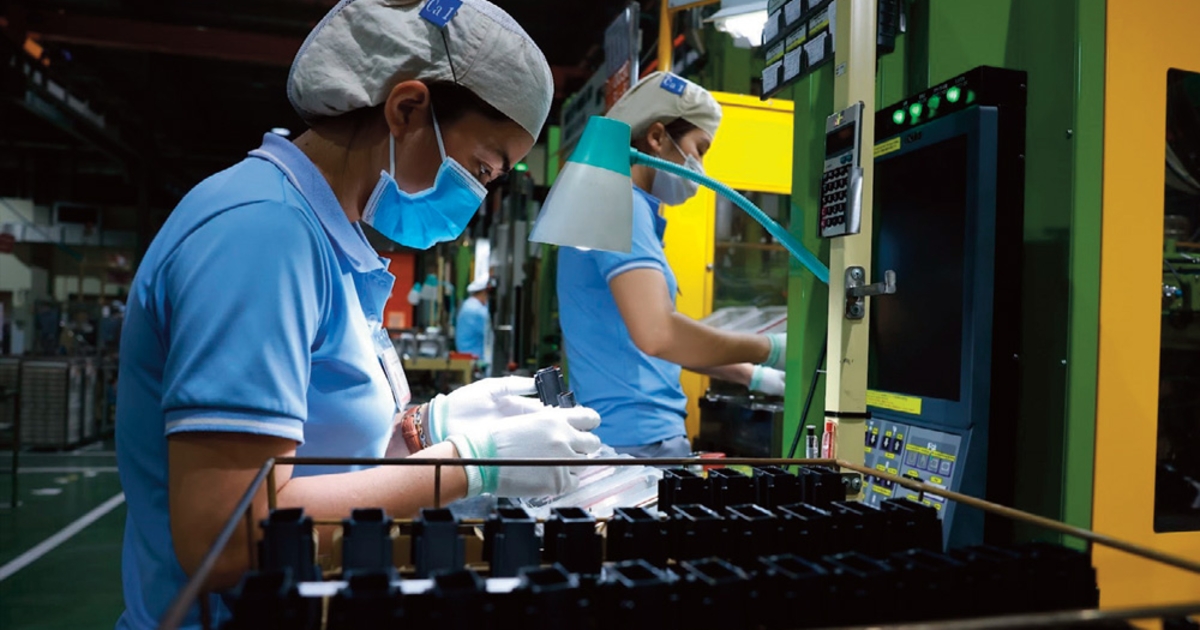
Most of the investment was concentrated in emerging S-Curve industries, including electronics, artificial intelligence, clean energy and agricultural processing.
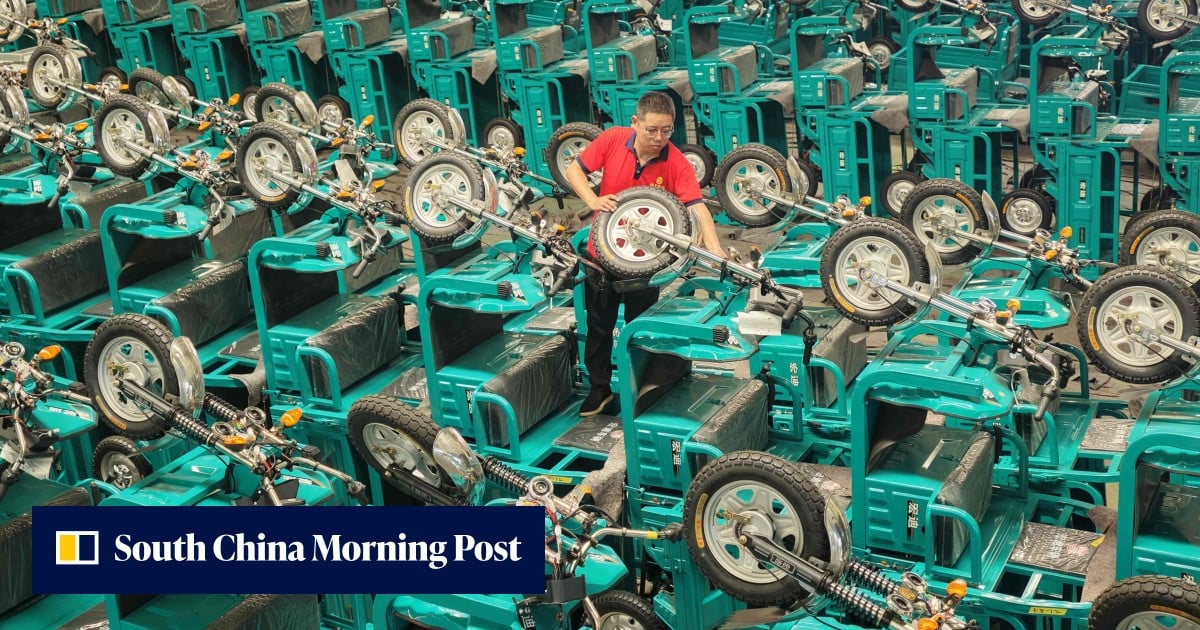
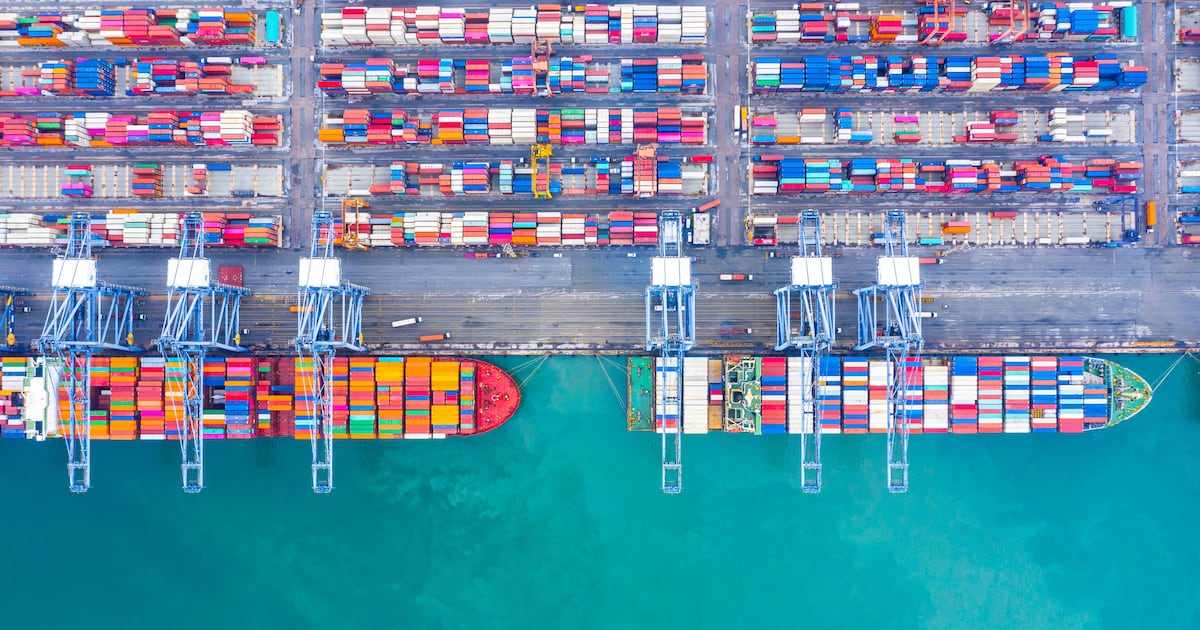
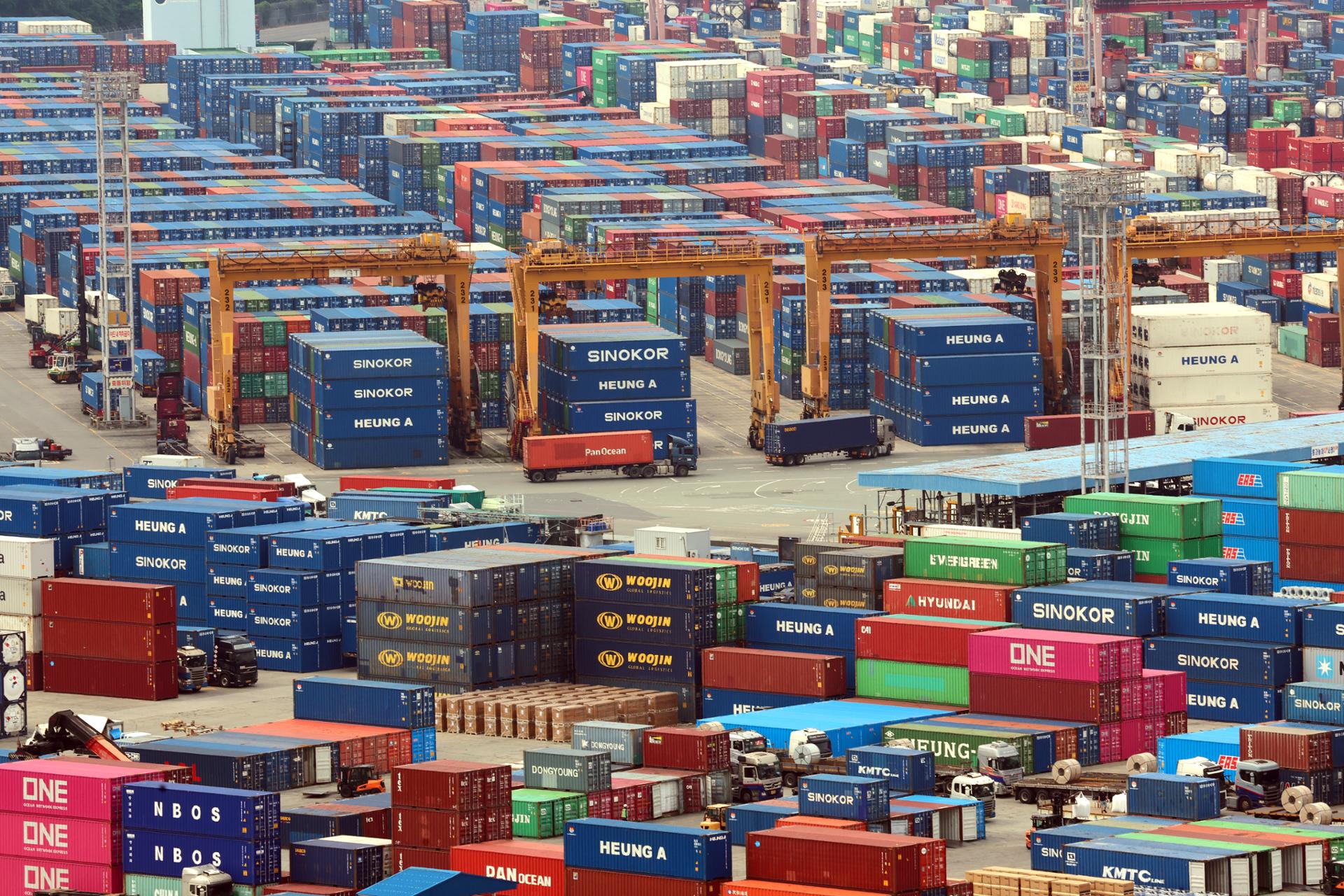
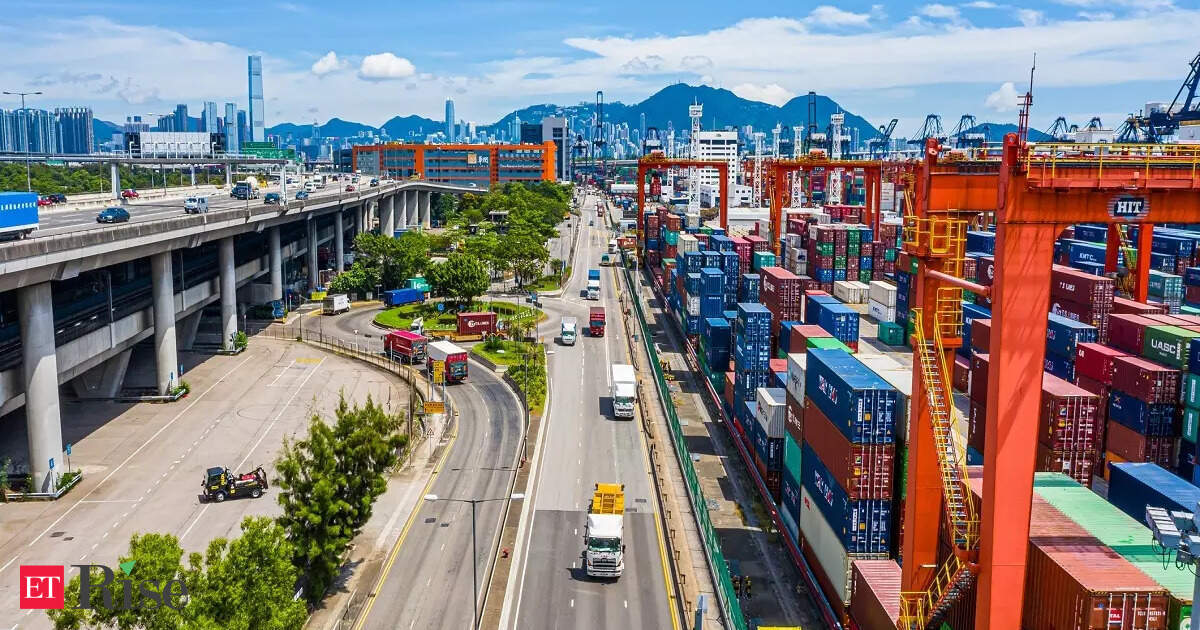
Exports of goods and services also remained strong, expanding by 12.5% in the second quarter, slightly faster than the 12.1% growth recorded in the first quarter. Electronics continued to be one of the key drivers of export growth.
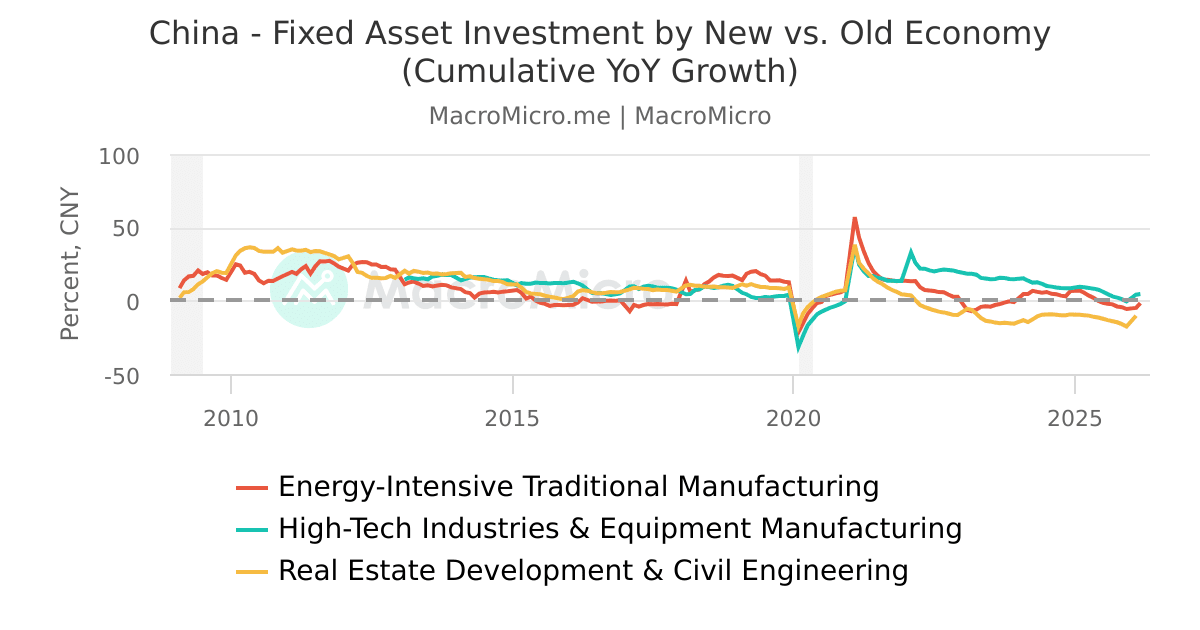
Ekniti said the figures suggested that Thailand was increasingly becoming integrated into the global “New Economy,” particularly through its participation in emerging industries and global supply chains.
He said the key challenge was no longer simply whether Thailand could participate in these new industries, but whether the country could seize the opportunity to establish itself as a global supply-chain hub and translate the momentum from these industries into broader growth among domestic businesses.
Although the second-quarter GDP figures were not entirely satisfactory, Mr. Ekniti said they nevertheless indicated that the government’s economic forecasts and support measures were broadly moving in the right direction.
He concluded that the Thai economy is currently “navigating through a transition,” with the government’s task being to manage short-term economic pressures while laying the foundations for Thailand to achieve stronger and more sustainable potential growth in the future.
The Better News English