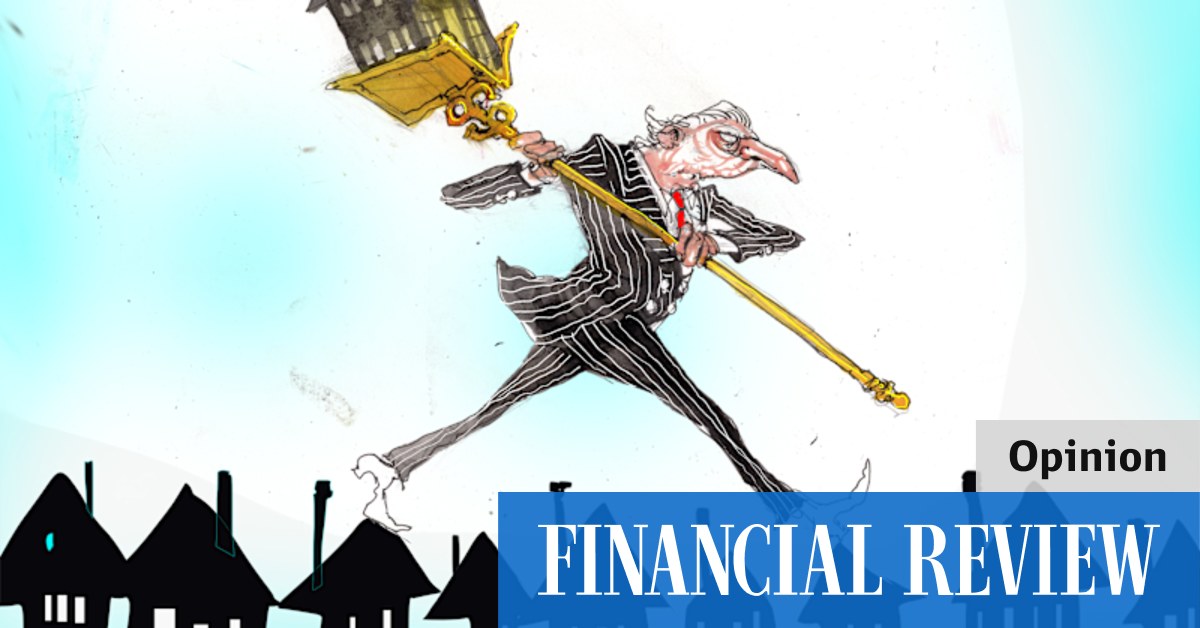
Britain is building a command economy without the inconvenience of nationalising anything

Since becoming Prime Minister, Andy Burnham has made a distinction between “public control” and “public ownership”. So long as he has control, it seems, he can do without the ownership. Abandoning forty years of neoliberalism will apparently not require the renationalisation of Rolls-Royce and British Airways. Burnham seems to believe that privatised utilities such as water and gas can be made more efficient by being more tightly controlled by the state, although, as Chris Bayliss has pointed out, these industries are subject to so many “levies, caps, cross-subsidies and mandates” that it is difficult to see how much more control the government could have.
Burnham’s focus is on the utility companies, but his Chancellor John Healey has made similar noises about “public control” which suggest a wider remit. In a speech last week, in which the phrase appeared six times, he said: “Some might claim that public control is public ownership – but it’s broader than that.” Healey said that he wants “public control through an effective and strategic state at all levels, with oversight of the essentials for business success.”
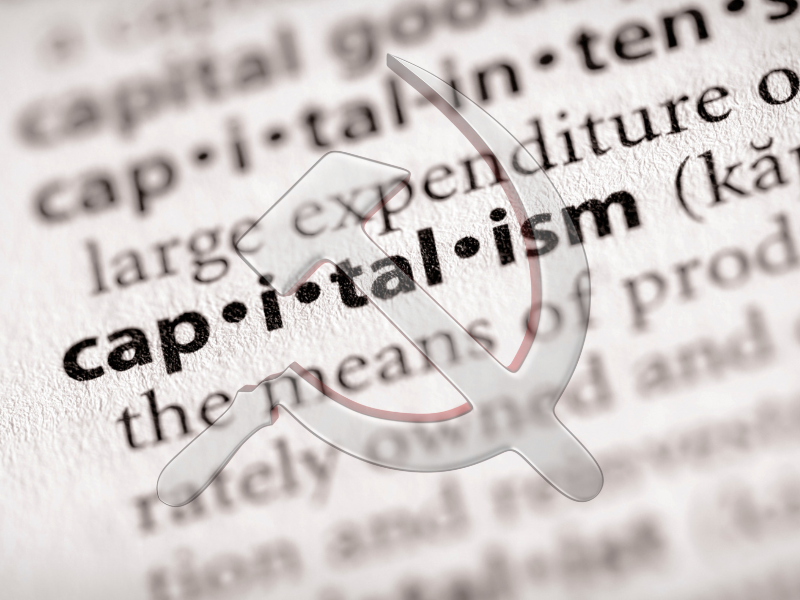
Hearing all this talk about “public control”, “oversight” and the “strategic state”, I could not help being reminded of an article I wrote for The Critic earlier this year about what I call the capitalist command economy. Under this system, politicians allow businesses to remain in private hands but give them so many instructions, targets, regulations and price controls that they are effectively agents of the state. They are allowed to continue making profits so long as they advance the political goals of the government, such as reducing greenhouse gas emissions, tackling obesity, increasing diversity and pursuing “equality”. I wrote…
Join Britain’s most civilised publication.

Challenge the consensus. Access rigorous analysis.
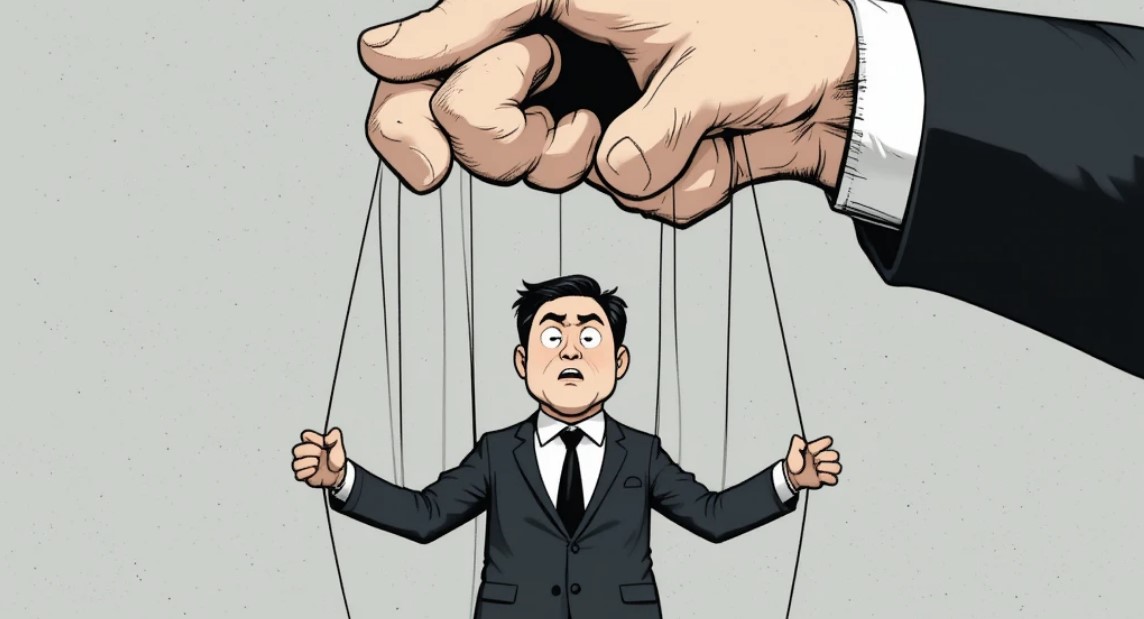
Why put up with all the hassle and blame that comes with running an industry when you can instead keep it in private hands and order it about? The capitalist command economy gives politicians power without responsibility. They get all the benefits of having control without the downside of having to produce anything.
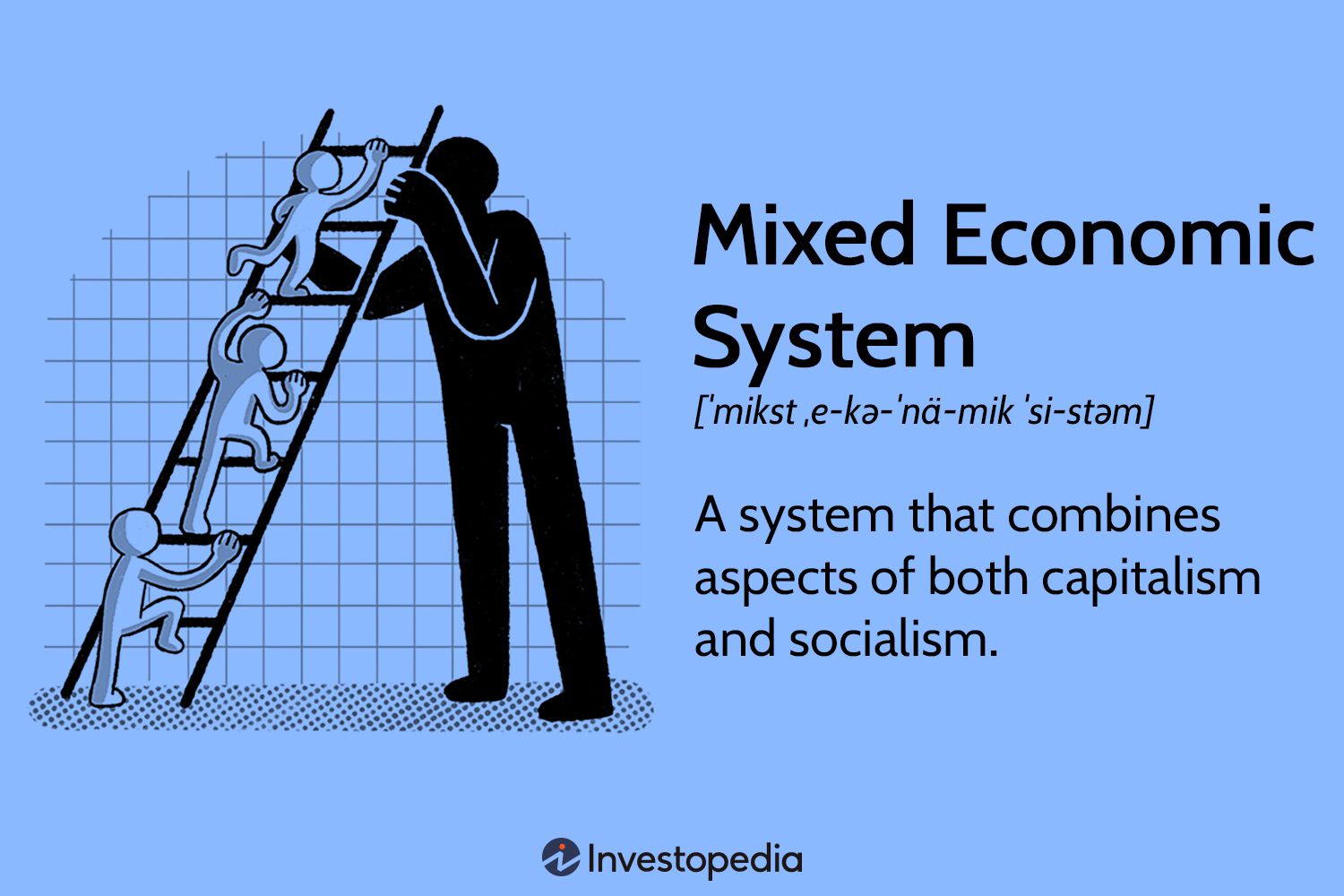
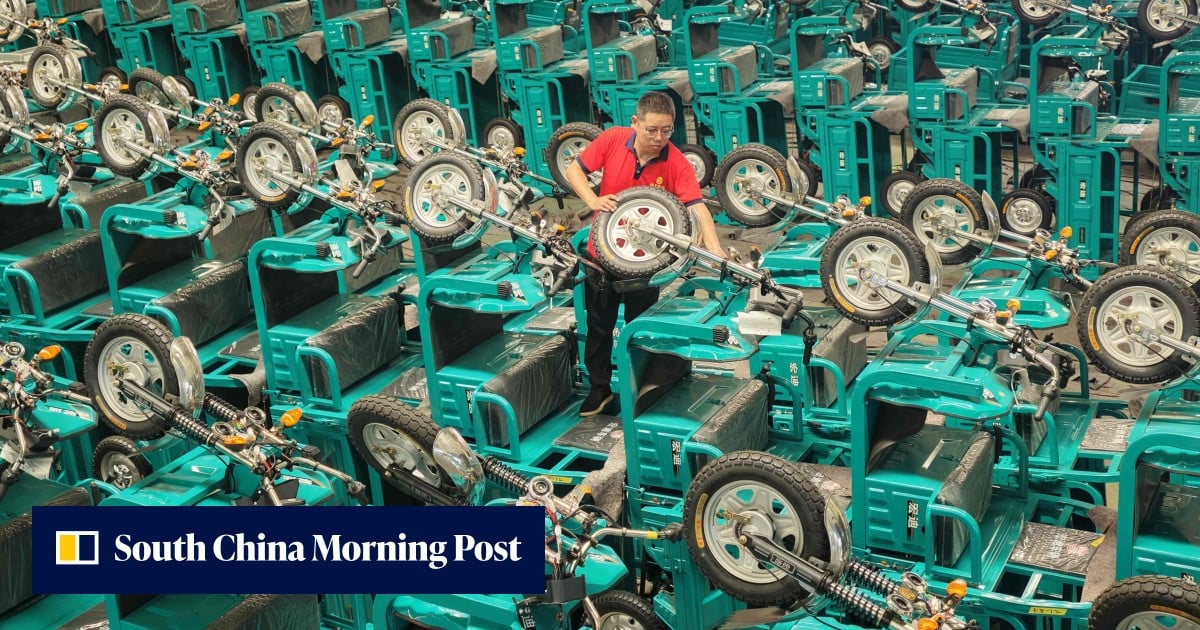
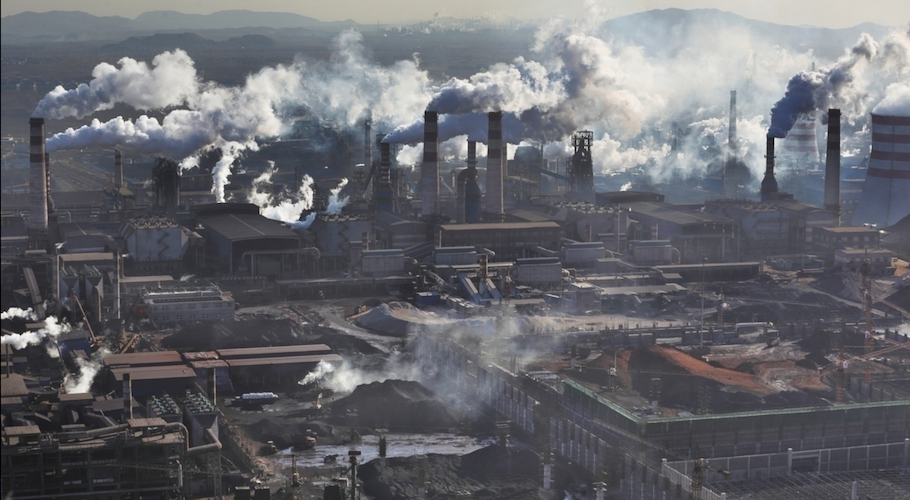
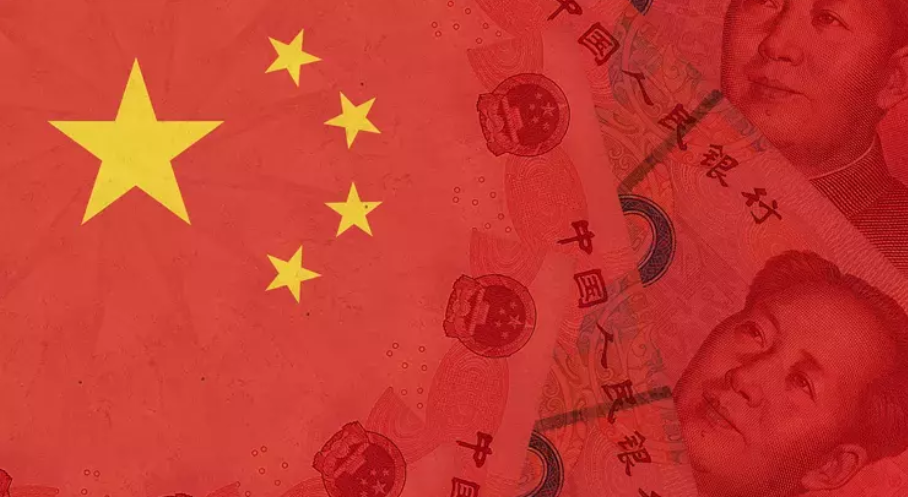
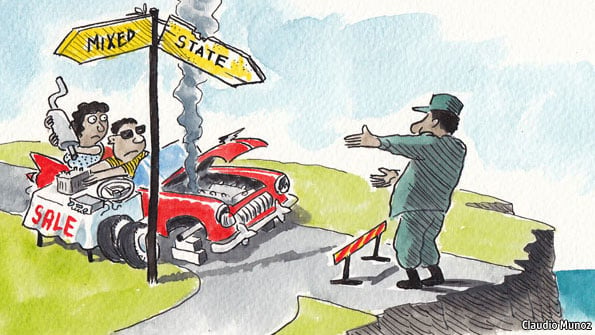
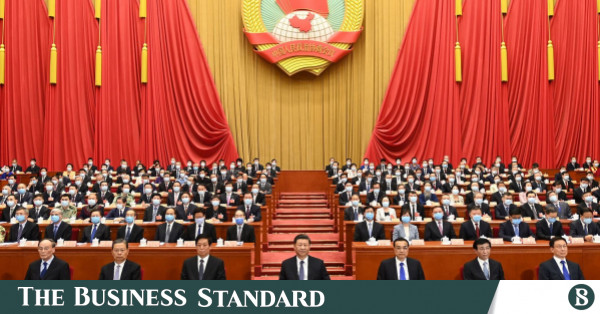
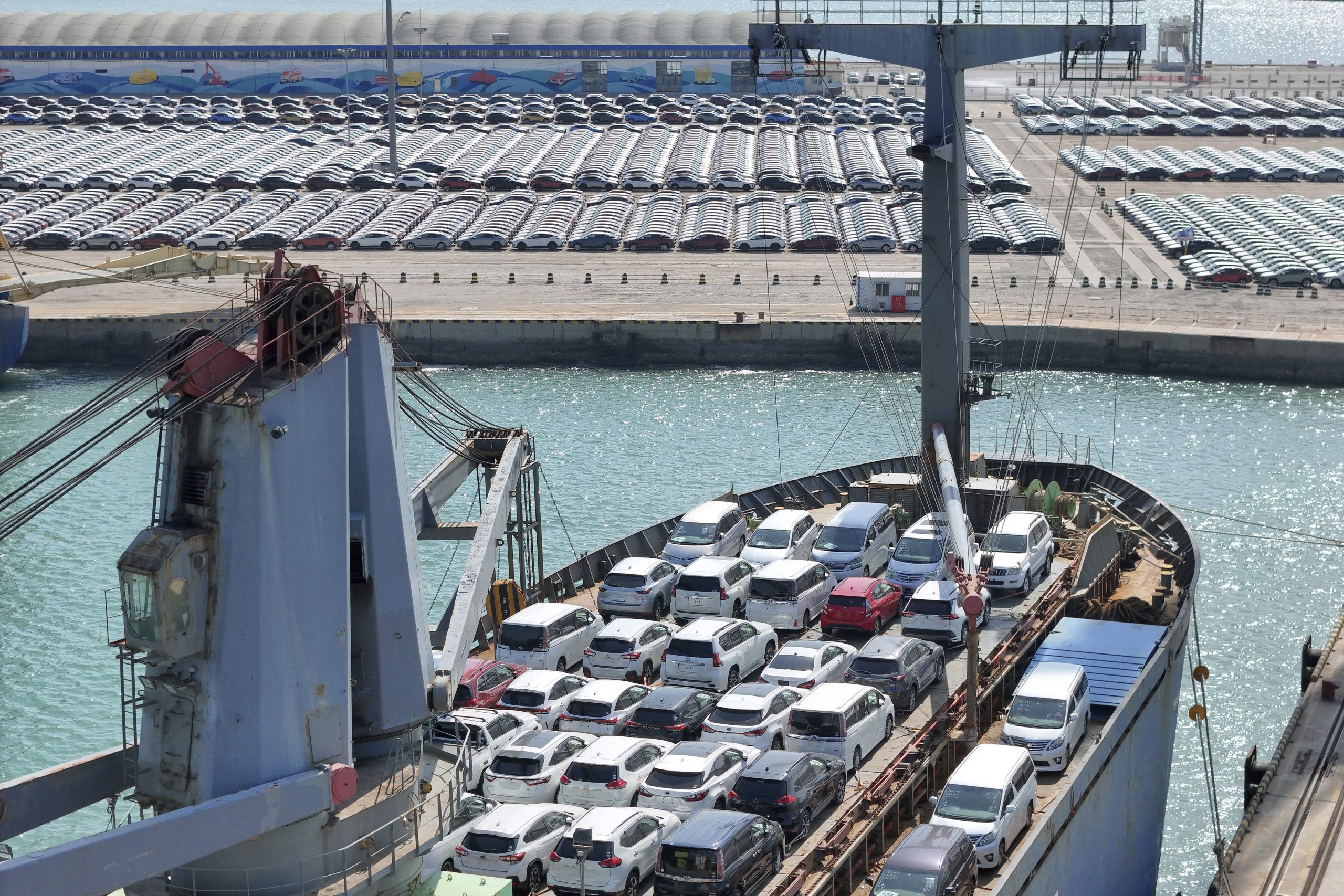
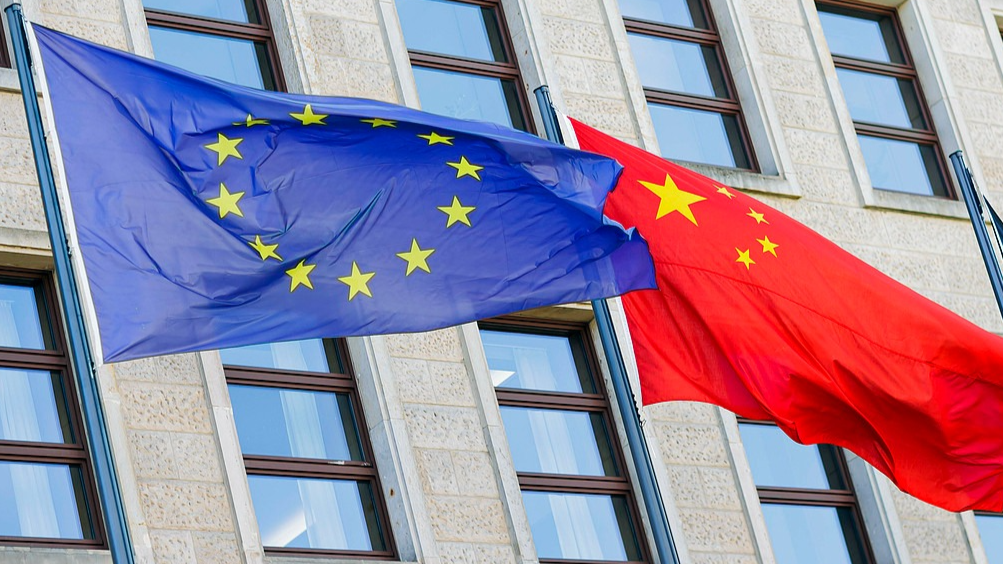
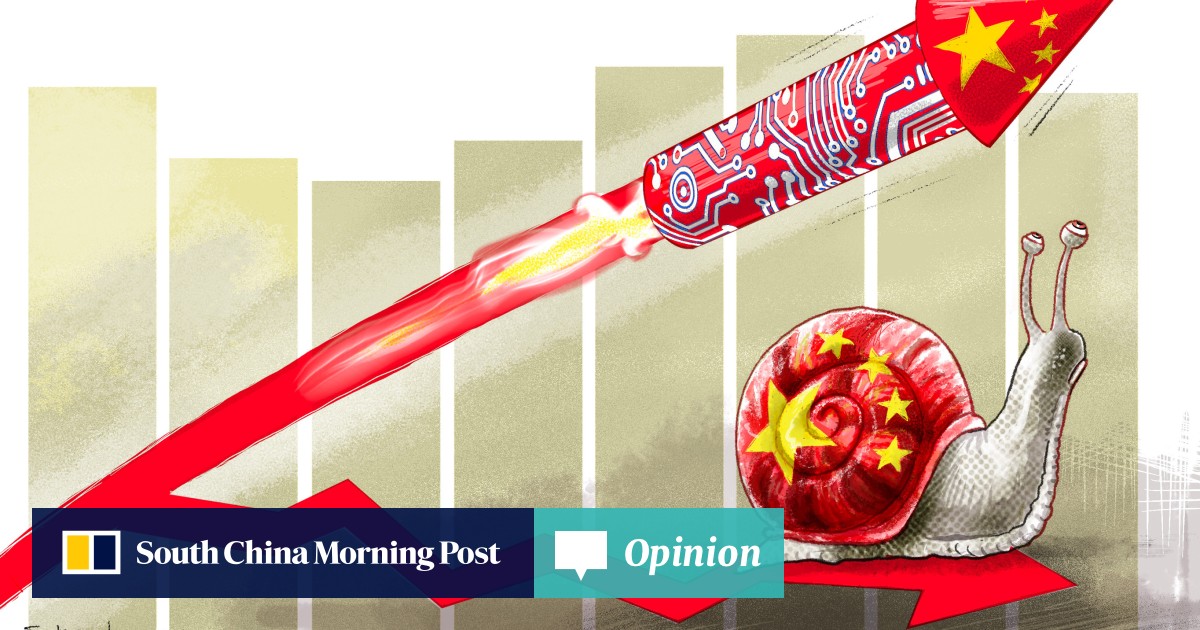
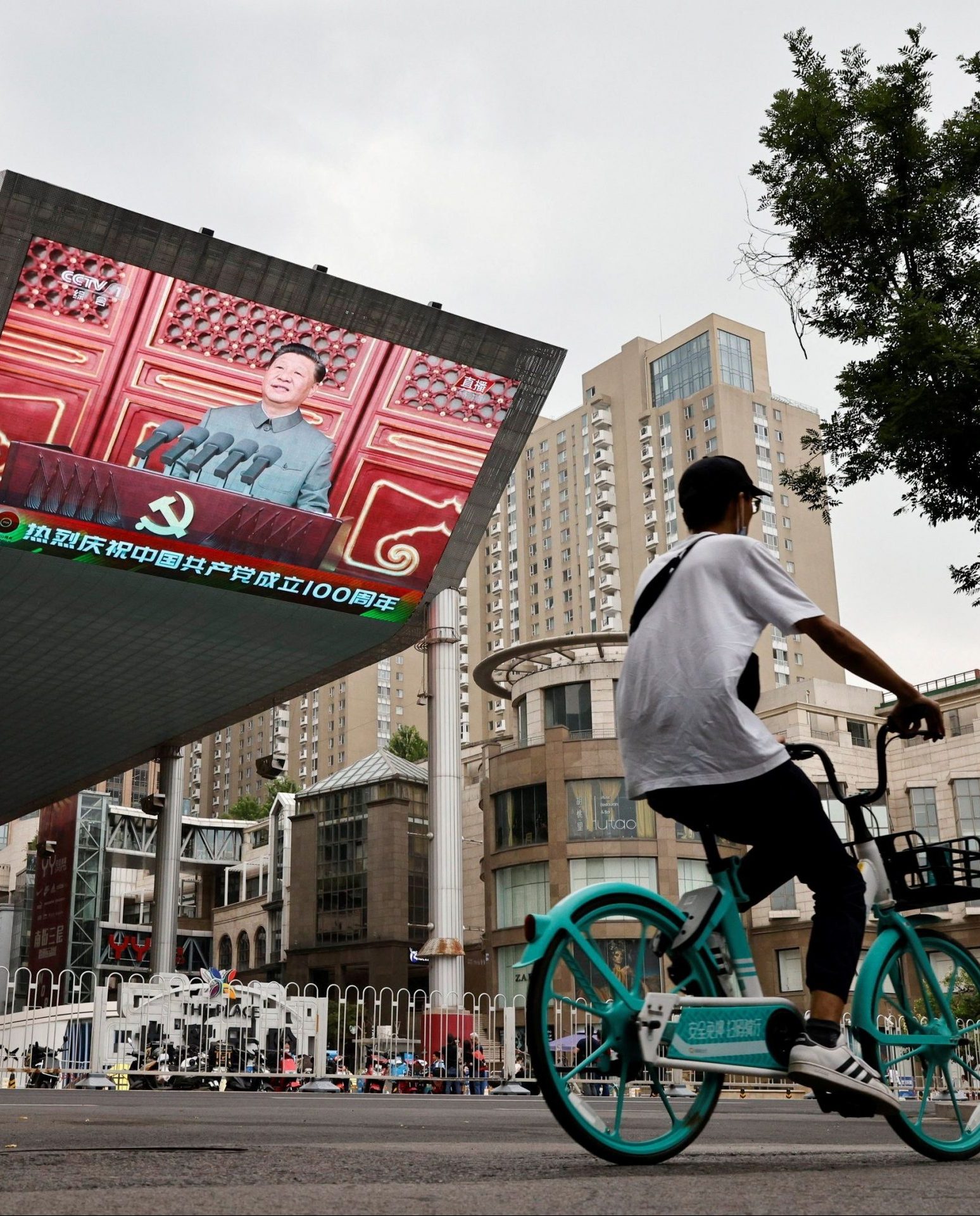
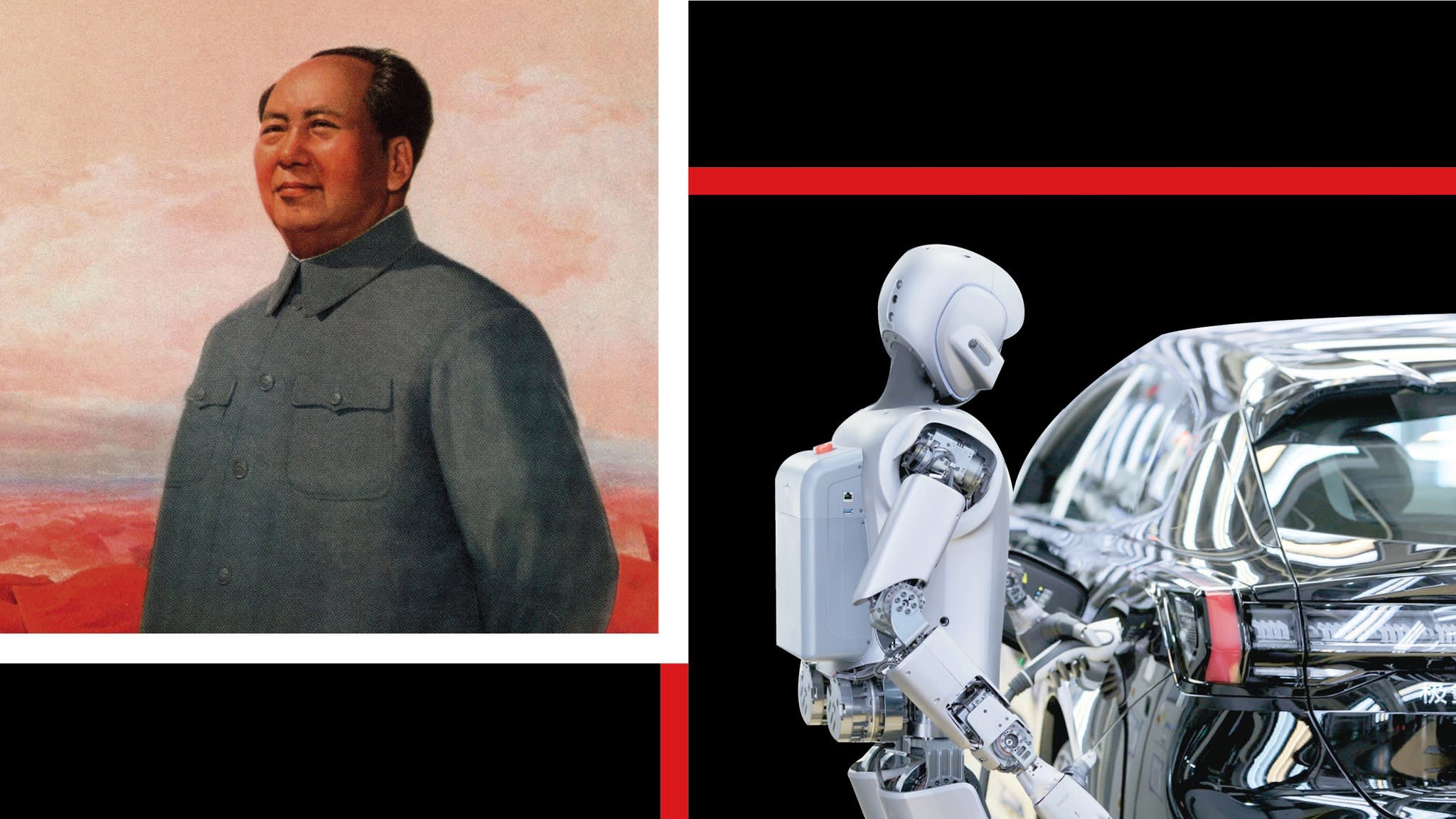
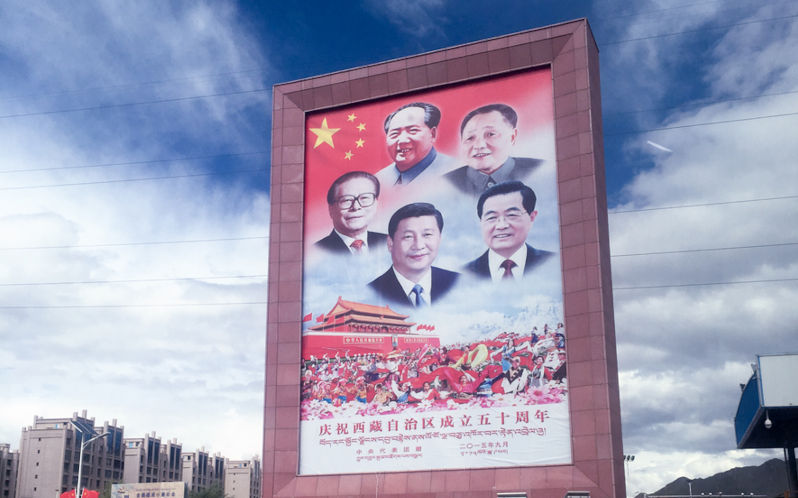
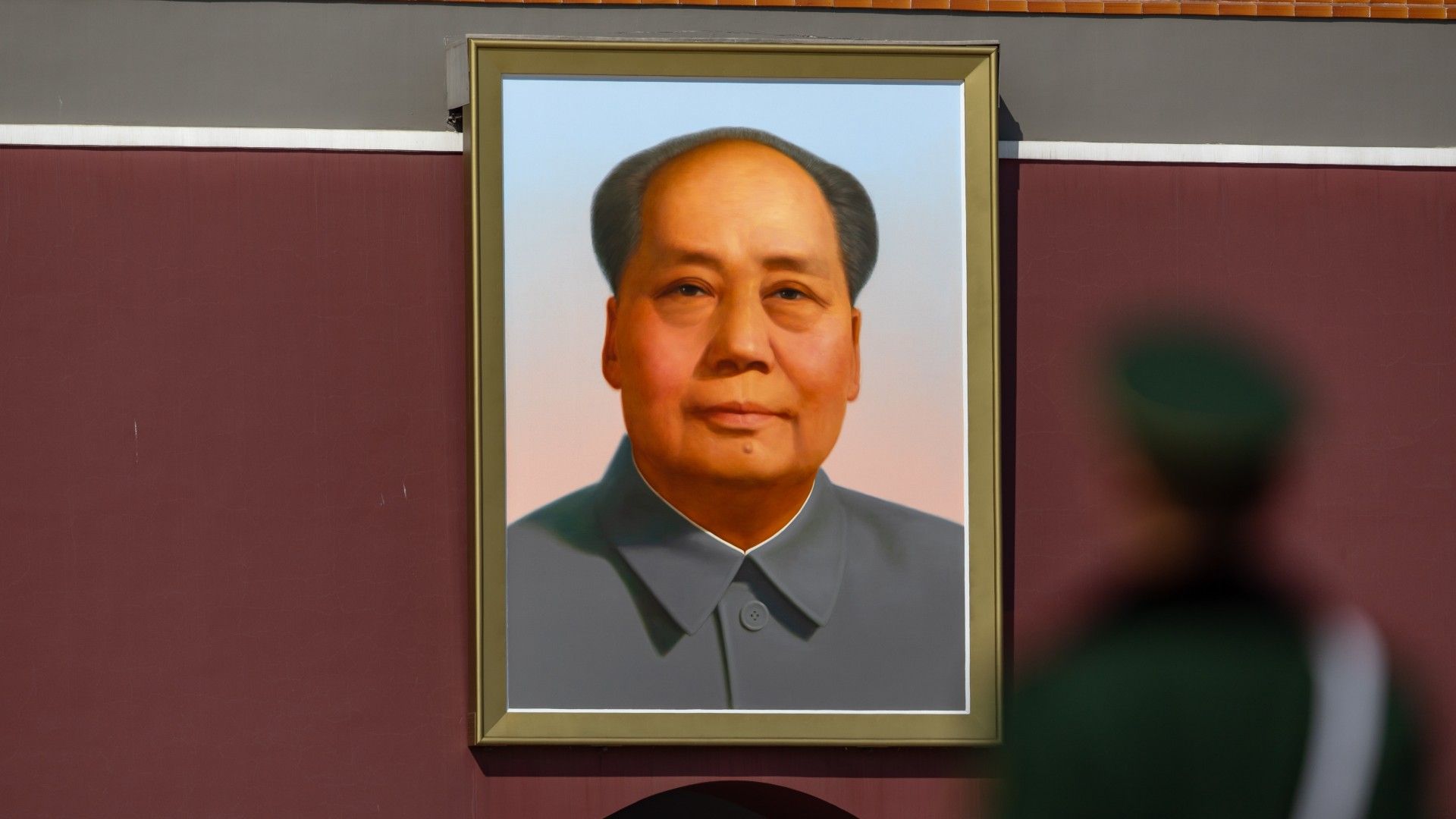
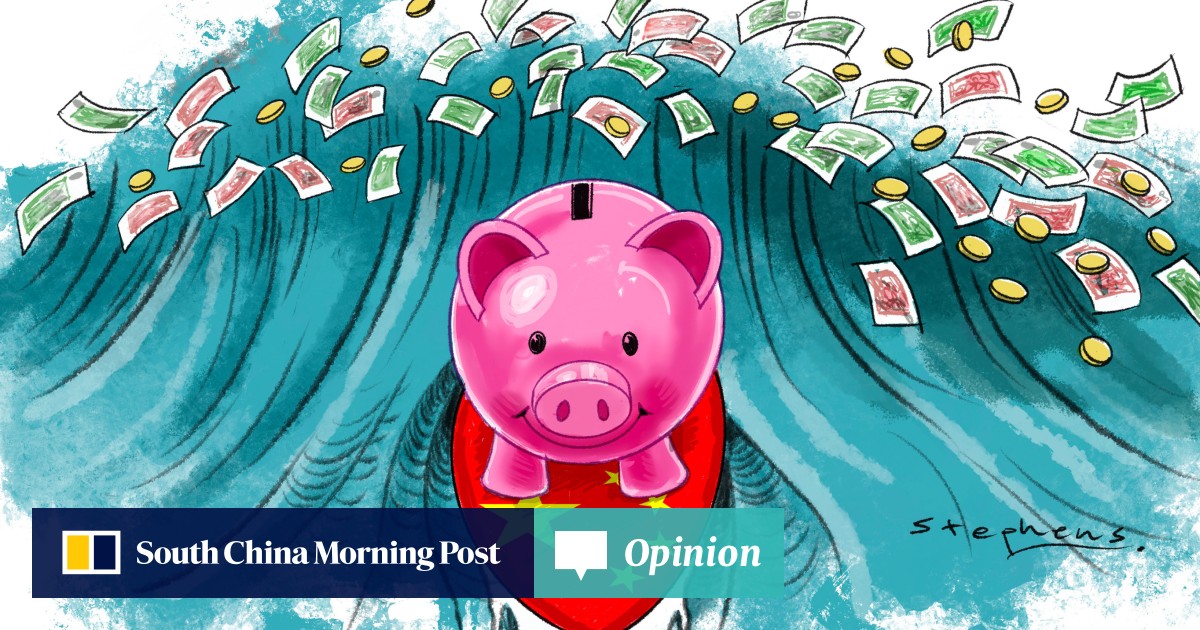
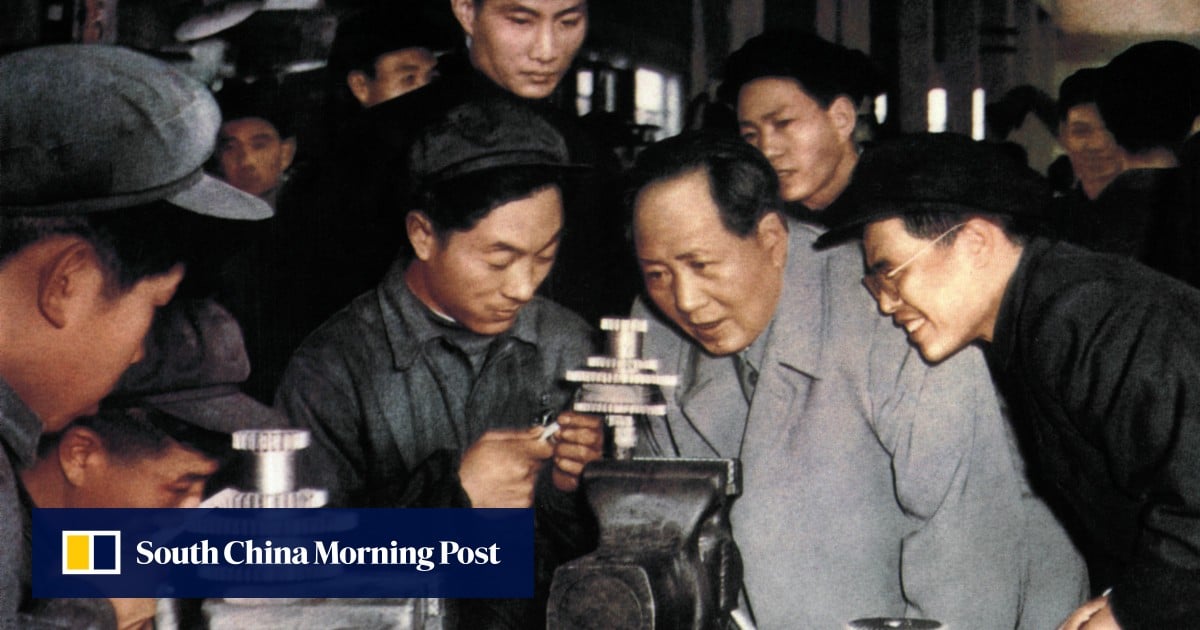
In a paper published by the Institute of Economic Affairs this week, I look at further examples of the capitalist command economy in action and argue that it is a new phenomenon in this country. Britain created a command economy for many industries in the 1940s, but those industries were fully nationalised and the objective was to make them produce more, not less. I cannot think of a precedent for the government fining companies for selling too much of a product (as it is currently doing with gas boilers and petrol cars). What we are seeing now is not socialism or communism. It is not state capitalism, as practised in China where the government transitioned from Maoism by retaining ownership of the major industries while allowing them to use market mechanisms to compete at home and abroad. That is almost the opposite of what we have in Britain, where companies remain mostly in private hands while levers of competition, such as advertising and pricing, are treated with growing contempt and are increasingly regulated.
Is it crony capitalism? Again, no. Although it involves collaboration between the private and public sectors, the system I describe rarely profits businesses and often makes them less efficient. Ostensibly voluntary agreements are backed up with threats, and the state does not hesitate to punish firms if they step out of line. The impetus for the grand schemes comes from politicians and third sector “stakeholders”, not business leaders, and while consumers pay the price, this does not necessarily deliver excess profits for the capitalist.
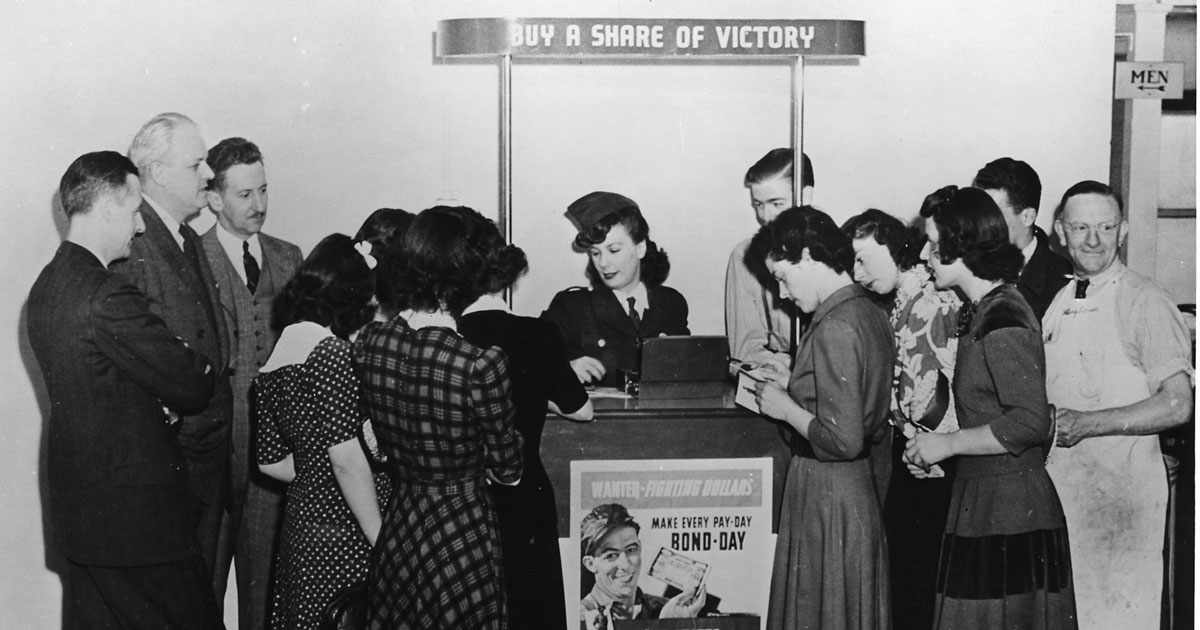
When my article was published, many readers said that what I was talking about already has a name: fascism. A system in which the state subordinates economic activity to its political goals while keeping private industry under tight control undoubtedly appealed to a certain Austrian watercolour artist in the 1930s (public knowledge of Mussolini’s brand of fascism is not high enough for them to have been talking about anyone else). Hitler disdained both capitalism and communism, and while the Nazi regime’s intense control over economic life made its economy much closer to the latter than the former in practice, the Nazis had no recognisable economic ideology. They did not share the Bolsheviks’ belief that state-owned industries were inherently more efficient, but nor did they strongly believe the opposite. From the moment he took power, Hitler was preparing for war and he did not care whether his production targets were met by the private or public sector. In that sense, there was not a huge difference between the Nazi economy and the wartime economies that the Allies were forced to build in response.
Comparisons with the Nazis are rarely helpful and are nearly always overblown. The political goals of the Third Reich could hardly be more different from the political goals of recent British governments. Its price controls were far more extensive and its intimidation of private enterprise more explicit. Nevertheless, there is a whiff of authoritarian corporatism about the British government’s relationship with business these days and we should be uncomfortable with the degree of coercion — or “public control” — being used by the state to deal with a series of perceived emergencies (the cost of living “crisis”, the climate “crisis”, the obesity “epidemic”, etc.).
Wartime economies are not designed to create general prosperity. They are not intended to make ordinary people richer, and they don’t. They are designed for one purpose only: to produce in great quantities whatever is needed to win a war. Britain is not fighting a war, nor is its economy devoted to a single purpose, but it is increasingly being directed towards a range of non-economic goals set by politicians, none of which make businesses more productive and most of which make them less efficient. If there are historical precedents, it is because politicians have always wanted control.