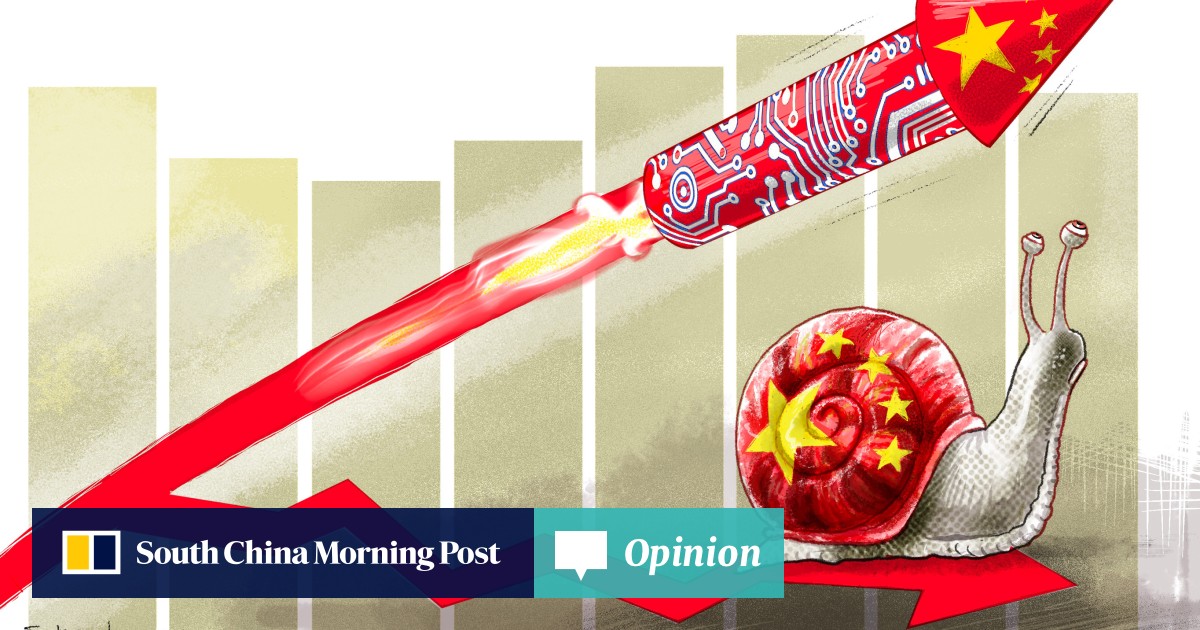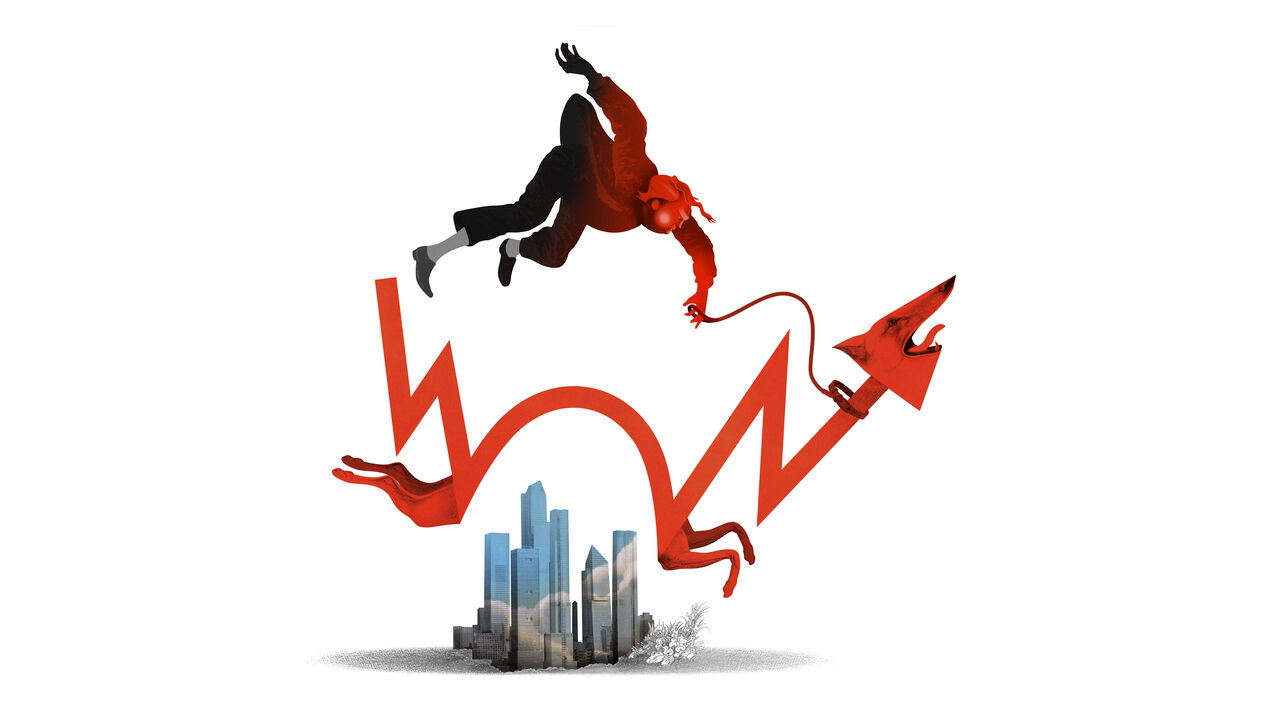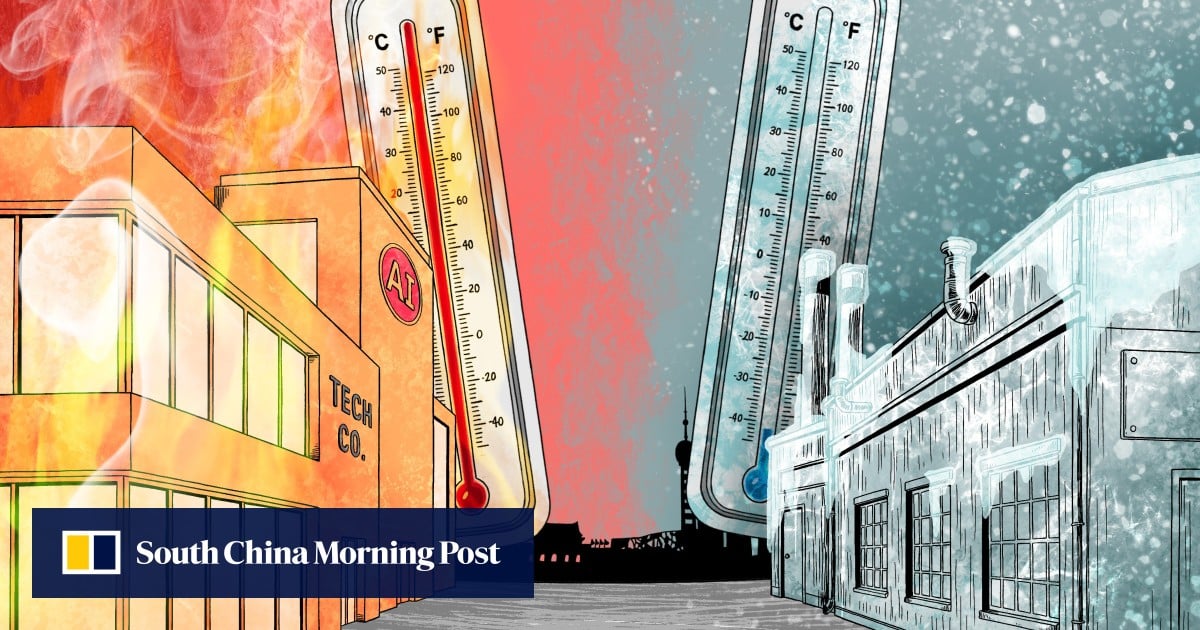
Taiwan, propelled by the artificial intelligence (AI) wave, could see its economic growth rate surpass 10% this year, but the polarized industrial recovery—dubbed a “K-shaped economy”—has drawn significant external attention. In a written report to be presented to the Legislative Yuan, Taiwan’s Central Bank offered its first in-depth analysis of this structural issue, pointing out that Taiwan’s traditional manufacturing sector is facing a dual assault from low-price dumping by China and US tariff policies. However, compared to competitors like Japan and South Korea, the resilience and upgrading performance of Taiwan’s traditional industries remain relatively impressive.
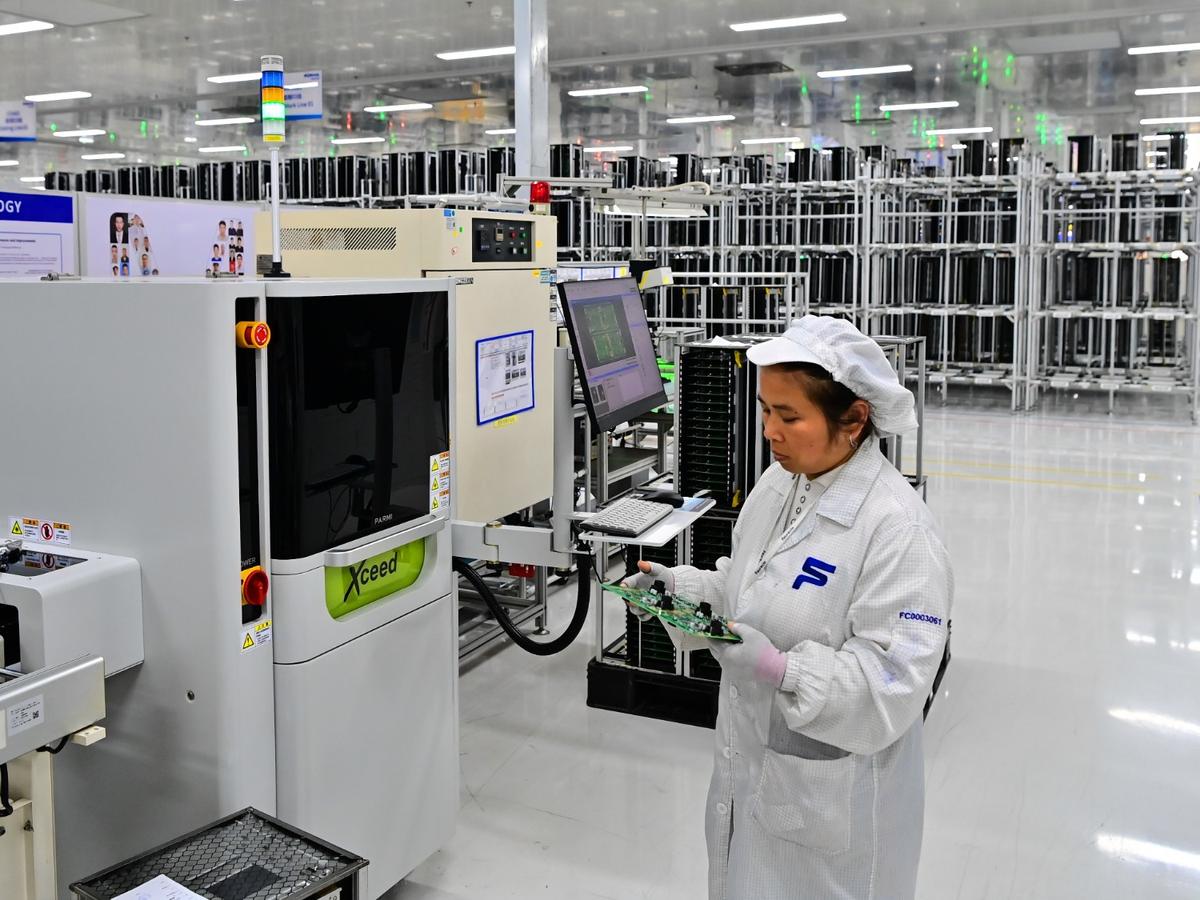
The Legislative Yuan’s Finance Committee is scheduled to hold a public hearing on the 30th titled “Facing the K-shaped Economy: How Should the Executive Branch Guide the Equitable Distribution of Economic Gains to All Workers and Sustain the Development Momentum of Non-Semiconductor Industries?” In its advance report, the Central Bank explicitly noted that the restructuring of global supply chains after 2018 and the demand for emerging technologies like AI have driven global reliance on Taiwan’s high-tech products, with the electronics and ICT manufacturing sector standing out. However, traditional industries have been mired in a tough battle due to drastic changes in the international environment.
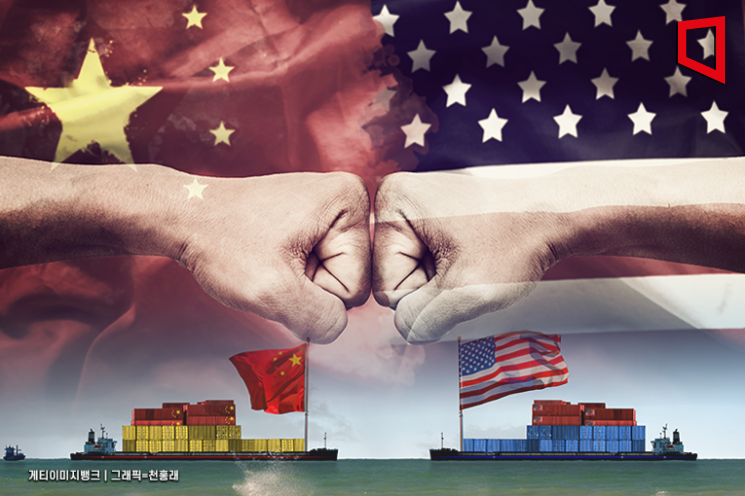
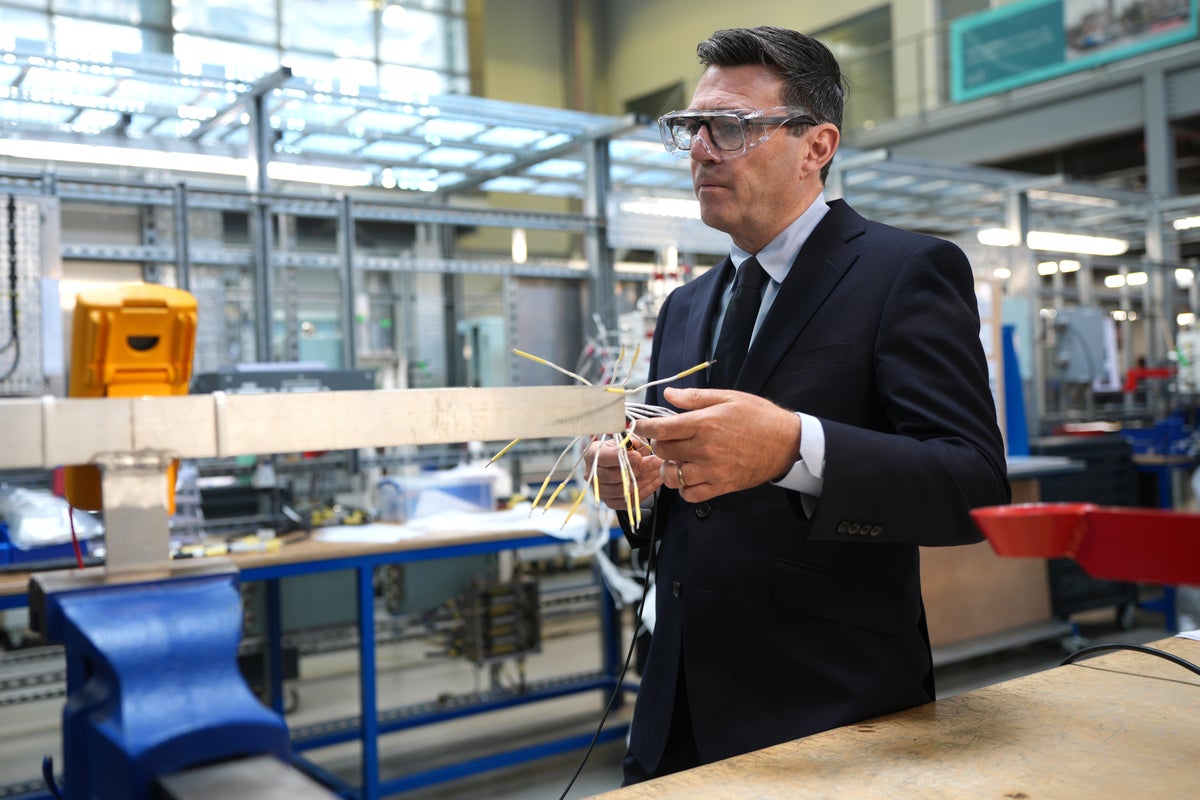
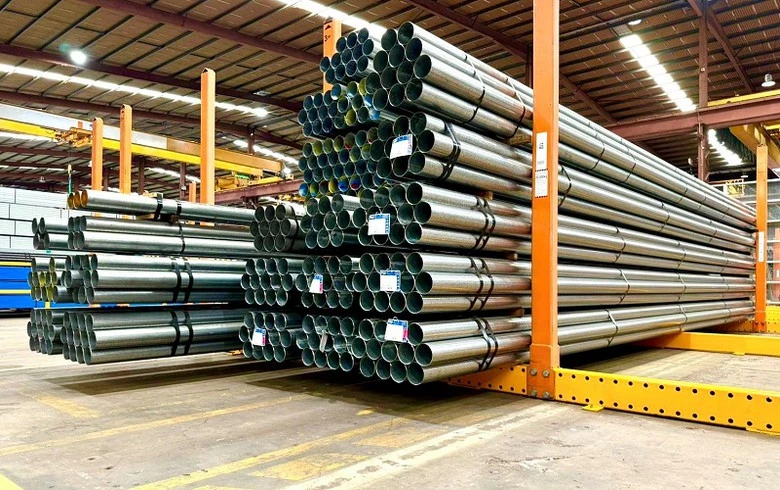
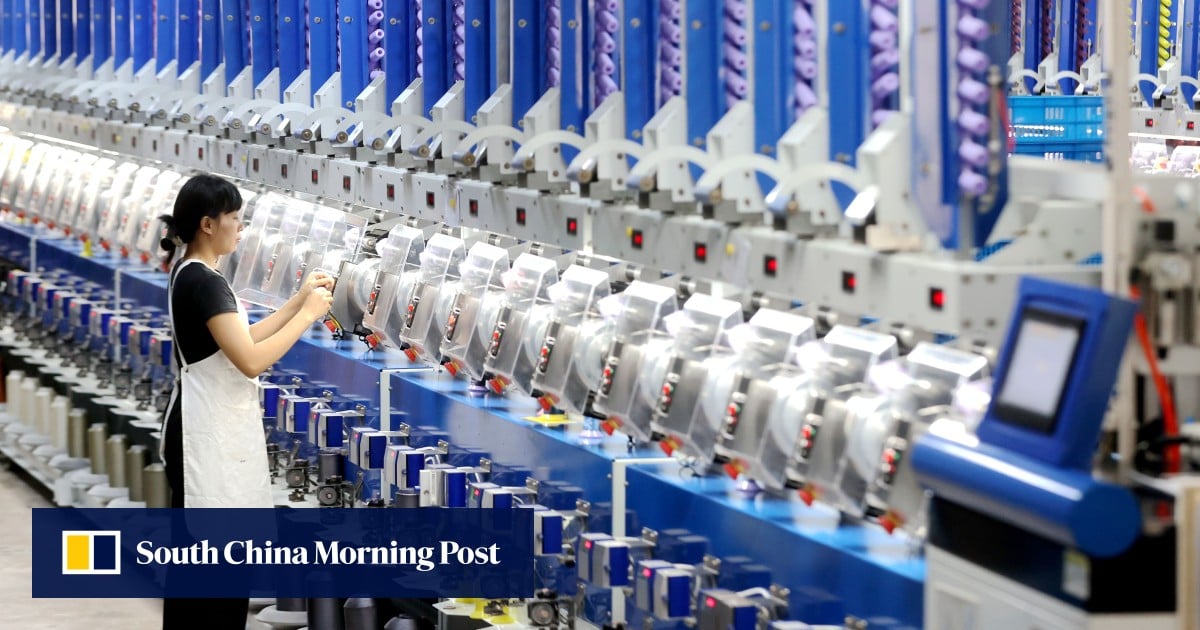
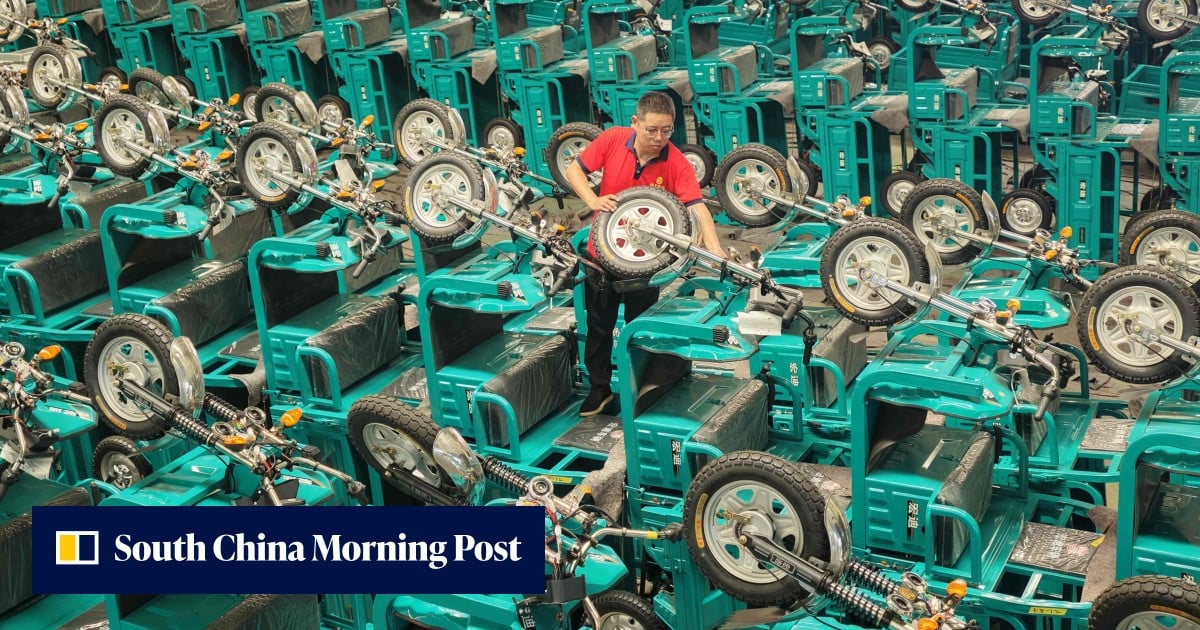
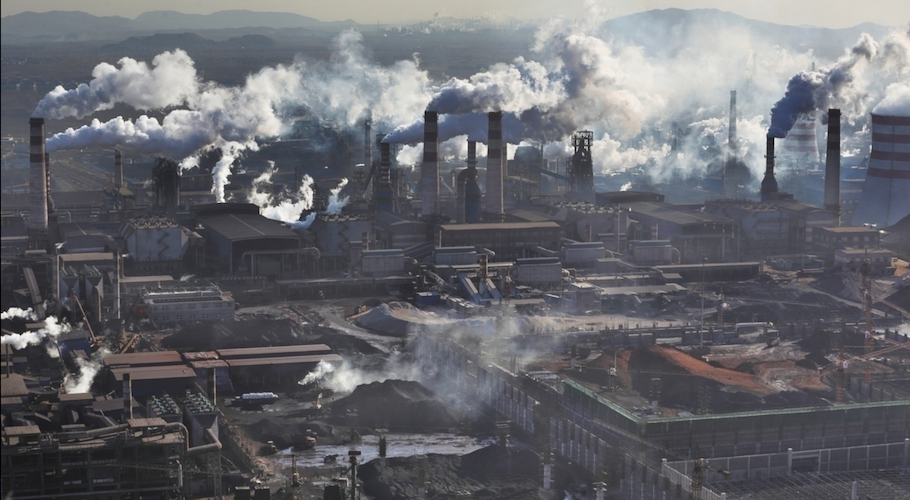
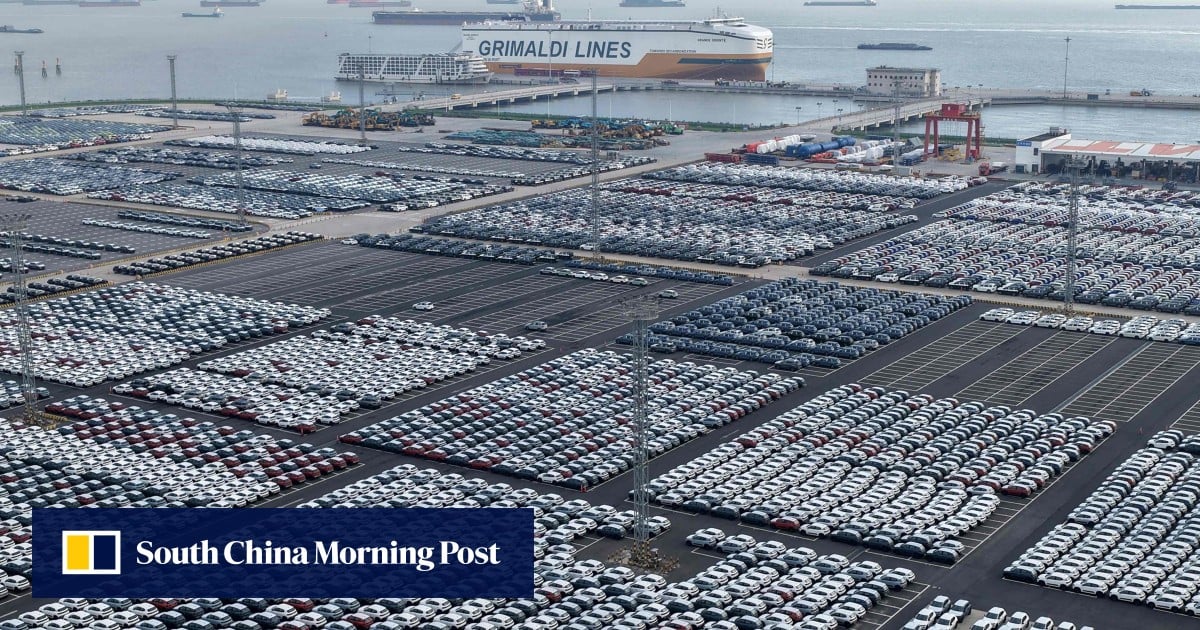
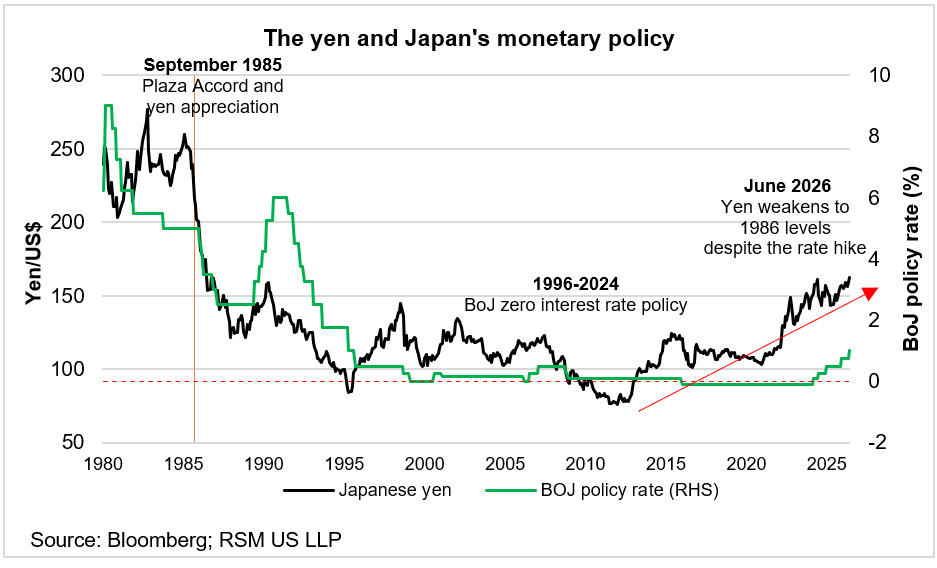
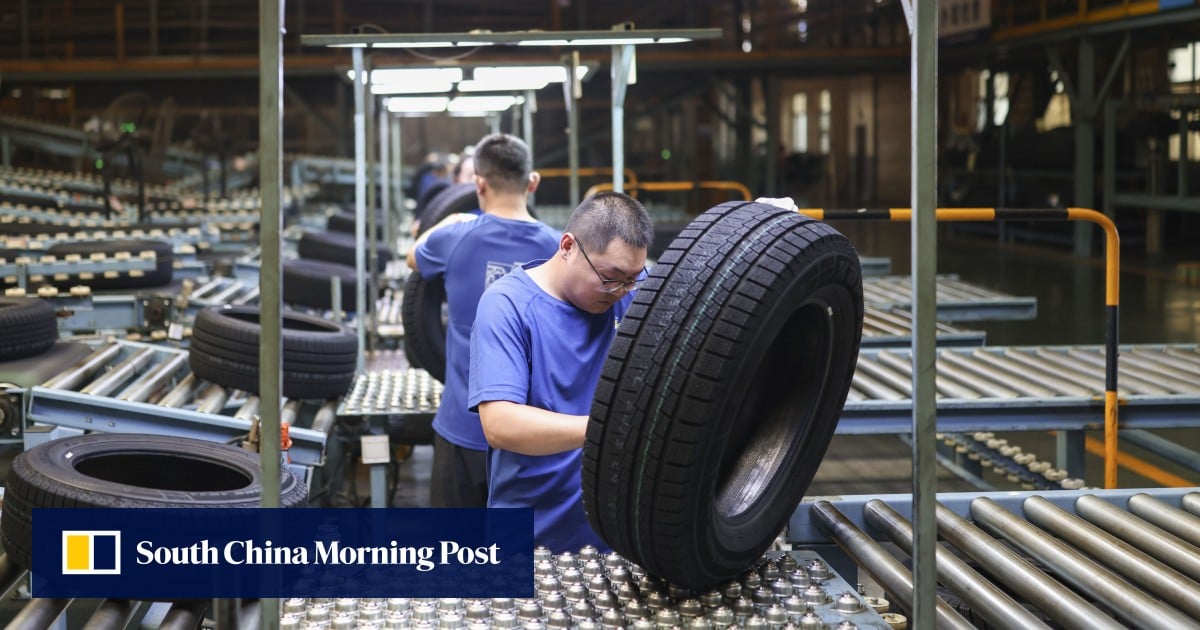
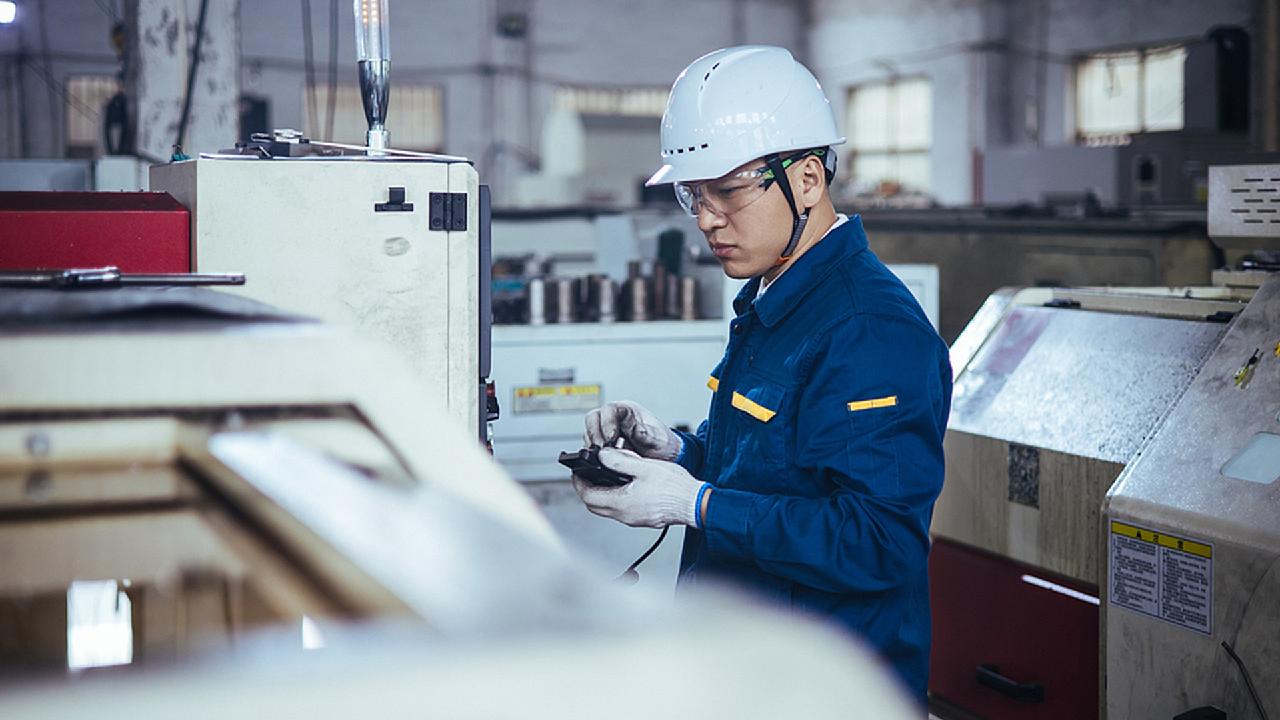
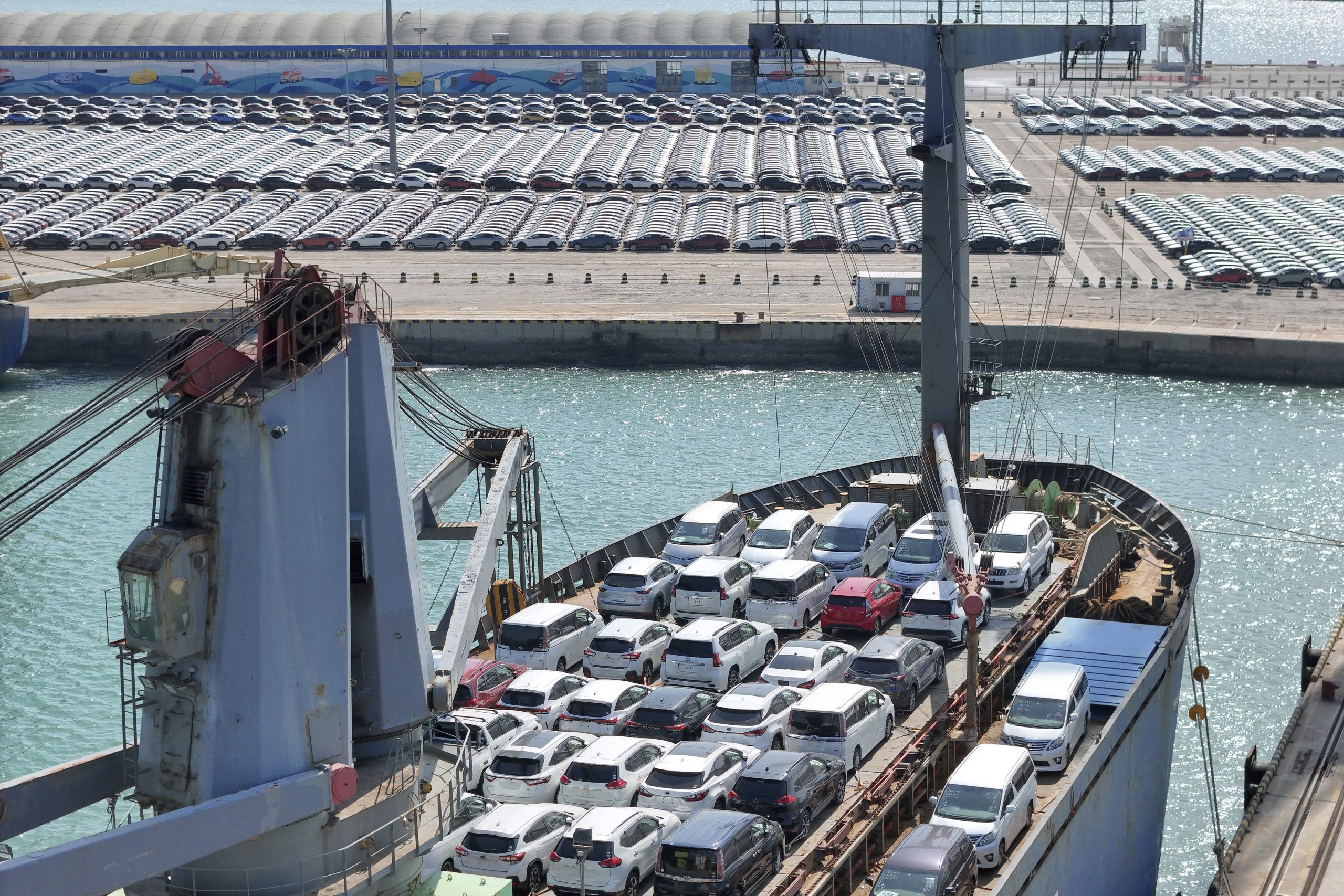
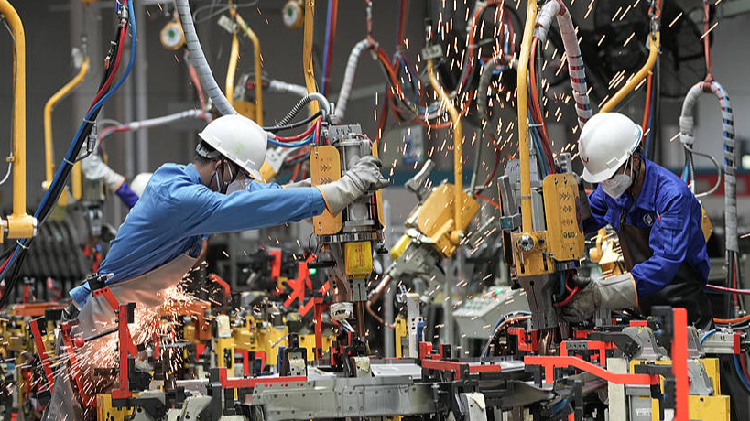
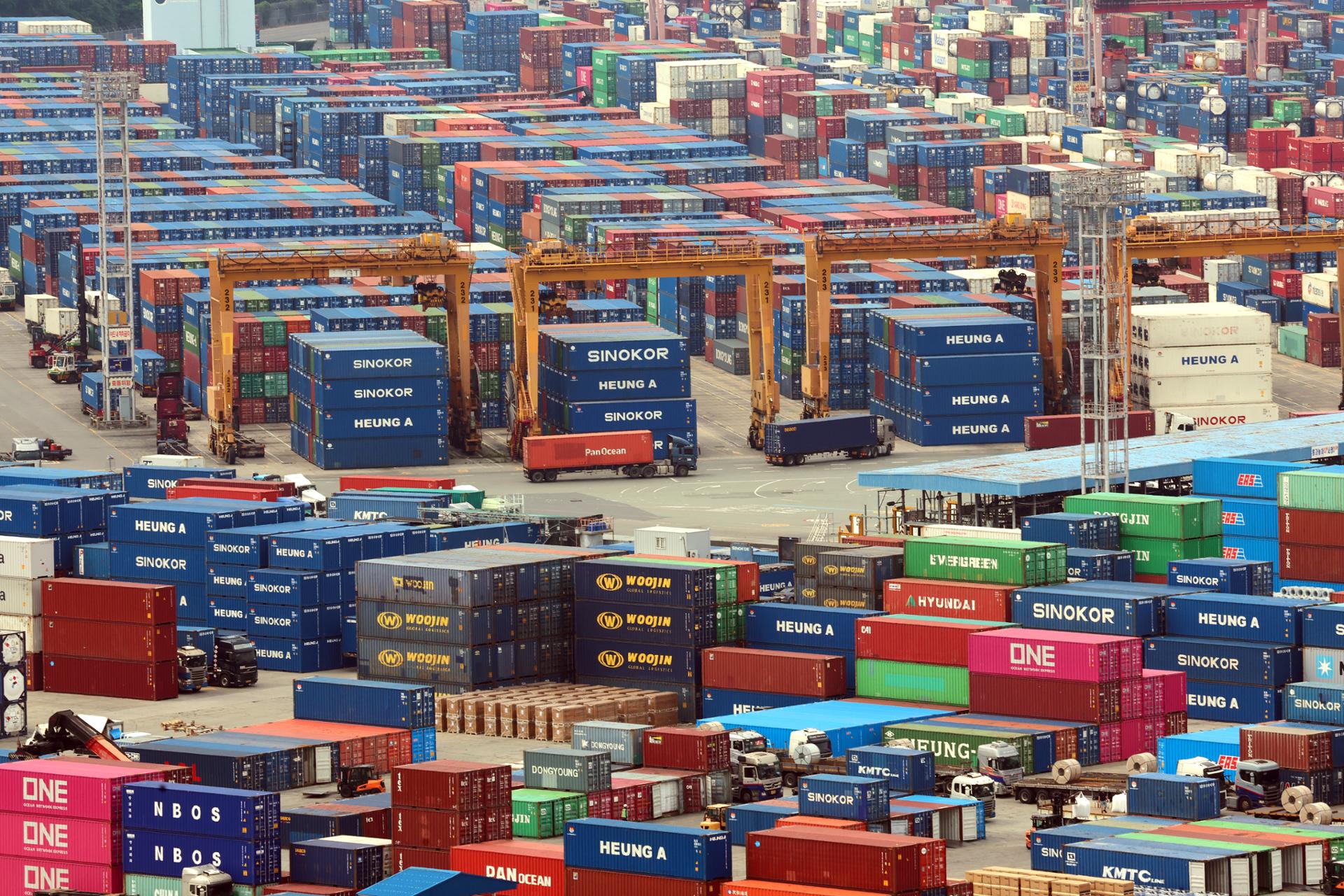
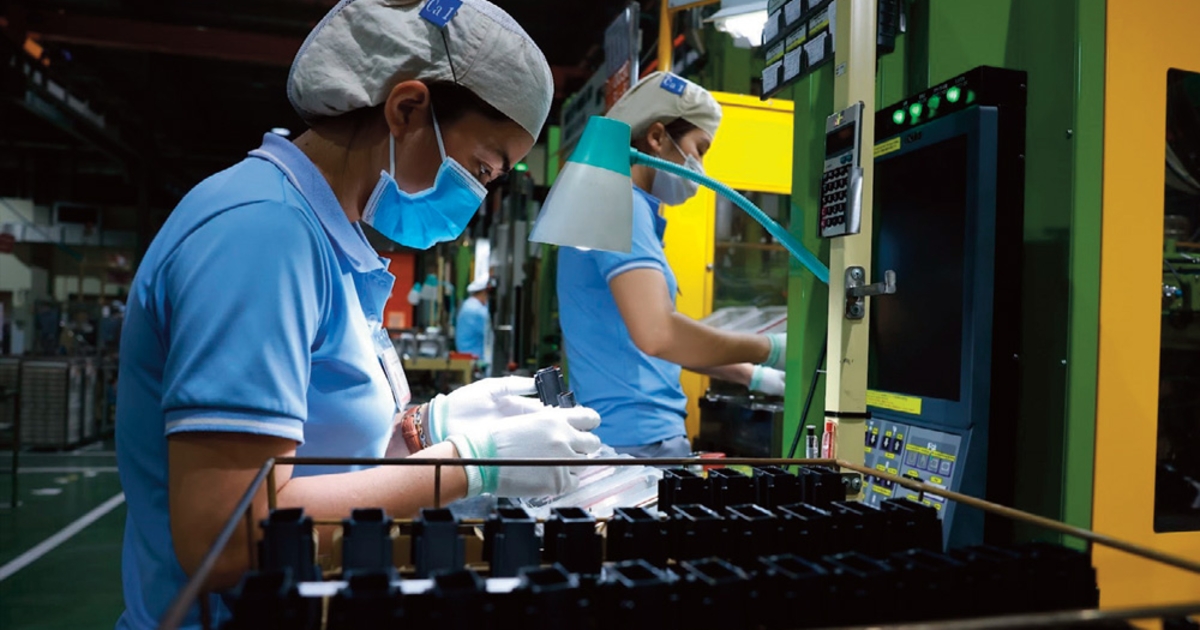
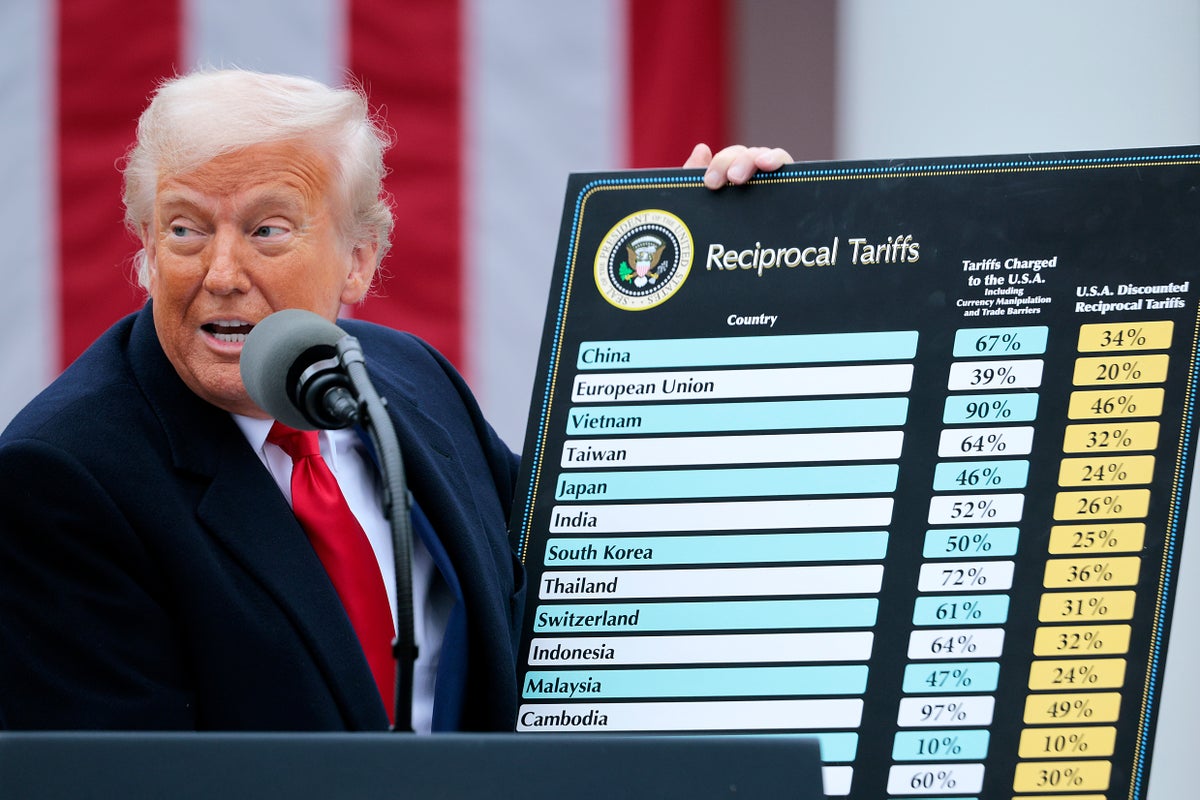
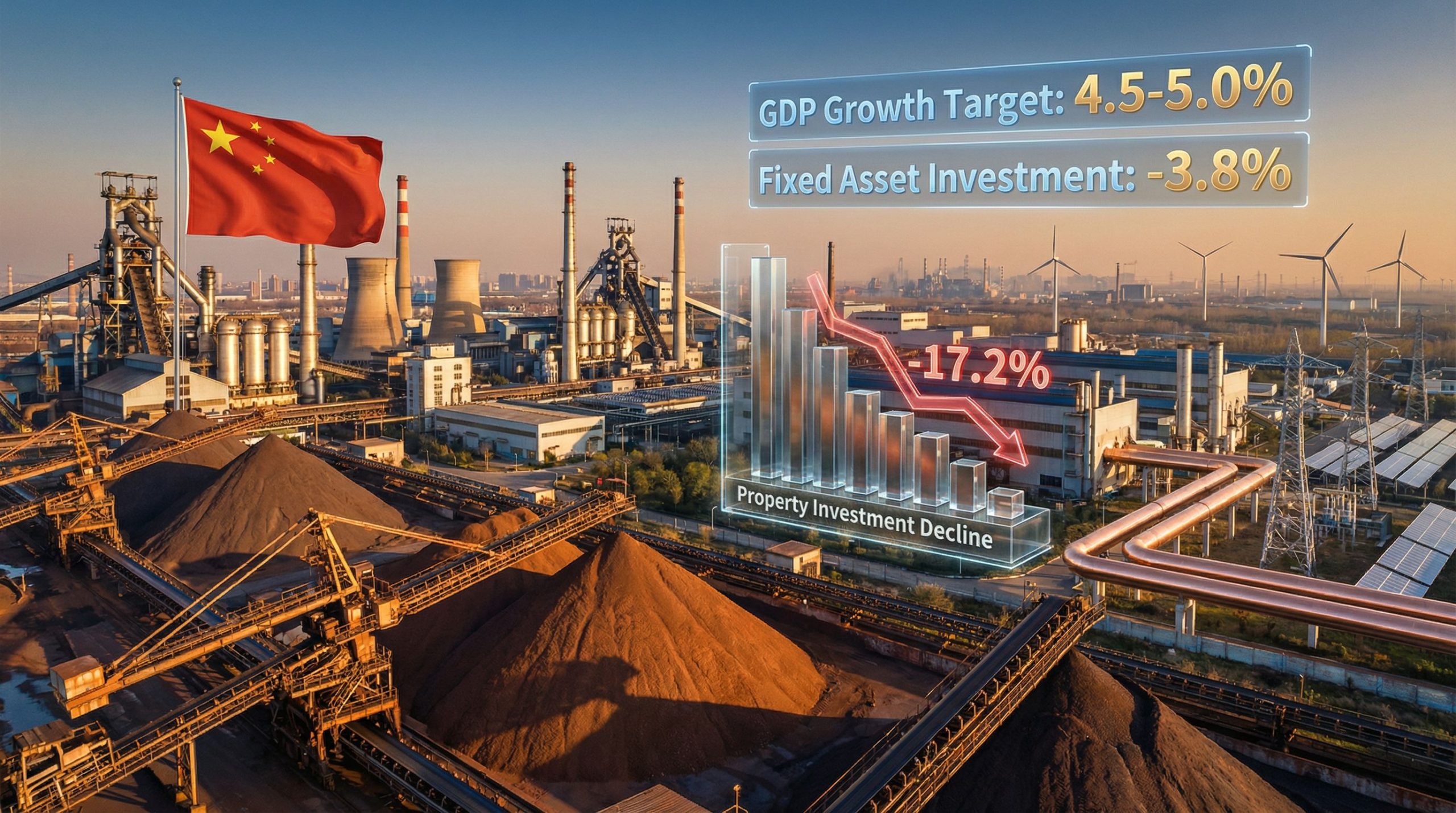
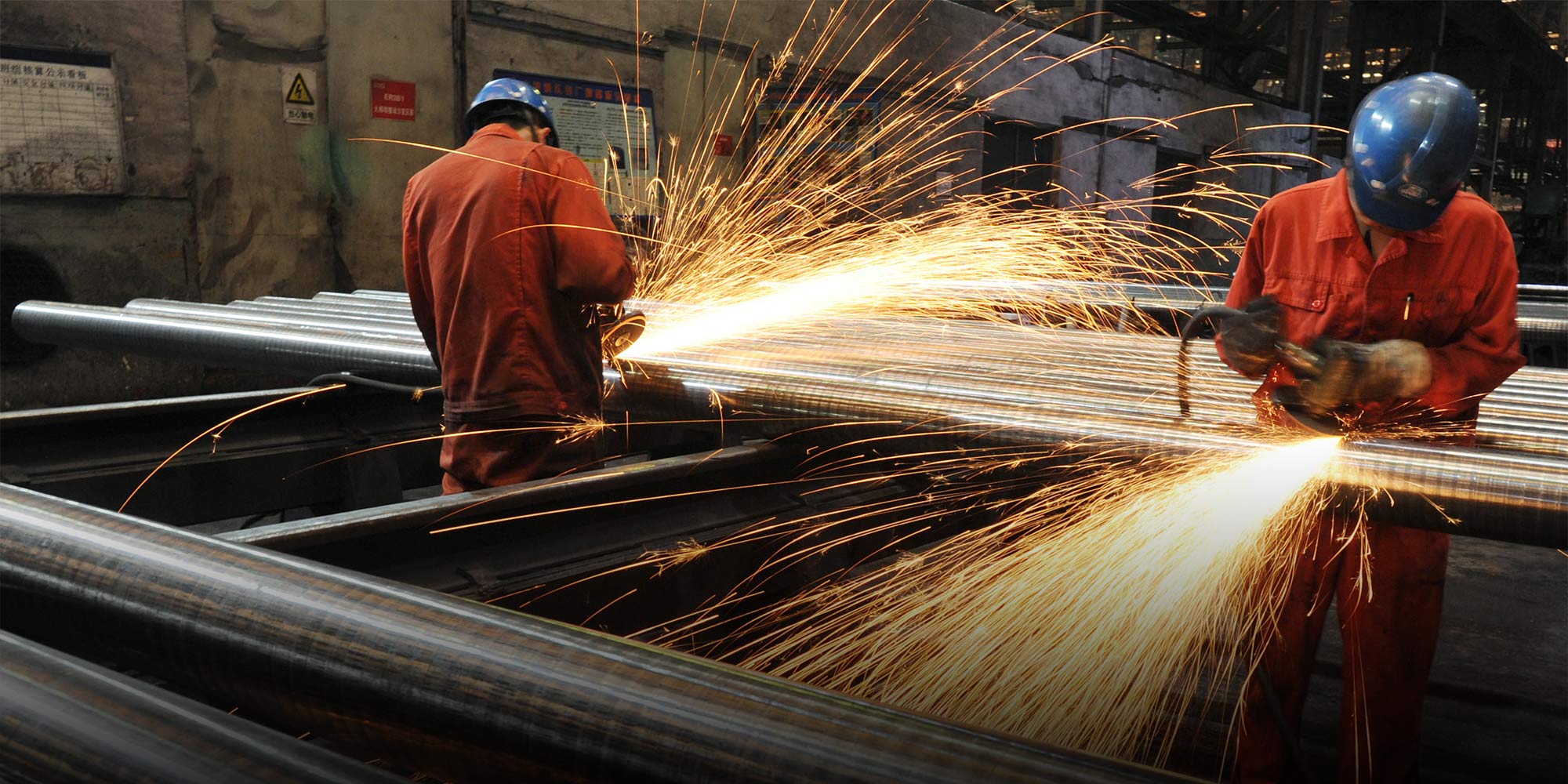
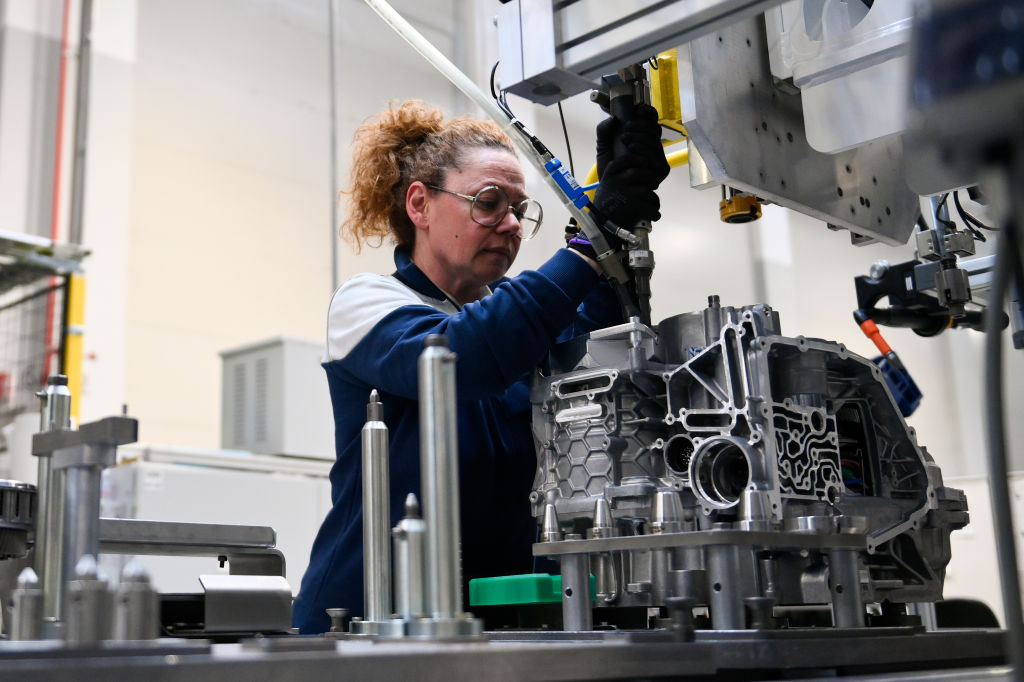
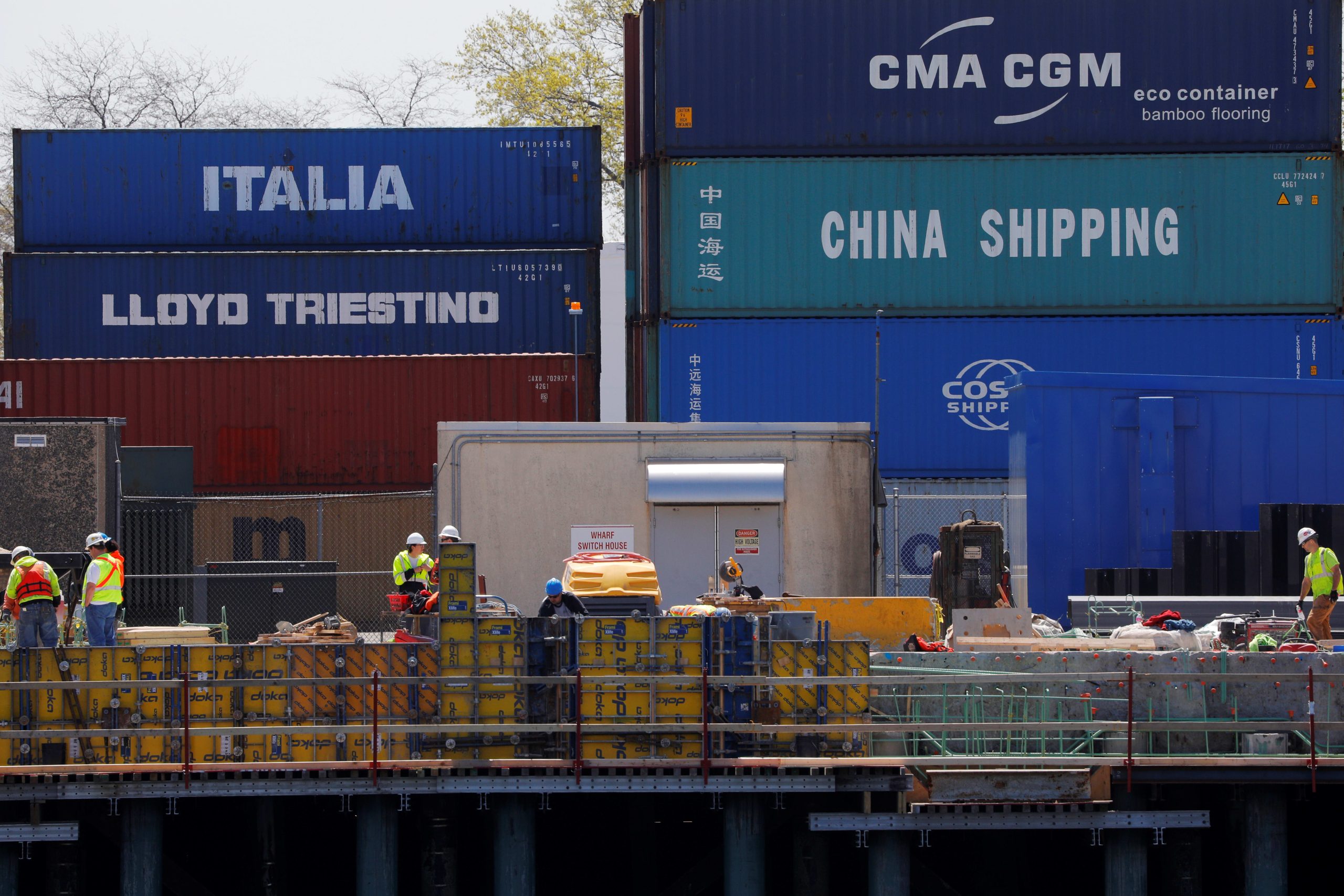
The Central Bank’s analysis indicates that the traditional manufacturing sectors in Taiwan, Japan, and South Korea have simultaneously faced severe challenges from Chinese low-price dumping and US tariff barriers in recent years, leading to a clear divergence in output value between traditional and electronics industries. Nevertheless, compared to Japan and South Korea, the overall performance of Taiwan’s traditional manufacturing remains relatively better. The Central Bank attributed this to the fact that most of Taiwan’s traditional manufacturers have long been committed to high-value transformation. Not only have their value-added ratios continued to rise, but some players have also sought value enhancement through cross-sector integration, successfully penetrating the electronics and ICT supply chain and strengthening their international competitiveness.
Regarding monetary policy coordination, the Central Bank emphasized that it will continue to flexibly utilize tools such as open market operations to maintain ample market liquidity, providing a financial environment necessary for corporate transformation and investment to complement the government’s industrial support programs.
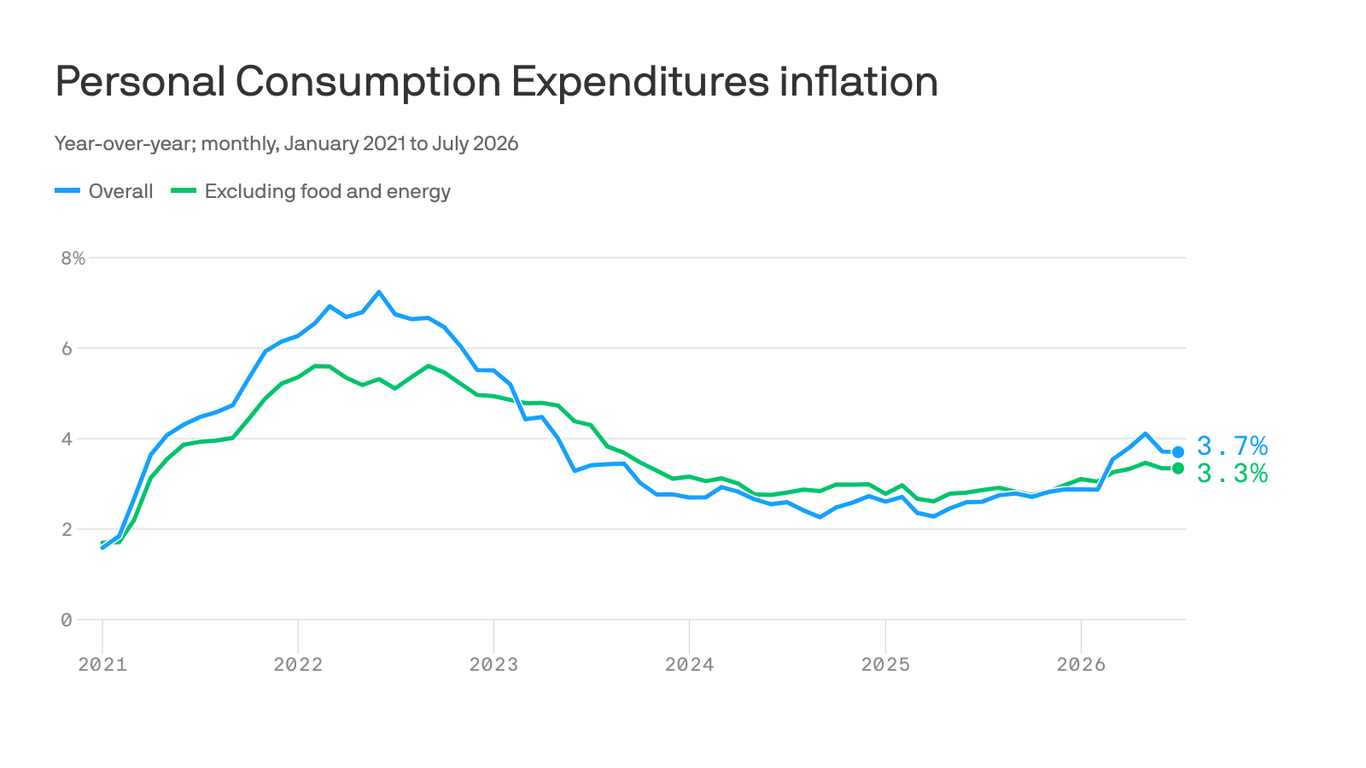
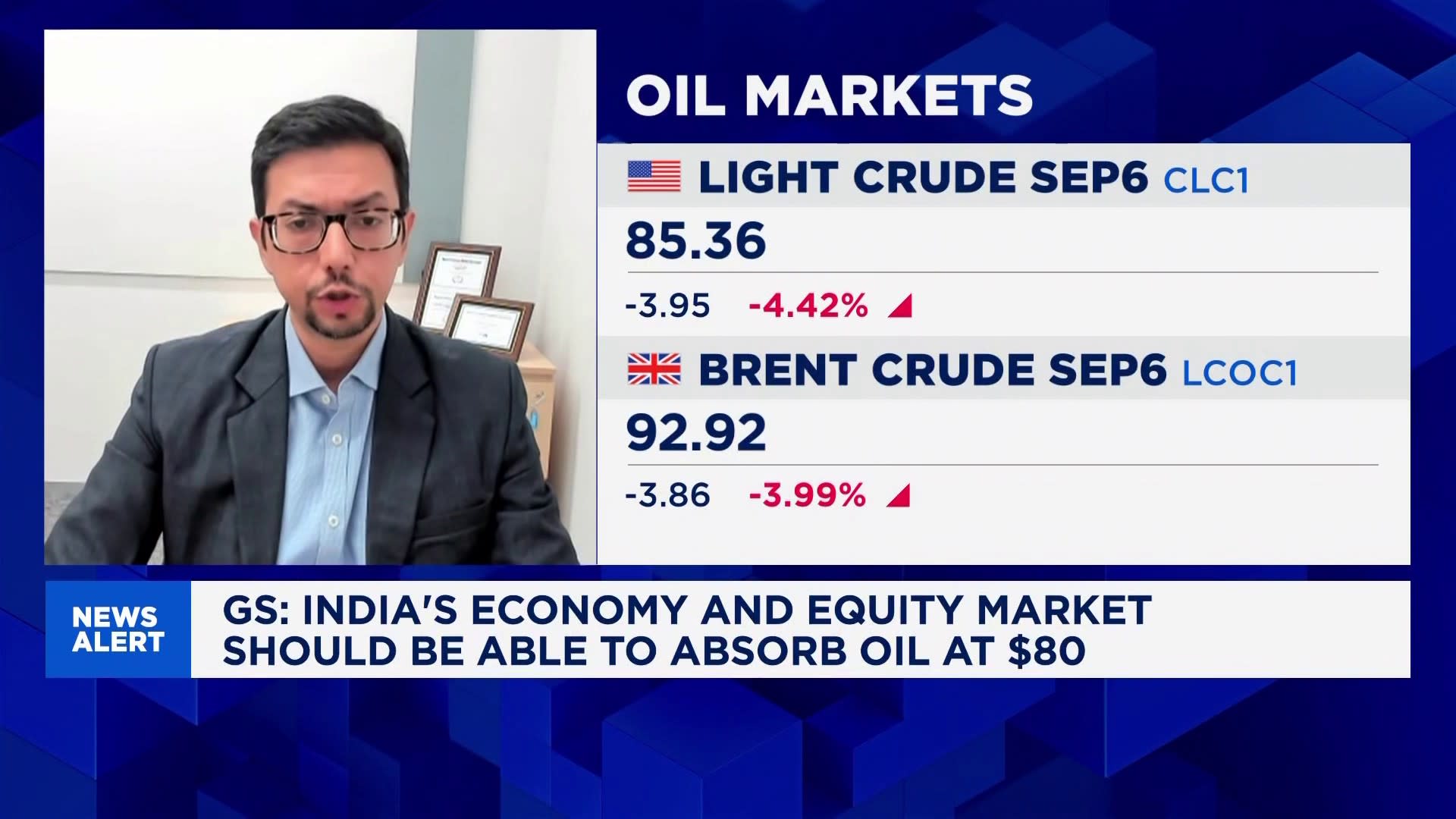
On the issues of inflationary pressure and real income, which are of utmost public concern, the Central Bank also provided forecasts in its report. The Central Bank estimates that Taiwan’s Consumer Price Index (CPI) annual growth rate will be 1.93% this year. Looking ahead to 2027, as international oil prices are expected to fall, the average forecast from nearly 20 major domestic and international institutions for Taiwan’s inflation rate is approximately 1.8%, lower than this year’s level, indicating that domestic inflation expectations remain stable. The Central Bank pledged to closely monitor uncertainties such as the geopolitical situation in the Middle East, monetary policy adjustments in major economies, the development of the AI industry chain, changes in US economic and trade policies, and extreme weather, adjusting monetary policy in a timely manner to balance price stability, financial stability, and sustainable economic development.
As the Central Bank proposed solutions for industrial divergence, the National Development Council (NDC) released the June economic monitoring indicator, injecting a dose of confidence into the overall economy. The NDC announced on the 27th that the composite score for the economic monitoring indicator in June was 41 points, an increase of 2 points from May, marking the seventh consecutive month that the signal flashed a “red light,” indicating a booming economy.
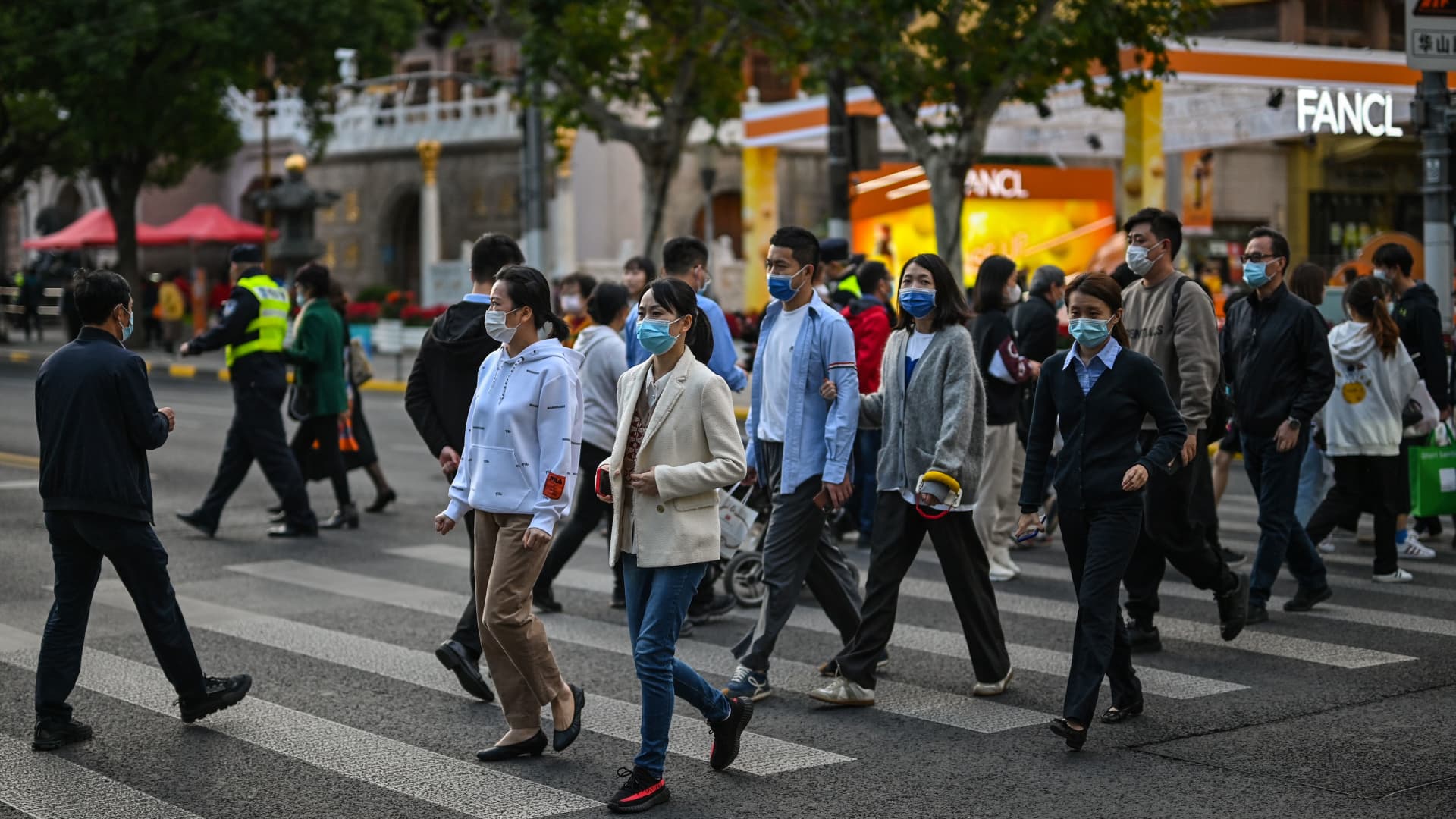
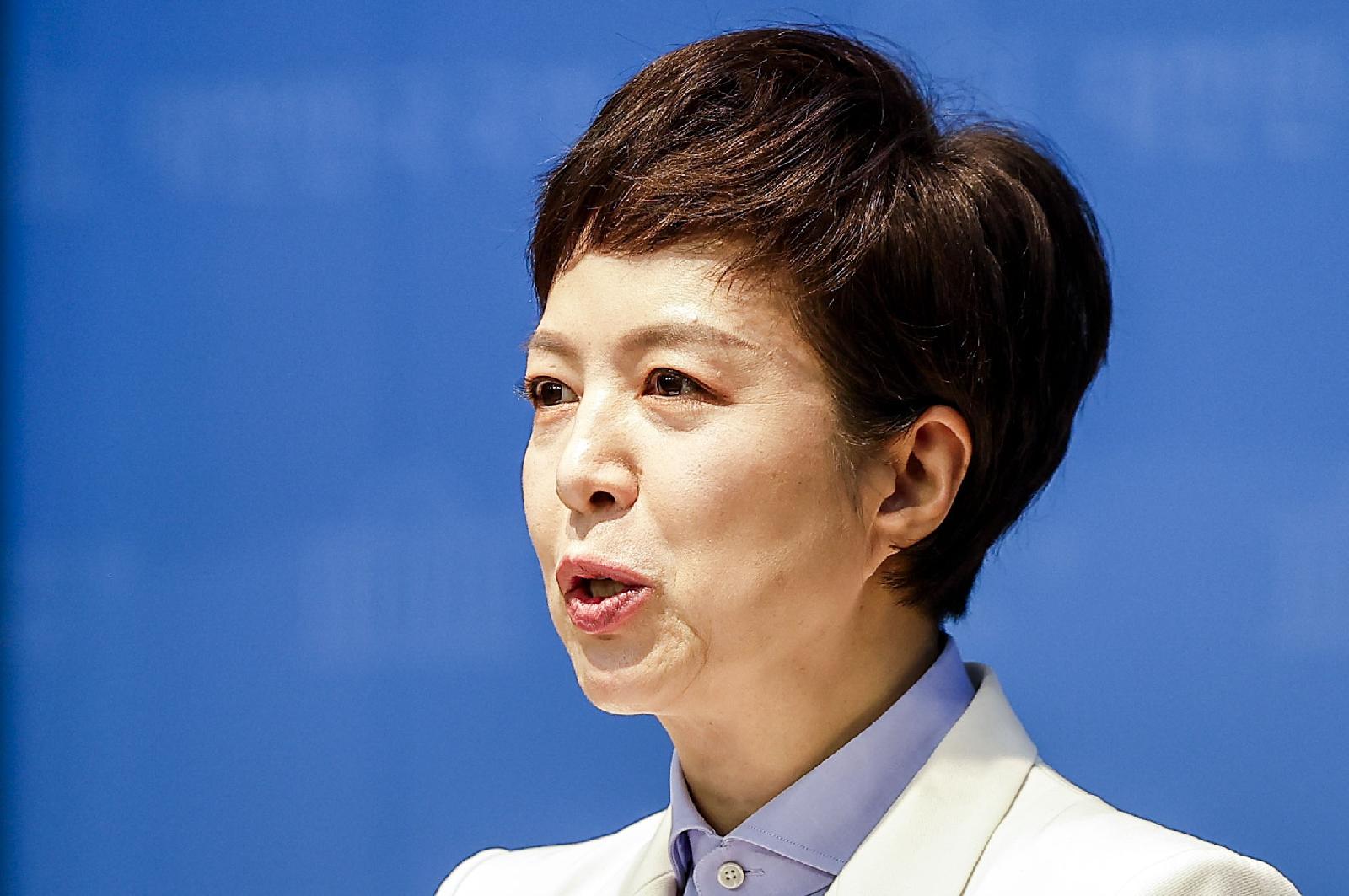
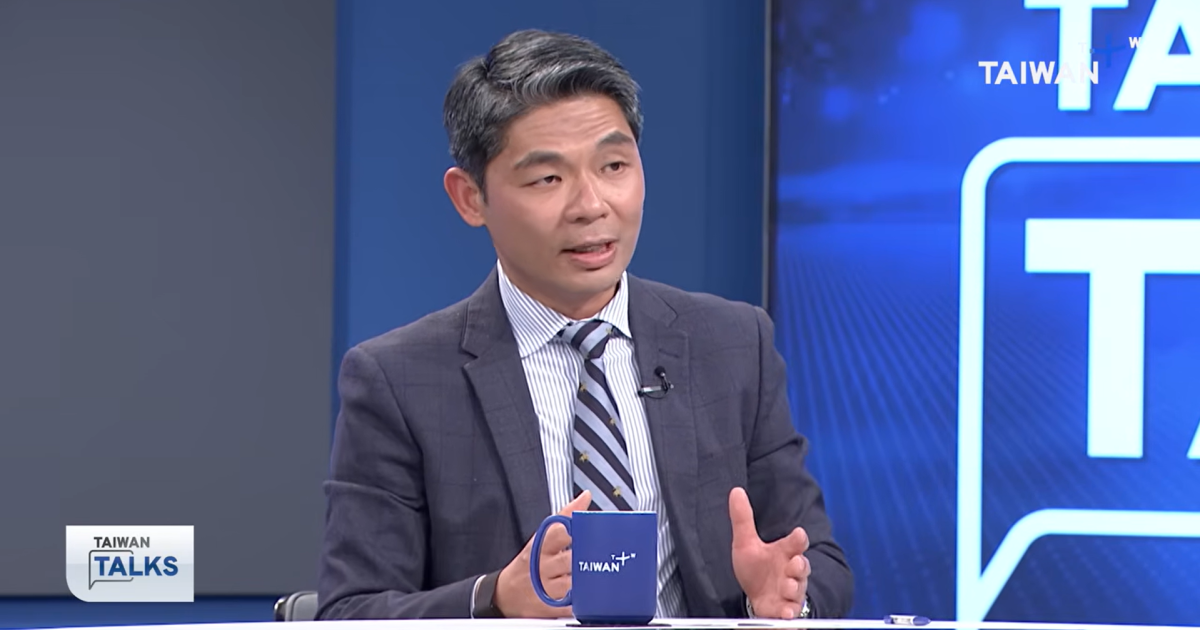
Chen Mei-chu, Director of the NDC’s Department of Economic Development, noted that the sustained economic warming was primarily driven by strong AI demand. Among the constituent indicators, the manufacturing sales index turned from a yellow-red light to a red light, while overtime hours in the industrial and service sectors shifted from a green light to a yellow-red light. Chen explained that AI not only boosted exports of information and electronic products like chips and servers but also spilled over to expand production capacity for peripheral products such as machinery and basic metals. Coupled with domestic demand factors like the Dragon Boat Festival, World Cup events, and graduation season driving up retail and food and beverage revenues, overtime hours saw significant growth.
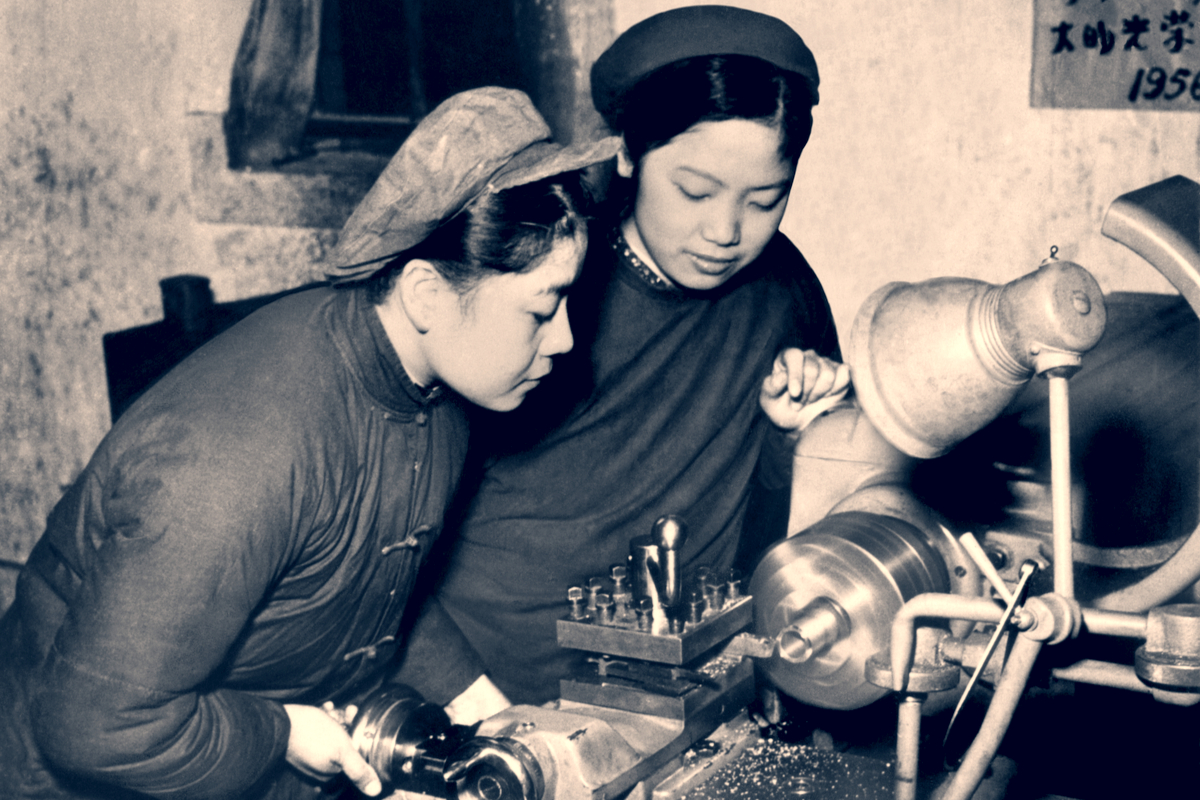
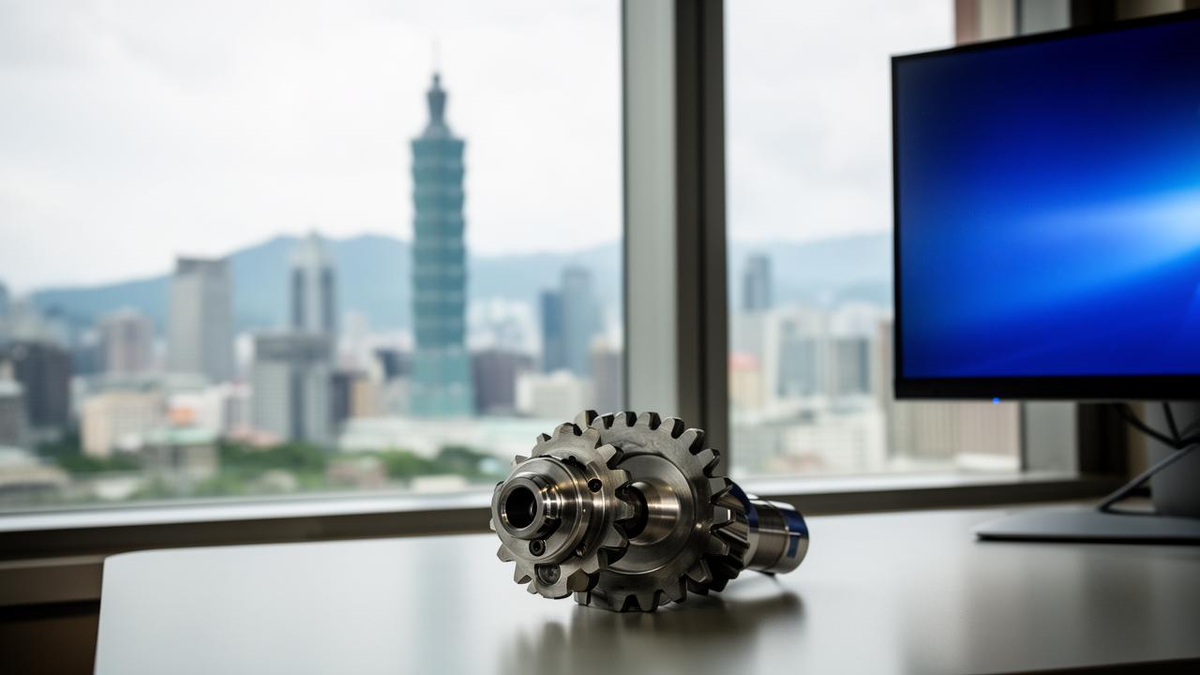
Notably, while the market generally worries about insufficient momentum in traditional industries, the leading indicators disclosed by the NDC revealed positive signals. Chen disclosed that, benefiting from China’s stricter export controls on material processing devices such as multi-axis CNC lathes and milling machines, Taiwan’s machine tool orders have begun to emerge, with some manufacturers seeing order visibility extending to the third quarter or even year-end. Furthermore, the US officially implemented Section 301 tariff measures on forced labor, with Taiwan subject to a more favorable 10% tariff rate that is not stacked on top of Most-Favored-Nation (MFN) rates, providing a boost to the export advantages of traditional industries.
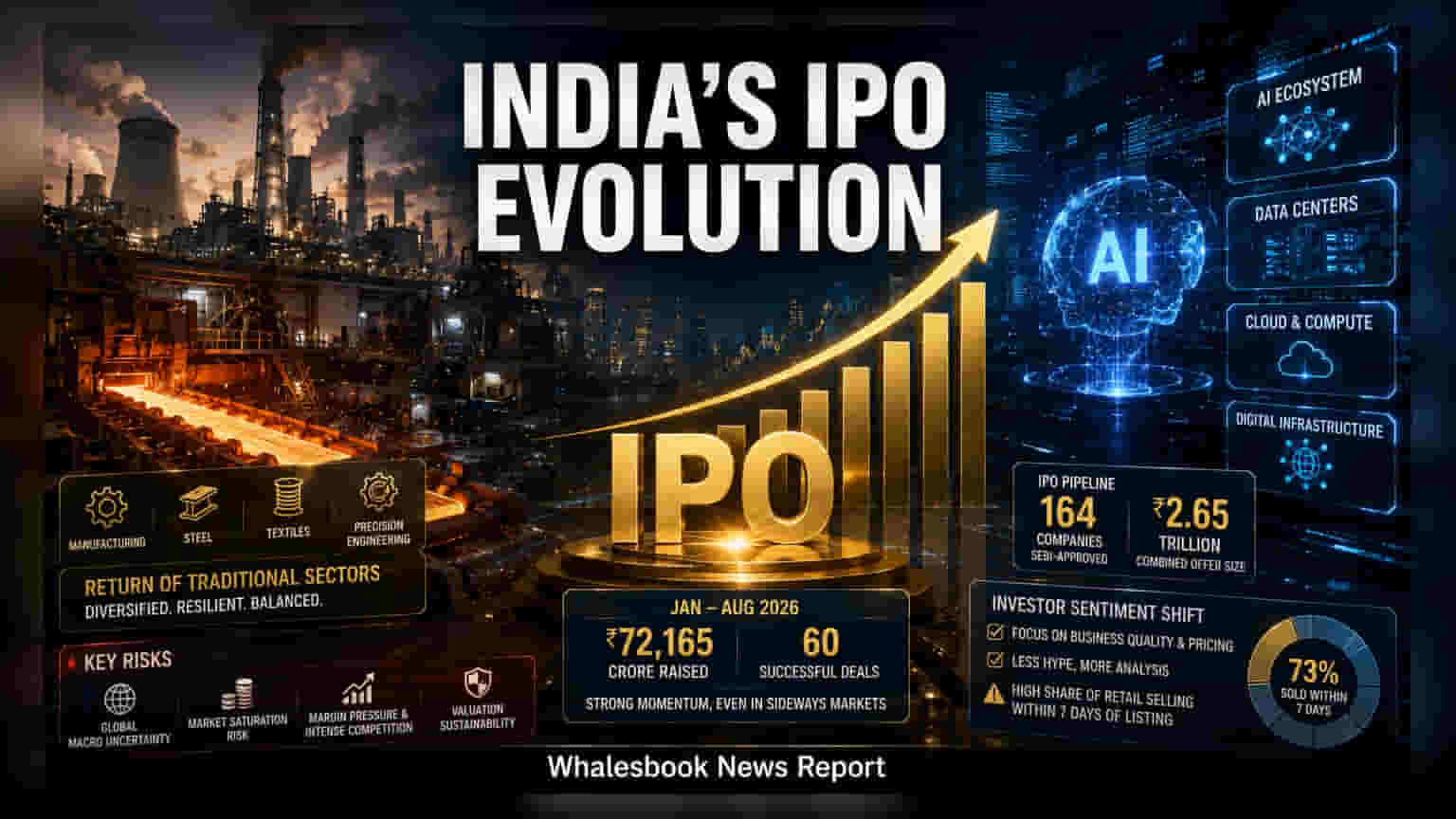
Looking ahead to the second half of the year, as global AI infrastructure continues to expand and AI applications accelerate, combined with the entry into the peak stocking season for consumer electronics, export momentum is expected to be sustained. On the investment front, major domestic semiconductor manufacturers have increased their capital expenditures, and international giants are also ramping up investments in Taiwan, which will drive the expansion and upgrading of related supply chains. Chen stated that even facing the challenge of a higher base period in the second half of last year, domestic forecasting institutions like Academia Sinica and the Taiwan Institute of Economic Research still estimate Taiwan’s economic growth rate in the second half of the year to exceed 8%, maintaining a cautiously optimistic attitude toward the economic monitoring indicators for the latter half of the year.
Synthesizing the views of the Central Bank and the NDC, Taiwan’s economy stands at a critical crossroads of AI dividend spillover and traditional industry transformation. While the K-shaped recovery pattern, where the electronics industry dominates alone, is unlikely to be completely reversed in the short term, the performance of Taiwan’s traditional industries in automation upgrades and supply chain restructuring indeed demonstrates resilience superior to that of Japan and South Korea. Coupled with the return of machine tool orders and emerging tariff advantages, traditional manufacturing is expected to gradually narrow the gap with the high-tech sector in the second half of the year.