Illinois is the first state in the nation to impose a controversial transaction-based tax on digital asset activity, inserting the Digital Asset Tax Act, or the “cryptocurrency tax,” into the sweeping fiscal year 2027 budget bill with little public notice or industry input. Effective in 2027, the cryptocurrency tax, enacted as part of Senate Bill 3019, imposes a 0.2% levy on the value of digital assets involved in each covered transaction — a novel and controversial approach that departs sharply from how states have historically treated financial activity. For additional background on the broader fiscal year 2027 budget bill, see Targeted Advertising and Social Media Taxes Headline Illinois General Assembly’s Sweeping Eleventh Hour FY27 Budget Bill. The long term viability of this new tax is uncertain. On June 22, 2026, the Illinois General Assembly introduced House Bill 5798 which, if enacted, would repeal the Digital Asset Tax Act in its entirety, effective immediately — highlighting the level of concern and uncertainty surrounding the new regime.
Overview of Cryptocurrency Tax
Starting Jan. 1, 2027, Illinois’ cryptocurrency tax is imposed on individual and business customers in Illinois that receive from a digital asset broker “any digital asset business activity.” The tax equals “0.2% of the value of the digital asset to which the digital asset business activity relates.” Thus, the 0.2% rate is imposed against the value of the digital asset accompanying the underlying taxable business activity. The “digital asset broker” (with nexus in Illinois – see discussion below) that makes or performs the digital asset business activity is responsible for collecting the cryptocurrency tax on each sale. This tax is added to the amount of the “purchase price” for the “digital asset business activity” and separately stated — unless it’s not possible to do so.
While the collection and remittance framework resembles a traditional sales tax regime, the cryptocurrency tax functions more like a transaction-based excise tax. Unlike a retail sales tax, which is typically imposed on a final sale to an end user, the cryptocurrency tax applies to each taxable “digital asset business activity,” which may potentially result in multiple layers of tax within a single series of transactions. The cryptocurrency tax may be imposed multiple times within a broader transaction chain (for example, where digital assets are traded, converted, and subsequently transferred), which can increase the effective tax burden.
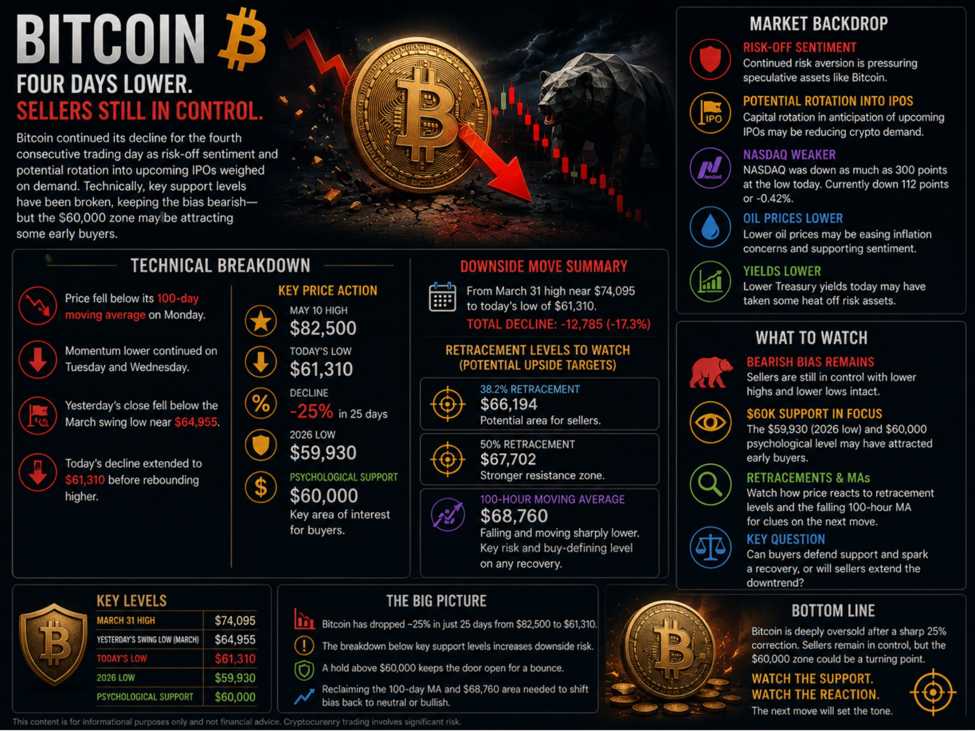
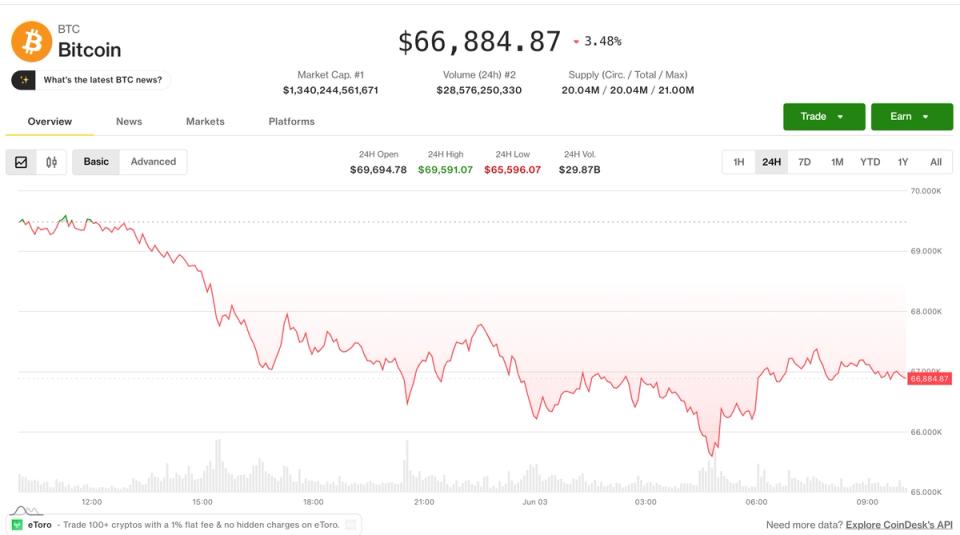
For instance, if a customer purchases Bitcoin, or BTC, using US dollars through a cryptocurrency exchange; later converts that BTC into Ether, or ETH, on the same exchange; and then transfers ETH from one custodial account to another account or private wallet, all through the same “digital asset broker,” each such transaction would be deemed a “digital asset business activity” and be subject to the cryptocurrency tax based on the value of the digital asset involved. This common transaction series illustrates the tax pyramiding inherent in the law.
The cryptocurrency tax has a component that is like other states’ use tax, as well. For instance, if a taxable digital asset business activity occurs in Illinois and no cryptocurrency tax is charged, the customer must pay the cryptocurrency tax directly to the Illinois Department of Revenue by the 20th day of the following month.
Broad Definitions
The cryptocurrency tax includes broad definitions of key terms such as “digital asset,” “digital asset business activity,” and “digital asset broker,” many of which link to or draw from Illinois’ Digital Assets and Consumer Protection Act, 205 ILCS 731/1-1, et seq., or the DACPA, enacted in August 2025.
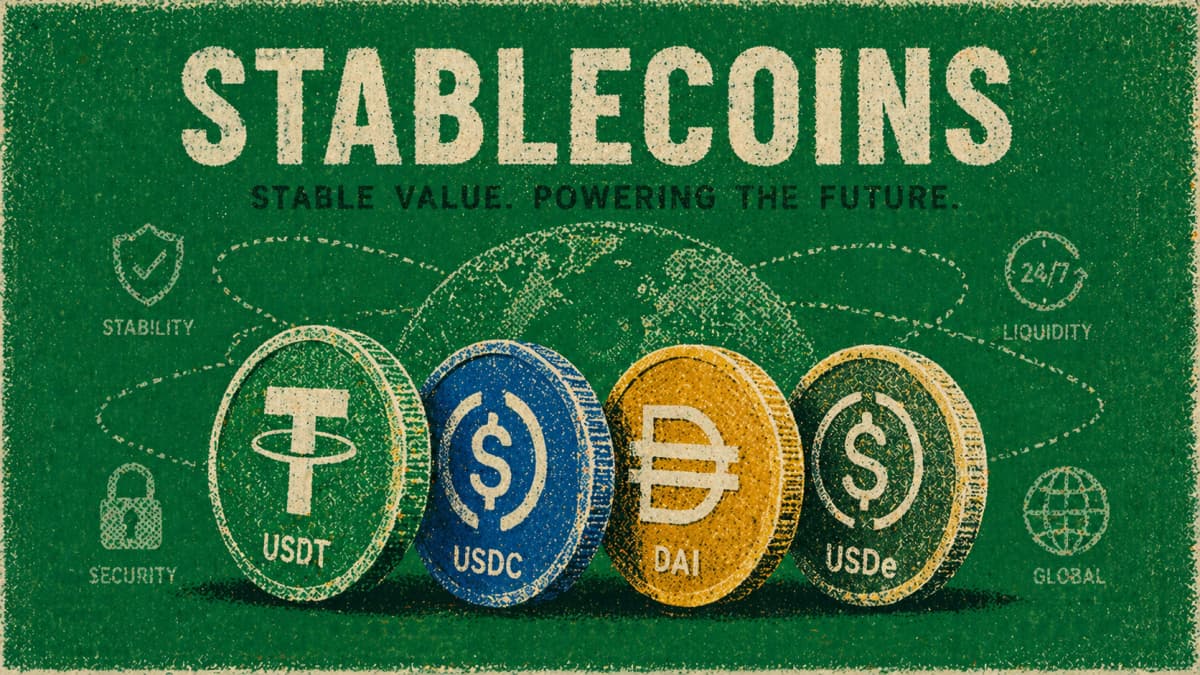
Digital asset. The definition of “digital asset” is specifically linked to the DACPA’s definition and means a “digital representation of value that is used as a medium of exchange, unit of account, or store of value, and that is not fiat currency….” The definition is intentionally broad but excludes certain categories of digital value, including, generally:
- Rewards and loyalty program points
- In-game assets
- Prepaid card value
- Digital goods or rights with independent utility (such as tickets, music, or artwork)
- Assets not marketed for investment or speculative purposes (doesn’t apply to meme-based tokens or assets designed to maintain a stable nominal value)
Digital asset business activity. The definition of “digital asset business activity” isn’t directly tied to the DACPA definition and diverges from it in meaningful ways. The cryptocurrency tax defines the term narrowly as “any single occurrence of exchanging, transferring, or storing a digital asset as part of a business or on behalf of a customer pursuant to an agreement for those services.” By contrast, the DACPA definition is broader, encompassing activities such as digital asset administration and “any other business activity involving digital assets.”
Within the cryptocurrency tax framework:
- “Exchange” generally refers to buying, selling, trading, or converting digital assets on behalf of customers for fiat currency or other digital assets, but excludes transactions conducted for a person’s own account as principal.
- “Transfer” refers to the movement of digital assets between accounts or parties.
- “Store” (or “storage”) refers to custodial or wallet services performed on behalf of customers.
The cryptocurrency tax notably omits several express exclusions contained in the DACPA definition of “digital business activity,” including exclusions for peer-to-peer transfers; decentralized finance, or DeFi, transactions; non-fungible token issuance; and blockchain validation activities. This divergence creates uncertainty as to whether such activities fall within the scope of the cryptocurrency tax.
Digital asset broker. The definition of “digital asset broker” is linked to Section 6045(c)(1)(D) of the Internal Revenue Code, as enacted under the Infrastructure Investment and Jobs Act, and is defined as “any person who (for consideration) is responsible for regularly providing any service effectuating transfers of digital assets on behalf of another person.” Although IRC Section 6045 contains a broad statutory definition of “broker,” the US Treasury regulations generally apply to custodial intermediaries that take possession of customers’ digital assets, and the extension of those rules to certain DeFi protocols was subsequently clarified in 2025. Therefore, given that the cryptocurrency tax links to the federal statute, the question becomes whether Illinois will also follow the federal regulations. While perhaps instructive, Illinois generally doesn’t treat federal regulations as binding absent explicit incorporation.
Nexus and Sourcing
The cryptocurrency tax’s collection and remittance obligation applies only to digital asset brokers “maintaining a place of business in” Illinois through sufficient physical presence or economic nexus.
Physical presence nexus. “Physical presence” nexus broadly includes any office, facility, or agent in the state (whether maintained directly or through a subsidiary or representative) and applies “irrespective of whether the place of business…is located [in Illinois] permanently or temporarily” (emphasis added). This expansive standard raises potential constitutional concerns, particularly if the in-state activities of a third party don’t rise to the level of establishing or maintaining a market as discussed in Tyler Pipe Industries Inc. v. Washington State Department of Revenue, 483 U.S. 232 (1987), or otherwise fail to meet the substantial nexus and minimum contacts requirements of the Commerce and Due Process Clauses.
Economic nexus. Alternatively, an out-of-state broker has “economic nexus” in Illinois where it remotely sells digital asset business activity to Illinois customers and has $100,000 or more in gross receipts from such activity, determined on a rolling 12-month basis and tested quarterly. Notably, however, if a broker meets this threshold for a given 12-month period, it is required to collect and remit the cryptocurrency tax for the following year as well. As a result, a broker’s nexus determination in one period may lock in its compliance obligations for a subsequent year, creating a departure from traditional annual nexus frameworks.
Sourcing. For purposes of determining whether the transaction is “in the state,” the sourcing is based on the physical location of the customer for in-person transactions, which are rare in the cryptocurrency industry. For remote transactions, the cryptocurrency tax creates a rebuttable presumption: the customer is presumed to be in Illinois if the “customer’s contact information associated with a device or account on record with or available to a digital asset broker indicates an Illinois home address, an Illinois mailing address, or an Illinois internet protocol address or other data showing ‘place of primary use’ in Illinois, as defined in the Mobile Telecommunications Sourcing Conformity Act.” 35 ILCS 638/1, et seq.
The burden of rebutting this presumption rests entirely on the digital asset broker, yet the cryptocurrency tax is silent as to the evidentiary standard required to overcome that presumption (for example, clear and convincing evidence or a preponderance of the evidence). Although the cryptocurrency tax permits brokers to develop reasonable methodologies to determine customer location, reliance on such methodologies doesn’t relieve the broker of its burden of proof, thereby creating additional compliance and audit risk.
Compliance Challenges and Implications
Digital asset brokers must register with the Illinois Department of Revenue if they meet the applicable nexus thresholds in order to conduct business in the state and collect and remit the cryptocurrency tax. Such brokers are required to file returns and remit the cryptocurrency tax on or before the 20th day of each month for the preceding calendar month. The cryptocurrency tax also imposes additional compliance obligations, including a requirement that the digital asset broker issue a “receipt for the tax” to the customer for each taxable digital asset transaction. For platforms that process high volumes of transactions on a continuous 24/7 basis, these requirements may be operationally burdensome and, in some cases, impractical to implement within existing systems.
The cryptocurrency tax also includes significant enforcement provisions. A digital asset broker that “fails to file a return, or who violates any other provision of the [cryptocurrency tax], or who fails to keep books and records required by the [cryptocurrency tax], or who files a fraudulent return, or who willfully violates any rule or regulation of the Department for the administration and enforcement” of this cryptocurrency tax may be subject to criminal penalties. Such violations are classified as a Class 3 felony. Liability for fraudulent returns may extend not only to the entity, but also to “any officer or agent of a corporation or manager, member, or agent of a limited liability company…or any accountant or other agent who knowingly enters false information on the return.” The statute provides a five-year limitations period for criminal prosecution, underscoring the potentially heightened enforcement risk associated with noncompliance.
Against this backdrop, Illinois’ cryptocurrency tax is not only the first of its kind but also highlights, and in several respects fails to resolve, key structural challenges inherent in the digital asset ecosystem. Most notably, many digital asset platforms outside of centralized exchanges may lack the information necessary to identify customers or counterparties. For example, DeFi protocols operate in a largely automated manner without identifiable intermediaries, which may limit the ability to comply with the tax’s collection and reporting requirements. While recent federal regulations under IRC section 6045 don’t fully extend the broker designation to purely non-custodial participants or DeFi, the cryptocurrency tax doesn’t expressly incorporate those regulatory limitations.
In addition, the definition of “digital asset business activity” doesn’t include the express exclusions for DeFi transactions and similar activities found in the DACPA. As a result, it remains unclear whether, or to what extent, such activities fall within the scope of the cryptocurrency tax. Additional uncertainty exists with respect to staking and delegation arrangements, where participants may validate network transactions or delegate digital assets to third parties, raising questions as to whether such activities constitute a “transfer” within the meaning of the cryptocurrency tax.
More generally, the cryptocurrency tax places digital asset businesses at a relative disadvantage compared with traditional financial institutions. Historically, states haven’t imposed transaction-based taxes on financial market activity, despite repeated legislative efforts (including Illinois’ own unsuccessful proposals to enact a financial transaction tax on securities trading). As a result, the cryptocurrency tax treats similarly situated economic activity in a disparate manner. Unlike standard capital gains taxes (which apply uniformly when an asset is sold for profit) the cryptocurrency tax applies strictly to the underlying technology on a transaction-by-transaction basis. The Crypto Council for Innovation, or CCI, strongly urged Gov. JB Pritzker to veto the cryptocurrency tax before it became law, stating: “Taxing a transaction based on the medium through which it occurs is akin to taxing correspondence because it is delivered by email rather than by post.”
Critics have also flagged jurisdictional arbitrage as an issue. Because digital asset markets are highly mobile, participants may (i) route transactions through non-Illinois entities or platforms, (ii) shift activity to offshore, or (iii) avoid intermediaries subject to state-level reporting and tax collection. If the cryptocurrency tax materially increases transaction costs, Illinois could risk losing rather than capturing economic activity, undermining both revenue objectives and its competitiveness as a financial or technology hub. An extra transactional friction layer could prompt high-volume market makers and digital asset startups to migrate to more hospitable states, draining local tech talent.
Trade organizations and tax practitioners reported being blindsided by the inclusion of the cryptocurrency tax, noting the proposal skipped the standard public hearing and comment periods. Industry lawyers have criticized the maneuver as a severe example of “midnight policymaking,” complaining that the affected stakeholders weren’t afforded the opportunity to provide input on a proposal that could fundamentally reshape digital asset activity in Illinois and around the country.
Finally, the enactment of the cryptocurrency tax raises broader policy considerations regarding whether other states may pursue similar approaches. For example, Tennessee enacted legislation in May that subjects certain money transmission services to sales tax, extending traditional sales tax principles to financial transfers. While not directly analogous, these measures reflect a growing willingness by states to expand their tax bases to include transaction-based or service-based taxes on financial activity, which could have significant implications for digital asset businesses operating across multiple jurisdictions.
Potential Legal Challenges
The introduction of HB5798, which would repeal the cryptocurrency tax entirely, highlights the degree of legal and policy uncertainty surrounding the regime. If the proposed legislative repeal is unsuccessful, the scope and novelty of the tax make outcomes uncertain. Several areas of legal challenge may emerge, including (but not limited to):
- Commerce Clause considerations. The application of the cryptocurrency tax to high-frequency trading or multi-step digital asset transactions may result in cumulative taxation, which could be argued to impose an undue burden on interstate commerce under the Complete Auto Transit, Inc. v. Brady, 430 U.S. 274 (1977) framework. In addition, the rule requiring taxpayers that meet the economic nexus threshold in one period to continue collecting and remitting the cryptocurrency tax in a subsequent period raises questions whether the cryptocurrency tax satisfies the substantial nexus requirement for subsequent periods where no economic contacts exist.
- Due Process Clause considerations. The sourcing provisions rely on rebuttable presumptions (for example, based on IP address or account information), yet the statute doesn’t articulate a clear evidentiary standard for overcoming those presumptions. To the extent digital asset brokers are unable to reliably determine customer location, these rules could raise constitutional concerns as to whether the cryptocurrency tax is rationally related to in-state activity. Similarly, the broad “maintaining a place of business” standard (including temporary or attributional presence) may invite scrutiny under traditional minimum contacts principles.
- The Internet Tax Freedom Act and discrimination concerns. As noted above, the imposition of a transaction-based tax on digital asset activity, in the absence of a comparable tax on traditional financial instruments or securities transactions, may give rise to arguments that the cryptocurrency tax treats economically similar activities differently. Such arguments would likely focus on whether the cryptocurrency tax results in discriminatory treatment of interstate commerce or lacks a rational basis for such differential treatment. To the extent the cryptocurrency tax targets transactions based on their execution through digital asset infrastructure rather than the underlying economic activity, taxpayers may explore arguments under the Internet Tax Freedom Act’s prohibition on discriminatory taxes on electronic commerce.
While it remains to be seen whether these issues will be litigated (if not repealed by HB5798), the structure of the cryptocurrency tax suggests that it will likely face formal challenge as taxpayers and industry participants evaluate its application in practice.
This article does not necessarily reflect the opinion of Bloomberg Industry Group Inc., the publisher of Bloomberg Law, Bloomberg Tax, and Bloomberg Government, or its owners.
Author Information
Drew Hemmings, Doug Wick, David Zaslowsky, and Matthew Musano are with Baker McKenzie.
Interested in writing? Review our author guidelines, and submit pitches to Insights@bloombergindustry.com.