- July 15, 2026
- Olivia
- 0
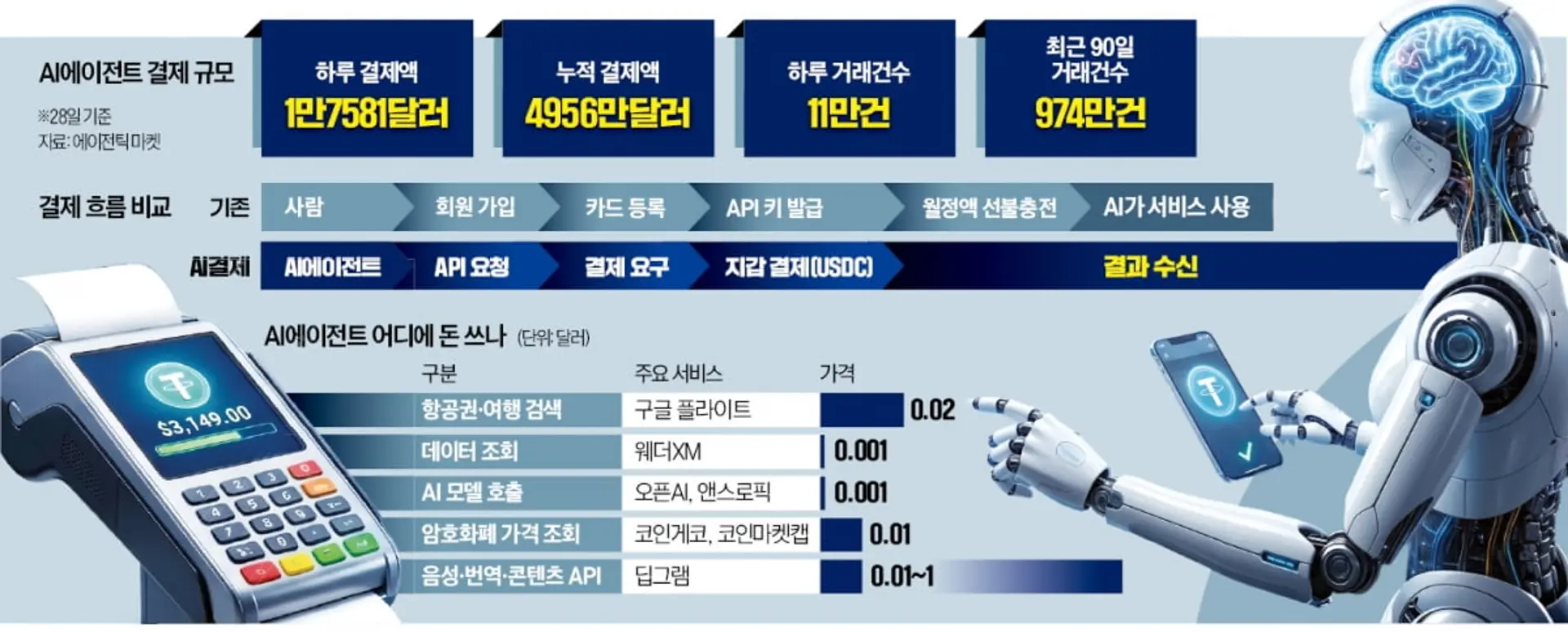
As artificial intelligence agents begin making purchases on behalf of consumers and businesses, payments infrastructure is being asked to solve a problem it was never designed to address.
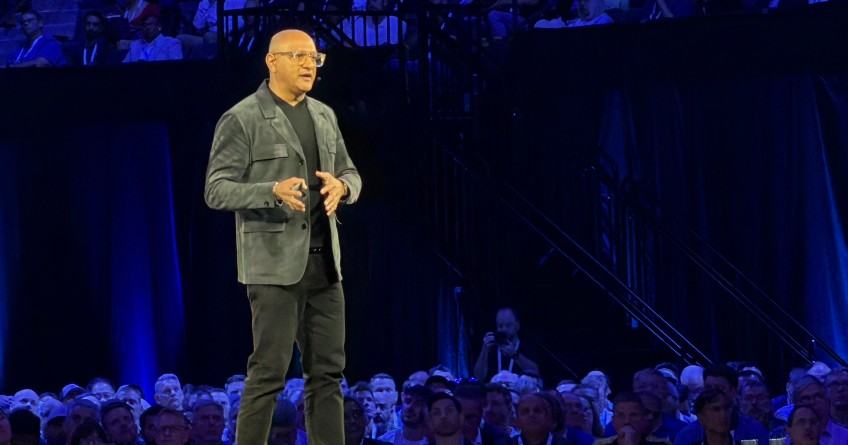
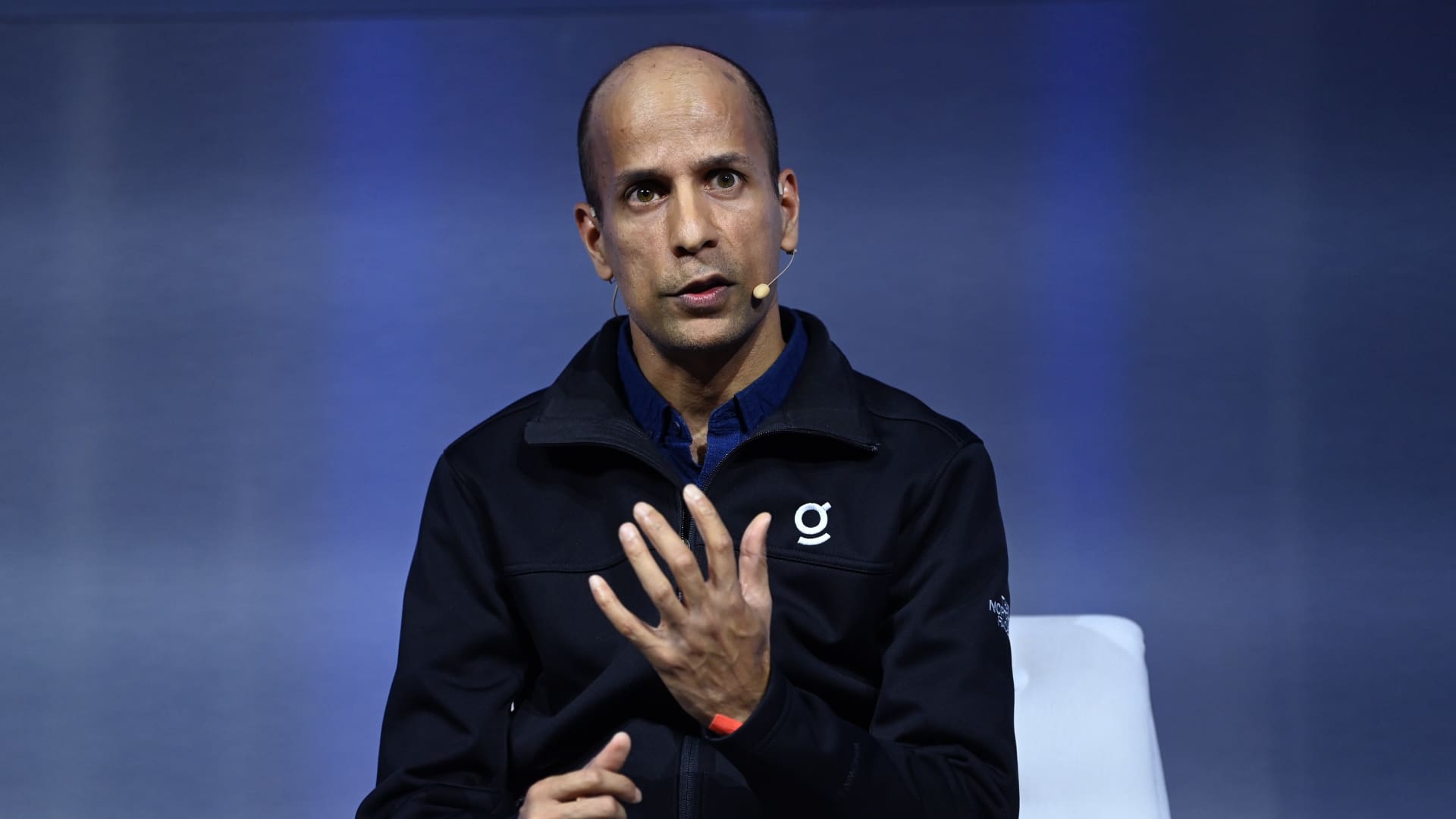
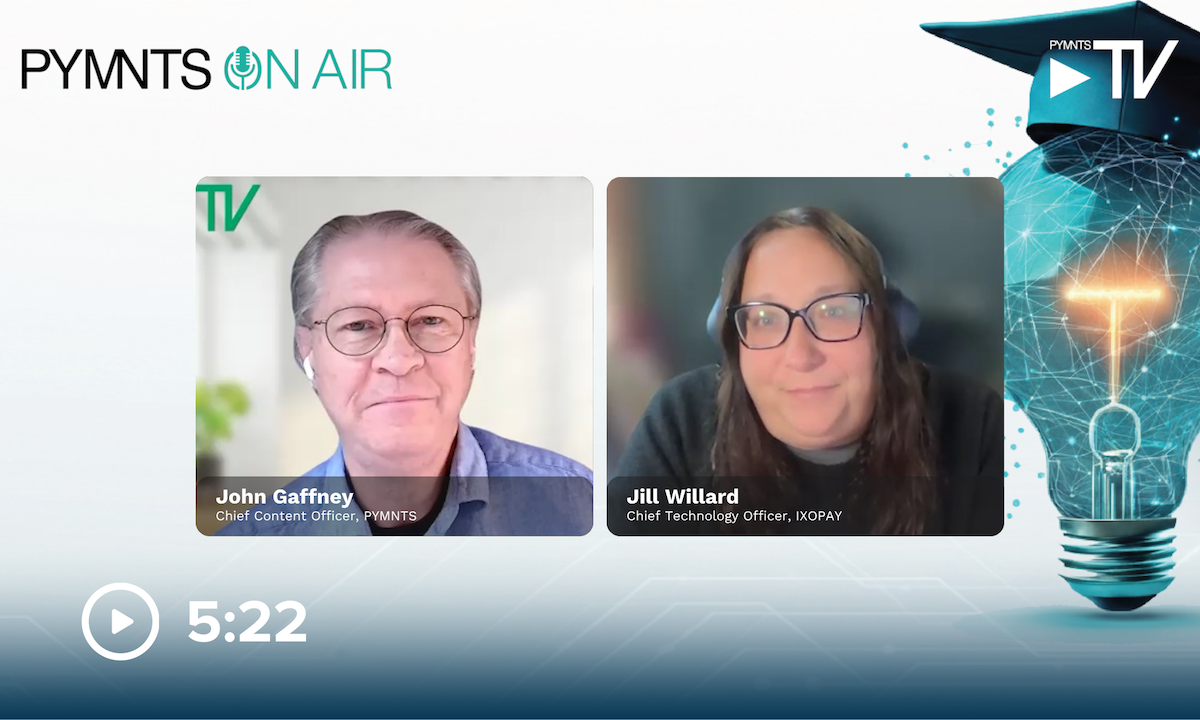
“The first is intent. Is the agent acting correctly on behalf of the user?” Ixopay Chief Technology Officer Jill Willard told PYMNTS during a conversation for the 2026 PYMNTS original series “Summer School.”
When AI agents begin researching products, comparing offers, negotiating prices and ultimately completing purchases without direct human intervention, payments systems inherit a different responsibility. The challenge is no longer simply determining whether a payment credential is valid. It is determining whether autonomous software is acting within the authority a human intended to delegate.
“There’s nothing in the payment stack today that thinks about intent,” Willard said. “The question has to become, not only is the agent valid, is the intent the agent has valid, and is the agent itself valid? Then the fourth thing, is the agent behaving in a way that I expect the agent to behave?”
The shift is forcing payments providers to rethink everything from orchestration and tokenization to compliance and fraud management. Existing infrastructure has failed; it was built for a different participant in commerce.
Agentic Commerce Turns Payments Into Coordination Systems
Autonomous software does not eliminate payments infrastructure; it introduces another participant that infrastructure must coordinate. While identity has long been the organizing principle of digital payments, agentic commerce adds several new layers.
“I kind of akin this to your neighbor,” Willard said. “You might know your neighbor, you might wave to him … but if you show up at your house and he’s unexpectedly in your living room, you might question his behavior.”
Knowing an AI agent exists is not sufficient. Payments systems must determine whether its actions remain consistent with the authority originally granted to it. Identity becomes continuous rather than binary, and the payment stack in an agentic environment resembles an operating layer responsible for synchronizing identities, credentials, network rules, fraud signals and AI agents operating across them all.
“Many people think of orchestration as routing, but routing is one component of orchestration,” Willard said. “It’s tokenization, it’s network tokens, it’s digital wallets, it’s 3DS, it’s authentication fallbacks, it’s fraud controls, failover strategies, operational visibility, and the list goes on and on.”
Once merchants begin operating across multiple payments providers, markets and payment methods, routing becomes only one decision among many.
Tokenization Carries More Than Just Credentials for Agentic Transaction
As autonomous software begins making purchasing decisions, payments no longer sit at the end of commerce. They become one of the systems governing it. That has expanded the role of tokenization, a technology that replaces sensitive card numbers with surrogate values that reduce fraud exposure.
The purpose of tokenization was once to protect credentials while allowing transactions to proceed. AI commerce asks more of it. Instead of representing only payment credentials, future tokens may also preserve the context surrounding a transaction.
“You’ll have an agent token that’s going to have an identity,” Willard said. “You may have a network token that’s not just card data, but it’s also carrying the verifiable intent … You’re going to want auditability of the transaction.”
The token becomes evidence rather than simply authorization. It may identify the AI agent executing a purchase, preserve the customer’s delegated instructions, record which network credentials were used and create an auditable history explaining how the transaction unfolded.
“Having a plan for exactly how you’re going to be able to take a transaction and replay it from beginning to end and understand who initiated it from a human perspective, what agent transacted it, what was the human’s intent … all of that needs to be encapsulated somewhere,” Willard said, adding that she expects auditability to become central to future compliance.
Automation Raises the Value of Visibility
The promise of agentic commerce is also reducing human intervention. Ironically, that makes visibility more valuable, not less. Merchants have spent years filtering out automated traffic through CAPTCHAs, bot detection and identity verification. Now they must distinguish between malicious automation and legitimate software acting for customers.
“Visibility more than ever,” Willard said. “Gone are the days that you can just have your payment stack and then not have monitoring.”
She said she expects merchants to rely increasingly on payments intelligence capable of identifying unusual authorization rates, geographic anomalies, unexpected transaction patterns and abnormal agent behavior before those problems become financial losses.
The less frequently people approve individual purchases, the more closely organizations will need to monitor the systems making those decisions.
Autonomous commerce does not eliminate oversight. It changes where oversight happens.
Watch the full “PYMNTS Summer School” interview with Ixopay CTO Jill Willard to hear more about:
- Why AI agents are changing what payments infrastructure is designed to do.
- How payments orchestration is becoming the control layer for agentic commerce.
- Why visibility may matter more than automation.
For all PYMNTS AI coverage, subscribe to the daily AI Newsletter.