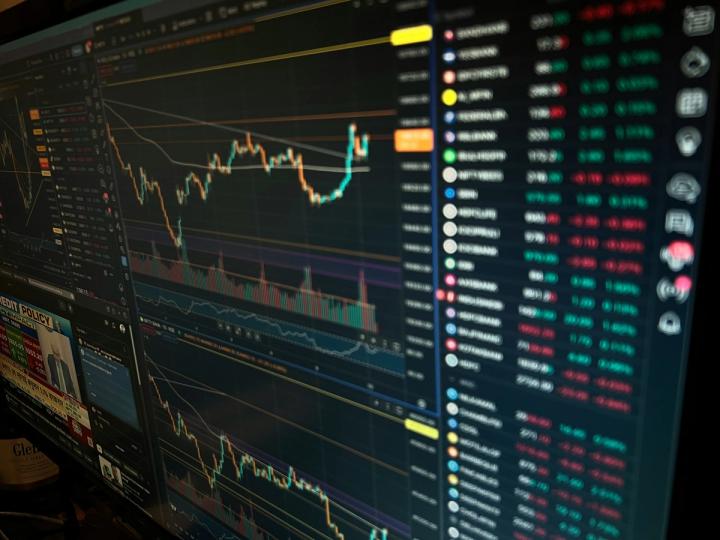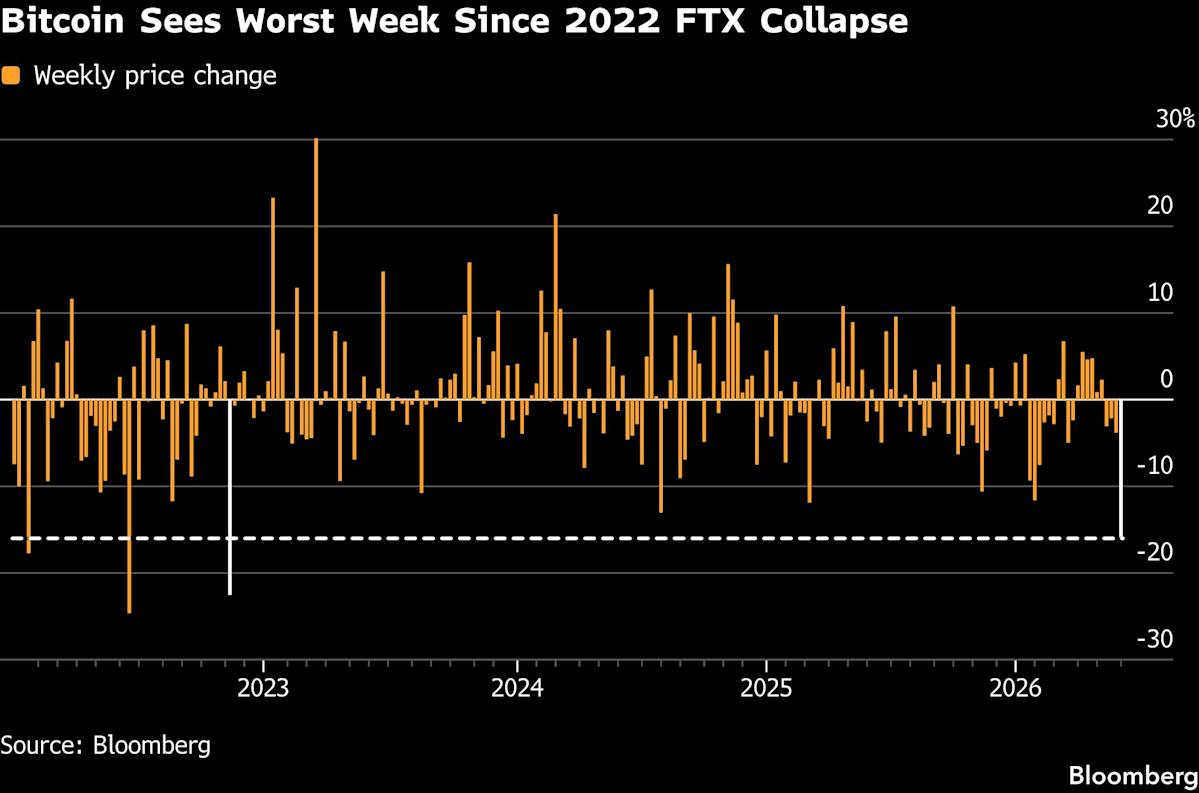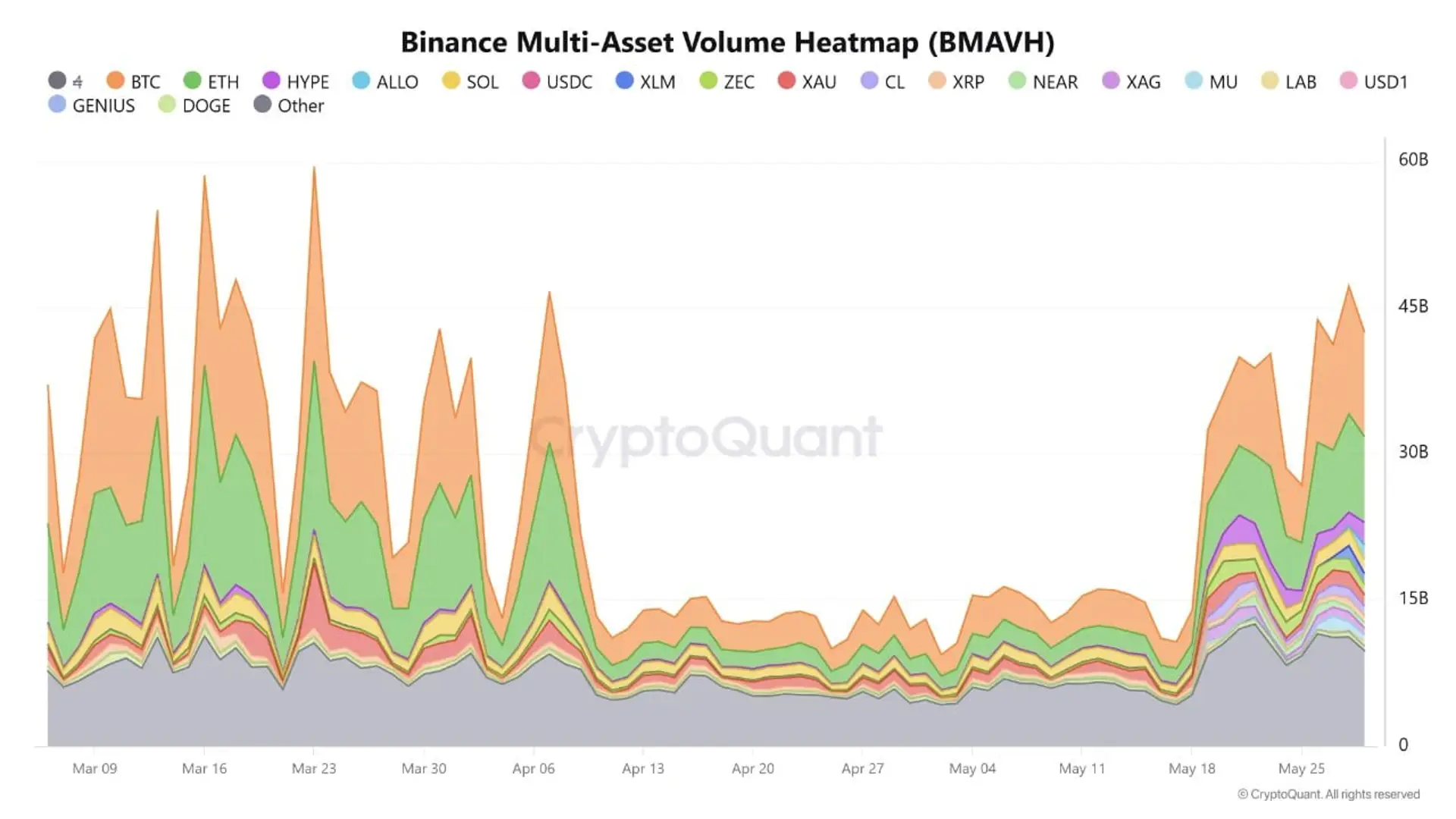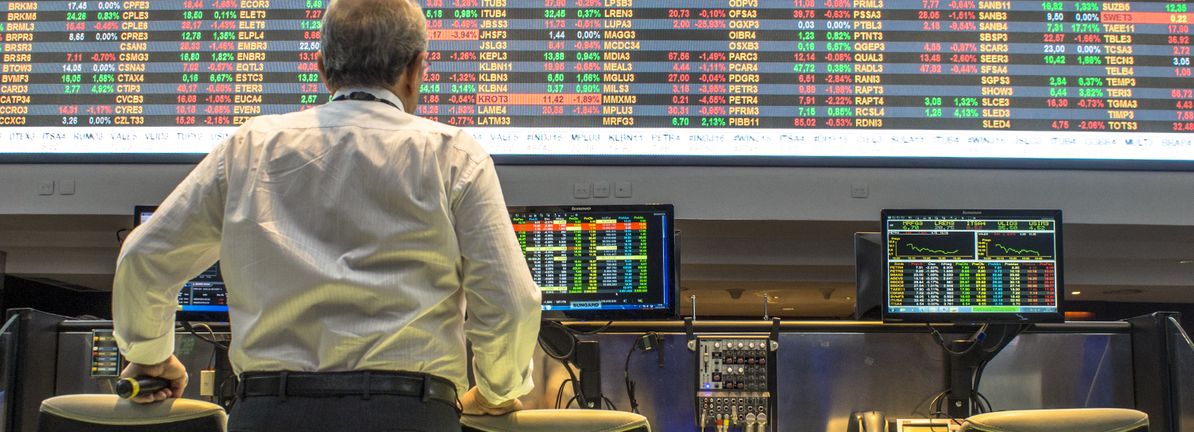
Investors claim they want volatility back. They think it means more opportunity. But when markets start paying a premium for motion, the real risk hides in the plumbing. The lesson of every volatility cycle is simple: the more we engineer a smooth ride, the nastier the skid when friction returns. And right as traders celebrate dispersion and juicy options premia, a new set of supposed safe harbors — non-dollar stablecoins — are telling us something starker about liquidity, incentives, and who actually controls the market’s choke points.
Volatility heaven, liquidity hell
Markets do not break at the headline. They break at the joint. The last time participants crowded the same hedge, we got 1987’s portfolio insurance loop and 2018’s short-volatility implosion. In both cases, strategies that promised stability created a one-way door. When the crowd walked through it together, the exit narrowed to a crack. Today’s version is a system stuffed with products that monetize quiet: structured notes, volatility-targeting funds, dealer hedging that dampens daily swings — until it doesn’t. The longer calm holds, the more risk piles up in the same direction.
What makes the current moment tricky is not the presence of volatility, but its commercialization. When vol is sold as income, the demand for liquidity is pre-sold too. In a rapid move, the hedging flows of one group become the fuel for the next. Add in thinner equity depth, more event-driven options activity, and passive flows that ignore price, and the gap risk grows. Volatility heaven is a place where investors feel clever for collecting pennies under a bulldozer that moves more slowly than they expect — until it doesn’t.
Stablecoin diversification meets the dollar’s gravity
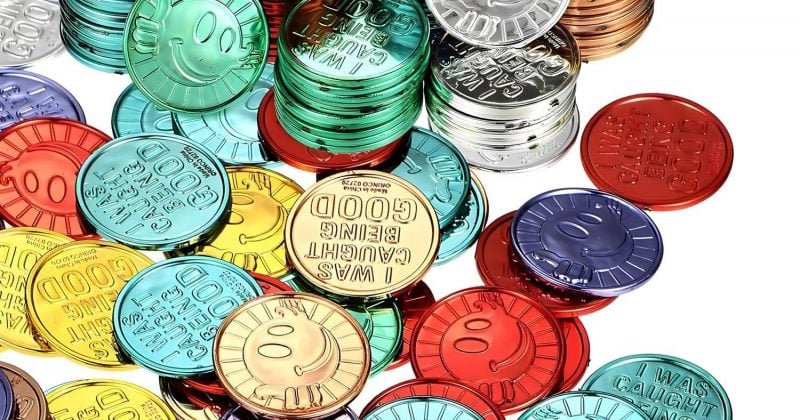
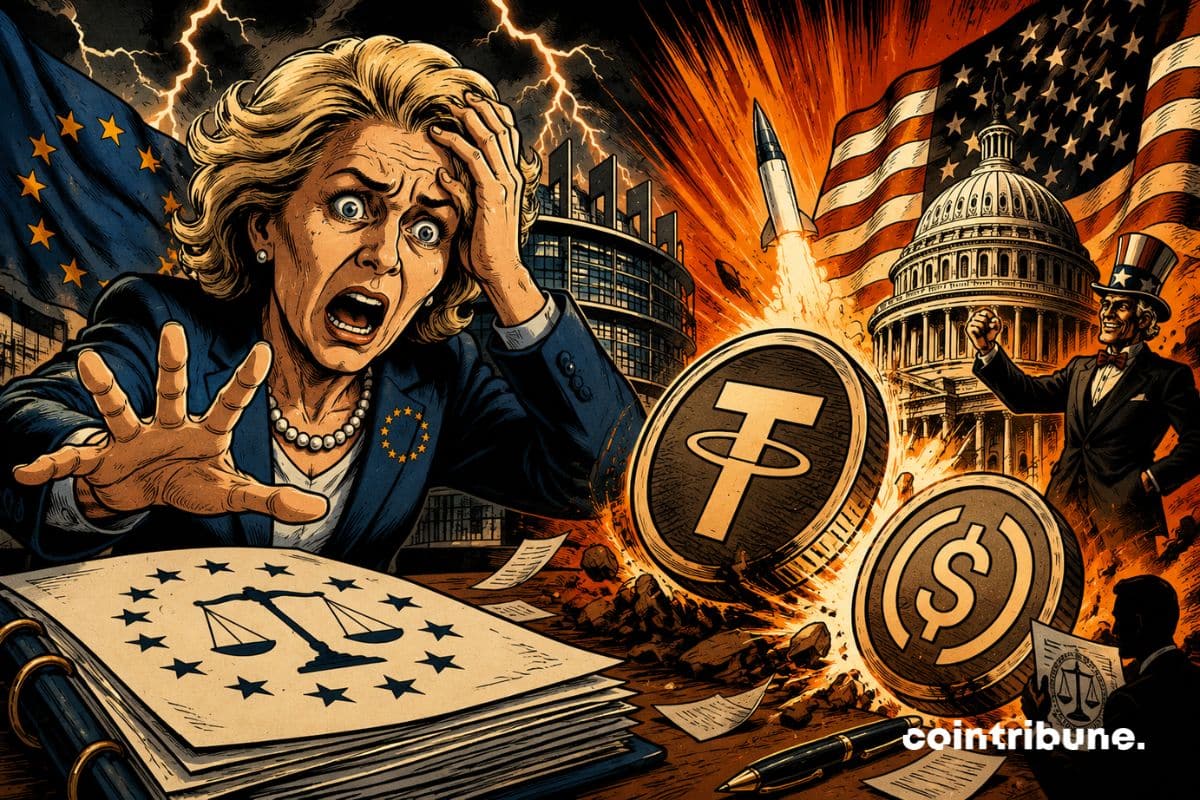
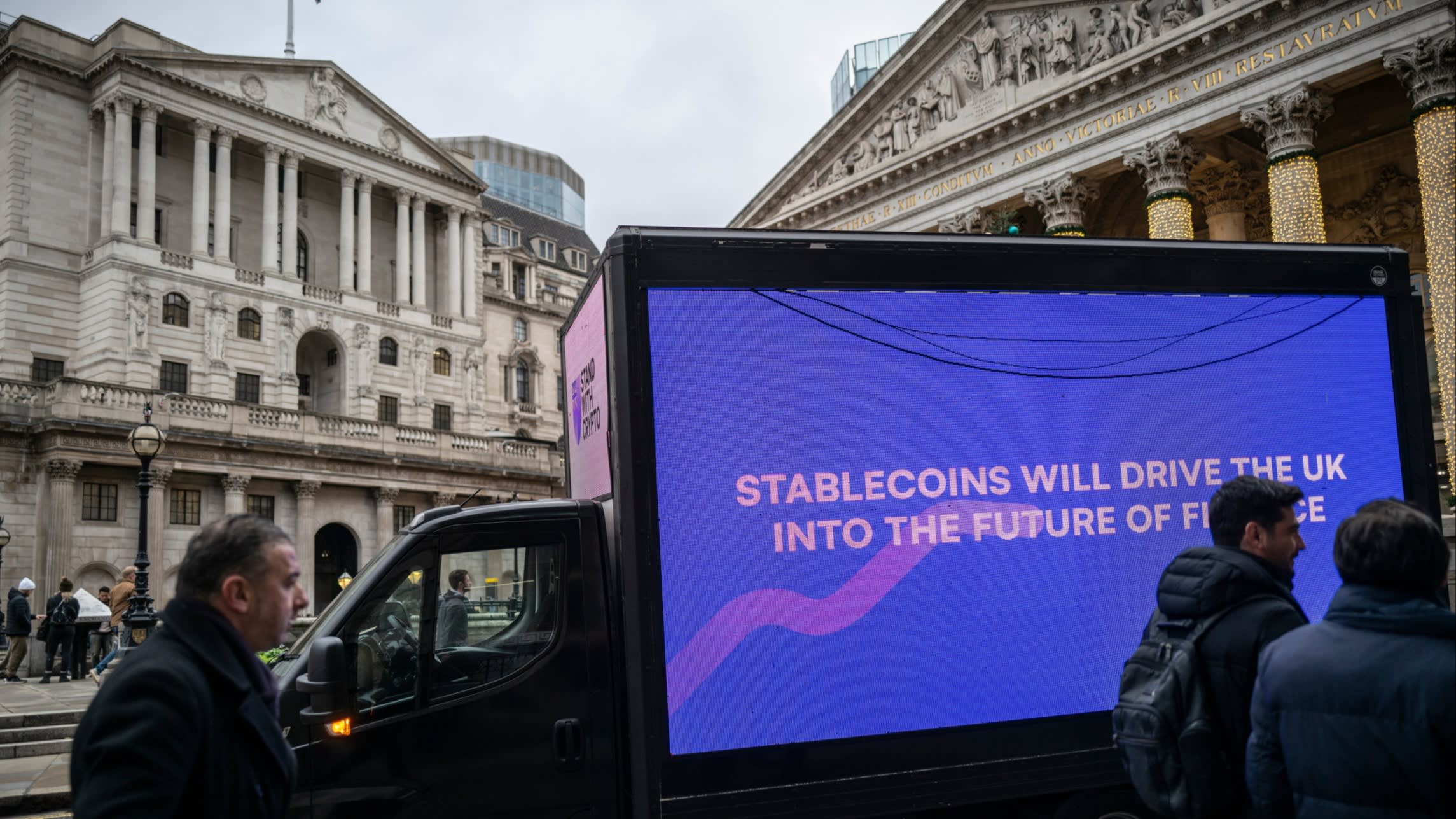
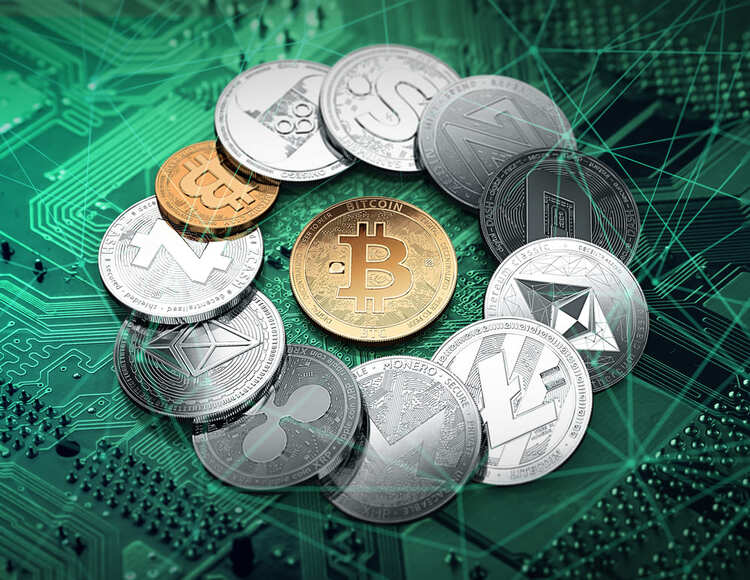
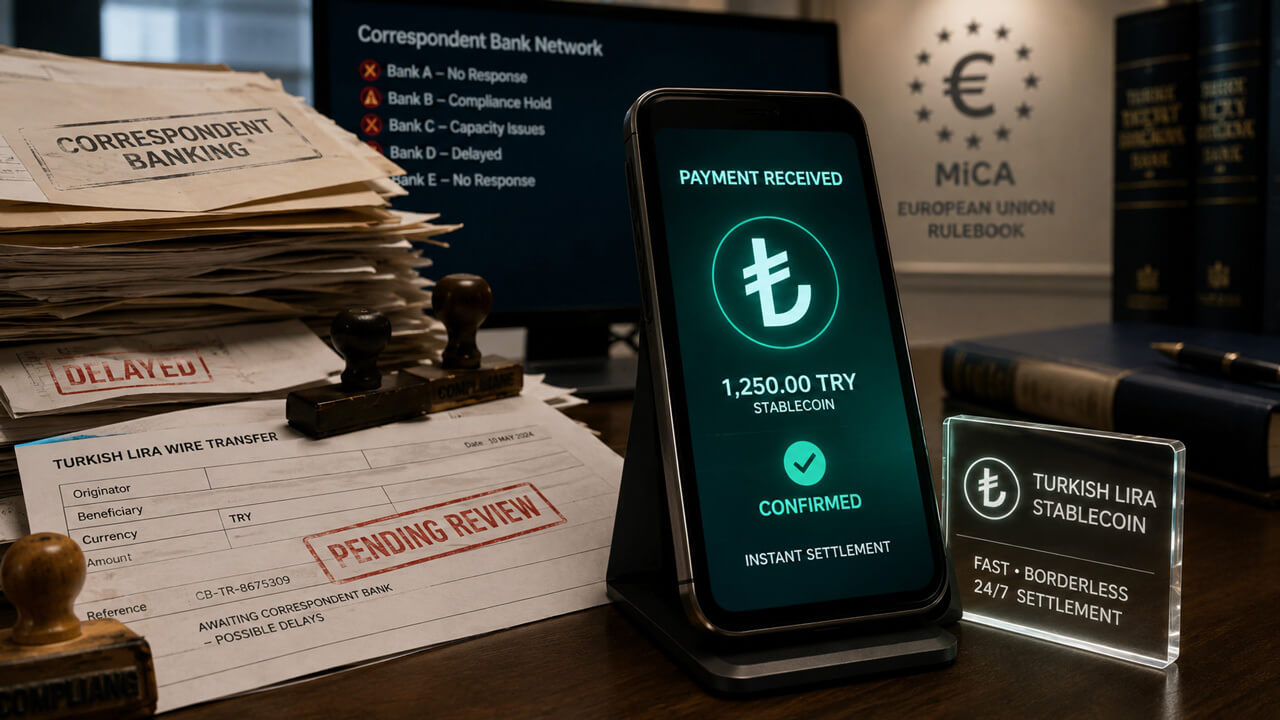
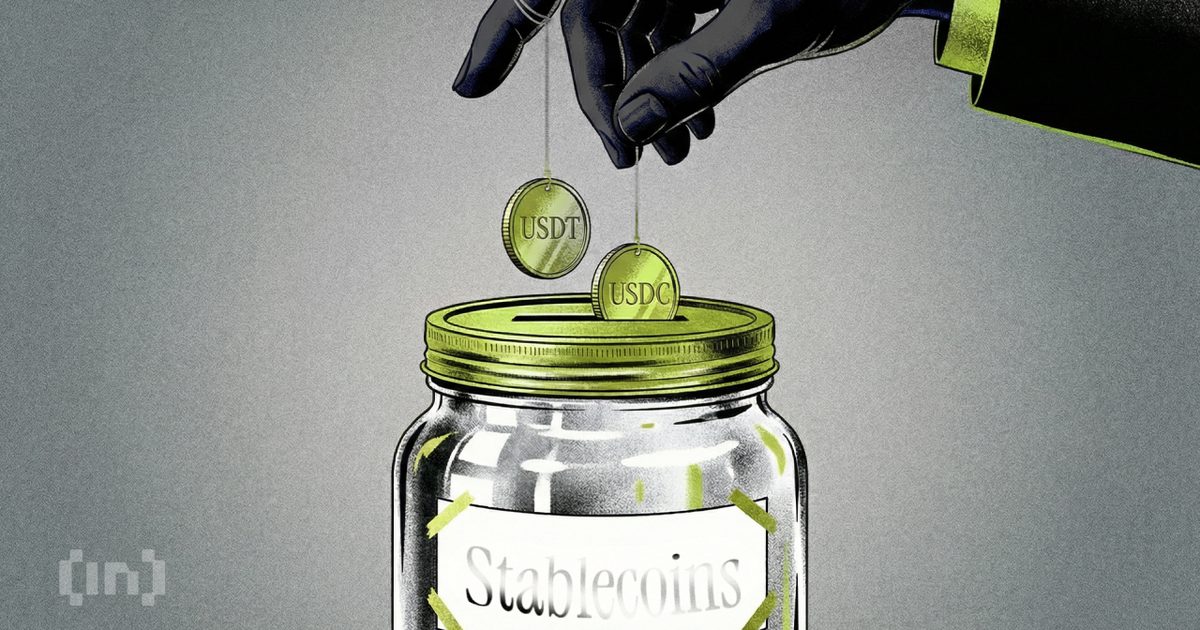
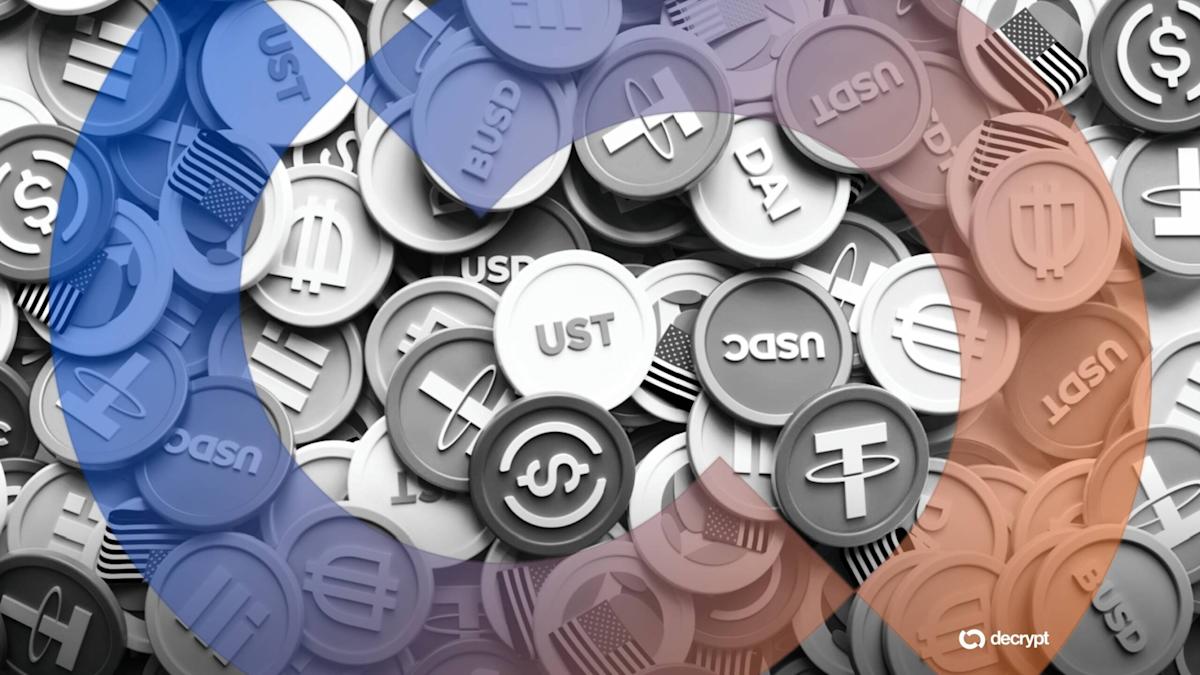
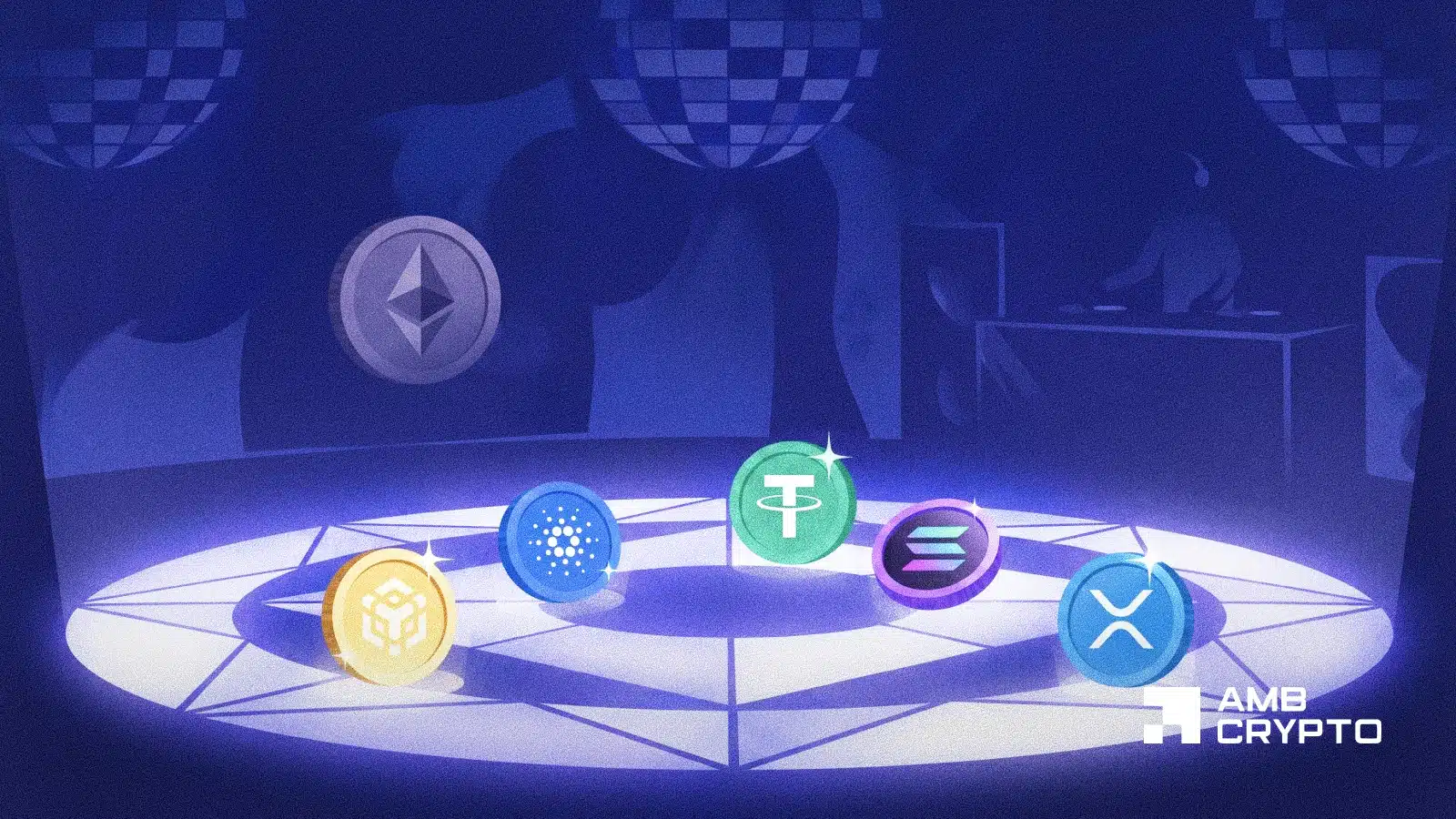
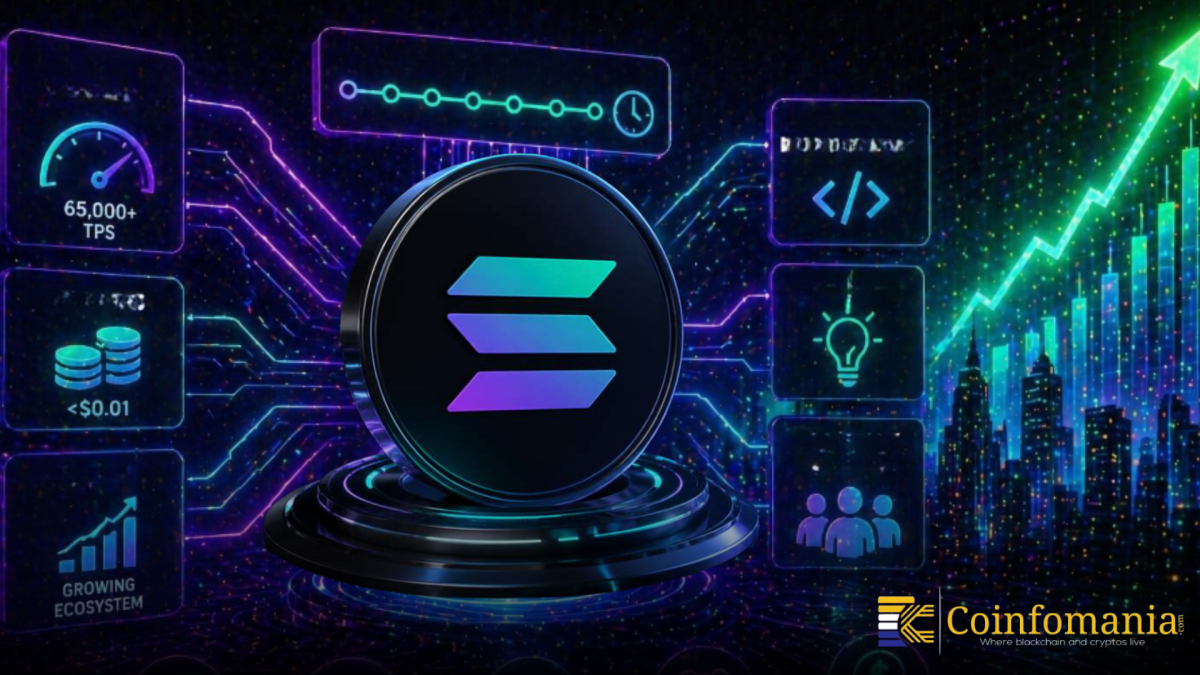
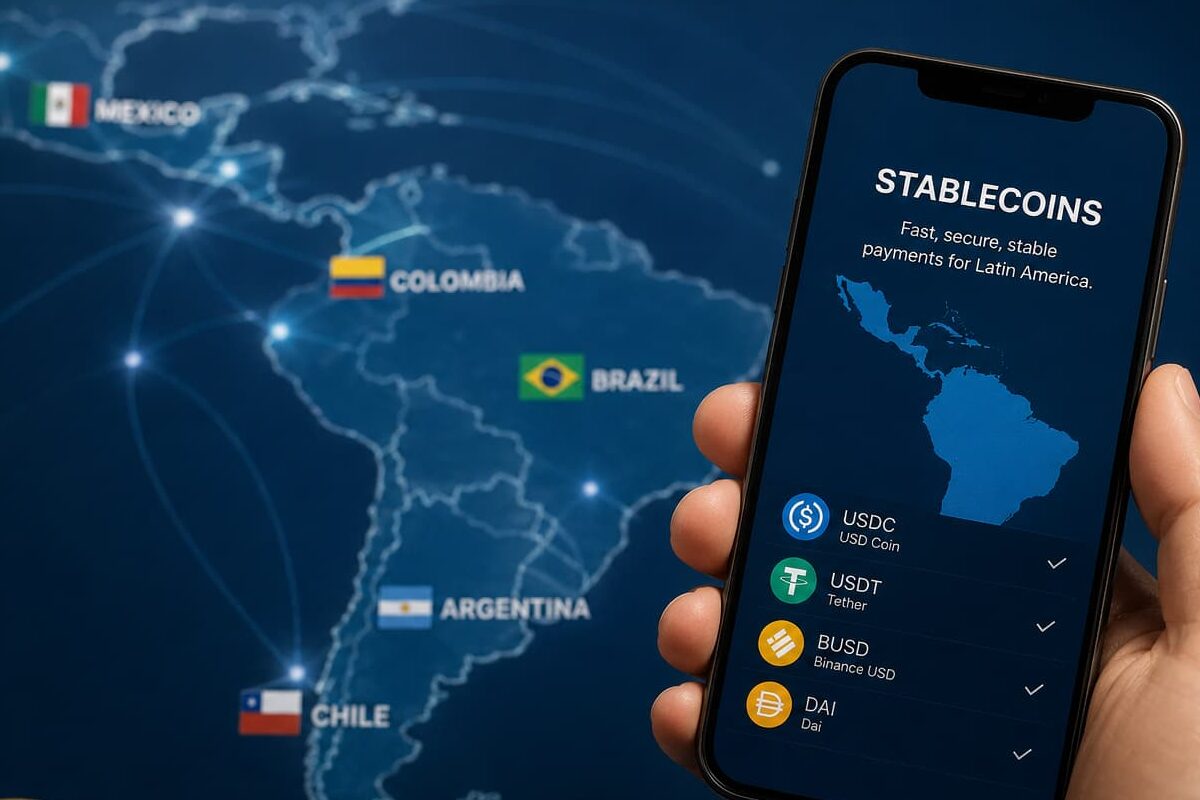
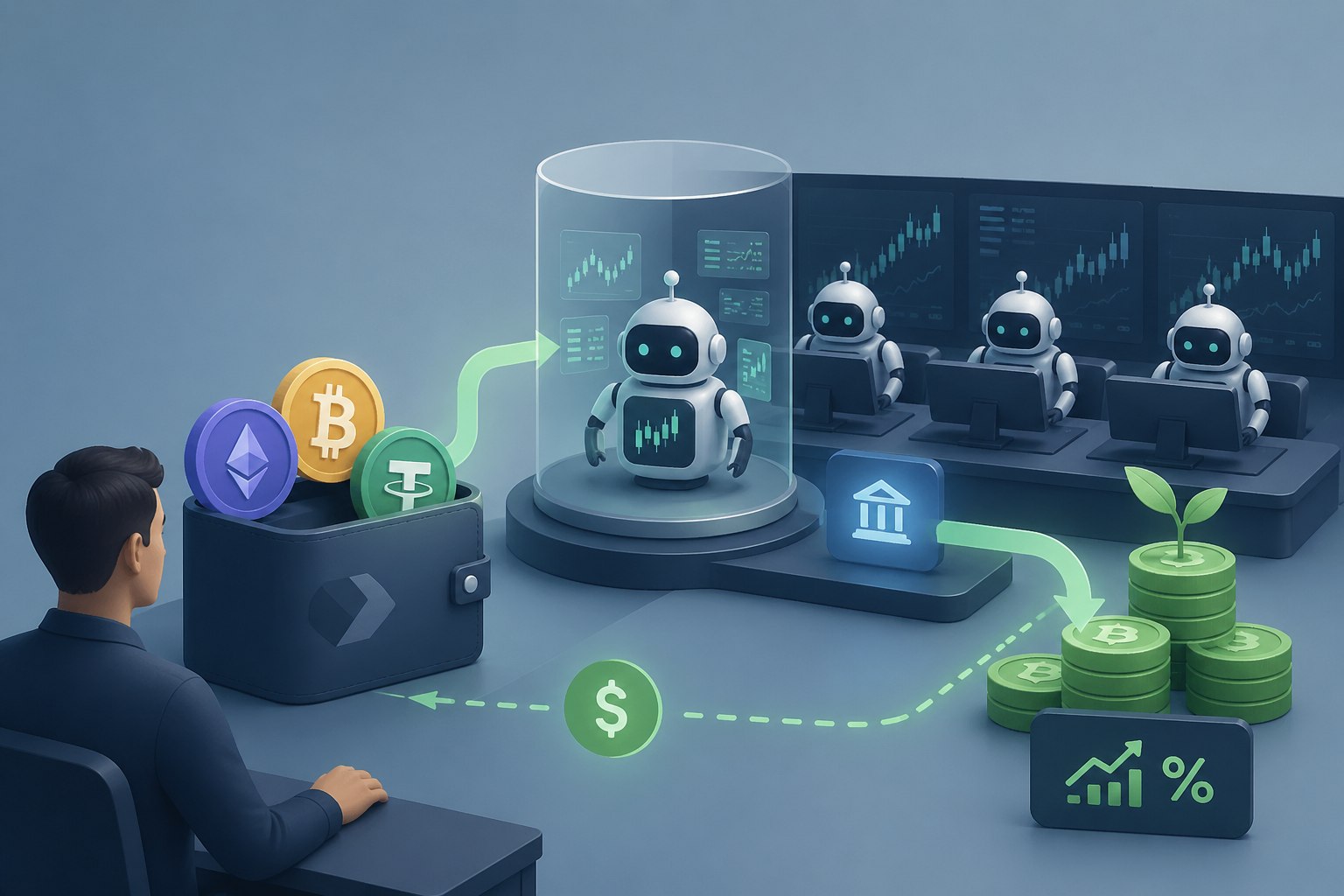
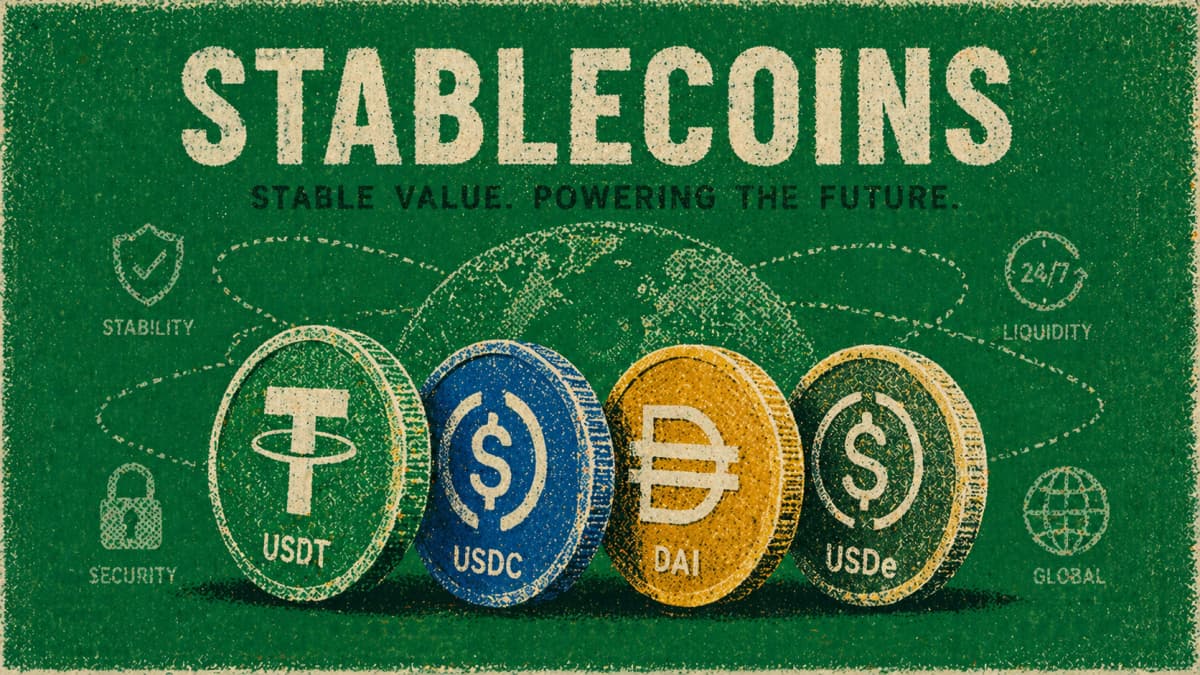
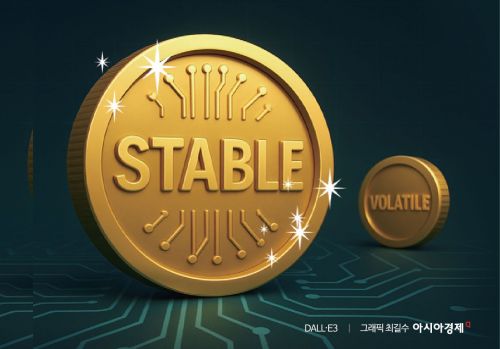
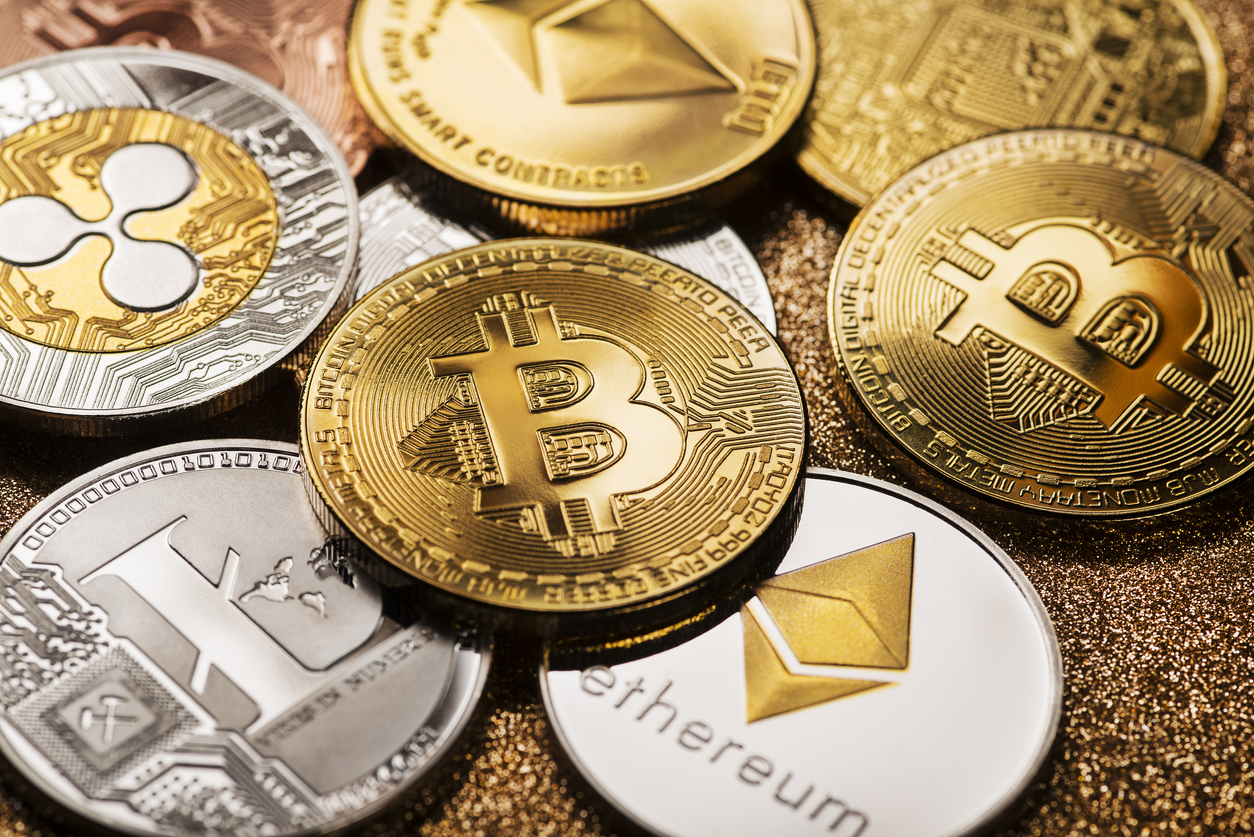
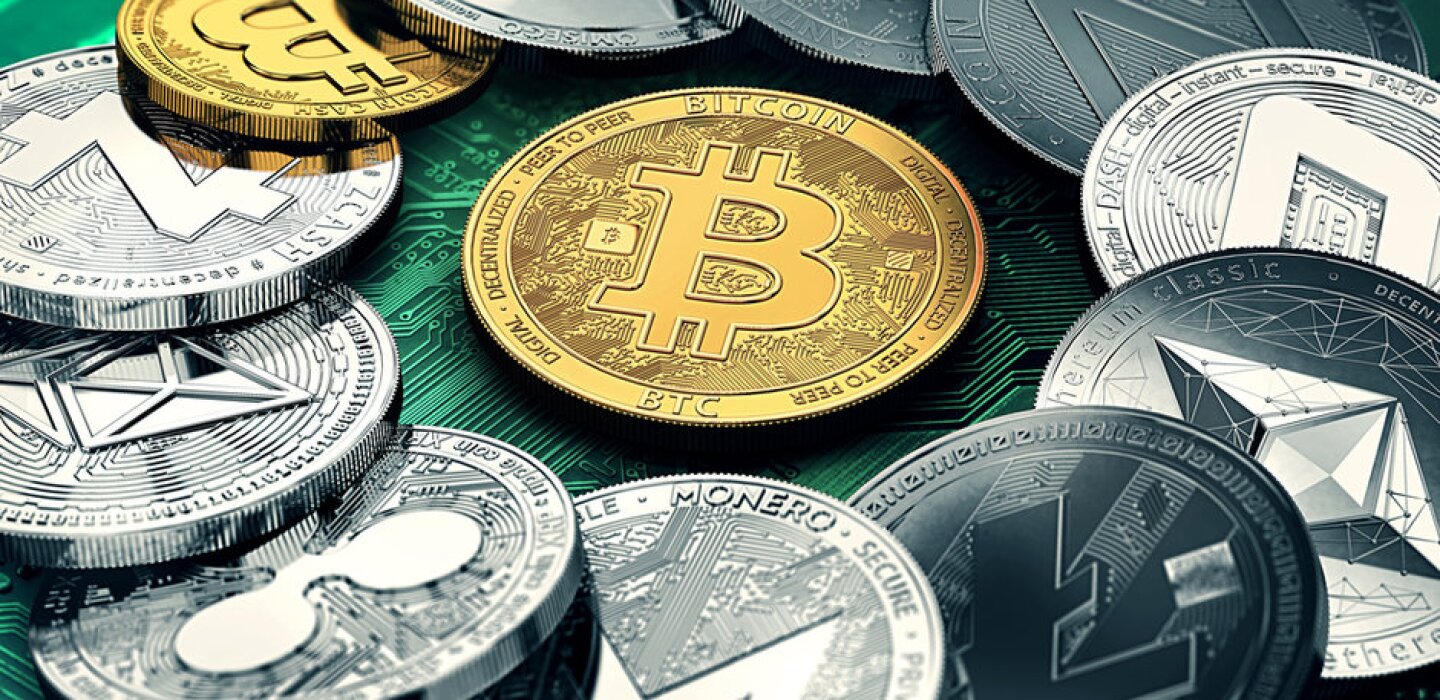
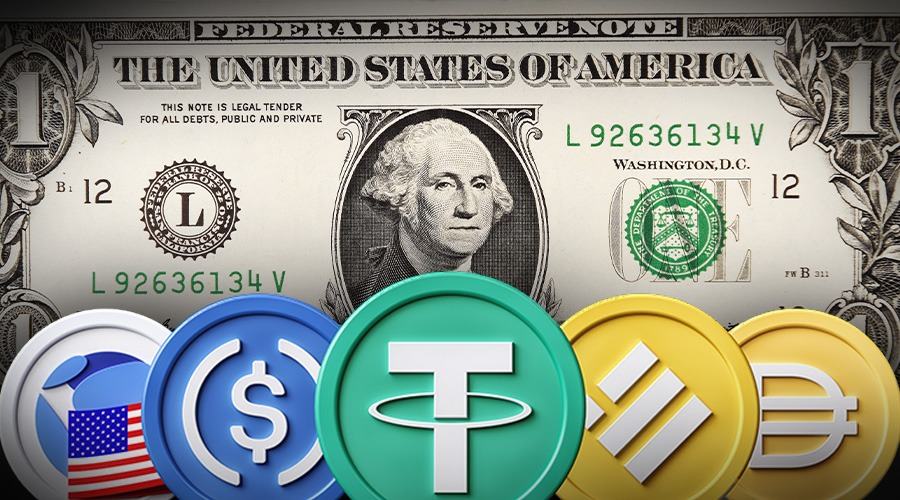
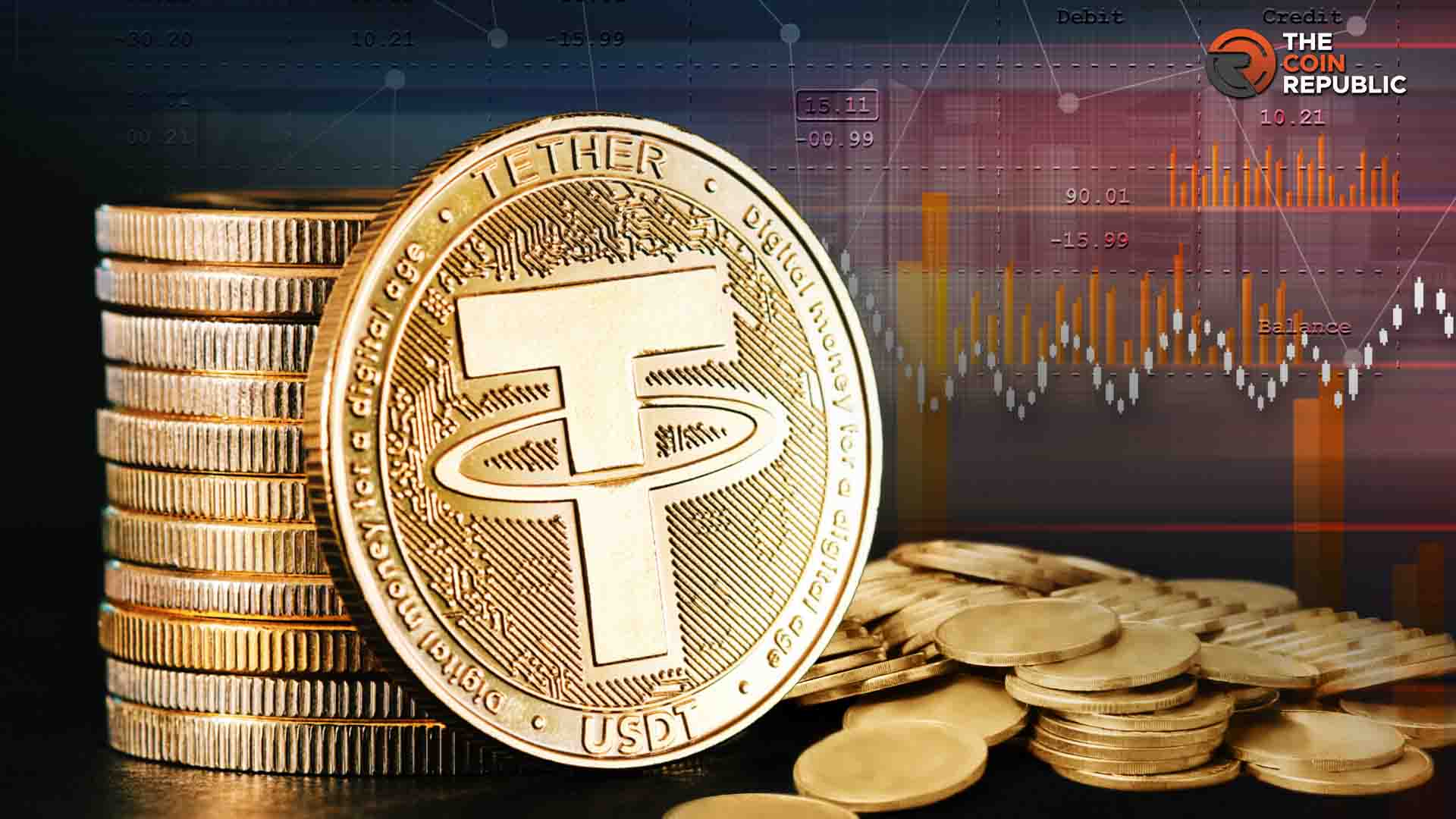
The crypto crowd has its own version of the same story. Non-dollar stablecoins are pitched as diversification. In theory, they reduce dependence on the U.S. dollar and its politics. In practice, they fight physics. Money is a coordination game. We gravitate to the deepest pool. The dollar remains the Schelling point because it offers the thickest order books, the most counterparties, and, in this rate regime, the highest-quality yield on reserves. That is a tough triangle to beat.
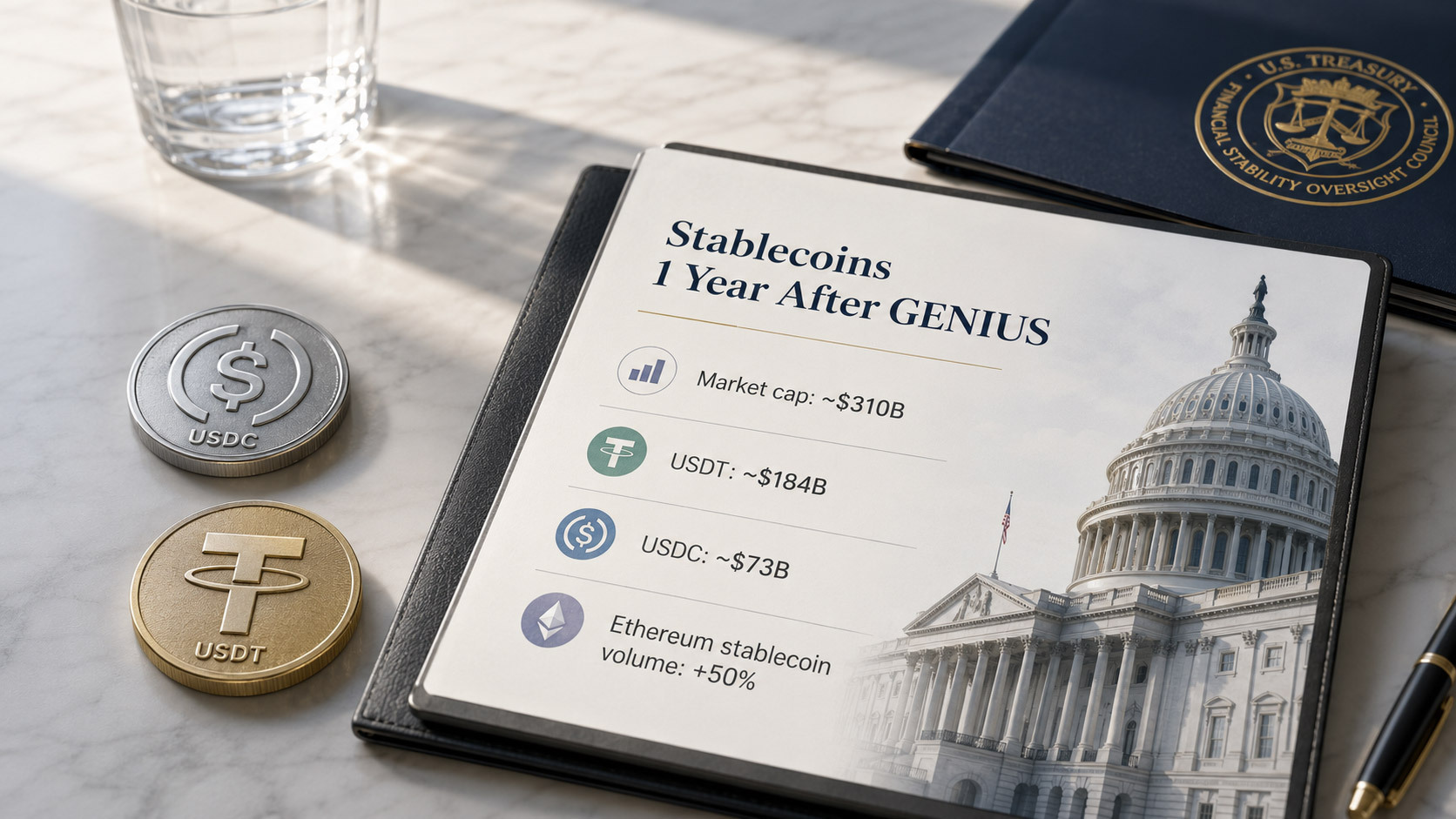
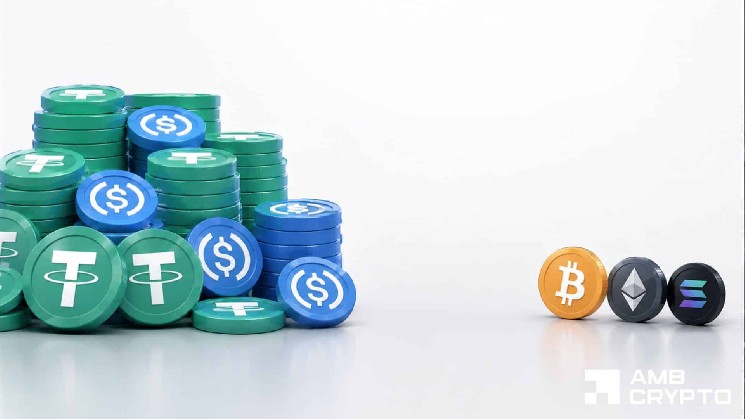
The numbers reflect it. Non-dollar stablecoins still make up well under one percent of stablecoin market value. Their daily volumes are thin, spreads wider, and on-ramps fewer. Meanwhile, dollar-pegged tokens ride a built-in tailwind: reserves parked in short Treasuries now pay interest, strengthening balance sheets and letting issuers subsidize fees or incentives. Liquidity begets liquidity. The more participants settle in dollar coins, the harder it becomes for any rival unit of account to gather enough flow to matter.
Algorithmic pegs and the death spiral problem
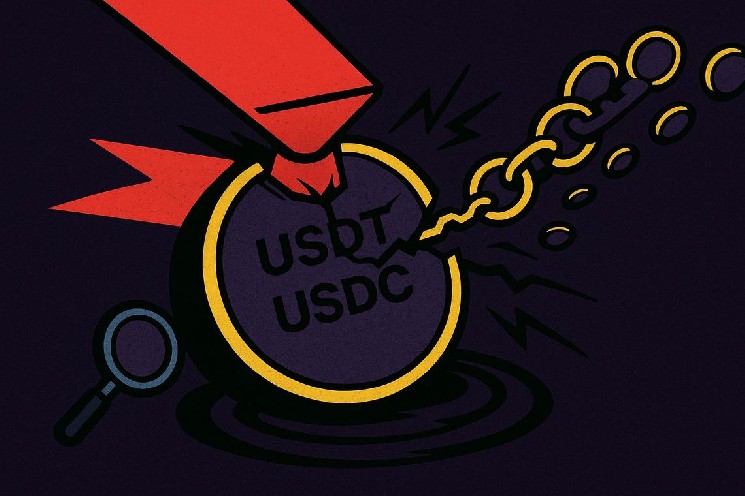
When collateral is scarce, engineers reach for code. Algorithmic stablecoins promise stability without cash or equivalents. They replace reserves with reflexivity: trust the peg because everyone else does. That is not stability. That is a bank run in waiting. The mechanics are textbook. If confidence wobbles, redemptions accelerate. The coin issues more of its sister token to defend the peg, diluting that token’s price. Falling collateral power triggers more issuance. The feedback loop eats itself. We have seen this movie. It ends with zero.
Even asset-backed pegs can fail the payments test. A means of payment that floats to 99 cents precisely when you need certainty is not a means of payment. Par is a hard promise. Breaking it erodes the entire use case, not just the day’s price chart. That is why currency boards hoard reserves and why banks pre-position liquidity. Algorithmic designs invert that logic. They gain no resiliency from shocks; they amplify them. Fragility dressed as innovation is still fragility.
Narratives do not clear markets. Flows do
The crypto market is a theater for stories. Headlines can move prices for a day. But prices do not hold without flow, collateral, and counterparties willing to take the other side. The same is true in equities and bonds. In a higher-rate world, dollar stablecoins source return from real assets. That creates measurable cash flow and makes market makers stickier. Non-dollar coins, especially those without deep reserve income or regulatory clarity, must bribe participation or hope for ideology to trump convenience. That is not a base for permanence.
Volatility regimes are also about balance sheets. Dealers hedge options exposure more aggressively when gamma is high and liquidity is thin. That can compress realized volatility in quiet times and supercharge it into events. Likewise, stablecoin issuers look stable until they need liquidity at the same time as their users. The test is whether a system’s core actors are paid to provide stability when it is most expensive. If they are paid to exit instead, expect air pockets.
The dollar’s advantage is yield and law
For all the talk of decentralization, the market still seeks legal clarity. Dollar stablecoins are not perfect, but they increasingly sit in a framework that defines reserves, audits, and redemptions. Combine that with a five percent T-bill and you have a unit that can pay its own way. As with currency pegs, credibility comes from the size and quality of what sits behind the promise. A peg backed by narrative, or by volatile crypto collateral, is a fair-weather bridge.
Engineering offers a clean analogy. A well-anchored suspension bridge can flex under load and wind without failing. It is designed for stress. An algorithmic peg is a bridge without anchors. Small oscillations do not dissipate; they amplify. The first gust looks impressively smooth. The second sets up a resonance. By the third, the structure tears itself apart. Investors confuse early smoothness for robustness because they do not see the stress paths.
Hidden risks in the volatility trade
If you are celebrating volatility’s return because it fattens premiums, ask who is warehousing the tail. The answer is often nobody. Risk is shuffled, not deleted. In credit, the same logic applies. Years of suppressed spreads pushed lenders into covenant-lite structures. Now, when economics normalize, the margin of safety is lower. A few downgrades can reprice entire capital structures. Weak hands chase yield in good times and chase exits in bad times. That is how reflexivity works.
In equities, dispersion trading and variance swaps have given investors new ways to express views. Useful tools. But mechanical hedging flows can move prices the wrong way at the worst time. The lesson from past accidents is not to avoid tools. It is to avoid dependence on tools working in stress. Portfolios that need smooth markets to deliver carry are portfolios that are short liquidity. In a world with more shock absorbers removed, slippage is not a bug. It is the mechanism.
Building antifragility in a world of pegs and premiums
The inversion is simple. Treat pegs as risk factors, not comforts. Demand transparent collateral, frequent attestation, and tested redemption in size. Diversify by counterparty, venue, and legal regime, not just by token ticker or unit of account. In public markets, size positions so you can add when spreads widen and volatility spikes, not so leverage forces you to become a seller of last resort. Prefer cash flows over stories and liquidity you control over liquidity you rent.
Most of all, respect small fires. Systems that never clear brush catch the whole forest. Accept more day-to-day noise if it reduces embedded, hidden tails. Volatility heaven is only heaven for those positioned to benefit when others discover they were long confidence and short cash. In both crypto pegs and equity carry, the same rule holds: what cannot bend will break. The only real haven is a balance sheet and a process that gain strength from disorder rather than needing it to stop.