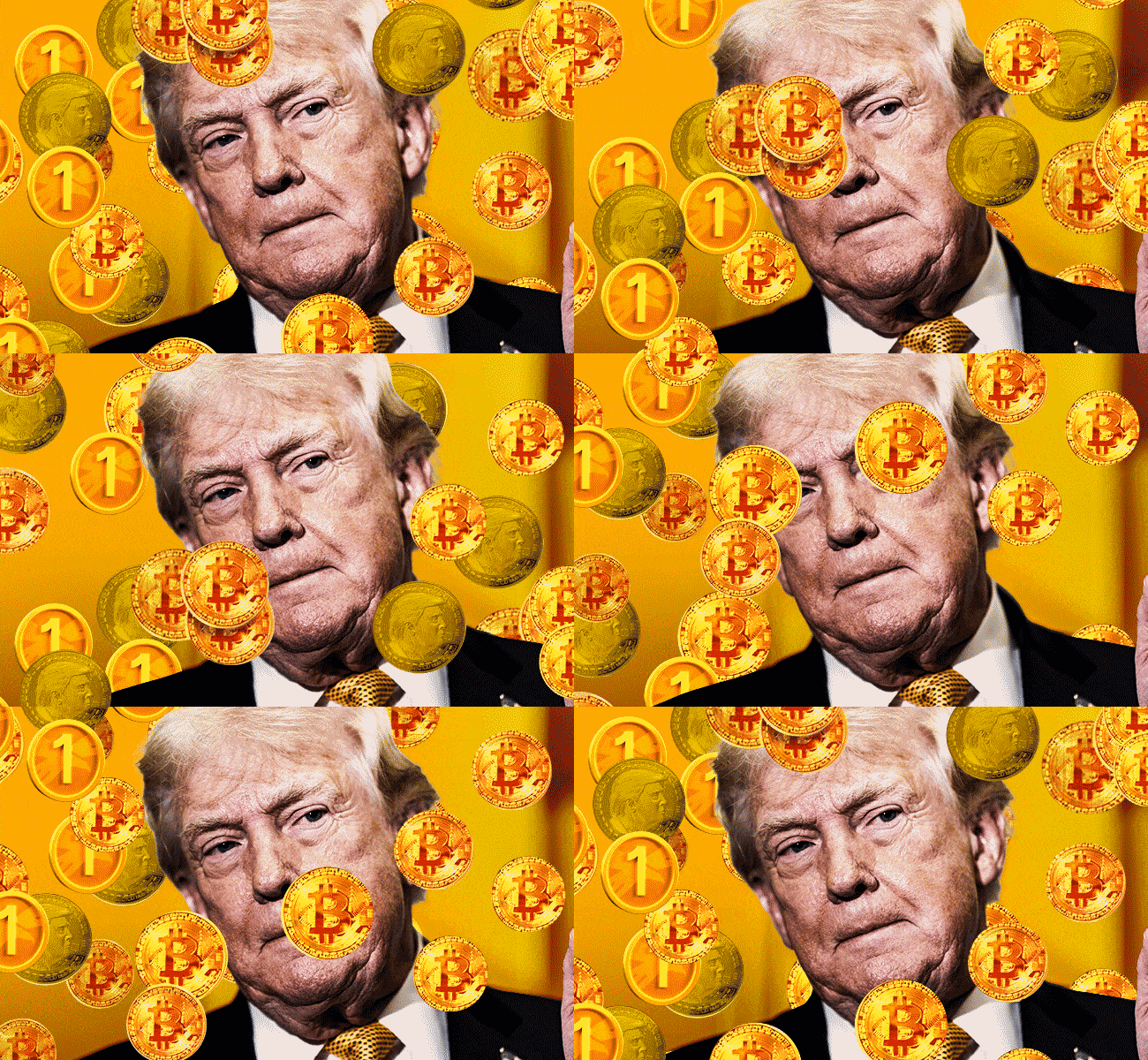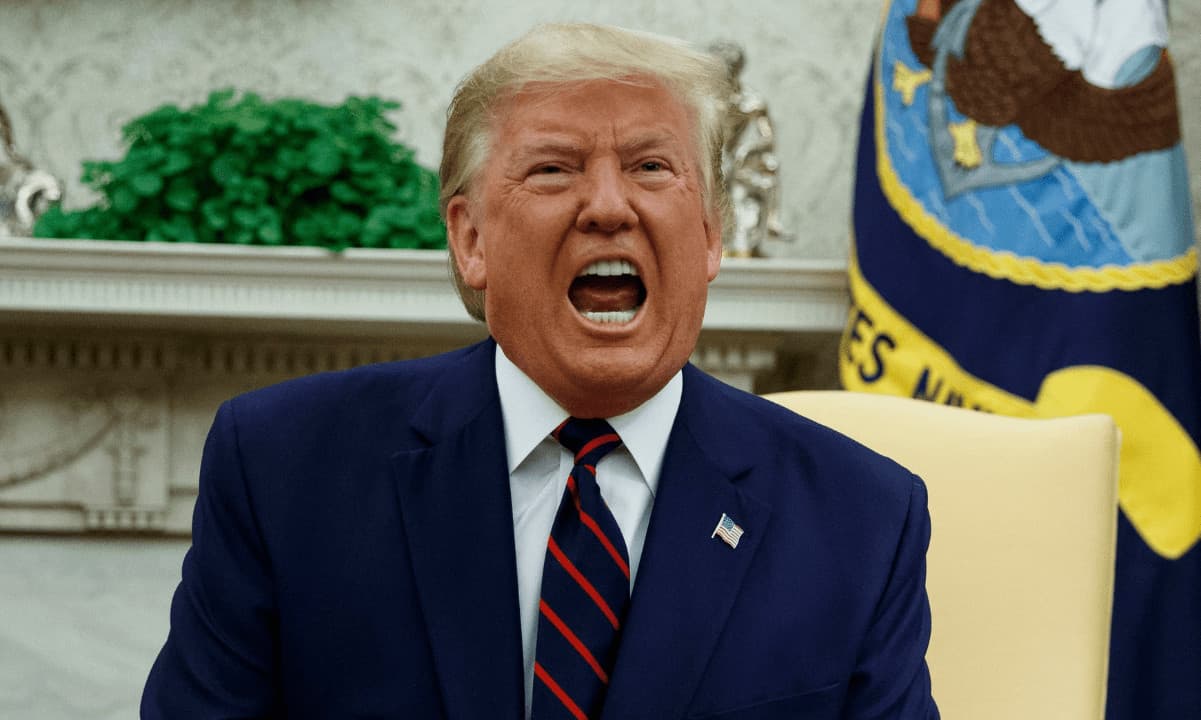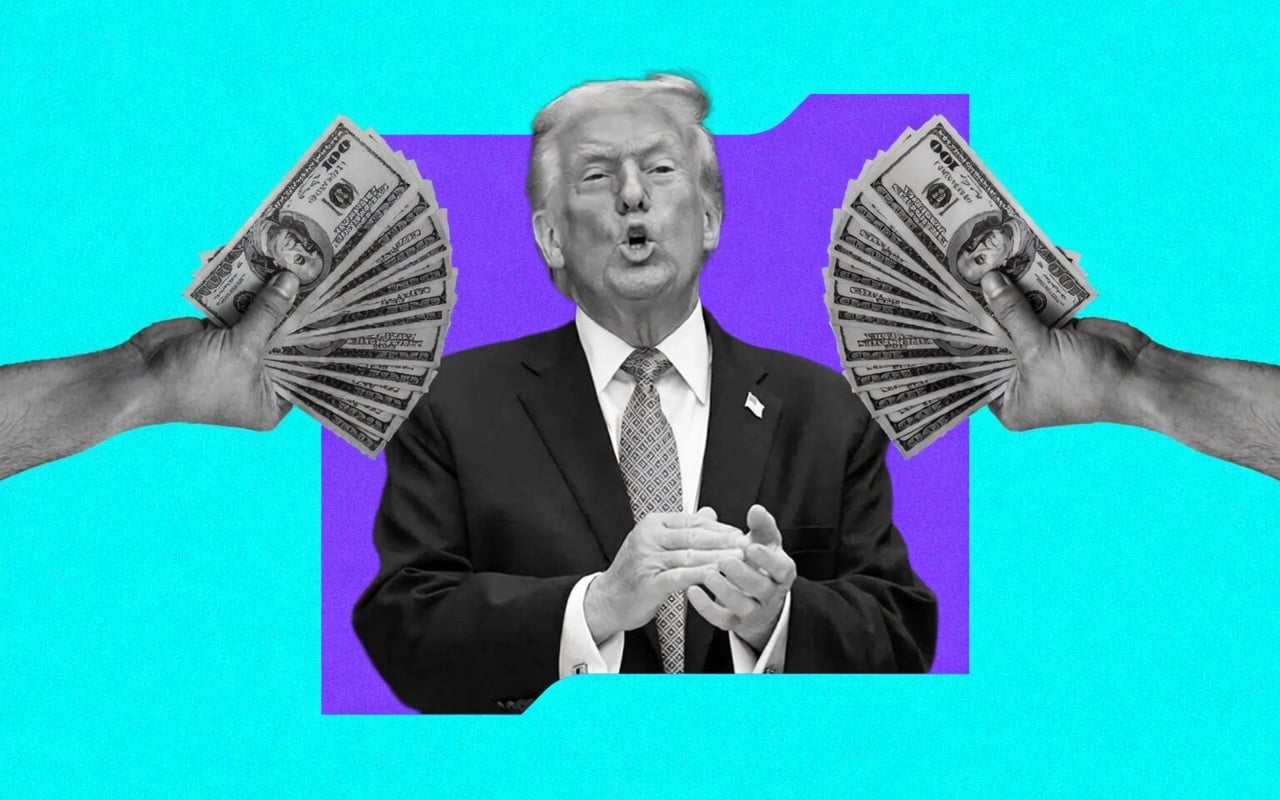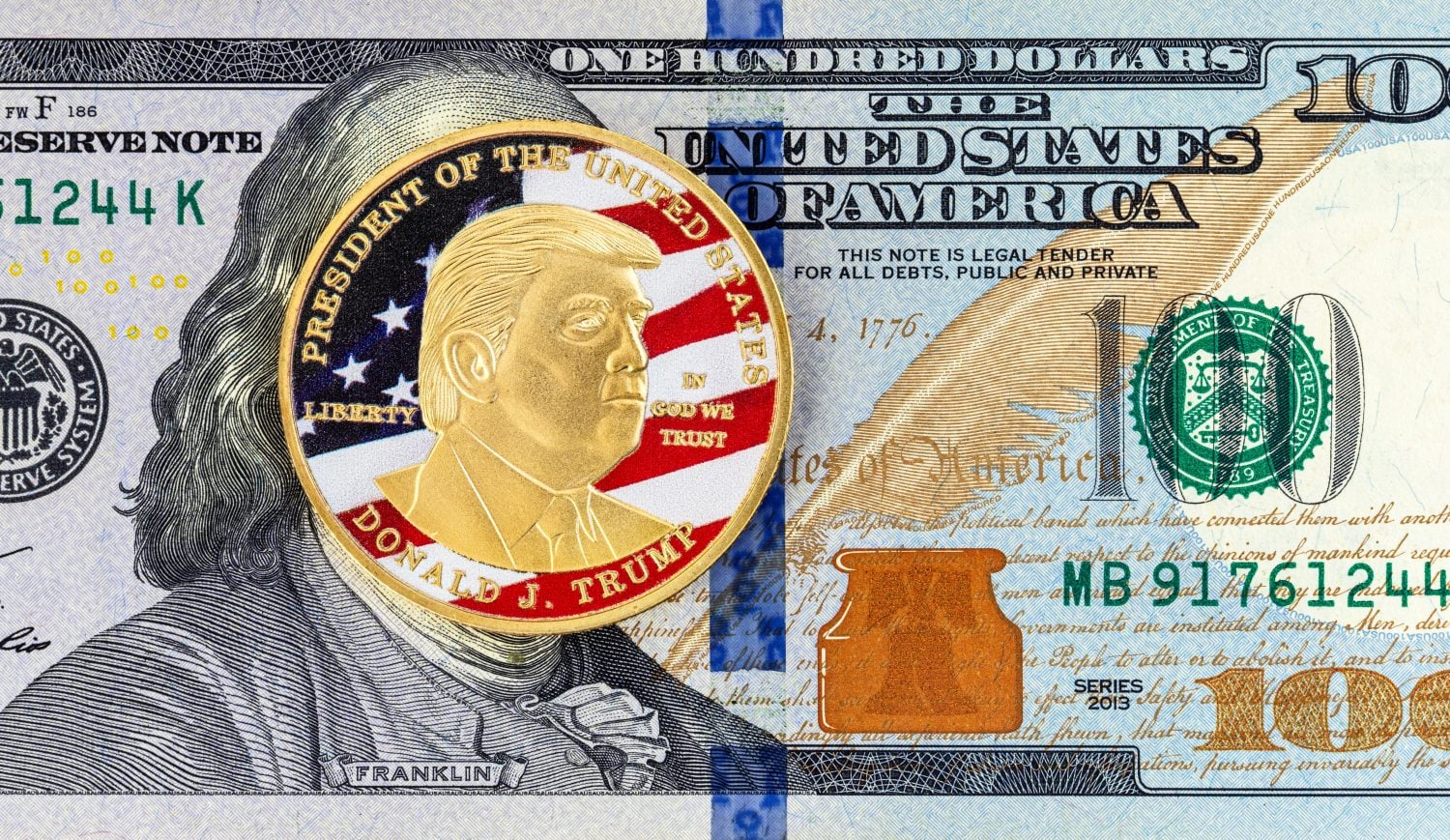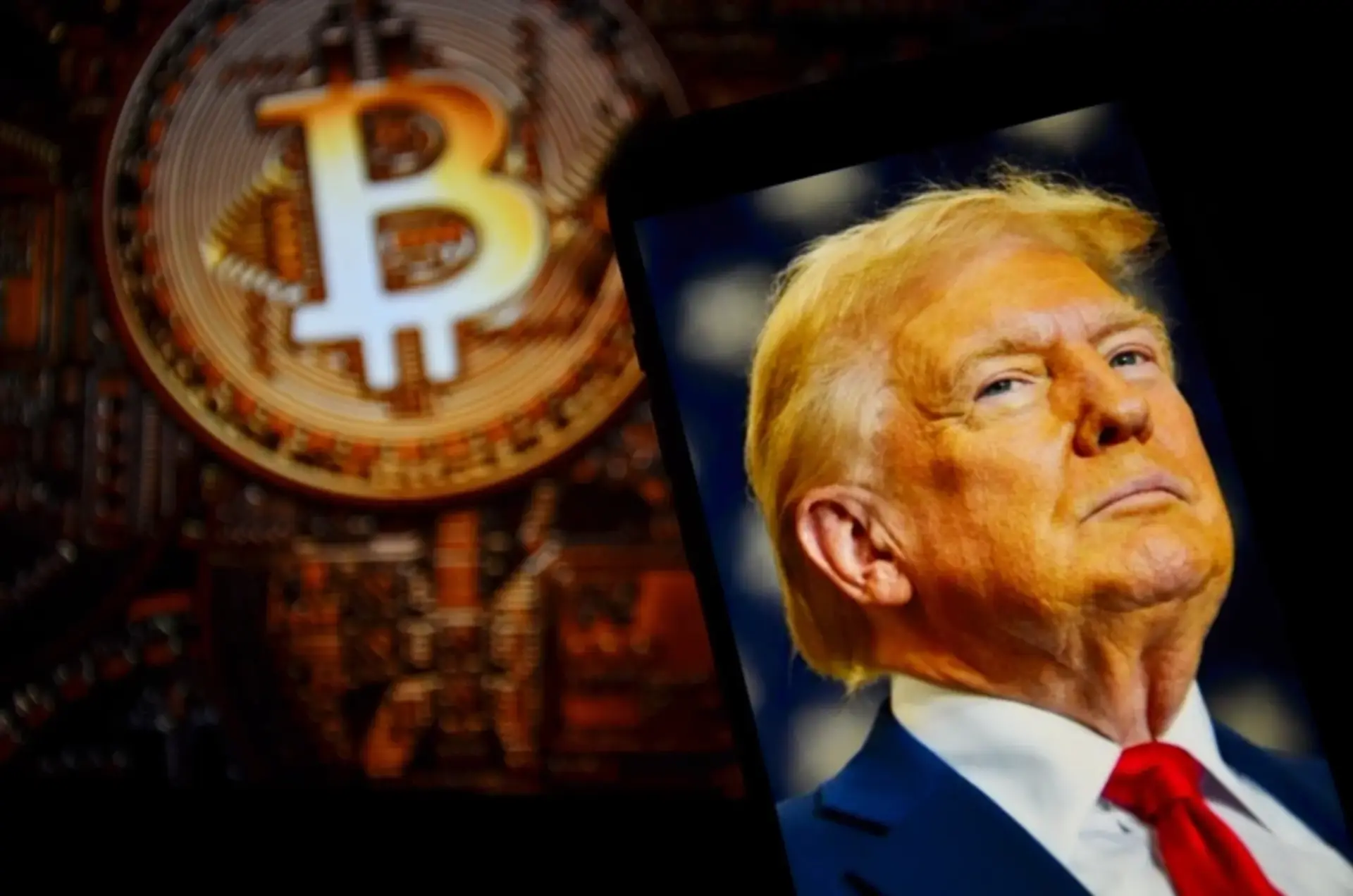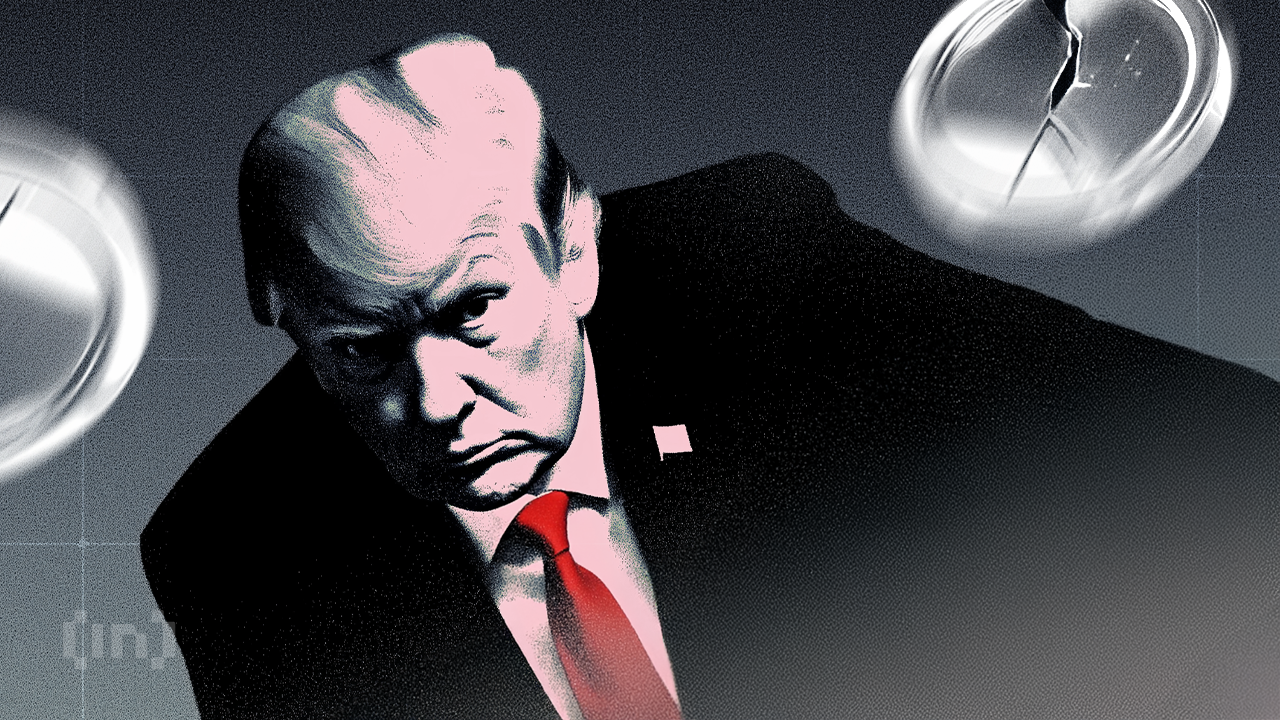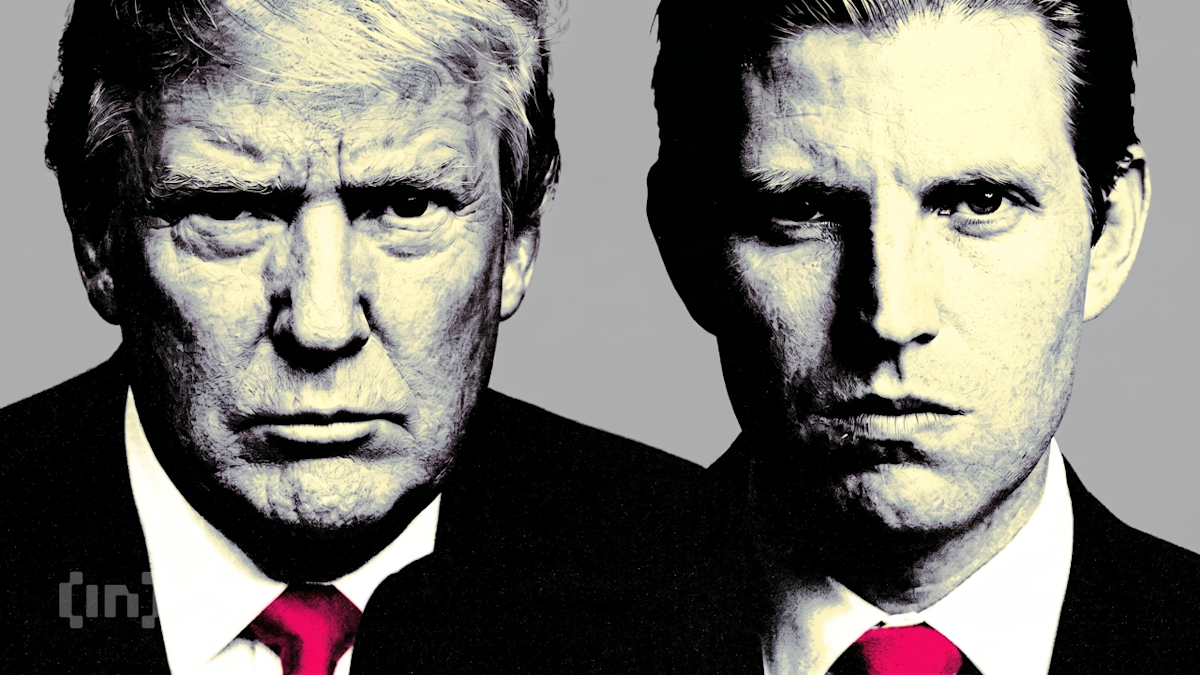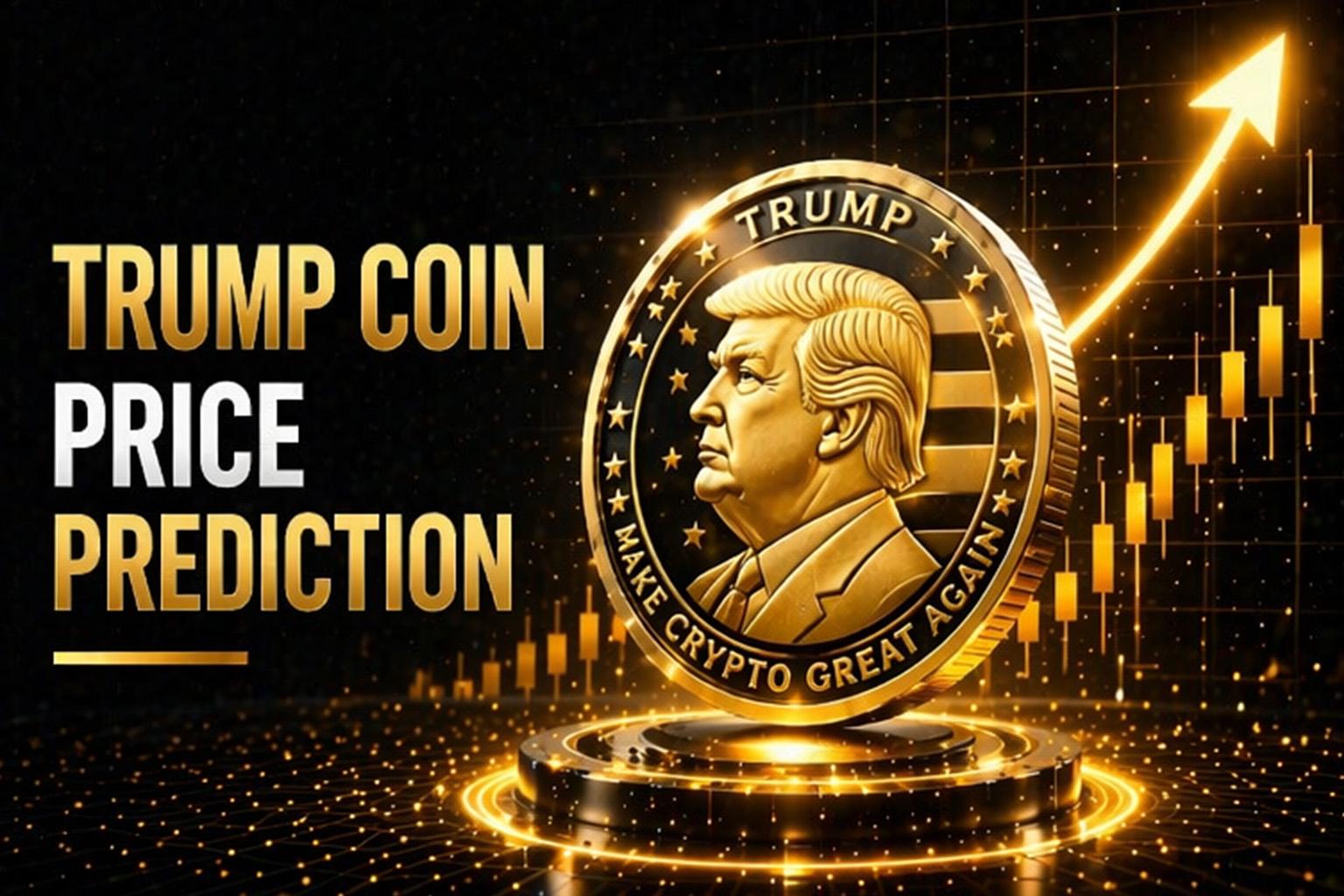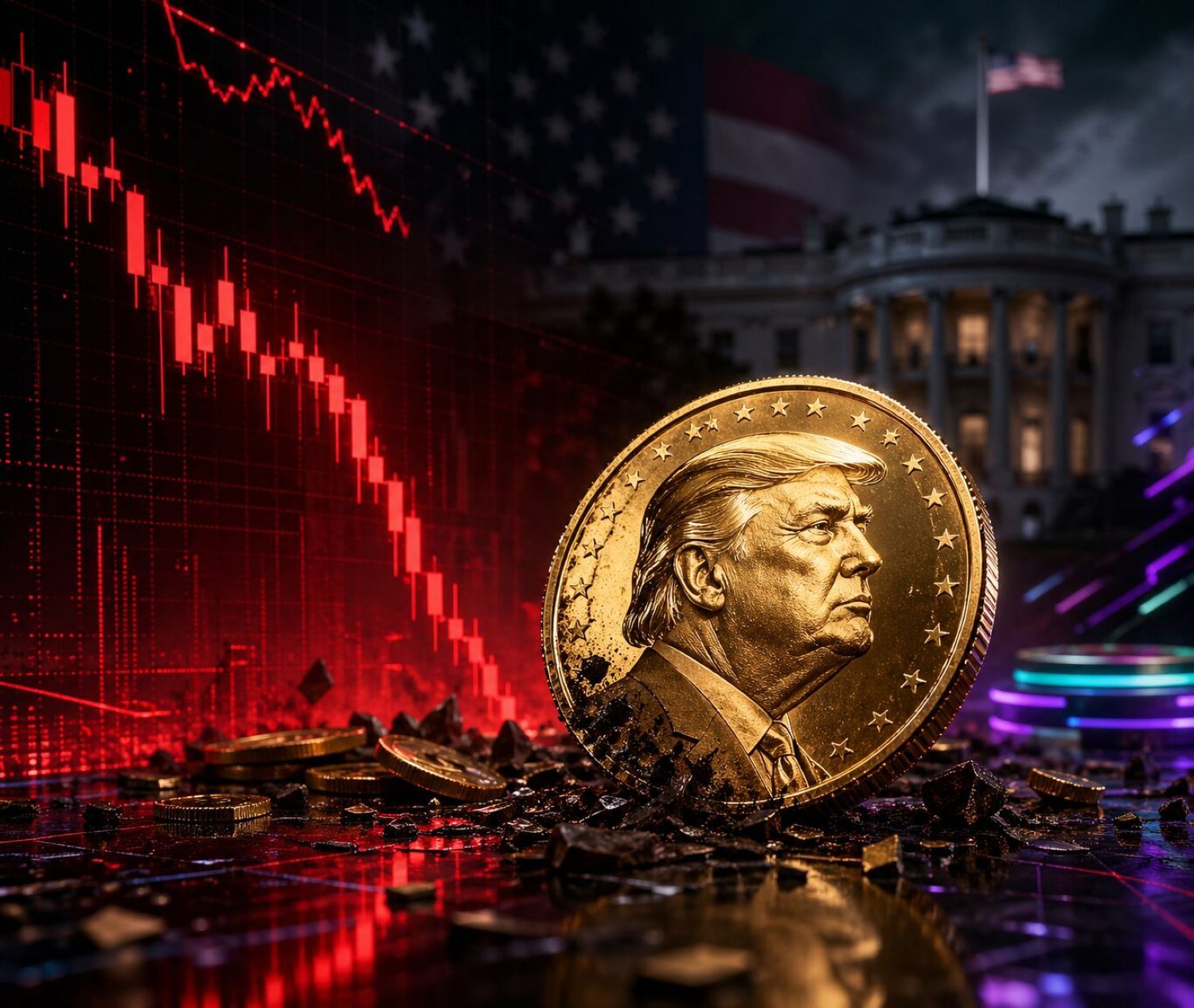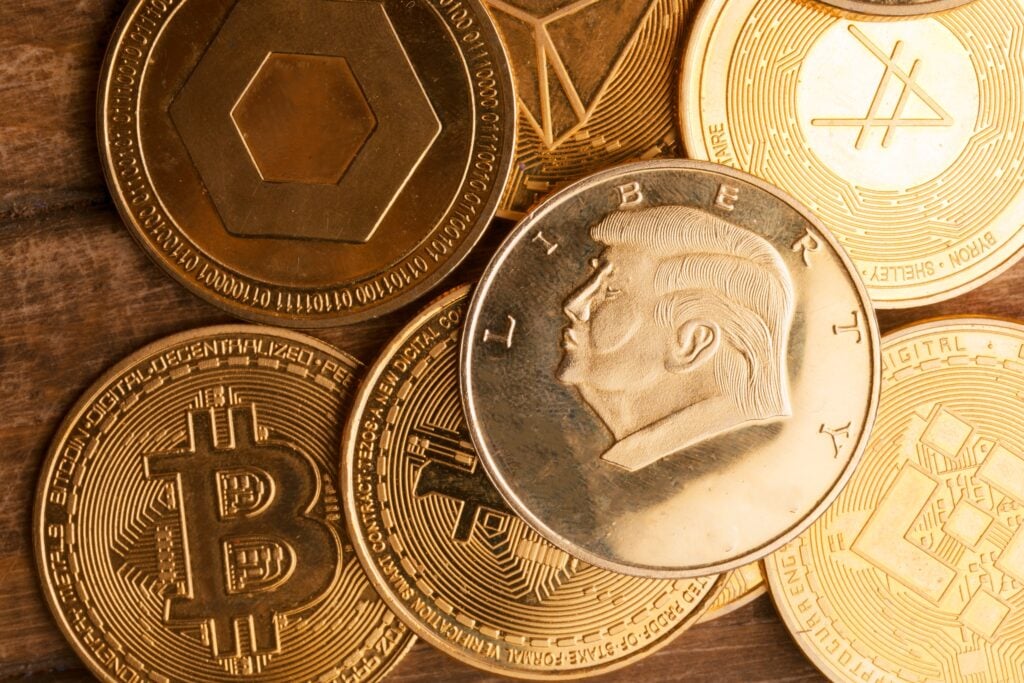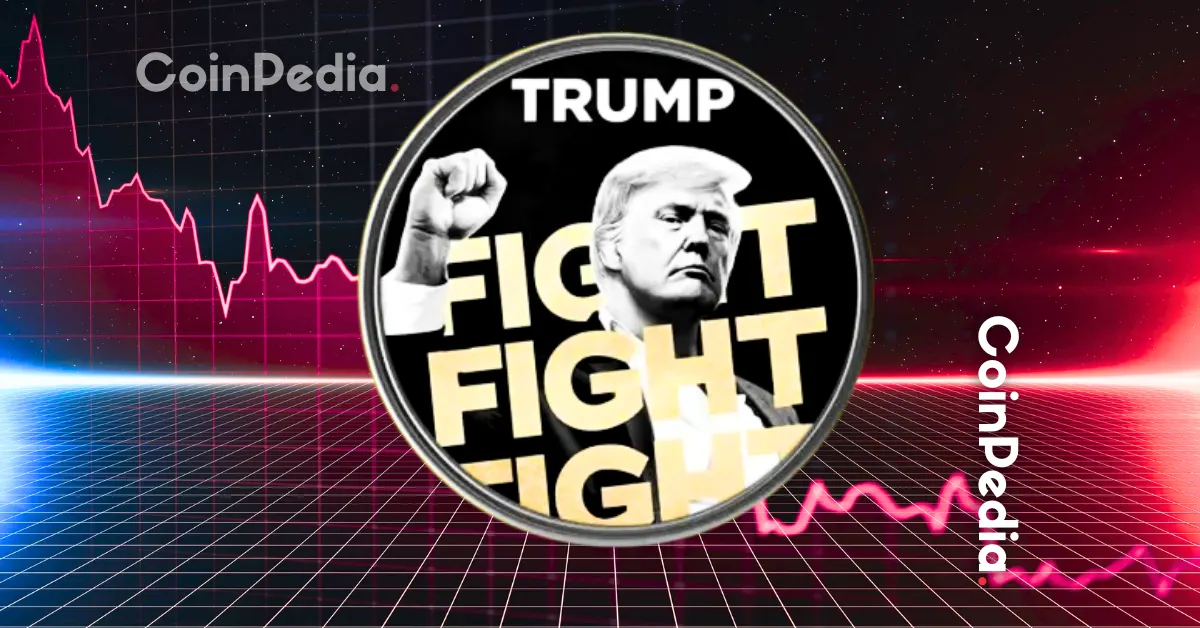
The $TRUMP trade now has two scoreboards: one for the family and affiliated entities that collected hundreds of millions, and another for buyers left holding a token down 97% from its peak.
The most important number in the Trump meme coin story is no longer the price on launch weekend. It is the gap between who got paid and who got crushed after the excitement moved on.
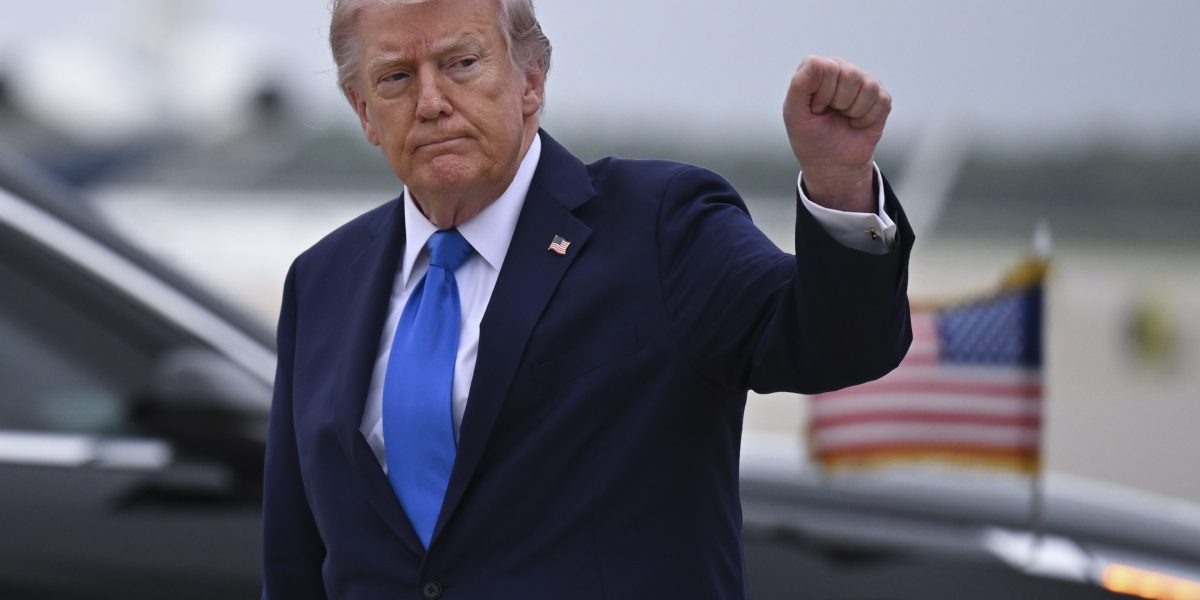
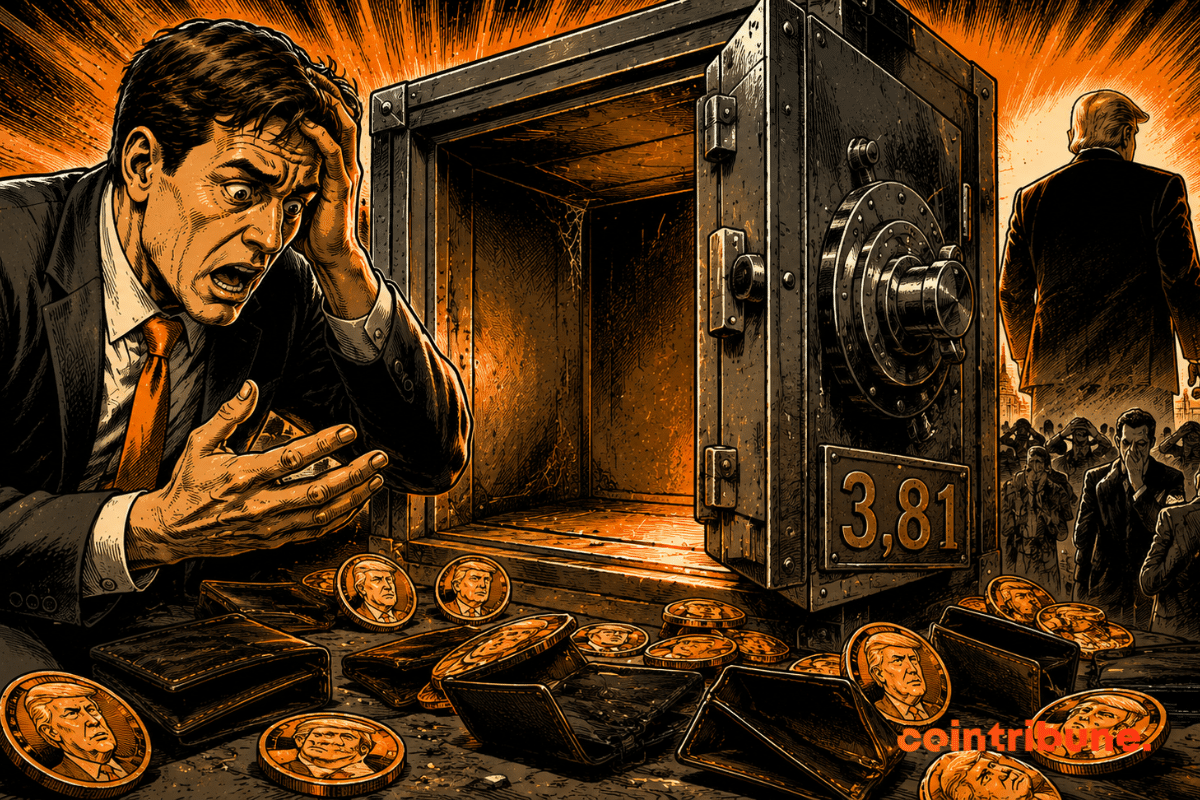
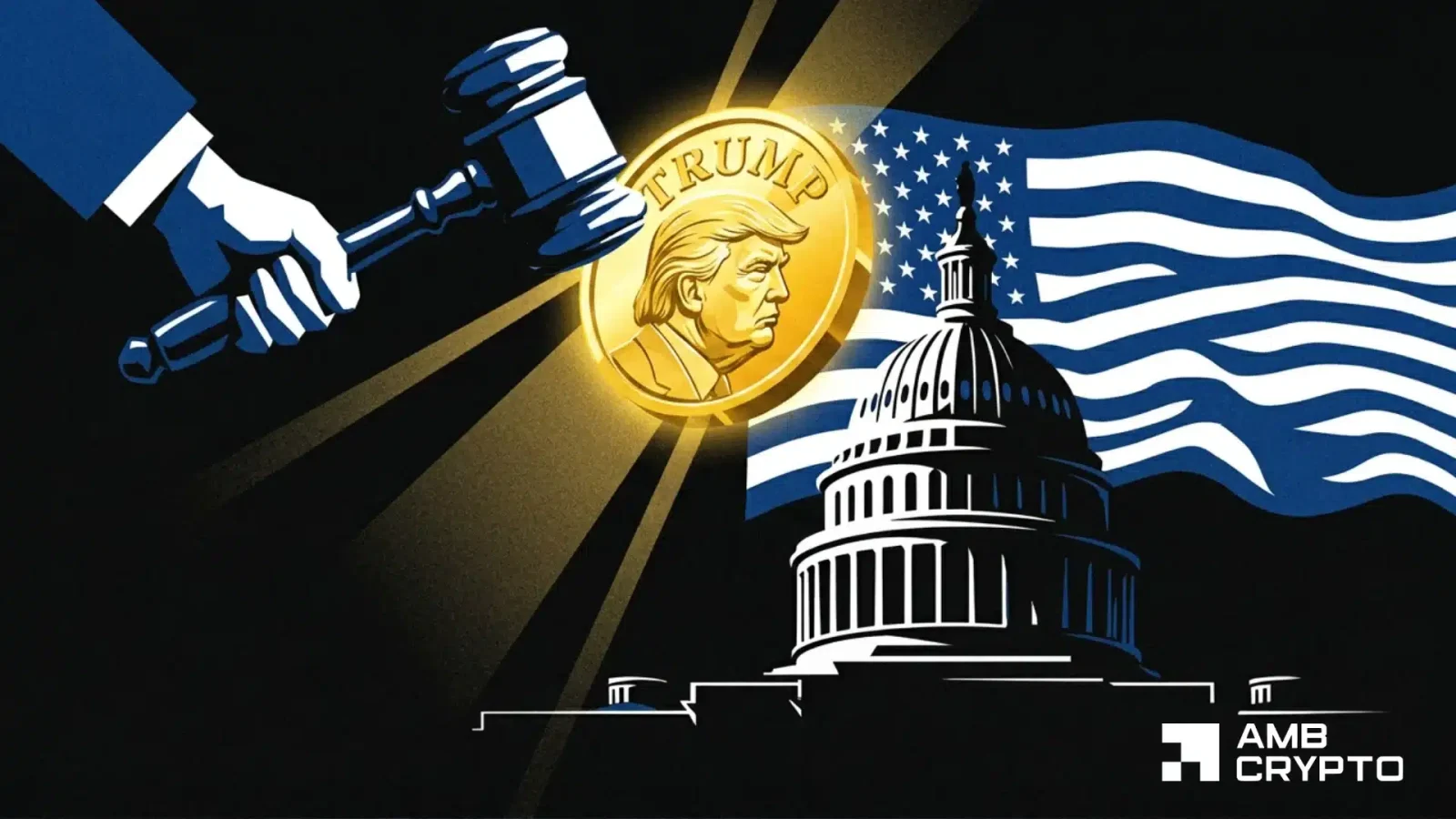
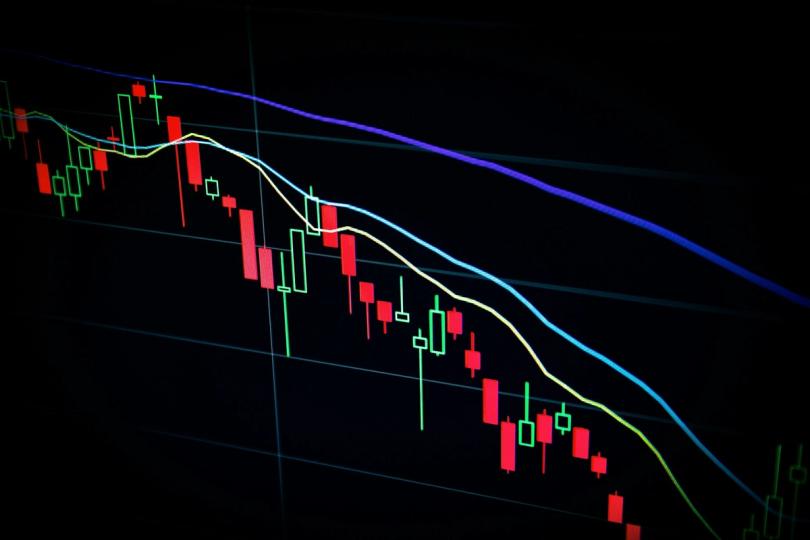
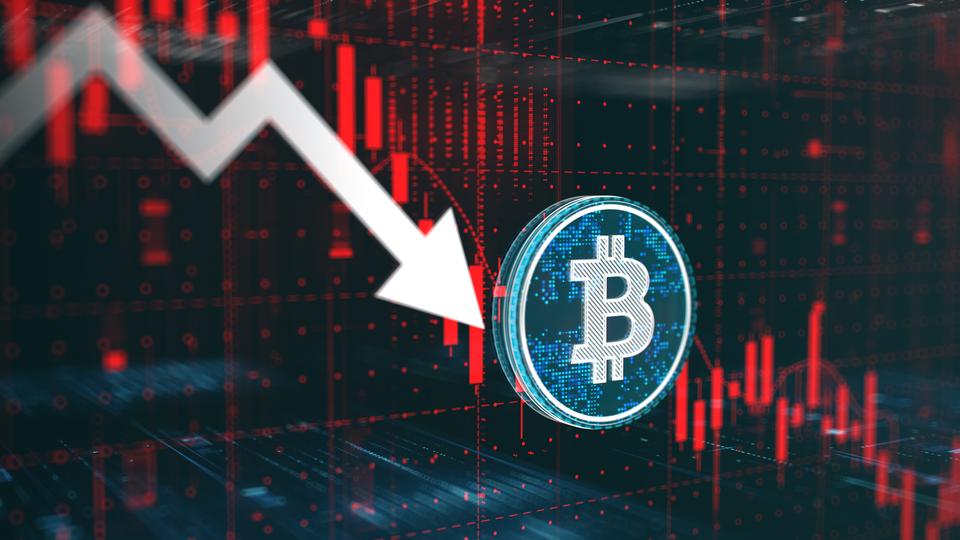
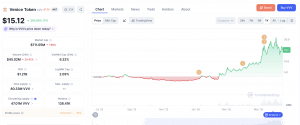
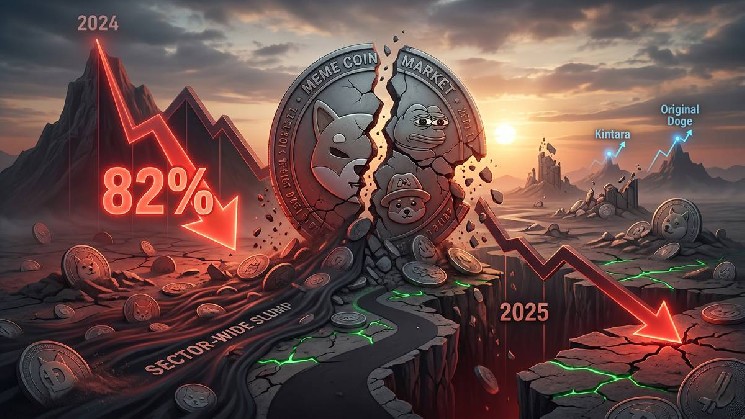
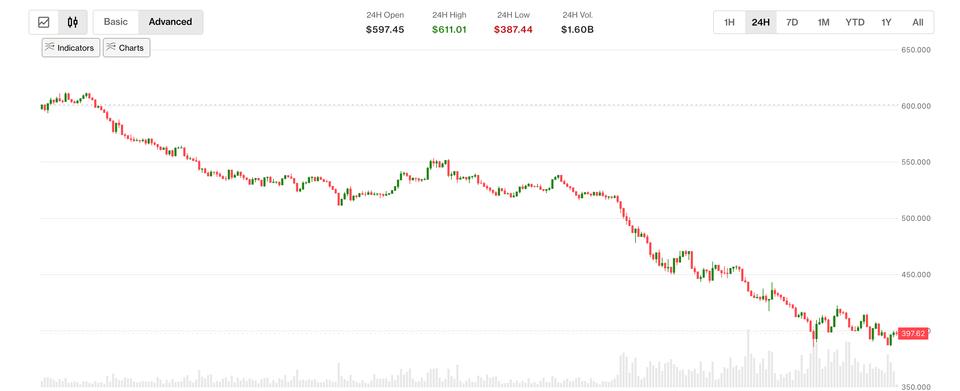
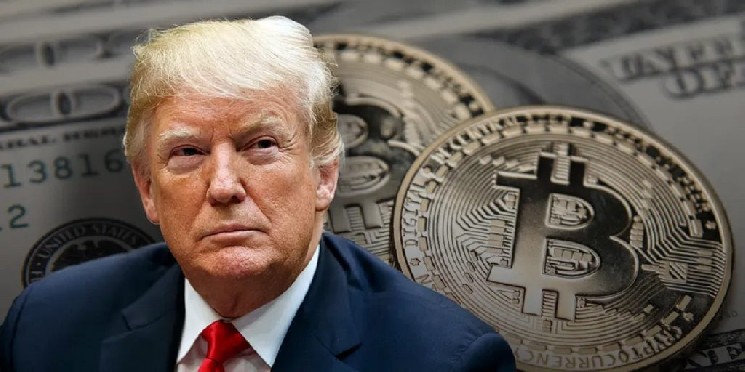
Reuters estimates that the $TRUMP meme coin has generated about $616 million for the Trump family and affiliated entities, while buyers have lost more than $700 million. The token, launched on Solana on January 17, 2025, has fallen 97% from its January 2025 peak. That is not just a bad trade. It is a working model for turning celebrity attention into cash flow even after the chart has collapsed.
The official token structure made that possible from the beginning. The $TRUMP website and public token data showed one billion tokens created, with 200 million released publicly and 800 million allocated to CIC Digital LLC and Fight Fight Fight LLC, entities tied to the Trump business operation. The coin was marketed as a meme rather than an investment, but the economics were anything but casual.
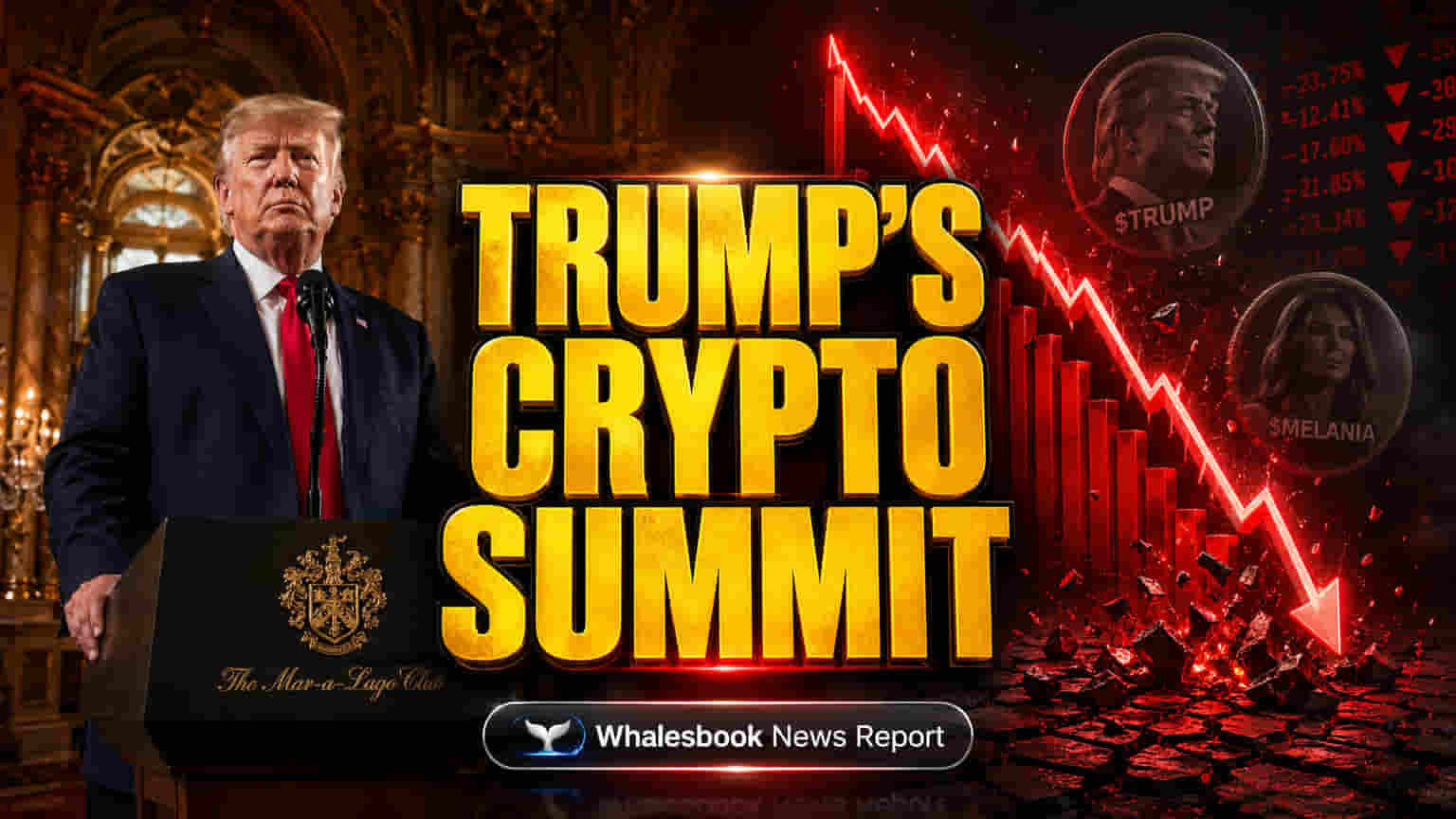
The Washington Post reported in April that the coin was still being used to reward top holders with access, including a Mar-a-Lago event for 297 leaderboard participants. During the roughly month-long contest before that event, the Post cited Nansen data showing $1.35 billion in trading across 18,882 unique wallets. The token opened that contest at $2.93, briefly hit $4.37 on March 13, and closed at $2.81 on April 14, still about 95% below its January 2025 high of around $75.
This is the part of the story retail buyers should study closely. A meme coin can be nearly dead as a long-term holding and still be alive as a fee machine. Every new contest, dinner, leaderboard, or celebrity mention can restart trading activity, and trading activity is where issuers and affiliated parties can keep earning.
Reuters had already reported in February 2025 that the coin made nearly $100 million in trading fees while many small traders lost money. The newer estimate makes the same point in larger form. Price is only one side of the business. Token allocations, liquidity arrangements, transfer fees, and bursts of volume around promotions can all move value away from late buyers and toward the people closest to the launch.
That is why treating $TRUMP as a politics story alone misses the more useful lesson. The market structure is the story. A famous name creates the first wave of demand, insiders hold a large share of supply, exchanges and on-chain venues make it simple to trade, and the public scoreboard gives buyers a reason to keep pushing volume after the first speculative rush has passed.
The losses are not theoretical. The New York Times reported last year that hundreds of thousands of wallets lost money trading the coin while the president’s company and partners profited from fees. Exact wallet-level outcomes vary because traders can move tokens across accounts and exchanges, but the broad picture is now hard to avoid. The coin produced a large revenue stream for insiders while many buyers were left with a shrinking asset.
Political memecoins now have a stress test
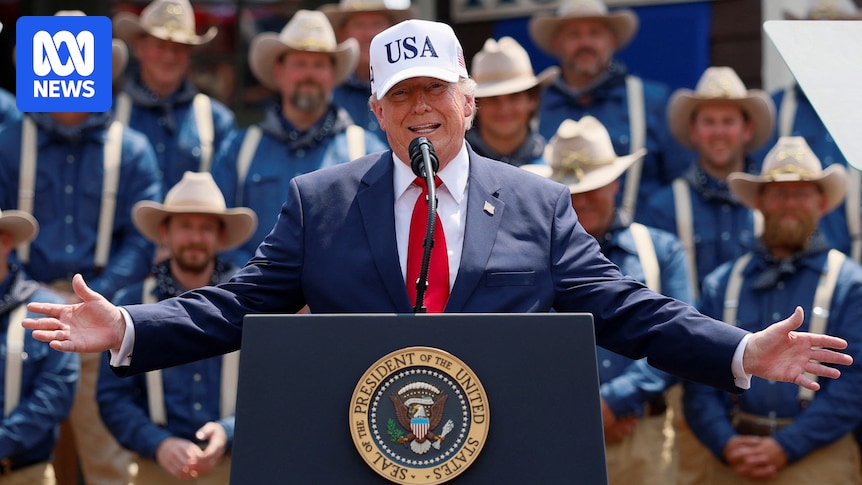
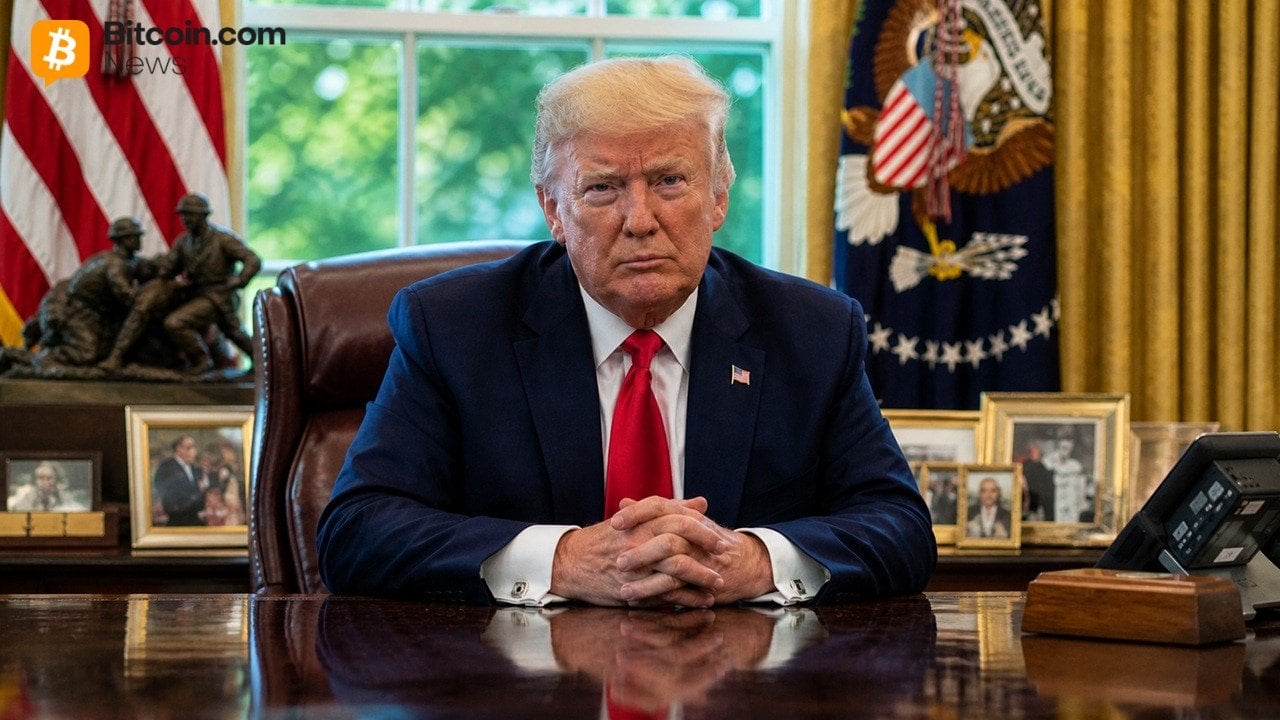
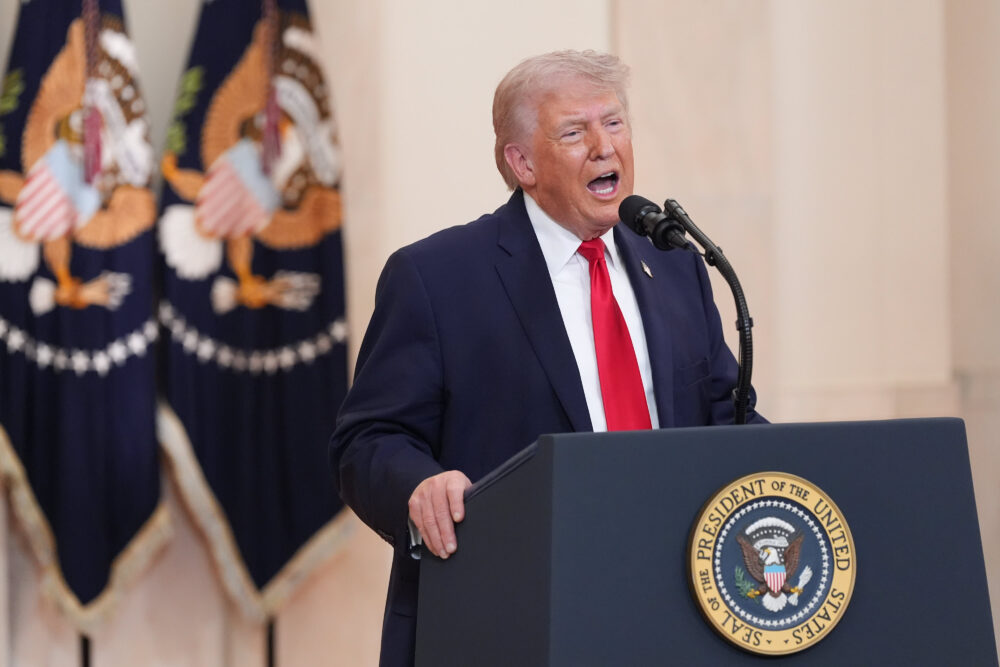
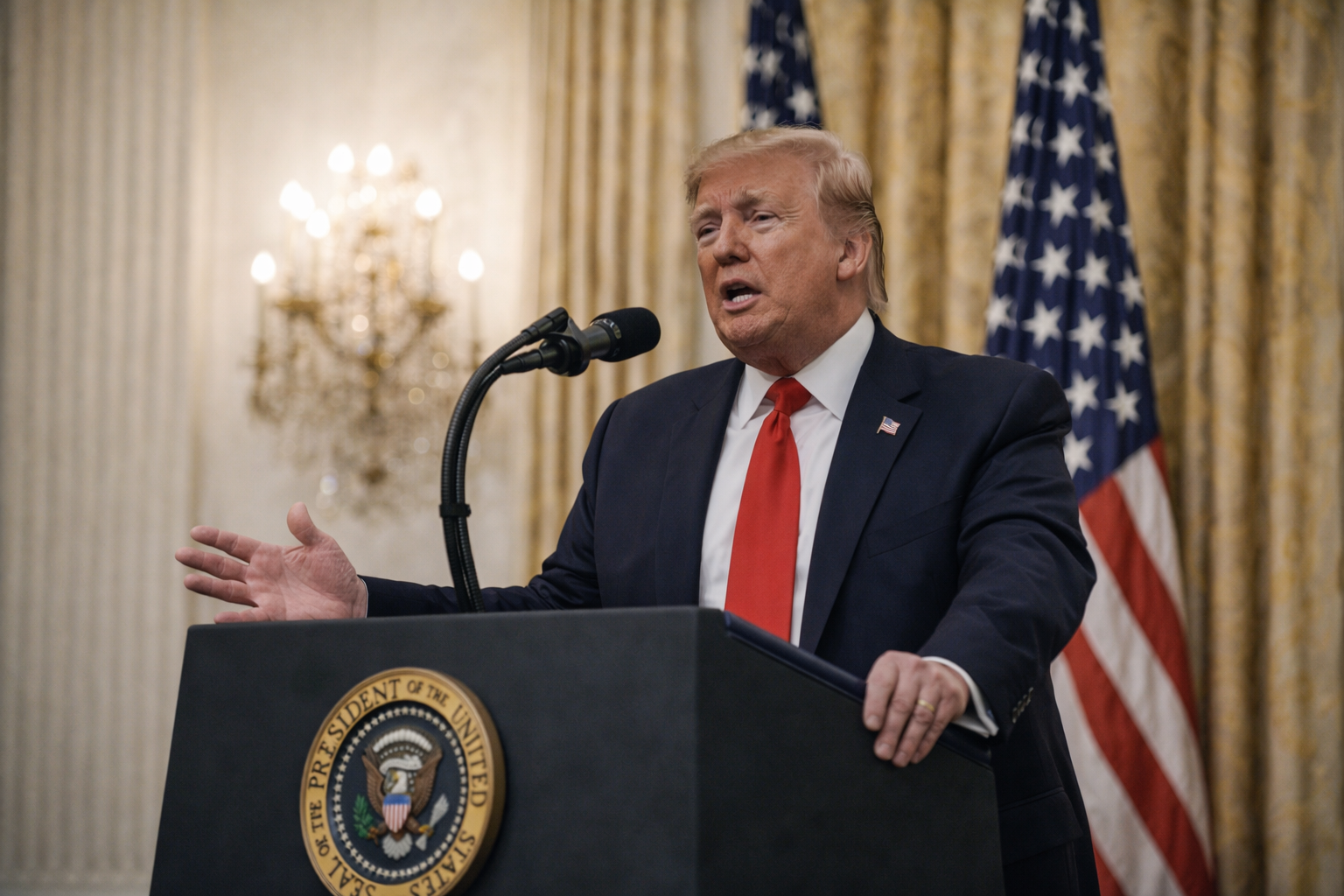
$TRUMP has become the clearest live test of political memecoins because it combines three things that rarely sit together so visibly: a sitting president’s brand, a token with little operating purpose beyond attention, and continuing promotions that can affect trading behavior. That mix is precisely why lawmakers and ethics groups keep returning to it.
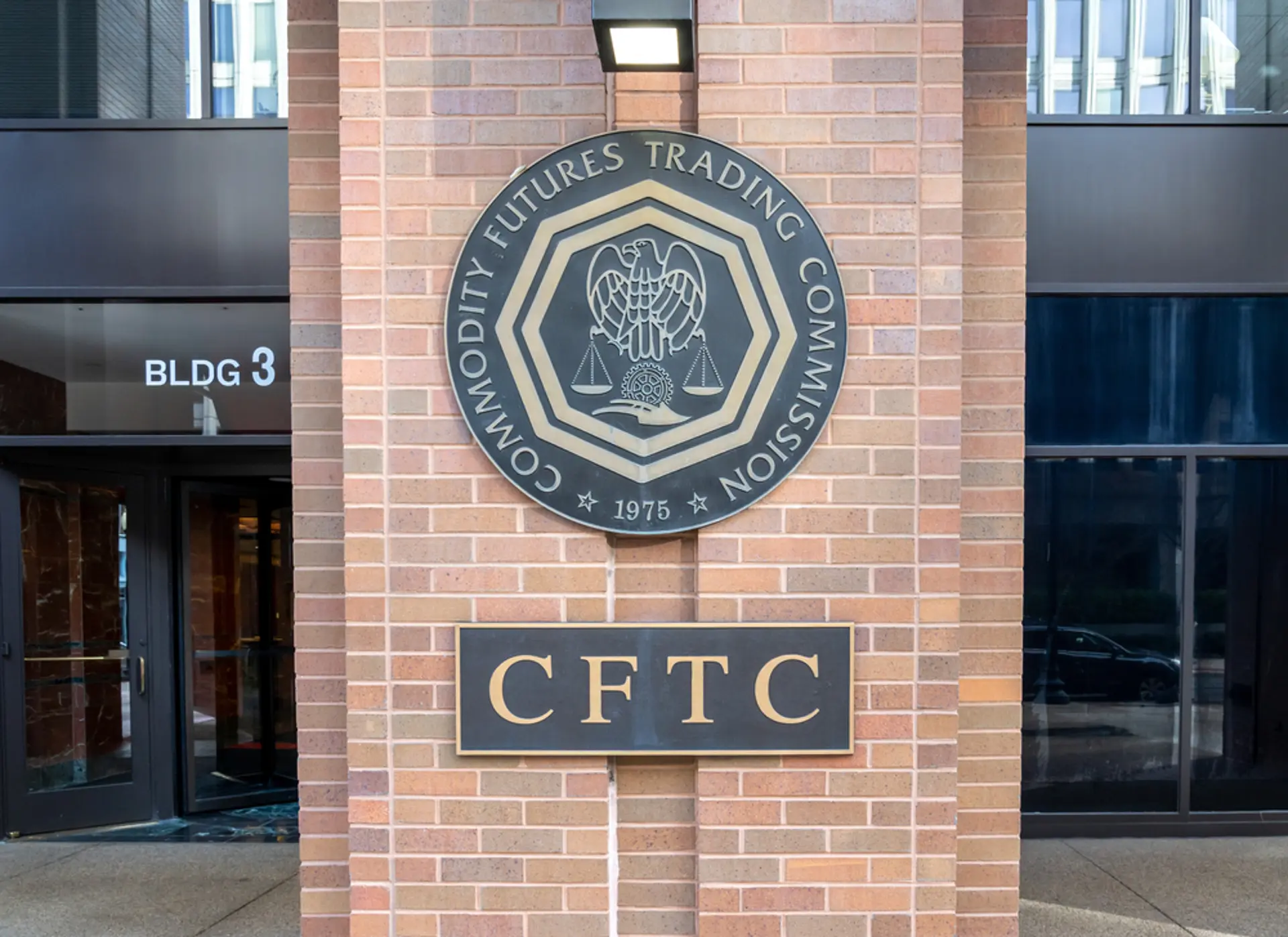
The Guardian reported in March that new SEC and CFTC guidance could classify many crypto assets, including meme coins, outside the stricter securities regime. Legal experts told the paper that this could leave digital collectibles without mandatory securities disclosures or the anti-fraud protections that would apply to more traditional investment products. For buyers, that means the fine print matters more, not less.
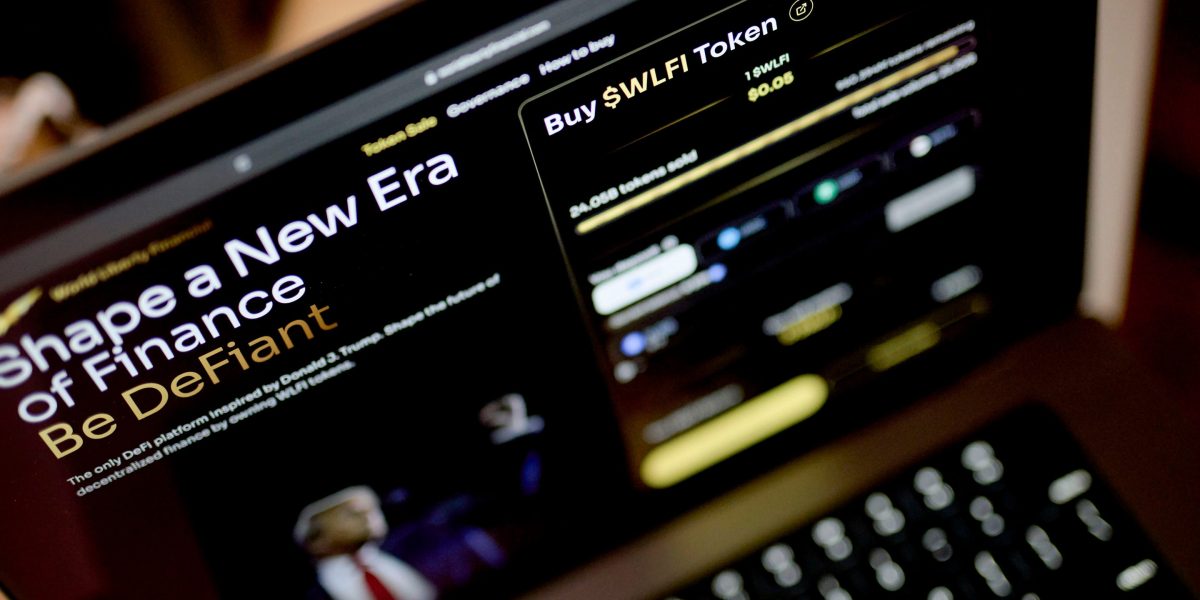
The Trump family has also built a broader crypto footprint around World Liberty Financial, USD1, WLFI, and related ventures. The Wall Street Journal has reported that WLFI gave the family a multibillion-dollar paper fortune after the token began trading in 2025. That does not mean every dollar is liquid or easily sold, but it shows how quickly token design can create wealth on paper before ordinary buyers understand the risks.
There is a blunt lesson here for the rest of the crypto market. Meme coins began as jokes, but the modern version has become a repeatable monetization system. Attention is the raw material. Access is the promotion. Retail volume is the fuel.
The reputational risk is now trailing the money, not leading it. By the time regulators, lawmakers, and buyers finish arguing over whether a token is a collectible, a security, or just a joke with a ticker, the fees may already have been collected and the losses may already be sitting in thousands of wallets.
Also read: Bitcoin’s rebound is still waiting for ETF money to agree • Crypto traders got refunds when SpaceX tokens ran out • Zimbabwe is turning crypto regulation into a test of monetary trust