Key takeaways
- The DTCC is making strategic errors similar to those made by telecom companies when WhatsApp emerged.
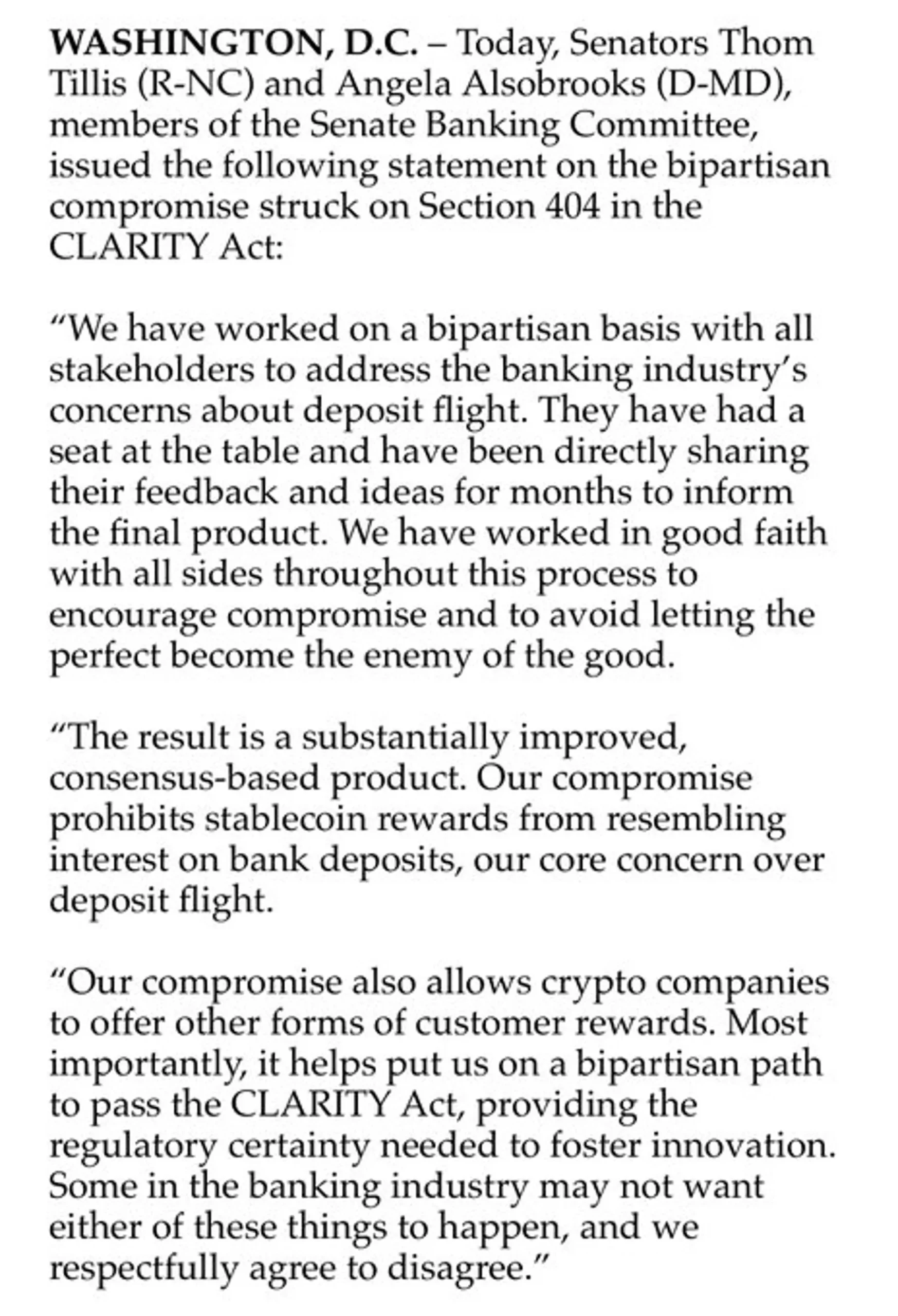
- Banks require the Clarity Act more urgently than the crypto industry does.
- Tokenized stocks should accurately reflect the equity and rights of the underlying asset.
- The tokenization industry is still in its early stages, with much development ahead.
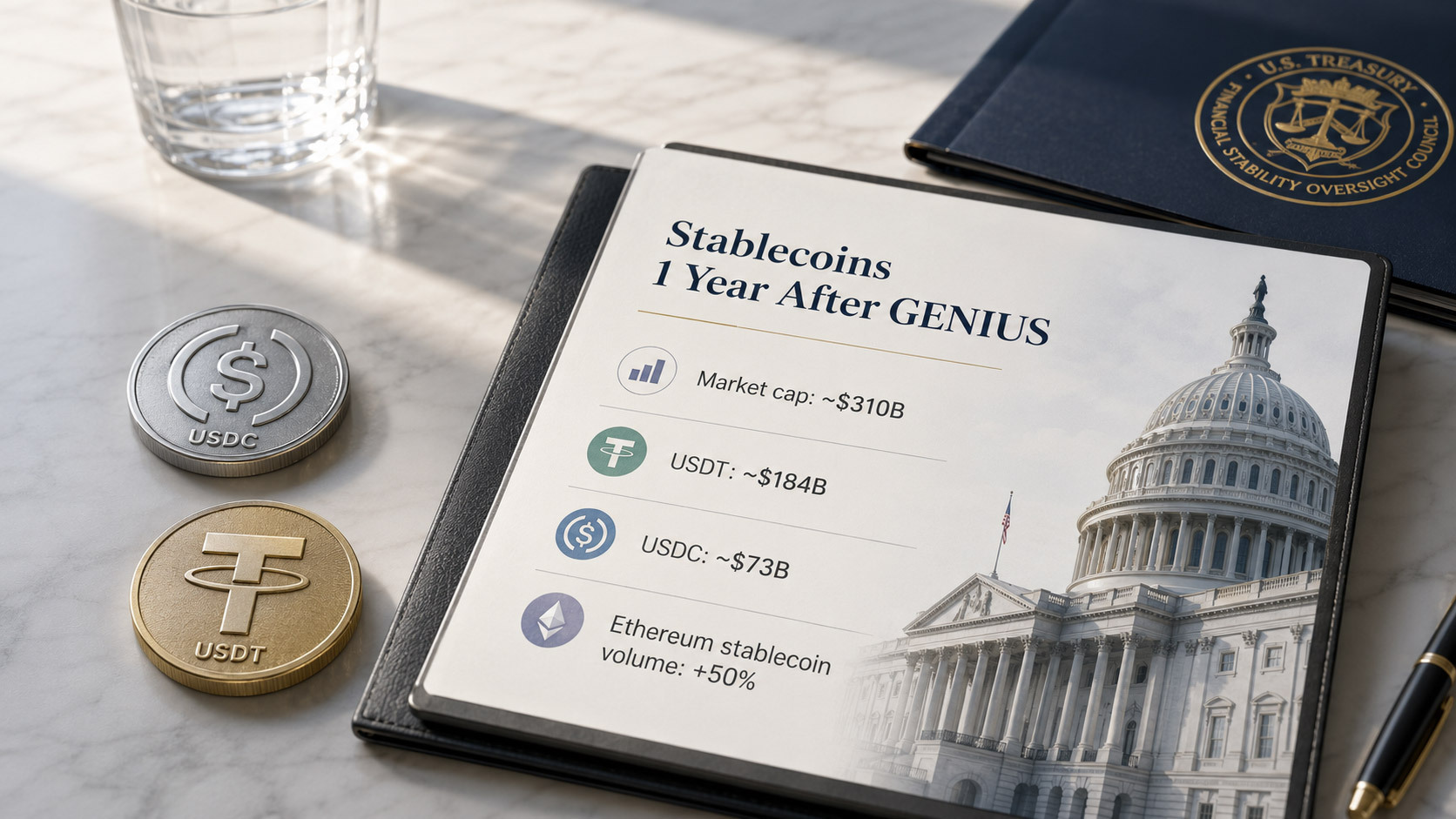
- Stablecoins have proven to be the most successful example of tokenized assets so far.
- The SEC has the authority to regulate tokenized securities without congressional approval.
- Current regulations for transfer agents are outdated and not suited for digital securities.
- The DTCC’s approach to tokenized equities focuses on maintaining existing market structures rather than innovating.
- The DTCC’s model fails to fully leverage the potential of public blockchains for tokenized securities.
- Institutions face a decision between developing proprietary systems or adopting open technologies like Ethereum or Solana.
- The financial industry is undergoing a significant transformation with the integration of tokenized assets.
- Regulatory clarity is crucial for the continued growth and adoption of tokenized securities.
- The success of stablecoins sets a benchmark for other tokenized assets.
- The role of the SEC is pivotal in shaping the future of tokenized securities.
- The adoption of blockchain technology by institutions is a key factor in the evolution of the financial landscape.
Guest intro
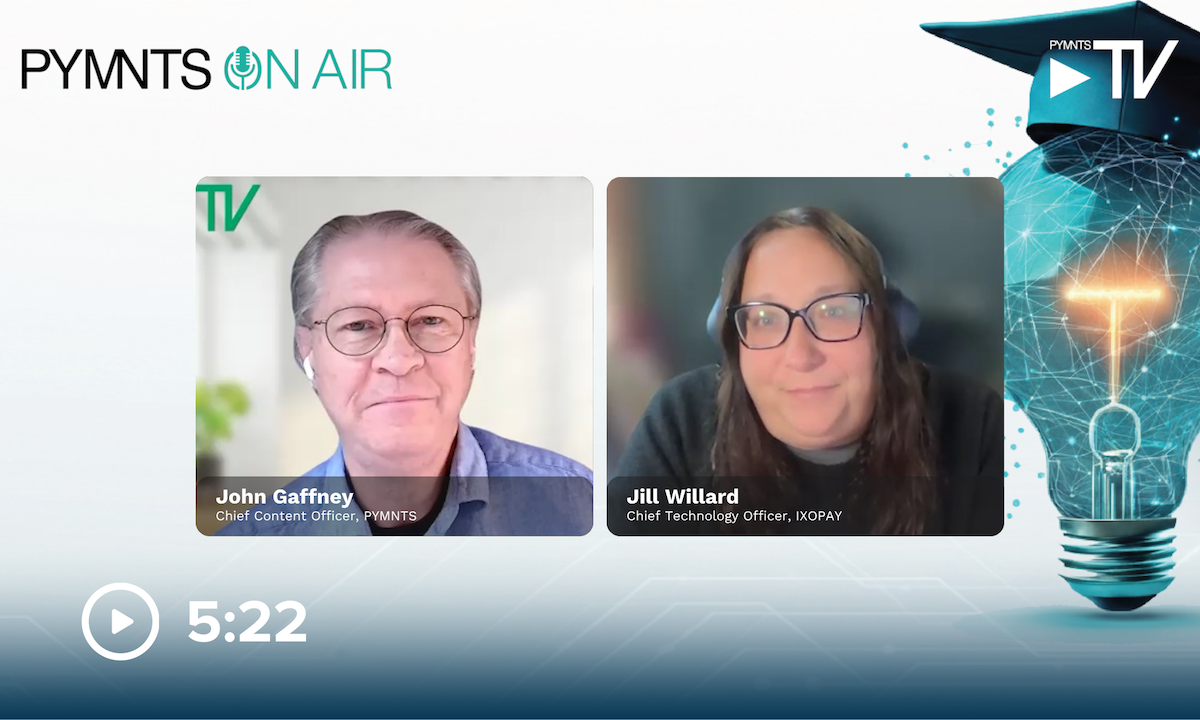
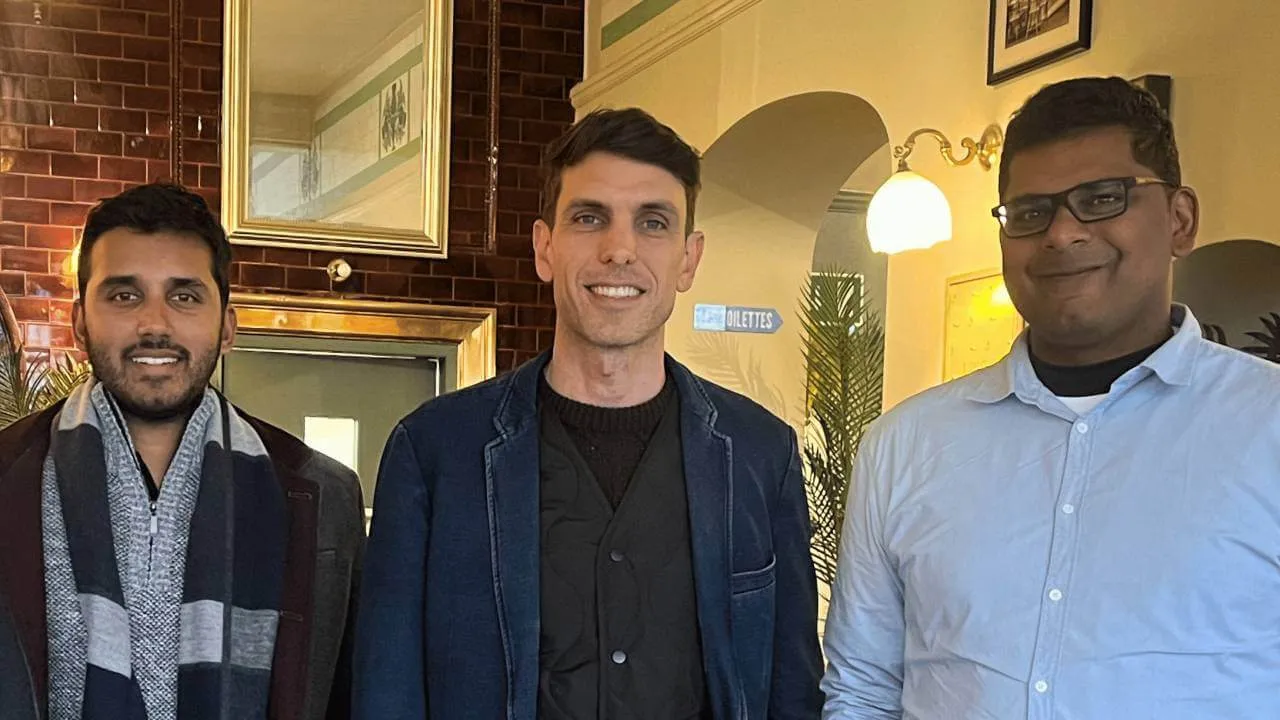
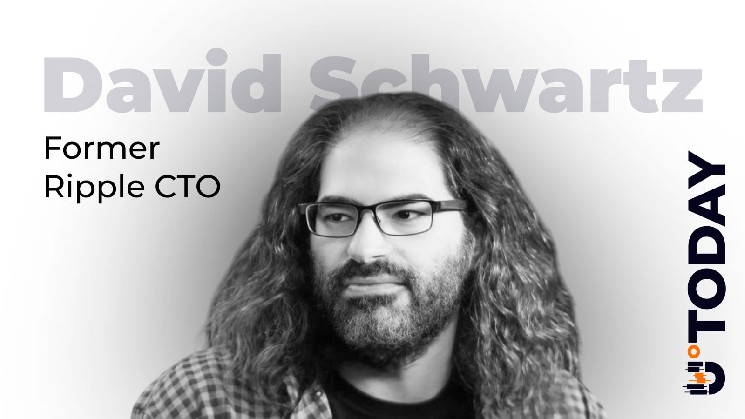
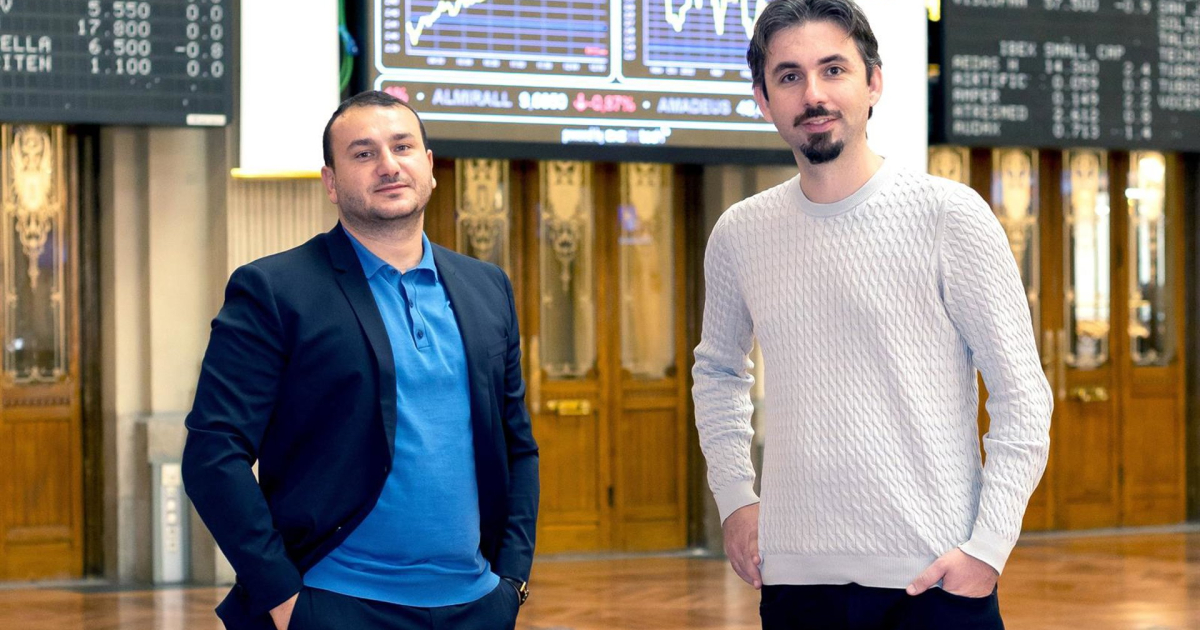
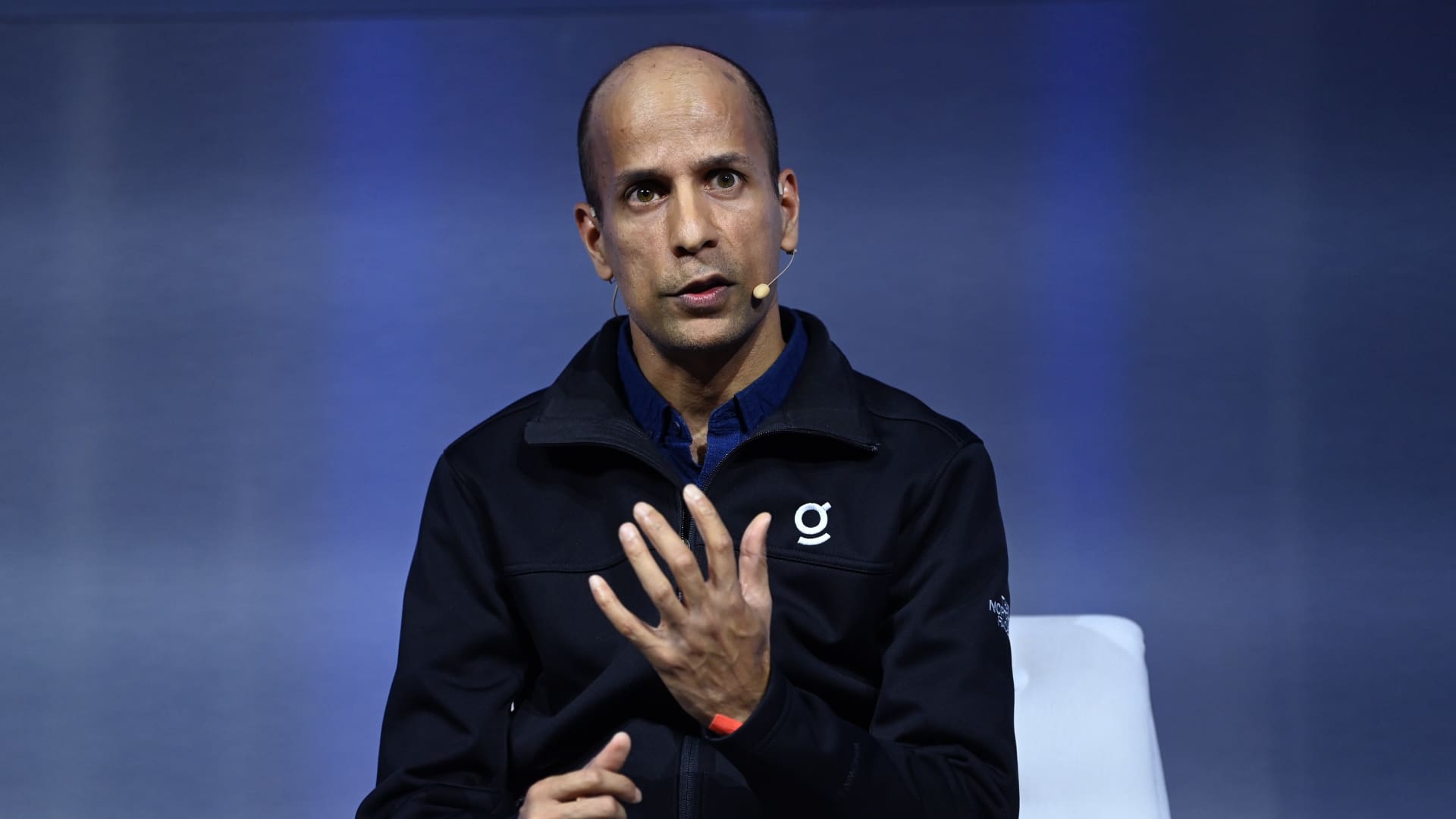
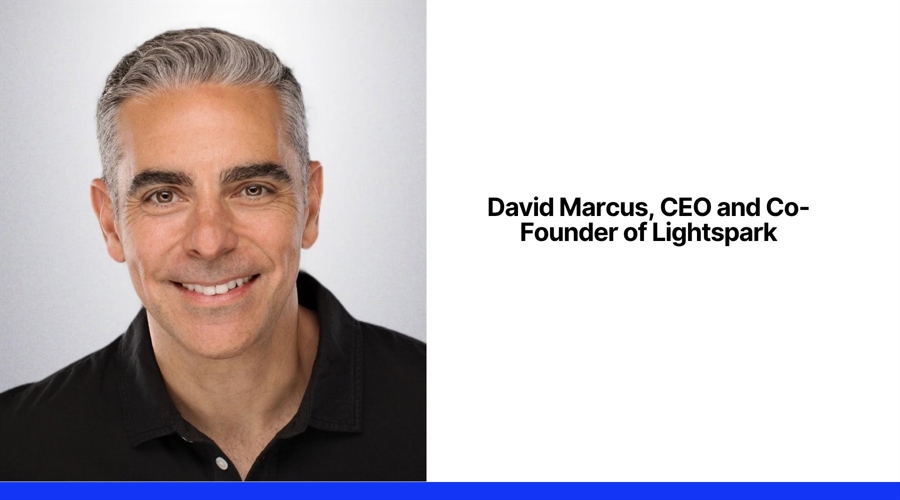
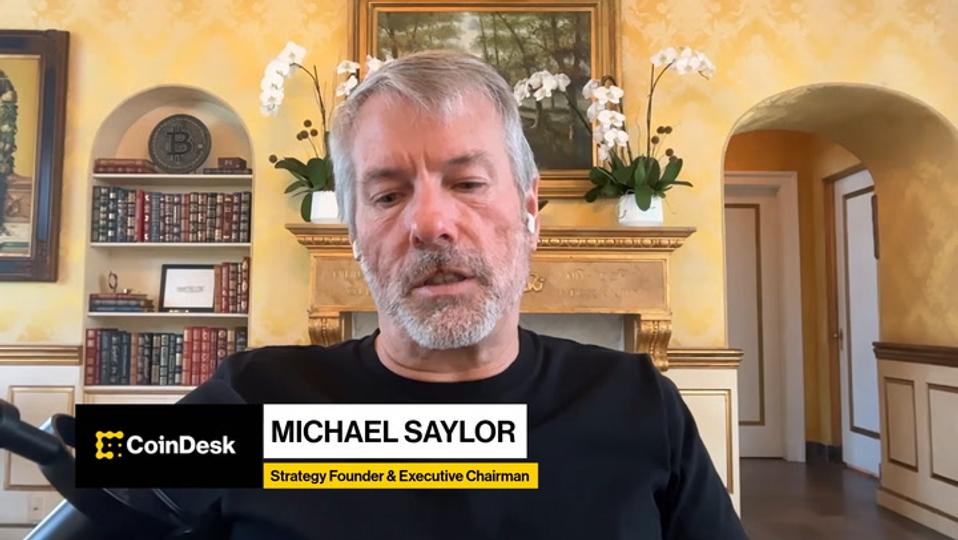
Carlos Domingo is Co-Founder and CEO of Securitize, a platform that helps institutions tokenize and manage digital securities on blockchain. He previously served in senior innovation and R&D leadership roles at Telefónica, including CEO of R&D, and has more than 25 years of experience in digital transformation and venture-backed technology.
The DTCC’s strategic missteps
- The DTCC is repeating mistakes similar to those made by telecom companies with WhatsApp. “The DTCC is repeating the same fatal mistake the telecom companies made when WhatsApp showed up.” – Carlos Domingo
- Their focus is on preserving existing market structures rather than embracing innovation.
- The DTCC’s model is criticized for not fully utilizing blockchain technology. “It doesn’t really resonate with the broader audience or retail.” – Carlos Domingo
- There is a lack of true innovation in the DTCC’s approach to tokenized equities.
- The DTCC’s initiative is seen as maintaining incumbency rather than advancing the industry.
- The model does not allow for self-custody or interaction with DeFi protocols. “You will not be able to take those tokenized entitlements and put them on a self-custody wallet.” – Carlos Domingo
- The DTCC’s approach is compared to layering on top of existing structures rather than creating new ones.
- The limitations of the DTCC’s model are highlighted in its inability to leverage public blockchains effectively.
The need for regulatory clarity
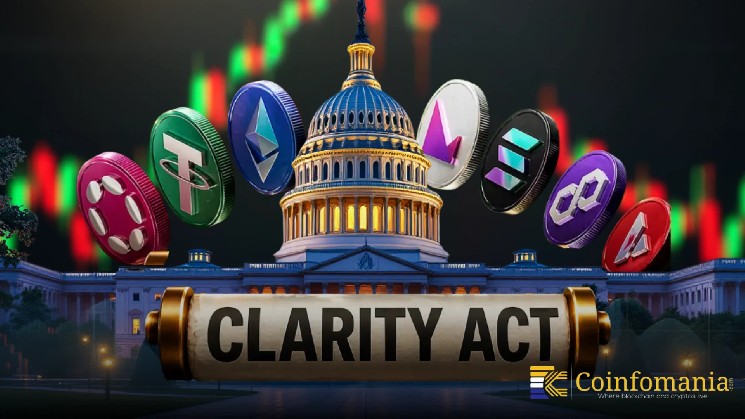
- Banks need the Clarity Act more than the crypto industry. “Banks need the Clarity Act far more than crypto does.” – Carlos Domingo
- The SEC can regulate tokenized securities without needing congressional approval.
- Current transfer agent regulations are outdated and not suited for digital securities.
- The regulatory landscape for tokenized securities requires modernization.
- The role of the SEC is crucial in providing regulatory clarity for the industry.
- The Clarity Act is seen as a significant step for the financial industry.
- Regulatory clarity is essential for the growth and adoption of tokenized assets.
- The need for updated regulations is emphasized for the digital world.
The future of tokenization
- Tokenized stocks should represent actual equity and rights. “We’ve been pushing for the model where the token does represent the same instrument.” – Carlos Domingo
- The industry is still in its early stages, with significant developments ahead.
- Stablecoins are the most successful example of tokenized assets so far.
- The potential for tokenization is vast, with much more to evolve.
- The success of stablecoins provides a benchmark for other tokenized assets.
- The integration of tokenized assets is transforming the financial industry.
- Tokenization offers new opportunities for representing equity and rights.
- The early stages of tokenization indicate a promising future for the industry.
Institutional adoption of blockchain technology
- Institutions face a dilemma between building proprietary systems or adopting open technologies. “It’s a cautionary tale about the decisions institutions have to make.” – Carlos Domingo
- The choice between Ethereum, Solana, or proprietary systems is crucial for institutions.
- The adoption of blockchain technology is a key factor in the financial industry’s evolution.
- Open, permissionless technologies offer significant advantages for institutions.
- The strategic choices made by institutions will shape the future of the crypto space.
- The decision to adopt blockchain technology is pivotal for institutional success.
- Institutions must weigh the benefits of open systems versus proprietary solutions.
- The integration of blockchain technology is transforming institutional finance.
Stablecoins as a benchmark
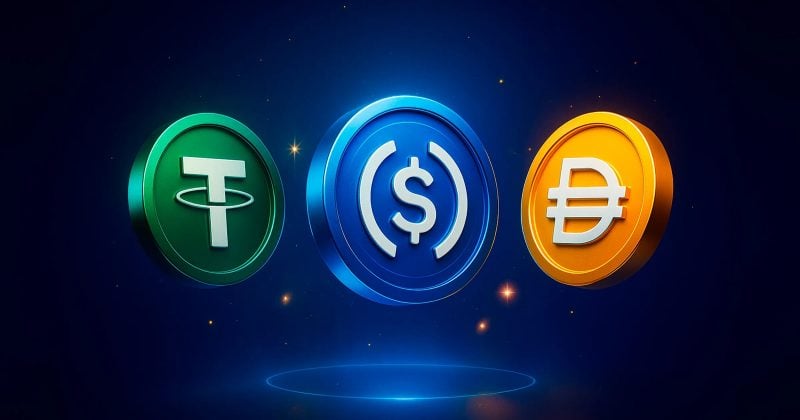
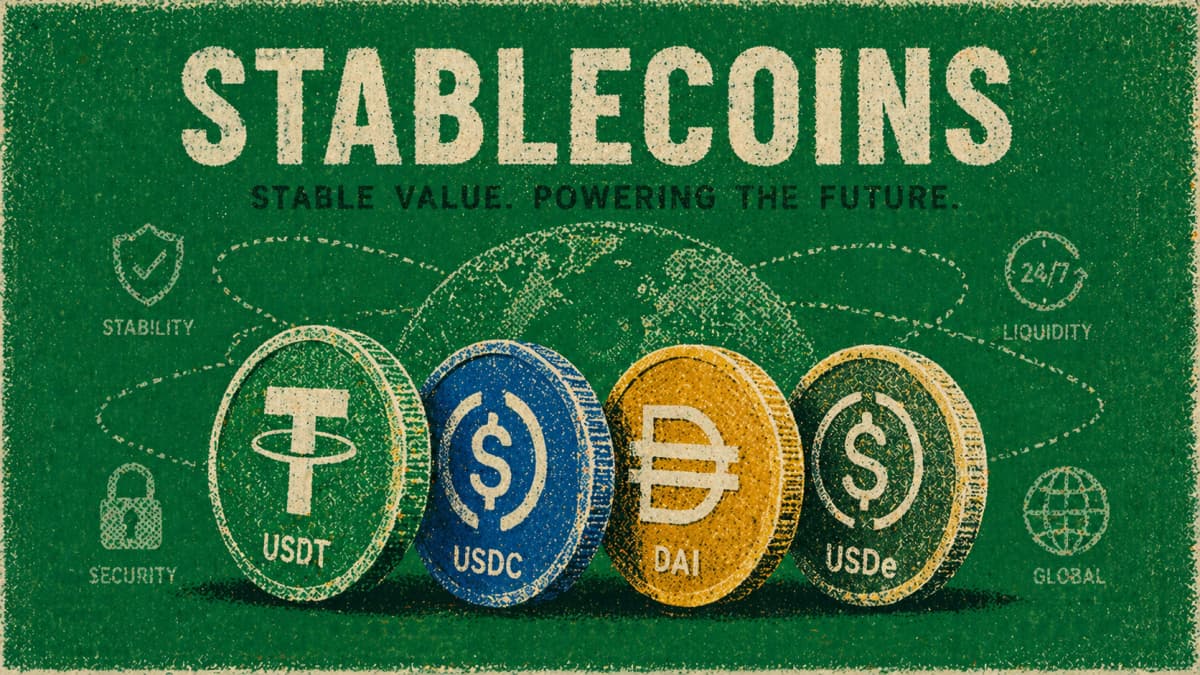
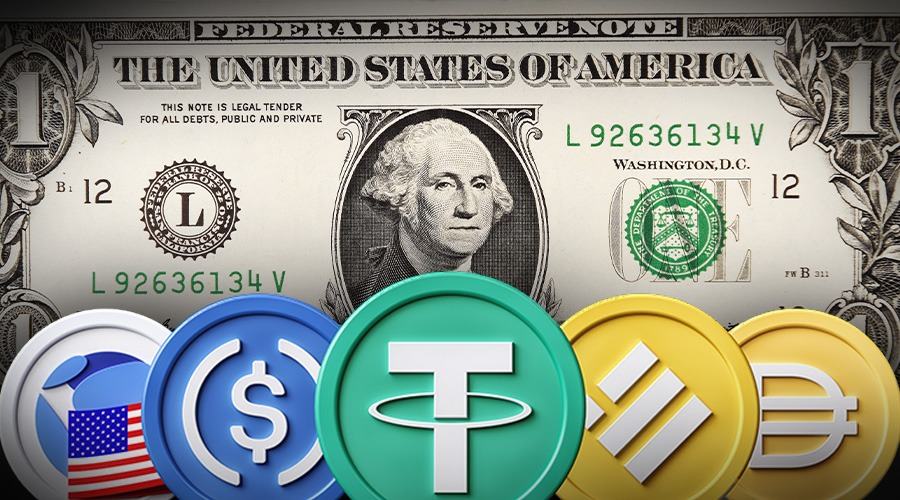
- Stablecoins have been the most successful tokenized assets to date. “Stablecoins are probably the most successful tokenized asset.” – Carlos Domingo
- The success of stablecoins sets a benchmark for other tokenized assets.
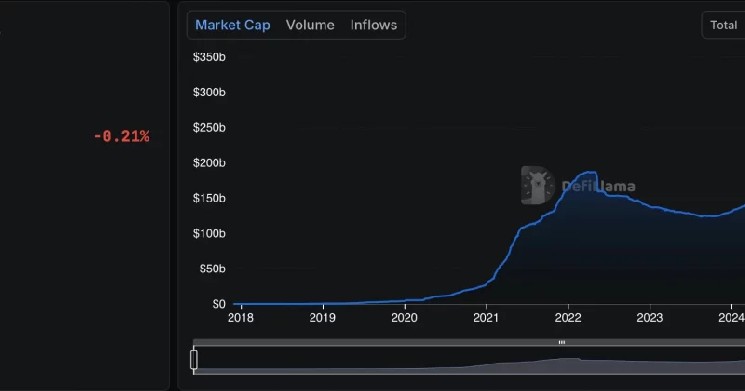
- Stablecoins are significantly larger than other tokenized real-world assets.
- The dominance of stablecoins highlights their importance in the tokenization space.
- Stablecoins provide a model for evaluating other tokenized assets.
- The growth of stablecoins reflects their success in the digital asset market.
- The success of stablecoins underscores the potential of tokenized assets.
- Stablecoins serve as a reference point for the development of other tokenized assets.
Disclosure: This article was edited by Editorial Team. For more information on how we create and review content, see our Editorial Policy.