The cryptocurrency project World, previously known as Worldcoin, has announced a significant strategic shift. The project is moving away from its reliance on token-based incentives to drive adoption and is instead focusing on monetizing its core technology: proof of human verification. This transition was detailed in a recent update on X, outlining the third phase of its five-part ‘Simple Plan’ roadmap.
World ID 4.0 and the Introduction of Protocol Fees
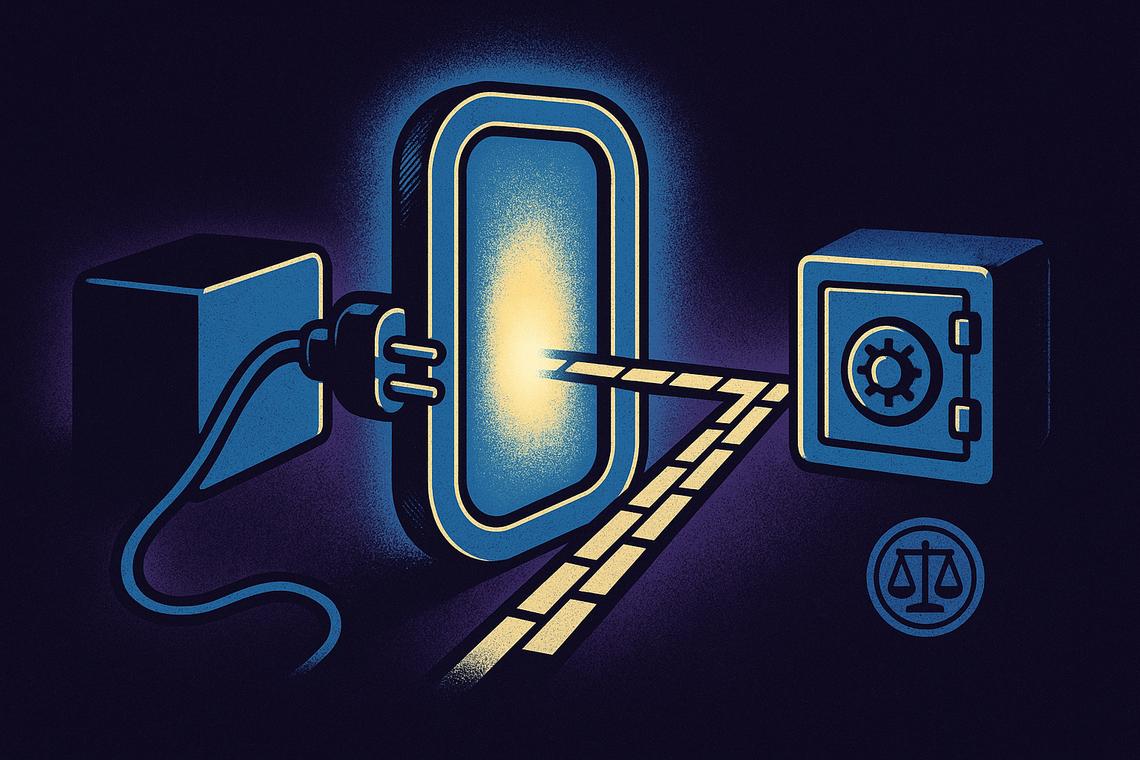
At the heart of this new strategy is World ID 4.0, an upgraded version of its digital identity system. The key change is a fee-based structure for businesses and platforms that integrate the project’s ‘proof of human’ technology. Companies like Zoom and Tinder, which are reportedly exploring integrations, would pay fees to the World protocol. This creates a direct revenue stream, transforming the technology from a user-acquisition tool into a commercial service.
World has stated that while initial WLD token rewards were effective in attracting an early user base, long-term growth will be driven by the practical utility of its services. The project envisions World ID becoming the standard identity verification layer for the internet, particularly in an era increasingly populated by AI-generated content and bots.
From Token Incentives to Utility-Based Growth
The pivot marks a maturation of the project’s business model. Initially, World (then Worldcoin) distributed free tokens to users who verified their humanity through iris scans. This approach drew millions of users but also attracted regulatory scrutiny and criticism over privacy concerns. The new model aims to build a sustainable ecosystem where value is derived from the service itself, not just speculative token rewards.
By charging fees to enterprises, World is positioning itself as a critical infrastructure provider. The integration with platforms like Zoom could help verify meeting participants are human, while on Tinder, it could reduce the prevalence of catfishing and bot accounts. This utility-based approach is intended to create a self-sustaining cycle: more integrations lead to more fee revenue, which can be reinvested into the protocol’s development and security.
Why This Matters for the Broader Crypto and Tech Landscape
World’s strategic shift reflects a broader trend in the cryptocurrency industry: the move from speculative growth to real-world application. Projects that can demonstrate tangible, fee-generating use cases are likely to attract more sustainable interest from both users and institutional partners. The success of World ID 4.0 could set a precedent for how blockchain-based identity solutions are commercialized.
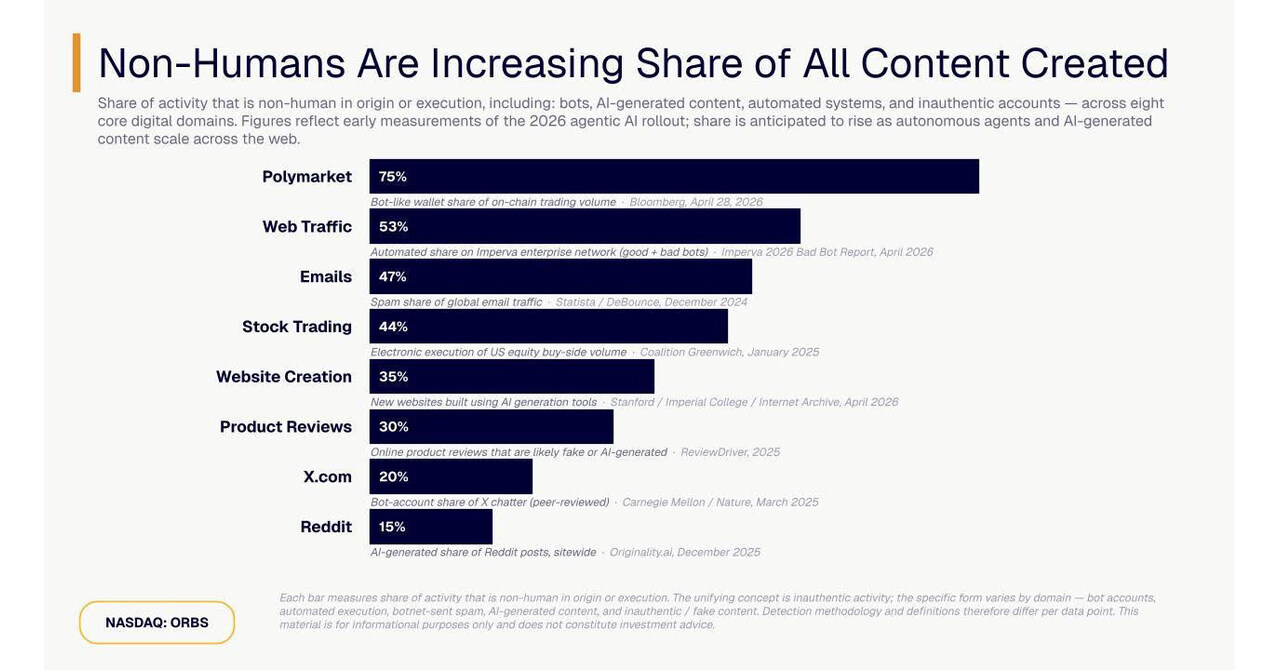
Furthermore, the focus on ‘proof of human’ technology addresses a growing problem in the age of AI: digital trust. As AI-generated content, deepfakes, and automated bots become more sophisticated, the ability to verify a user’s humanity becomes a valuable commodity. World’s technology, despite its controversial origins, is positioning itself to meet this demand.
Conclusion
World’s transition to a fee-based model for its proof-of-human technology represents a critical juncture for the project. By shifting focus from token rewards to enterprise utility, World is attempting to build a more sustainable and credible business. The coming months will reveal whether platforms like Zoom and Tinder—and their users—will embrace this form of identity verification, and whether the revenue model can support the project’s ambitious goal of becoming the internet’s identity layer.
FAQs
Q1: What is World ID 4.0?
World ID 4.0 is the latest version of World’s digital identity system. It introduces a fee structure for businesses that integrate its ‘proof of human’ verification technology, shifting the project’s revenue model from token incentives to service-based fees.
Q2: Why is World moving away from token rewards?
World is pivoting from token-based incentives to utility-driven growth. The project believes that long-term adoption will come from the practical value of its services, such as verifying human identity on platforms like Zoom and Tinder, rather than from speculative token rewards.
Q3: How does the ‘proof of human’ technology work for businesses?
Companies like Zoom and Tinder can integrate World’s technology to verify that their users are real humans. In exchange for using this verification layer, these businesses pay fees to the World protocol, creating a recurring revenue stream for the project.