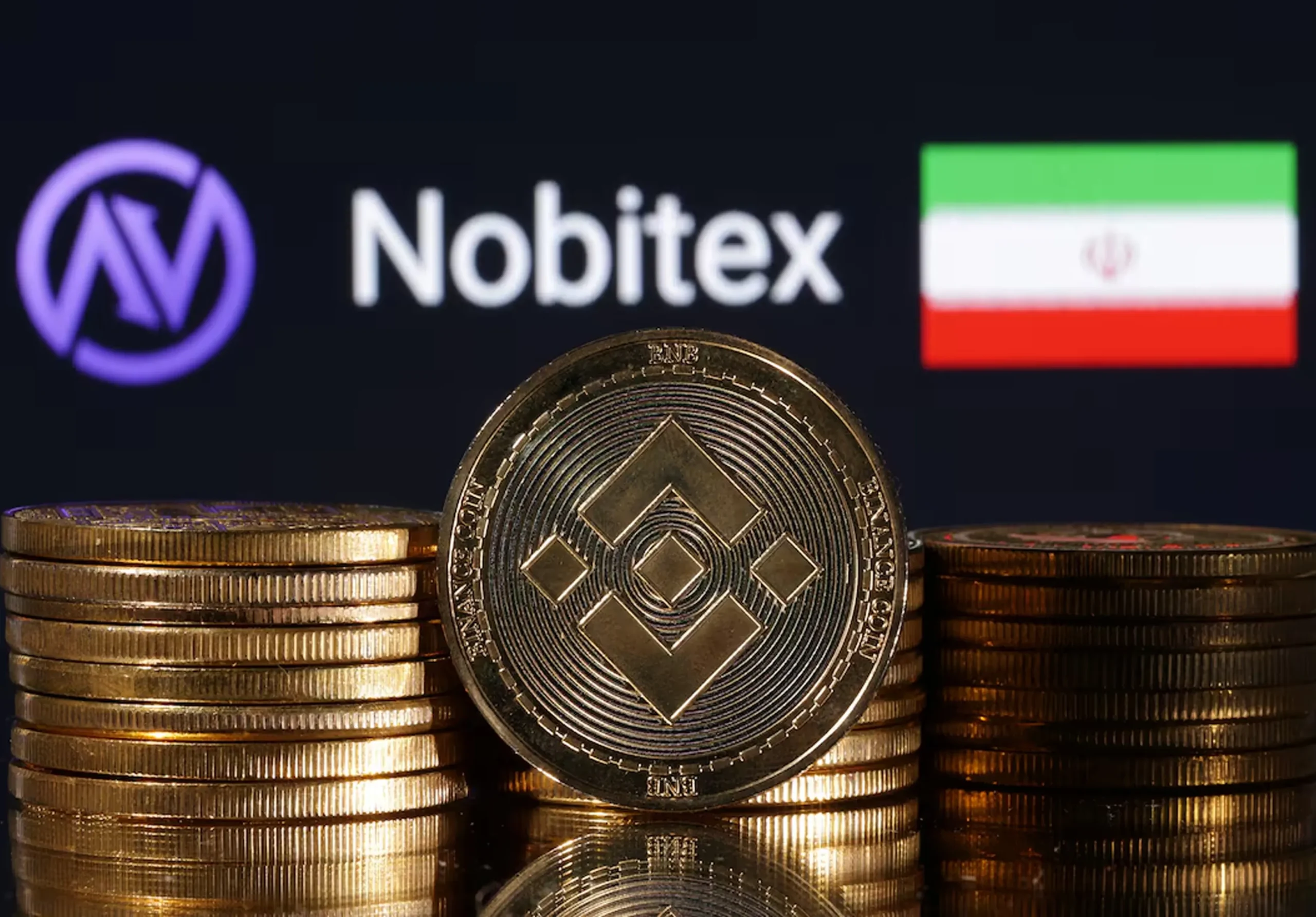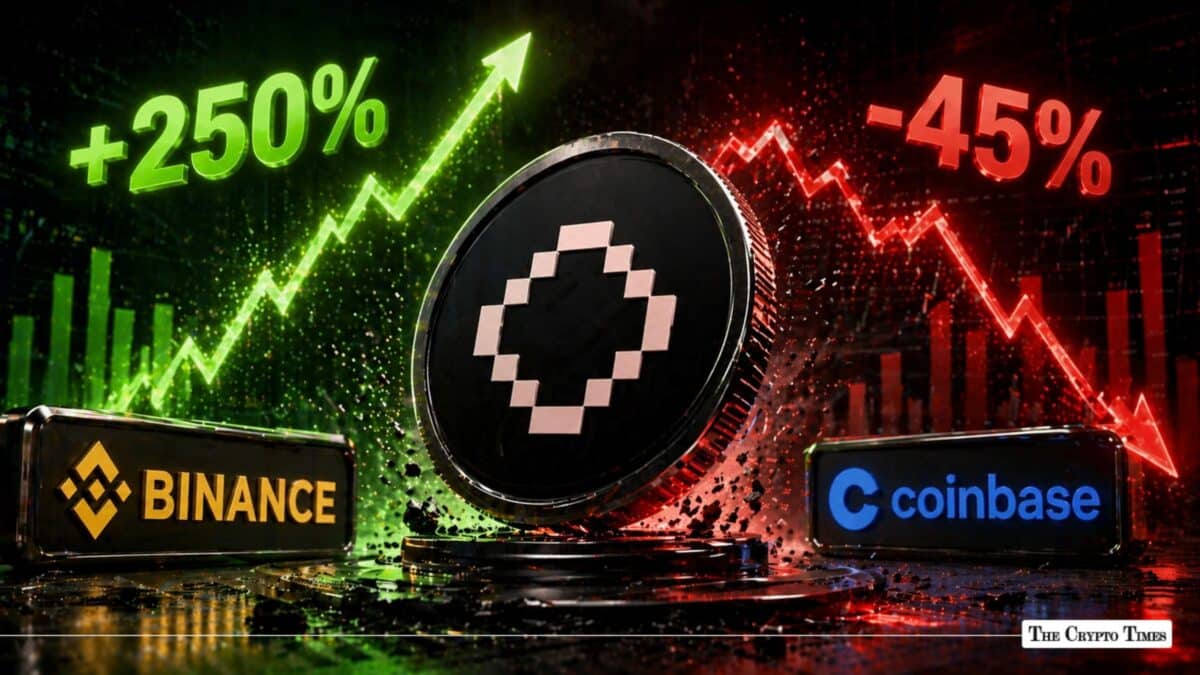
Binance, the world’s largest cryptocurrency exchange, could lose access to European Union clients from Jul. 1 after Greece’s regulator moved to reject its license application.
Key Points:
- Greece’s markets watchdog is set to deny Binance authorization under the EU’s MiCA framework.
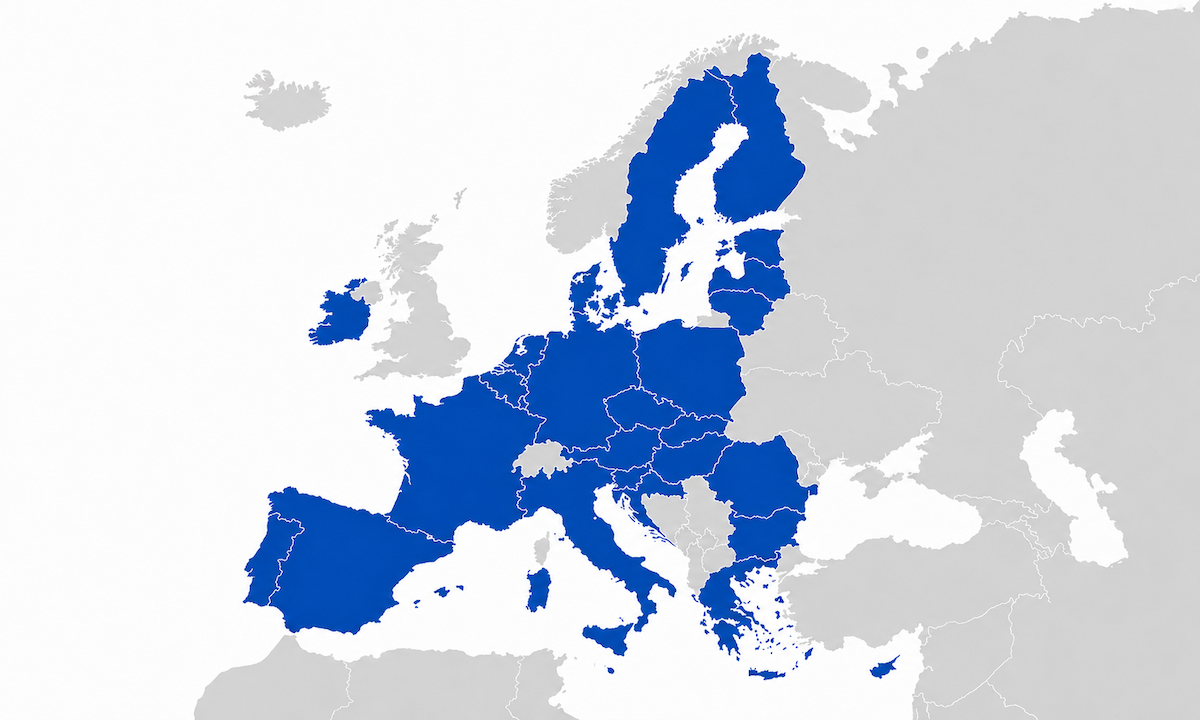
- A rejection would block the exchange from serving customers across all 27 member states from Jul. 1.
- Binance disputes the account and says its filing was reviewed and found compliant.
Binance MiCA Application Faces Rejection
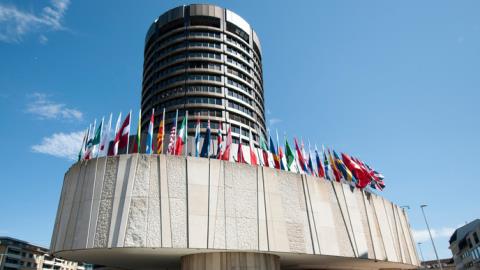
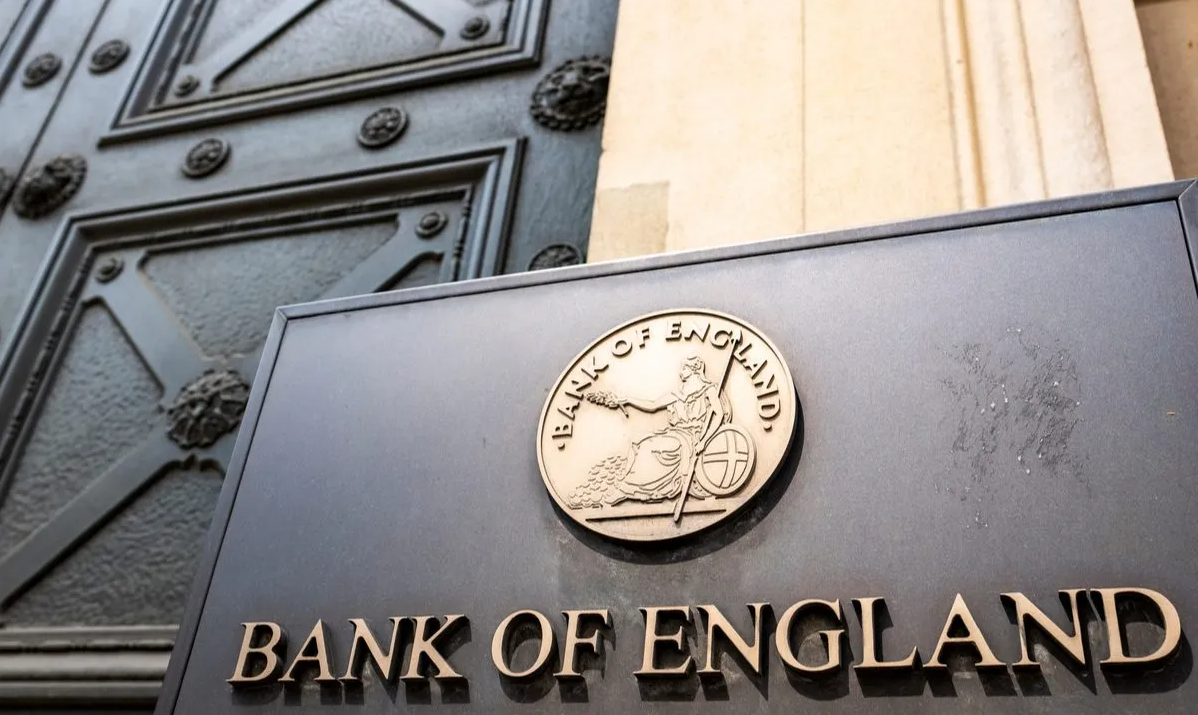
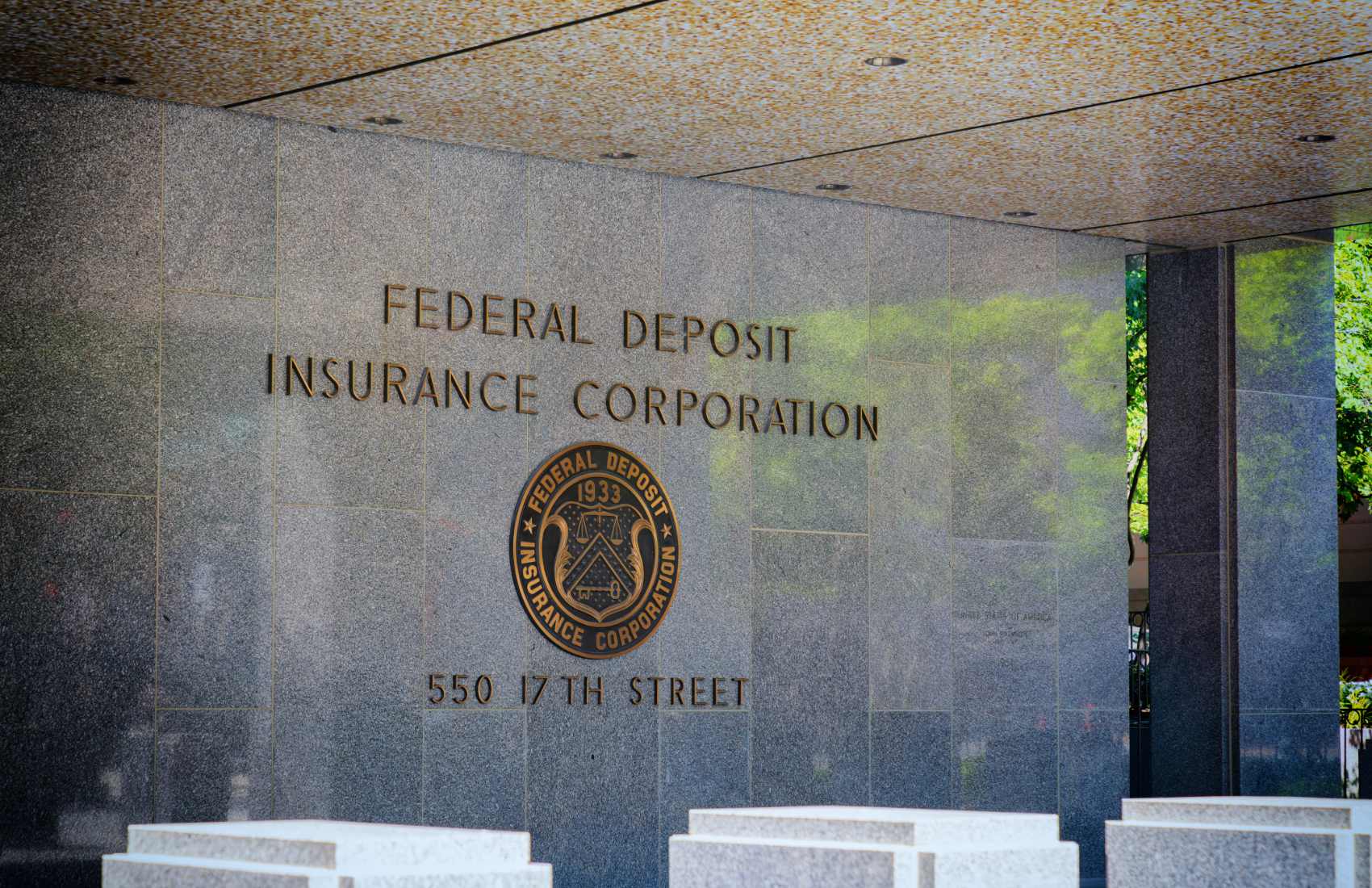
Greece’s Hellenic Capital Market Commission is preparing to turn down Binance’s bid for a crypto license, two people familiar with the talks told Reuters on Jun. 16. The regulator declined to comment, citing confidentiality rules. Binance filed the request in January through a Greek holding company it established in December to anchor its European operations.
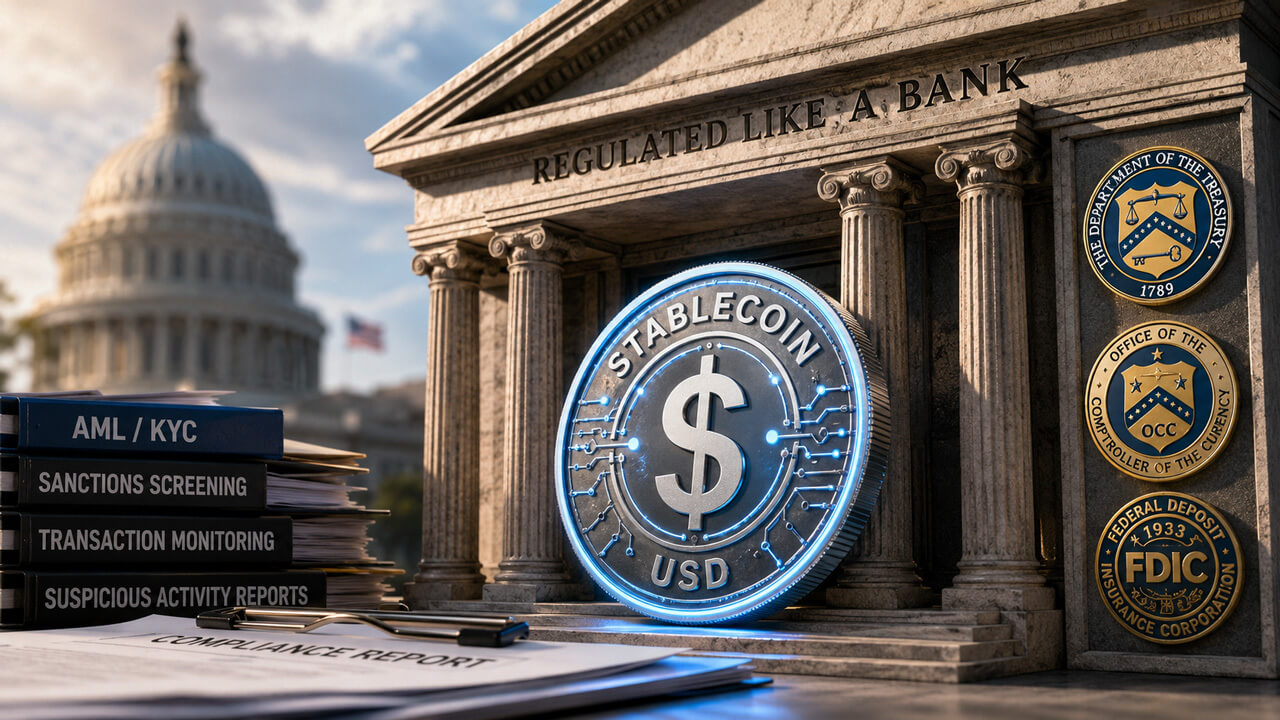
A single authorization under the bloc’s Markets in Crypto-Assets rules, known as MiCA, passports an exchange into all 27 member states. The transition window closes Jun. 30, and unlicensed firms must wind down European services the following day.
The rules were built to end the patchwork of national licenses that once let crypto firms work in legal gray zones. Approval opens the entire bloc to a platform, while a refusal can close all 27 markets at once. European users should track deposits, trading, and withdrawals once the deadline passes.
Also Read: Traders Now Give Fable 5 74% Shot At Returning By Mid-July
Coinbase And Kraken Eye Gains
The reported decision would rank among the heaviest regulatory setbacks in Binance’s history. Rivals that already hold MiCA approval, including Coinbase and Kraken, could draw users hunting for compliant venues.
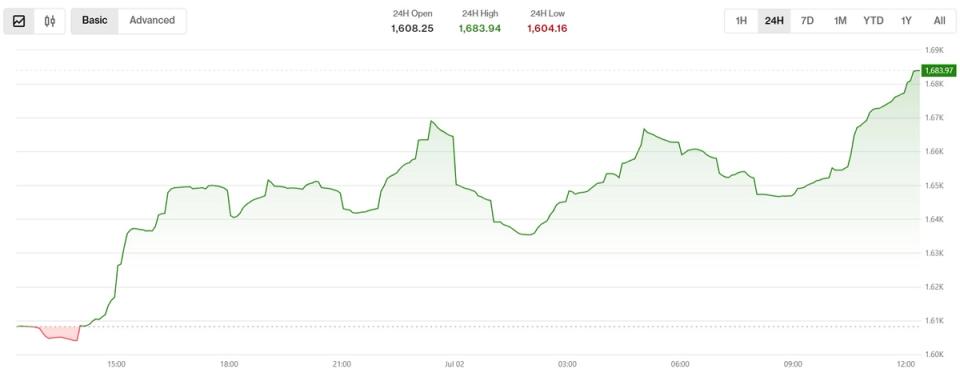
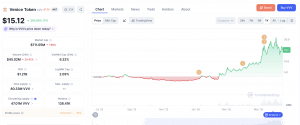
Binance pushed back hard on the report. The company said the Greek regulator reviewed its filing, judged it compliant, and referred the matter to the European Securities and Markets Authority. Analysts cautioned that the exchange’s BNB (BNB) token and broader markets could see short-term swings.
Binance settled on Greece after earlier speculation it might seek approval in Malta, where it once kept offices. The firm has described Europe as central to its long-term plans and said it remains ready to operate under a harmonized regime.
Binance has chased European approval for roughly 18 months. Co-CEO Richard Teng named Greece its preferred base in February, pointing to the country’s labor force and security profile.
The exchange counts about 300 million customers worldwide, remains privately held, and has pledged a further update before Jun. 30, when the transitional regime expires.
Read Next: SpaceX Hits $2.94T Valuation After Passing Amazon And Microsoft