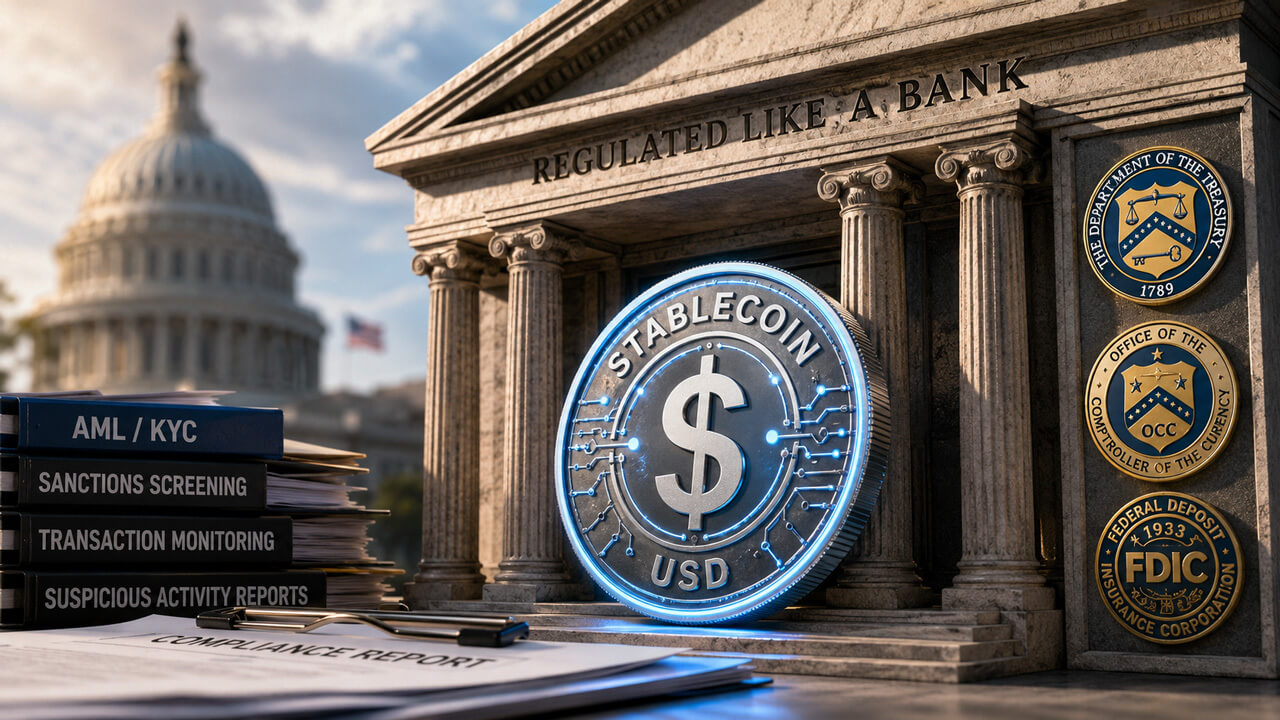
Federal agencies are moving forward with rules that would require stablecoin issuers to verify customer identities in a manner closely aligned with longstanding requirements for traditional banks. The joint proposal, released on June 18, 2026, implements key provisions of the Guiding and Establishing National Innovation for U.S. Stablecoins Act (GENIUS Act), which became law in July 2025.
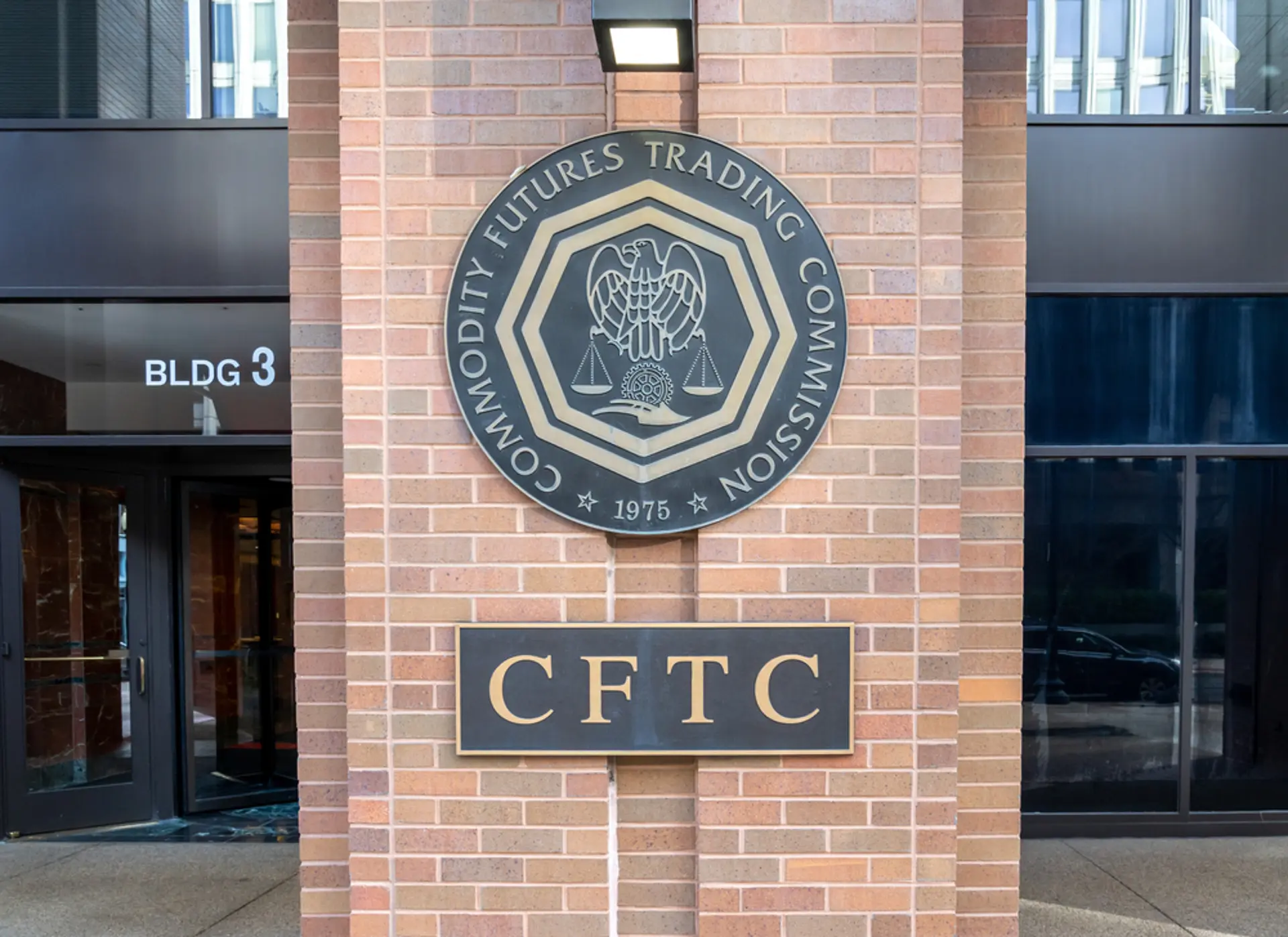
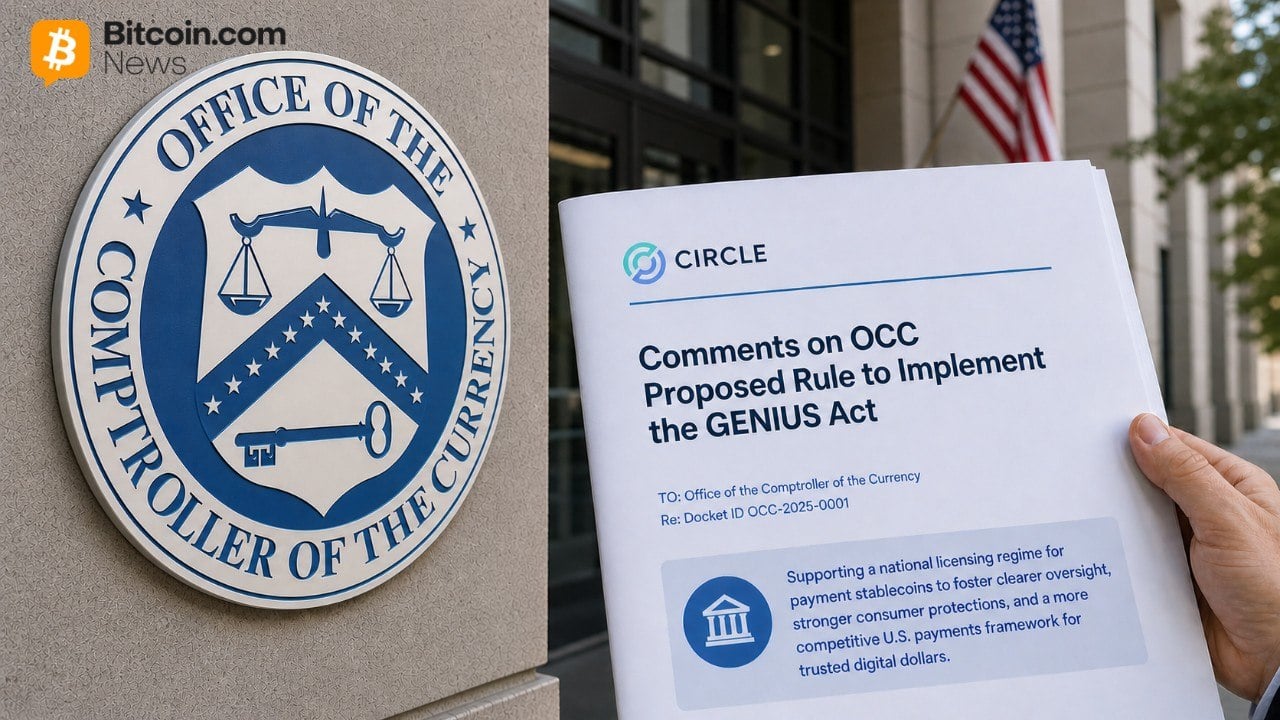
The effort involves the Financial Crimes Enforcement Network (FinCEN), the Office of the Comptroller of the Currency (OCC), the Federal Reserve Board, the Federal Deposit Insurance Corporation (FDIC), and the National Credit Union Administration (NCUA).
It directs permitted payment stablecoin issuers (PPSIs) to establish formal customer identification programs (CIPs) as part of their obligations under the Bank Secrecy Act.
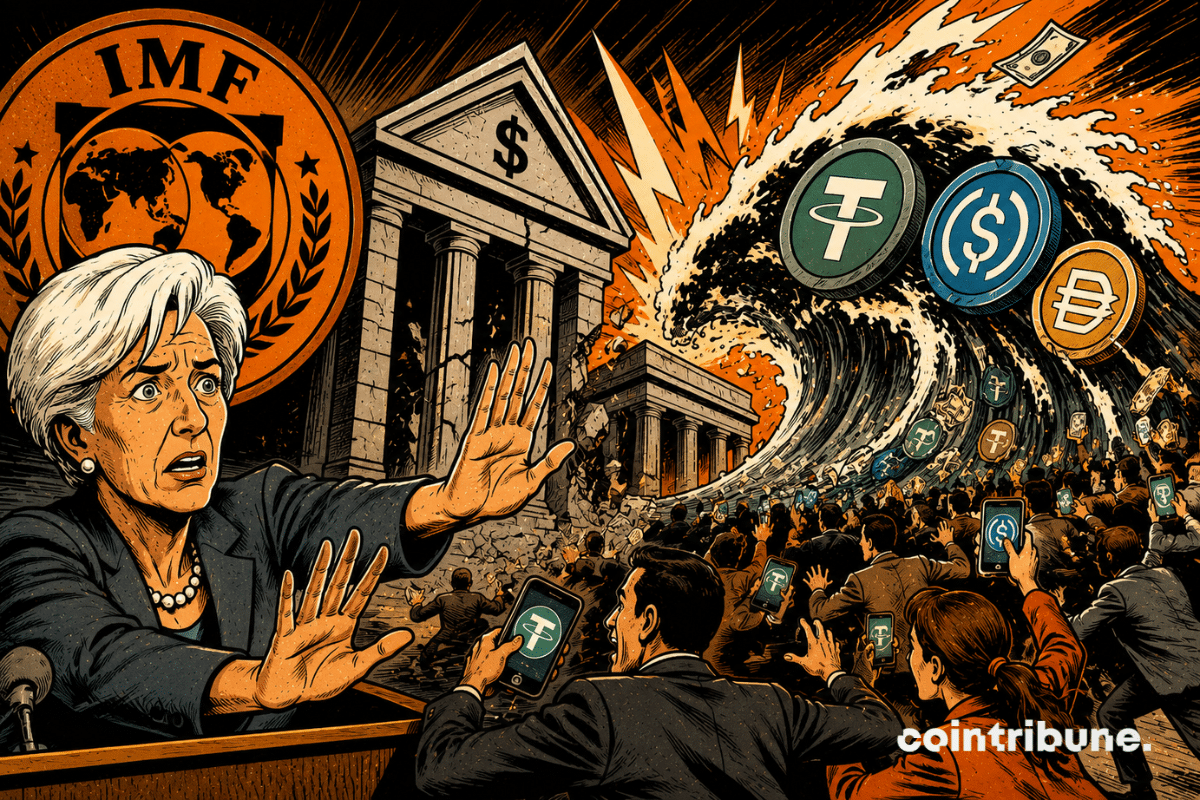
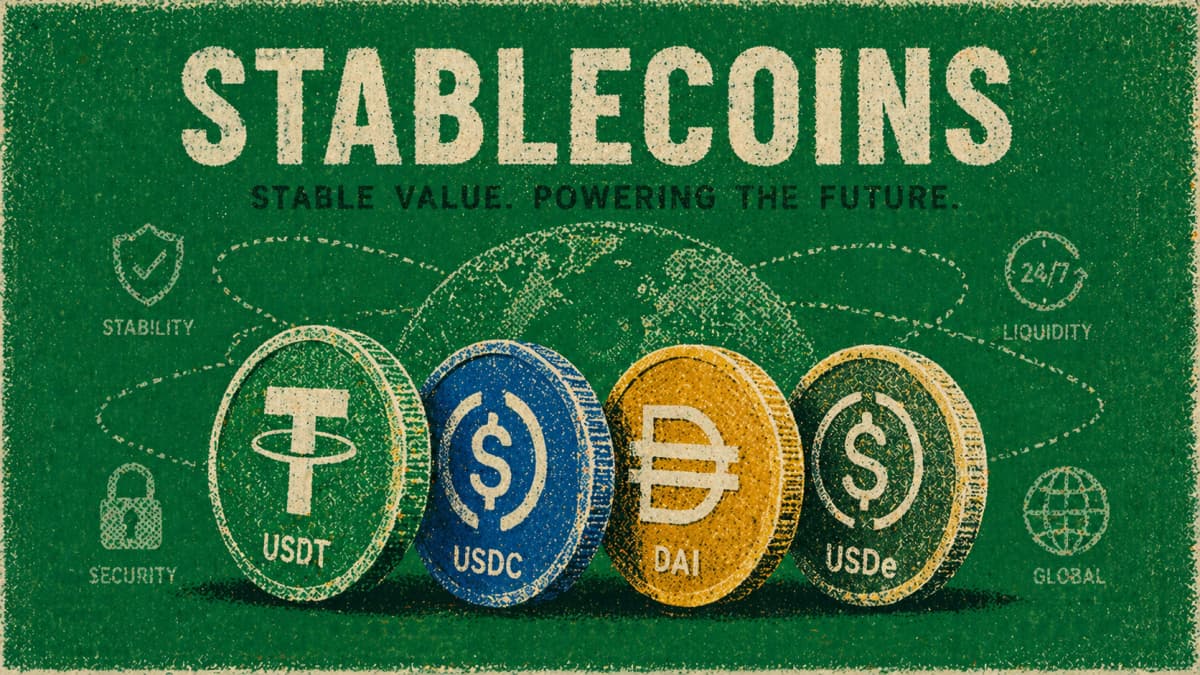
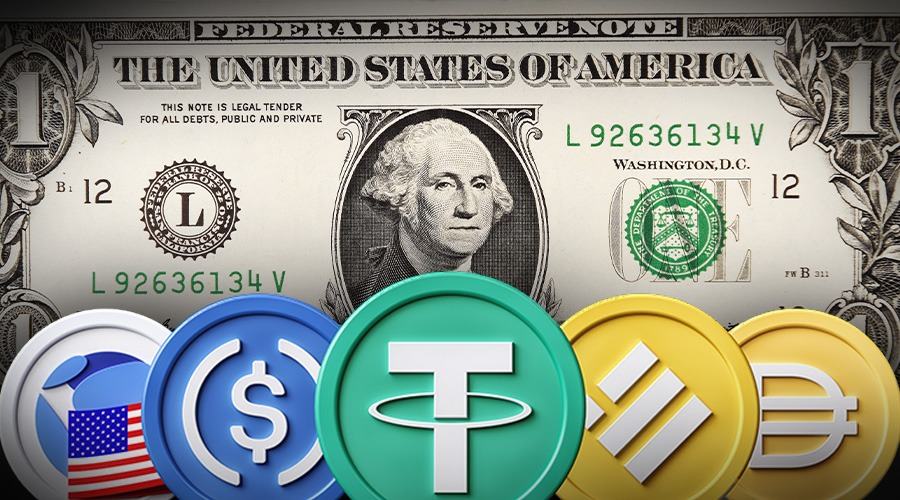
Under the GENIUS Act, only approved PPSIs may issue dollar-pegged stablecoins in the United States.
These tokens must be backed one-to-one by high-quality reserves such as cash or short-term U.S. Treasuries.
The legislation created a federal licensing pathway for both bank and non-bank issuers while imposing safeguards against money laundering, sanctions evasion, and other illicit finance risks.
The new proposed rule focuses on customer identification at the point of account opening for issuance and redemption activities.
Issuers would need to collect and verify basic identifying information—including name, date of birth (or formation date for entities), physical address, and an identification number—before allowing customers to open accounts or transact directly with the issuer.
Verification must occur within a reasonable timeframe using documentary or non-documentary methods, and procedures must be risk-based and scaled to the issuer’s size and operations.
Additional elements mirror bank practices: issuers would maintain records of the information gathered, check customers against government lists of known or suspected terrorists, provide notice to customers about the verification process, and establish protocols for handling cases where identity cannot be confirmed (including when to decline or close an account and when to file suspicious activity reports).
Reliance on another regulated financial institution’s verification efforts would be permitted under certain conditions.
The framework is explicitly tailored rather than one-size-fits-all, reflecting the newer nature of stablecoin operations while still aiming to close gaps that have allowed illicit activity in parts of the crypto ecosystem.
A separate but related rulemaking addresses broader anti-money laundering and countering-the-financing-of-terrorism program requirements for the same issuers.
Notably, the customer identification obligations center on direct interactions between issuers and their customers.
Secondary-market trading on exchanges or peer-to-peer transfers generally falls outside the scope of this particular proposal.
Some regulators have voiced concerns that this limitation could leave avenues open for bad actors, prompting calls for public input on whether expanded coverage might be warranted.
The GENIUS Act represents the first comprehensive federal statute dedicated to payment stablecoins.
By bringing issuers under familiar financial crime compliance standards, policymakers seek to promote responsible innovation, protect consumers and the broader financial system, and reinforce the US dollar’s role in digital payments.
The proposal includes provisions allowing exemptions in appropriate cases with concurrence from relevant authorities.
Public comments on the customer identification proposal are being solicited for 60 days following its publication in the Federal Register.
Stakeholders across the crypto and traditional finance sectors are expected to weigh in on implementation details, costs, privacy implications, and the balance between security and usability.This latest step continues the regulatory rollout of the GENIUS Act, which is designed to provide clarity and guardrails as stablecoins grow in usage for payments, remittances, and on-chain finance.