Lowenstein Crypto advises leading digital asset and cryptocurrency projects, exchanges, and trading firms. Our practice covers regulatory advice, transactions and structuring advice, investigations, and adversarial matters including commercial disputes, bankruptcy, and related litigation. As these markets continue their rapid growth and market participants continue to evolve and mature their businesses, we are providing this weekly digest as a resource that highlights and summarizes a selection of key recent legal regulatory developments.
Illinois Governor Signs the Digital Asset Tax Act
On June 16, Gov. JB Pritzker signed the Digital Asset Tax Act (the Act), establishing a 0.2% tax imposed on the privilege of receiving any digital asset business activity. Under the Act, a “digital asset business activity” is defined as “any single occurrence of exchanging, transferring or storing a digital asset as part of a business or on behalf of a customer.” Effective January 1, 2027, firms that engage in digital asset business activities and are located in Illinois or provide services to Illinois residents will need to register with the Illinois Department of Revenue, collect the tax from customers at the point of sale, and remit the tax proceeds monthly. See the full text of the bill here.
Federal Regulators Issue Joint Proposed Rules Under GENIUS Act
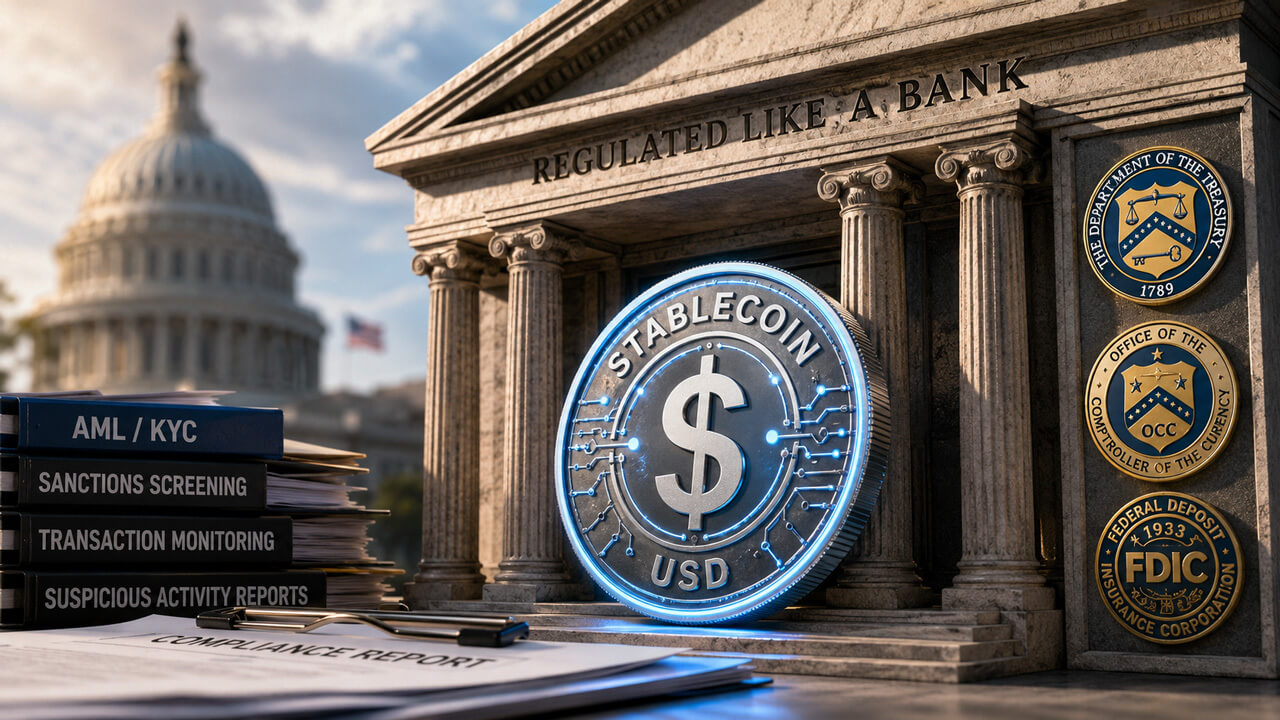
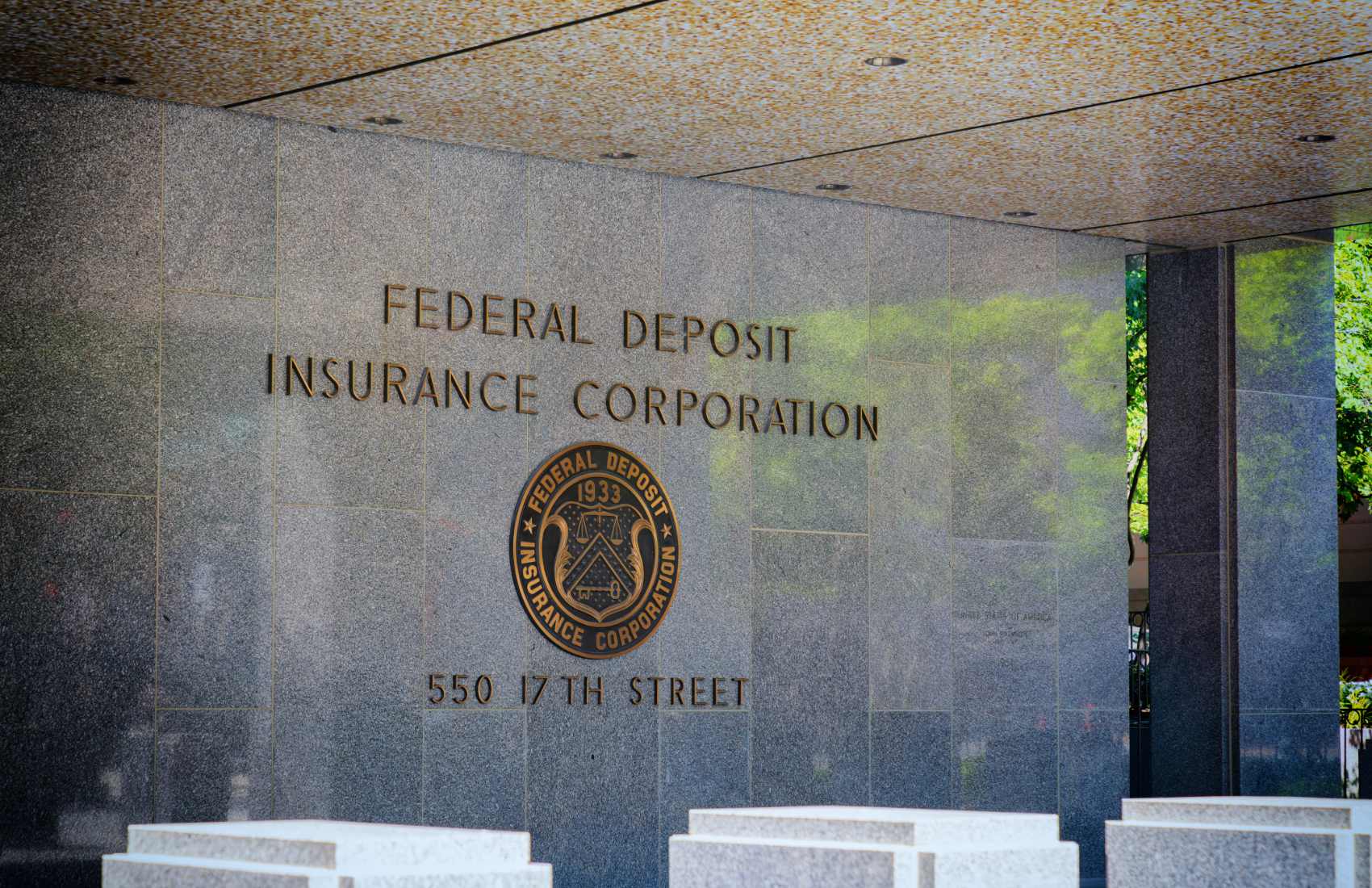
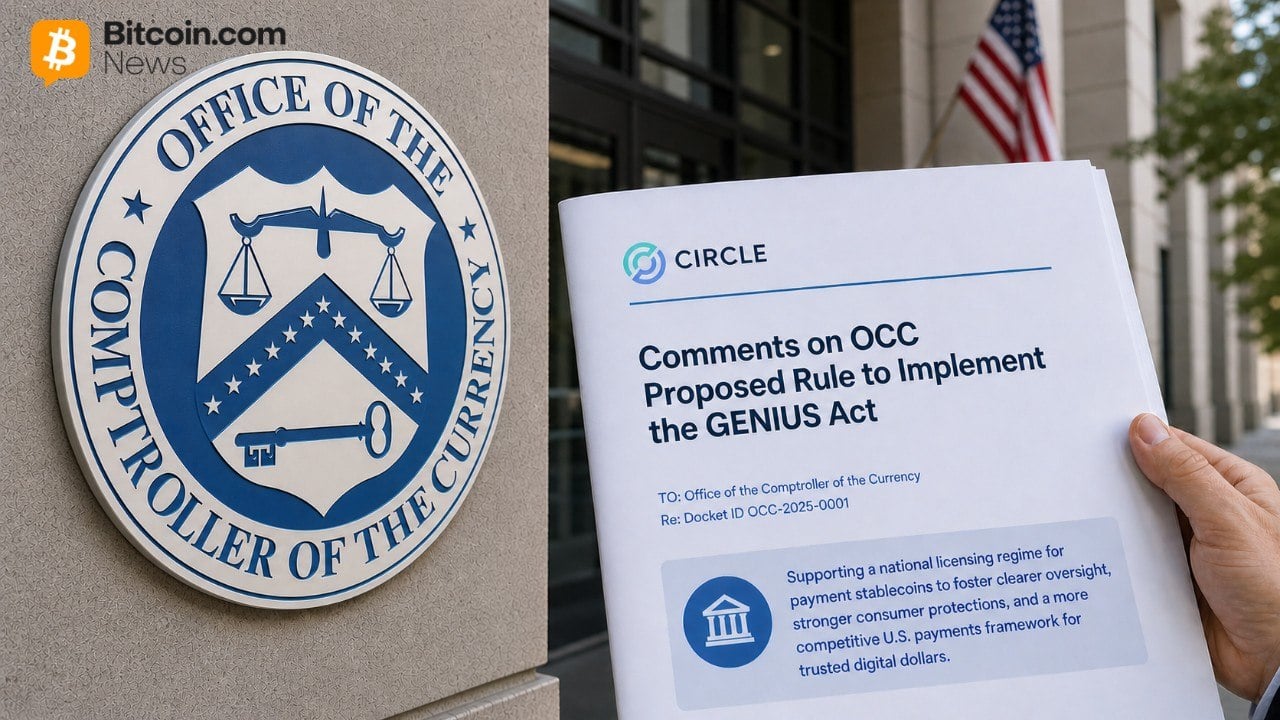
On June 18, the U.S. Department of the Treasury’s Financial Crimes Enforcement Network (FinCEN), the Office of the Comptroller of the Currency (OCC), the Board of Governors of the Federal Reserve System, the Federal Deposit Insurance Corp. (FDIC), and the National Credit Union Administration issued a joint proposed rule (the Proposed Rule) in connection with the requirement for permitted payment stablecoin issuers (PPSIs) to maintain an effective customer identification program (CIP) under the Guiding and Establishing National Innovation for the U.S. Stablecoin Act (GENIUS Act). The Proposed Rule would require PPSIs to adopt written, risk-based procedures for verifying customer identities by collecting each customer’s name, date of birth or business formation date, address, and government-issued identification number. Notably, the CIP obligation is limited to primary market activity (i.e., direct issuer-customer relationships), which includes issuance, redemption, and custodial services but does not extend to secondary market transactions where the user’s only interaction with the PPSI is through a smart contract. See the Proposed Rule here.
Update to Housing Bill Includes Ban on CBDCs
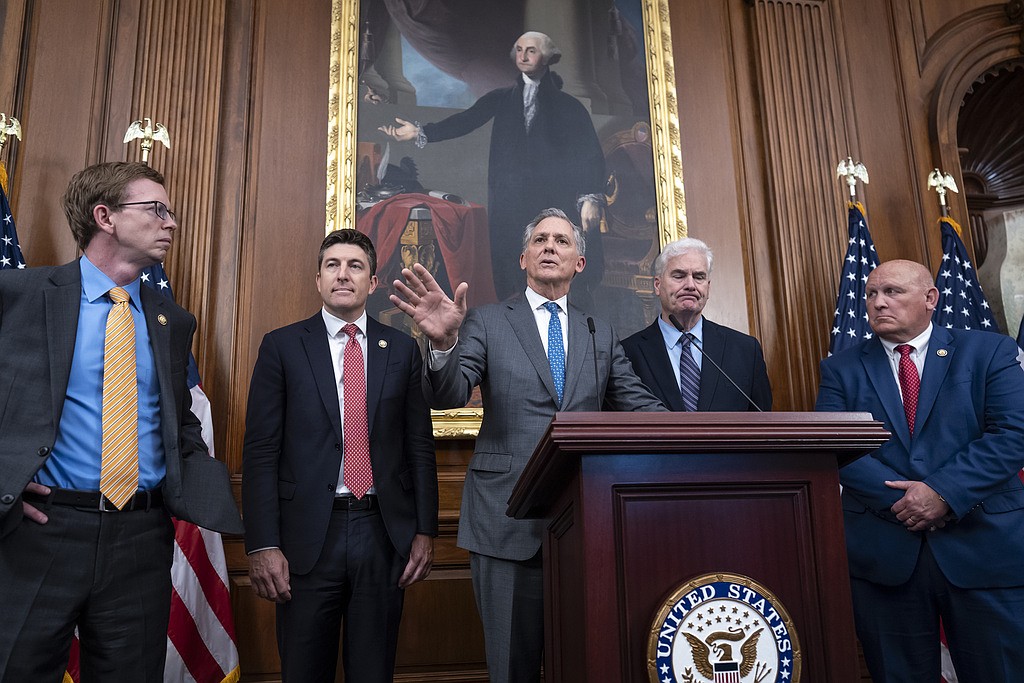
On June 17, Sen. Tim Scott (R-S.C.), Sen. Elizabeth Warren (D-Mass.), Rep. French Hill (R-Ark.), and Rep. Maxine Waters (D-Calif.) released an update to the 21st Century ROAD to Housing Act, which includes a prohibition of the issuance and creation of a central bank digital currency (CBDC) by the Federal Reserve until December 31, 2030. As defined in the updated bill, a CBDC is a digital asset that is denominated in U.S. dollars, is a U.S. currency, is a direct liability of the Federal Reserve System, and is widely available to the general public. Notwithstanding the ban on CBDCs, the Federal Reserve is not prohibited from the issuance or creation of “any dollar-denominated currency that is open, permissionless, and private, and fully preserves the privacy protections of United States coins and physical currency.” See the full text of the updated bill here.
SIFMA Provides Comments to SEC Regarding Wallet Interfaces
On June 16, the Securities Industry and Financial Markets Association (SIFMA) filed a comment letter to the SEC–“Staff Statement Regarding Broker-Dealer Registration of Certain User Interfaces Utilized to Prepare Transactions in Crypto Asset Securities”–from April 13 (the Staff Statement). In its letter, SIFMA acknowledged the Staff Statement as a constructive step toward regulatory clarity; however, it highlighted significant concerns and urged the SEC to pursue formal rulemaking rather than rely on staff-level guidance given the lack of durability and a five-year sunset. Notably, SIFMA asserts that the Staff Statement represents a departure from historical interpretations by allowing unregistered entities to receive transaction-based compensation without the involvement of a broker-dealer, which would allow such “Covered User Interface Providers” (CUI Providers) to operate outside existing regulatory frameworks. Additionally, SIFMA notes that the Staff Statement narrowly addressed only user-initiated transactions via self-custodial wallets without addressing how registered intermediaries, custodial wallet providers, institutional users, and the broader tokenized securities ecosystem should be treated. SIFMA recommended that the SEC develop formal regulations that establish structured oversight and reporting mechanisms for CUI Providers. See the SIFMA letter here.
Bipartisan Group of Senators Sends Letter Urging the Treasury To Consider State Regulators While Preparing Final Rules
On June 16, a bipartisan group of U.S. senators sent a letter to Treasury Secretary Scott Bessent urging the Treasury to issue clear procedural guidance on the state certification process under Section 4(c) of the GENIUS Act. The senators expressed concern that the lack of timelines and procedural clarity around state regulatory regime certification for payment stablecoin issuers could effectively foreclose future state participation, undermining Congress’ intent to preserve the dual banking system. They requested that the Treasury confirm certification will remain available on an ongoing basis rather than operating as a one-time window in order to accommodate varying state legislative schedules and the evolving market, noting that the GENIUS Act’s annual recertification requirement supports the conclusion that certification should function as a continuing process. See a copy of the letter here.
Federal Cryptocurrency Theft Enforcement and Coordination Act Introduced
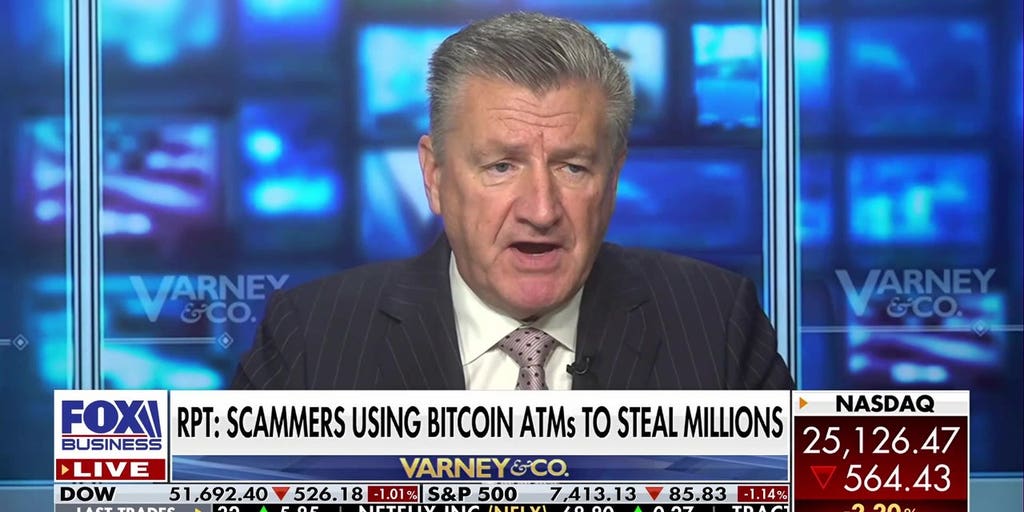
On June 11, Rep. Lance Gooden (R-Texas) and Rep. Josh Gottheimer (D-N.J.) introduced the Federal Cryptocurrency Theft Enforcement and Coordination Act, which aims to strengthen measures to prevent, investigate, and prosecute cryptocurrency-related theft. The bill establishes a federal cryptocurrency theft task force within the Department of Justice, which also would include representatives from the FBI, the Department of Homeland Security, the Treasury, and other federal law enforcement agencies as determined by the U.S. attorney general. The bill seeks to address the surge in cryptocurrency theft and growing losses, which reportedly resulted in more than $11 billion in crypto-related losses in 2025. See the full text of the bill here and the related press release here.