Every nerd has a folder of half-finished side projects, and in 2026 most of them have one thing in common: they call a large language model somewhere. A Discord bot that summarizes your server’s chaos. A tool that renames your comically disorganized download folder. A fan-fiction outline generator you swear is just for research. The ideas are free. The API calls, unfortunately, are not.
Here is the good news: running AI side projects has never been cheaper – if you know how the pricing actually works. This is a field guide to building the fun stuff without an accidental three-digit bill at the end of the month.
Understand What You Are Actually Paying For
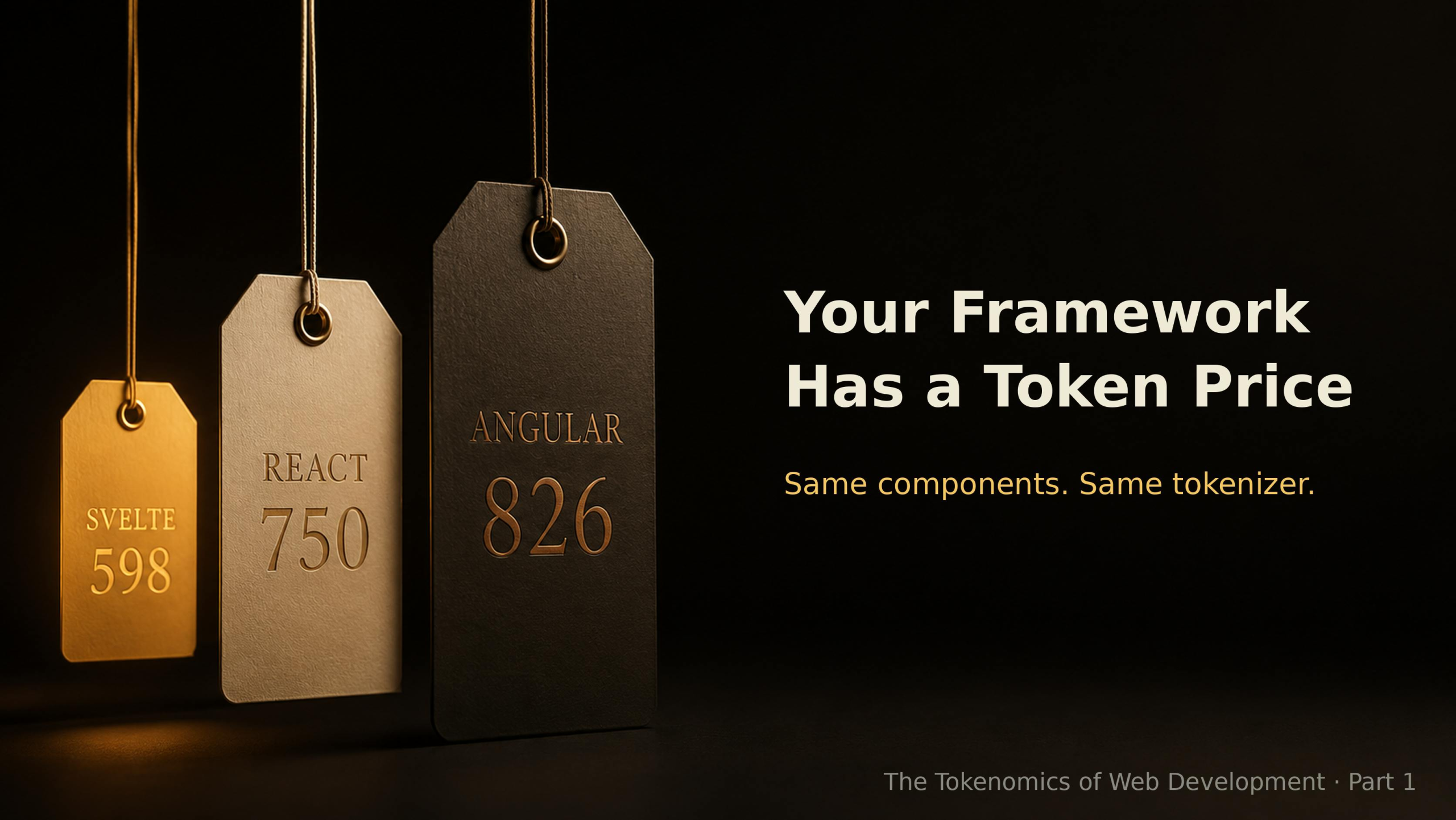
Every AI API bills by the token – roughly three-quarters of a word. You pay for tokens in (your prompt) and tokens out (the model’s response), and output tokens usually cost several times more than input. That asymmetry matters: a chatty model that pads every answer with pleasantries is literally more expensive than a terse one.
The second thing to understand is the price spread. The gap between a frontier model and a budget model is not 20 or 30 percent – it is routinely 10x to 50x per token. A classification task that costs a dollar on a flagship model costs pennies on a smaller one, and for many side-project tasks the smaller model is genuinely good enough. The single biggest lever you have is not prompt golf; it is model choice.
The Side-Project Stack: Three Tiers
A sensible hobby project uses models in three tiers.
- The workhorse tier handles the bulk: tagging, sorting, extracting, summarizing short things, answering routine questions. Use the cheapest fast model that passes your own smell test. This tier should absorb 80 to 90 percent of your calls.
- The quality tier handles what users actually see: the final draft of a message, the punchline, the polished summary. A mid-range model earns its keep here.
- The genius tier is for the rare task that genuinely needs deep reasoning – untangling a gnarly bug, planning a multi-step pipeline, judging between outputs. Frontier models are astonishing and astonishingly priced; save them for moments that deserve them.
The trick is routing between tiers automatically. Classify the request first with the cheap model; escalate only when confidence is low. It is the same pattern production teams use, scaled down to hobby size.
Practical Tricks That Actually Move the Bill
- Cache like a dragon hoards gold. Side projects repeat themselves constantly. The same question about the same file, the same summary of the same thread. A simple local cache keyed on the prompt eliminates a shocking fraction of calls.
- Cap your outputs. Set a maximum output length on every call. Runaway generations are the classic source of surprise costs, and almost no side project needs a 4,000-token answer.
- Batch when nobody is waiting. If your bot processes things overnight, batch the work and use the slowest, cheapest option available. Latency only matters when a human is staring at a spinner.
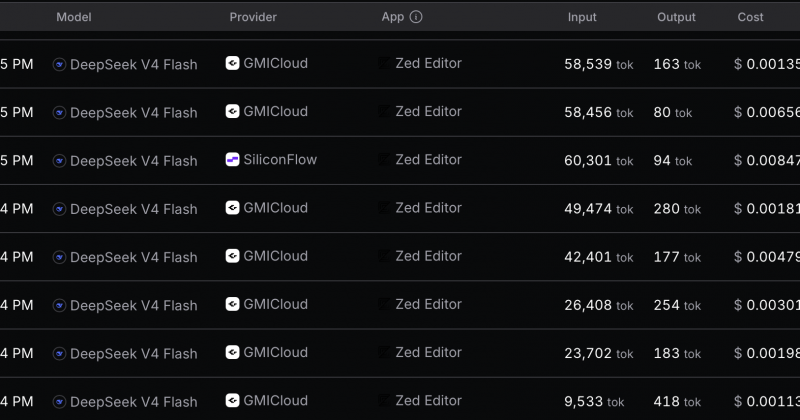
- Log every call. One tiny middleware function that records model, tokens, and purpose turns your bill from a mystery novel into a spreadsheet. You will immediately spot the feature quietly eating half your budget. If your side project starts generating real revenue, the same discipline applies to the rest of your finances — tools like QuickBooks work the same way, flagging a cost category the moment it creeps up month over month.
The Multi-Model Problem (and the Lazy Solution)
Here is where hobby economics get annoying. The best cheap model for one task and the best cheap model for another are frequently from different companies. Chasing value across providers means juggling multiple accounts, multiple API keys, multiple SDKs, and multiple $5 minimum top-ups – which is exactly the kind of administrative overhead that kills side projects dead.
The lazy solution – and lazy is a compliment in side-project engineering – is a unified gateway such as APIMart.ai, which puts GPT, Claude, Gemini, Grok, and hundreds of other models behind one OpenAI-compatible endpoint with a single API key and pay-as-you-go billing, frequently at rates below the providers’ own list prices. For a hobbyist, the pitch is simple: one account, every model, one bill. Switching your Discord bot from one model to another becomes a one-line config change, and comparing three models on your actual task takes an evening instead of a weekend of account signups.
That flexibility feeds directly back into cost control. When trying a cheaper model is frictionless, you actually do it – and most people who do discover that half their premium calls never needed to be premium.
A Realistic Monthly Budget
What does a well-built side project actually cost? Less than you think. A summarization bot for a mid-size Discord server, with caching and tiered routing, typically lands in single-digit dollars per month. A personal writing assistant used daily: a few dollars. An image-generation toy for your group chat: depends on your friends’ enthusiasm, but capping daily generations keeps it in pizza-money territory.
The projects that blow up bills share the same anatomy: no output caps, no caching, premium models for everything, and a loop somewhere that retries failures forever. Avoid those four sins and the economics of hobby AI are honestly delightful.
Ship the Thing
The tools have never been this accessible. The models have never been this good. The cost floor has never been this low, and the aggregators fighting for developer attention have made trying everything easier than committing to anything. Whatever half-finished project is sitting in your folder – the bot, the generator, the tool with the terrible pun name – the only expensive part left is not building it.
Bonus tip for the truly frugal: inventory the free stuff before spending anything. Most providers hand out trial credits, several ship genuinely capable free-tier models, and aggregator platforms often include starter balances so you can benchmark the whole catalog before committing a card. For a weekend prototype, free credits alone will often carry you to a working demo. Just treat free usage with the same logging and output caps as paid usage – the habits you build on someone else’s dime are the ones that protect your own wallet later. And when a project graduates from toy to tool, that is exactly the moment to re-run your model comparison, because the cheapest adequate model today is rarely the one you started with last quarter.