As demand for AI infrastructure continues to surge, decentralized GPU network io.net is posting some of its biggest numbers yet.
The Solana-based project announced this week that it has signed an $8 million enterprise contract, is now processing more than 4 billion AI tokens per day through OpenRouter, and plans to burn at least 12 million $IO tokens over the next year under a new revenue-driven tokenomics model.
The milestones coincide with io.net’s third anniversary and mark what the company describes as its strongest period of commercial growth to date.
$8 Million Enterprise Contract
io.net revealed it has signed an $8 million enterprise agreement, the largest commercial deal in the network’s history.
The contract is expected to generate approximately $650,000 in monthly on-chain earnings, with additional enterprise agreements reportedly progressing through the pipeline.
The milestone is notable for a sector that has often been criticized for prioritizing token incentives over real-world revenue.
According to the company, growing customer demand is now becoming a direct driver of network economics.
Processing 4 Billion AI Tokens Per Day
Alongside the enterprise deal, io.net says it is now processing more than 4 billion AI tokens every day through OpenRouter, one of the most widely used platforms for routing requests between AI models.
That volume positions the network among the largest decentralized AI infrastructure providers and places it alongside traditional cloud providers competing for inference workloads.
The achievement comes as demand for AI compute continues accelerating across the industry.
In 2025 and 2026 alone, major technology companies committed more than $500 billion toward AI infrastructure, yet GPU access remains limited for many startups and developers.
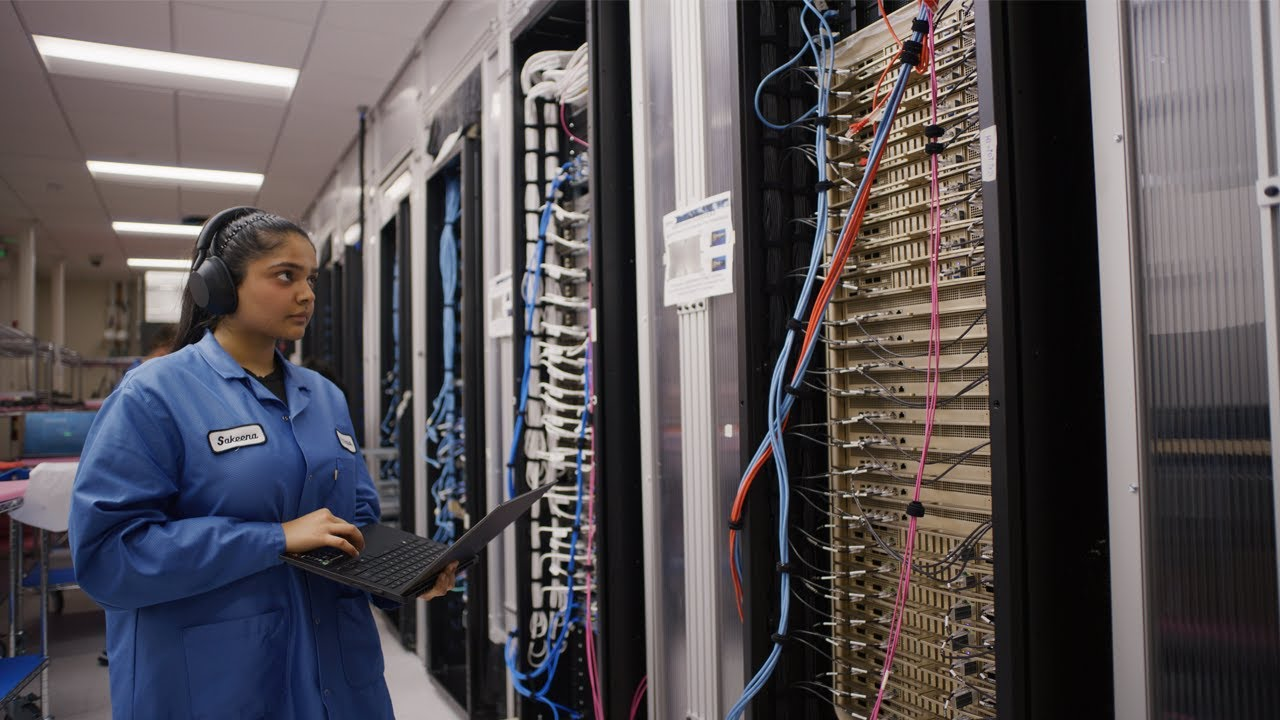
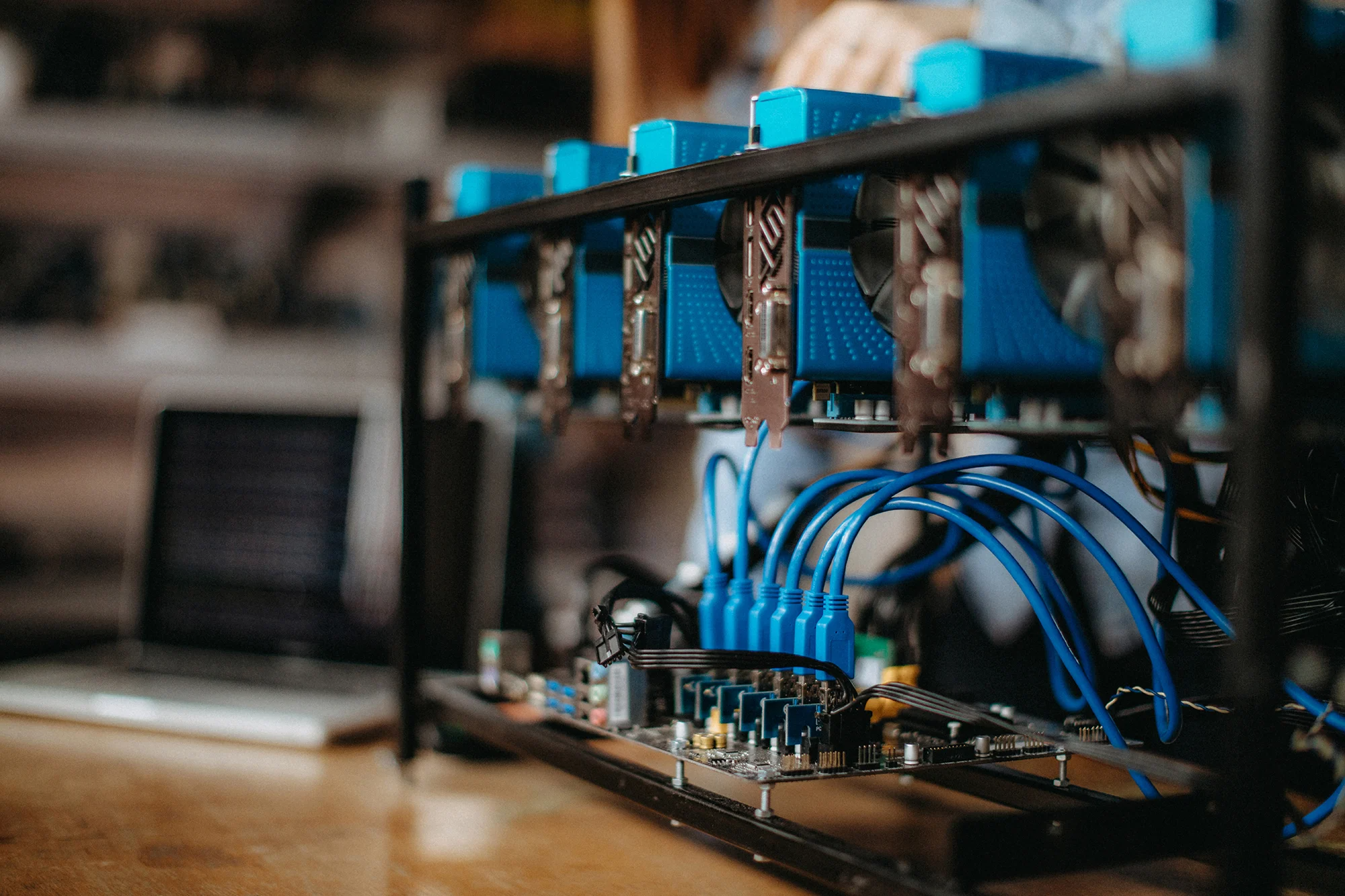
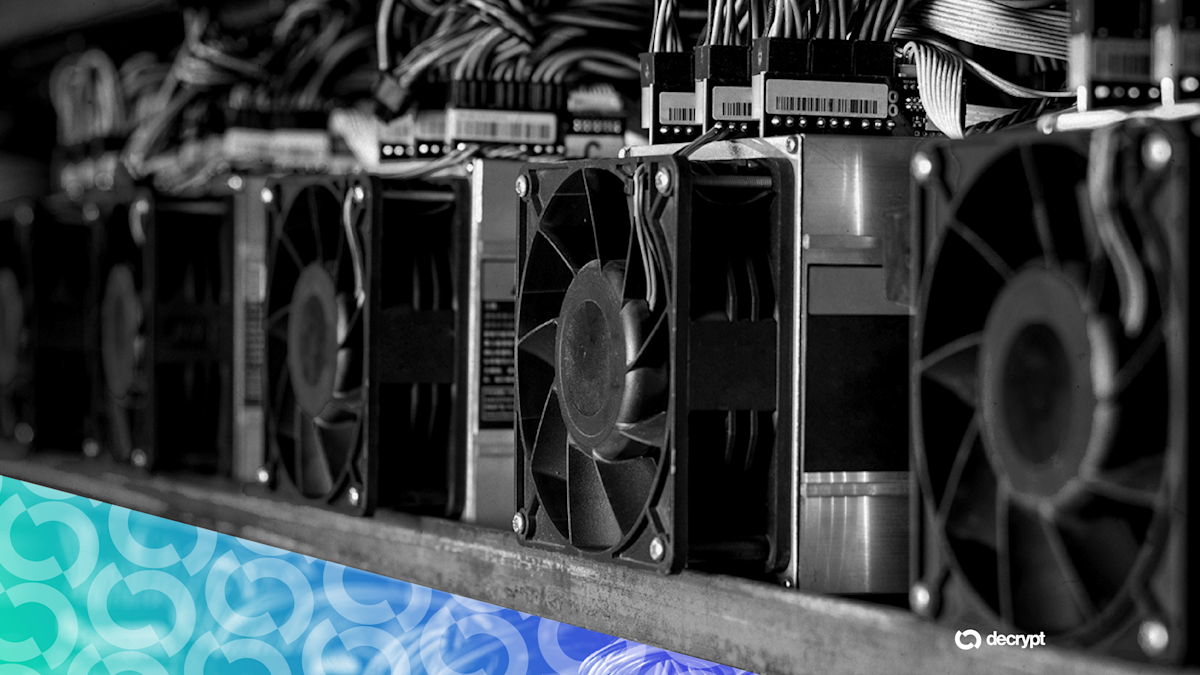
io.net’s approach differs from traditional cloud providers by aggregating GPU resources from independent operators around the world rather than relying on centralized data centers.
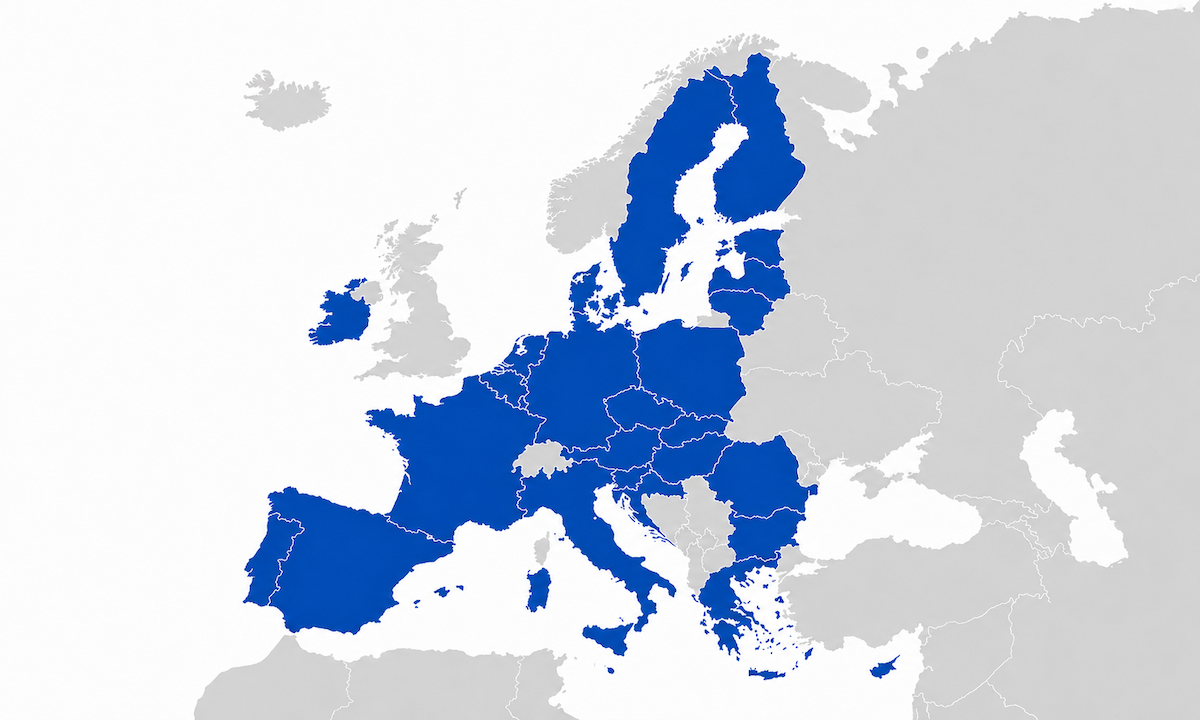
Today, the network sources compute capacity from providers across 138 countries.
A New Token Burn Model
The company also unveiled a new tokenomics framework called the Incentive Dynamic Engine (IDE).
Under the model, at least 50% of post-payout network revenue denominated in $IO will be permanently burned and removed from circulation.
Based on current earnings and projected demand, io.net expects to burn a minimum of 12 million $IO tokens over the next year.
The premise is simple: the more customers use the network, the more tokens are removed from supply.
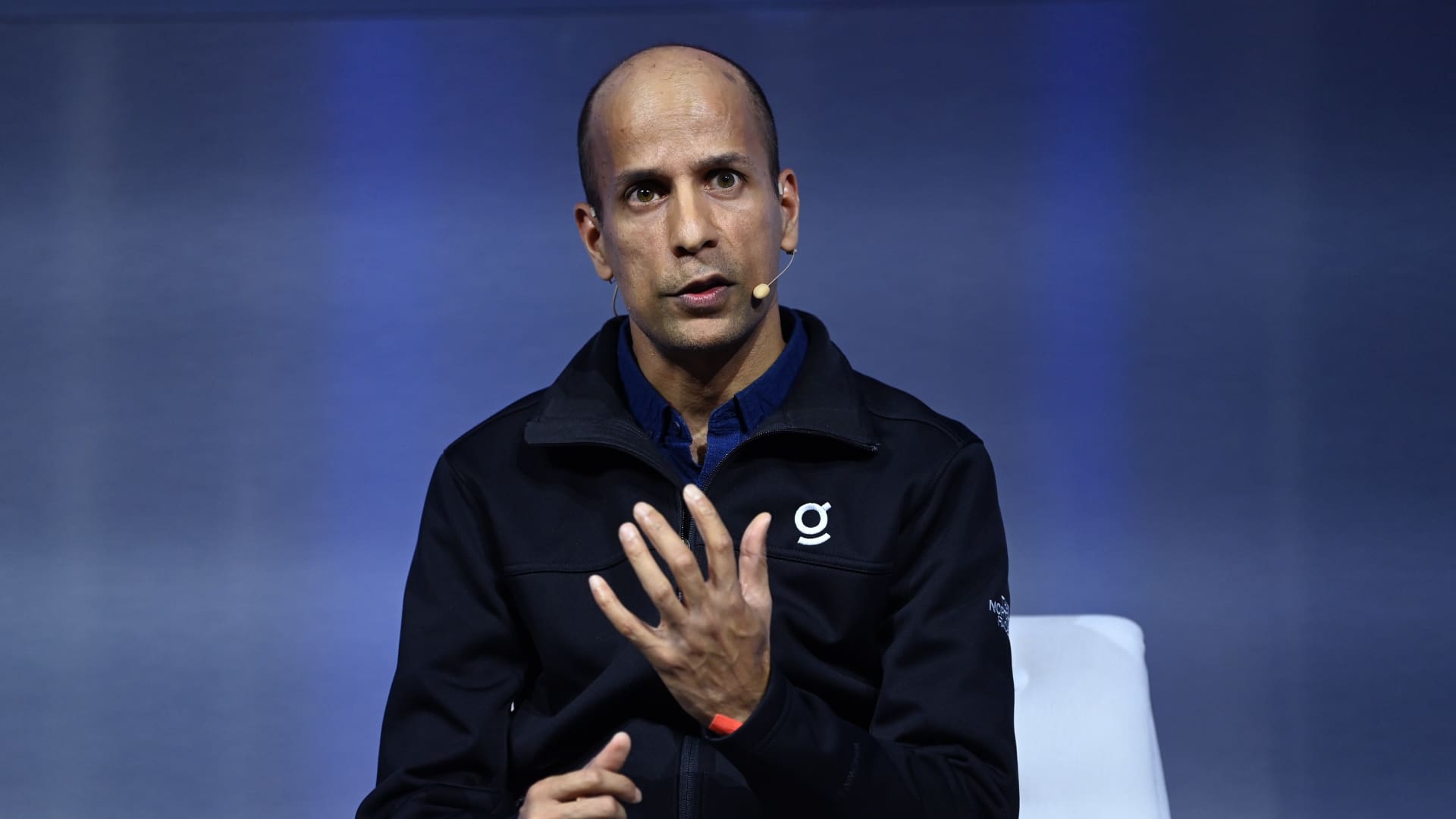
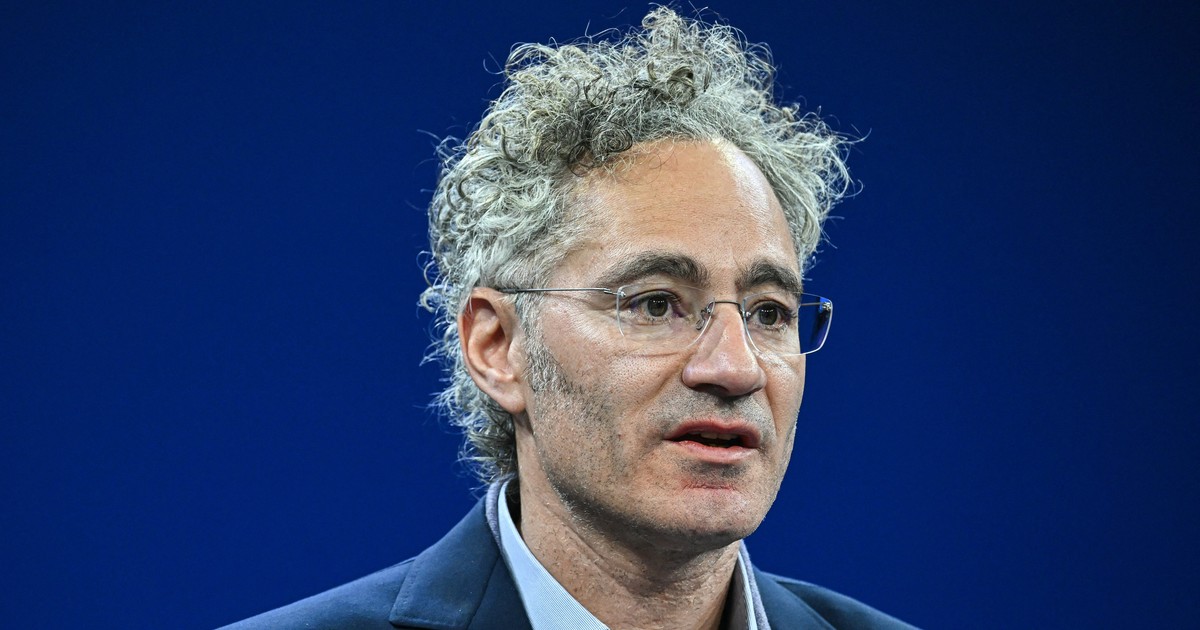
“Most token economies in our space are still built around the hope that prices go up,” said io.net CEO Gaurav Sharma. “Ours is built around the certainty that people are paying to use the network. That’s a fundamentally different foundation.”
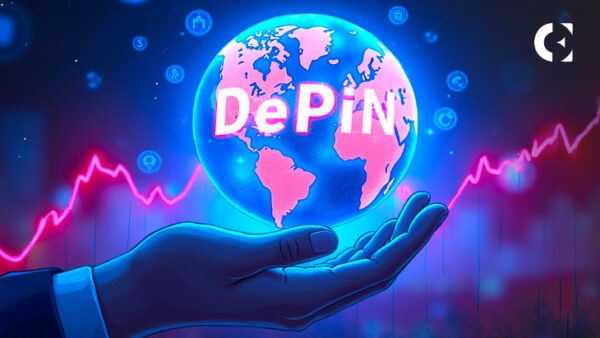
Solving a DePIN Challenge
The new model is also designed to address one of the biggest challenges facing decentralized infrastructure networks: supplier retention.
Many DePIN projects compensate operators with native tokens, creating pressure when token prices decline.
Under io.net’s new system, supplier payouts are pegged to stable USD values rather than fluctuating token prices, helping maintain network capacity regardless of market conditions.
According to the company, the model was independently stress-tested by CryptoEcon Lab under scenarios including a 55% collapse in demand and a 50% token price decline.
The Bigger Opportunity
Beyond today’s milestones, io.net sees decentralized compute as a long-term alternative to the concentration of AI infrastructure among a handful of hyperscale providers. As AI adoption accelerates, access to compute is increasingly becoming a strategic resource.
Rather than relying on a small number of cloud providers to determine who gets access, decentralized networks aim to distribute that capacity across thousands of independent operators worldwide.
The company is also building toward what it calls an “agentic” future, where AI agents can autonomously acquire, deploy, and manage infrastructure through its Agent Cloud platform.
Whether decentralized infrastructure can compete at scale with AWS, Microsoft, and Google remains one of the biggest questions in AI.