Bitcoin Price Dips, Strategy Inc. CEO Calls BTC Sales Procedural Test
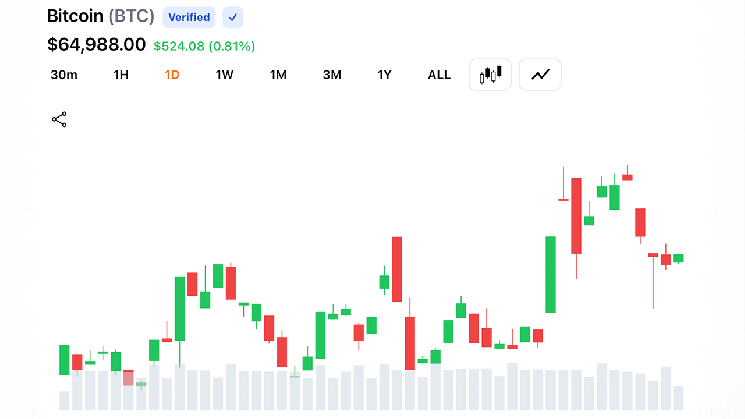
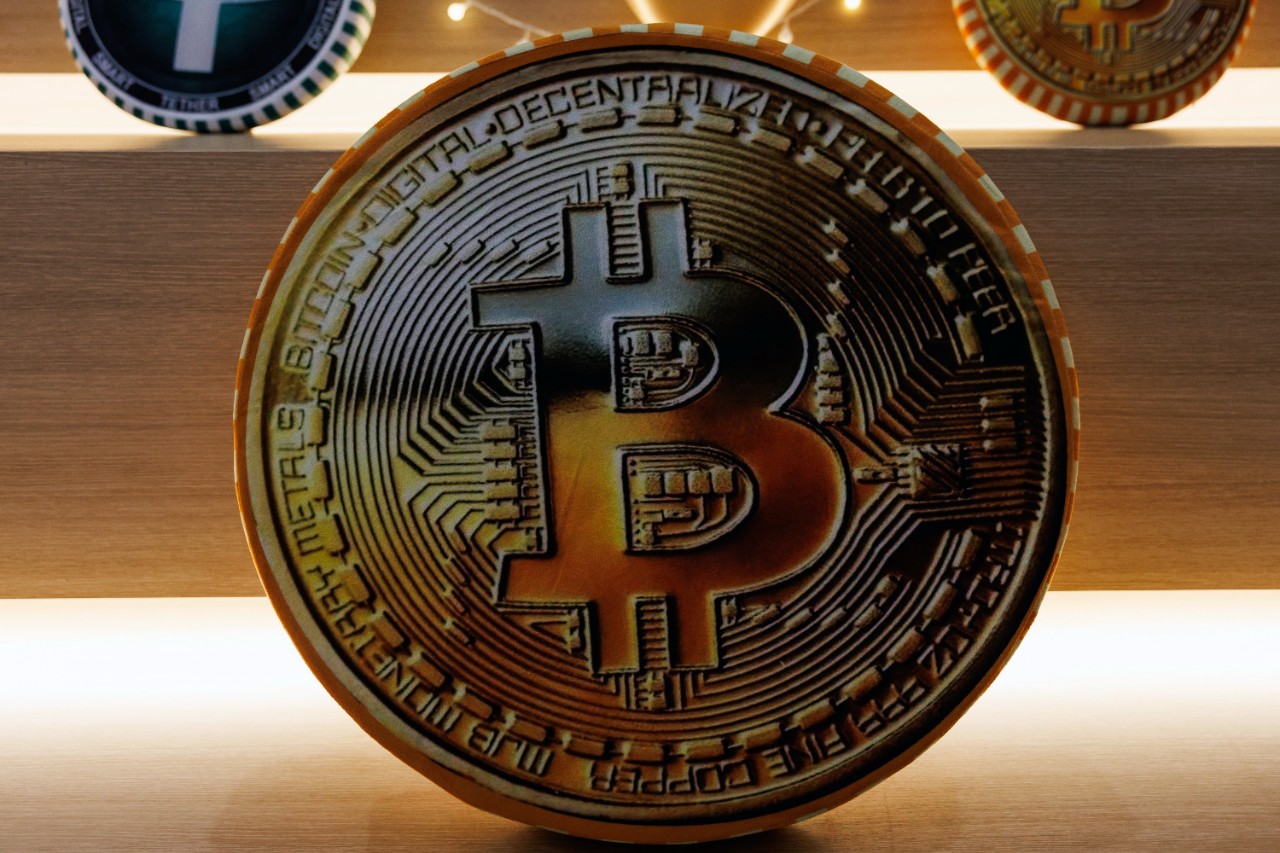
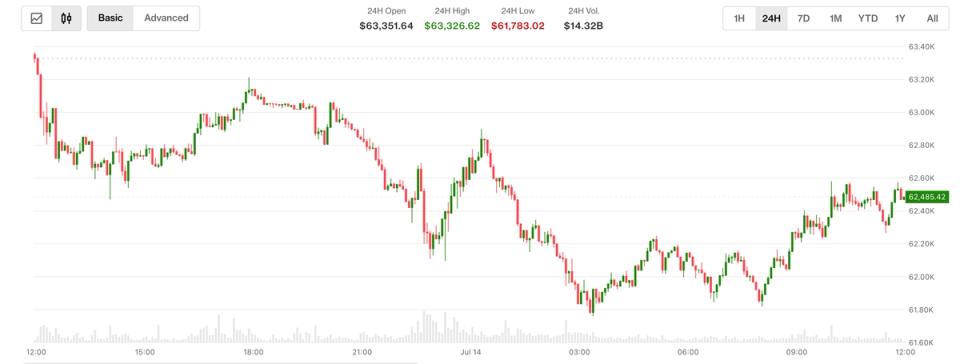
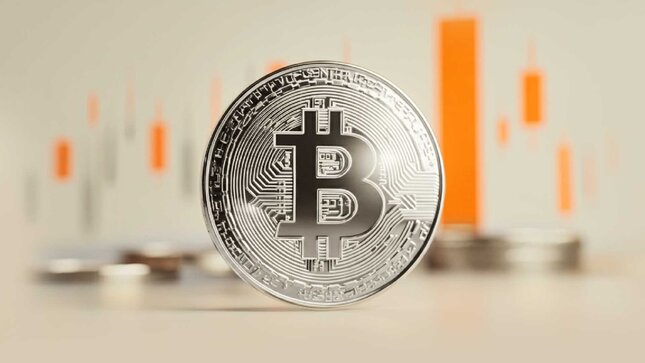
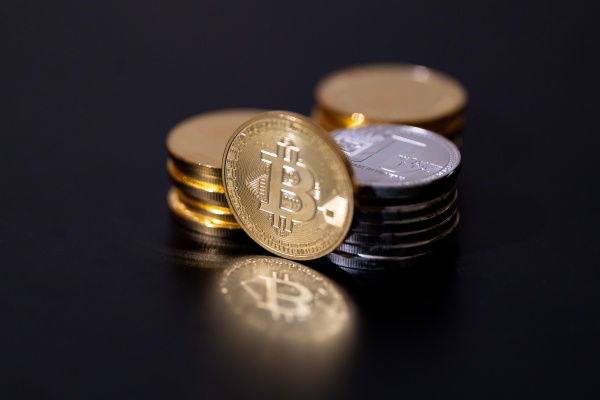
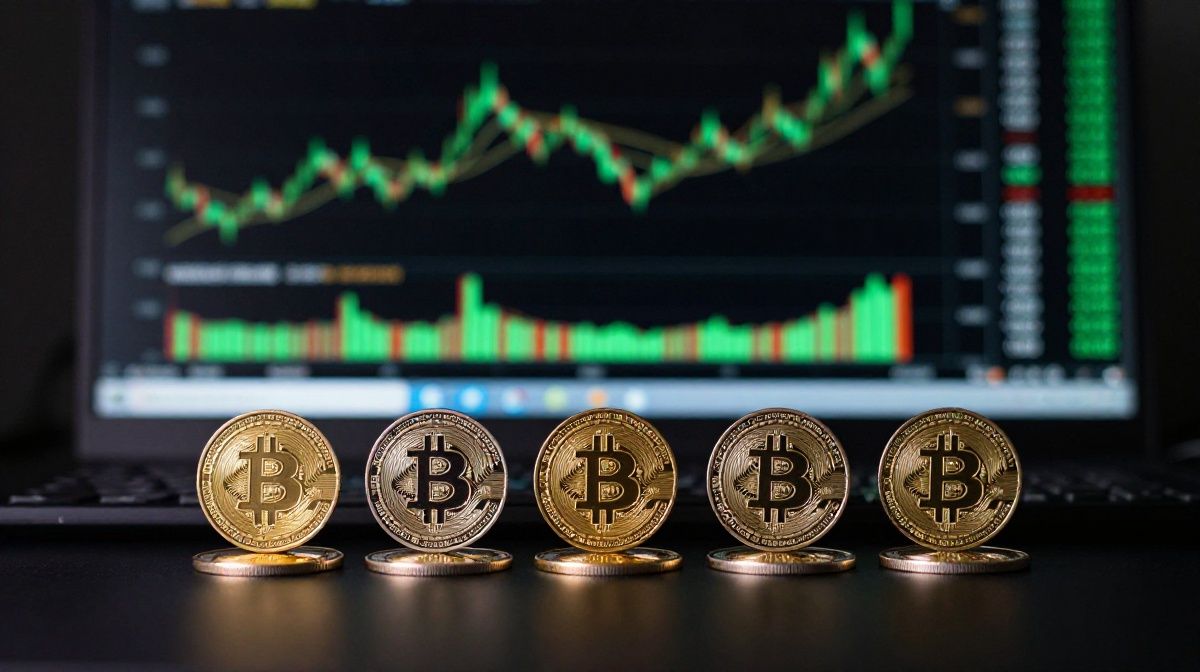
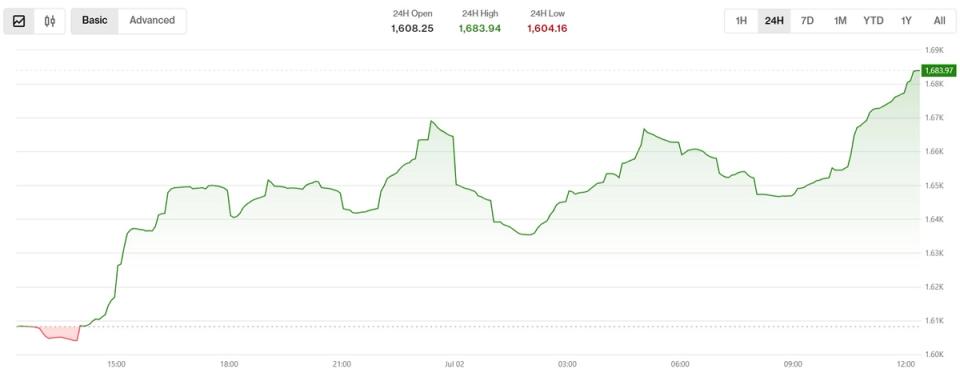
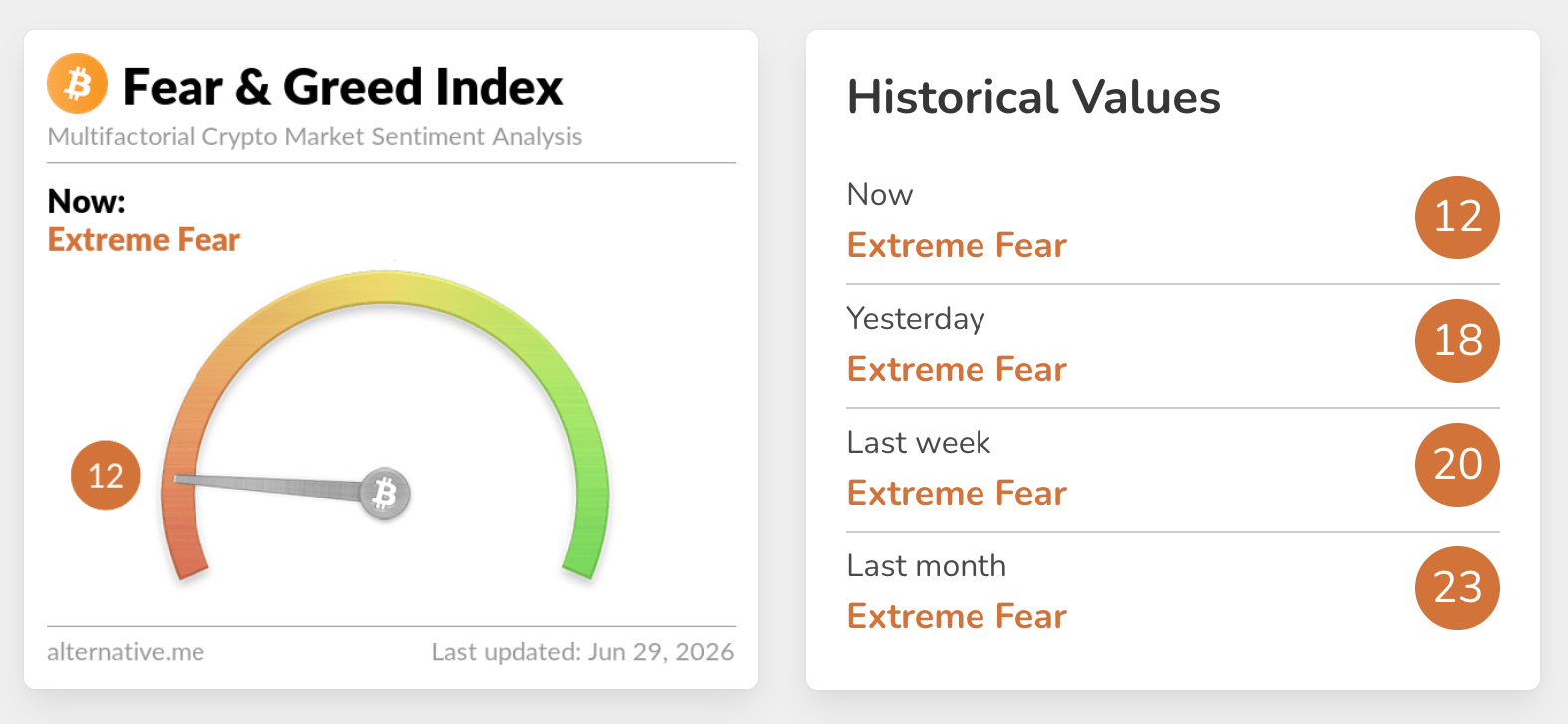
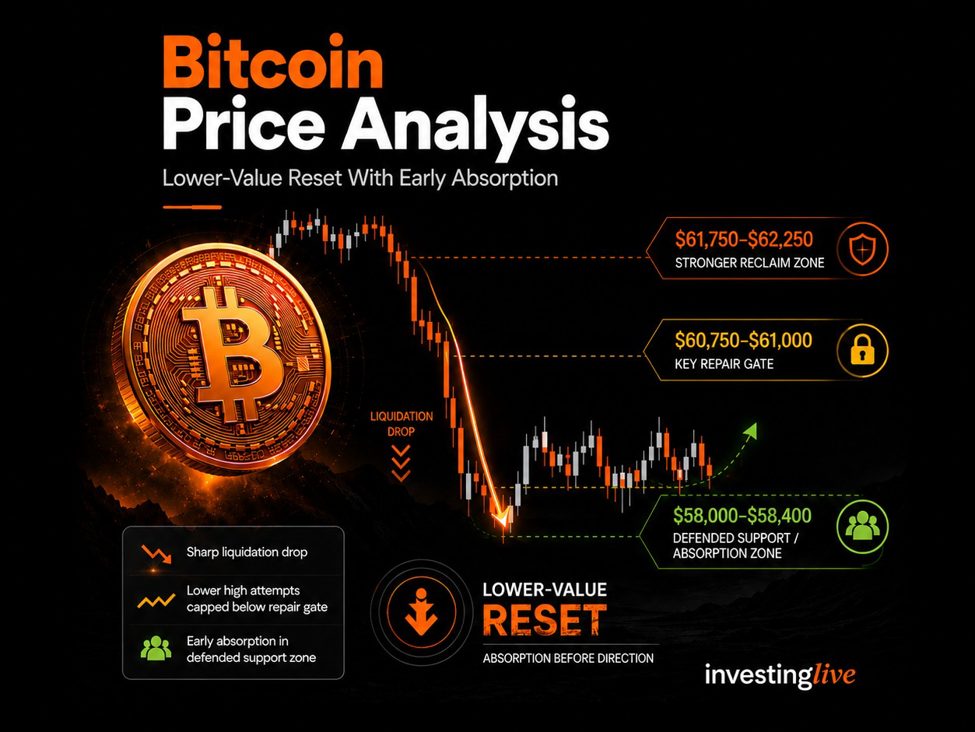
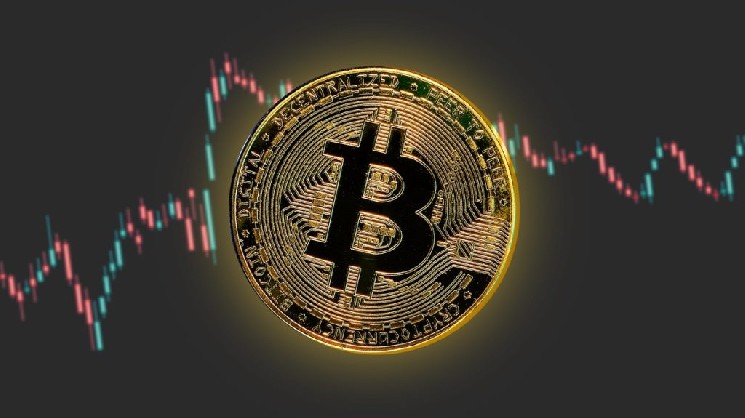
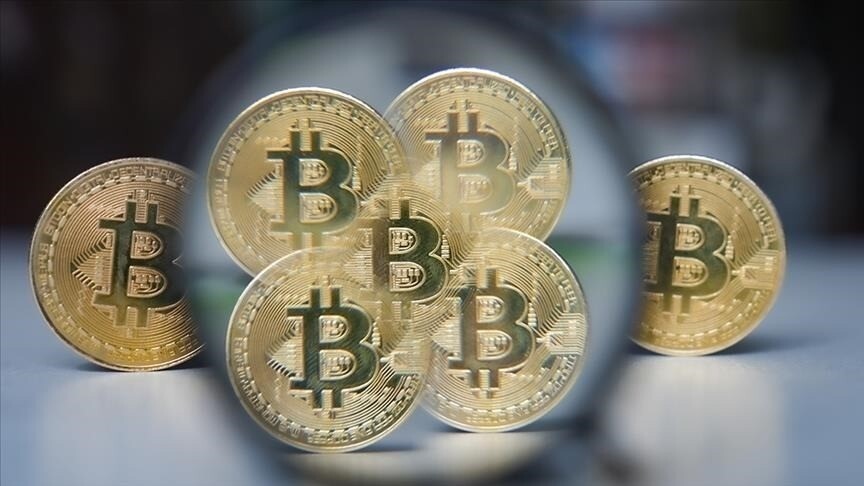
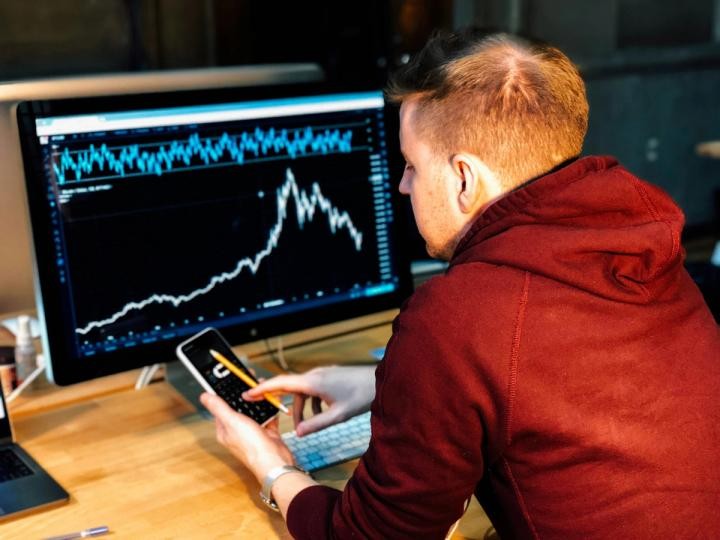
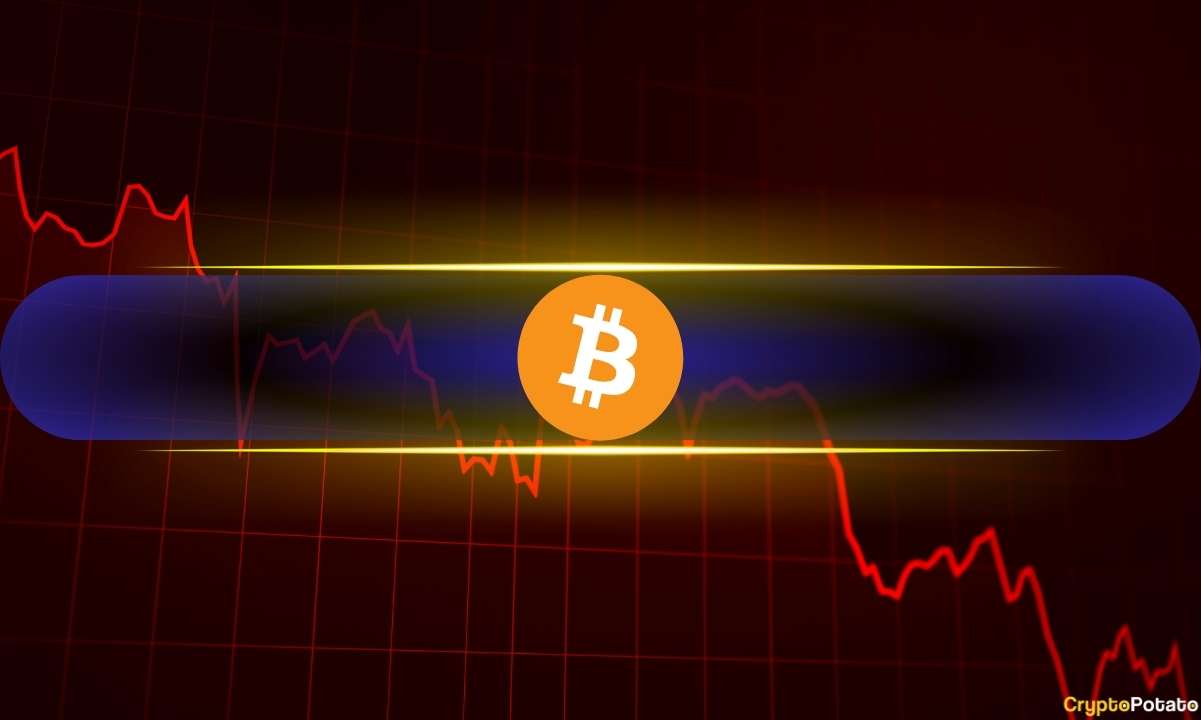
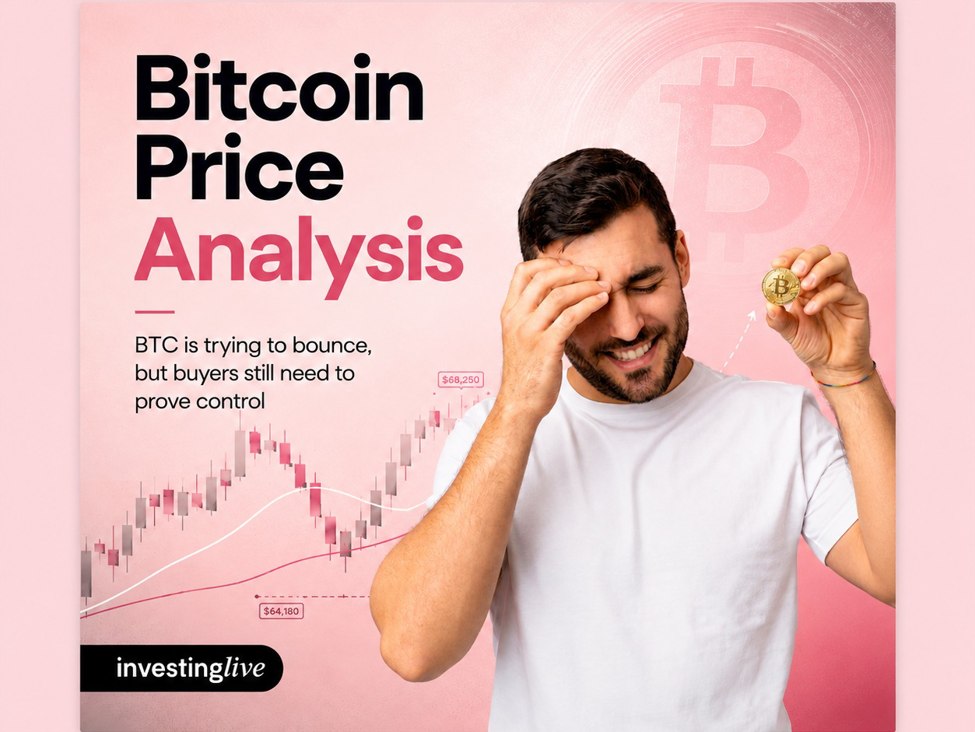
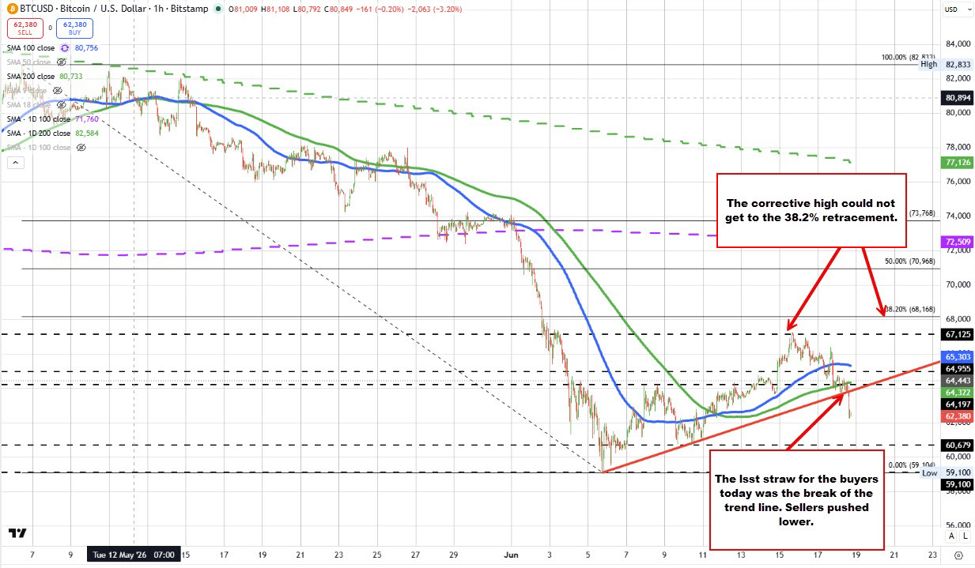
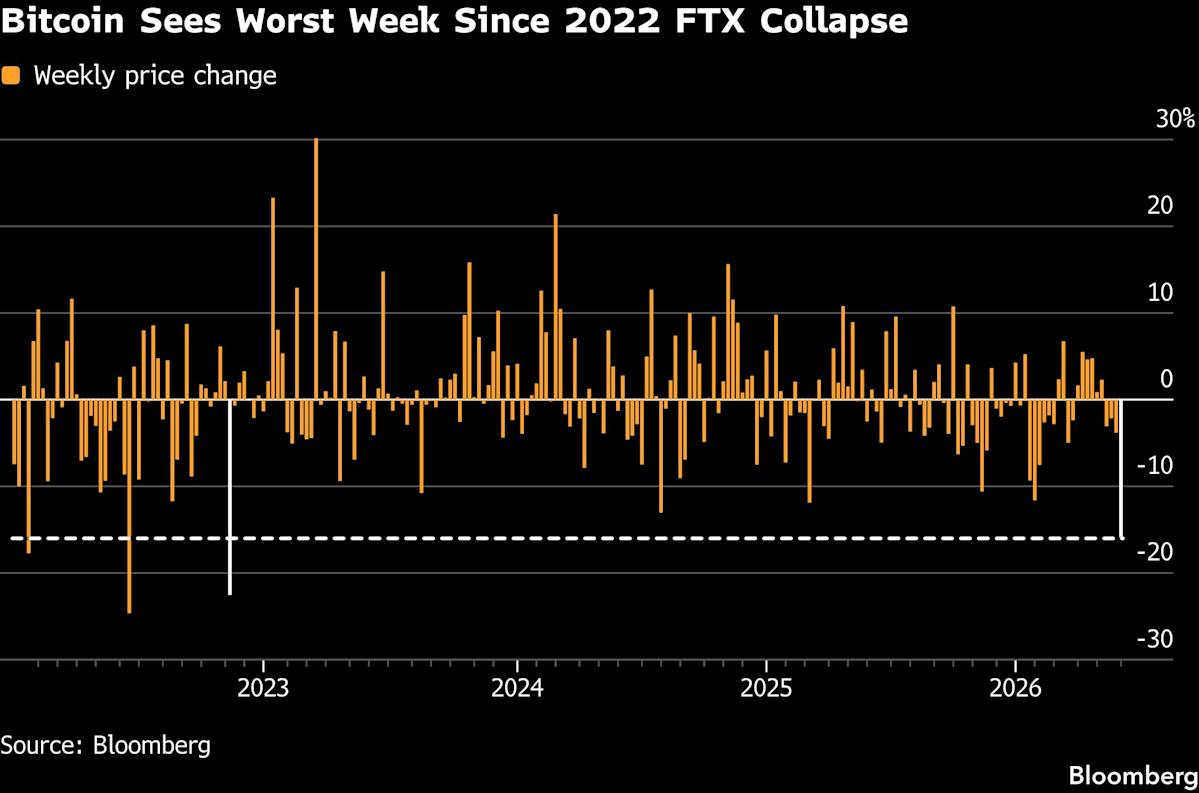
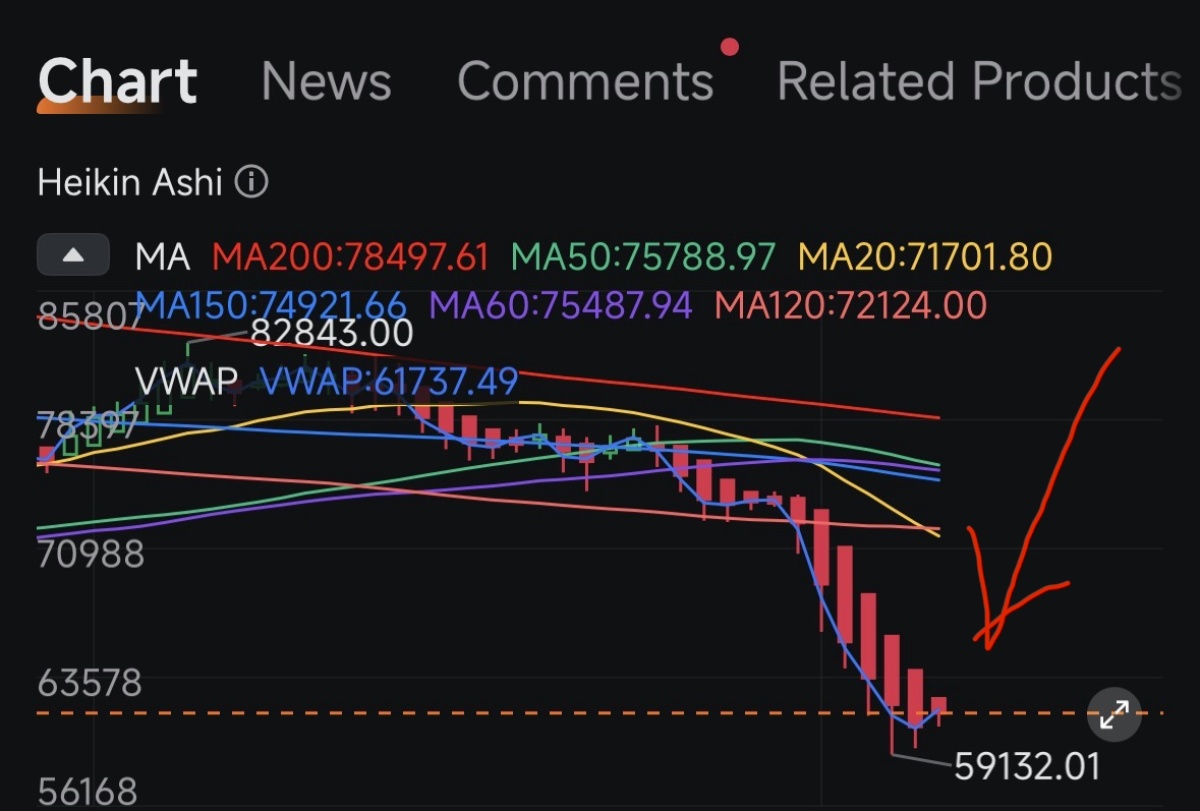
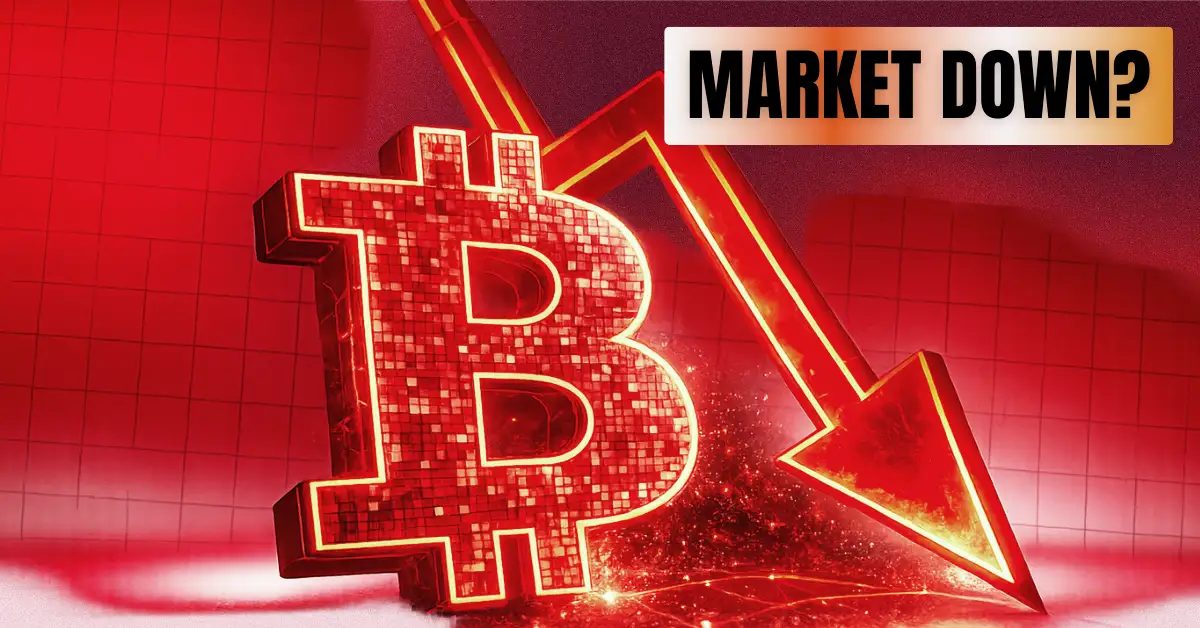
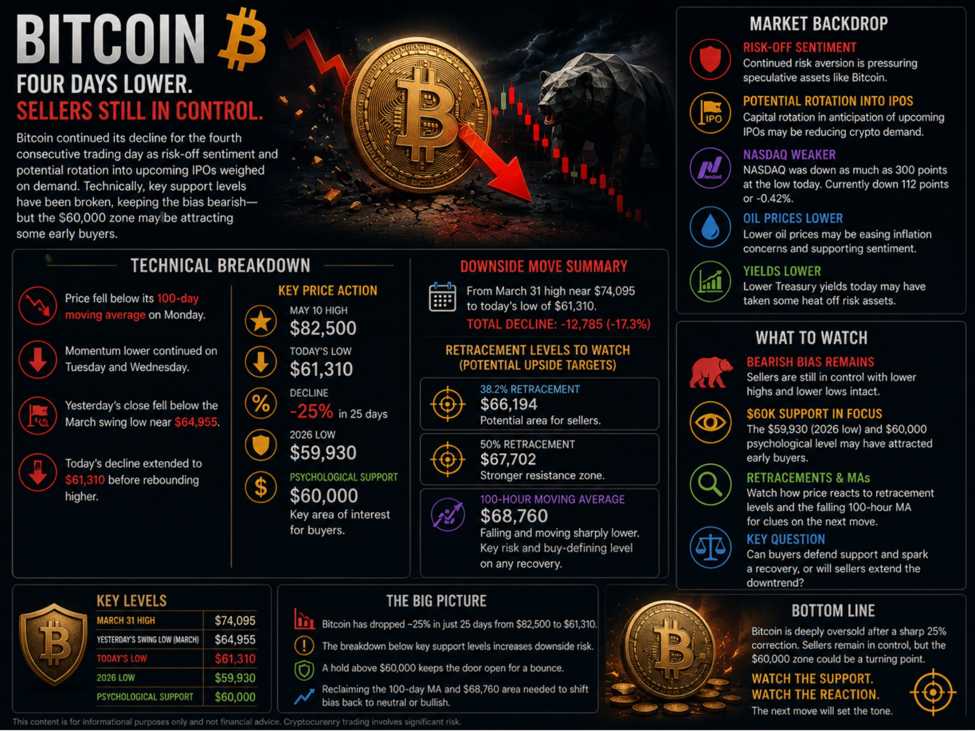
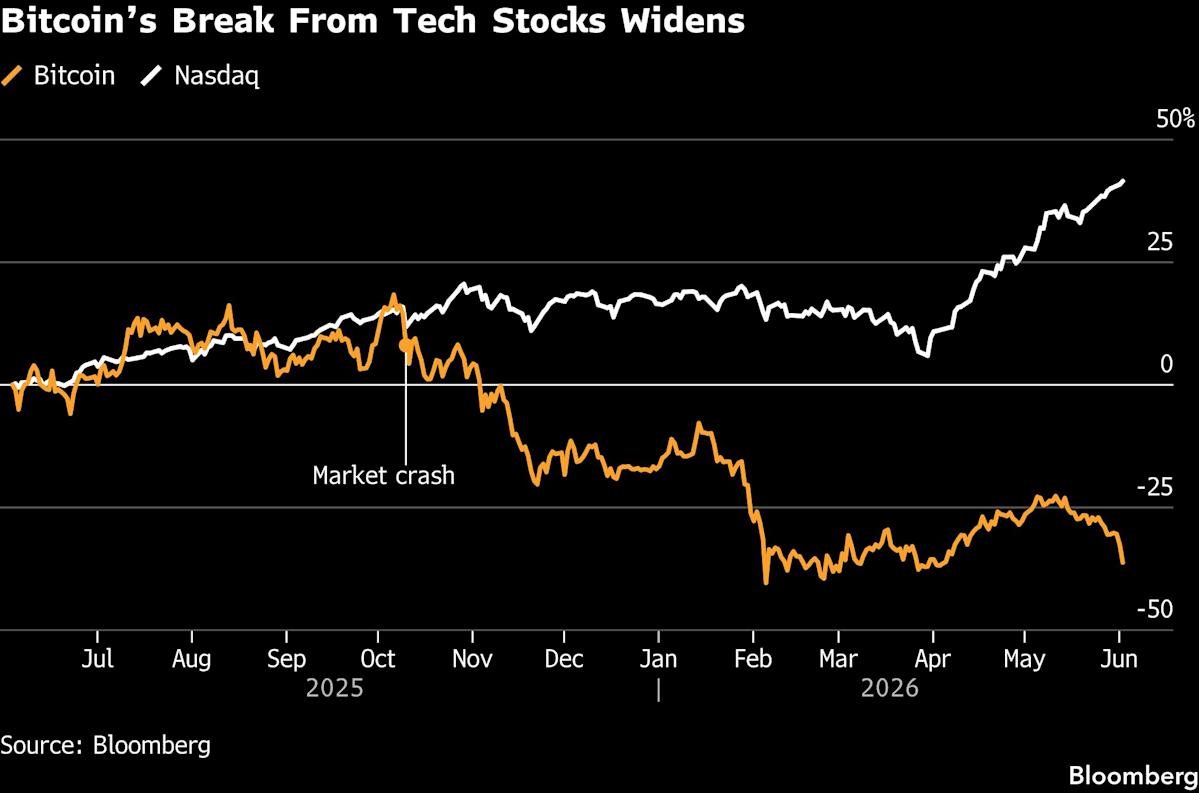
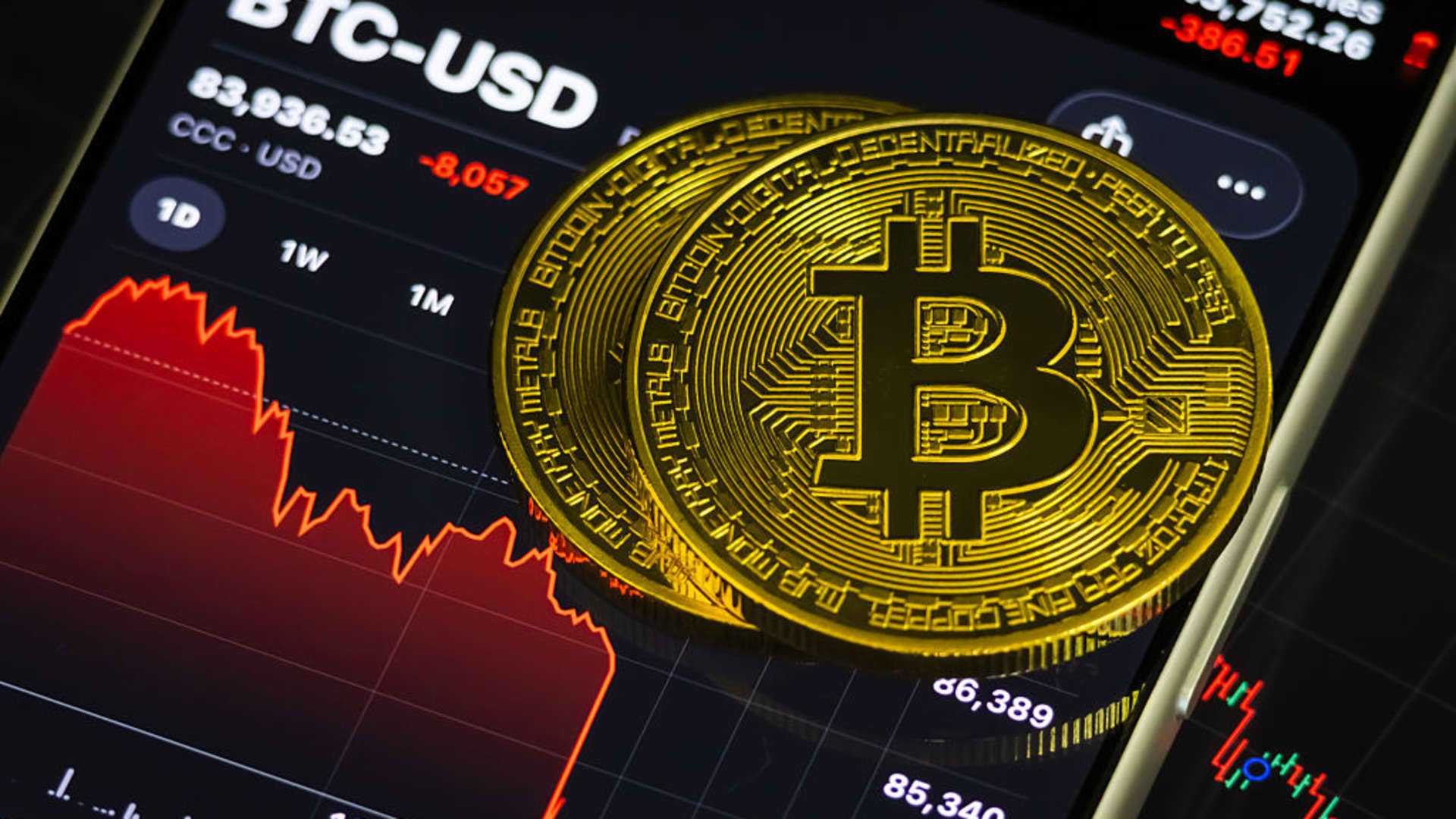
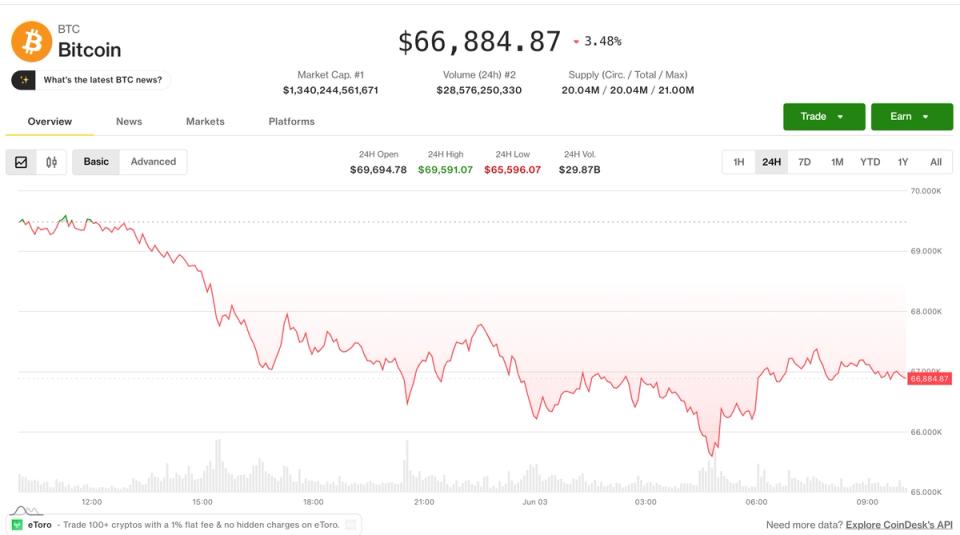
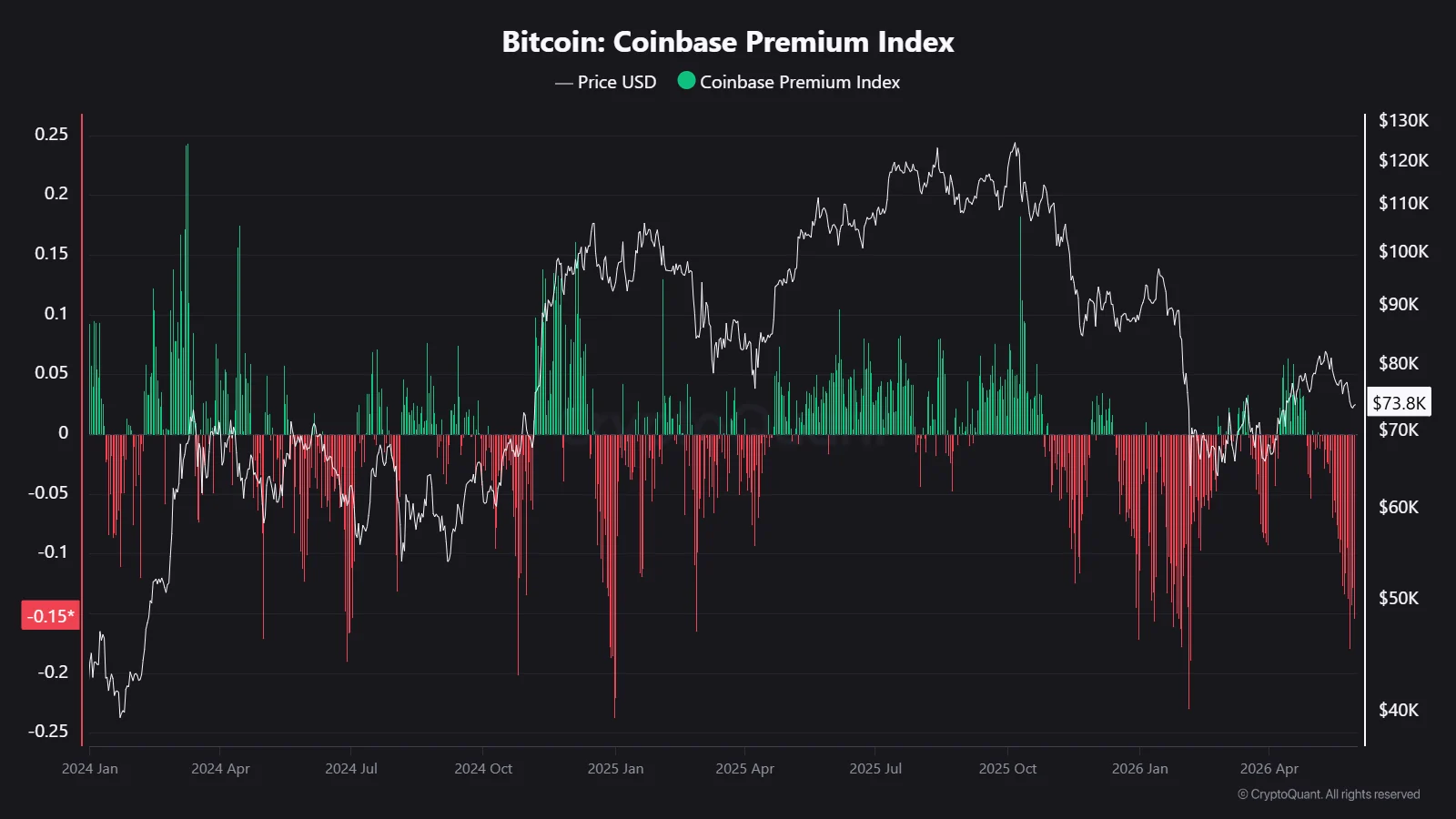
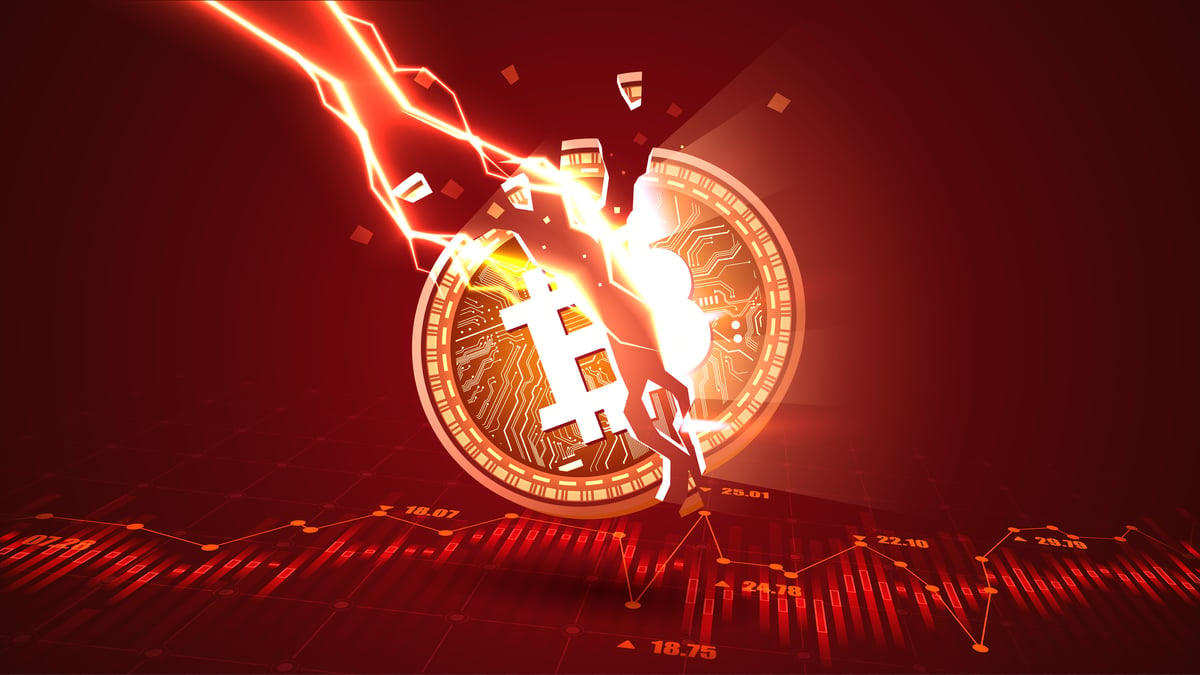
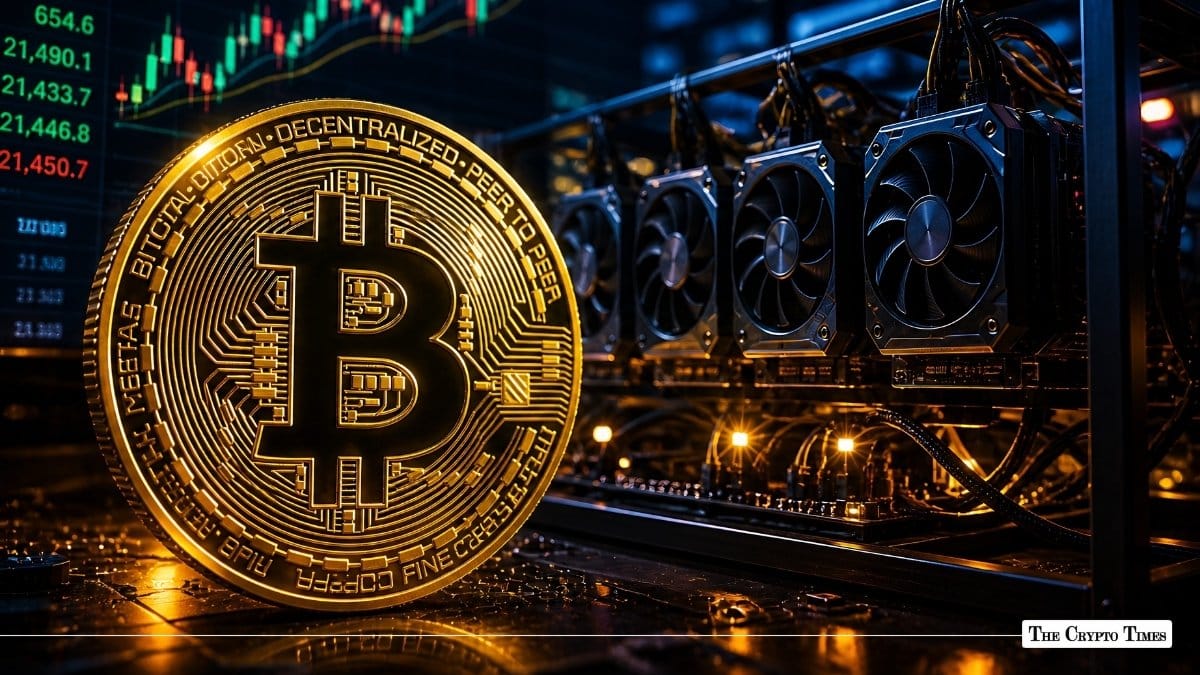
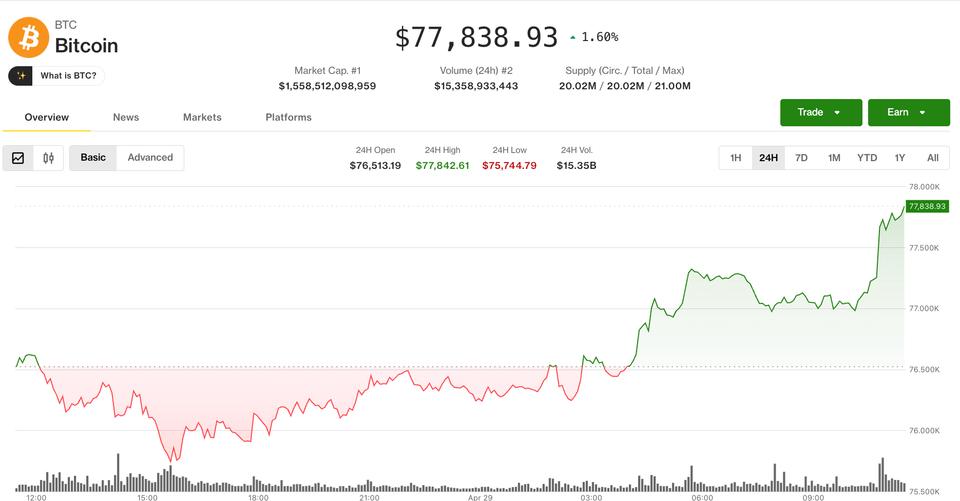
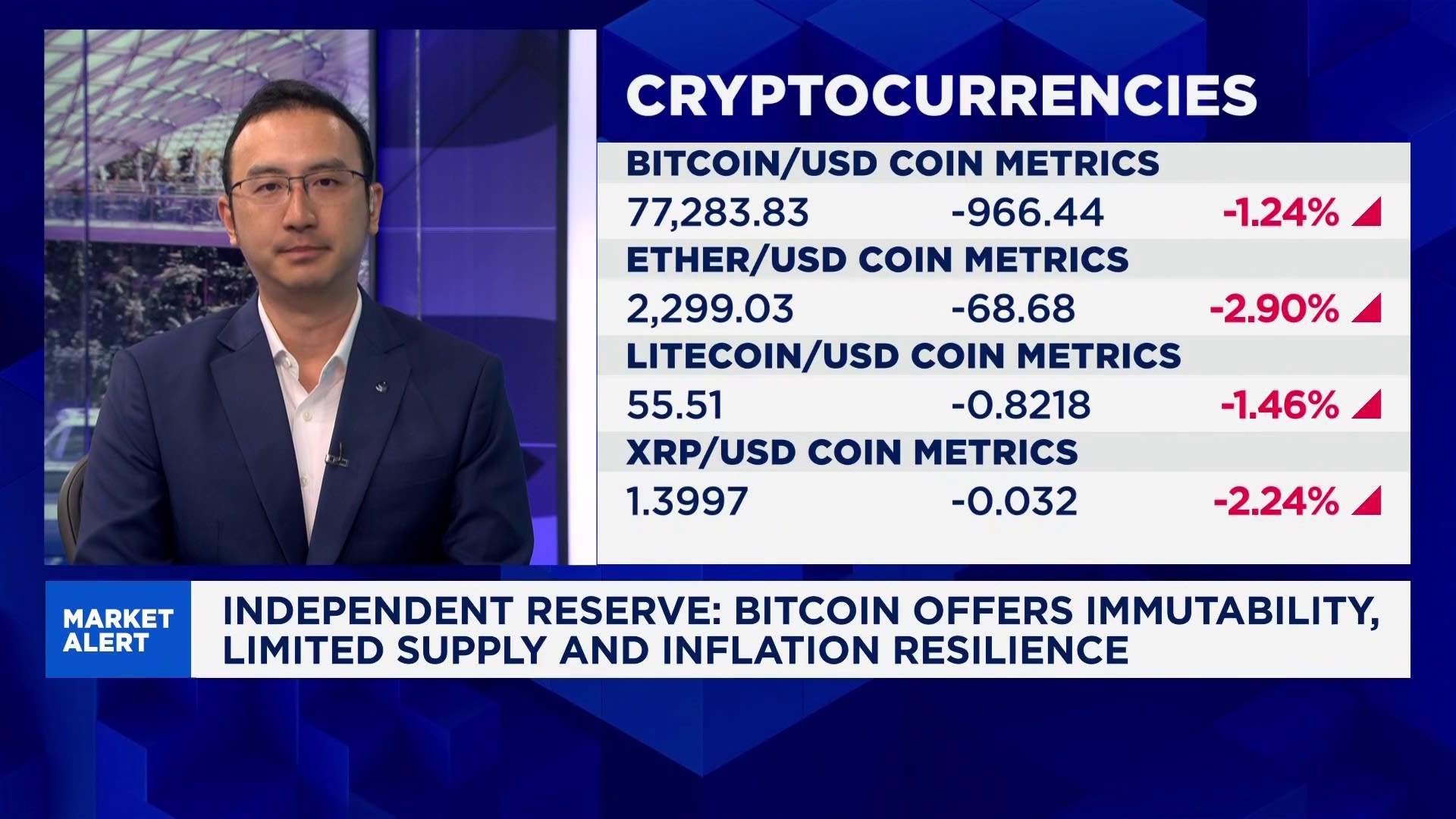
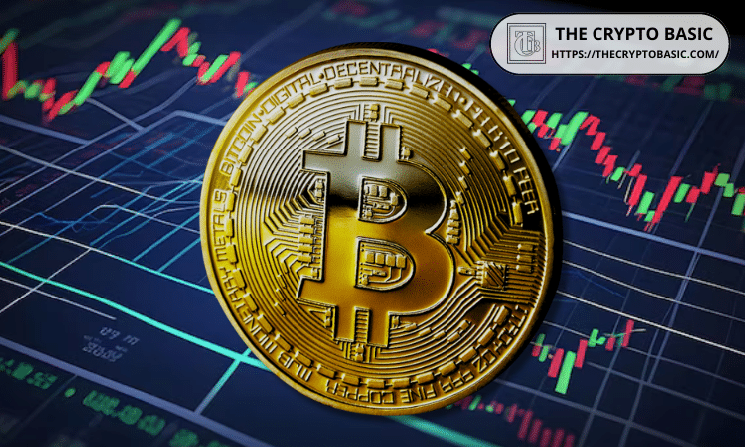
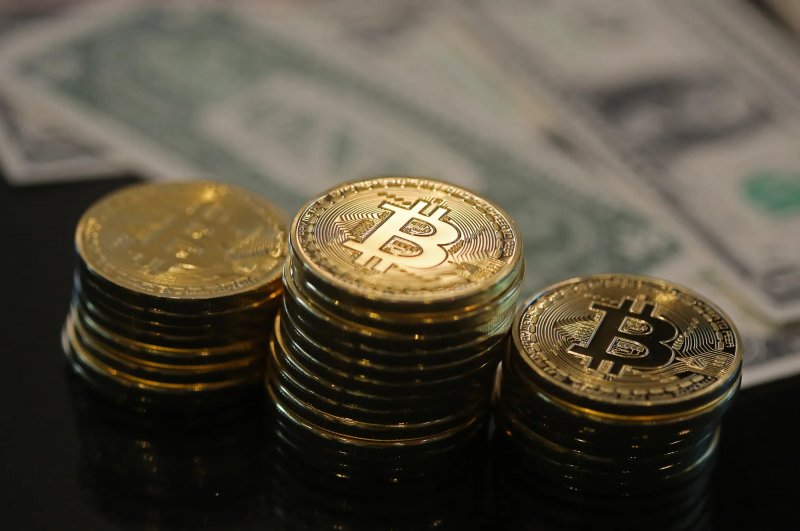
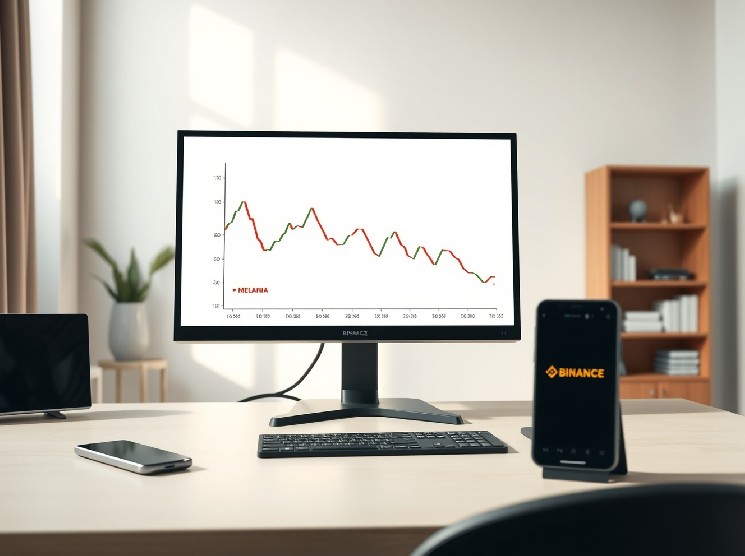
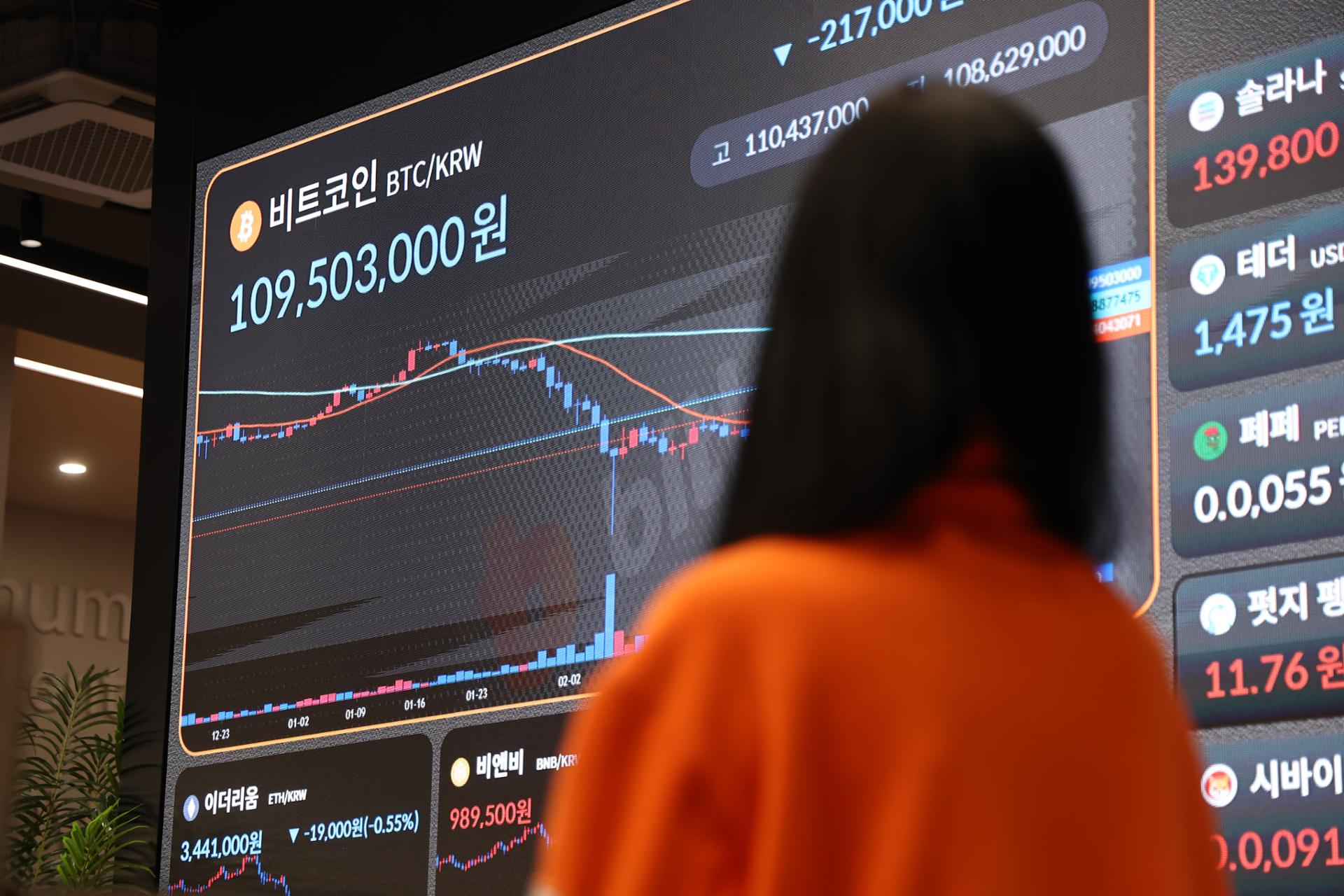
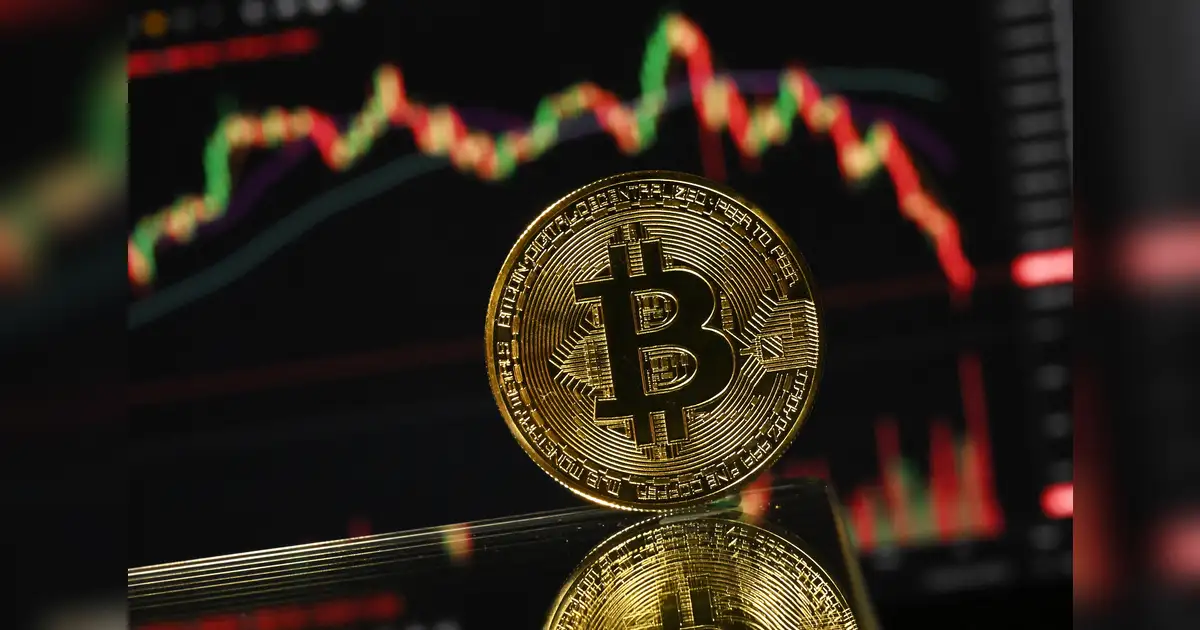
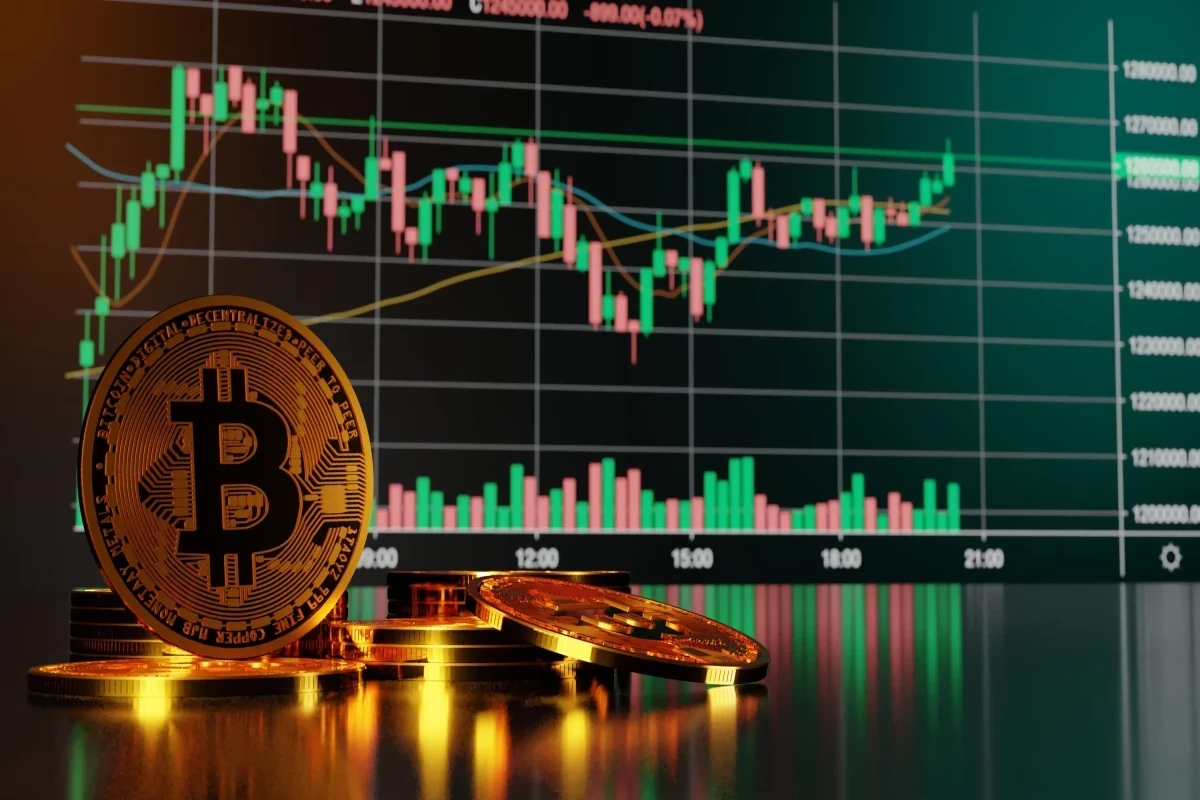
Bitcoin (BTC) price dipped below $64k on Sunday due to selling pressure across the broader cryptocurrency market, reversing the recent price recovery in top digital assets.
BTC is trading at $63.8k, down from $ 64.3k in 24 hours, reflecting rapid profit-taking amid Strategy Inc.’s chief executive’s explanation of Bitcoin sales last month.
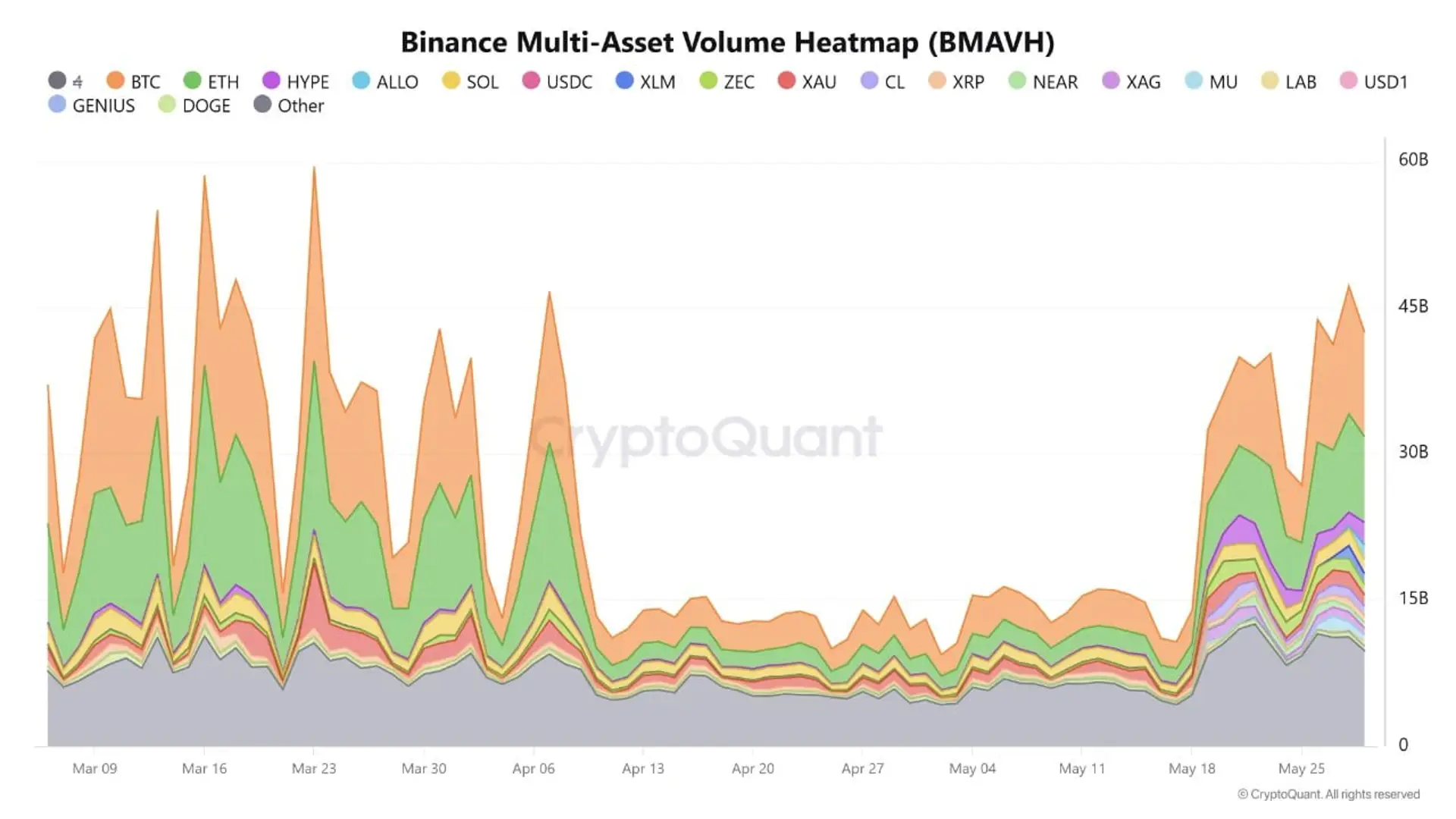
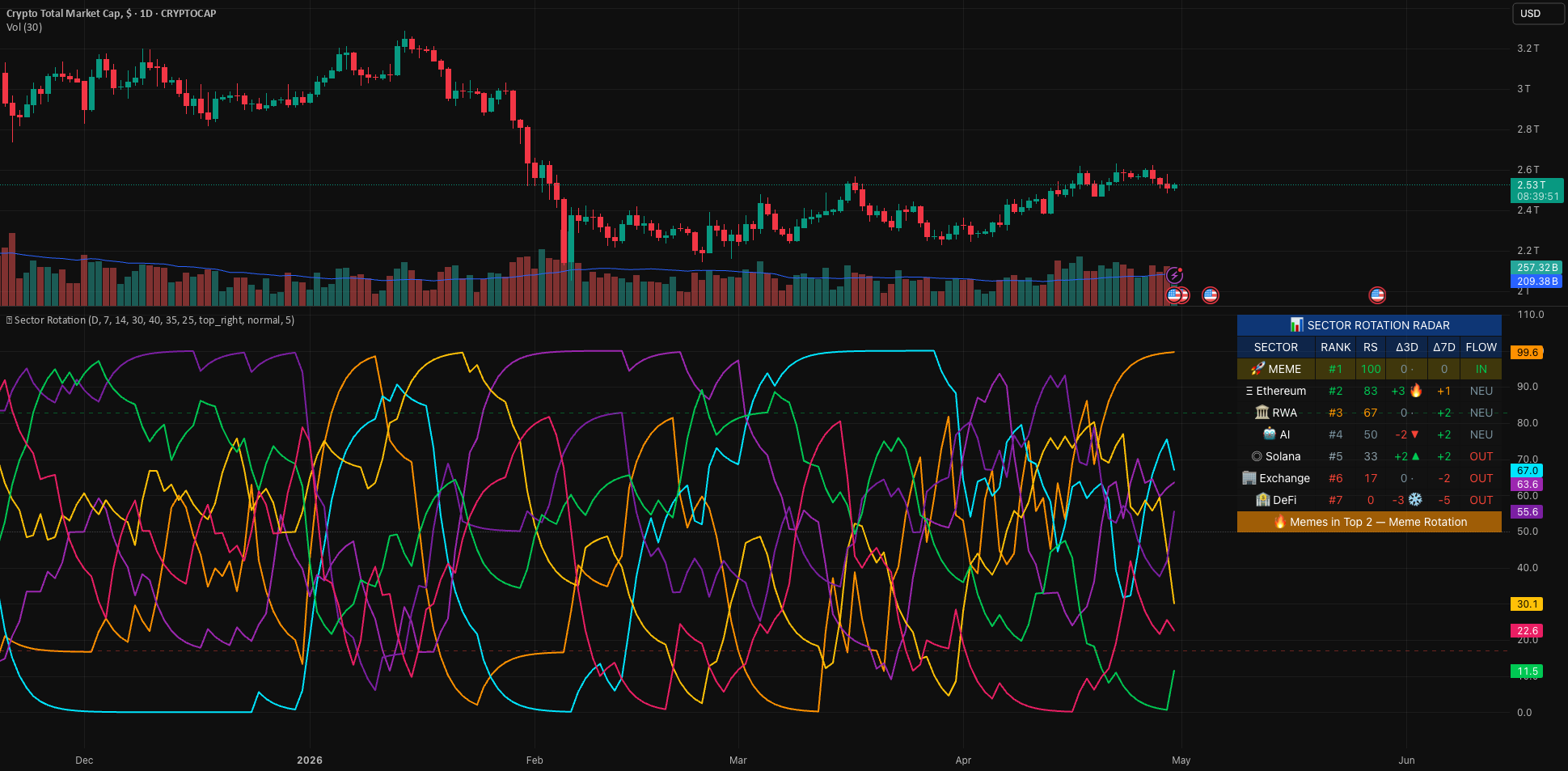
The top digital asset has seen about 8% decline in volume in the last 24 hours, with transaction value hovering at $16 billion on Sunday. This kept Bitcoin’s market cap at $1.27 trillion, compared with the entire crypto market cap of $2.18 trillion.
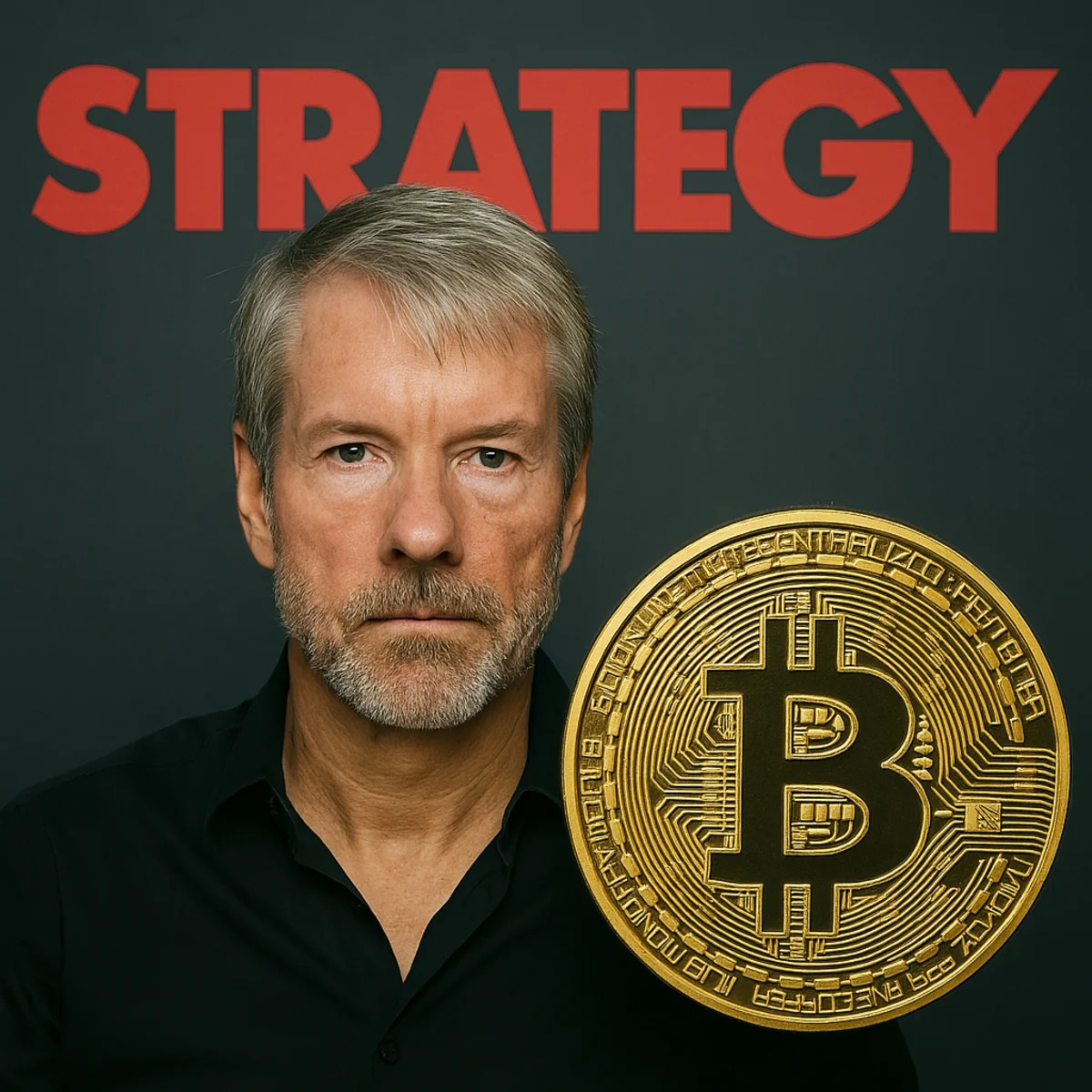
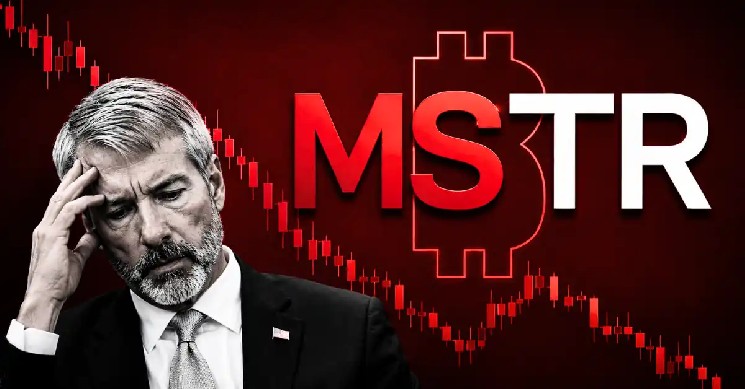
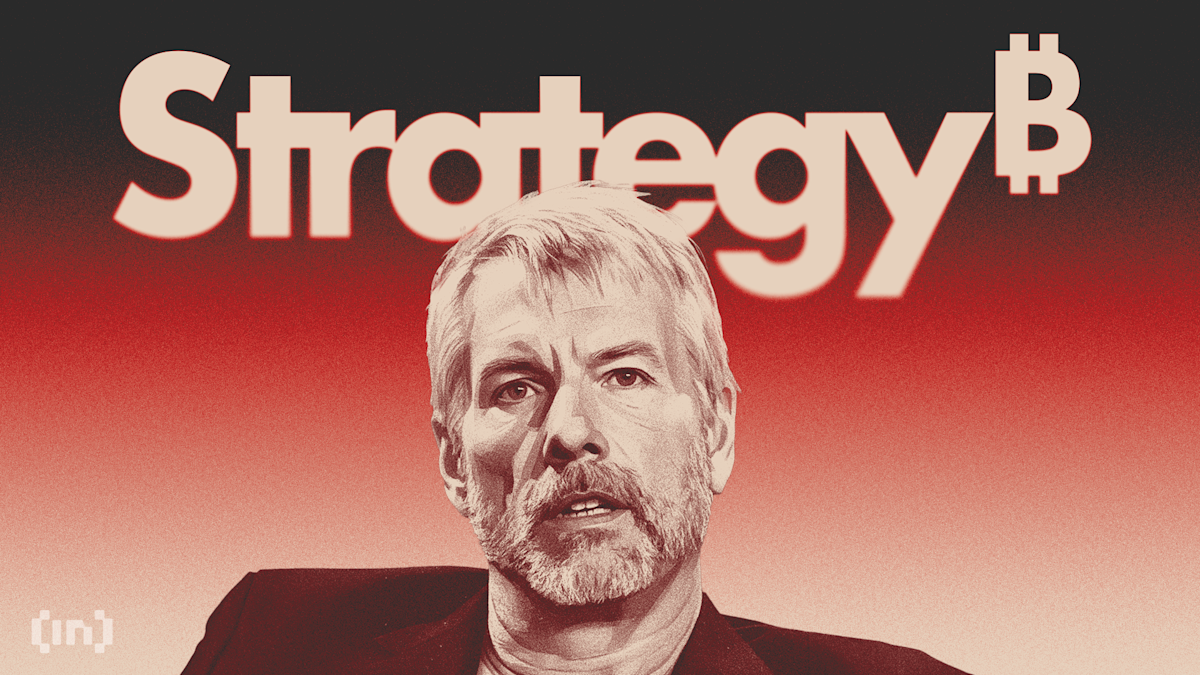
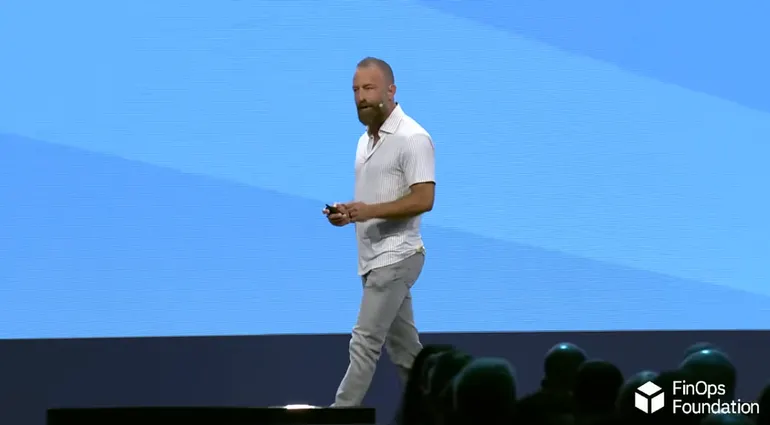
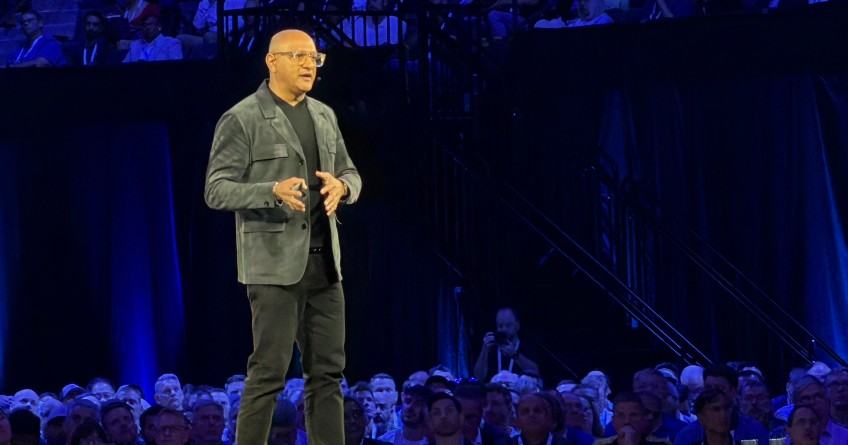
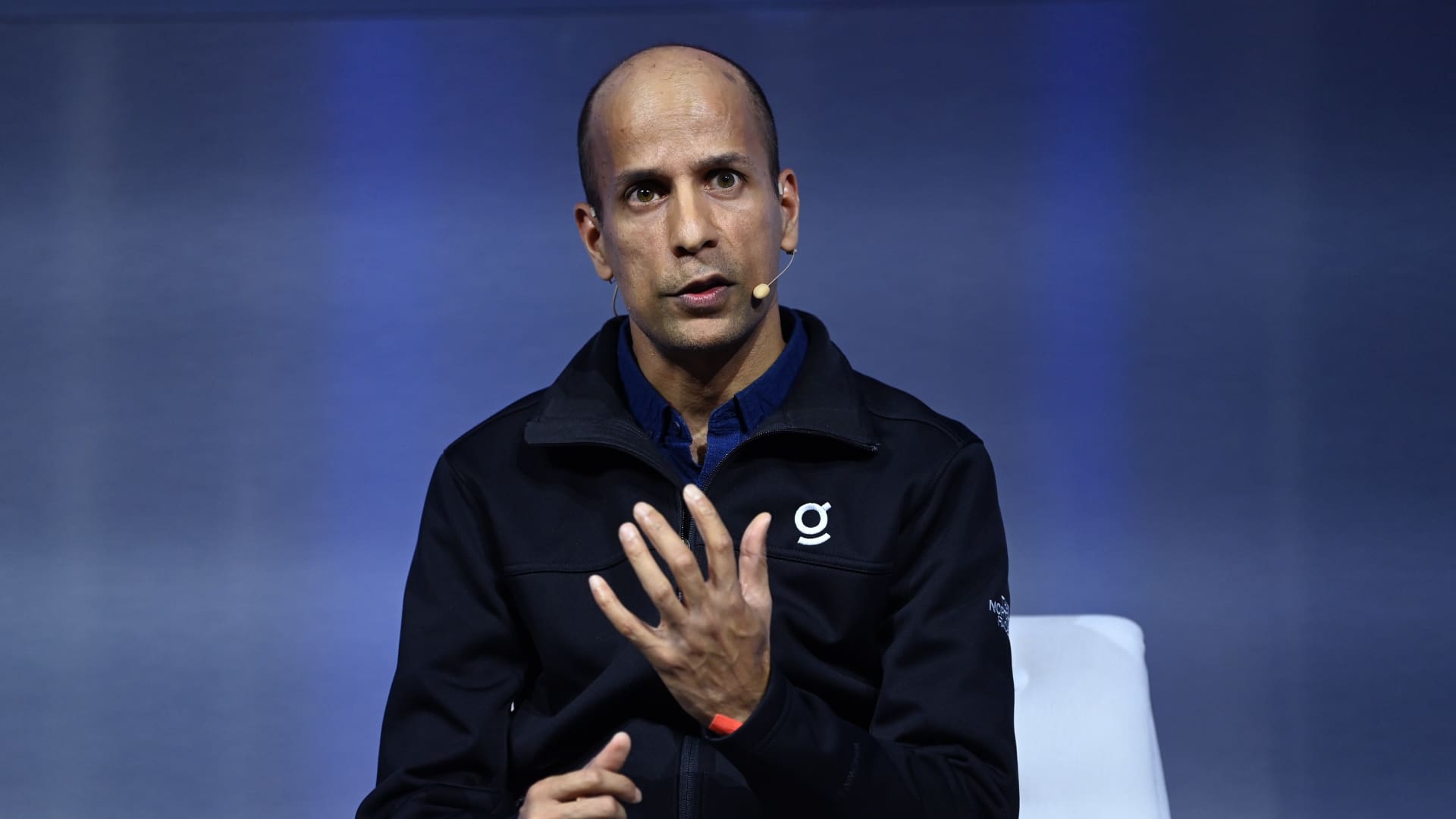
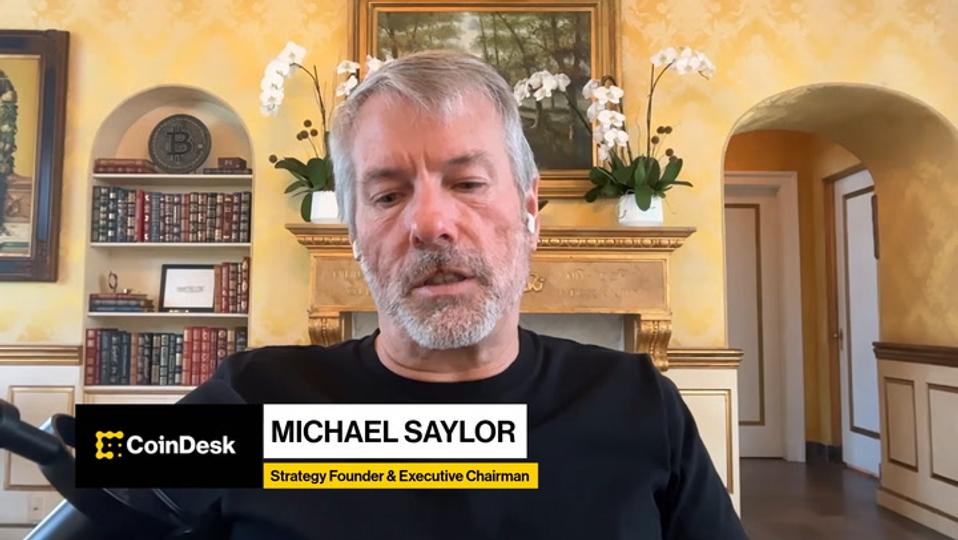
Traders said Bitcoin’s news cycle is a tug-of-war between corporate strategy tests, geopolitical hopes, and long-term security upgrades. Strategy CEO Phong Le explained the company’s sale of 32 BTC in late May was a procedural test, not a strategic shift.
The move, representing a minuscule 0.0038% of its holdings, aimed to validate internal selling processes and “inoculate the market” against anxiety over potential future disposals.
Concurrently, Strategy raised $181 million through share sales and purchased an additional 1,550 BTC, reinforcing its net-buyer stance and increasing its treasury to 845,256 BTC.
This is neutral to slightly bullish for Bitcoin because it demonstrates a mature, transparent approach by its largest corporate holder. The sale was tactical rather than fundamental and was immediately followed by a larger purchase, affirming strong institutional demand.
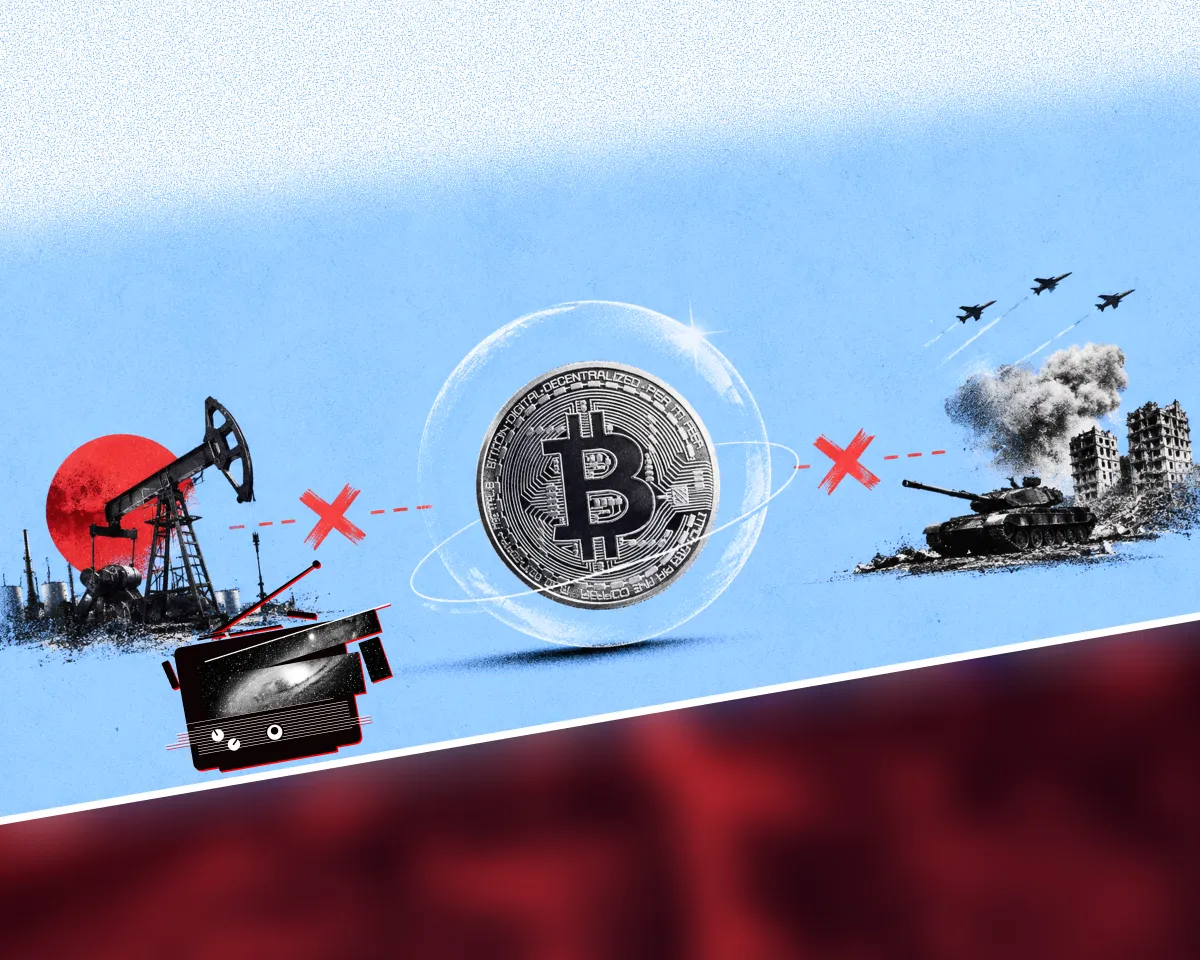
Bitcoin price recovered toward $64,000 following an announcement from US Ambassador Mike Waltz that a preliminary framework for a US-Iran peace deal could be signed imminently.
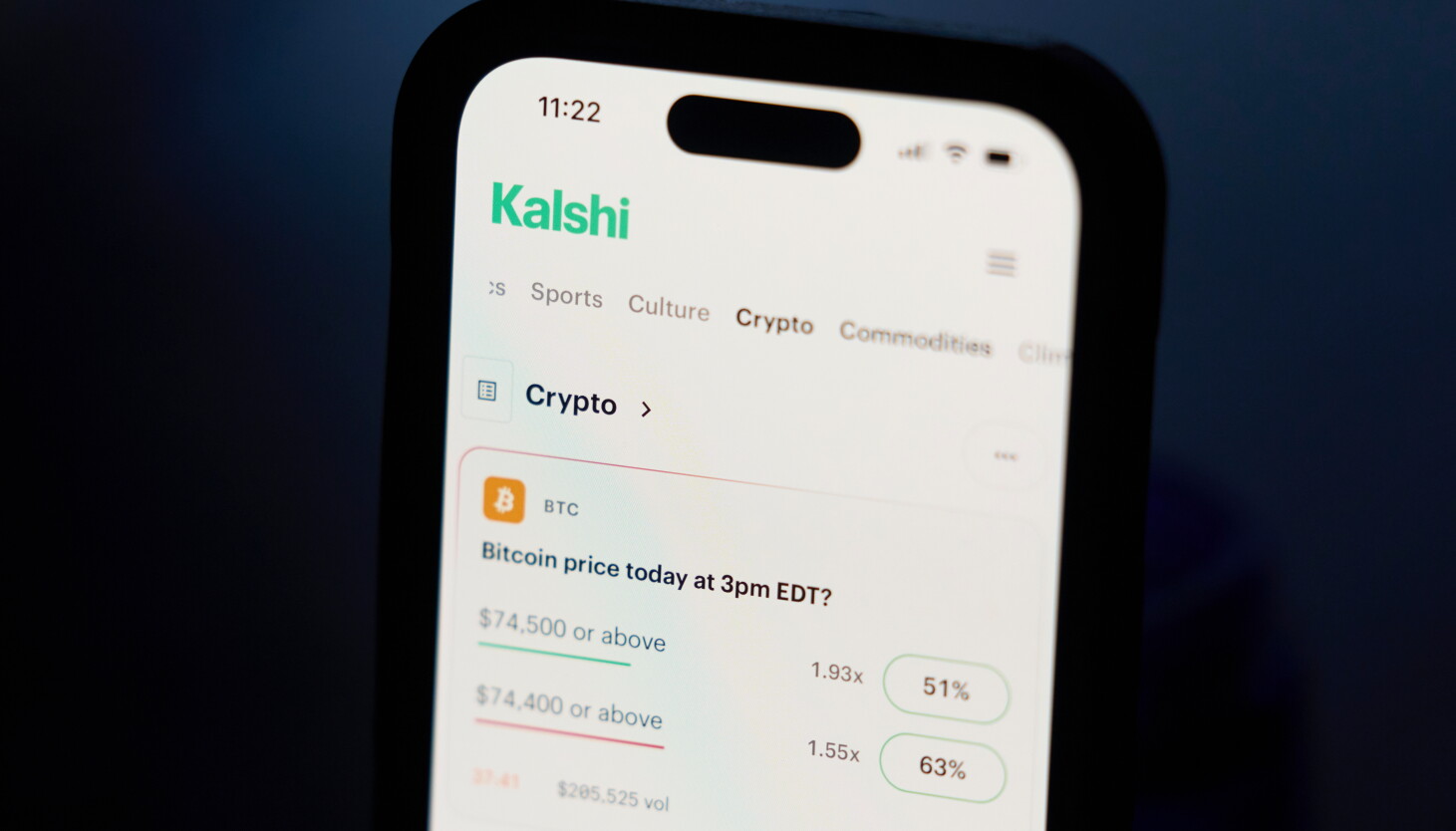
Prediction market odds for a permanent June deal rose to 37%, indicating cautious diplomatic optimism. The news reduced immediate geopolitical risk, a factor that often supports risk assets like Bitcoin.
This is a short-term bullish catalyst, as reduced tensions in the Middle East can lower oil prices and reduce global risk aversion. However, the sub-50% probability indicates the rally is fragile and contingent on the deal’s finalisation.
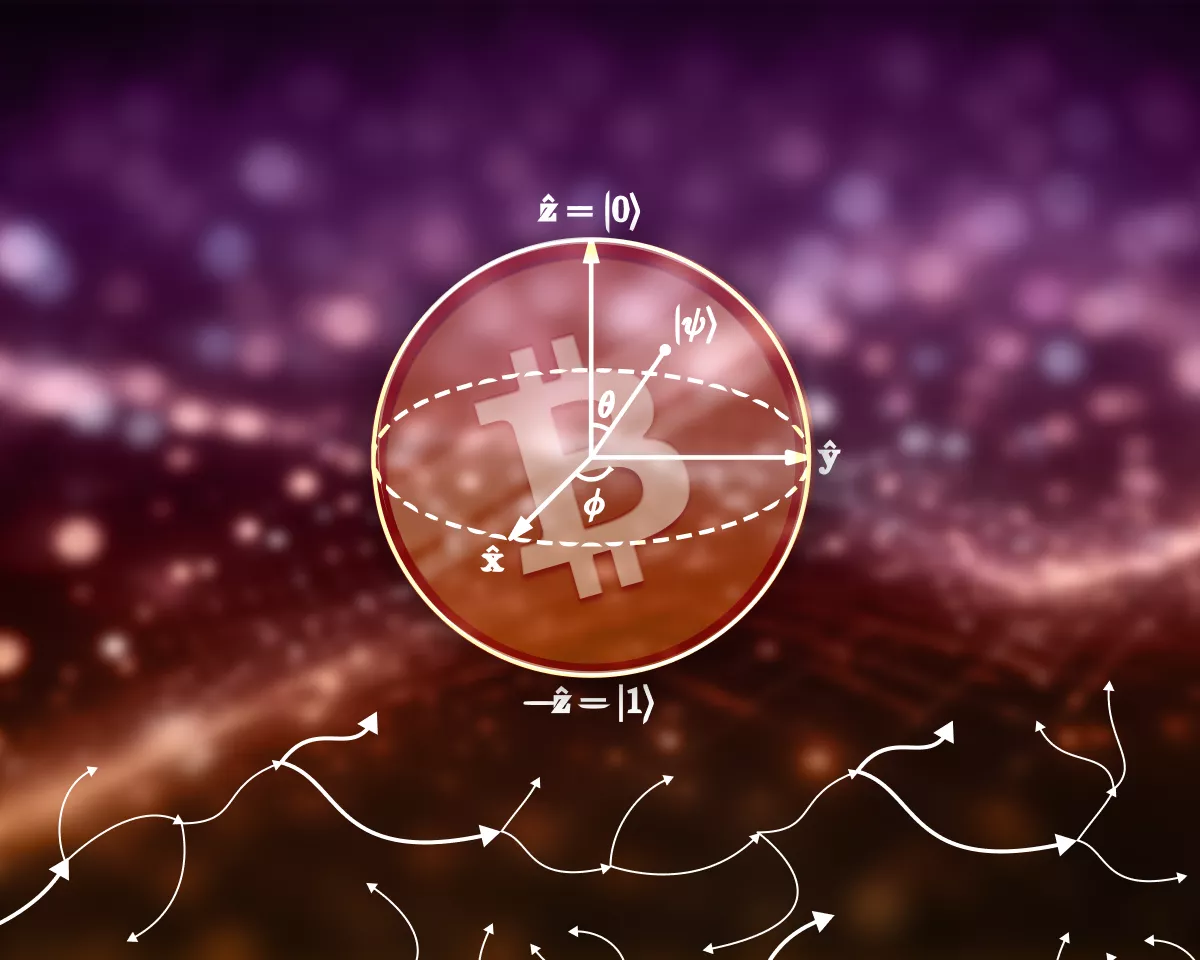
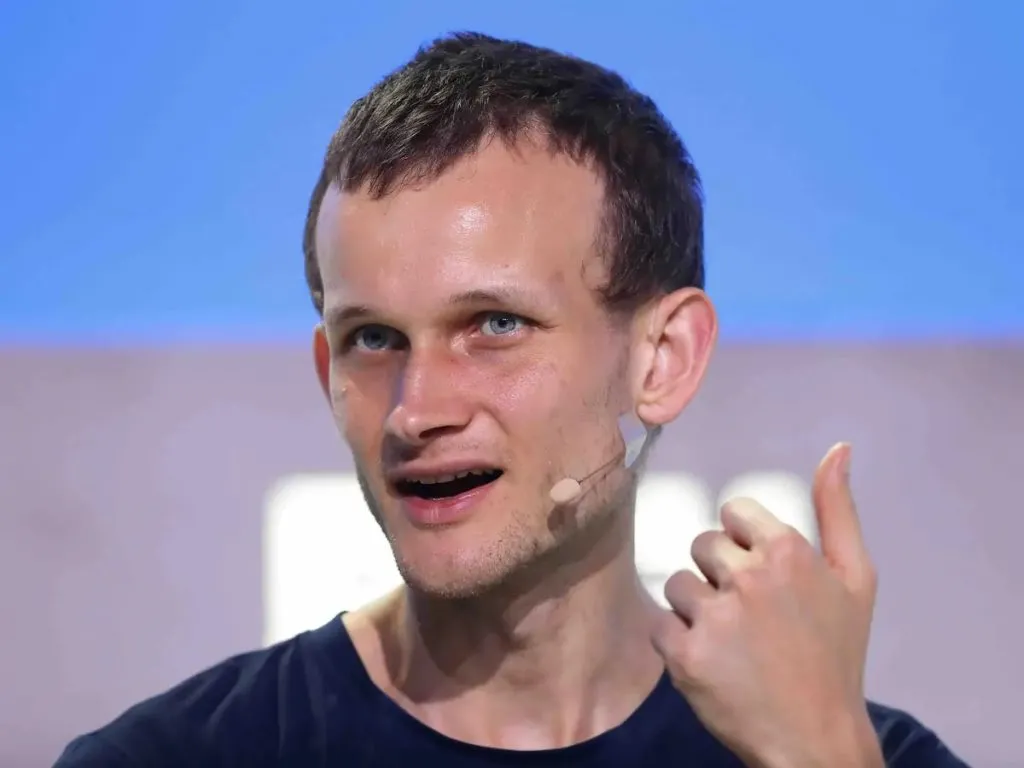
Nicolas Consigny of the Ethereum Foundation proposed SPHINCS-, a cost-effective method for protecting Ethereum accounts against future quantum computing attacks. The proposal has sparked broader industry discussion on preemptive security.
While Bitcoin’s 256-bit encryption is currently considered secure, analyses note that a portion of its supply could be vulnerable under advanced quantum scenarios.
This is a long-term, sector-wide positive, as it shows leading developers are proactively working on next-generation security. For Bitcoin, it underscores the importance of ongoing protocol vigilance to maintain its store-of-value promise against evolving technological threats.
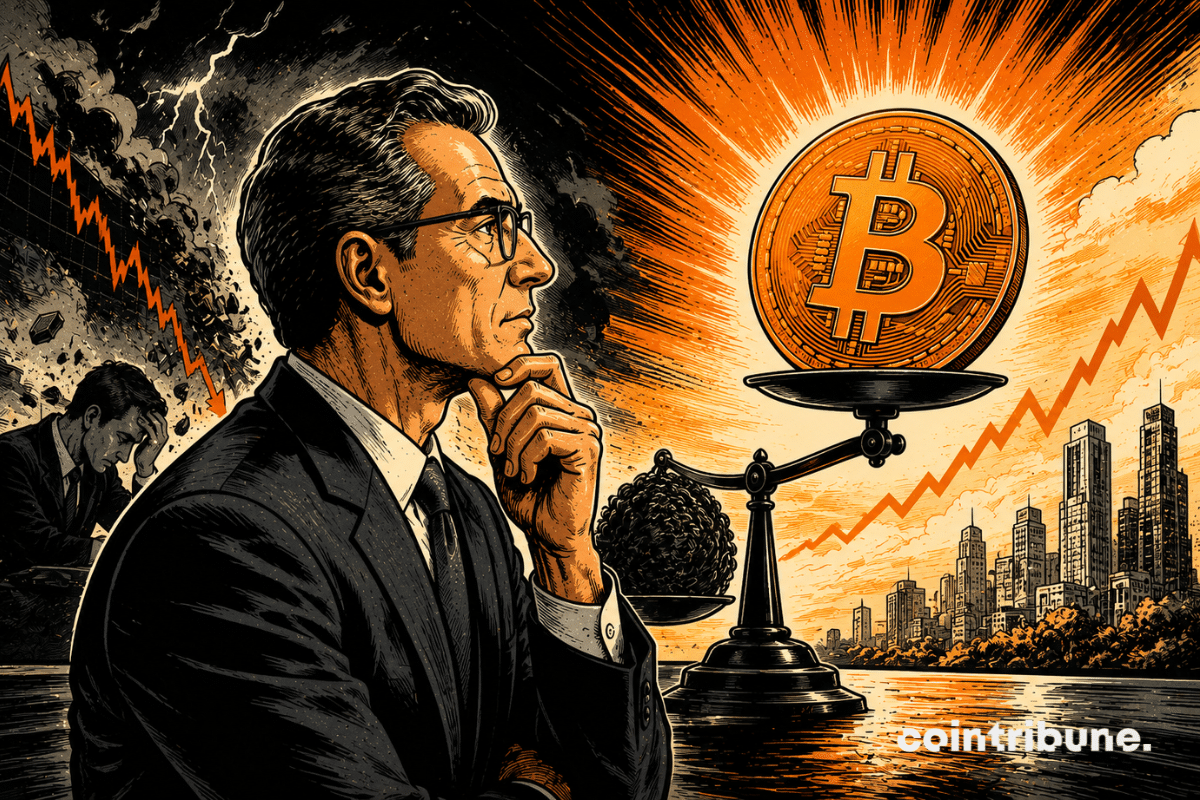
Bitcoin’s narrative is being shaped by institutional operational maturity, sensitive macro developments, and foundational security research. Will continued institutional accumulation and easing geopolitical risks outweigh the persistent undertow of macroeconomic uncertainty?