Digital assets head Sandy Kaul argues card rails can’t handle $0.001 machine payments, making blockchain tokens the way to capture agentic AI value.
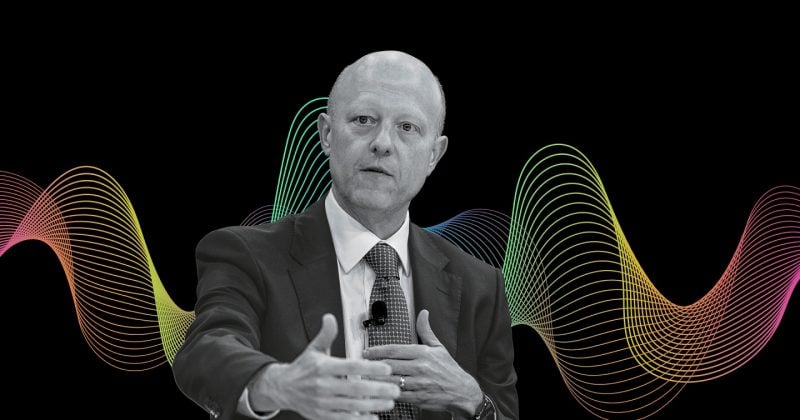
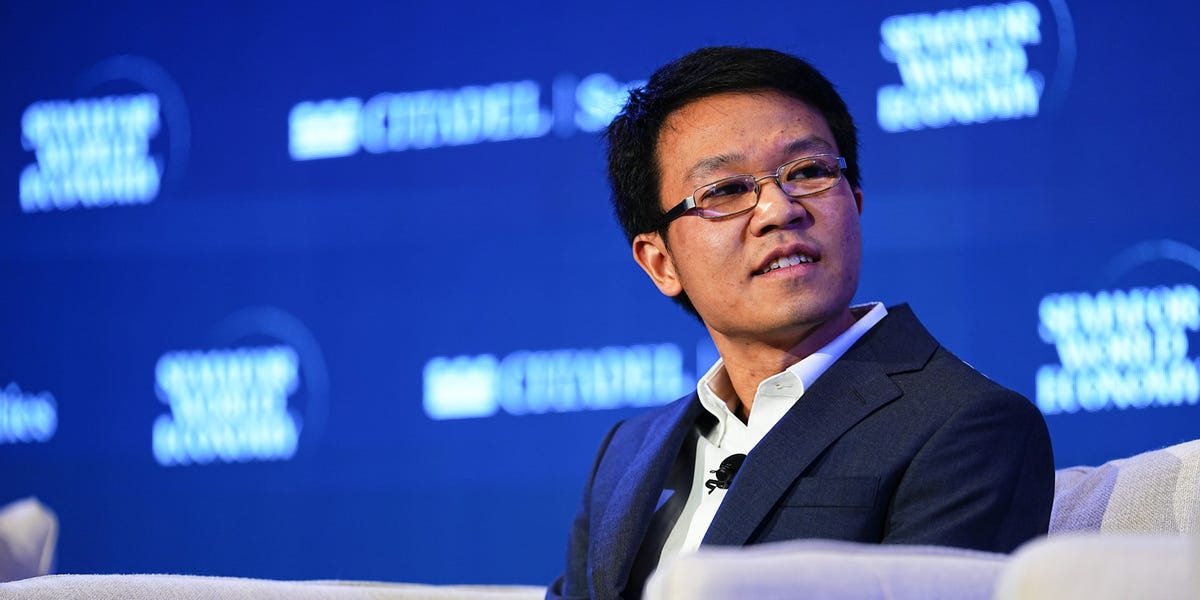
Franklin Templeton’s head of digital assets said investors chasing the artificial intelligence boom through stocks alone may miss its next phase, arguing they will need to buy cryptocurrencies and altcoins to capture the value of autonomous AI agents transacting onchain.
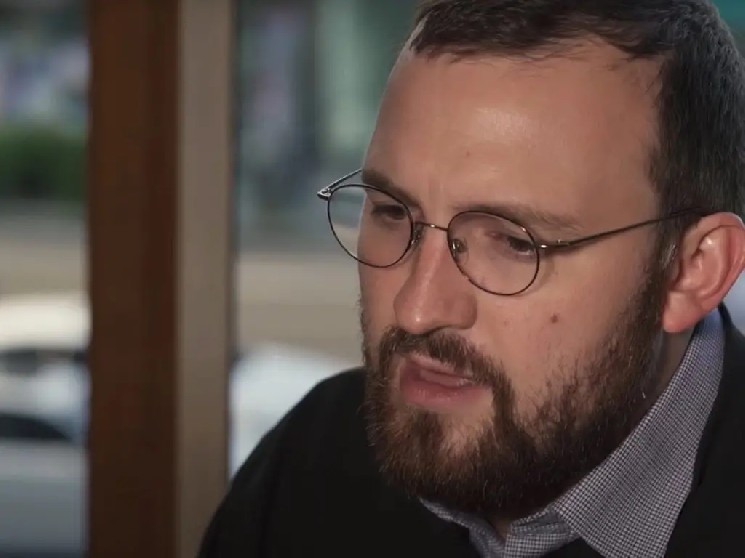
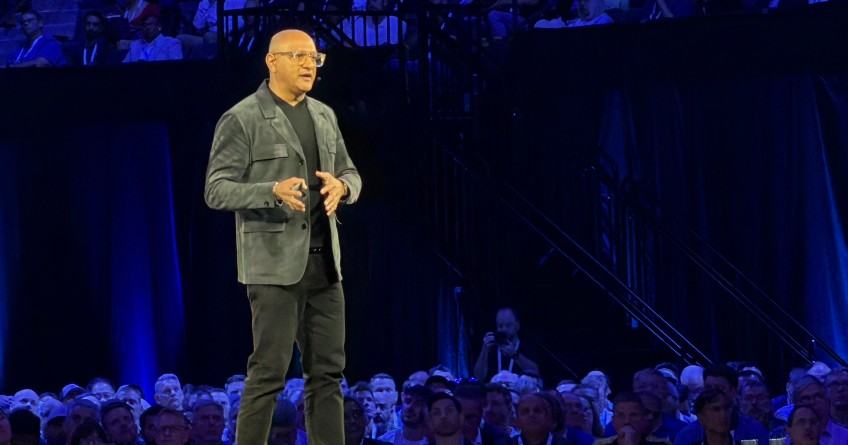
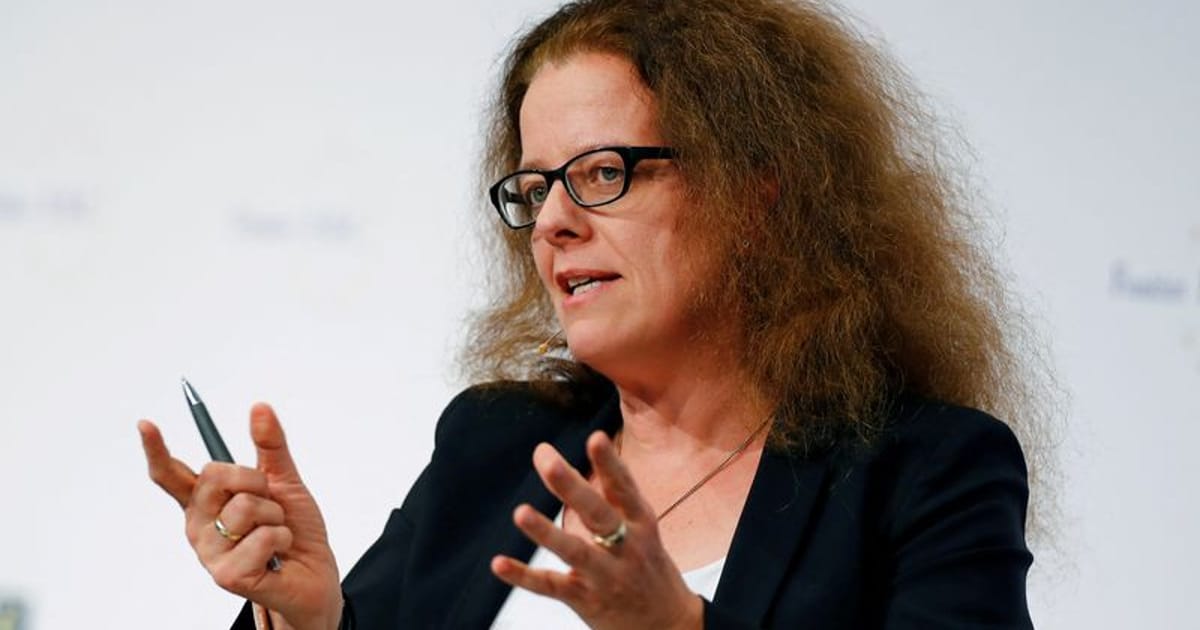
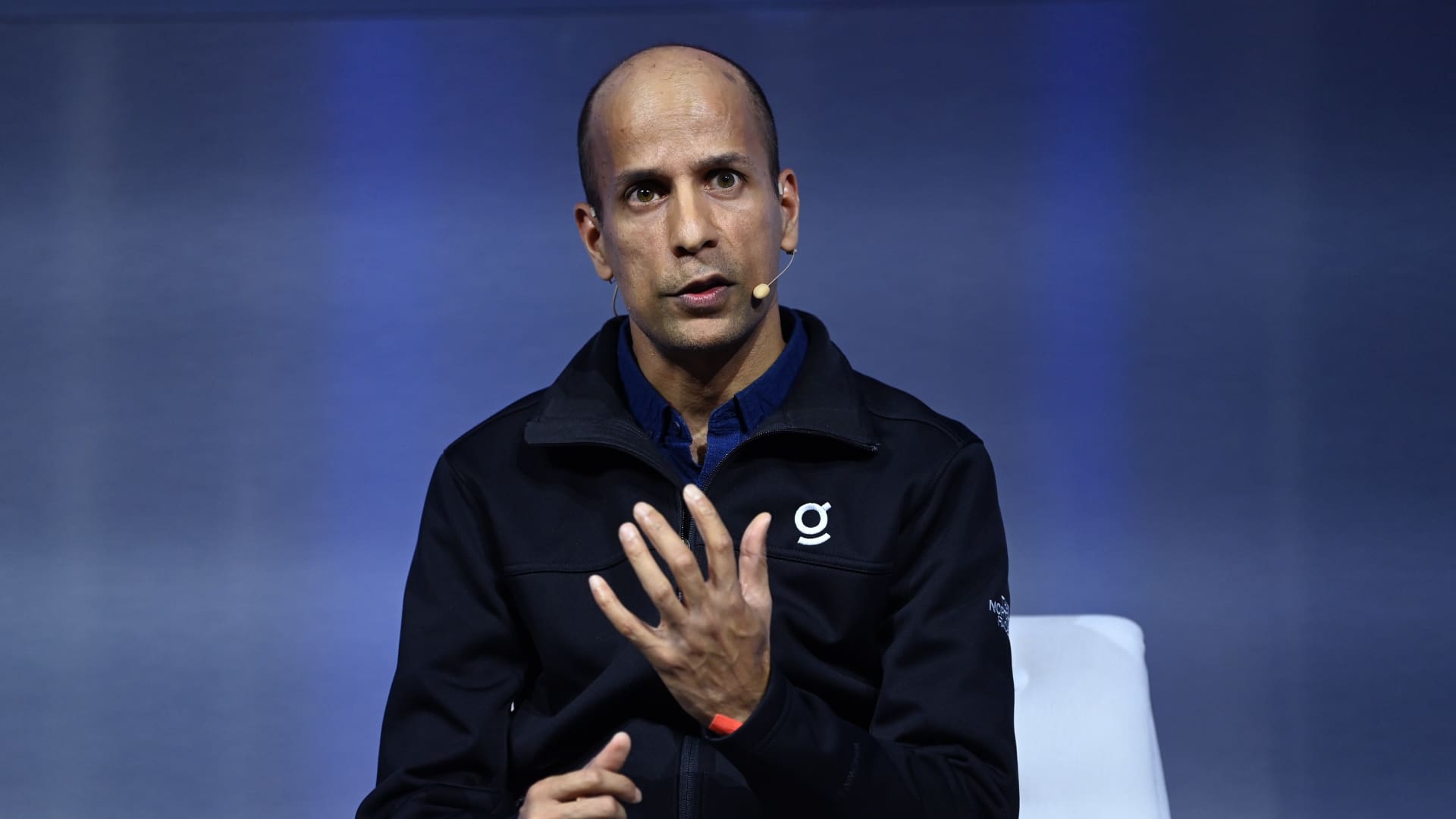
The argument comes from Sandy Kaul, Head of Digital Assets and Innovation at the asset manager, in an article titled “Agentic AI—The Killer Use Case for Blockchain and Crypto,” published Tuesday on Franklin Templeton’s verified X account. Kaul wrote that “in order to capture the value of decentralized networks and businesses, investors will need to buy the cryptocurrencies and alt coins being issued by those entities,” and that such holdings “are likely to become key holdings in portfolios, especially for those looking to capture the emerging agentic AI opportunity.”
Kaul framed the case against the way most investors currently position for AI. “To capture the AI growth opportunity today, most investors buy shares of AI-aligned companies and related verticals,” she wrote, questioning whether “the same playbook will work for agentic AI.”
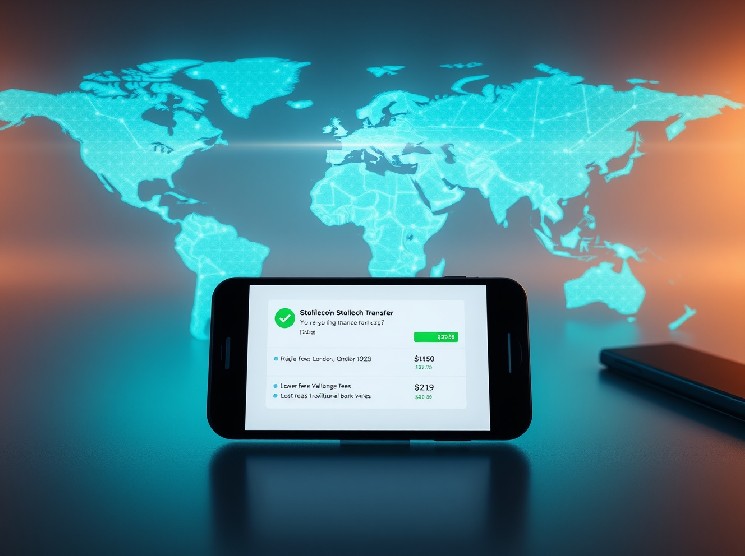
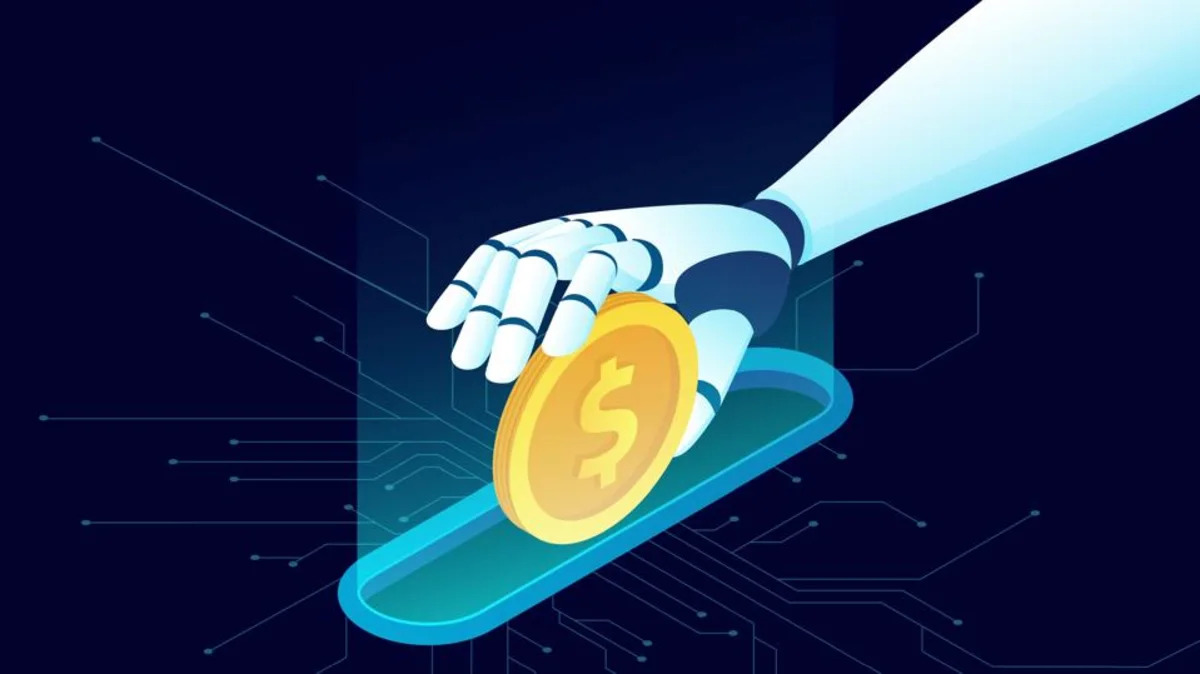
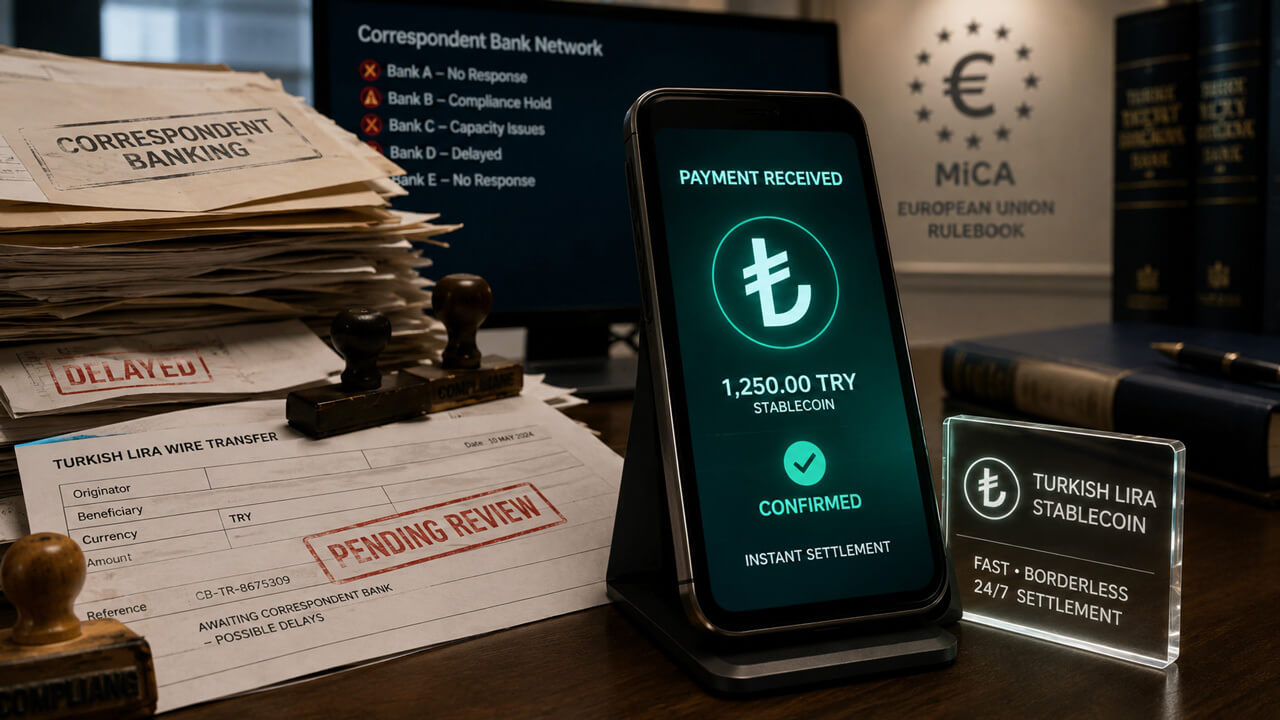
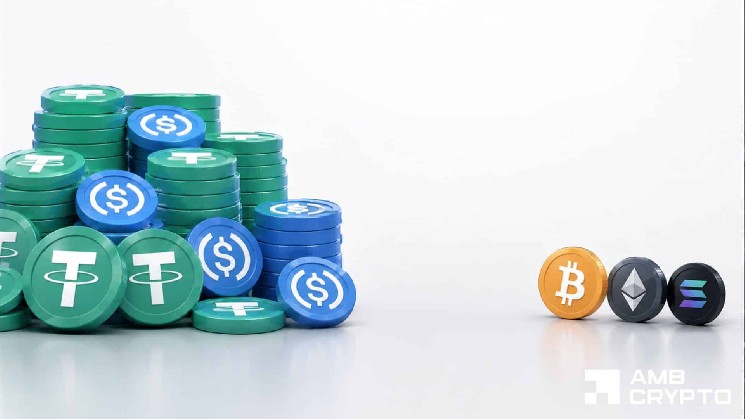
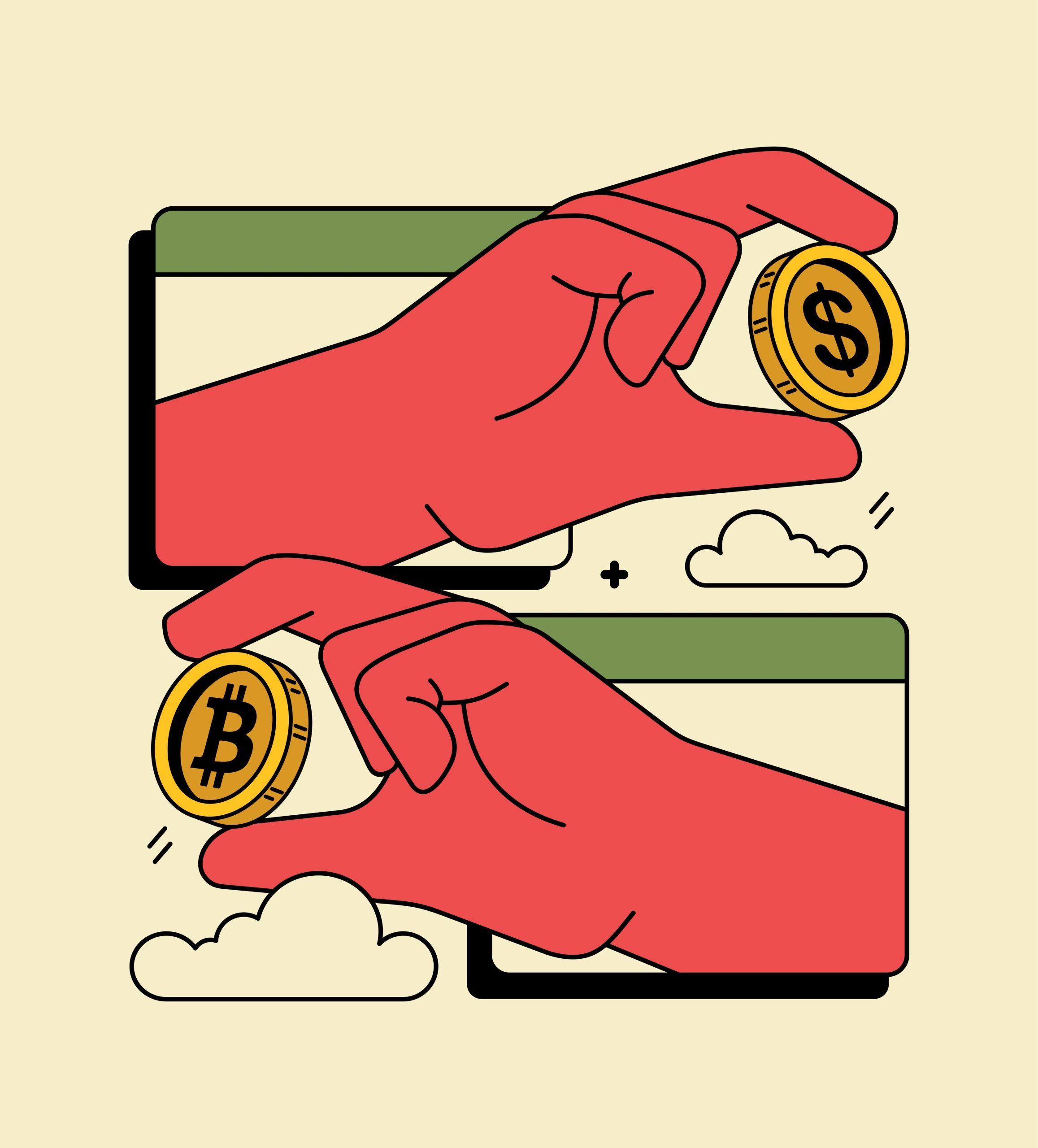
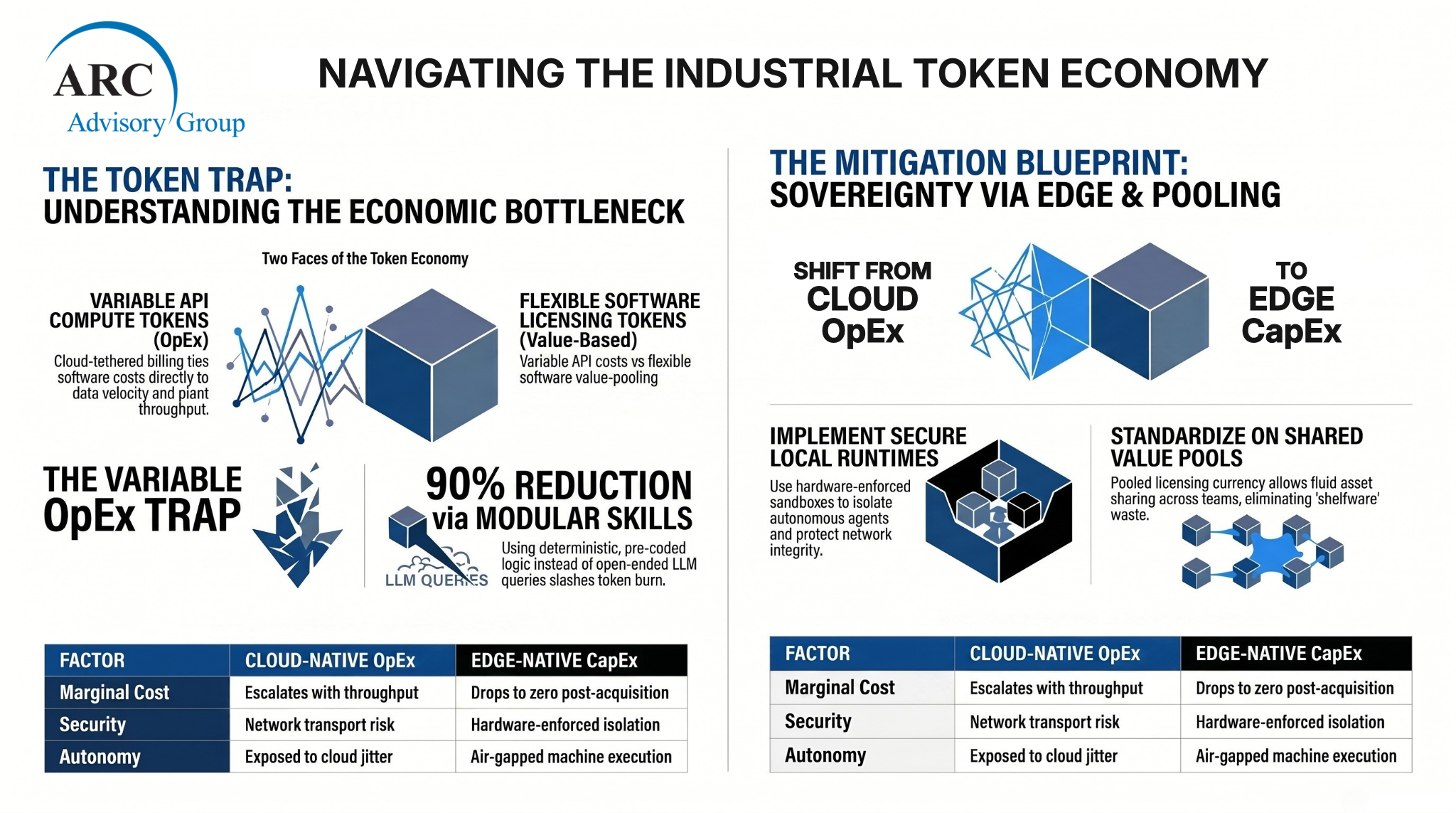
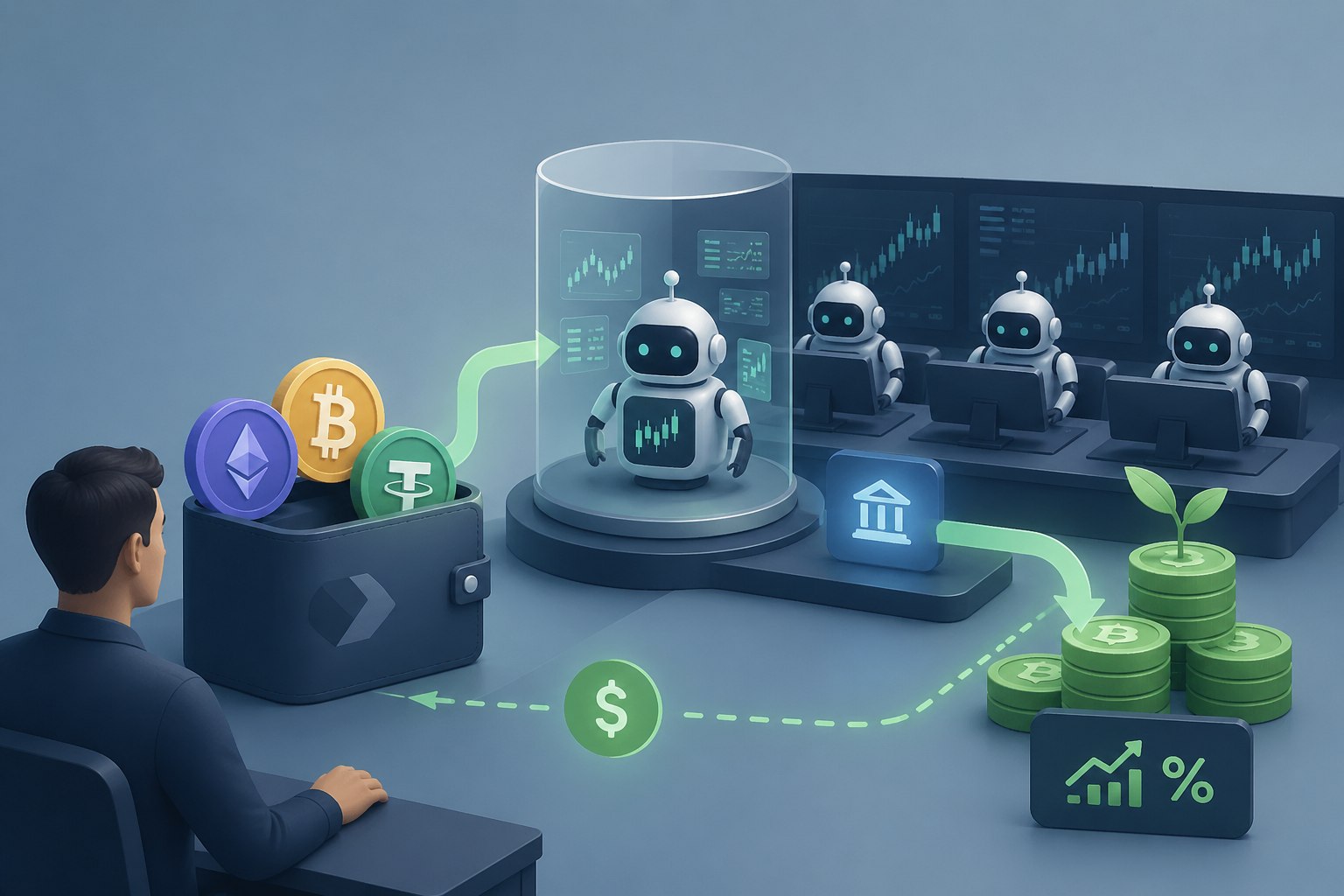
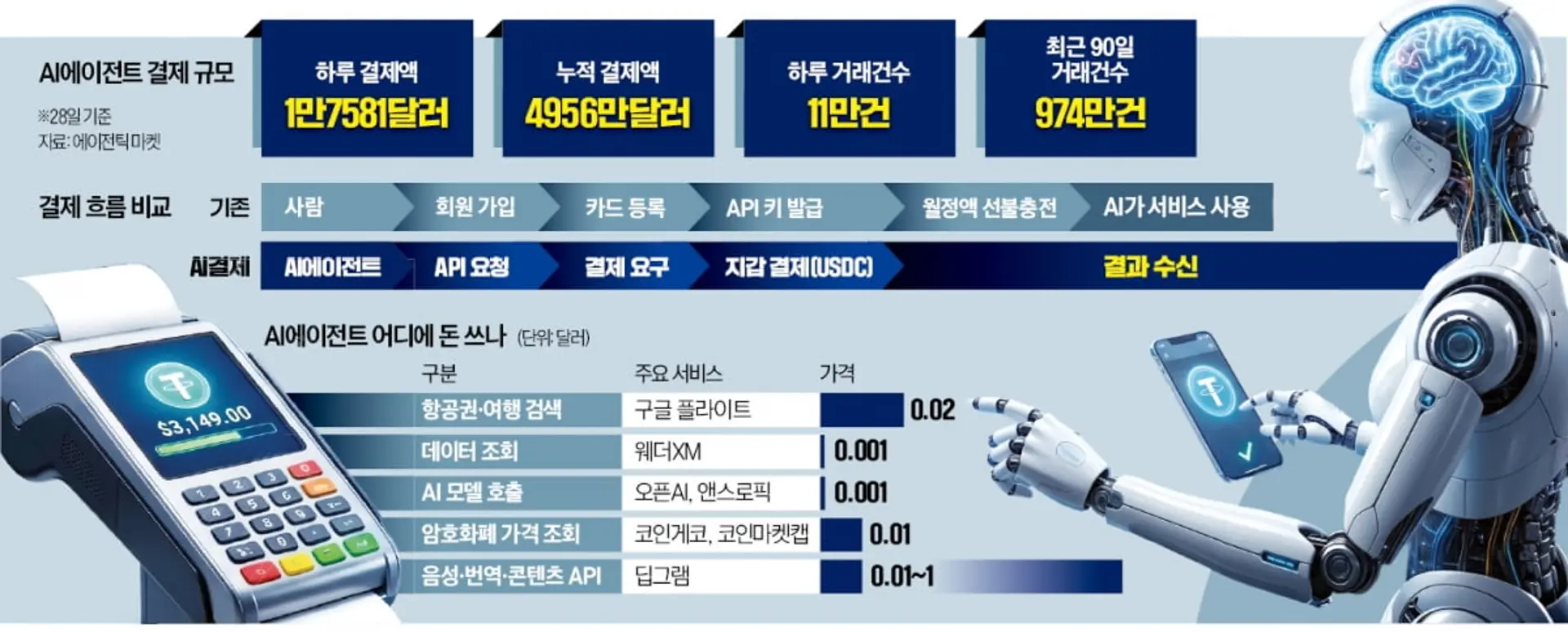
Her core mechanical claim is that legacy payment rails cannot handle machine-to-machine micropayments. A standard card transaction “averages 2%-3% plus a flat fee of approximately $0.30 versus AI agent payments that average $0.001 to purchase a single second of compute or a data query,” she wrote, calling credit card and banking infrastructure “unsuited for agentic micropayments.” That gap, in her framing, pushes agent transactions onto blockchains, where each recorded transaction requires payment in the underlying network’s token.
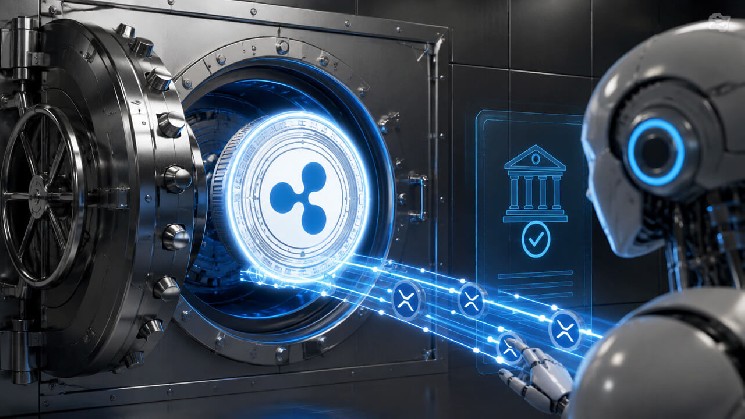
Kaul cited external estimates putting agentic commerce “as high as $3-$5 trillion by 2030,” and said 38% of organizations report they will have AI agents working as team members alongside humans by 2028. She pointed to Coinbase’s x402 payment standard, since transferred to the Linux Foundation, and to a Machine Payments Protocol from Stripe and Visa as evidence that “software can pay software.”
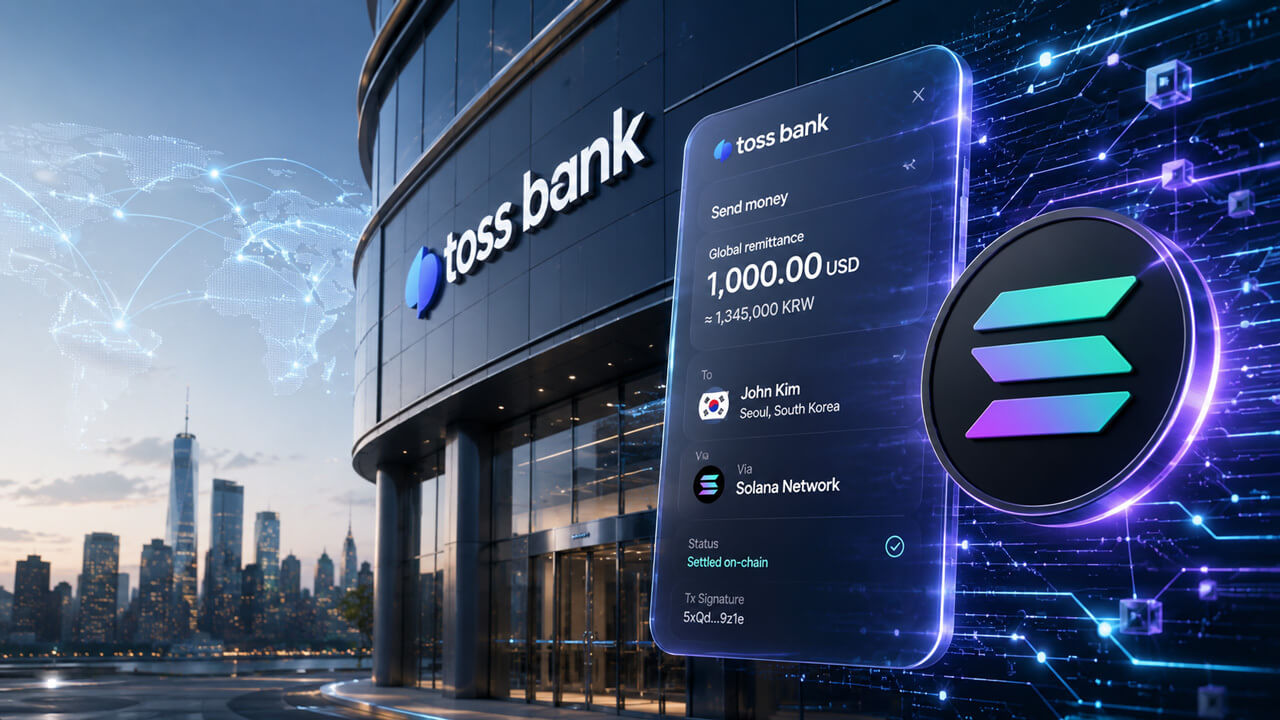
The piece is a first-party market view, not a research finding, and Franklin Templeton attached extensive risk disclosures noting that “concepts discussed may not come to pass” and that crypto investments carry risk of total loss. The article does not name specific tokens as recommendations, though Kaul used SOL, the token of Solana, as an example of a network fee asset.