- June 8, 2026
- Olivia
- 0
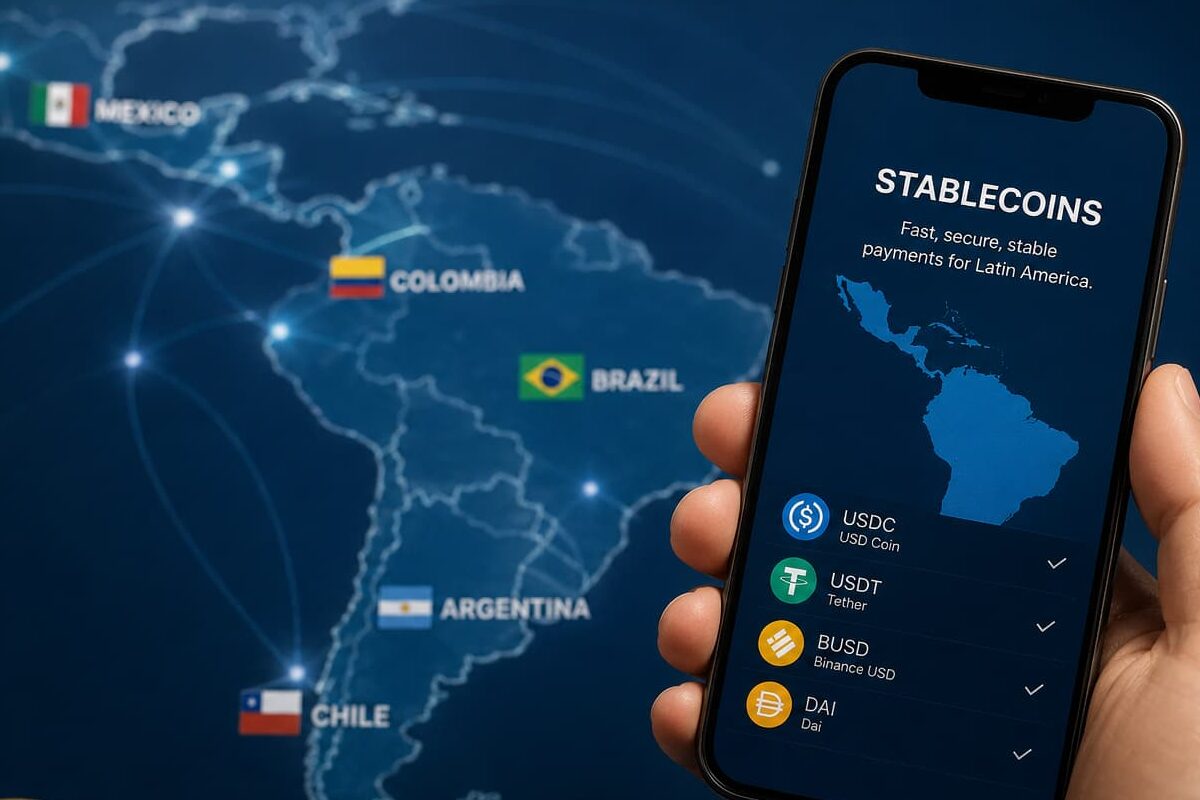
Meta announced in March it would begin offering stablecoin payouts to Colombian and Philippines-based creators.
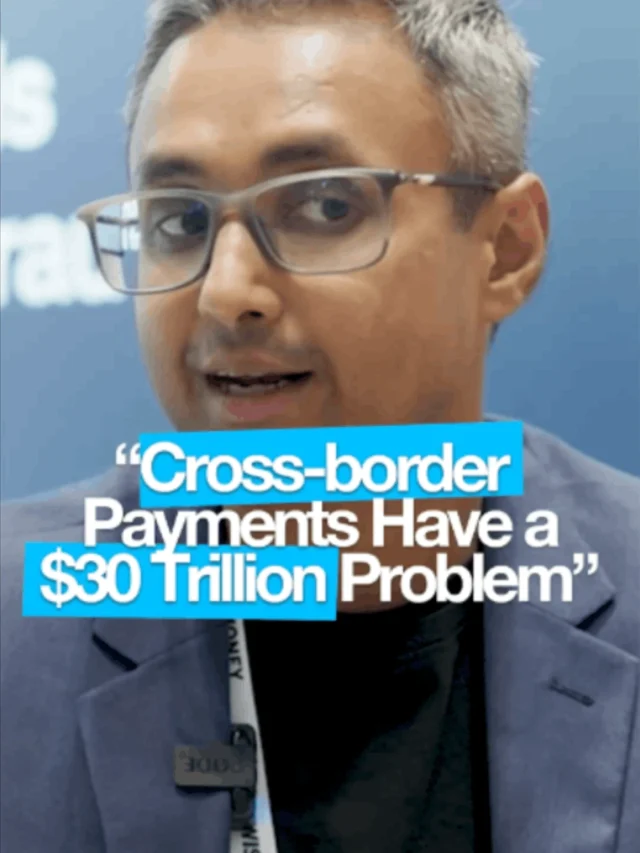
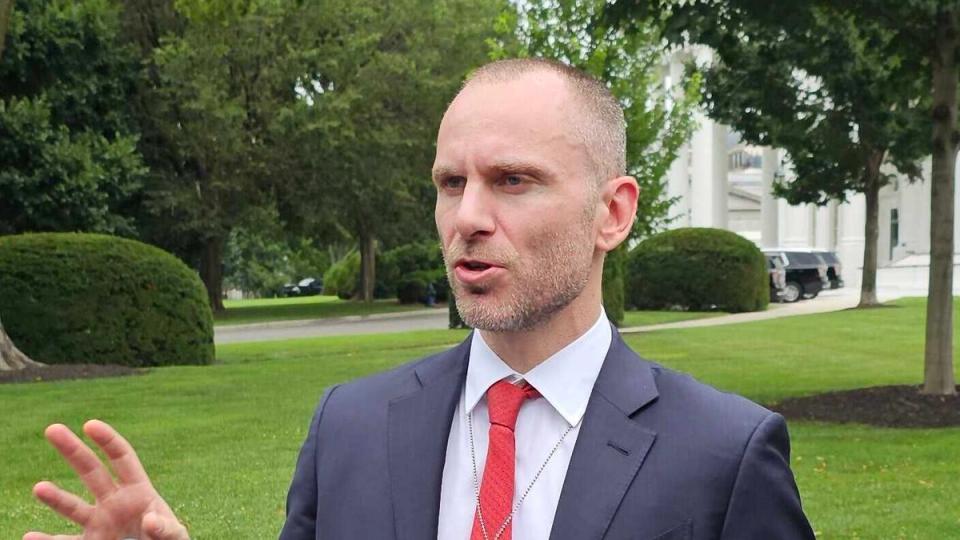
But Tim Joslyn, chief technology officer at Paymentology, argued in a CoinDesk opinion piece Saturday (June 6) that this was “not a complete payments experience” but “a faster way to move money between accounts.”
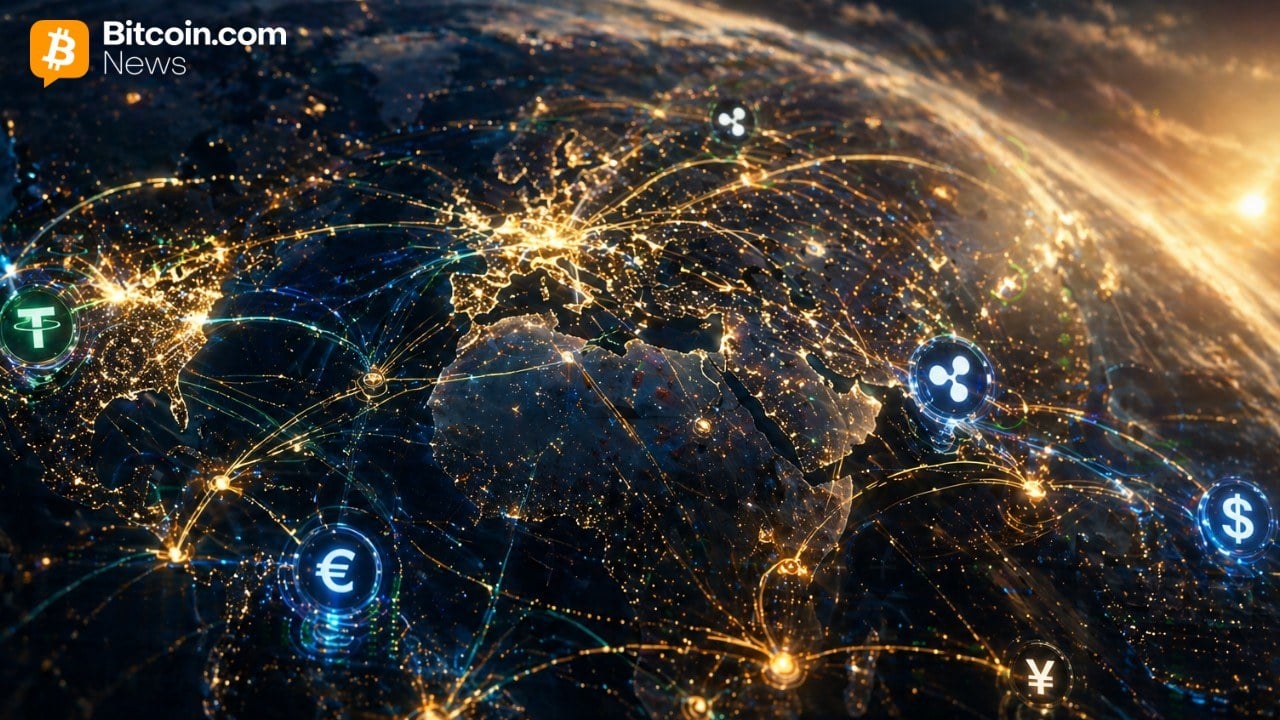
While stablecoins have “largely solved cross-border digital settlement,” he added, integration into local consumer financial systems is still uneven.
For example, a creator based in Bogotá or Manila will often still need to convert USDC into local currency to take part in their local economy, Joslyn wrote, which means following a series of steps that bring with them fees, delays and friction beyond Meta’s ecosystem.
“For a creator whose expertise is content, not crypto, that is a significant amount of complexity to navigate just to access their own earnings,” Joslyn added.
“And this is where stablecoin payments reveal their structural limitations. The infrastructure optimizes settlement, while usability still varies significantly by market.”
Advertisement: Scroll to Continue
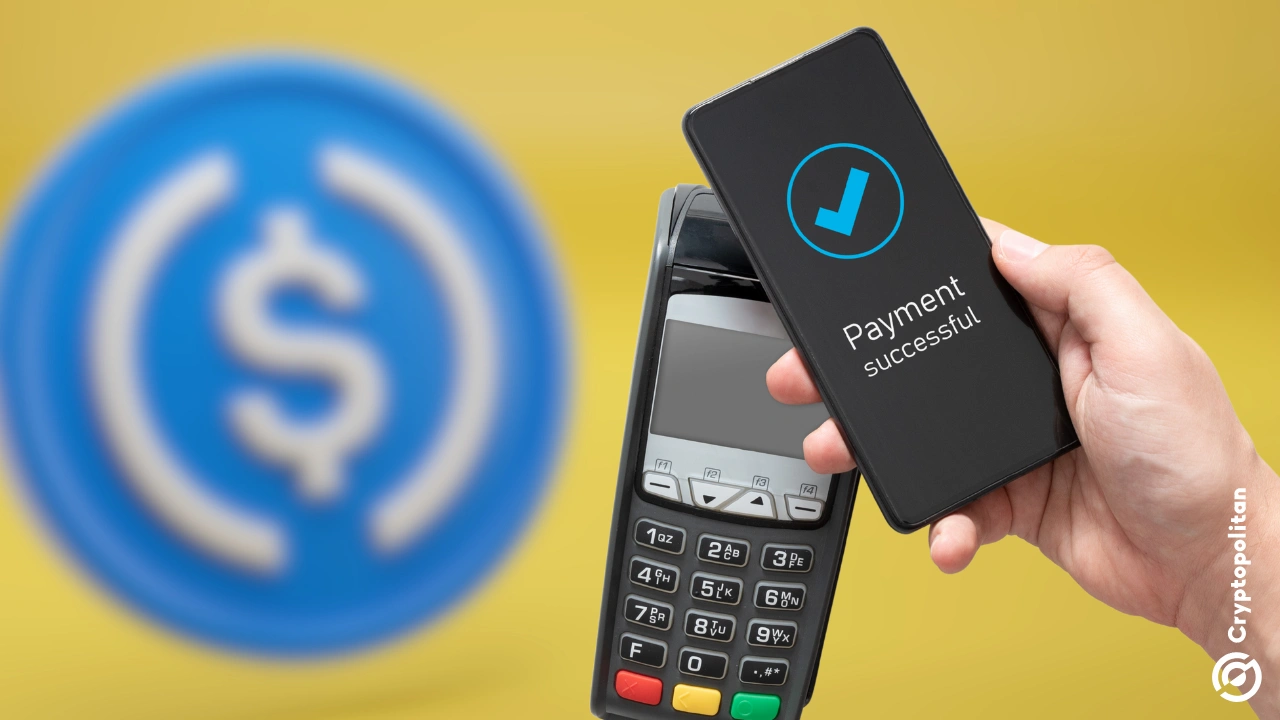
While he said Met has “helped push the conversation forward,” Joslyn contended that the next phase of tablecoin adoption will be defined less by transaction speed or “blockchain throughput” than by integration into card networks, banking apps and merchant terminals.
“In that end state, stablecoins will be present in the system but largely invisible to users,” Joslyn argued. “That work is already underway across the card networks; the platforms handling payouts will need to keep pace.”
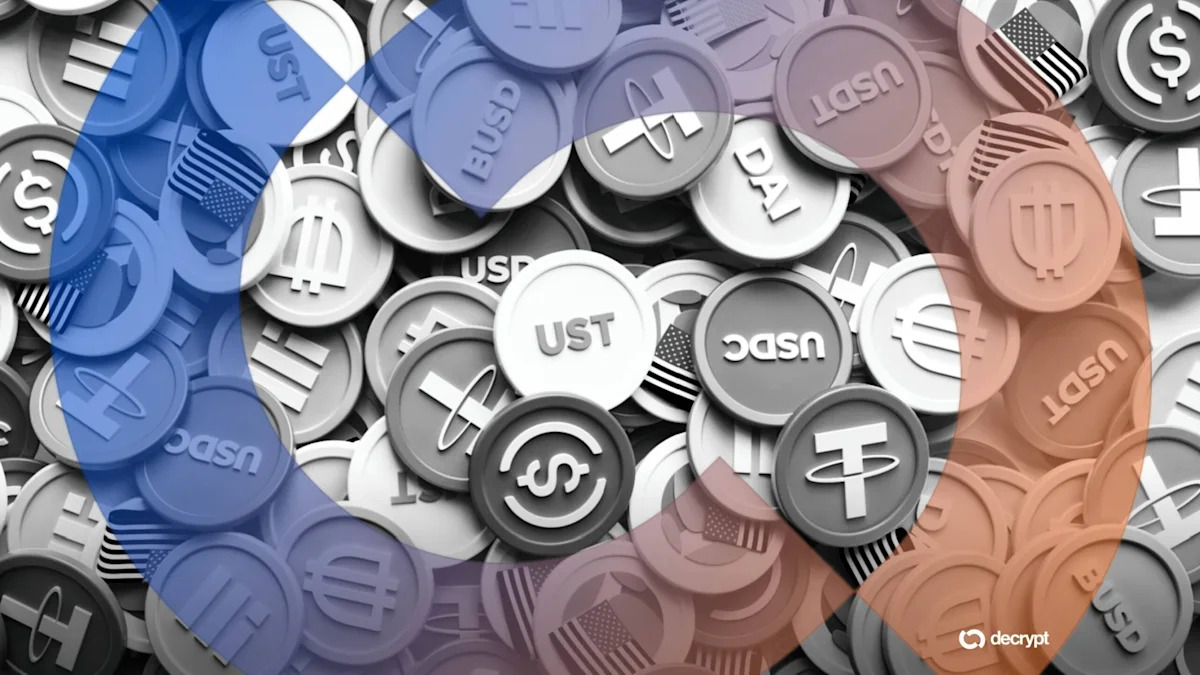
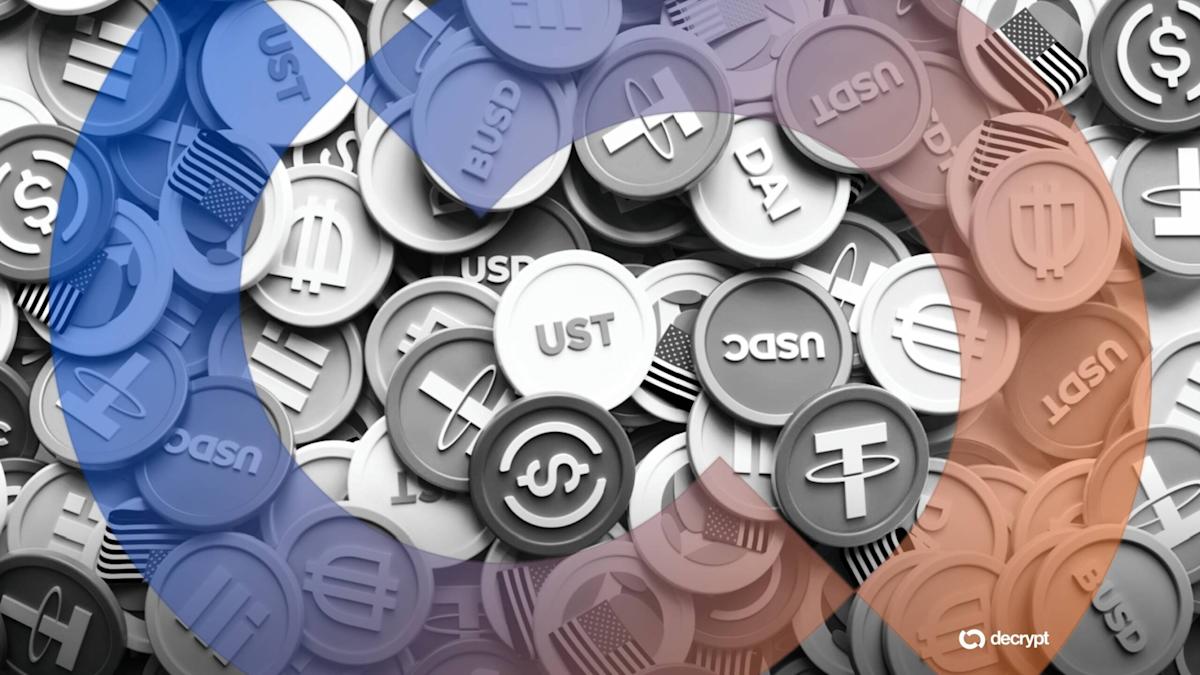
In related news, PYMNTS wrote last week that the stablecoin market had entered a new era in which it is “being framed not as an alternative money system, but as settlement infrastructure.”
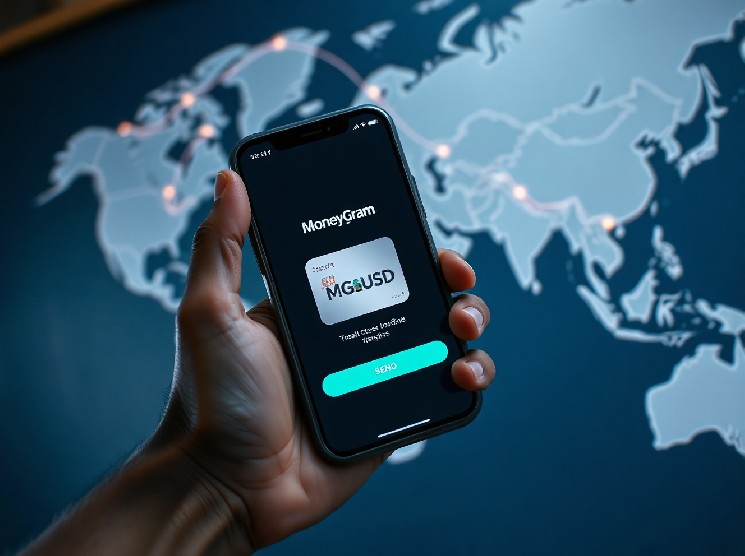
For example, MoneyGram recently launched its own stablecoin as it builds its blockchain payments infrastructure. Revolut’s reported plans to offer stablecoin access to its U.S. banking customers highlight the way FinTech companies think of digital dollars as a path to increasing customer engagement, while bypassing parts of the traditional banking stack, the report added.
Meanwhile, crypto-native platforms are positioning stablecoins as alternatives not just to payment apps but to savings accounts themselves.
“The larger strategic question is whether stablecoins become embedded within existing payment systems or evolve into parallel ecosystems altogether,” PYMNTS wrote.
“Mastercard, Visa and Stripe, for example, are backing a stealth stablecoin platform in a move that effectively hedges against a future where payment credentials, settlement mechanisms and merchant relationships become increasingly tokenized.”